
There’s something quietly wonderful about the moment a small dog curls up beside you on the couch, sighs softly, and settles in for the afternoon. For seniors, that kind of uncomplicated companionship can genuinely change the quality of a day. Research consistently points to pet ownership reducing loneliness, lowering stress, and even encouraging gentle movement. Studies show that pet ownership can reduce stress, lower blood pressure, and provide the emotional support that enhances overall well-being.
The real challenge isn’t whether to get a dog. It’s which one. Some dogs want marathons. Others are perfectly happy with short walks and long naps. The goal is to find a furry friend who matches your energy, not one who drags you down the street like you’re in an Olympic race. The ten breeds below are each chosen for their gentle nature, manageable size, and natural fit with a calmer, quieter lifestyle.
1. Cavalier King Charles Spaniel: The Original “Love Sponge”
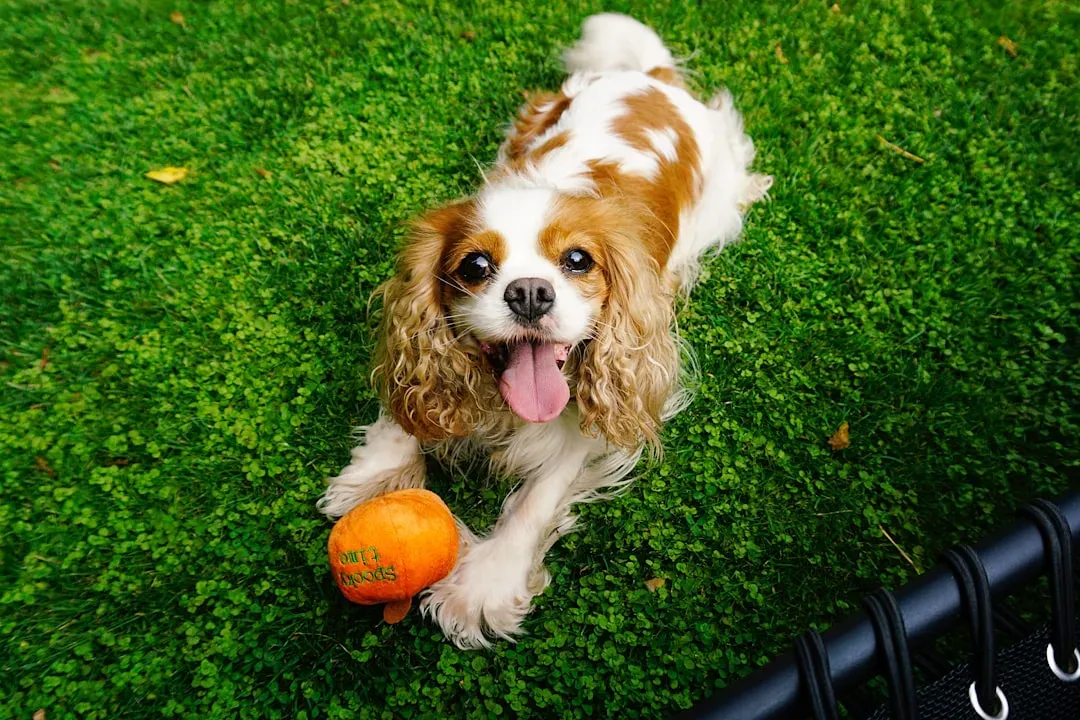
The Cavalier King Charles Spaniel consistently ranks among the best dogs for seniors due to their gentle, loving nature and adaptable personality. Known for their sweet, gentle and playful nature, they’ve earned the nickname “love sponge” due to their fondness for snuggling up with their owners. Imagine settling into your favorite armchair with a book and a warm, silky dog stretched contentedly across your lap. That’s the Cavalier’s default setting.
With roots tracing back to Renaissance royalty, the Cavalier King Charles Spaniel carries both nobility and a gentle demeanor. Their soft eyes and welcoming personality make them natural therapy dogs, which speaks volumes about their emotional sensitivity. For seniors, that means steady companionship and a comforting presence. Short, leisurely walks and play sessions indoors easily satisfy their exercise needs. Their silky coat benefits from regular brushing, yet grooming is manageable. Cavaliers adapt well to apartments and calm households, rarely demanding more than closeness and routine.
Their high intelligence makes them easy to train as they are eager to please. One important health note: Cavaliers are known to be prone to heart conditions as they age, so regular veterinary check-ups are genuinely essential, not just recommended. Catching issues early makes a real difference in keeping them comfortable long-term.
2. Shih Tzu: A Lap Dog Born for the Role
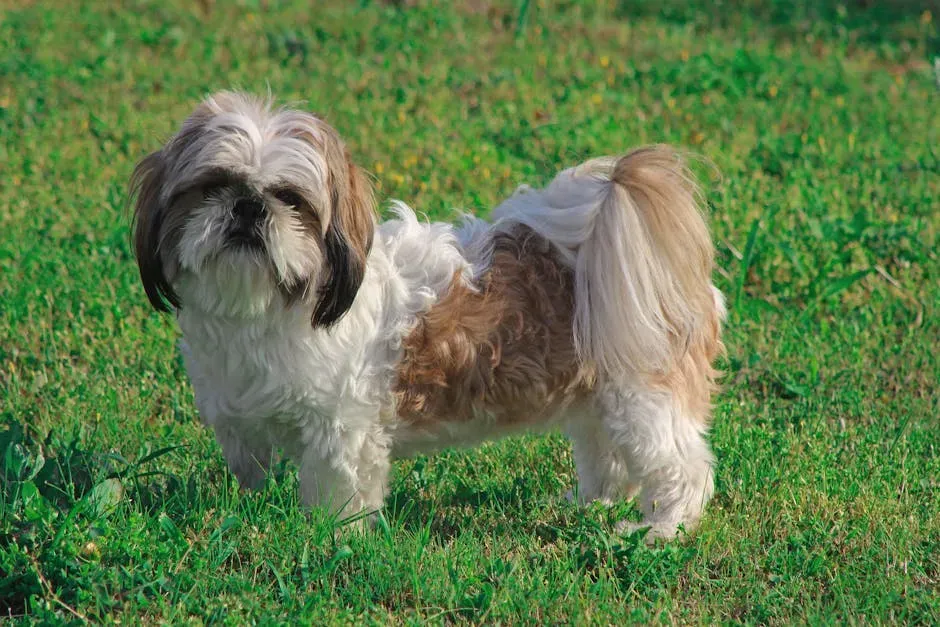
The rich history of the Shih Tzu dates back to ancient times, originating in the mountainous regions of Tibet. Bred by Tibetan monks, these dogs were revered for their association with Buddhism, often considered sacred companions that brought joy and tranquility to monastic life. That spirit of calm, devoted companionship has never left the breed. Their temperament – confident, affectionate, and intensely people-oriented – has been shaped by more than a thousand years of selective breeding as a companion dog.
The Shih Tzu is a calmer, more laid-back breed, perfect for those who prefer a relaxed companion. While affectionate and social, they may be a bit more stubborn during training and require more frequent grooming due to their luxurious coat. They are slightly less active than some other small breeds, making them a great choice for a quieter lifestyle. Shih Tzus don’t need acres of space. Their exercise needs are modest. Short walks and indoor play sessions are enough to keep them happy.
One practical health consideration: Shih Tzus are brachycephalic, meaning they have a flattened snout shape. Not only does this change their appearance, but Shih Tzus tend to have more breathing issues because of the shape of their skull. Avoid strenuous exercise in hot weather, keep them cool, and watch for any signs of labored breathing – particularly in summer months.
3. Maltese: Small, Devoted, and Quietly Feisty
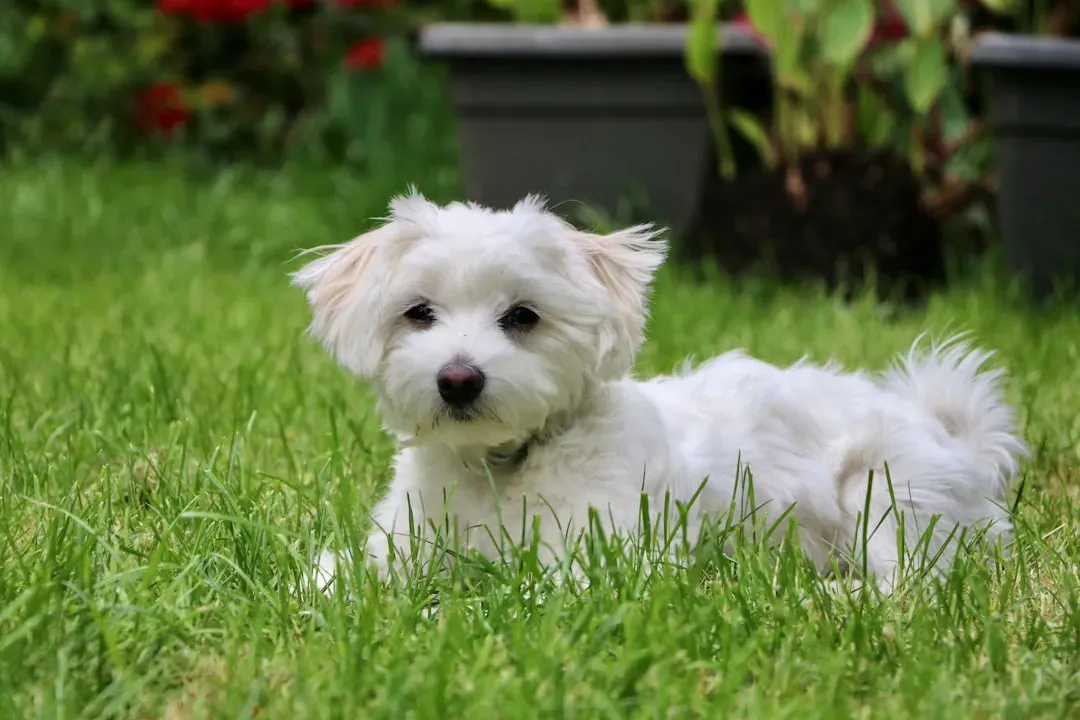
The Maltese is a tender, graceful companion that thrives on closeness and calm. They prefer gentle strolls and brief playtimes, followed by long cuddles. Their small size makes them effortless to manage, especially in apartments or smaller homes. With an average weight of between four and seven pounds, Maltese are highly portable dogs with straightforward care requirements and a stable temperament. You can carry one in a tote bag to a vet appointment without breaking a sweat.
Despite their refined appearance, Maltese dogs are surprisingly feisty – they’re bold, playful, and can even serve as little watchdogs, alerting you with their voice when something’s amiss. Gentle, trainable, and eager to please, their hair-like coats shed minimally, which is great for those concerned about allergies. Because these dogs are small and delicate, veterinary care is very important: common health issues include patellar luxation and dental disease. Keeping up with routine teeth cleanings can prevent the dental issues that plague many toy breeds later in life.
4. Bichon Frise: The Cheerful Cloud That Won’t Drain You
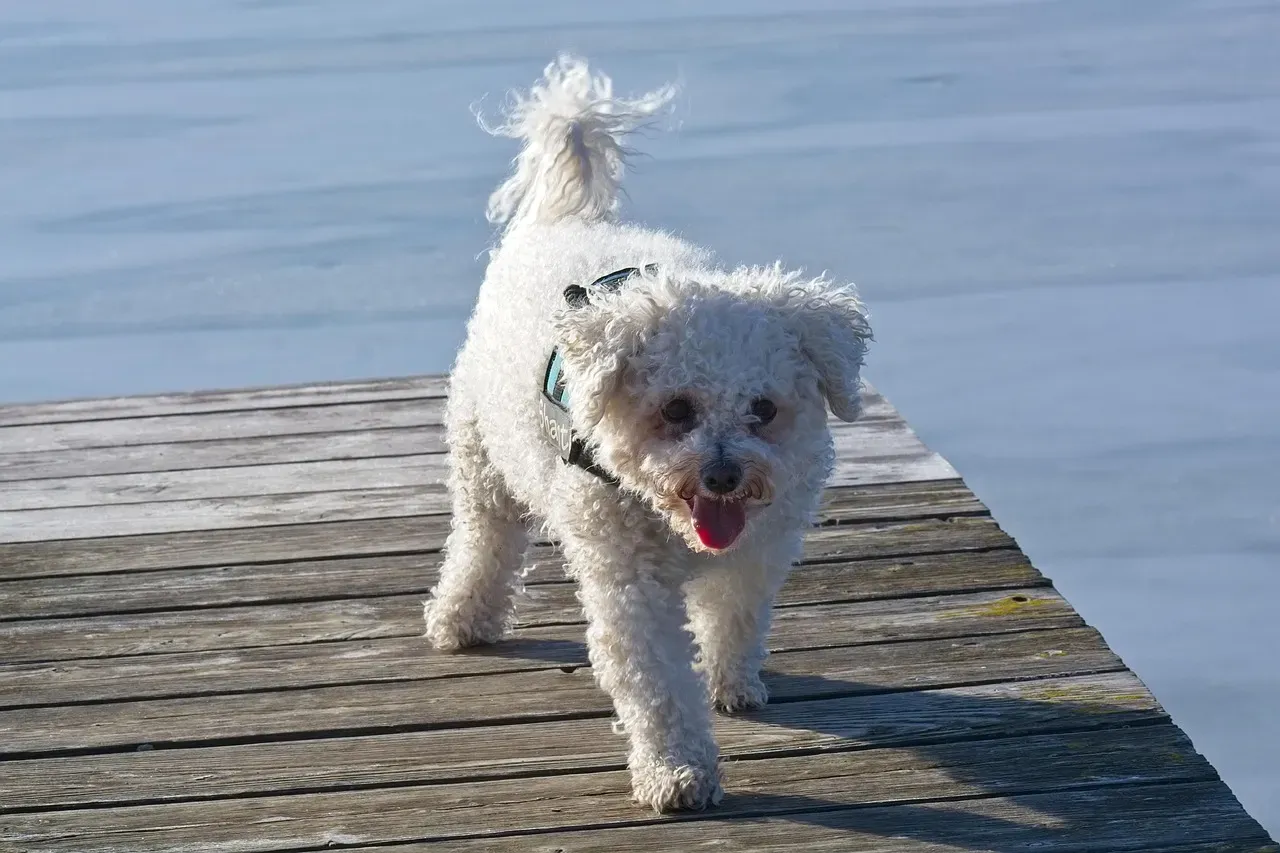
The Bichon Frise is a cheerful, cloud-like companion prized for friendliness and adaptability. Their small size and sunny temperament fit apartment living and relaxed routines. Bichons love gentle play and short walks, then settle for snuggly downtime. They’re hypoallergenic, a real plus for sensitive owners, though regular grooming keeps coats pristine. Their social nature helps reduce loneliness and encourages light activity. They’re typically quiet and respond well to consistent, kind training.
The Bichon Frise combines a friendly, playful personality with practical benefits for senior owners. These small, fluffy companions typically weigh between twelve and eighteen pounds and are known for being one of the most cheerful breeds. Bichon Frises shed minimally, which keeps homes cleaner and reduces allergen concerns. If you’ve ever worried about dog hair on your furniture or triggering a reaction, the Bichon is one of the most sensible choices on this list. Their grooming needs are moderate, only needing occasional professional grooming to keep them looking their best. They’re naturally social and loving, perfect matches for seniors who enjoy a dog with personality and charm.
5. French Bulldog: Big Personality, Tiny Demands
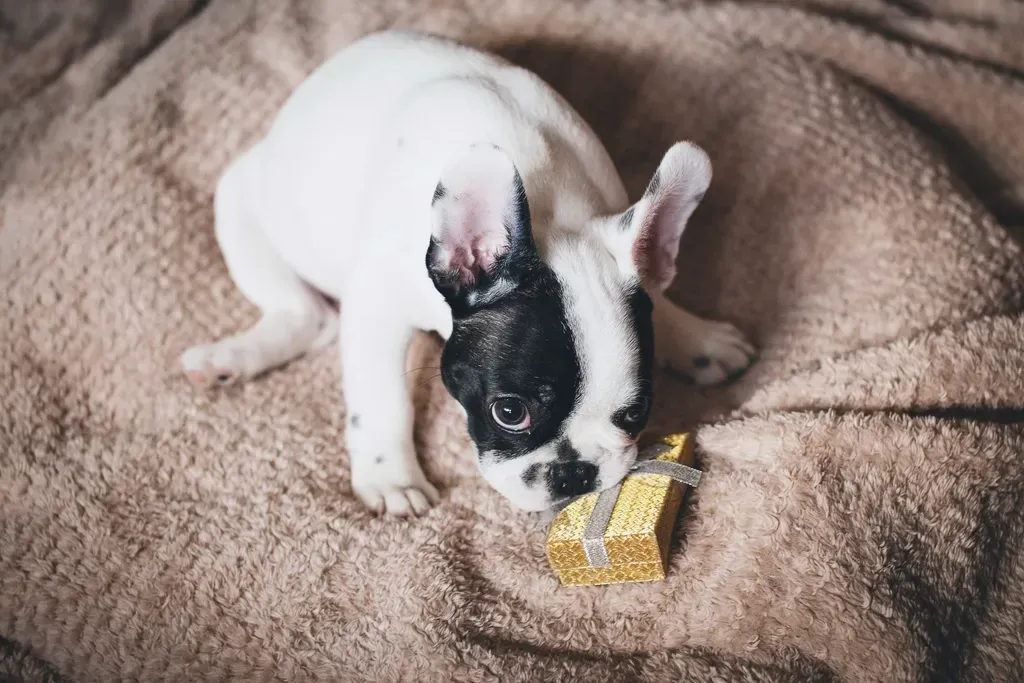
French Bulldogs are small dogs that make great companions for senior owners. Their compact size makes them easy to handle, even in apartments or smaller homes, and their calm demeanor fits perfectly with a relaxed lifestyle. These dogs have a friendly, affectionate nature, which helps create strong bonds without demanding constant activity. Known for their playful spirit, love of entertaining, and endearing snorts, this breed has earned the nickname “clown dog.”
While they have plenty of energy, Frenchies don’t have a lot of endurance, making short walks or playtime in the yard the perfect option for them. They are easy to groom and quiet, amiable companions that readily adapt to apartment living. French Bulldogs are trainable and less likely to bark than other dog breeds. Worth knowing: like the Shih Tzu, French Bulldogs are brachycephalic. Their flat faces make them prone to breathing issues, so it’s best to avoid strenuous activity, especially in warm weather. Keep walks short in summer and always ensure fresh, cool water is available.
6. Japanese Chin: The Cat of the Dog World
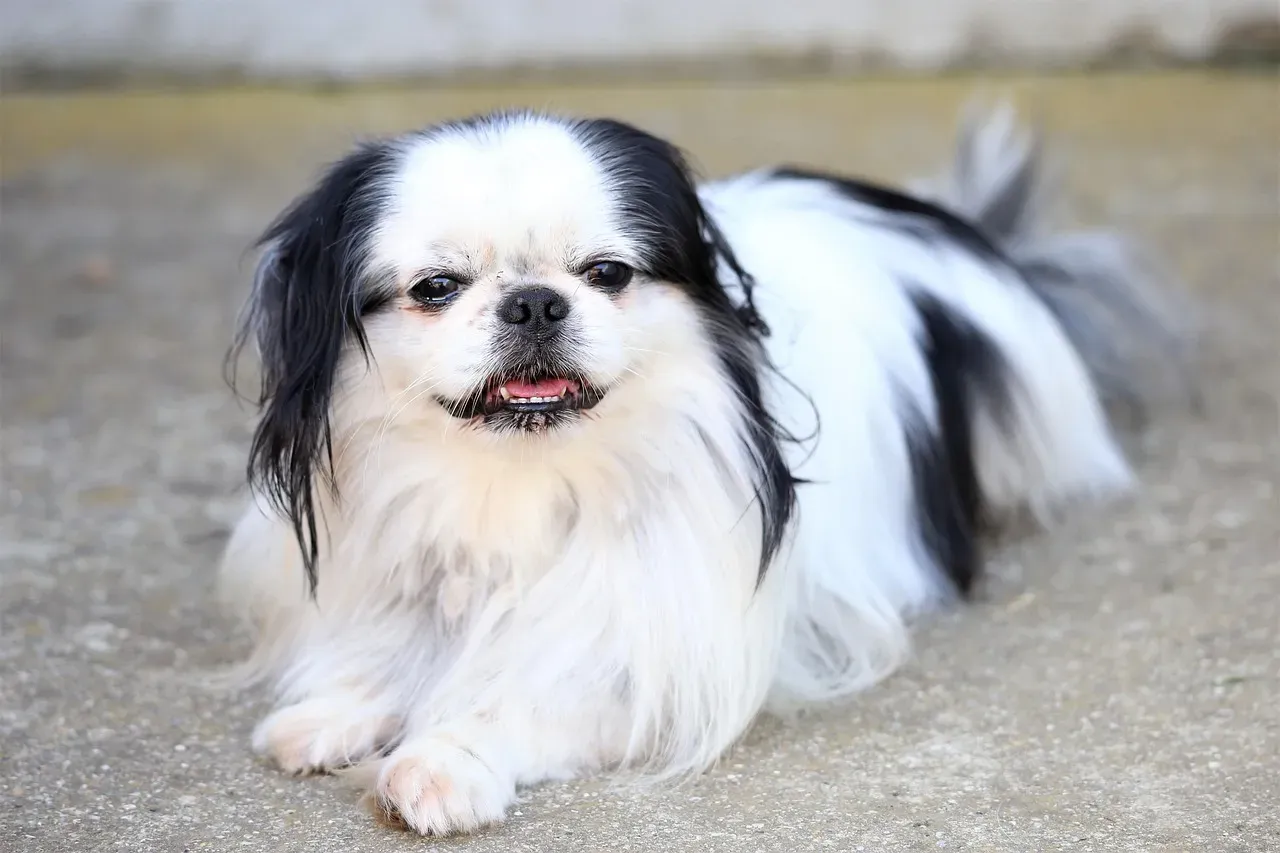
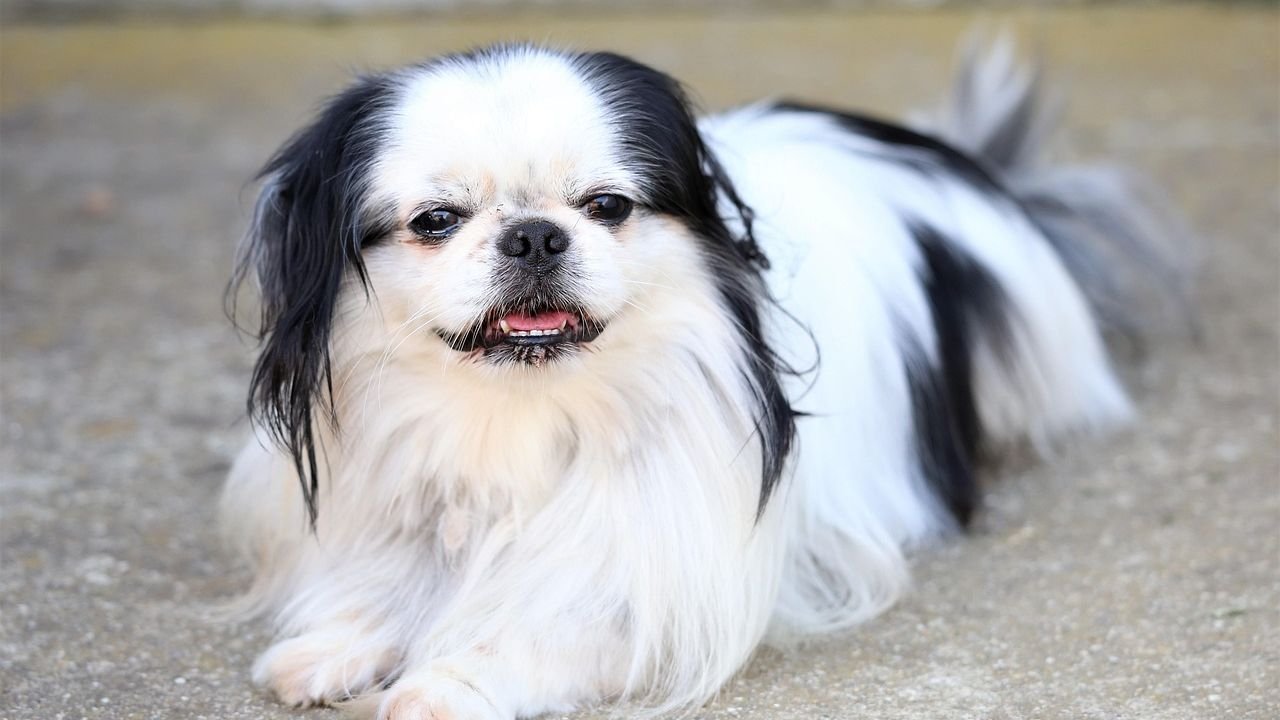
The Japanese Chin is a lovely companion for older adults who want a small dog with a calm temperament. These dogs are gentle, quiet, and well-suited to indoor living. They don’t demand long or strenuous walks – just a few short strolls each day. Their moderate exercise needs make them ideal for people who prefer a relaxed routine. Japanese Chins are often described as cat-like in their calmness, and they make deeply affectionate lapdogs. They’ll perch on the back of the sofa and observe the world with quiet curiosity in a way that few other breeds manage.
Beyond their graceful looks, Japanese Chins are incredibly affectionate. They bond deeply with their owners and enjoy being close, whether it’s snuggling during reading time or watching the world go by from a window. Because they’re alert yet not overly excitable, they’re one of the best dog breeds for seniors wanting a peaceful yet loving companion. Their coats do need regular brushing, but their small frames make the whole process quick and manageable – a light weekly ritual rather than a chore.
7. Pekingese: Dignified, Low-Energy, and Deeply Loyal
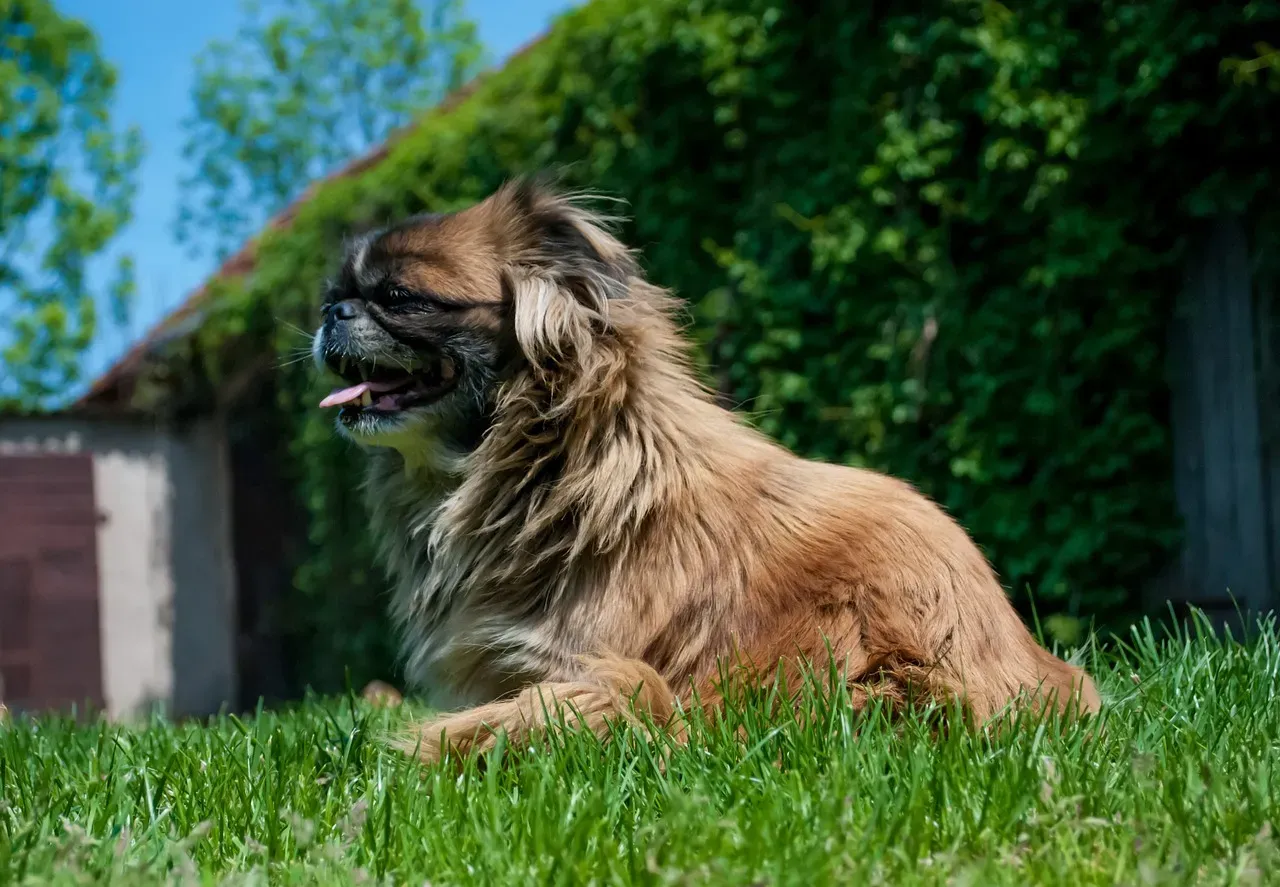
Pekingese dogs were once a fixture at the imperial Chinese court. Regal and mostly calm, these small companions thrive in quiet environments and enjoy close, devoted relationships with their owners. While they can be somewhat challenging to train, their overall temperament is easygoing and cooperative. After a little daily activity, Pekingese are perfectly content being peaceful companion dogs. Despite their proud history, Pekingese have modest exercise needs. A bit of indoor play or short strolls around the apartment are usually enough before they happily settle beside their owner.
Pekingese are loyal and alert watchdogs but rarely bark without reason. Though they can be stubborn and aren’t ideal as service dogs, they shine as devoted, low-energy, small-sized companion dogs for calm homes and older adults. Because of their short legs and front-heavy build, large steps can be challenging, especially for older dogs, so gentle handling is important. Their thick double coat requires regular grooming in the form of regular brushing to prevent mats, and facial wrinkles should be cleaned and dried carefully to prevent skin infections from developing in the folds.
8. Pug: Charming, Funny, and Wonderfully Uncomplicated
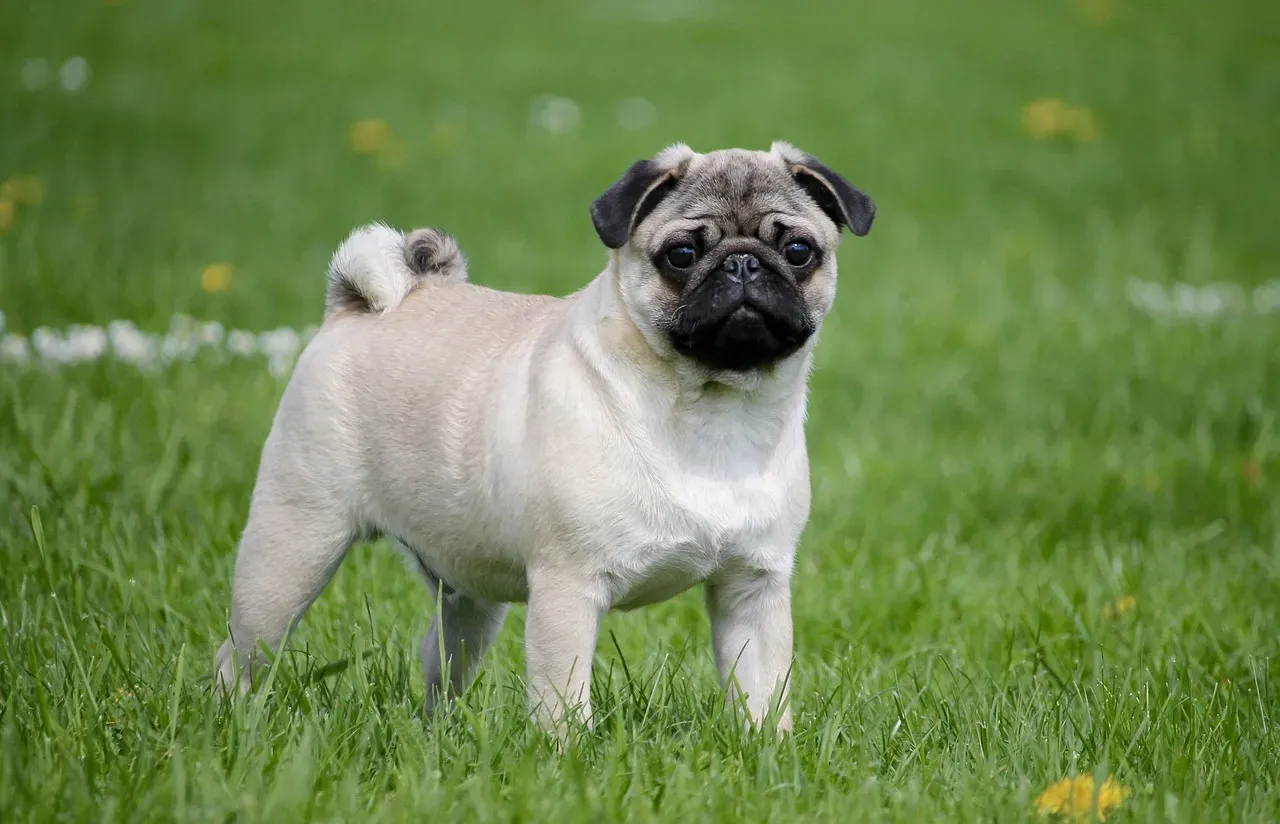
Once a mischievous favorite of Chinese emperors and later the mascot of Holland’s royal House of Orange, the Pug has always enjoyed royal company. For older adults seeking a quintessential lap dog, this tiny dog offers loyalty, calm presence, and just a touch of dignified attitude. Pugs are friendly and charming – these dogs are ready to play with anyone and everyone, and never want to stop. Their enthusiasm for human company is almost contagious.
Pugs are known for their friendly and easygoing personalities. They thrive in routine, adore their people, and are small enough to be carried easily if stairs become difficult. Pugs are frequently listed among the best dog breeds for apartments, but they can be affected by problems with their eyes, breathing, hips and knees. Regular vet check-ups, keeping them at a healthy weight, and avoiding overheating are the three most important preventive steps any Pug owner can take. While they don’t bark a lot, these dogs can shed quite a bit, so a lint roller nearby is a practical investment.
9. Havanese: Cuba’s Gentle National Treasure
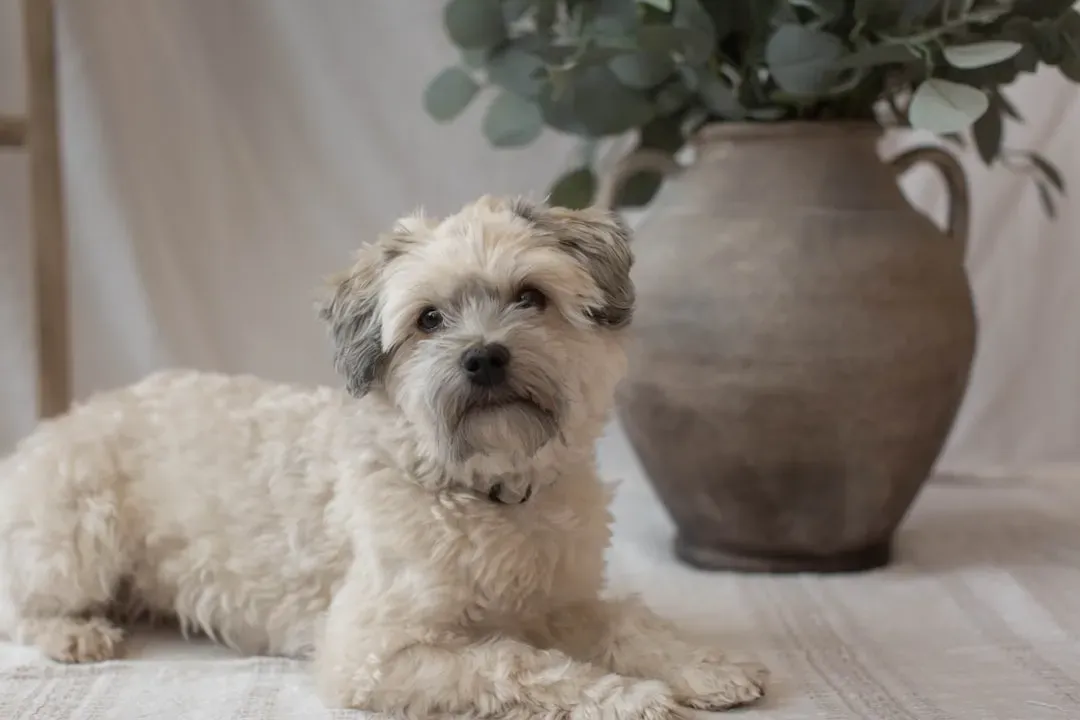
Seniors who spend much time at home will love the Havanese’s laid-back personality, social strength, and affectionate nature. Typically weighing under thirteen pounds, Havanese dogs are good for seniors living in apartments and care facilities. These small quiet dogs are intelligent and interactive, with the ability to learn new tricks without much repetition. The Havanese doesn’t like to be home alone all day. This makes them more suitable for homes of retired people or homes where someone is home most of the time. If you’re home a lot, that quality becomes a genuine plus rather than a burden.
The Havanese is generally more energetic and playful, making it ideal for active owners who enjoy interactive play and mental stimulation. They are highly trainable, eager to please, and adapt well to new situations. Grooming is moderate, and they shed very little, which is great for households concerned about hair. Health-wise, Havanese dogs are generally robust but can be prone to hip dysplasia and eye issues, so regular vet checkups are important. Ask your vet about routine eye exams, particularly as your Havanese enters their senior years.
10. Toy Poodle: The Smartest Gentle Soul in the Room
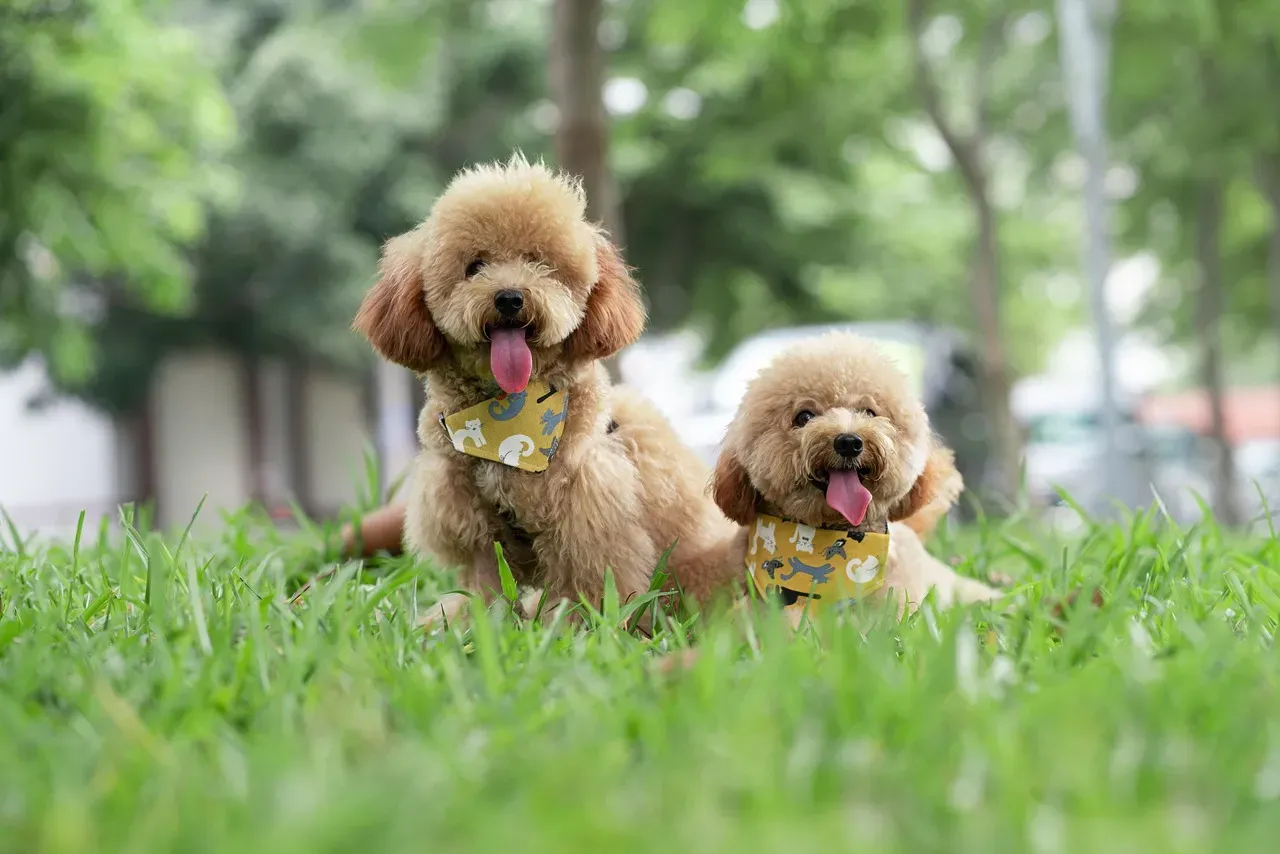
Poodles are an excellent option for older adults with allergies. Both the miniature and toy varieties of Poodles are hypoallergenic, which means they are less likely to trigger allergic reactions. Poodles are also known for their intelligence and trainability. As one of the smartest dog breeds, Poodles can be good companions for older people both at home and in care facilities. The toy version comes with a weight range of about four to six pounds, with all the impressive features of the standard version packed in a small body.
Poodles are intelligent dogs that are easy to train and love to please their owners, making them great companions for seniors. While these dogs can thrive without excessive exercise, they quickly adapt to their owner’s lifestyle. Whether you want to go on one walk per day or three walks per day, your Poodle will be more than happy to join. Since their curly coats require regular trimming, it may be beneficial to look into professional grooming services if you have a Poodle. Factor in a monthly grooming appointment, and you’ve got a nearly perfect senior companion: quiet, clean, loving, and sharp as a tack.
Finding the Right Match for Your Life
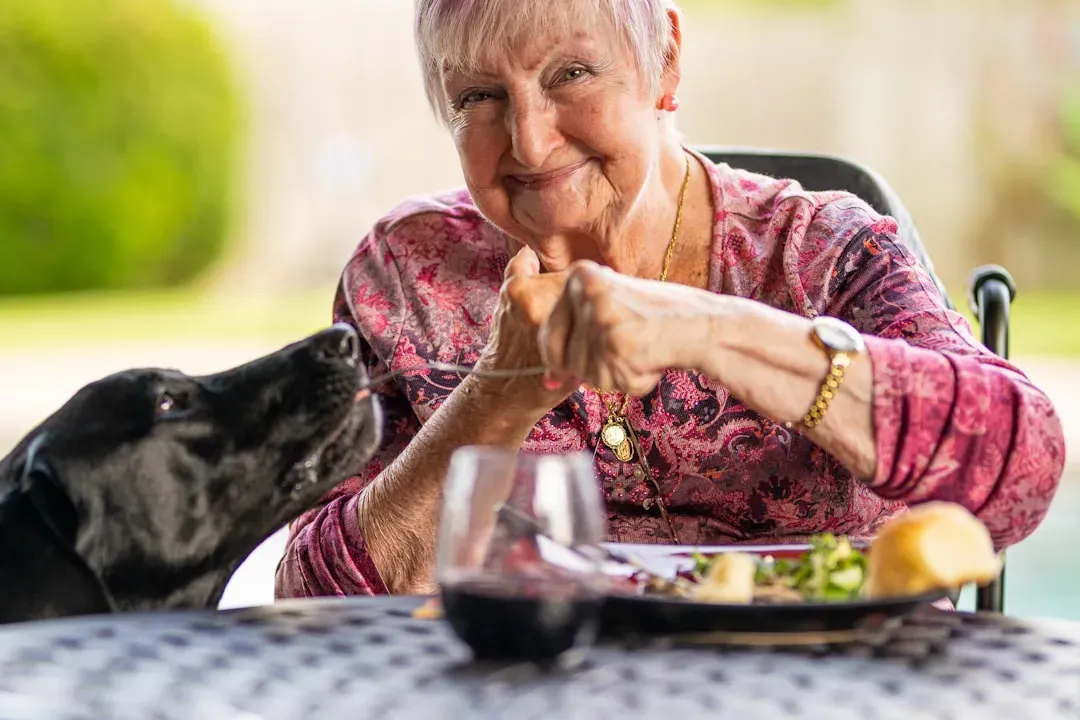
Choosing a dog in your senior years isn’t just about picking a breed you find cute, though there’s nothing wrong with that being part of the equation. It’s about honest, practical matchmaking. Choosing the right dog breed goes beyond looks and popularity. Seniors need a pet that is affectionate, easy to train, and relatively low-maintenance. Additionally, factors such as exercise needs, grooming requirements, and temperament play an important role.
When considering dog ownership, older adults should look into adopting an adult dog rather than a puppy. Puppies require a lot of energy, training, and patience, which may not be ideal for older adults. Adult dogs are often calmer and already trained, making them easier to manage. Rescue organizations often know their dogs’ personalities well and can help you find a gentle, already-settled companion. No matter which breed you choose, regular veterinary care is essential to ensure your pet stays happy and healthy. Routine check-ups, vaccinations, and preventive care not only extend your dog’s lifespan but also enhance their quality of life. A trusted veterinarian can guide you on nutrition, exercise, and breed-specific health concerns, ensuring your four-legged friend thrives by your side.
The right dog doesn’t demand a dramatic lifestyle change. It simply slides into the quiet rhythms of your day and makes them richer. Whether that’s a Cavalier resting its chin on your knee or a Toy Poodle following you from room to room with cheerful curiosity, the most important thing is that the match feels easy. Overall, the companionship of a small dog can greatly enhance the quality of life for seniors, offering them a loving pet and a loyal friend who helps them stay active, social, and emotionally fulfilled. That, at the end of a quiet afternoon, is worth everything.


