
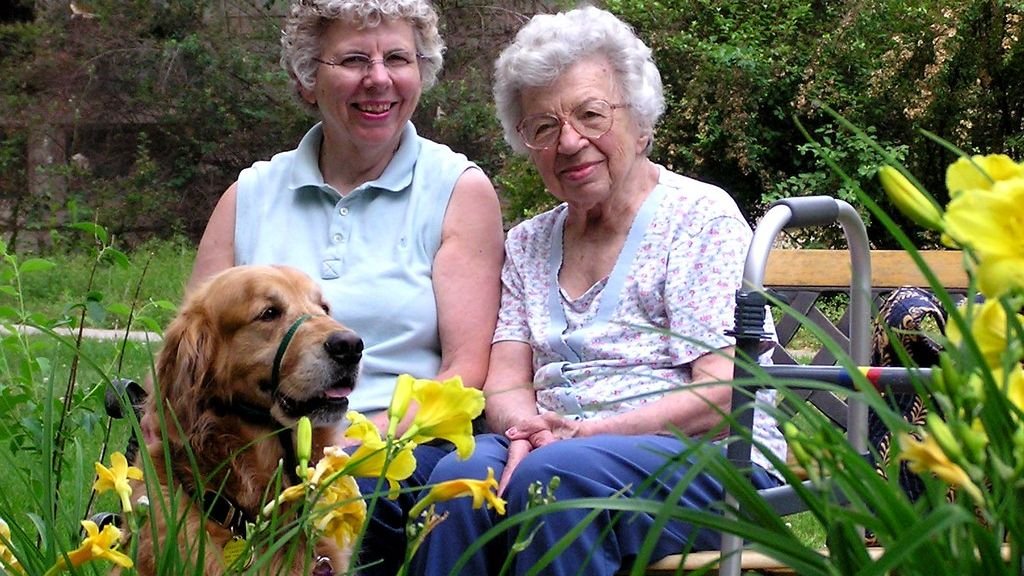
There’s a dog breed that genuinely doesn’t understand the concept of a stranger. You could be the mail carrier, a toddler visiting for the first time, or a neighbor your Golden has seen exactly once – it doesn’t matter. Within seconds, that tail is wagging, those eyes are soft and warm, and somehow you feel like the most important person in the room. That’s the Golden Retriever experience, and it’s unlike anything else in the dog world.
What makes this breed so remarkably social isn’t just personality. It’s a deep combination of genetics, selective breeding history, and a genuine emotional wiring that makes Goldens approach the world with open-hearted curiosity. Understanding the specific behaviors behind that friendliness helps you become a more attuned, thoughtful dog owner – and helps you appreciate just how special your Golden really is.
The Full-Body Wiggle Greeting

Most dogs wag their tails. Goldens wag their entire existence. A wagging tail is common, but a full-body wiggle is pure Golden love – if your dog greets you with spinning circles, happy hops, and uncontrollable tail movement, you are the highlight of their day, and this reaction shows excitement, joy, and a strong emotional bond. What’s striking is that this greeting isn’t reserved for family members alone.
Golden Retrievers are naturally outgoing and friendly with people, including strangers. That means the Amazon delivery driver, your sister’s new boyfriend, and the kid selling fundraiser cookies at the door all get the same enthusiastic welcome committee. If your Golden’s wiggles are getting a little too intense – knocking over grandma or launching into guests – consistent training to redirect that energy into a “sit and greet” routine works well without dulling their natural joy.
Bringing You a Gift When You Walk In

You open the front door. Before you can even take your shoes off, something is being shoved into your hand – a tennis ball, a sock, a chew toy, sometimes a random dishcloth. Golden Retrievers were bred to be retrievers, literally born to carry things gently in their mouths – typically game birds, but in today’s world, a floppy stuffed giraffe will do just fine. This is one of the most endearing and distinctly “Golden” behaviors you’ll encounter.
Historically, breeds like retrievers were specifically bred for fetching game, and this instinct can manifest in everyday life as bringing toys to greet their owners – it’s not only about the toy; it’s also about fulfilling an embedded purpose. Dogs will often give gifts to the leaders of their pack to show affection and respect, and as man’s best friend, dogs have an instinctive desire to please their humans – you have likely reinforced this behavior by giving them praise, scratches, and playtime in return. The best response? Accept the gift graciously, every single time.
Treating Strangers Like Old Friends
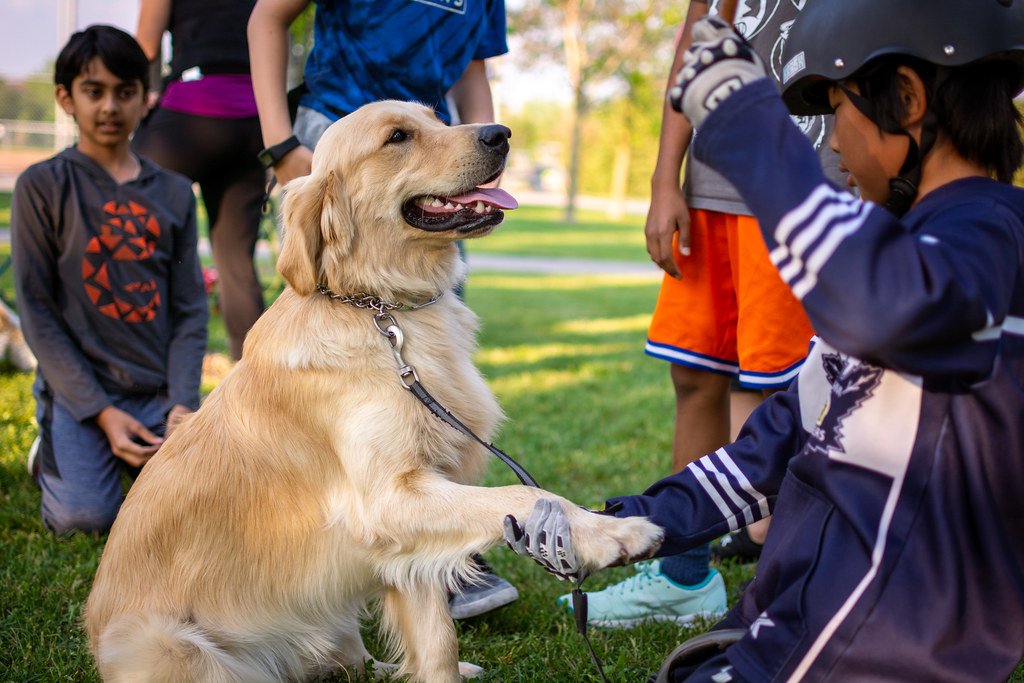
Golden Retrievers often greet everyone, including strangers, with warmth and enthusiasm rather than suspicion or aggression, and this open-hearted demeanor means they quickly win over even those who might normally be wary of dogs. This is not a trained behavior – it’s deeply rooted in who they are as a breed. You’ll notice it at the vet’s office, in the park, and at family gatherings where they’ve never met most of the guests.
Their temperament is not accidental – it is the result of generations of selective breeding focused on cooperation, reliability, and stable behavior. It’s worth noting, though, that this openness means they make excellent companions but poor guard dogs, because their instinct is friendliness, not territorial aggression. If you were hoping your Golden would protect the house, they’re far more likely to show an intruder where the good snacks are kept.
The Gentle Lean

One of the most recognizable signs of a Golden’s affection is the famous “Golden Lean” – when your dog presses their full body weight against your legs or side, they’re showing complete trust, and this behavior indicates that your Golden feels safe, relaxed, and emotionally connected to you. It’s their version of a hug. What’s remarkable about this behavior is how freely Goldens extend it – not just to their primary owners, but to practically everyone they feel comfortable around.
You might notice your Golden casually drifting toward a houseguest and just… leaning into them. No fanfare. No barking. Just a warm, solid press that says “I accept you completely.” They follow you around, lean against you, or rest their head in your lap as signs of trust and affection. If your Golden does this to someone new, take it as a genuine compliment – your dog has decided that person is worthy of the highest honor they know how to give.
Soft Eye Contact and the Oxytocin Connection

When your Golden Retriever looks at you with calm, relaxed eyes, that’s a powerful sign of love – gentle eye contact between dogs and humans releases oxytocin, the same bonding hormone associated with trust and affection. This applies not just to owners, but often to anyone your Golden feels at ease with. That soft, melting gaze directed at a stranger in the park isn’t random – it’s an active social gesture.
Golden Retrievers possess an innate ability to sense human feelings and respond accordingly, and their remarkable intuition enables them to read cues like body language and tone of voice. Soft or relaxed eyes indicate a calm state, while hard or cold eyes can reveal aggression or fear. Learning to read your Golden’s eyes back is one of the most rewarding communication skills you can develop as a dog owner – it turns a simple glance into a full conversation.
The Play Bow Invitation
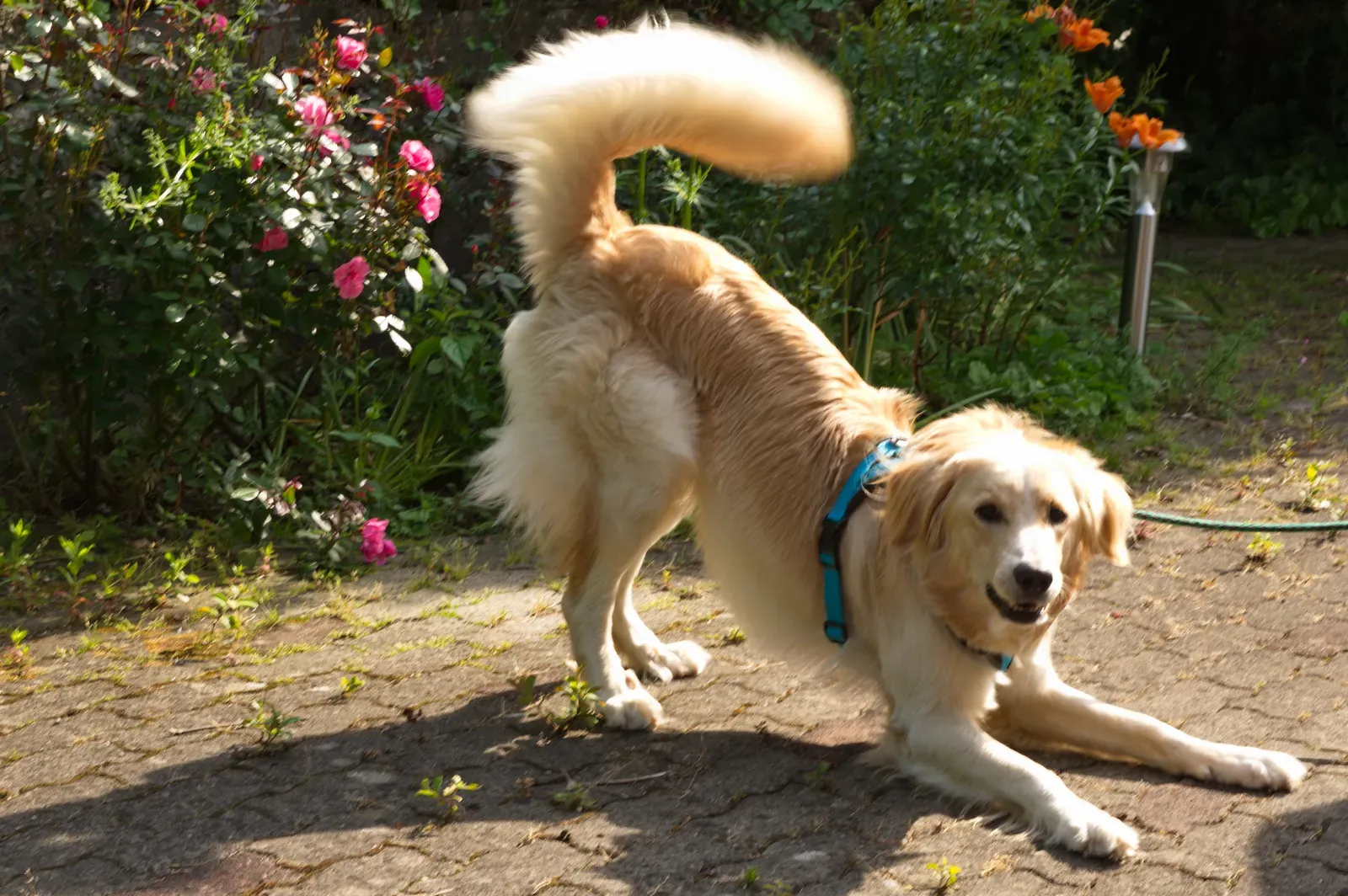
Front legs flat on the ground. Hindquarters raised. Tail wagging like a propeller. If you’ve ever seen a Golden drop into this position in front of a person, another dog, or frankly even a cat that wants nothing to do with them, you’ve witnessed the play bow. In canine communication, the act of offering a play bow functions as a play invitation, frequently accompanied by social cues that signal subsequent actions – even those that look aggressive, like tugging – are intended as games rather than actual conflict.
Golden Retrievers use this gesture liberally. The play bow is your friend’s invitation to have fun together – they’ll pounce with their front legs, hike up their behind, and look at you expectantly. This form of cooperative play is a critical socialization skill, and dogs that learn to share and rotate toys are generally better equipped to navigate complex social environments. When your Golden bows to a child or a new dog at the park, they’re extending the most universal invitation in the canine world: let’s be friends.
Following You (and Everyone Else) From Room to Room
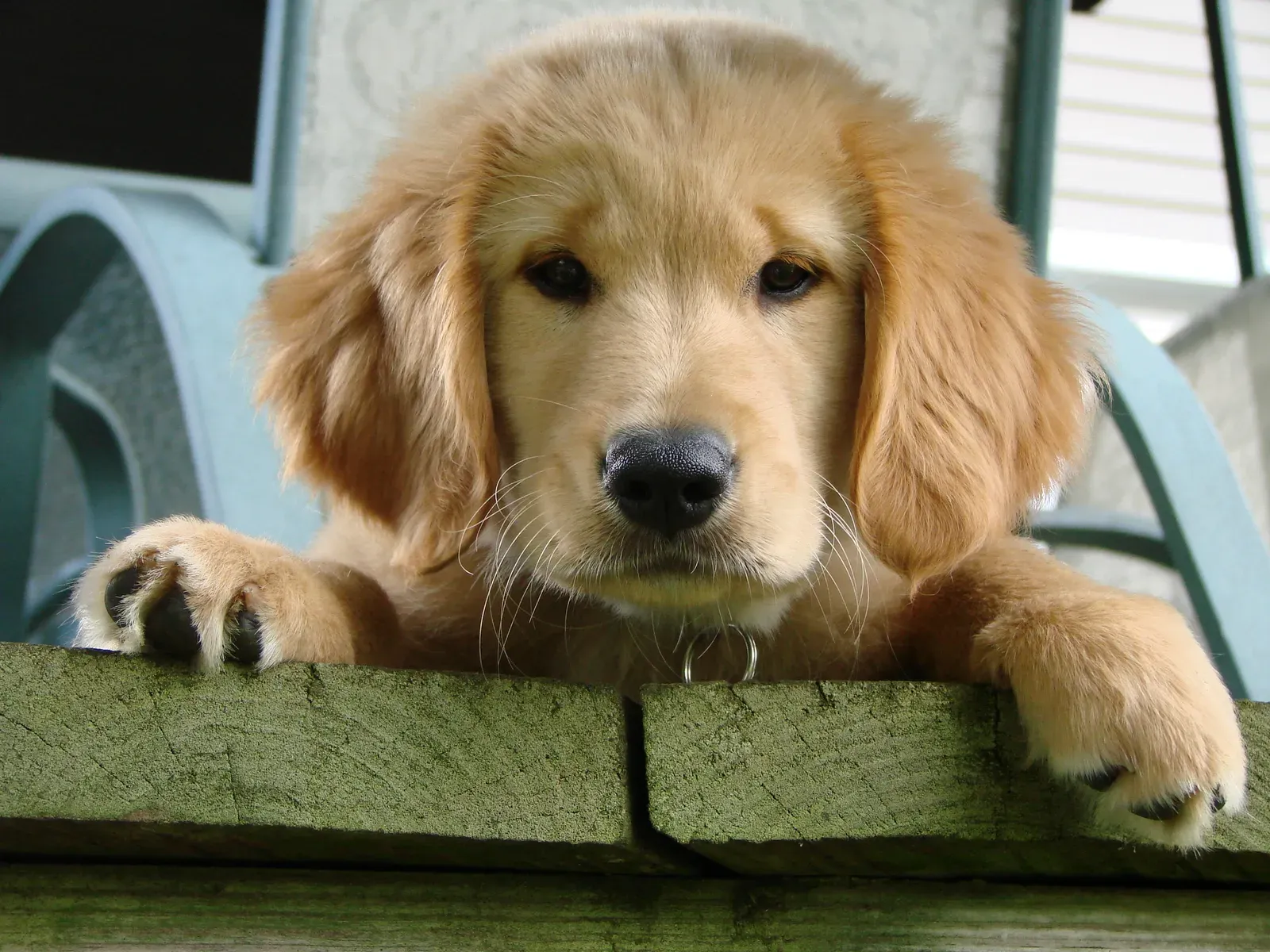
Golden Retrievers want to be involved in family activities and don’t do well when left alone for long periods – they’re happiest when included in daily routines and family adventures. This shadow behavior isn’t anxiety-driven in a healthy, well-socialized Golden – it’s proximity seeking, a natural expression of their deep social need for connection. The catch is that it extends to guests, too.
During social gatherings, these dogs often become the center of attention, happily accepting pets and cuddles from anyone nearby. Your Golden isn’t being clingy – they’re being a Golden. That said, if the following behavior becomes frantic, or if your dog panics when no one is visible, that edges toward separation anxiety rather than normal social behavior. Golden Retrievers are social dogs who can develop separation anxiety when left alone for extended periods, so watch for distress signals like destructive behavior, excessive whining, or loss of appetite.
Gentle Mouthing and Licking as a Social Hello

Golden Retrievers lick your face to show joy and affection, display submissiveness, get your attention, signal their hunger, seek reassurance, offer comfort, or simply get a taste. Licking is one of their primary social languages, and it’s one they extend generously. A well-socialized Golden doesn’t discriminate – a new face is simply a new opportunity for connection.
Soft, gentle licks are one of the sweetest ways Golden Retrievers show affection, and this behavior comes from puppyhood when licking was associated with comfort and bonding – when your adult Golden gives you gentle “kisses,” it’s a sign of love and reassurance. If the licking becomes excessive toward strangers or feels frantic rather than calm, it may be worth exploring whether your dog is overstimulated or slightly anxious in that environment. Calm, occasional licking? That’s just a Golden saying hello in the only language that fully satisfies them.
Calm, Easy Coexistence With Other Pets

Well-socialized Golden Retrievers typically get along well with other dogs and can adapt to living with cats and other pets when introduced properly, and their friendly nature and lack of aggressive tendencies make them good choices for multi-pet households. This cross-species social openness is genuinely unusual in the dog world and speaks to the breed’s deeply cooperative temperament. It’s not just tolerance – many Goldens actively seek out companionship with other animals.
Owners often observe their Goldens engaging in playful behaviors like chasing and wrestling, showcasing their fun-loving personalities, and their adaptable and sociable traits make them excellent companions for multi-pet households, ensuring harmony. The key word in all of this is “well-socialized.” Early exposure to diverse people, animals, sounds, and environments ensures your Golden matures into a confident adult, and this early socialization prevents shyness or fearfulness in new situations while nurturing their natural friendliness. Starting that exposure early makes all the difference in how fully their social nature develops.
Thriving in Therapy and Support Roles
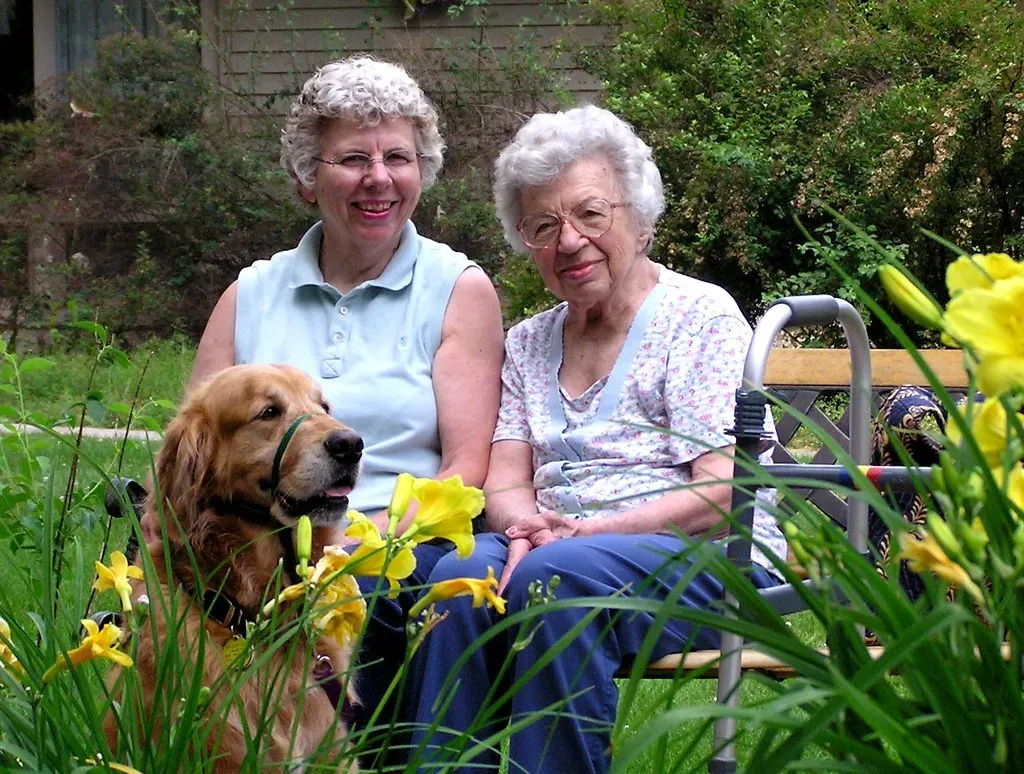
Golden Retrievers excel in obedience training, canine sports like agility, and are highly effective in roles such as therapy and assistance dogs. This isn’t just because they’re trainable – it’s because their emotional attunement to people makes them naturally suited to comforting strangers. Their intuition helps them read human emotions, allowing them to comfort family members during tough times, and Goldens excel in therapy work, bringing joy and support to those in need.
Golden Retrievers are very versatile – they’re known as bird dogs, family pets, service dogs for the disabled, and search and rescue dogs. That versatility isn’t accidental. Golden Retrievers are known for an unusually balanced temperament that combines emotional intelligence with social confidence. What this means for the average dog owner is simple: your Golden’s warmth toward every person they meet isn’t just charming – it’s a reflection of a breed built, across generations, to be humanity’s most reliable emotional partner.
Conclusion: A Breed That Chooses Connection Every Time
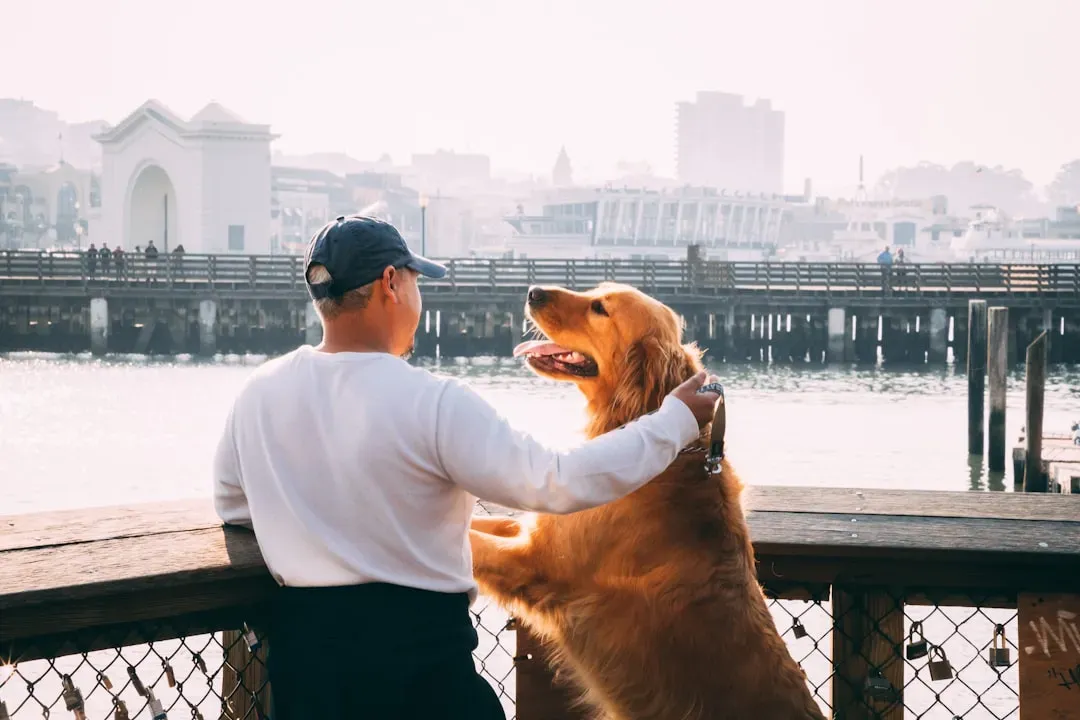
Every behavior on this list points to the same truth: Golden Retrievers don’t just tolerate people – they genuinely seek them out. The wiggles, the gifts, the leaning, the play bows – these aren’t random quirks. They’re a coherent social language built on trust, joy, and an almost bottomless capacity for connection.
As a Golden owner, understanding these behaviors helps you respond to them more thoughtfully. You’ll know when the licking is love and when it’s stress. You’ll recognize the lean for the profound gesture it is. You’ll appreciate the gift of a soggy tennis ball as something far more meaningful than it first appears.
Goldens remind us, quietly and consistently, that choosing to connect is never a small thing. It takes warmth, openness, and a willingness to see everyone – even the stranger at the door – as someone worth knowing. Turns out, dogs figured that out long before we did.


