
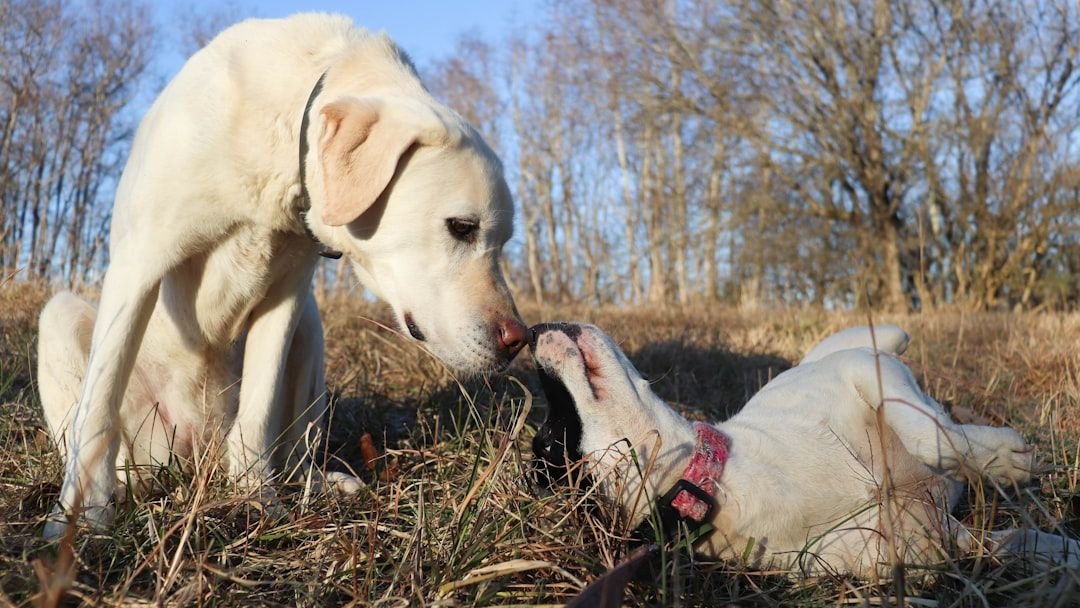
Your dog stares at you while doing something completely bizarre. Maybe they’re spinning in circles before sitting down, or suddenly tearing through the living room like something lit a fuse beneath them. You laugh, snap a quick video, and move on. But somewhere in the back of your mind, you wonder: what on earth is going on in that fluffy head?
Understanding the why behind your dog’s weird behavior can give you real insight into their mental state, and in some cases might even tip you off that something’s not quite right with their health. That’s what this article is for. Whether your pup is a seasoned goof or a new addition to the family, knowing what their quirky behaviors actually communicate changes everything. It makes you a more empathetic owner, and honestly, it makes the whole show a lot more entertaining.
1. The Zoomies: That Wild, Chaotic Lap Around the House
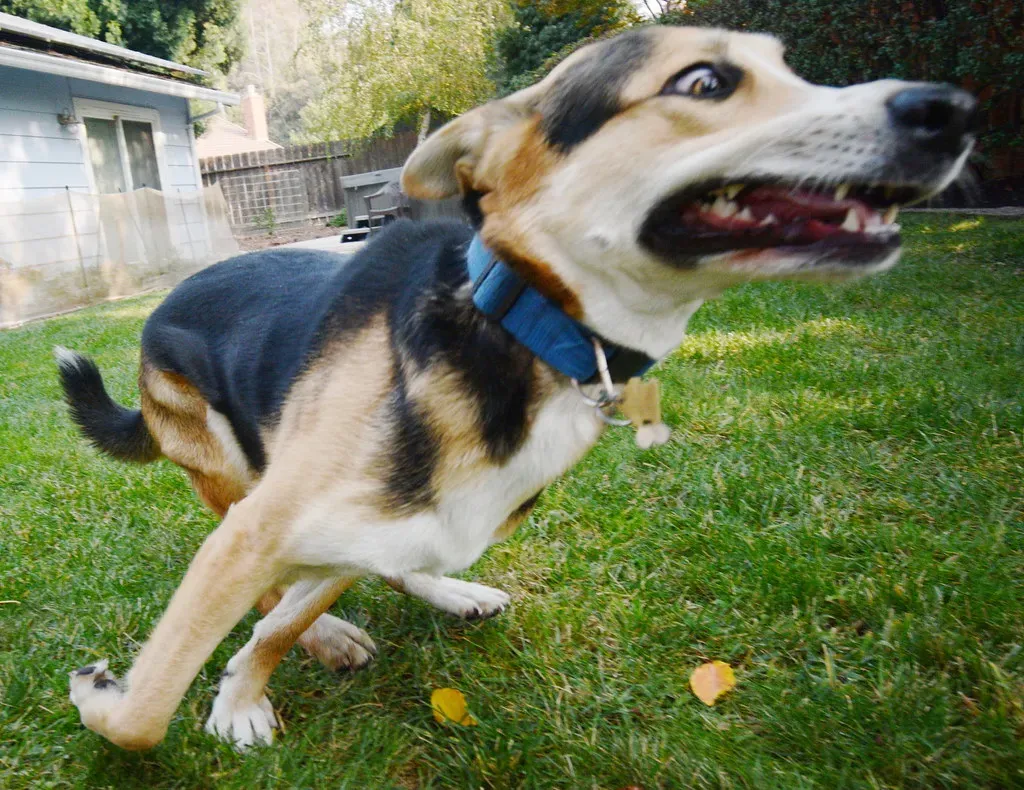
You’re sitting quietly on the couch when, without warning, your dog gets a wide-eyed look and launches into a full sprint around the house. This explosion of activity has many nicknames among dog owners, from “zoomies” and “crazy eights,” to “midnight madness,” but the official scientific term for this behavior is frenetic random activity periods, or FRAPs. It sounds dramatic, and honestly, it looks dramatic too.
“Generally speaking, dog zoomies happen when dogs are feeling happy and excited,” according to dog behavior consultants. They’re a physical release of pent-up energy or emotional overflow, and they’re completely harmless in most cases. Dogs frequently zoom around after bath time, which is a way for them to get rid of anxious energy. When there’s been some event that’s happened and it was stressful or exciting, like taking a bath, zoomies help dogs release that built-up tension.
If your dog exhibits zoomies frequently or at inopportune times, they may be telling you that they need more exercise and mental stimulation. Otherwise, enjoy the adorable antics while they last. The best prevention tip? Keep your dog physically active with walks, fetch, or swimming, and mentally engaged with scent games and new environments. A well-exercised dog still gets zoomies occasionally, but it’ll feel like joy rather than desperation.
2. The Head Tilt: Maximum Cuteness, Minimum Explanation

You say a funny word, or maybe just look at your dog with a slightly different expression, and suddenly their head swings sideways at a perfect angle, ears perked. It’s almost impossible not to melt. That adorable head cock, complete with perked ears and an expression of pure concentration, is your dog’s way of tuning into you. Dogs tilt their heads to better hear and pinpoint where a noise is coming from.
Some breeds with longer muzzles may tilt their head to broaden their range of vision, as seeing our facial expressions improves communication. So when your dog tilts their head, they’re not just being charming. They’re actively working to understand you better. If you’ve laughed or rewarded them for doing it before, they’ll keep doing it for attention. Positive reinforcement, even unintentional laughter, teaches dogs that a head tilt gets results. Honestly, it works on most of us.
3. Sniffing Everything and Everyone (Including You-Know-Where)
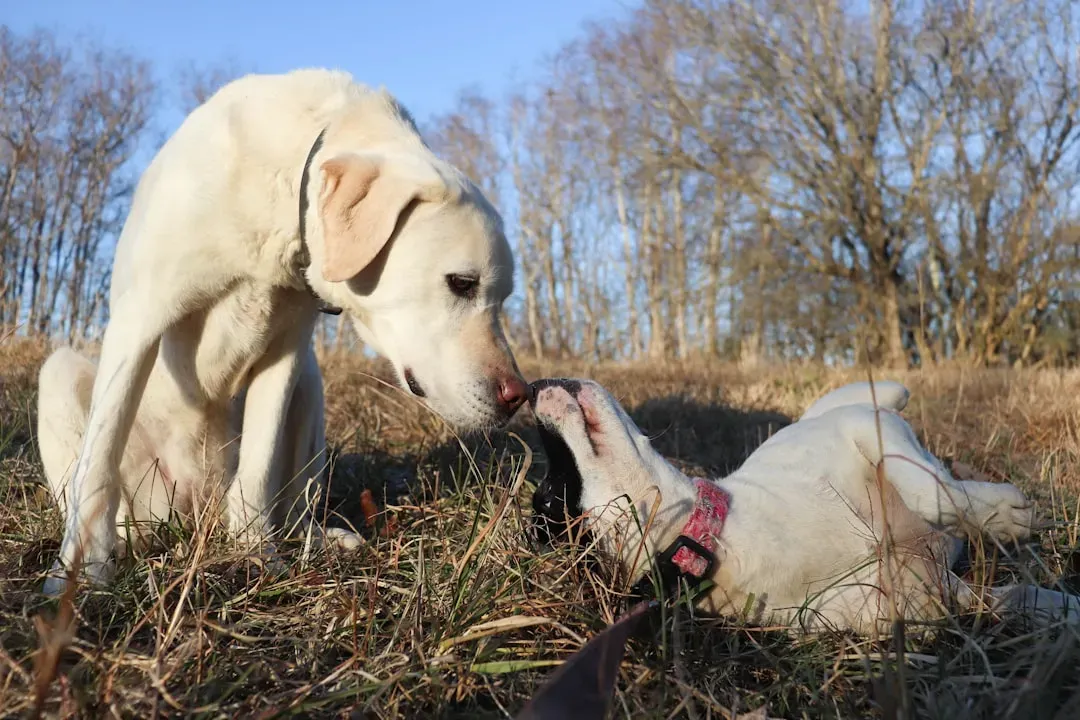
The dog park meetup that makes every new dog owner cringe: two dogs spin around and immediately go nose-first to each other’s back ends. While it may seem odd to us, it’s a normal and polite way for dogs to greet one another. This greeting provides dogs with a plethora of information about their new acquaintances, such as sex, reproductive status, health, and even emotional state. Think of it as a business card exchange, except the card contains an entire medical history.
Dogs can smell pheromones and hormones, which are concentrated around the genital area. They can even remember these scents to identify dogs they’ve met before. This is why your dog sometimes acts like a total stranger is suddenly their best friend, or why they obsessively re-sniff a spot on the sidewalk that seems unremarkable to you. Dogs collect a lot of vital information via their noses, and the most concentrated sources of pheromones are in the crotch or butt areas, whether you have two legs or four. Their sense of smell is their superpower. We just happen to find it a little awkward at dinner parties.
4. Chasing Their Own Tail: The Endless Pursuit
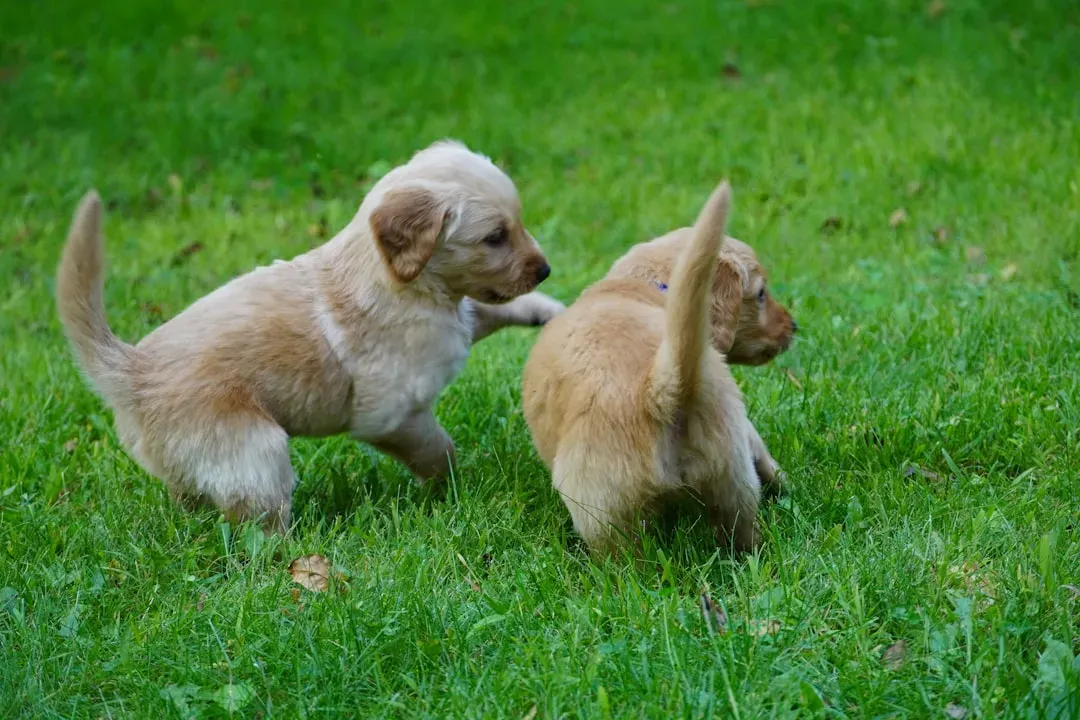
Puppies especially seem baffled by the furry thing attached to their backside, and watching them spin in confused circles after it is genuinely delightful. Dogs chase their tails for two main reasons: to entertain themselves, especially in puppies who are still figuring out that their tail is attached to their body, or because of a compulsive behavior issue. Most of the time, it’s the first one.
Some dogs chase their tails when they’re bored and need more mental stimulation or physical activity. If it happens occasionally and the dog is relaxed afterward, it’s simply playful. The concern comes with frequency. In older dogs, it could be a sign of declining cognitive function, especially if it’s a new behavior. Obsessive or repetitive tail chasing could be a symptom of an OCD-like disorder called Canine Compulsive Disorder (CCD). If your dog seems unable to stop, or appears distressed during the behavior, a vet visit is the right call.
5. Twitching and Running in Their Sleep
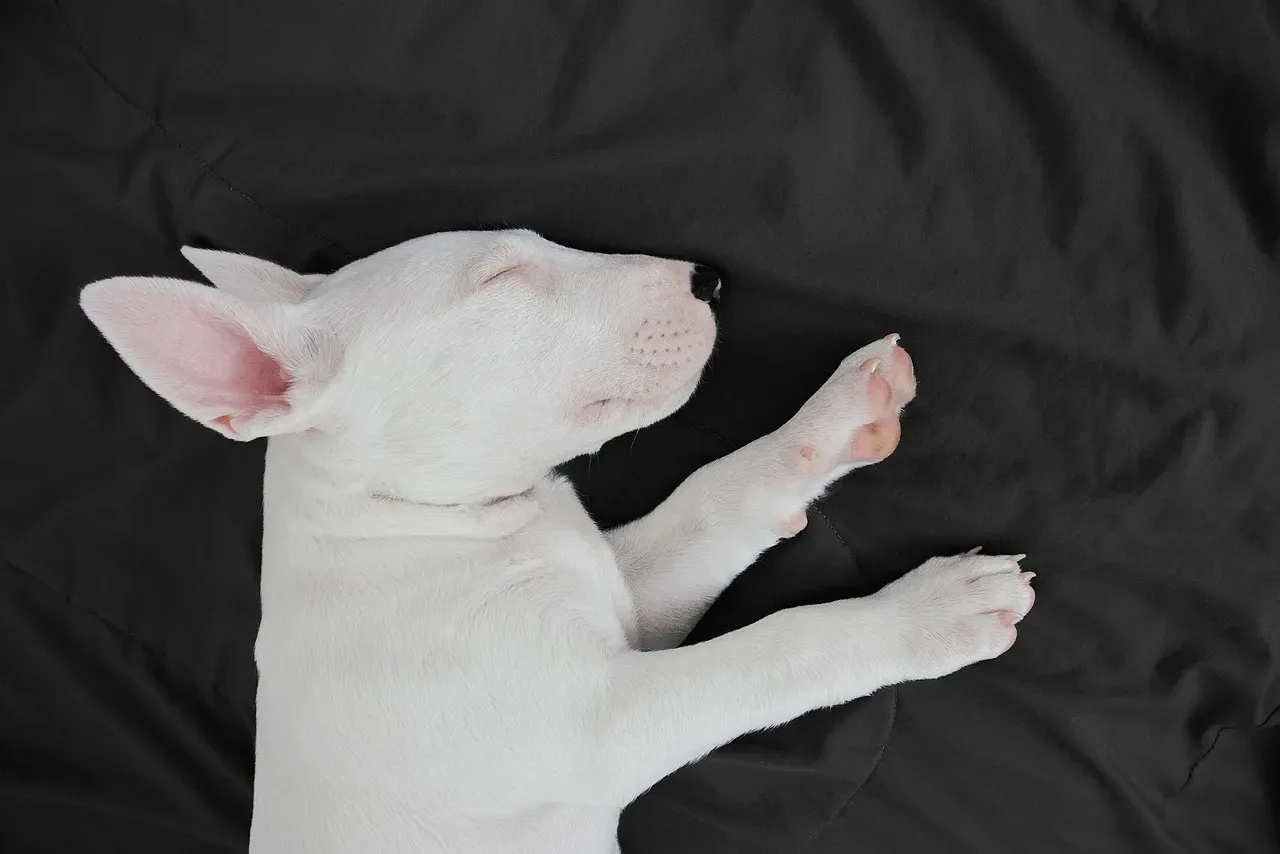
You glance over at your sleeping dog and their paws are paddling furiously, their nose is twitching, and they let out a tiny muffled bark. It’s one of the most endearing things a dog does, and the science behind it is genuinely fascinating. Dogs do dream, and science has shown that their sleep patterns share striking similarities to humans. When your dog dozes off after a long day at the park, their brain enters a series of sleep stages that allow them to process experiences, store memories, and even relive their favorite moments.
Scientists concluded that dogs likely dream about their daily activities. So when your dog runs or barks softly in their sleep, they may be replaying a familiar scene, like chasing a ball or playing with you in the yard. Puppies and senior dogs tend to twitch the most, because the part of the brain that suppresses physical movement during sleep is either underdeveloped or less efficient at those ages. Touching a dog when they’re dreaming may startle them and cause them to bite or scratch involuntarily. If you feel the need to wake a sleeping dog, it’s better to call their name loudly or make a noise. Let them dream. They’ve earned it.
6. Spinning in Circles Before Lying Down

Every single time. Your dog finds the perfect spot on their bed, then proceeds to circle it three or four times before finally collapsing. It seems theatrical, maybe even a little silly, but there’s real ancestral logic at work. If you’ve ever watched your dog turn in circles before finally settling down, you’ve witnessed an instinct that dates back to their wild ancestors. This common ritual serves practical purposes rooted in survival. Circling helped flatten grass or leaves to create a comfy sleeping spot.
In cold weather, circling helps dogs compact snow or leaves into an insulated nest that retains body heat. They’re also doing a quick safety scan of their surroundings, an inherited behavior from when predators were a very real concern. Dogs have scent glands in their paws, so digging a bed or circling it could be a way of marking it as theirs. So the next time your dog spins four times before settling in, they’re not being dramatic. They’re just being thorough.
7. Rolling in the Most Disgusting Things They Can Find
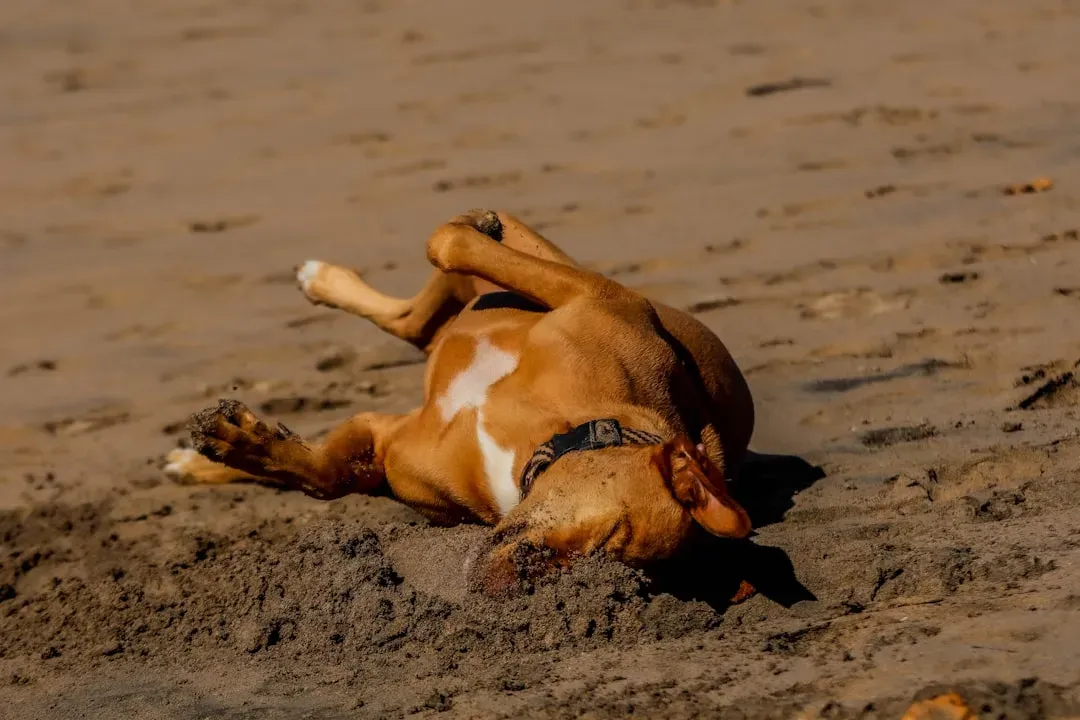
You spend twenty minutes giving your dog a proper bath, dry them off, admire how clean they smell, and then watch in horror as they immediately dive headfirst into something foul in the yard. Wild canines rolled in strong scents to mask their own smell while hunting. Rolling in strong scents also serves as a form of canine communication, letting them share interesting “discoveries” with their pack. It makes complete evolutionary sense, even if it doesn’t make any domestic sense whatsoever.
Dogs may roll in the grass in order to mask their natural scent with either the scent of the grass or that of another animal whose scent was present where the dog is rolling. Territory marking also plays a role, and sometimes it really is just a sensory experience your dog finds irresistible. Persistent rolling in the grass may be a sign of allergies. Countless allergens, invisible to our naked eye, stick on a dog’s fur, paws, and more, causing consistent irritation to the skin. If the rolling is accompanied by scratching and skin redness, mention it to your vet.
8. Staring at You Intently Without Moving

You look up from your book and your dog is just sitting there, eyes locked on you, unblinking. It feels intense. Sometimes it feels borderline unsettling. But in most cases, it’s actually a sign of love and communication. If your dog is staring at you while they poop, take it as a compliment. Dogs are in a vulnerable position when pooping, so they will instinctively look to you to alert them of impending dangers. In other words, they trust you completely.
The fixed stare outside of bathroom moments is usually your dog trying to read you, anticipate your next move, or simply waiting for something. Comfort and happiness go hand in hand, and a dog is likely comfortable in their environment if they’re able to relax and sniff or simply observe their person. Dogs are remarkably good at reading human body language and facial expressions, so those steady eyes are often their way of having a conversation without words. If your dog stares and then paws at you or moves toward the door, they’re speaking very clearly.
9. Eating Grass Like It’s a Salad Course
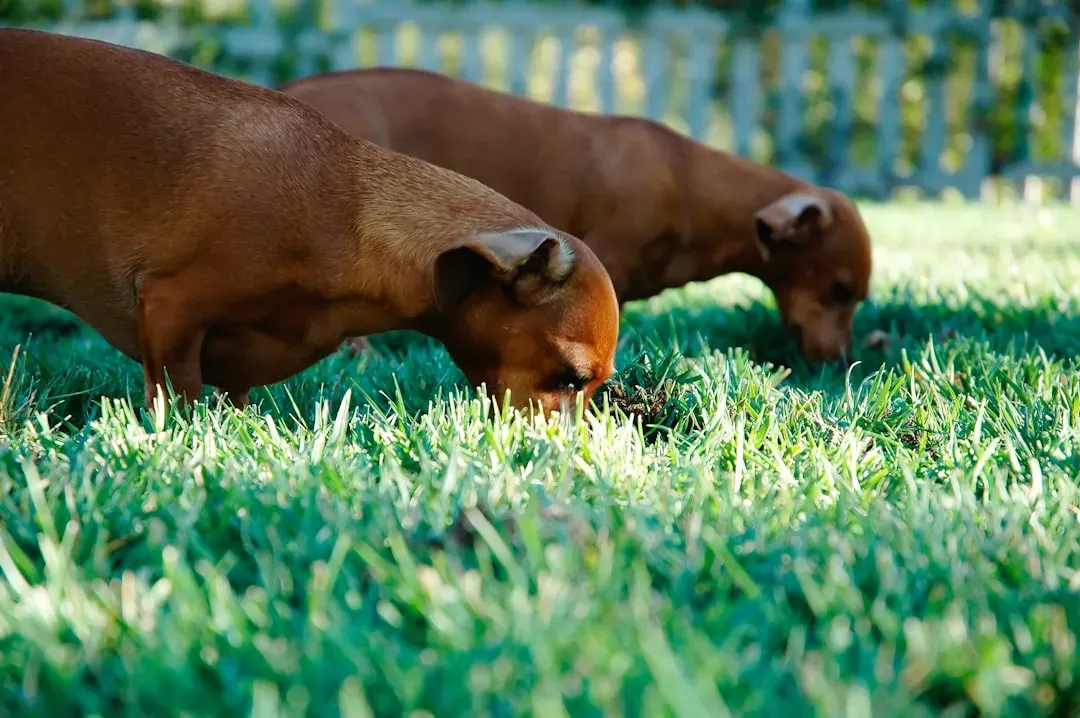
Your dog trots through the yard, pauses, and then casually starts munching grass. Sometimes they immediately throw it up. Sometimes they seem perfectly fine. It’s one of those behaviors that leaves owners genuinely puzzled, and the science is less definitive than you might hope. There are several different theories as to why dogs eat grass but no one truly knows. Although it’s generally not a cause for concern, it might mean your dog is missing nutrients in their diet or that they have an upset stomach.
It’s thought that dogs who eat grass or houseplants may be lacking chlorophyll or other plant-based nutrients or fiber from their regular diets. Dogs can’t properly digest grass, so it’s not really providing much in the way of nutrients. If your dog only occasionally nibbles at grass and seems otherwise healthy, there’s likely no cause for alarm. However, if you suspect that your dog isn’t getting enough plants in their bowl, start incorporating fresh snacks like green beans into their diet, in moderation. A balanced, nutritious diet is often the best prevention for this particular habit.
10. Digging Up the Yard for No Apparent Reason
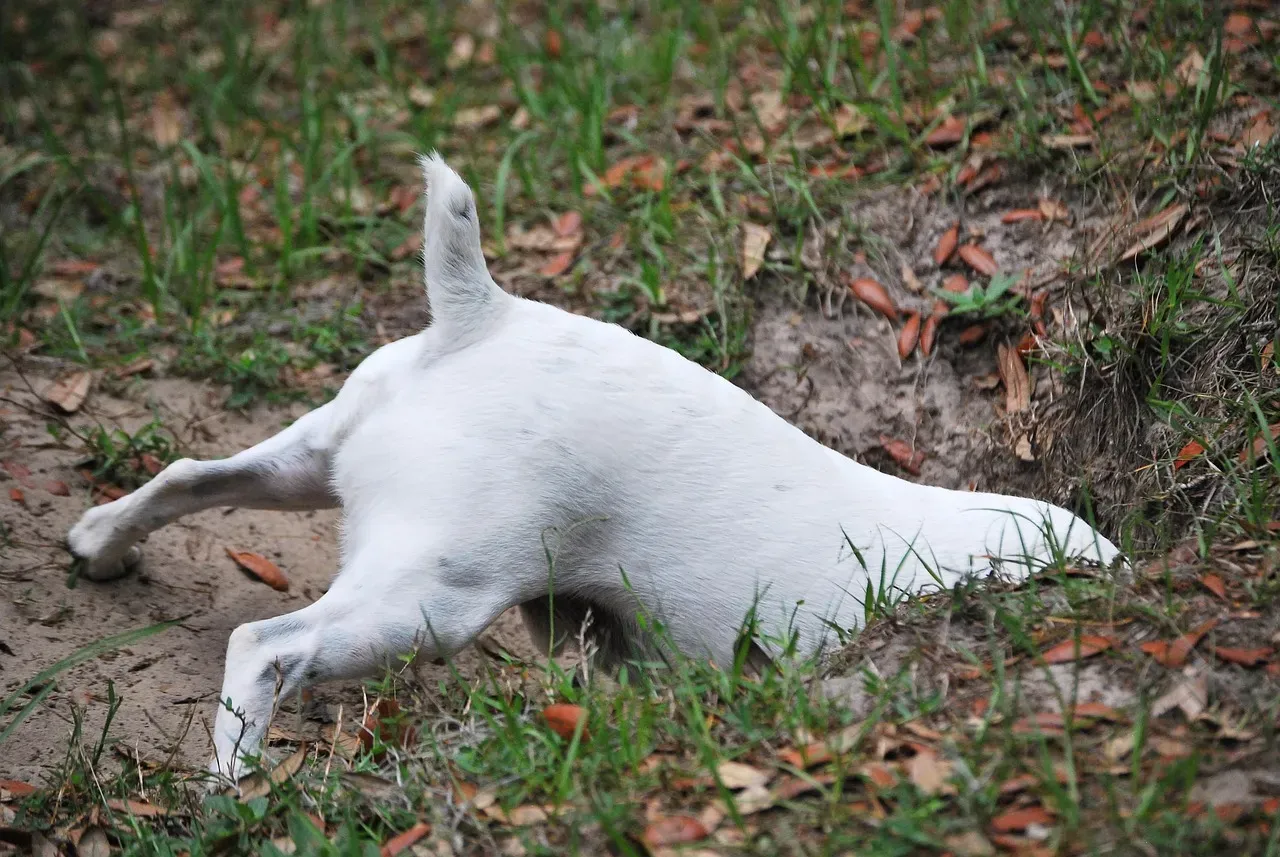
Your backyard starts looking like a small construction site, complete with craters at seemingly random locations. Your dog looks deeply satisfied. You do not share the feeling. The core of the digging behavior goes back to a dog’s wolf ancestors. Digging is arguably as much a part of dogdom as barking or sniffing. That instinctual tendency is why some breeds were originally used to hunt animals in underground dens. Terriers especially were literally bred for it, so expecting them to stop is a tall order.
Dogs dig because it’s incredibly entertaining. It’s a great relief for bored dogs with nothing else to occupy their time. It can also be used as anxiety relief because the dog is keeping busy. Temperature regulation is another reason: some dogs dig cool shallow holes in the earth on hot days just to lie in them. Since dogs enjoy digging for various reasons, you might want to designate a specific area in your yard for digging. Bury toys in that section to encourage them. If you catch them digging in the wrong area, gently redirect them to the appropriate spot, followed by praise. Channeling the instinct, rather than fighting it, tends to work far better.
Conclusion: Your Dog Is Not Weird. They’re Just Being a Dog.
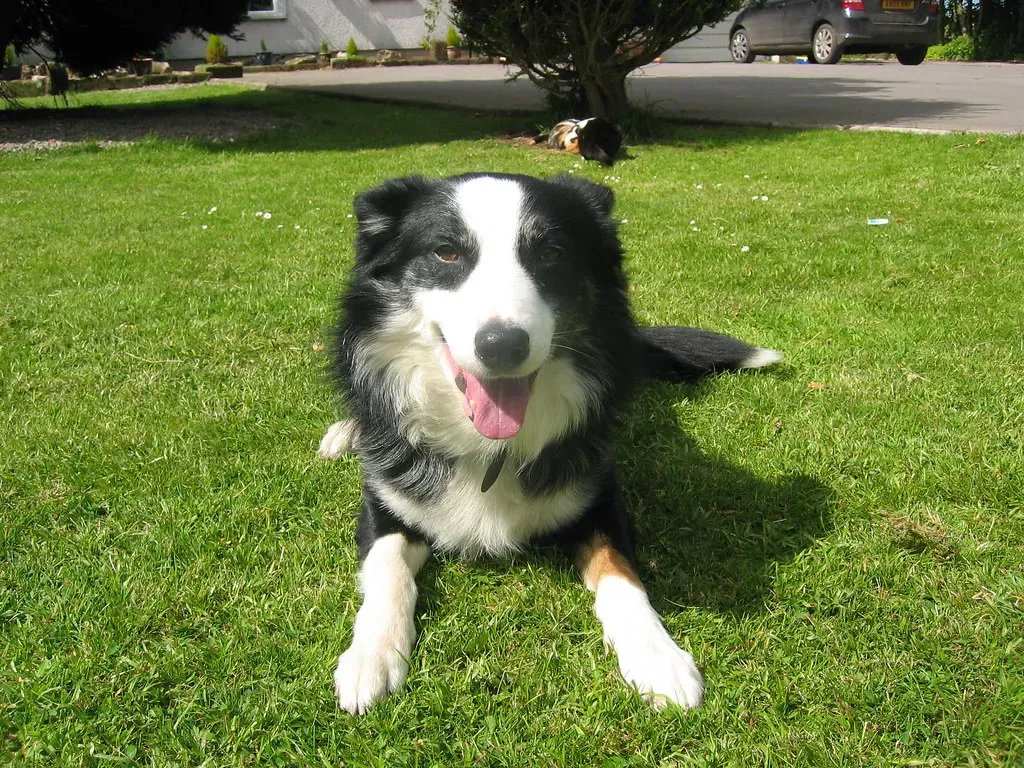
Every spin, sniff, zoom, and roll has a story behind it. Some behaviors are pure evolutionary holdovers, ancient instincts running on modern hardware. Others are emotional signals, your dog’s way of saying they’re happy, anxious, bored, or simply deeply comfortable with you.
Understanding the why behind your dog’s behavior can give you genuine insight into their mental state, and in some cases might tip you off that something’s not quite right with their health. That’s the real value of paying attention. It’s not just about satisfying curiosity.
When you understand your dog’s language, you become a better advocate for them. You notice sooner when something is off. You respond with patience instead of frustration. And you start to see that most of the “goofy” things they do are simply them being exactly what they were meant to be: a living creature communicating the only way they know how. The goofiness, it turns out, is just honesty in disguise.


