
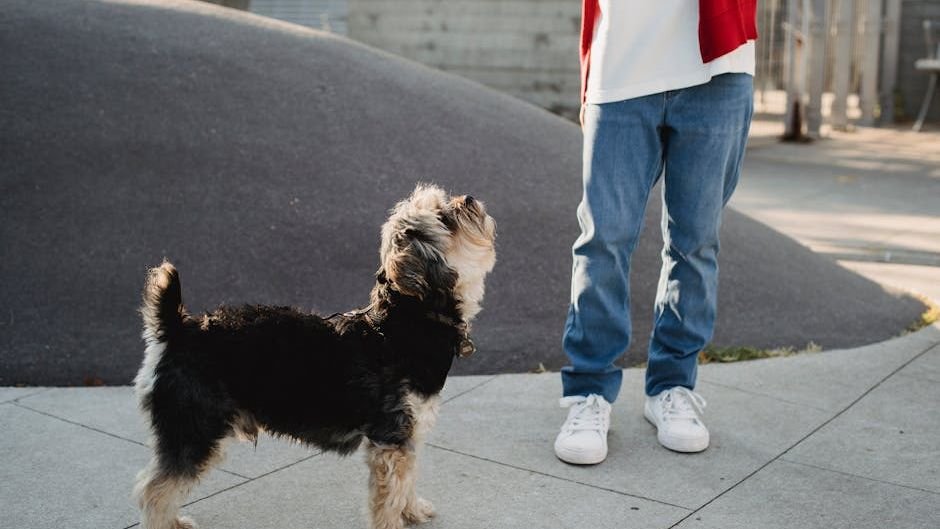
Dogs have been living beside us for thousands of years. They sleep in our beds, curl up on our couches, and mirror our emotions in ways that still stun researchers. Yet, for all that closeness, there’s a quiet truth most dog owners miss: your dog is almost always talking to you. Not with barks or whines, but with something far more subtle and deeply moving.
The problem? We’re often too busy, too distracted, or simply too untrained to notice. And that’s not a failure of love. It’s a failure of language. Your dog doesn’t speak English. They speak in sighs, in glances, in the way they press their body into yours at 9pm when the house goes quiet. Learning to read those signals isn’t just fascinating. It can genuinely transform the bond you share. So let’s dive in.
1. The Gentle Lean: When Your Dog Becomes Your Shadow
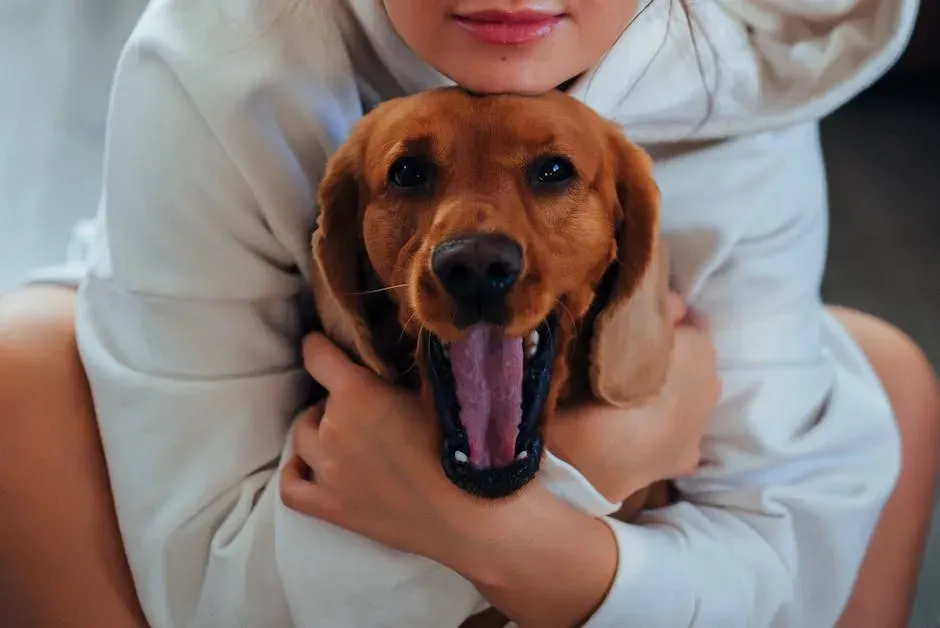
You’re standing in the kitchen making a cup of tea, and your dog walks over and just… leans. Not dramatic. Not demanding. Just this quiet, full-body press against your legs. Honestly, it’s one of the sweetest things a dog can do, and most people barely register it.
Physical contact like leaning against your legs, sitting close, or touching with a paw is strong evidence of comfort and connection. Dogs find reassurance in physical proximity, making leaning a subtle but precious love gesture. Dogs lean for support especially during moments of insecurity, like loud noises or new settings, trusting you as their emotional anchor.
The next time your dog leans into you, don’t brush it off or step away. Place your hand gently on their back and let them absorb the warmth of your presence. That exchange is doing more for their nervous system than you realize.
2. The Soft, Lingering Gaze: Eyes That Are Asking for Love
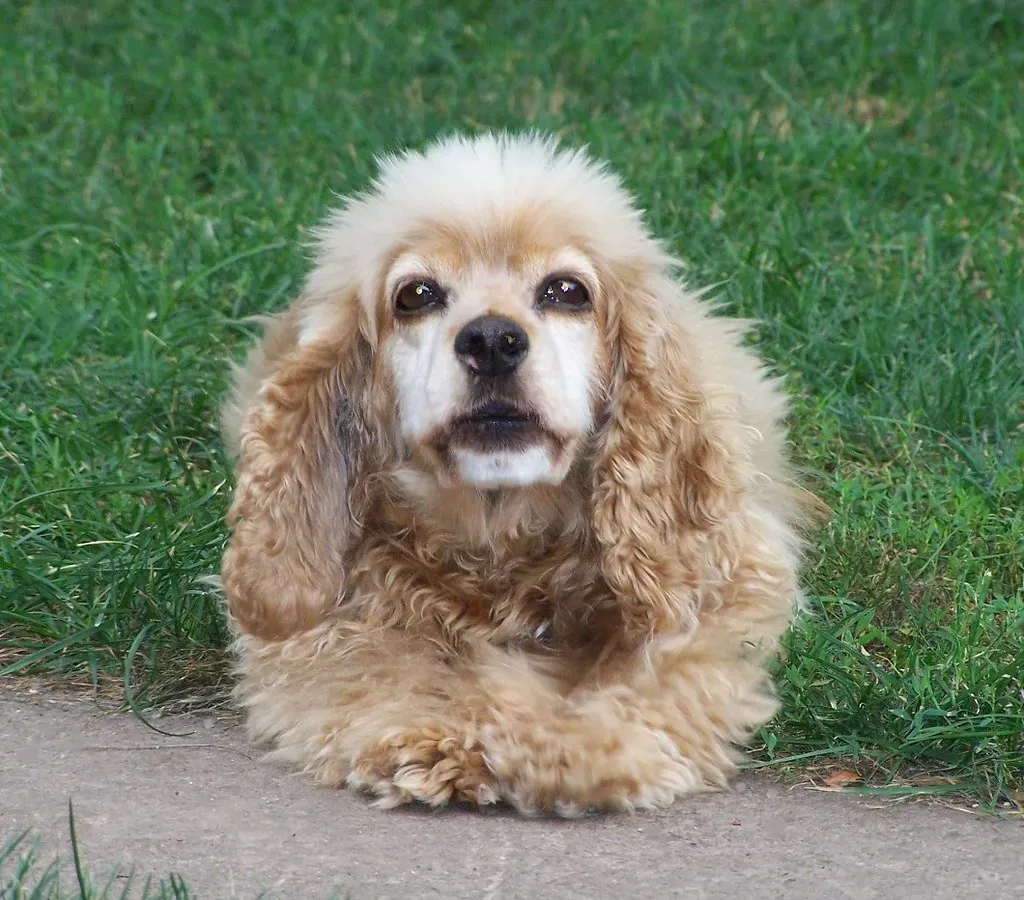
Here’s the thing about eye contact. Most of us assume our dogs are just staring at us because they want food. Sometimes that’s true. But often, that long, soft look carries something entirely different.
Not all dogs are comfortable with direct eye contact, but those that are do it to communicate. They might be telling you they are happy, relaxed, or even seeking reassurance. Understanding these cues can help you respond better to your dog’s needs. Studies indicate that when dogs make direct eye contact with their owners, it triggers the release of oxytocin in both the dog and human. This “love hormone” is the same one that bonds mothers to their infants.
A soft gaze builds trust. In canine communication, long hard stares are signs of dominance or threat, so gentle, relaxed gazes from your dog are always affectionate. Respond with a calm face, soft eyes, and a gentle voice. You’re literally exchanging love hormones in that moment.
3. Yawning at the Wrong Time: A Stress Signal You’re Probably Misreading
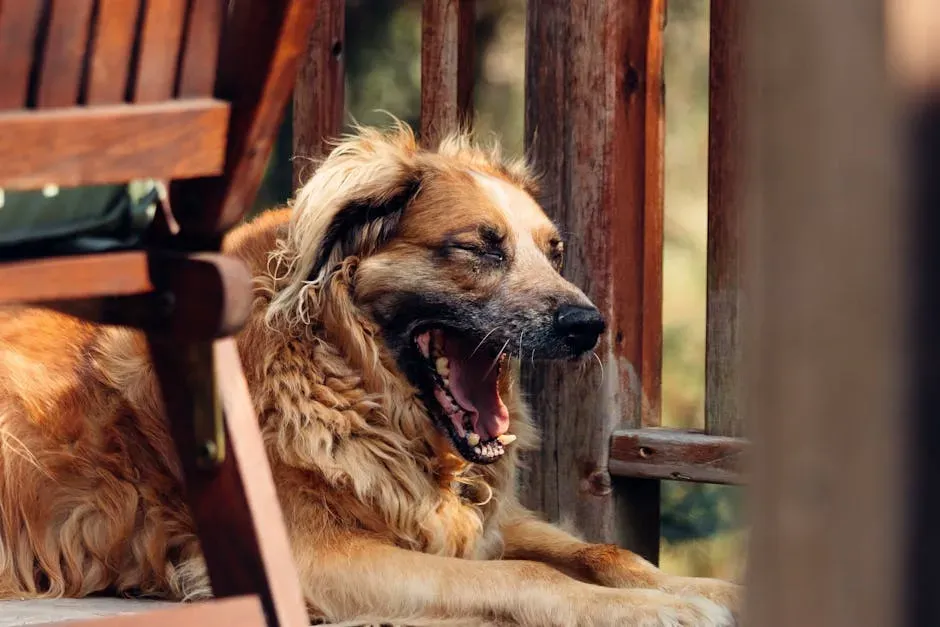
Picture this. You’re at the vet. Your dog is sitting beside you on the cool floor, and they let out this huge, dramatic yawn. You smile and think, “Aww, they’re tired.” Except, they’re probably not tired at all.
Dogs yawn when they’re stressed. According to Turid Rugaas, author of “On Talking Terms With Dogs: Calming Signals,” dogs use yawning to calm themselves in tense situations and to calm others, including their owners. She suggests yawning at your dog to provide comfort during stressful moments, such as a vet visit.
When dogs are stressed and nervous they exhibit many different kinds of behavior that either help relieve the stress they’re feeling or appease a perceived threat. Yawning, for example, can be a sign that a dog is tired, but can also signal that she is stressed in a particular situation. So pay attention to context. A yawn during a calm evening walk means something very different from one in a crowded waiting room.
4. Following You From Room to Room: More Than Just Loyalty
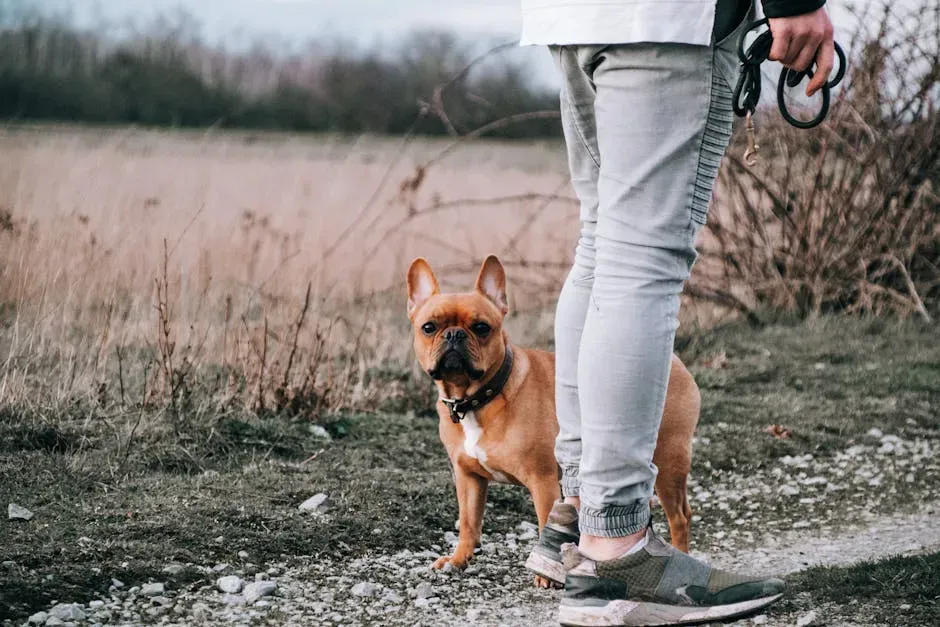
Some days your dog is basically your shadow. You go to the bathroom, they’re outside the door. You move to the couch, they relocate too. It feels flattering, sometimes a little funny, but this behavior carries real emotional weight.
When a dog follows you around, they do not depend on you in a negative sense. A dog following you without being anxious shows that they trust you, are emotionally confident, and feel they are in a safe environment. A dog that is not anxious is showing that they are comfortable and it is safe for them to be near you.
Still, there’s nuance worth noting. If your dog sticks to you like glue with a cheerful attitude, that can be considered a strong affiliative behavior. But if they’re following you around closely, monitoring your every move, they probably feel unsure. Always look at the full picture of body language. A relaxed tail and loose posture means contentment. Tight muscles and nervous energy could mean they need extra reassurance from you.
5. Lip Licking When There’s No Food in Sight
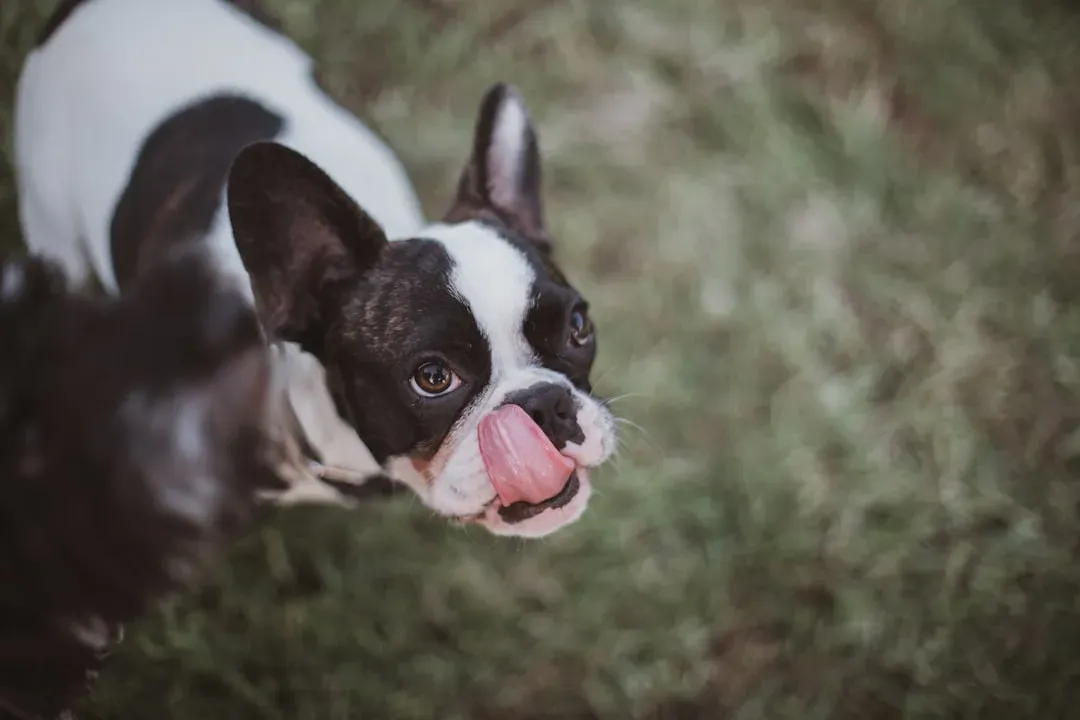
This one catches a lot of dog owners completely off guard. Your dog licks their lips, and you instinctively wonder what they smell. But if there’s no food around, you’re looking at a classic stress or comfort-seeking signal.
Lip-licking is a bit of dog body language that people often misinterpret. Just like people, dogs will lick their lips after a delicious meal, but they’ll also do it when they feel anxious. Sometimes the tongue flick is so quick it’s tricky to notice. Your dog isn’t signaling a desire to lick your face.
Yawning and nose-licking are considered to be ambivalent behaviors, meaning that the dog is cautious, concerned, stressed, anxious, or has the potential to respond with aggression if the situation escalates or persists. If you notice repetitive lip licking alongside flattened ears or a low tail, your dog is silently asking you to step in. Remove the stressor or simply crouch down and offer calm reassurance.
6. Pawing at You: The Oldest “Hey, I Need You” Signal
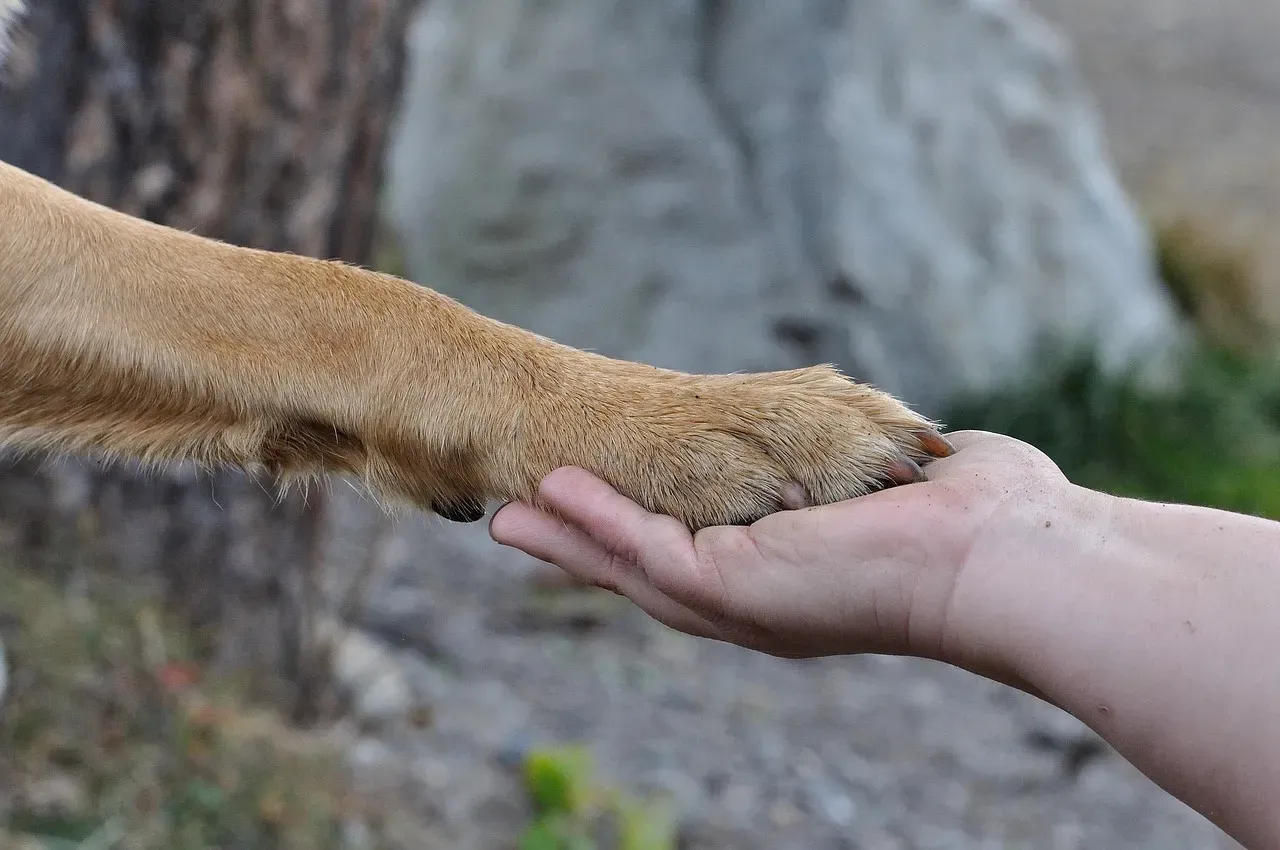
That little tap on your arm or leg. So small. So easy to ignore or dismiss as “just being annoying.” I think a lot of us have brushed that paw away without realizing what our dog was really trying to say.
When a dog paws at you, it’s often a request for attention or play. However, it can also indicate discomfort, such as an itch or pain. Some dogs will instinctively lift or place their paw on you when they sense tension. This gesture is a way of seeking reassurance and expressing their need for connection.
The best response is to pause whatever you’re doing and acknowledge your dog. Even a few seconds of eye contact and a gentle stroke can completely satisfy that need. Dogs are remarkably quick to feel settled once they know you’ve heard them.
7. Nose Nudging: The Softest Possible Request
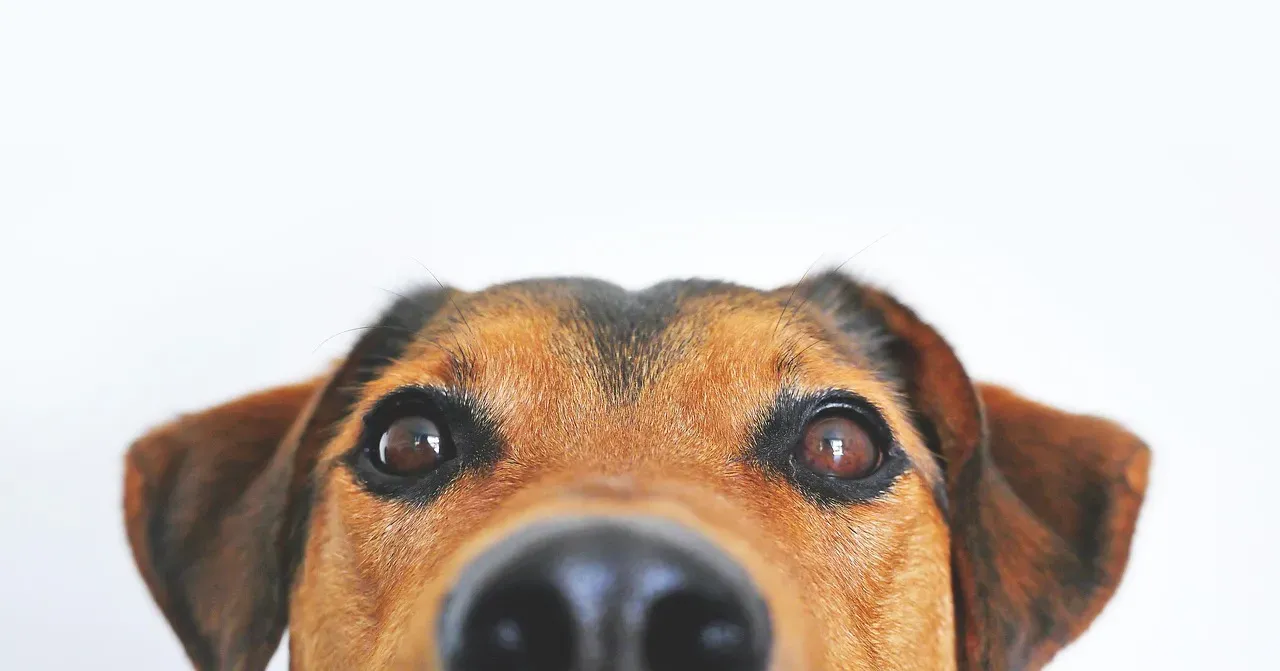
There is something almost unbearably tender about a dog pushing their nose into the palm of your hand. It’s so quiet. So restrained. Like they’re trying to ask without making a fuss.
A dog pressing their nose into your palm or nudging you gently is a sweet and simple way of seeking comfort. This is a natural comfort-seeking behavior, as dogs nuzzle their mothers for reassurance when they’re young. It’s essentially a behavior that never fully grows up, and honestly, why would you want it to?
A gentle nudge with their nose can be a way for your dog to ask for affection or indicate a desire to go outside. Context matters enormously here. A nudge during a thunderstorm is a very different ask than a nudge before their morning walk. Tune in to what’s happening around them, and you’ll decode it quickly.
8. Seeking You Out During Loud Noises or Unfamiliar Situations
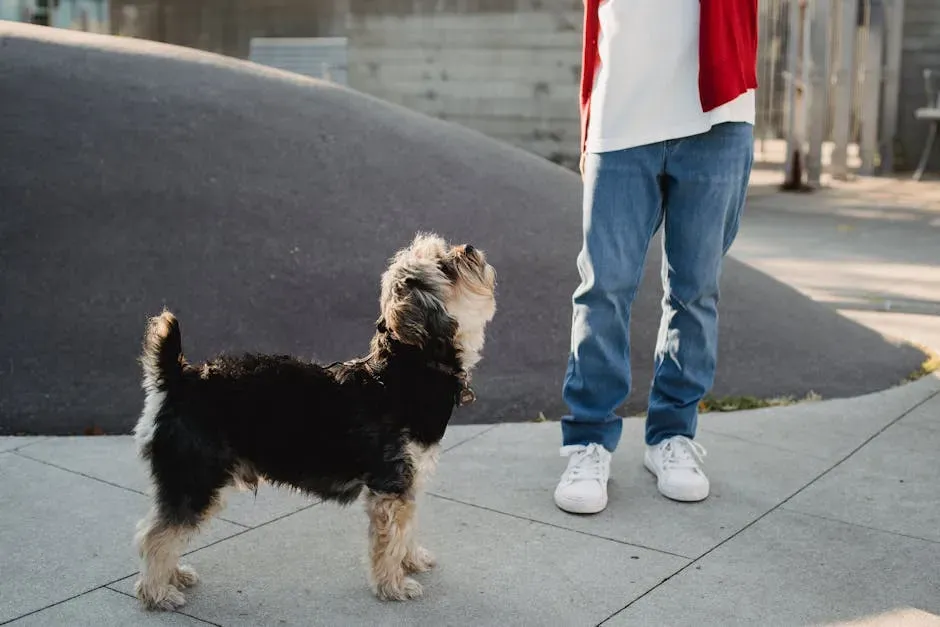
Thunderstorms are like a lie detector test for how bonded your dog feels to you. When the thunder rolls and the lights flash, where does your dog go? If they make a beeline straight for you, that’s not just panic. That’s profound trust.
Thunderstorms, vet visits, and travel mishaps lead a trusting dog straight to you for reassurance. When a dog finds itself in an unfamiliar situation, it’s likely that it will look up at its owner for comfort and trust that they are there to provide moral support. This is particularly evident in new environments, where dogs look to humans to learn about their surroundings.
Prevention tip: during high-anxiety events like fireworks, keep your energy calm and your body language relaxed. One common reason for stress-related behavior is dog anxiety, which could be caused by anything from separation to loud noises. Once you determine the cause, you can figure out the best way to calm your pup. Soundproofing your windows or placing your pup in a contained, interior space in your house can help with noise-related anxiety.
9. Showing You Their Belly: The Rawest Sign of Emotional Vulnerability
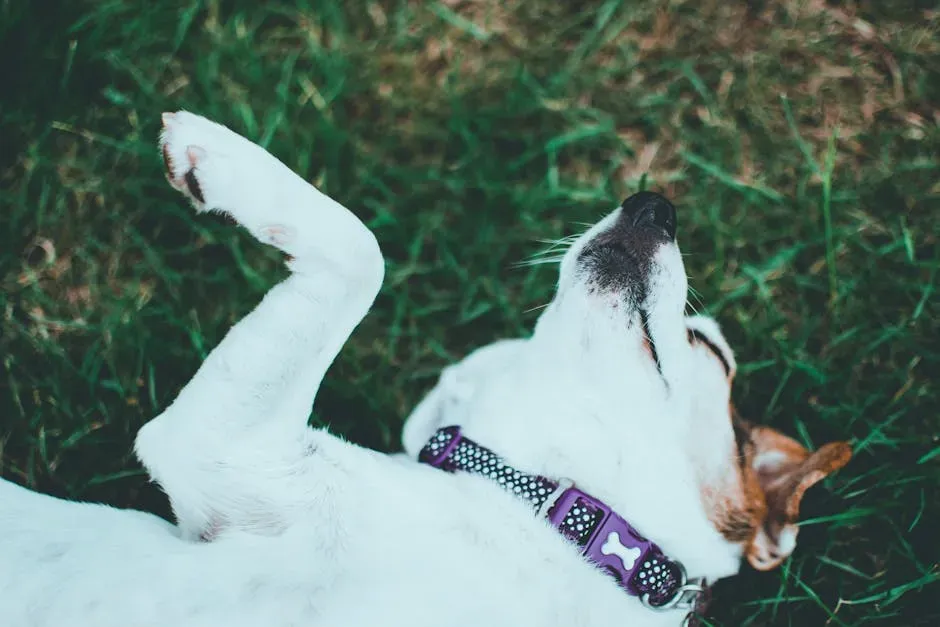
A belly roll is often treated as just an invitation for a tummy rub, and sure, sometimes it absolutely is. But when a dog rolls over and exposes their belly to you, they are also doing something far more emotionally significant.
Playful dogs will often roll over and show off their bellies to humans they feel comfortable around, a behavior that shows significant vulnerability. Positions when sleeping show emotional security. Dogs rest on their sides and backs only when feeling safe and not tense. Trust and emotional comfort are shown when choosing to sleep in close proximity. Relaxed sleeping positions reflect the belief that the dog is guarded and protected and does not have to be on high alert.
Think about what it means to expose your softest, most vulnerable part to another creature. That’s an enormous act of faith. Honor it. Whether it’s a belly rub, a gentle smile, or just a warm hand resting nearby, your dog will feel seen.
10. Sudden Changes in Behavior: The Quiet Cry for Help

This one is the most important, and the most easily missed. Not a dramatic sign. Not a loud signal. Just a shift. Your once-eager dog doesn’t meet you at the door. The dog who always gobbles their food leaves the bowl full. Something is just… off.
If your normally active and happy dog starts to isolate and show lethargy and/or decreased appetite, this is a sign that something has changed with their overall health, and seeking the care of a veterinarian is a suggested course of action. Dogs may be good at communicating their everyday wants, but when something is wrong, their signals can be more subtle. If your dog is in pain or feeling unwell emotionally, they’ll often show it through changes in behavior or movement.
There are three primary ways you can tell when a dog needs your help: physiological changes, behavioral changes, and signs of pain or discomfort. The moment you notice any sudden shift from your dog’s baseline, trust your gut and take action. No one knows your dog like you do, and that instinct is worth everything.
Conclusion: Your Dog Is Always Talking. Are You Listening?
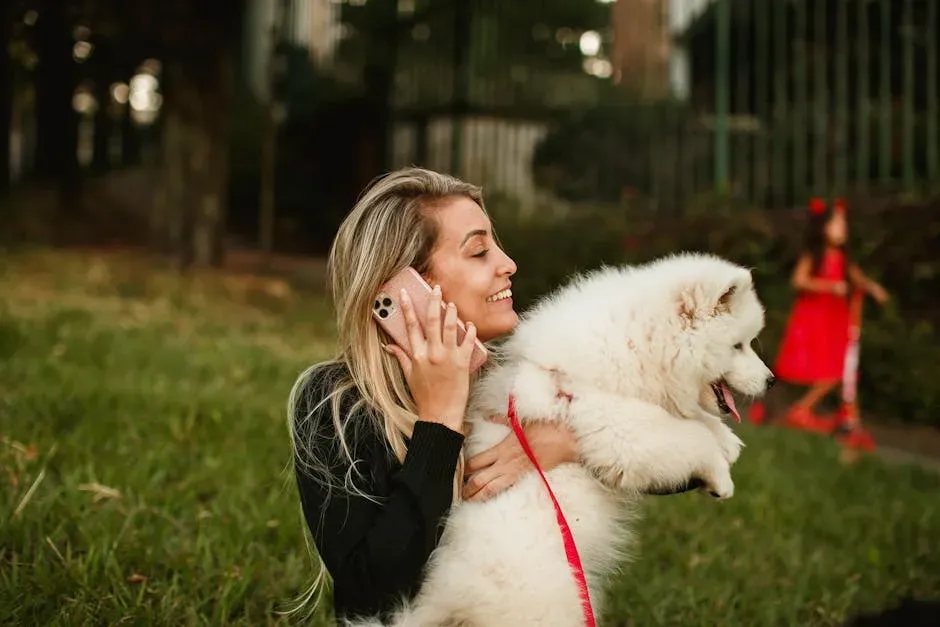
The beautiful, humbling reality of living with a dog is this: they are constantly communicating with us. Every lean, every gaze, every quiet nose nudge is a sentence in a language that most of us were never taught to read. The good news is, it’s not too late to learn.
Reading, understanding, and responding to your dog’s body language is a key part of the companion-to-owner relationship. By understanding their cues and appropriately advocating for your dog, owners can continue to ensure their dogs remain happy, comfortable, and safe.
You don’t need a degree in animal behavior. You need presence. You need to slow down, look at your dog, and trust that what you’re seeing matters. Because to your dog, you are the whole world. The least we can do is pay attention to theirs. What signal from your dog have you been missing? Tell us in the comments.


