
7 Dog Breeds That Are Master Escape Artists (And 7 That Prefer to Stay Home)
Picture this: you step outside for ten minutes, come back, and your dog is gone. The gate is still latched. The fence looks totally fine. You’re standing there, utterly baffled, wondering if your dog secretly has a degree in engineering. Sound familiar? If you’ve ever owned one of those brilliant, crafty, unstoppable escape machines, you know exactly what I’m talking about.
Here’s the thing – not every dog that “runs away” is unhappy or poorly trained. A lot of it comes down to breed instinct, energy levels, and how a dog was literally designed to behave. The good news? Understanding your dog’s natural wiring is the first step to keeping them safe and satisfied. Let’s dive in.
1. Siberian Husky: The Original Houdini
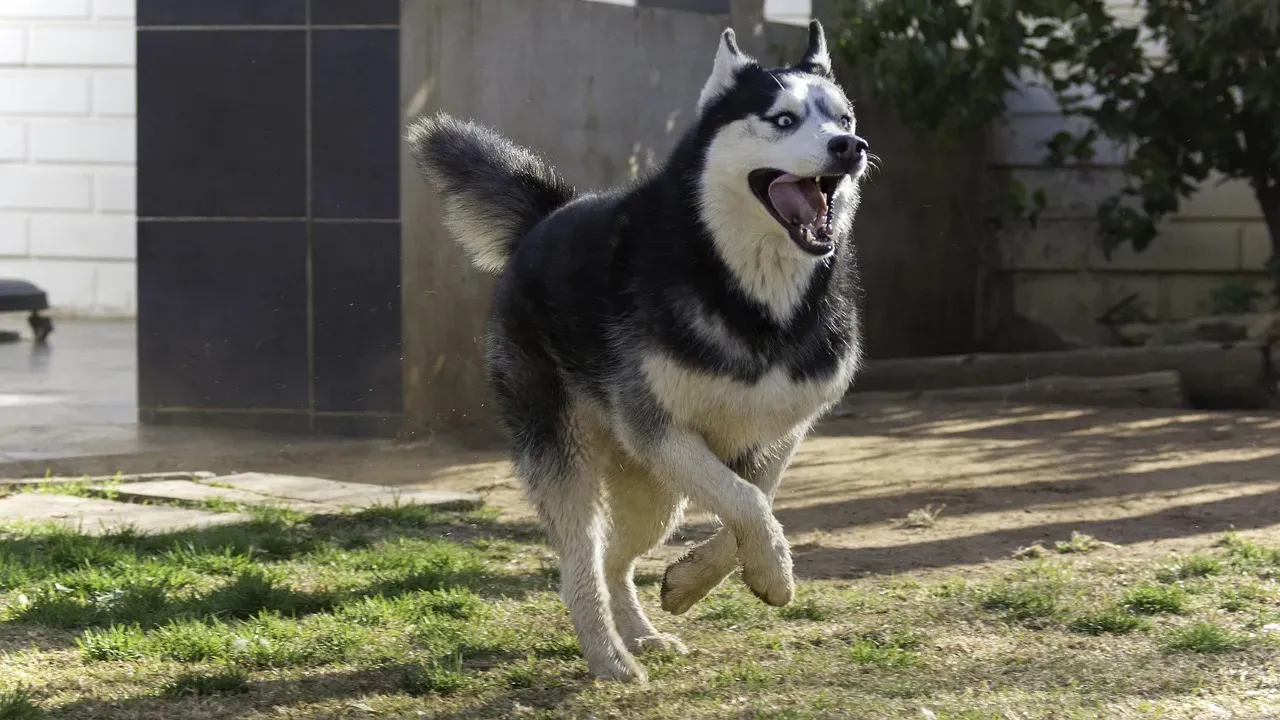
Probably one of the most notorious escape artists in the dog world, the Siberian Husky was literally bred to run – and if they don’t get enough exercise at home, they’ll absolutely seek it elsewhere. Honestly, it’s not rebellion. It’s just biology.
Huskies also love to dig and climb, which gives them the winning combination of skills for escaping from almost any enclosure. Prevention tip: Invest in a fence that extends underground and consider leaning the top inward at an angle – because this breed will try every trick in the book.
2. Beagle: The Nose Knows No Boundaries
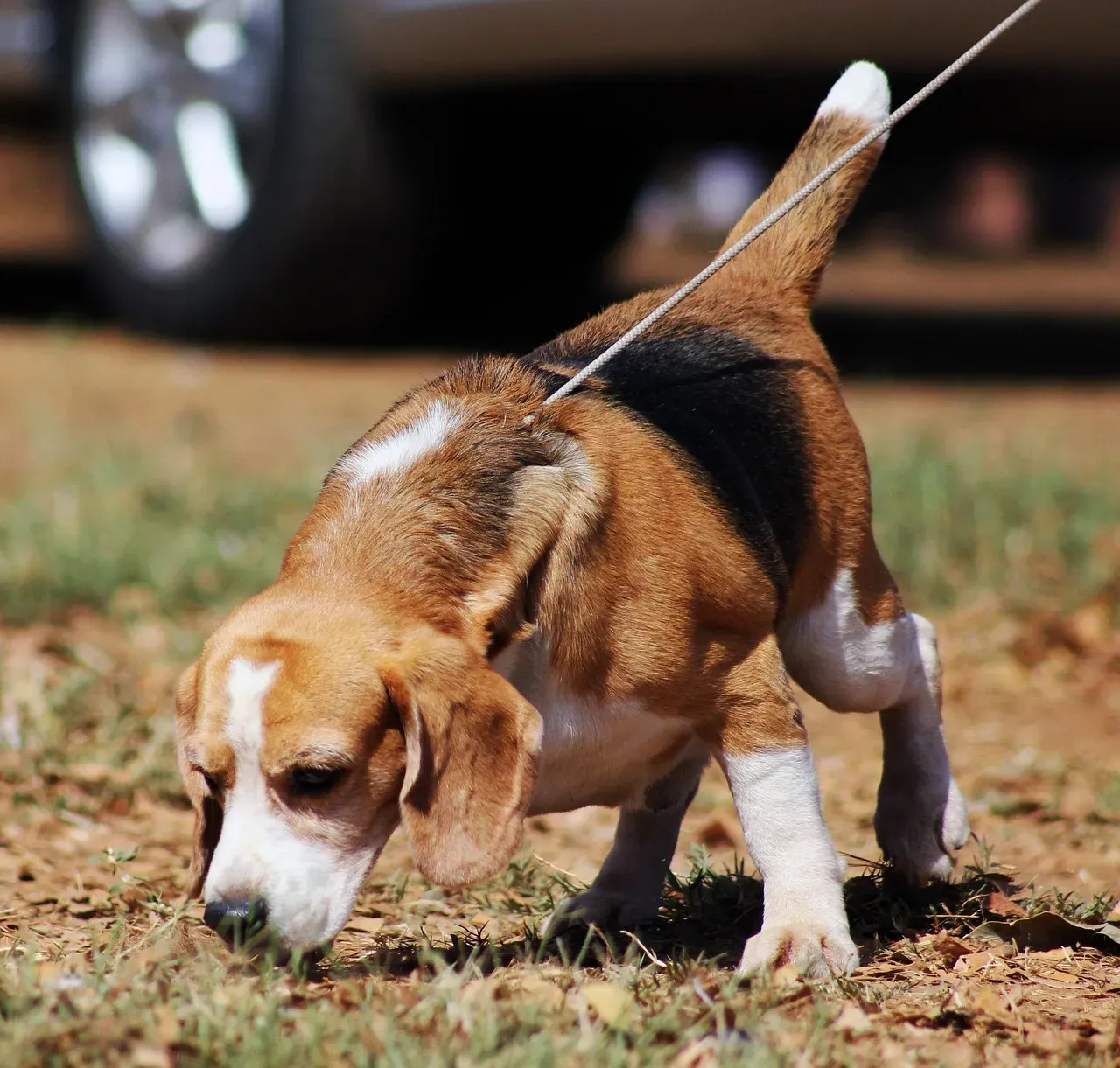
Beagles are hound dogs, which means they’re highly stubborn and single-minded when they catch a scent. Their excellent tracking abilities, combined with their intelligence and natural curiosity, make them first-rate escape artists. One whiff of something interesting across the street and they are absolutely gone.
Beagles have a nose that truly knows no bounds. Once they catch a scent, they’re off on a mission, escaping to follow whatever intriguing smell they’ve picked up. The fix? Always use a leash on walks, reinforce your fencing at ground level, and keep your Beagle mentally stimulated with sniff-based games at home.
3. Jack Russell Terrier: Small Dog, Massive Determination
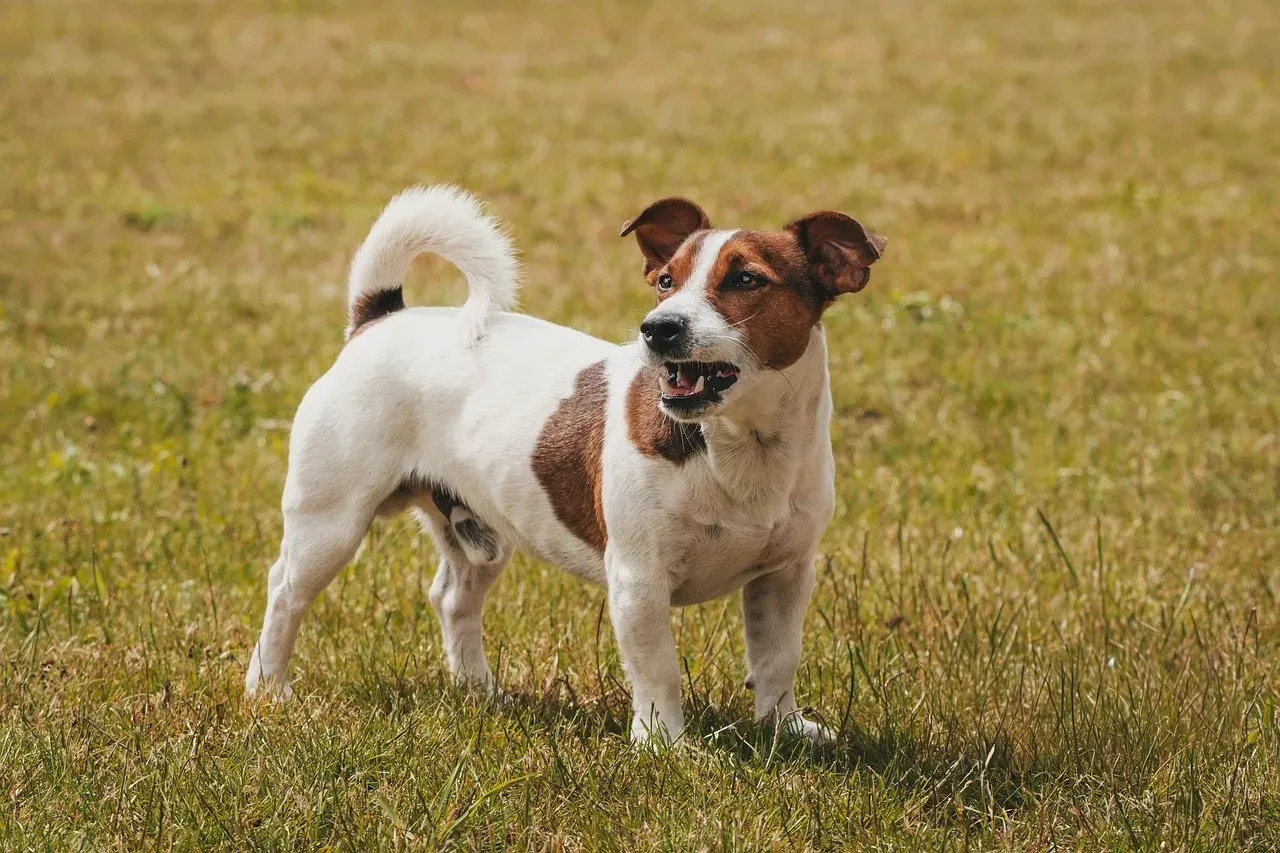
Jack Russell Terriers are exceptionally energetic and smart dogs. They have a strong instinct to dig and give chase, which makes them prone to escaping. They’re also skilled climbers, so you’ll need to take the appropriate precautions to keep these little sparkplugs safely contained.
Jack Russell Terriers need plenty of exercise to be happy, and their strong prey drive causes them to bolt at the mere sight of a squirrel across the street. Think of them like a compressed spring – if you don’t give them a healthy outlet, all that energy has to go somewhere. Daily off-leash time in a secure area is non-negotiable with this breed.
4. German Shepherd: The Problem Solver Who Won’t Quit
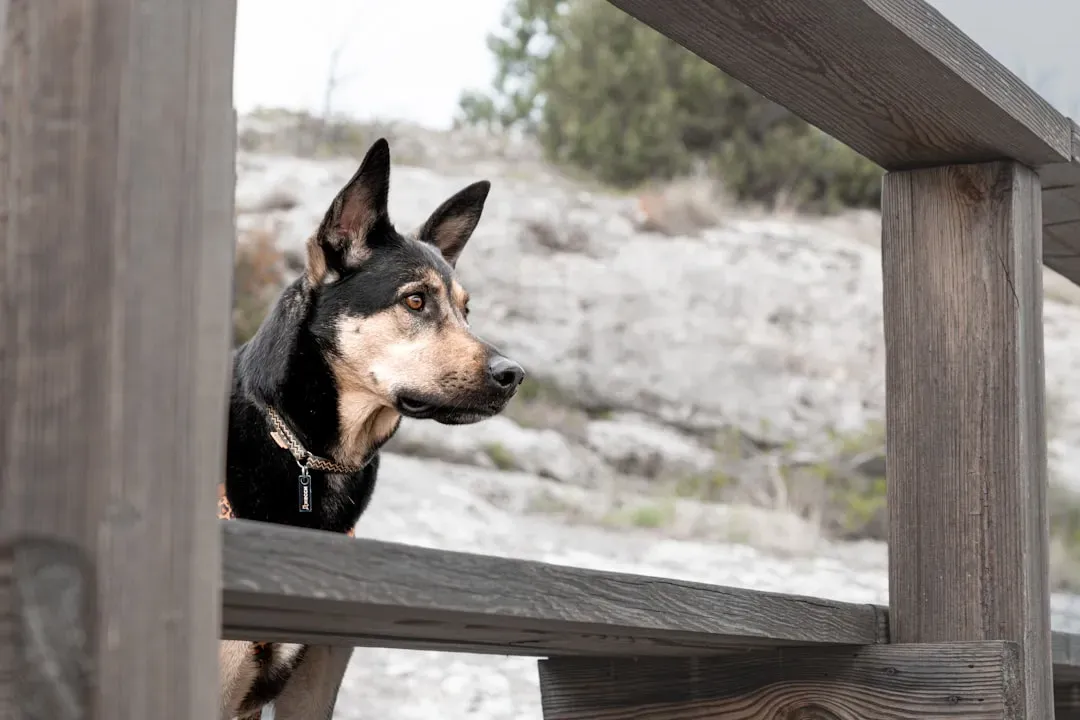
German Shepherds combine intelligence, strength, and loyalty – qualities that can make them master escape artists. They’re known for their problem-solving abilities, often learning how to open gates or unlock doors. Let’s be real, some of these dogs are genuinely smarter than we give them credit for.
German Shepherds are also powerful jumpers and diggers. A bored or anxious German Shepherd can easily leap over a fence or dig under it in record time. Their escapes are usually purposeful – they’re on a mission, whether it’s to find you or patrol the neighborhood. The behavioral cue to watch: excessive pacing or whining before you leave often signals that an escape attempt is imminent.
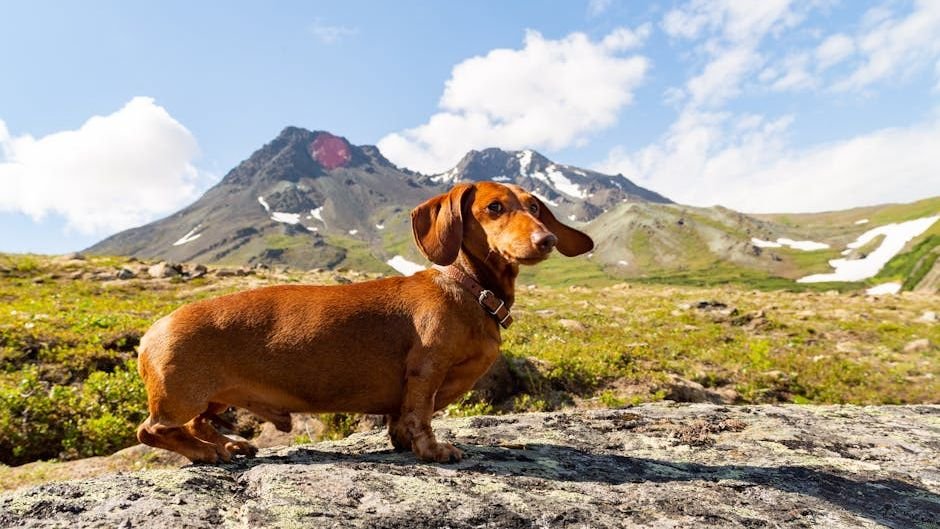
5. Dachshund: The Underground Expert
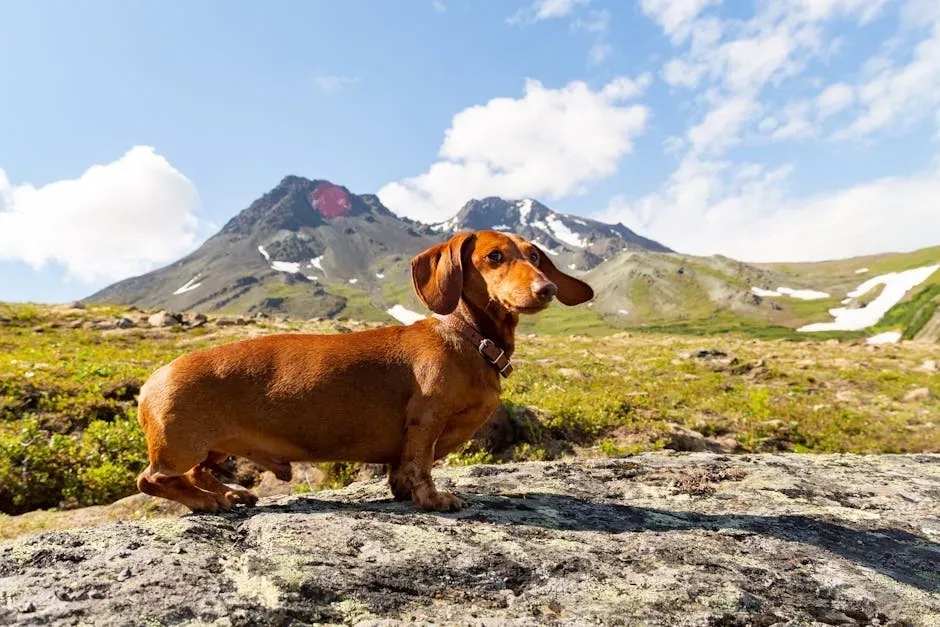
Bred to chase badgers into underground dens, Dachshunds are excellent diggers. They are super aware of their surroundings and will run after smaller animals in an instant. That cute little sausage body is basically a digging machine in disguise.
Originally bred to flush prey from their dens, Dachshunds are more than happy to tunnel under a fence and squeeze through tight spaces to escape. They can be prone to separation anxiety and may try to make an escape to find you if you’re not at home. Burying the bottom of your fence several inches underground is one of the smartest things a Dachshund owner can do.
6. Border Collie: The Genius With Too Much Time on Their Paws
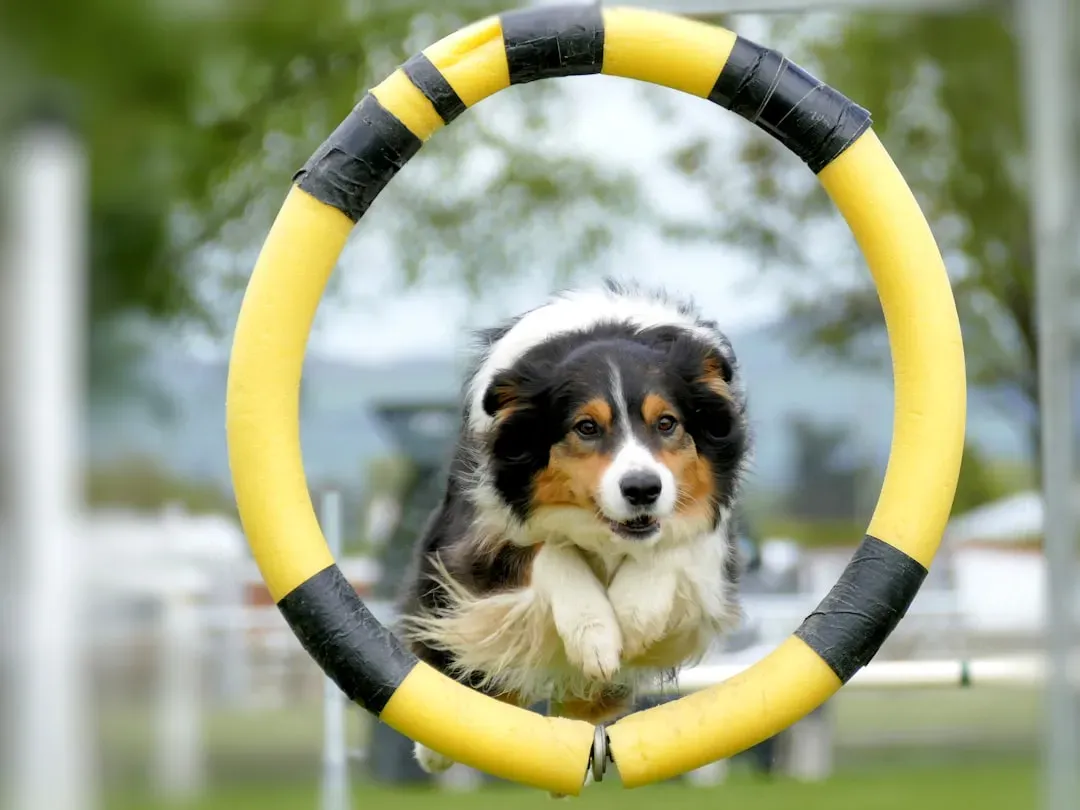
Known as one of the smartest breeds, Border Collies are constantly looking for something to do. If they get bored, escape becomes a thrilling game. They can open gates, scale fences, and even find creative ways to exit seemingly escape-proof yards. I know it sounds crazy, but there are documented cases of Border Collies watching their owners type in gate codes and memorizing the sequence.
It’s not always mischief that drives them – it’s the need for mental and physical stimulation. Border Collies thrive on challenges, and if they don’t get enough tasks, they’ll make their own fun. For these dogs, a daily walk isn’t enough; they need puzzles, games, and sometimes a double-locked gate. Agility training is a fantastic outlet for this breed.
7. Belgian Malinois: The Athlete Who Escapes for Sport
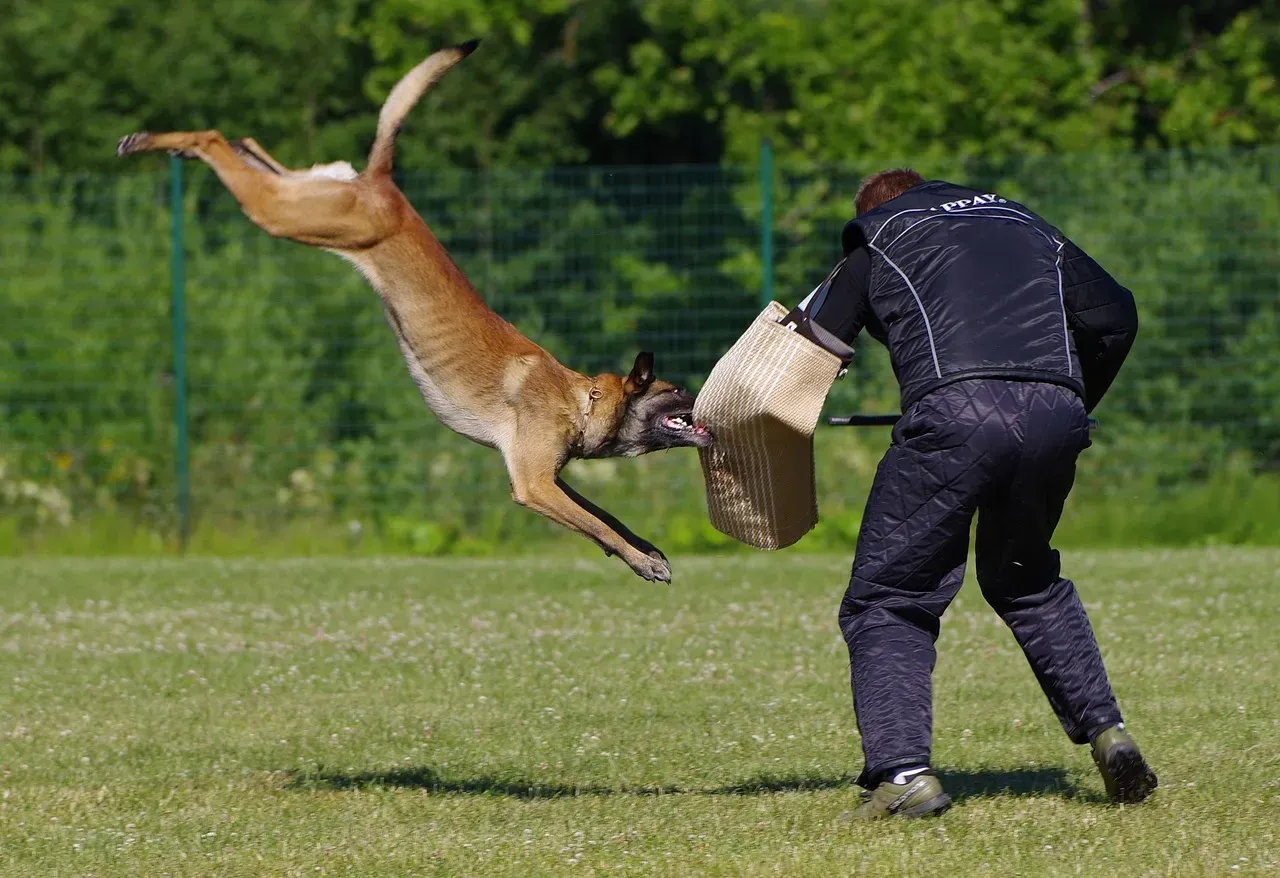
Belgian Malinois are highly intelligent, agile, and driven dogs often used in police and military work. Their problem-solving abilities and strong work ethic make them exceptional escape artists. Malinois are known to climb, jump, or dig their way out of enclosures with ease.
Providing ample exercise and mental stimulation is crucial to keep these active dogs content and reduce their urge to escape. Owners should ensure their yards are secure with high, sturdy fences and no weak points. Training and supervision are also essential to keep Belgian Malinois safe and contained. This breed is simply not suited for passive, low-activity households – full stop.
8. Basset Hound: The Champion of Staying Put

Recognized instantly by its long, velvety ears, droopy eyes, and low-slung frame, the Basset Hound is as charming as it is distinctive. They move through life at their own leisurely pace, and honestly, that’s a quality we could all stand to admire a little more.
The Basset Hound is an amiable and curious companion with low energy levels and lots of love to give. Their laid-back and easy-going nature makes them a wonderful pet. Their relaxed ways make them one of the dog breeds that don’t mind being left alone for a few hours. Just be sure to give them a good walk before you head out – a tired Basset is a very contented Basset.
9. Chow Chow: The Dignified Homebody
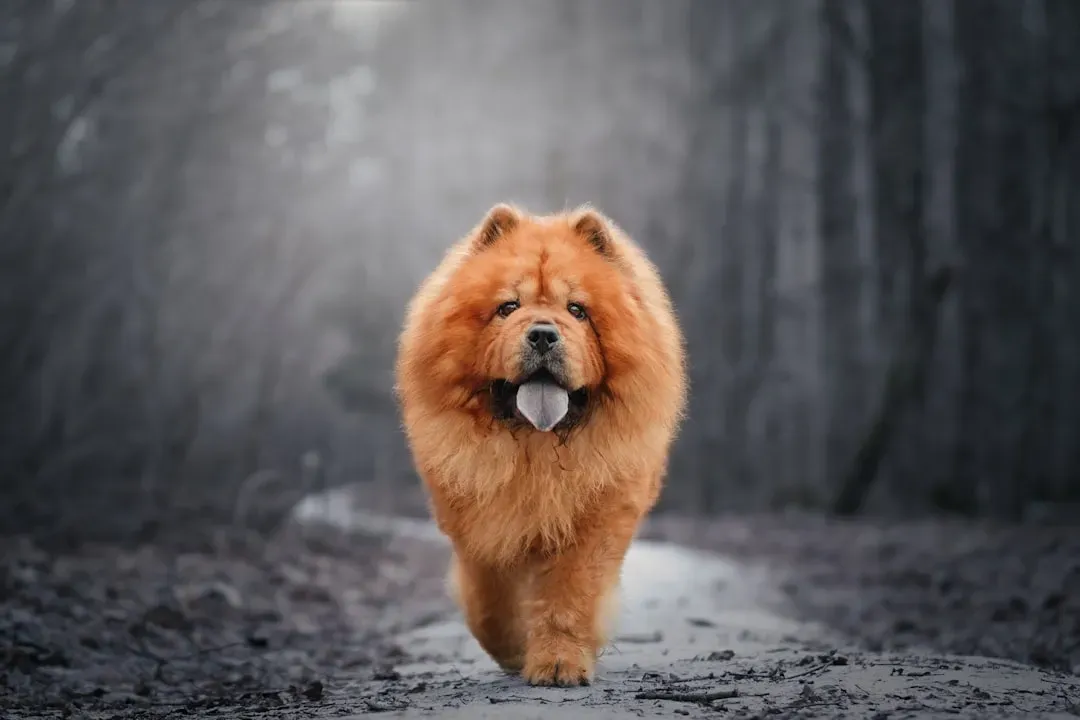
Chow Chows are known for their independence, but that doesn’t mean they’re escape artists. In fact, they’re quite content to stay within their territory. These dogs like to keep an eye on things from a distance, preferring the comfort of their own yard to the chaos outside. Chows value security and routine. The idea of squeezing through a fence or digging a hole simply doesn’t appeal to them.
Chow Chows weren’t bred to be cuddled and fussed over, and after their centuries-long streak of independence, they’d prefer it to stay that way. Their self-sufficient nature is exactly what makes them ideal companions for those with busy schedules. They’re basically the cat of the dog world – regal, reserved, and perfectly fine watching the world from the porch.
10. Pug: Too Comfortable to Bother Escaping
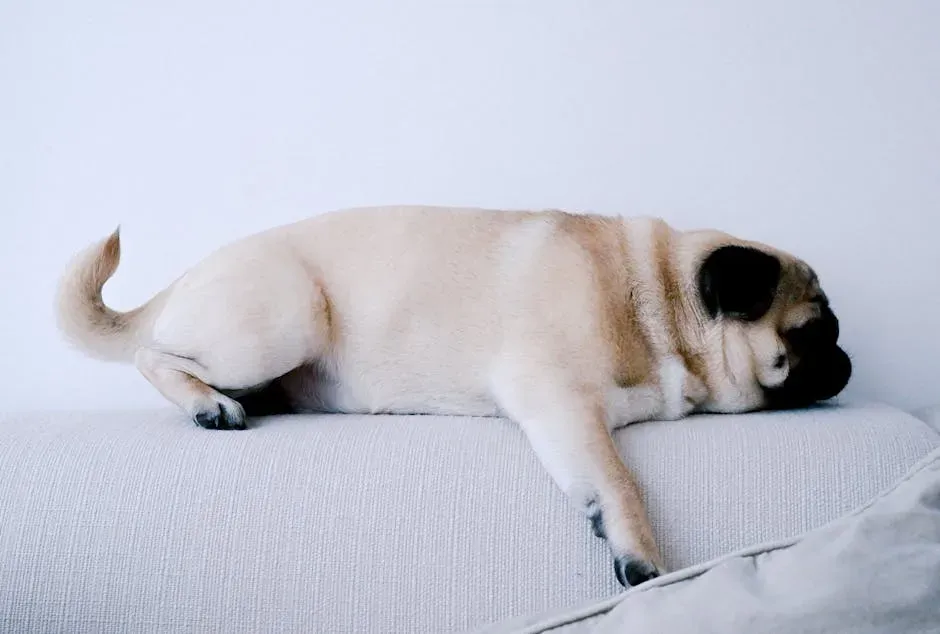
Known for their even-tempered, loving nature, Pugs are true house dogs – happiest near their family but comfortable when left alone for moderate periods. They’d much rather be pressed against a warm cushion than plotting a neighborhood jailbreak.
Pugs display a strong desire to stay with their pet owners rather than escape them. Just like Cavaliers, they also get bored easily, which is why you need to give them enough physical stimulation through various activities. One important health note: Pugs belong to brachycephalic breeds with breathing difficulties, which means they physically can’t run away to far-off places without risking respiratory problems. Keep their exercise gentle and their environment cool.
11. Cavalier King Charles Spaniel: Born to Be by Your Side
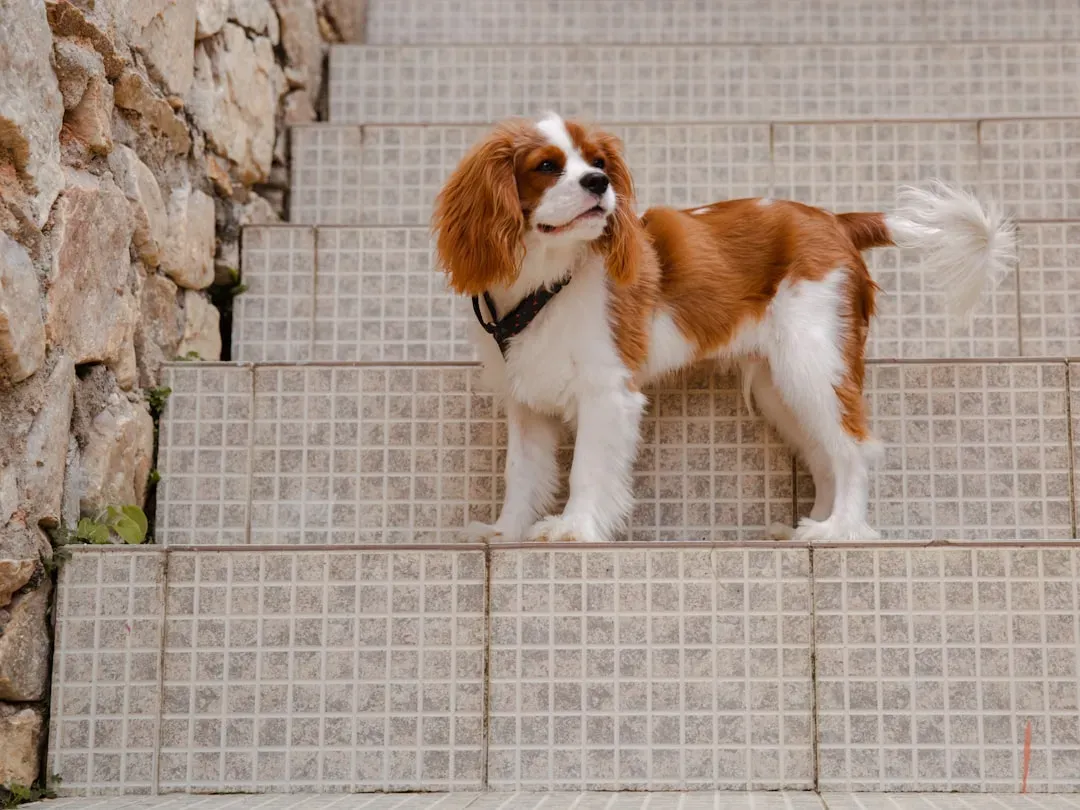
The Cavalier King Charles Spaniel is one of those dogs with a natural instinct to stay close to their family rather than escaping and running away. These dogs are extremely affectionate and love their family to bits. They’re the type of dog that will follow you from room to room just to stay close.
The Cavalier King Charles Spaniel steals hearts with its floppy ears and undeniably sweet personality. While parting for a day at work can be tough, you can rest assured that with training, they’ll be OK while you’re gone. Because they’re eager to please, they’re more likely to learn and follow ground rules for when you’re not around. Still, don’t leave them alone for too long – they do thrive on human connection.
12. Bichon Frise: The Joyful Little Homebody
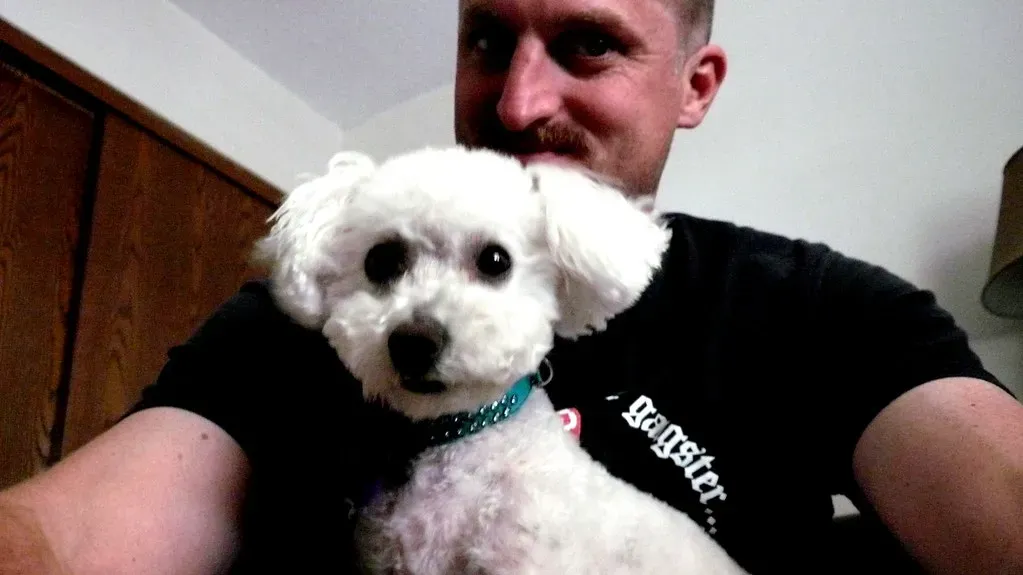
The Bichon Frise is one of the most intelligent dogs out there. Unlike most dogs that are smart, this one wouldn’t really jump off a fence and run away from the house. Their intelligence goes toward charming people, not outsmarting fences – and that’s a beautiful thing.
They are a low-energy breed that prefers lazing around the house over scouting the great outdoors, minimizing their motivation to wander or escape. Bred originally for companionship, the Bichon Frise sticks to its original role even now. Keep them entertained with interactive toys and regular play, and they’ll be perfectly at peace inside your four walls.
13. Whippet: Fast on the Track, Lazy at Home
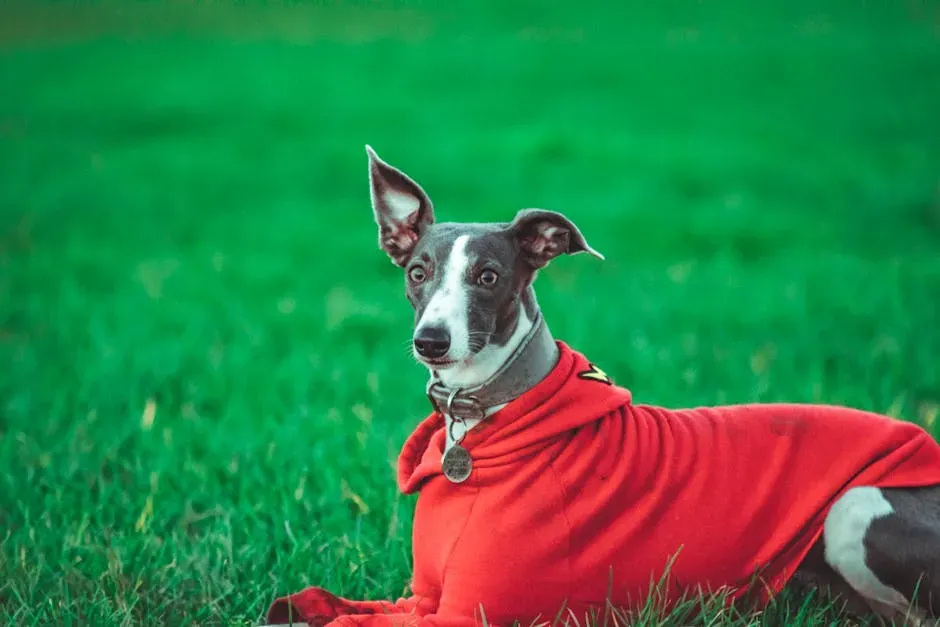
With its slender frame, deep chest, and sleek coat, the Whippet is built for speed – reaching up to 35 miles per hour – yet it’s just as content lounging quietly at home after a good sprint. Despite their racing heritage, Whippets are known for their calm and gentle disposition. They’re affectionate but not overly clingy, making them ideal for owners who spend part of the day away.
A cozy bed and a few toys are often all they need to stay happy while you’re gone. Think of a Whippet like a sports car that’s perfectly happy sitting in the garage – as long as you take it out for a good run once a day. One caution worth noting: Whippets do have a strong prey drive and were historically bred to chase smaller animals, so keeping them firmly on a leash when outdoors is a must.
14. Bullmastiff: The Gentle Giant Who Guards the Couch
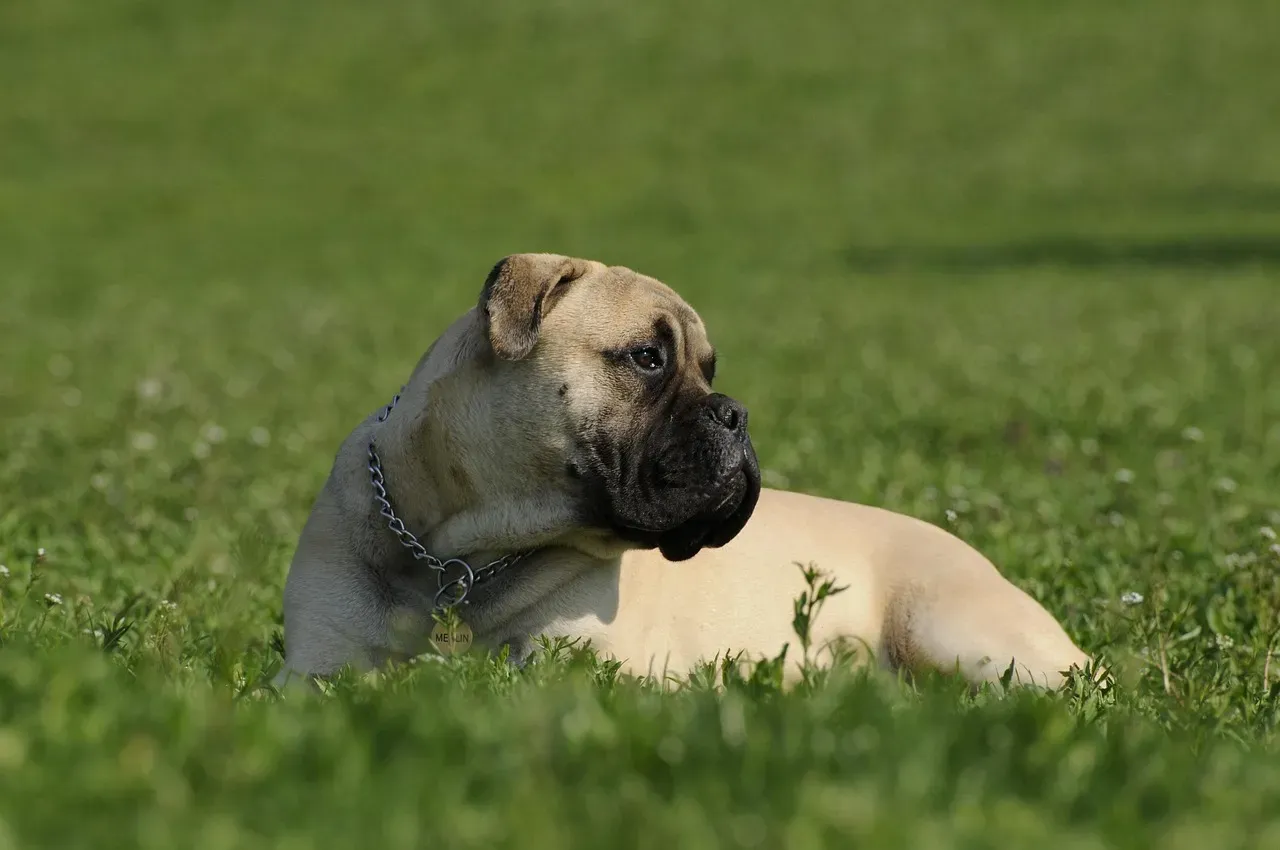
Bullmastiffs may seem big, but they are quiet, affectionate, and don’t require a lot of exercise. Because they are happy to lounge at home, they suit people who cannot give their pets a lot of attention. For such a massive dog, they have an almost comical commitment to doing absolutely nothing strenuous.
This large breed needs a lot less exercise than one would imagine and they love to sleep, making them ideal for families who live a hectic schedule. A few short walks a day will meet the Bullmastiff’s energy requirements. Older dogs are especially calm and laid-back, though puppies still need more exercise. Socialize them early and establish basic obedience, and you’ll have one of the most reliably home-loving dogs imaginable.
A Final Thought for Every Dog Parent

Whether your dog is a Houdini-level escape genius or a certified couch champion, one truth applies to every single breed: some dogs are natural escape artists, always finding clever ways to break free from yards, crates, or even homes – and while it may seem amusing, these escape-prone pups can put themselves in serious danger when they get loose.
Understanding your dog’s instincts isn’t about labeling them as “difficult” – it’s about respecting who they actually are. The escape artists on this list aren’t bad dogs. They’re just wired for movement, stimulation, and purpose. Give them an outlet and they’ll reward you with unshakeable loyalty. The homebodies? Love them for their steadiness and appreciate the peace they bring.
Every dog deserves an owner who truly sees them. The moment you stop trying to fight your dog’s nature and start working with it, everything changes. So, does your pup fall into the escape artist camp or the stay-at-home squad? Share your story in the comments – we’d love to hear it!