
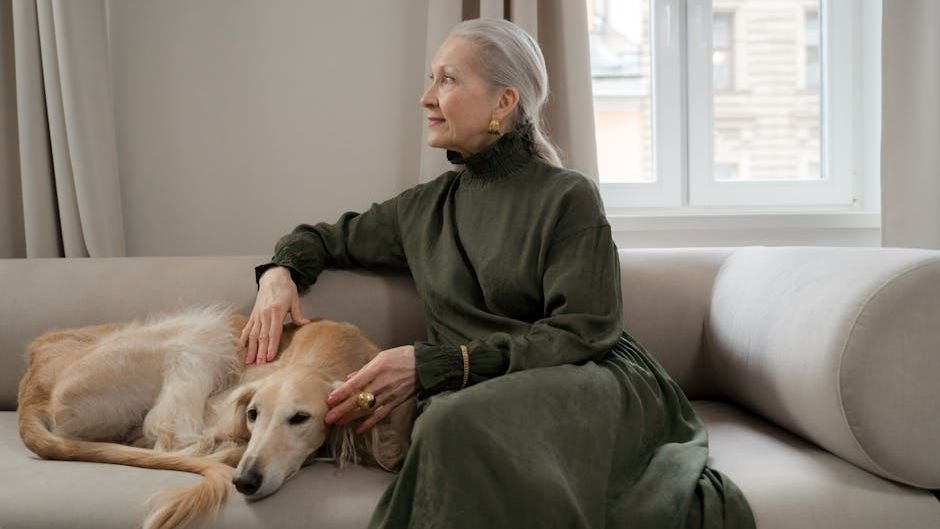
There’s a certain kind of love that makes a person walk into a shelter, see a bounding, tail-wagging dog with sparkling eyes, and think, “That’s the one.” It happens every day. The problem is that the same dog who looks utterly irresistible behind a kennel gate can turn daily life into an exhausting marathon when you bring them home at 70.
Nobody tells you that upfront. The bond between seniors and their furry friends is a special one, and dogs not only provide companionship but also offer numerous health and wellness benefits. However, when it comes to choosing the right canine companion for seniors, several important factors come into play. Senior dog owners walk an average of 22 more minutes per day compared to seniors who don’t own dogs, and seniors who own pets are notably less likely to report feeling lonely than their non-pet-owning peers. The right match can genuinely transform your golden years. The wrong one can leave you stressed, injured, or heartbroken.
This guide is here to help you make that call with clarity and confidence. We’ll walk through 10 high-energy breeds that are simply too demanding for most elderly owners, and then give you 10 wonderful alternatives that will fit beautifully into a slower, more peaceful pace of life.
1. Border Collie: The Dog That Never Clocks Out
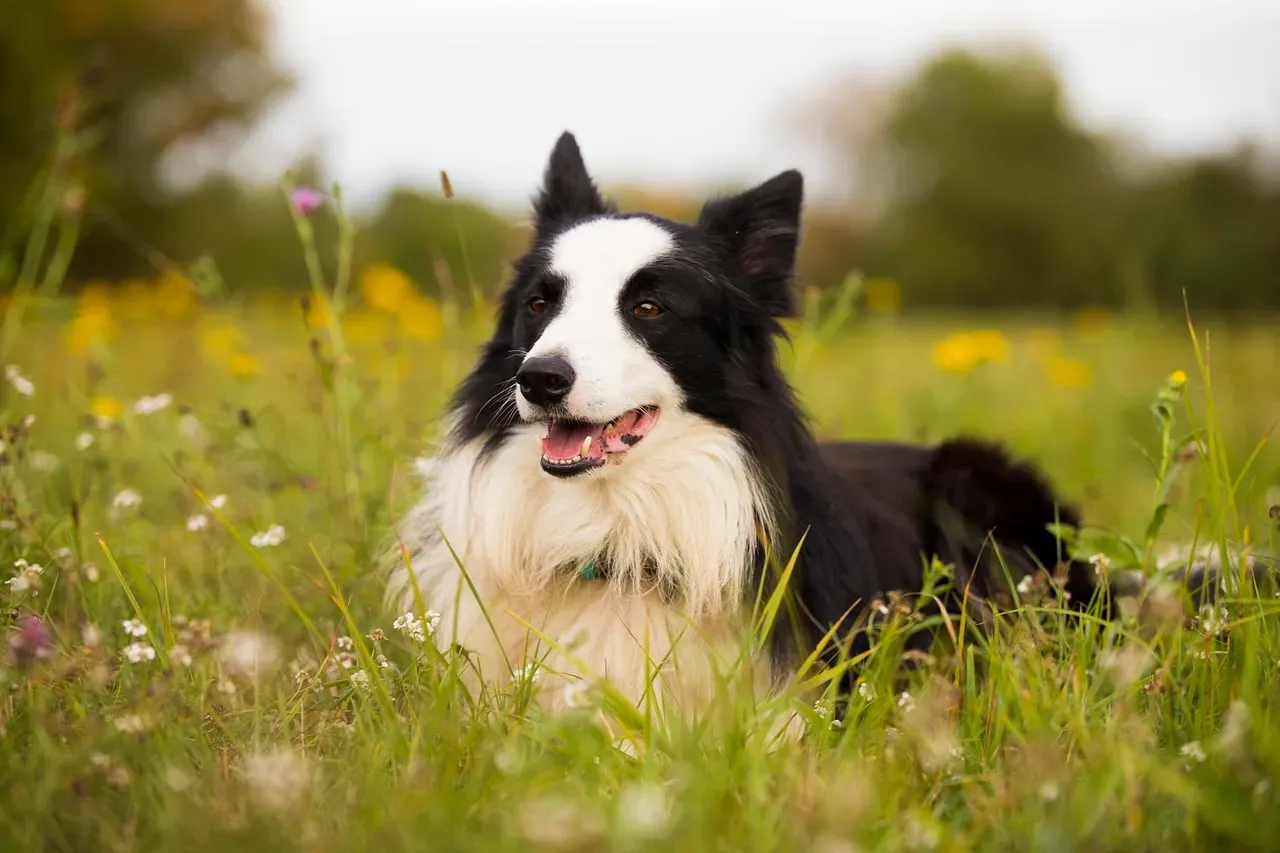
Border Collies are considered the most intelligent dog breed in the world, and these workaholic dogs are always on the go, needing constant mental and physical stimulation, or they could become destructive. That intelligence is actually the issue. A bored Border Collie doesn’t just lie around sighing. They rearrange your furniture, herd your cats, and figure out how to open your pantry door.
Border Collies are highly intelligent and active dogs that require a lot of physical and mental stimulation, needing a minimum of two hours of exercise daily to keep them satisfied. Regular exercise, such as long walks, playtime, and mental challenges, helps prevent boredom and destructive behaviors in this breed. Seniors and the elderly usually don’t have this much energy to keep up with this breed. If you live alone and don’t have someone to share walking duties, this breed will wear you down.
2. Siberian Husky: Beautiful, Relentless, and a Master Escape Artist
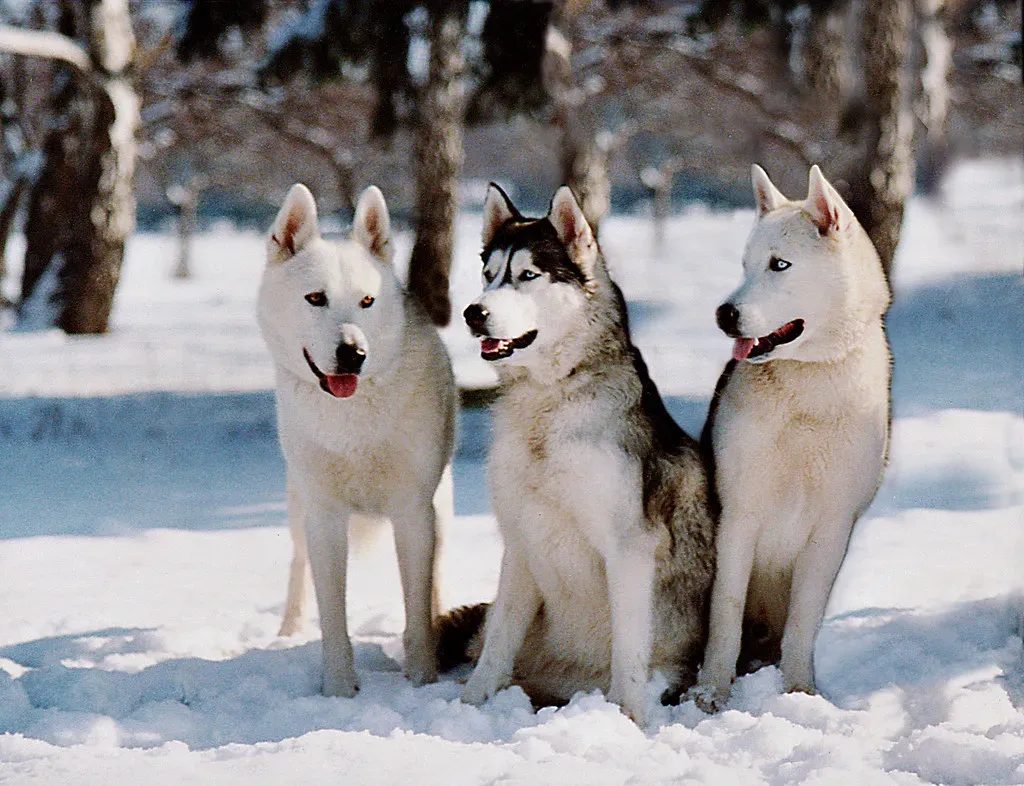
Siberian Huskies are beautiful, energetic dogs known for their endurance and love for the outdoors. However, their high energy levels and exercise requirements may overwhelm senior dog owners. They’re also remarkably vocal, often howling at lengths that would alarm your neighbors and exhaust your patience.
These snow dogs are expert escapers and need high-fenced areas and lots of supervision. They have high exercise needs and tend to wander if they get the chance, making this breed definitely not suitable for seniors who cannot keep pace with this hyperactive dog. They also have a thick double coat that requires regular grooming, which may be difficult for seniors with mobility issues. This is a breed designed for pulling sleds across frozen tundra, not for quiet evenings watching television.
3. Australian Shepherd: Smart, Wired, and Constantly Herding Everything
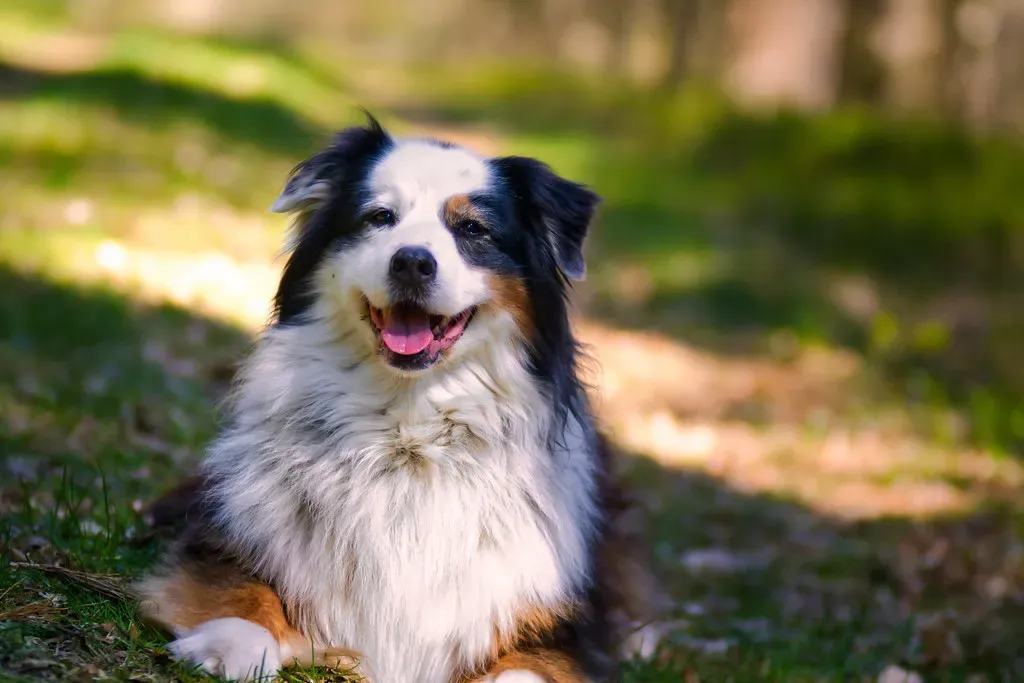
Australian Shepherds are smart, intelligent, remarkable, and hyperactive dogs. This herding dog breed needs hours of daily exercise and mental work, which seniors probably won’t be able to provide. Their herding instinct doesn’t stop at livestock, either. They’ll try herding children, other pets, and sometimes even their owners.
Australian Shepherds are known for their high energy levels and intelligence. They are an active breed that requires mental and physical stimulation to prevent boredom and destructive behavior, and their herding instincts may lead them to try herding family members, especially children or other pets. Their energy levels and constant need to be engaged in some activity make it a bad choice for seniors and the elderly. On a practical level, being nudged and circled by an eager, muscular dog isn’t just tiring – it can be a genuine fall risk.
4. Jack Russell Terrier: Small in Size, Enormous in Chaos
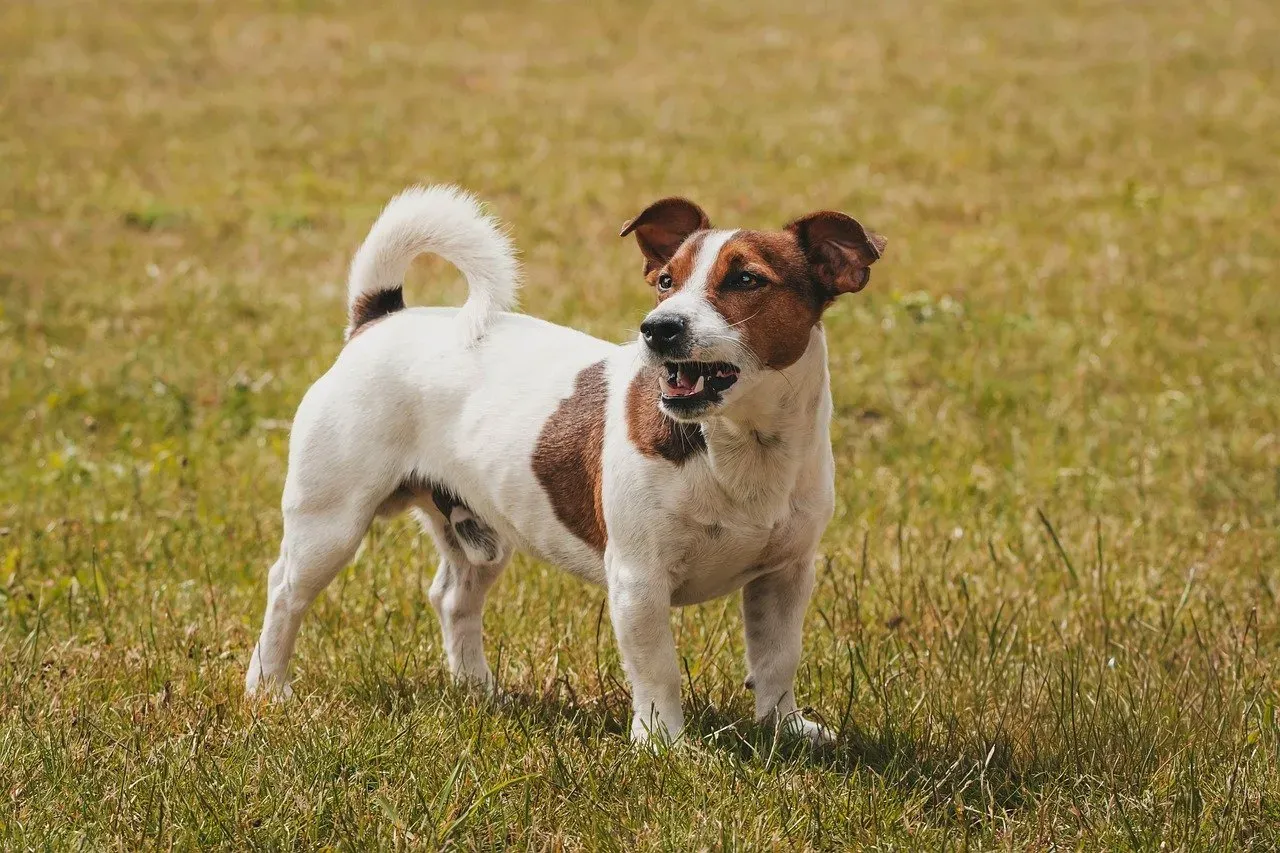
Jack Russell Terriers may look cute and tiny, but they are highly feisty, aggressive, and hyper. These terriers need a lot of exercise and mental work to keep them constantly busy and well-trained. People are often fooled by their compact size, thinking a small dog means a manageable dog. With Jack Russells, that assumption can quickly backfire.
Jack Russell Terriers are small dogs with boundless energy. They require a substantial amount of physical exercise and mental stimulation to keep them satisfied. Without proper outlets for their energy, these dogs can become restless, bored, and may engage in destructive behaviors. Their feisty and independent nature may not be suitable for seniors looking for a more laid-back companion. Think shredded cushions, non-stop zoomies around the house, and a dog that treats your flowerbeds like an excavation site.
5. Dalmatian: The High-Maintenance Spotted Sprinter
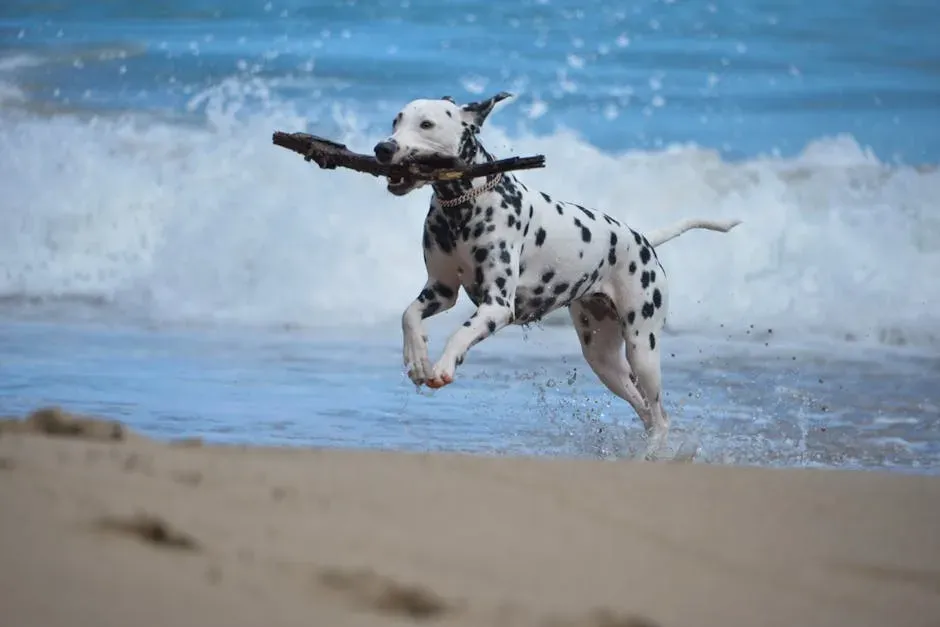
Dalmatians are definitely a sight to behold with their spotty coats and charming nature. These carriage dogs of the past have high energy levels and need plenty of exercise daily. The popular movie image of a calm, stately firehouse dog is flattering but misleading. In real life, this breed demands hours of vigorous activity.
They also tend to shed copious amounts of hair, which can be an issue for seniors who are allergic or cannot put in the effort to groom this breed regularly. Some dogs in this breed may be extremely fearful and overly aggressive, which is obviously not going to be a good fit for most seniors. Because they shed all year round, their maintenance level is on the high side for older dog owners. Combine that temperament unpredictability with intense physical demands, and you have a recipe for a difficult ownership experience.
6. German Shorthaired Pointer: Built for the Field, Not the Living Room
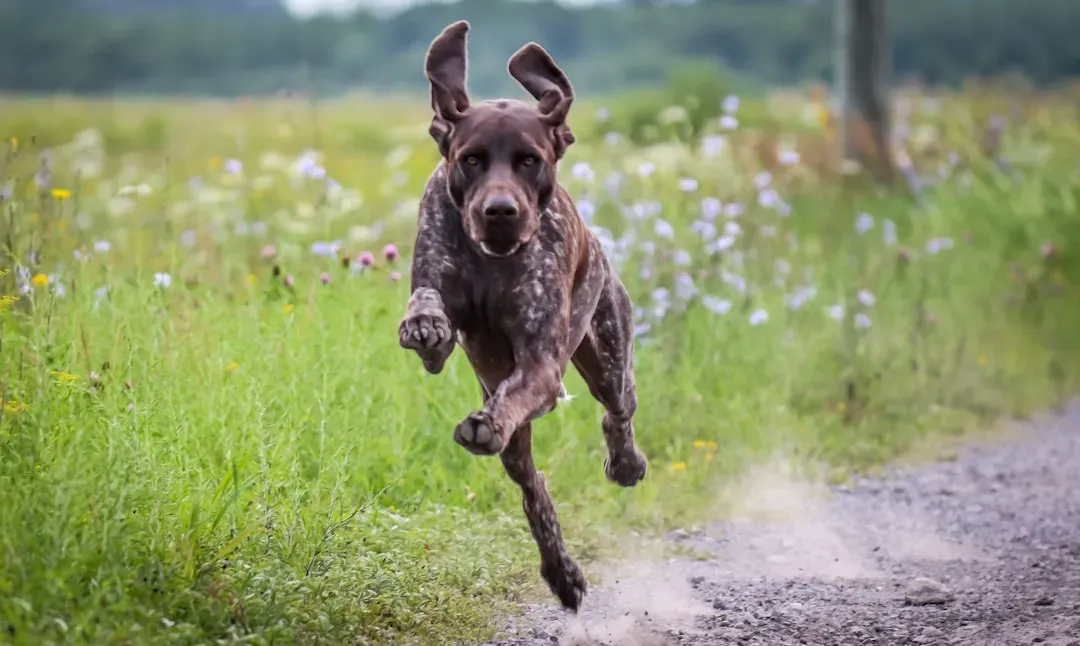
German Shorthaired Pointer dogs were originally bred in Germany as hunting and birding dogs. The breed was perfected sometime in the 1800s and continues to be one of the most effective and successful hunting dog breeds today. They are eager to please and very intelligent, and are happiest when they have the opportunity to swim, run, and play frequently because they are highly energetic dogs.
That hunting drive doesn’t simply switch off because the dog is living in a suburban home. German Shorthaired Pointers only require an occasional bath and a weekly brushing, though they can be big shedders during certain times of the year. They are a medium-sized breed, weighing between 45 and 70 pounds, and though they have a lot of energy, this breed can maintain its focus and enjoys learning new tricks or behaviors. That medium weight sounds manageable until a 65-pound dog bolts after a squirrel and takes you off your feet.
7. Australian Cattle Dog (Blue Heeler): Relentlessly Driven and Easily Bored
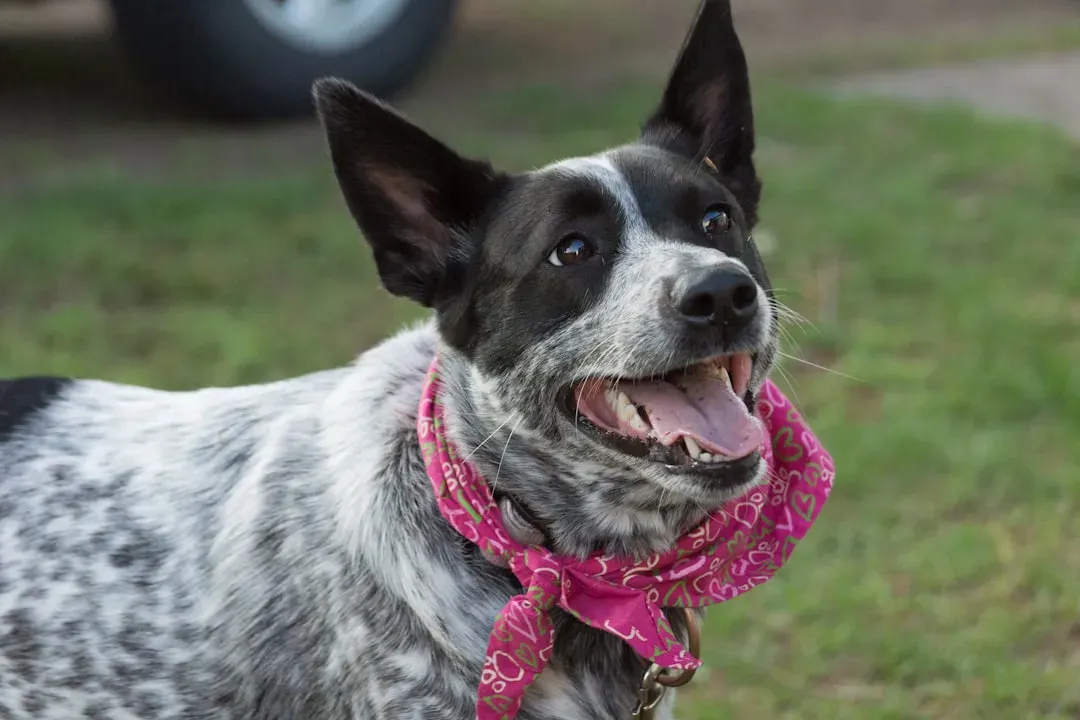
Intelligent and loyal, Australian Cattle Dogs, also known as Blue Heelers, are also highly energetic, relentless herders who need lots of exercise and mental work every day to keep them from getting destructive. They were bred to work cattle across rough Australian terrain, sometimes covering over 20 miles in a single day. That genetic engine doesn’t idle well.
High-energy breeds can become restless and exhibit behavioral problems if their exercise needs are not met. These breeds may be more suitable for individuals who are able to engage in vigorous exercise and are looking for an active companion. For seniors who are seeking a more relaxed and low-maintenance pet, exploring low-energy breeds may be a better option. A Blue Heeler left under-stimulated will find ways to occupy itself that you won’t enjoy, including persistent nipping, which is actually a herding behavior they find completely natural.
8. Labrador Retriever: Lovable but High-Maintenance
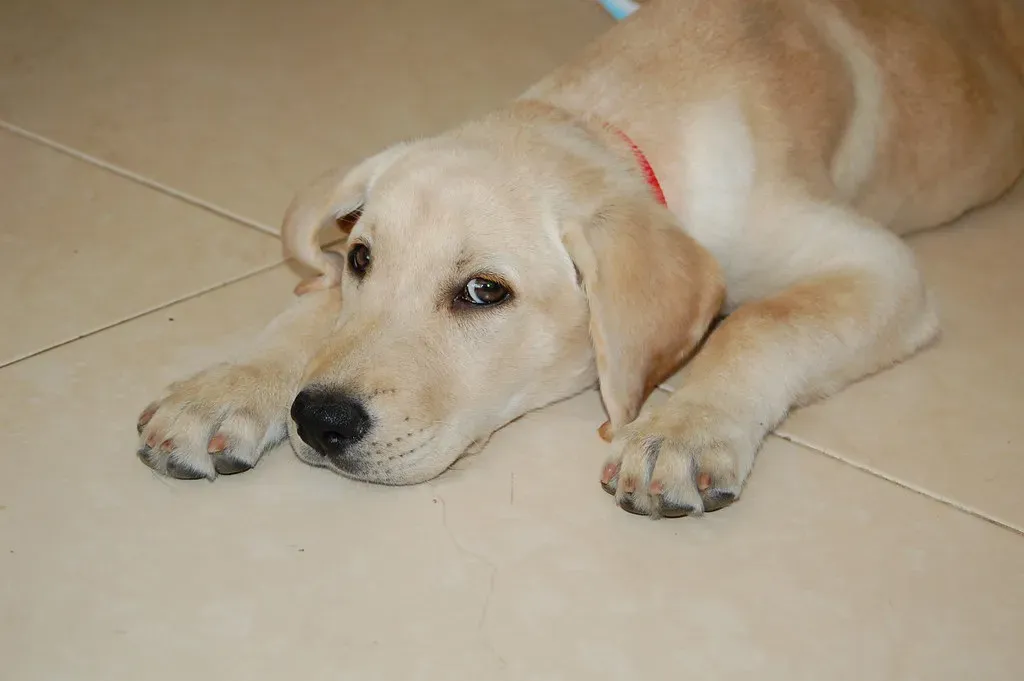
Labrador Retrievers, known for their friendly and outgoing nature, may not be the most suitable choice for seniors due to their high maintenance requirements. These dogs require a significant amount of attention, time, and exercise to stay mentally and physically healthy and happy. The energetic nature of Labrador Retrievers may be challenging for seniors to keep up with, especially if they have limited mobility or energy levels.
Golden Retrievers and Labs share a friendly and outgoing nature, but they also have high exercise needs. They crave physical activity and require at least two hours of exercise a day to keep them happy and healthy. Regular exercise not only helps them maintain a healthy weight but also provides mental stimulation and prevents behavioral problems. Labs are also notorious for their enthusiastic jumping and leash-pulling during younger years, which poses a genuine injury risk for elderly owners with fragile bones or balance issues.
9. Akita: Fiercely Loyal, Fiercely Demanding
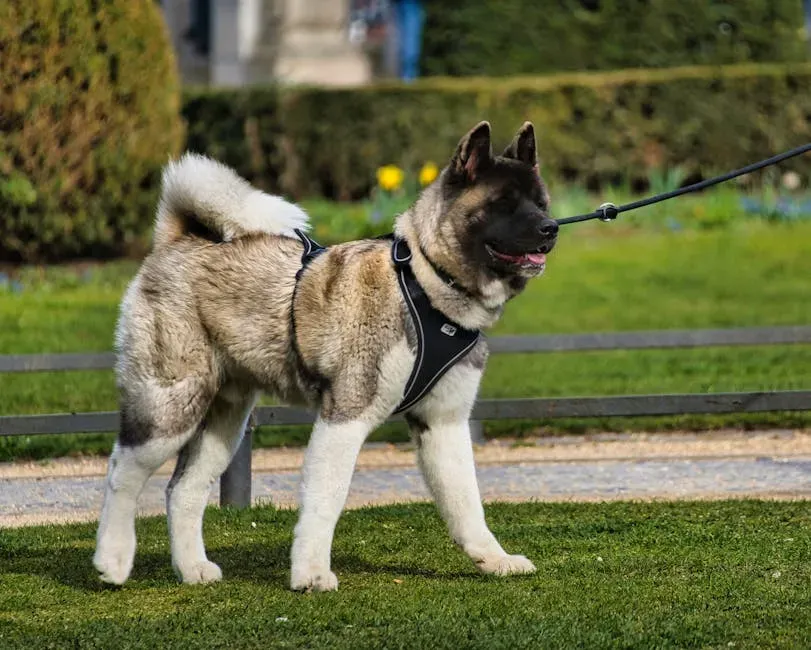
Akitas are gorgeous, loyal, and protective of their family. Although these traits are worth appreciating, they also make Akitas challenging to handle for seniors. These dogs need lots of exercise every day, as well as the freedom to run and play, which can be a problem for older owners who may not be able to give them the physical activity they need and who can’t contain these wanderers.
Akitas require a firm hand and lots of training. If you don’t have the time or energy to deal with such a high-maintenance and possibly cunning dog, it’s best to pass this breed up. Their protective instincts can also result in problematic behaviors around strangers, including home care workers or visiting family members, which creates an added layer of stress for elderly owners who need regular in-home support.
10. Great Dane: Gentle Giant With a Not-So-Gentle Impact
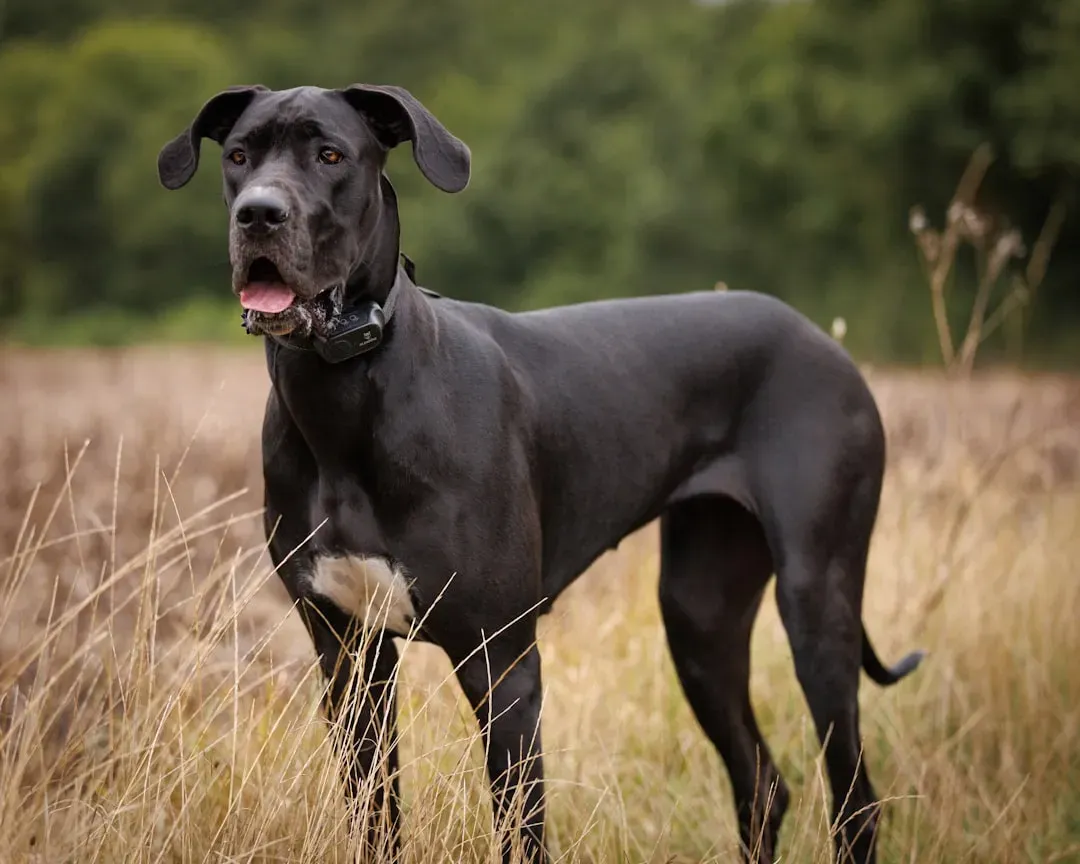
The problem for older owners is the Great Dane’s sheer size. The last thing you need is a 100-plus pound dog accidentally knocking you over or stepping on you. Great Danes also suffer from numerous health problems, such as bloat and hip and elbow problems, which will only increase your vet bills.
Large and strong dog breeds can pose challenges for seniors due to their size and physical strength. Handling and controlling these breeds can be difficult, especially for individuals with limited mobility or strength. The sheer size and power of these dogs may make them unsuitable for seniors who are at risk of being overpowered or knocked over. Furthermore, large breeds often require more space and may have higher food and grooming requirements, which can add to the overall responsibilities of caring for them. Even a well-trained Dane leaning on you affectionately can send a person stumbling.
—
Now, the Good News: 10 Breeds That Are Genuinely Well-Suited for Elderly Owners
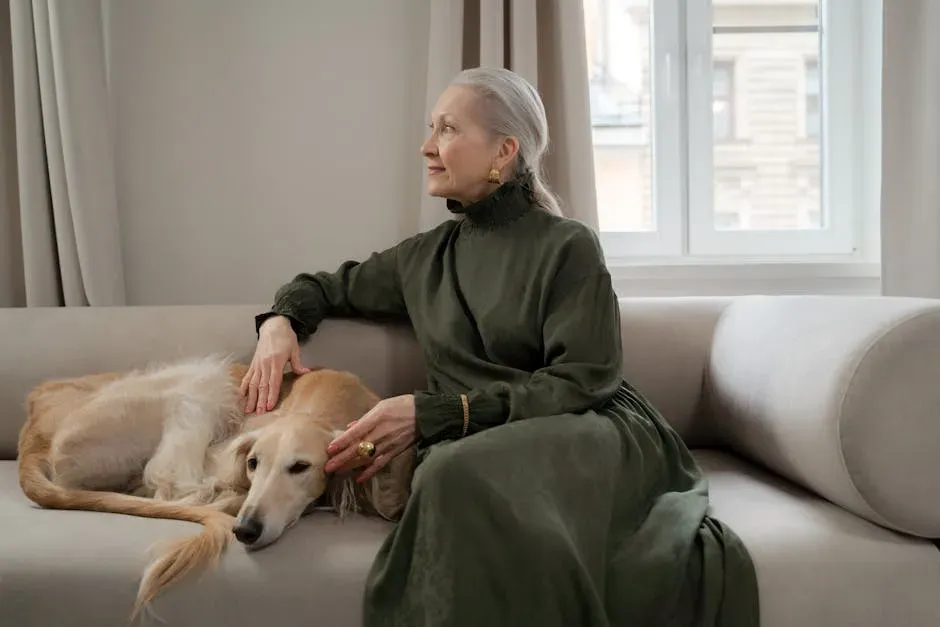
The breeds below aren’t just “smaller” versions of the dogs above. They’re genuinely good matches for a calmer lifestyle, offering real companionship without physical demands that exceed what most elderly owners can comfortably provide. The best dogs for seniors are usually calm, affectionate, easy to manage physically, and well-suited to a lower-activity lifestyle. Choosing the right dog means thinking carefully about energy level, size, barking tendency, leash manageability, and how much daily care the dog realistically requires.
11. Cavalier King Charles Spaniel: The Original Lap Dog
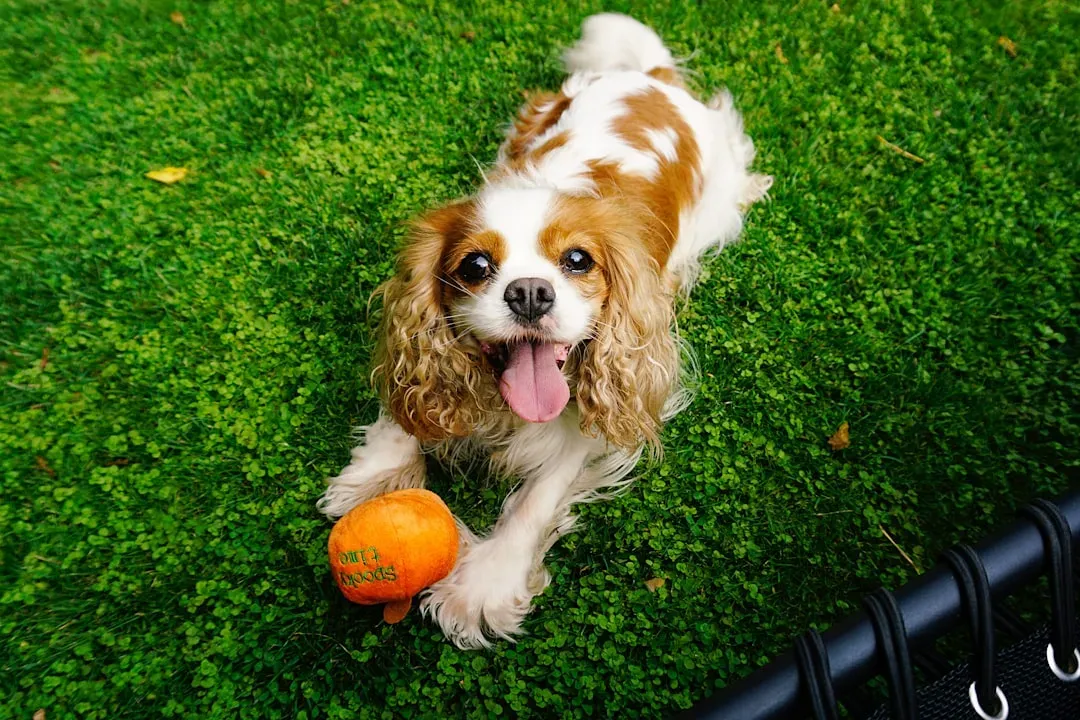
The Cavalier King Charles Spaniel is one of the best small dogs for older adults. These dogs are gentle, affectionate, and love spending time with their owners. While they enjoy walks and playtime, they do not have high exercise requirements, making them suitable for individuals who cannot commit to long periods of activity. Though their coat requires regular brushing, they are generally low-maintenance dogs.
Known for their sweet nature and affectionate personality, Cavalier King Charles Spaniels are perfect lap dogs. They thrive on companionship and love being close to their owners. They’re also small enough to be easily lifted and manageable on a leash, which matters more than people realize until they’re dealing with a dog that pulls. They adapt well to apartment or house living and are content with moderate short walks, making them best for seniors in apartments, limited-mobility households, and those who want a close, low-pressure indoor companion.
12. Shih Tzu: Calm, Cuddly, and Built for Companionship
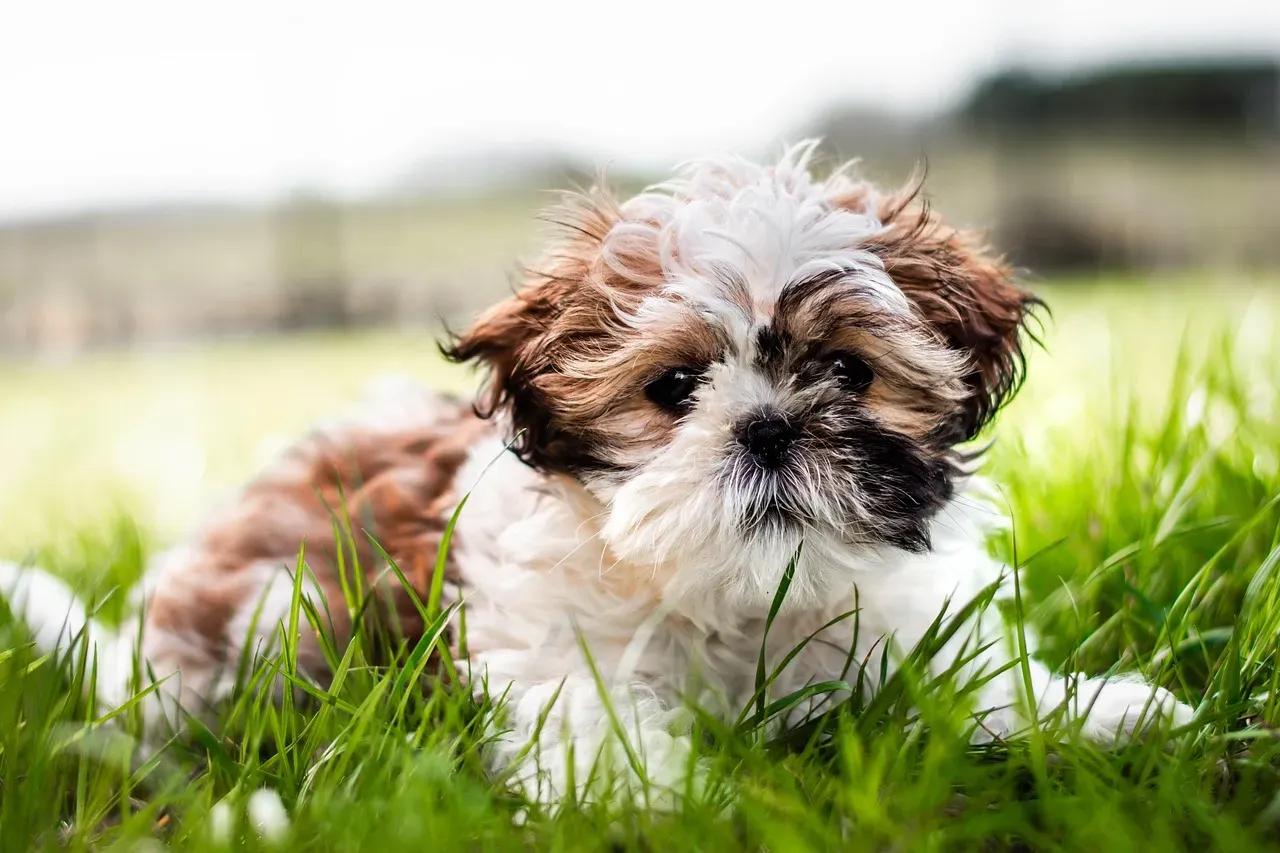
The Shih Tzu is another great dog for older adults. These dogs are friendly, calm, and adapt well to indoor living. They also have a moderate energy level, meaning they enjoy walks but don’t require extensive physical activity. Their natural temperament leans toward being a devoted house companion rather than an adventurous outdoor explorer.
Shih Tzus are great companion dogs for seniors thanks to their low-to-moderate energy and small size. These happy-go-lucky dogs are affectionate and gentle enough to be around children and the elderly. They do well with short walks, which can help keep owners more active. Shih Tzus do have high-maintenance coats that need to be brushed frequently if kept long, though keeping their coat in a short “puppy cut” is a practical and popular solution that reduces grooming time significantly.
13. French Bulldog: Charming, Compact, and Wonderfully Calm
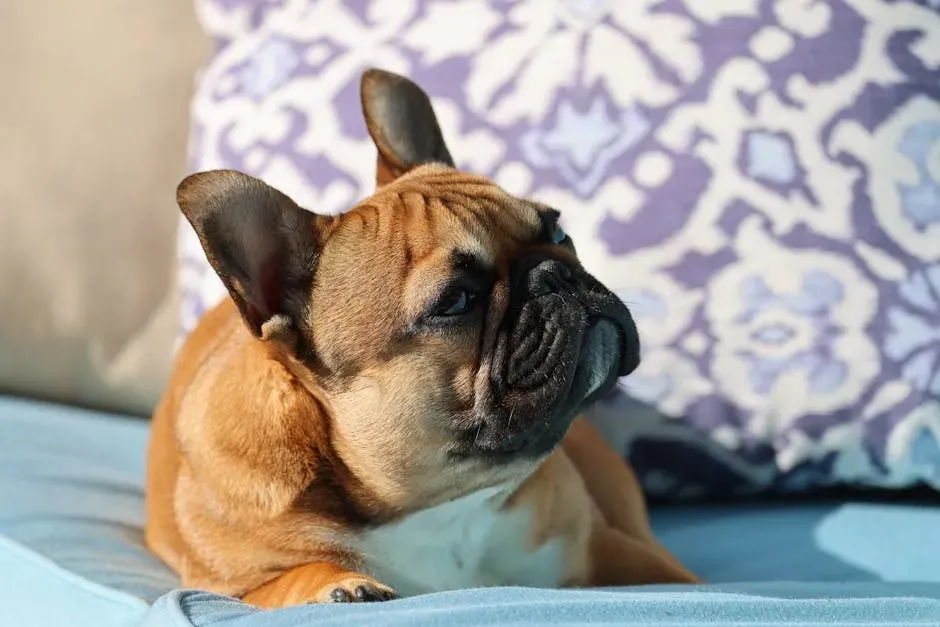
For older adults seeking a low-energy, low-maintenance dog, the French Bulldog is a perfect fit. These dogs are loyal and friendly, with a calm temperament that suits apartment living or smaller homes. French Bulldogs do not require extensive exercise. Additionally, they have minimal grooming needs, making them an easy breed to care for.
French Bulldogs are easy to train, rarely bark excessively, and enjoy spending quiet moments alongside their owners. They are one of the top breeds for seniors wanting companionship without the high-energy demands of larger breeds. Their short coat is low maintenance, needing only occasional grooming, which adds to their appeal for seniors who prefer simplicity in pet care. One note worth making: French Bulldogs can be prone to breathing problems due to their flat faces. Keeping them cool during hot weather and monitoring their weight can help prevent health issues, and regular vet check-ups are essential to manage potential joint and skin problems.
14. Maltese: Small, Gentle, and Surprisingly Long-Lived
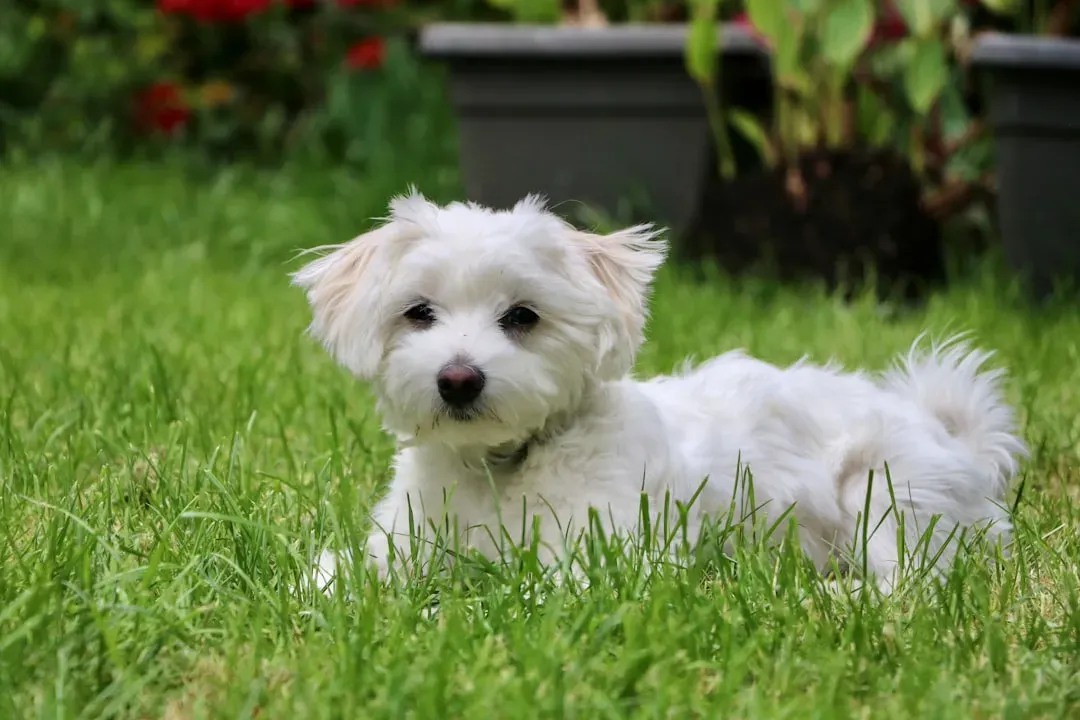
The Maltese is a sweet, gentle dog that is deeply devoted to its owner. Its small size makes it easy to manage, and it can thrive in smaller living spaces. Maltese dogs have a calm demeanor, which makes them excellent companions. They enjoy short walks but are also content spending quiet time at home.
Because these dogs are small and delicate, veterinary care is important, as common health issues include patellar luxation and dental disease. However, their lifespan of 12 to 15 years means a Maltese can be a faithful, low-maintenance companion for many years. That longevity is meaningful. For an elderly owner, forming a deep bond with a dog who will be with them for over a decade provides real emotional security and continuity.
15. Pug: Easygoing, Affectionate, and a Natural Homebody
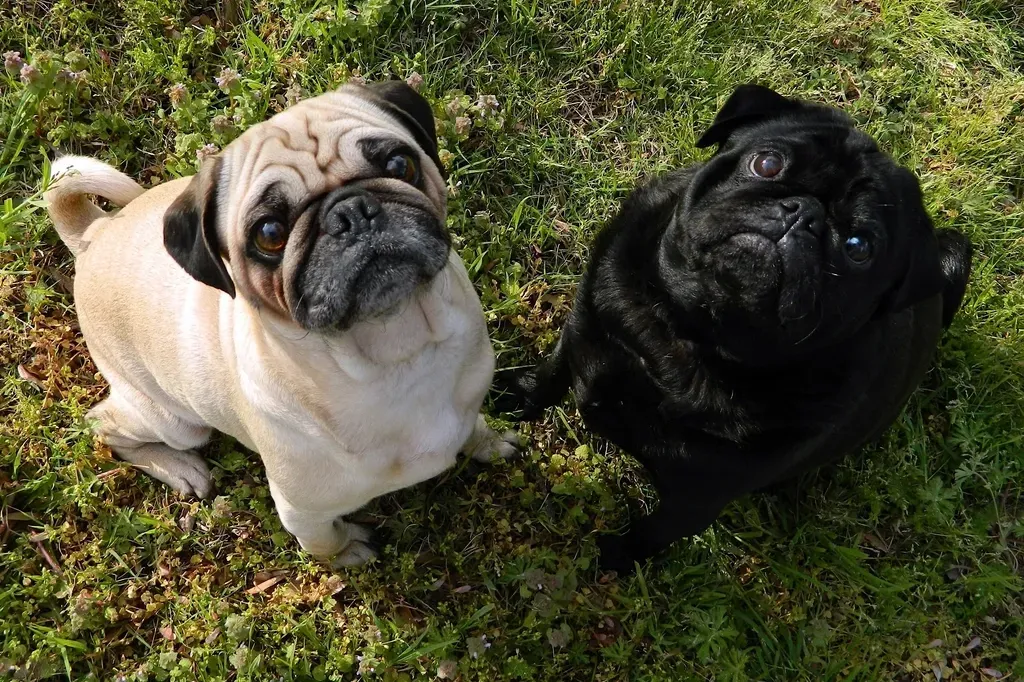
Pugs are affectionate, easygoing, and content with moderate daily activity. Their playful but unhurried nature makes them a natural companion for older adults who want a dog with personality without a demanding exercise schedule. They are best for seniors in calmer homes who want an affectionate, low-exercise companion.
This short-coated breed is a little heavier than both Shih Tzus and Chihuahuas, but they weigh less than 20 pounds, so you should still be able to carry them. Pugs are a low-energy breed that will love spending time snuggling with you on the couch. Like French Bulldogs, they’re a brachycephalic breed, meaning their flat faces can cause breathing difficulties in heat or during strenuous activity. Short walks in cooler parts of the day work best for them.
16. Bichon Frise: Cheerful, Hypoallergenic, and Wonderfully Adaptable
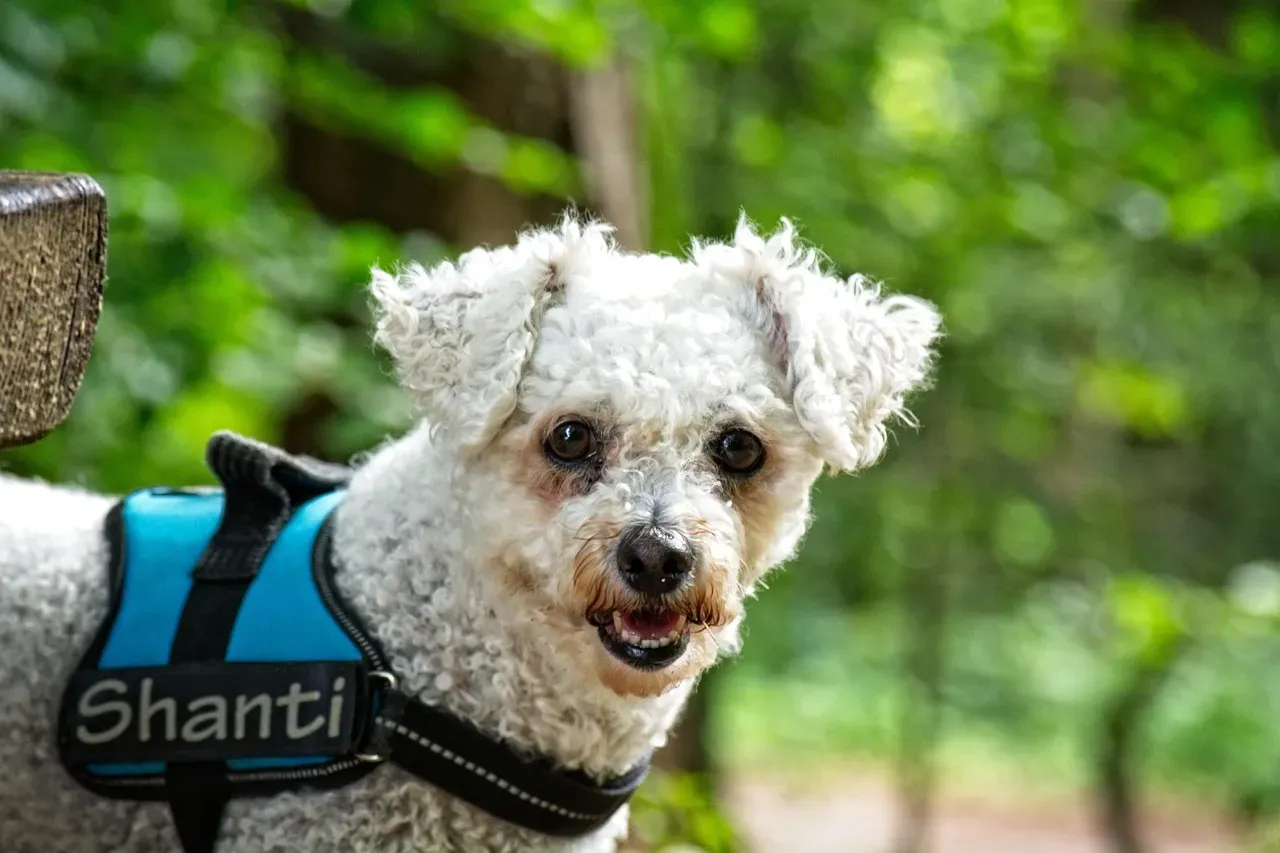
The Bichon Frise is a friendly, playful breed that thrives on companionship. These dogs are small and easy to manage, making them a good choice for older individuals. While they enjoy playtime and light activity, they can adjust to the energy level of their owners. That last point matters enormously. A dog that mirrors your pace rather than demanding you match theirs is invaluable.
Bichon Frises are known for their affectionate and loving personalities. They are easy to care for and will provide seniors with unconditional love and companionship. For seniors who have downsized their home, Bichon Frises are a strong recommendation, as all three small breeds, including Bichons, are small and have low energy that won’t require a lot of play within a small home. Their low-shedding coat also makes them a practical choice for seniors with mild allergies.
17. Greyhound: The Surprising Couch Potato of the Dog World
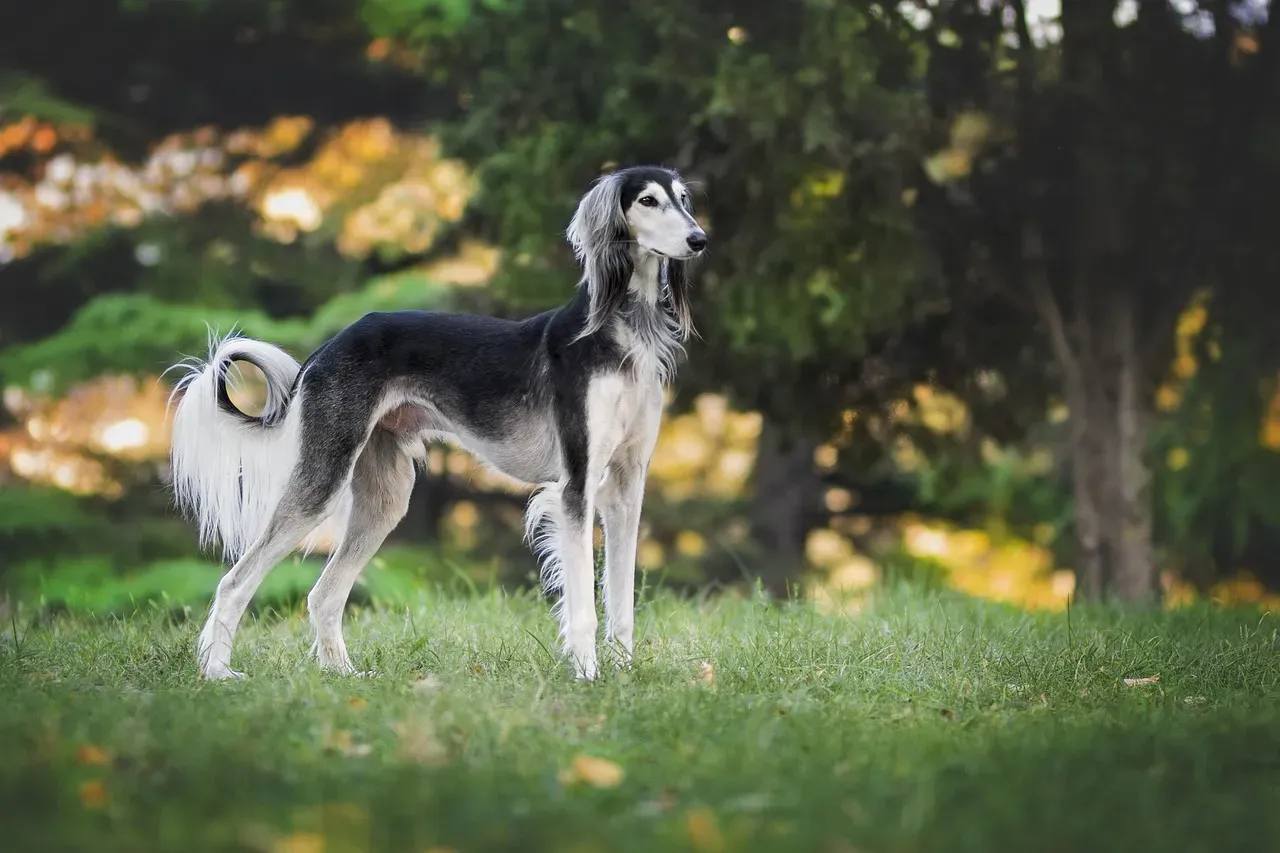
Surprisingly, Greyhounds are among the most low-maintenance large breeds. Known as “couch potatoes,” they enjoy lounging indoors but appreciate a daily walk. Their calm nature makes them wonderful for retirees seeking a peaceful companion. Most people hear “Greyhound” and immediately picture a race track. The reality of a retired Greyhound at home is completely different.
The fastest dog breed in the world, the Greyhound may seem like an unlikely fit among the best dogs for older people. However, this athletic dog is low-key, calm, and content with lounging around the home once it gets in its exercise. Plus, Greyhounds are ideal dogs for senior citizens who prefer larger but manageable furry friends. The Greyhound is a gentle, quiet, and compassionate pet. This breed is independent and can be rather reserved around company, which is part of its appeal. One short daily walk and they’re perfectly happy.
18. Japanese Chin: Quiet, Regal, and Perfectly Sized
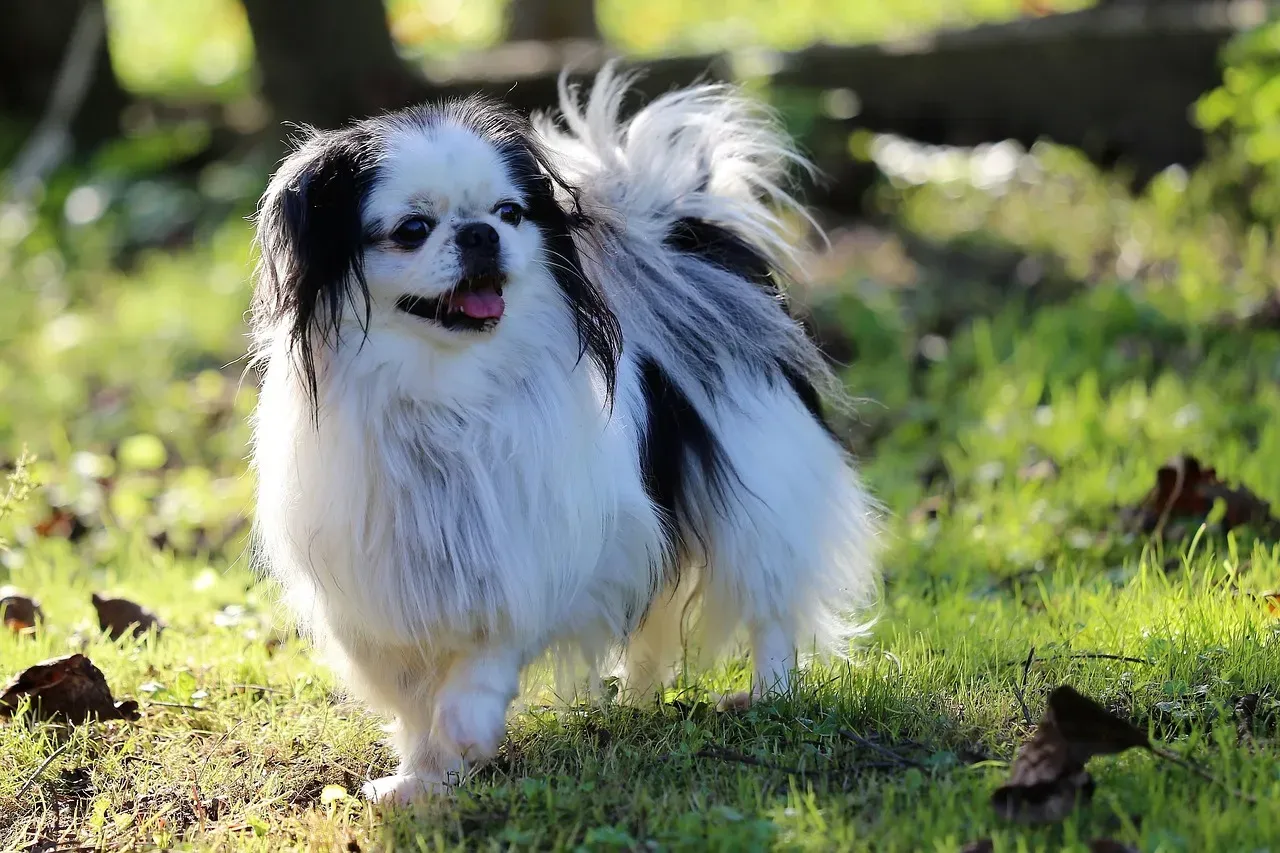
The Japanese Chin is a fantastic dog for seniors seeking a quiet, regal companion. This breed’s gentle demeanor and small size make it an excellent choice for people with limited space or those who prefer a low-maintenance pet. Their quiet nature and affectionate behavior also make them great lap dogs, providing company without overwhelming their owners.
Japanese Chins are not a well-known breed, which is actually a shame, because they’re one of the most genuinely apartment-friendly dogs in existence. They’re calm without being lethargic, affectionate without being clingy, and their moderate grooming needs are manageable for most owners. Quiet dogs are often more adaptable to a slower pace of life, making them ideal for those in their golden years. The Japanese Chin fits that description almost perfectly.
19. Miniature Poodle: Intelligent, Hypoallergenic, and Surprisingly Manageable
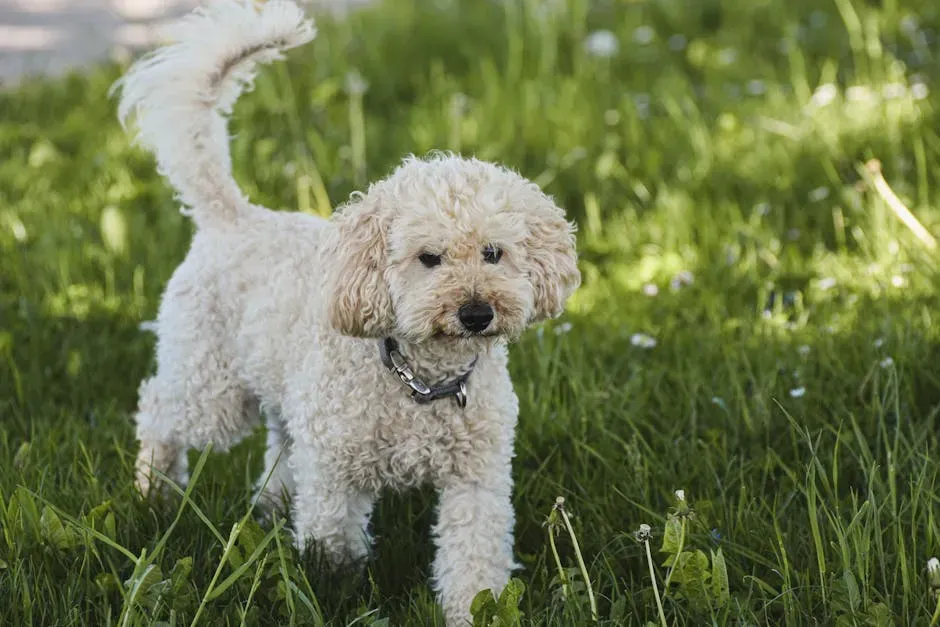
Poodles are not only elegant but also incredibly intelligent. Available in toy, miniature, and standard sizes, they adapt well to different living spaces. Their hypoallergenic coat makes them a great choice for allergy-prone seniors. The miniature or toy variety gives you all that intelligence and warmth in a size that’s genuinely easy to handle.
Seniors with allergies should consider hypoallergenic dog breeds that are less likely to trigger allergic reactions. Breeds such as the Poodle, Maltese, and Schnauzer have hair that produces less dander, a common allergen, compared to other breeds. These dogs also tend to shed less, which helps keep the living environment cleaner and reduces exposure to allergens. Choosing a hypoallergenic breed can make pet ownership more enjoyable and comfortable for seniors suffering from allergies. Miniature Poodles are also among the easiest dogs to train, which takes much of the stress out of early ownership.
20. Bolognese: The Underrated Calm Companion
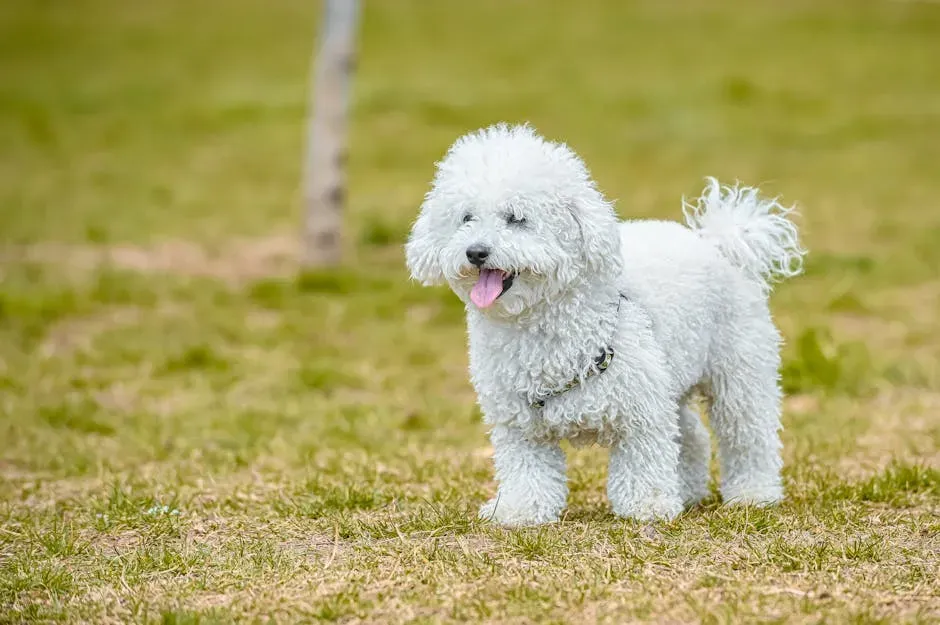
The Bolognese is an excellent choice for seniors looking for a calm, affectionate companion with a low-energy lifestyle. This small, gentle breed is friendly and loves companionship but doesn’t require much physical activity, making them ideal for seniors who enjoy a quiet, easy-going pace of life. Their low-maintenance needs and easygoing personality ensure they fit into any home without causing stress or requiring constant attention.
The Bolognese is a fluffy, white toy breed known for its affectionate nature and charming appearance. These dogs are not overly energetic, but they love to be with their owners, offering loyalty and companionship. Their small size makes them perfect for seniors living in apartments or smaller homes, and they are generally very adaptable to different living situations. If you want a dog few people have heard of but many who own them swear by, the Bolognese is worth serious consideration.
One More Practical Tip Before You Decide
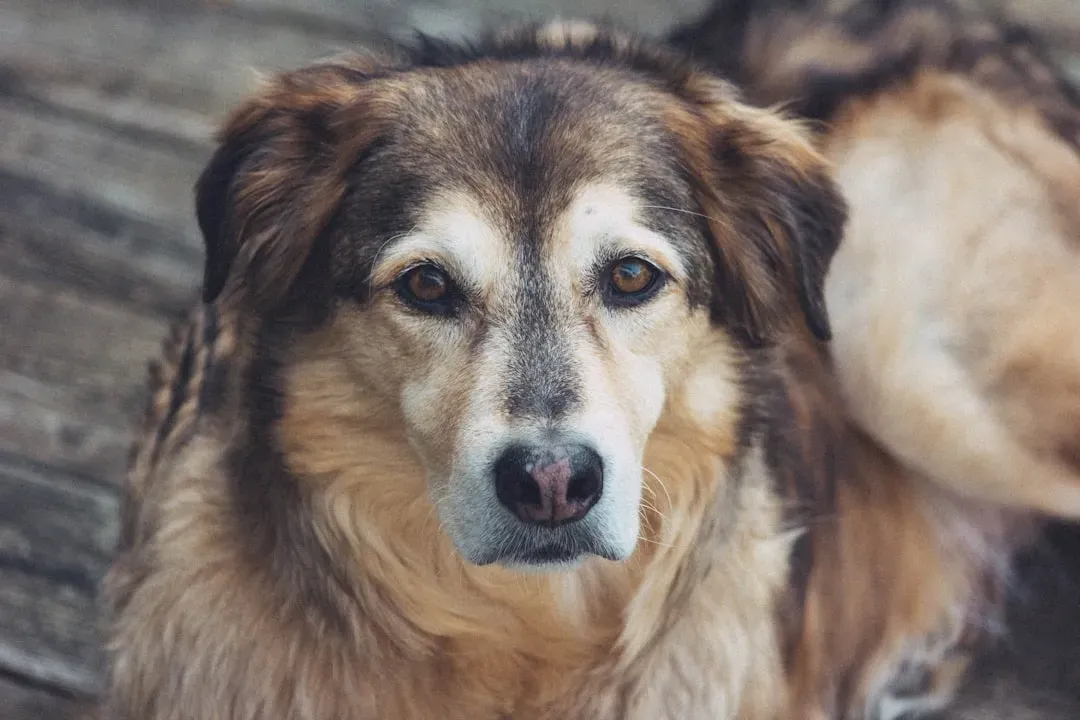
Adopting an adult or senior dog is often the most practical choice for older adults. Unlike puppies, an adult dog’s behavior is already formed, and foster families can tell you how the dog behaves at home, on-leash, with strangers, and alone. Their energy level is predictable, as senior dogs are typically calmer and well past the destructive puppy phase. Assessment is also straightforward, since a few hours with an adult rescue dog tells you far more than weeks spent with a puppy.
Puppies require a lot of energy, training, and patience, which may not be ideal for older adults. Adult dogs are often calmer and already trained, making them easier to manage. Some rescue organizations even run senior-to-senior programs that specifically match older dogs with older adopters. Ask your local shelter or breed-specific rescue if such a program is available. That kind of thoughtful pairing can make the entire experience smoother from day one.
Conclusion: The Right Dog Changes Everything
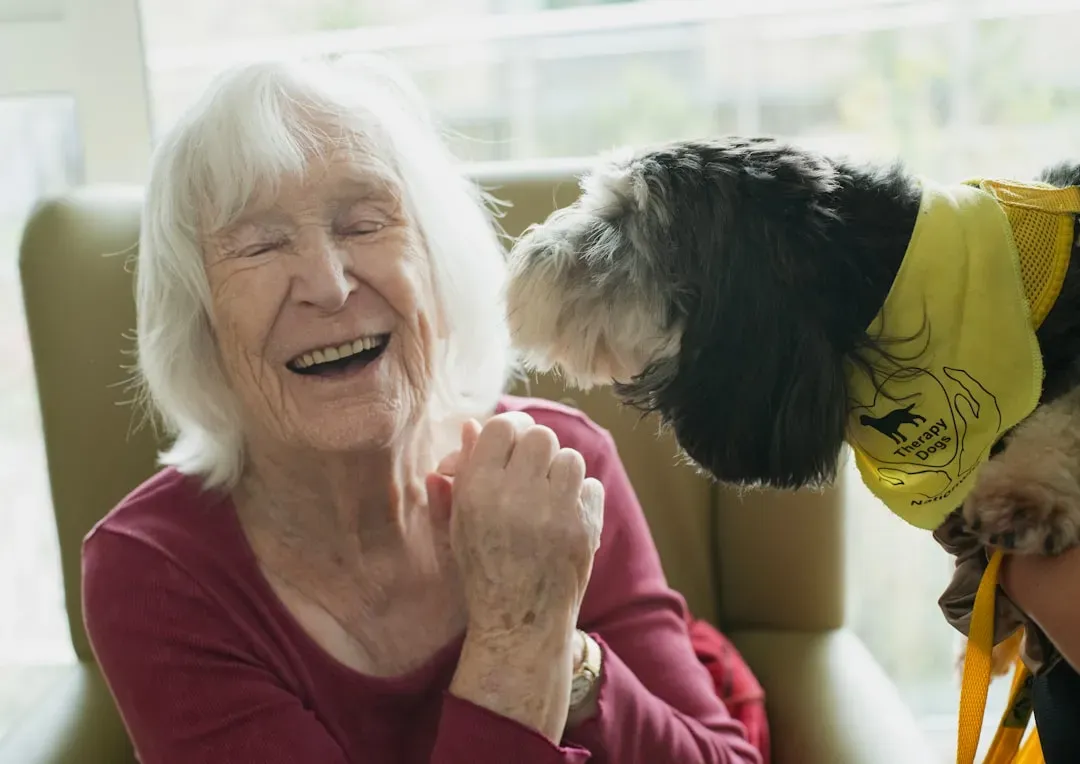
Choosing a dog in your later years isn’t about settling. It’s about being honest with yourself so that both you and the dog can genuinely thrive together. By carefully considering these factors and choosing a dog breed that suits their lifestyle and capabilities, seniors can enjoy the companionship and benefits that come with dog ownership while ensuring a positive and fulfilling experience for both themselves and their canine companions.
Dogs provide companionship, which can significantly alleviate feelings of loneliness and isolation. They also help to instill a sense of purpose and routine, as they require regular feeding, exercise, and care. From a physical health perspective, having a dog can encourage regular exercise and outdoor activity, which can aid in maintaining mobility and cardiovascular health. All of that is absolutely within reach, as long as the breed is right for you.
The best dog for an elderly owner isn’t necessarily the most beautiful, the most popular, or the one that tugged at your heartstrings in a video. It’s the one that fits quietly and joyfully into the life you’re actually living right now. That dog is out there. Very often, they’re waiting patiently in a shelter, already past their chaotic puppy years, and ready to be someone’s calm, devoted, perfectly matched companion.


