
Texas is a state that’s hard to put in a box. In one direction, you’ve got the glass towers of downtown Houston and the artsy bungalows of Austin’s East Side. In another, you’ve got rolling ranch land, red dirt roads, and cattle country stretching as far as the eye can see. It makes sense, then, that Texans don’t settle for just one type of dog either.
Texas, known for its vast landscapes, diverse climates, and a culture deeply rooted in tradition, exhibits a unique canine population that reflects the lifestyle and preferences of its residents. From the bustling urban centers of Houston and Dallas to the sprawling ranches and rural areas, Texans have shown a preference for dog breeds that are not only companions but also fit the state’s varied living environments and work needs. Whether you’re a first-time dog owner or a seasoned Texan with a pack of your own, this guide will help you understand what makes each of these breeds tick – and how to care for them well in the Lone Star State.
1. French Bulldog: The City Dog Texans Can’t Resist
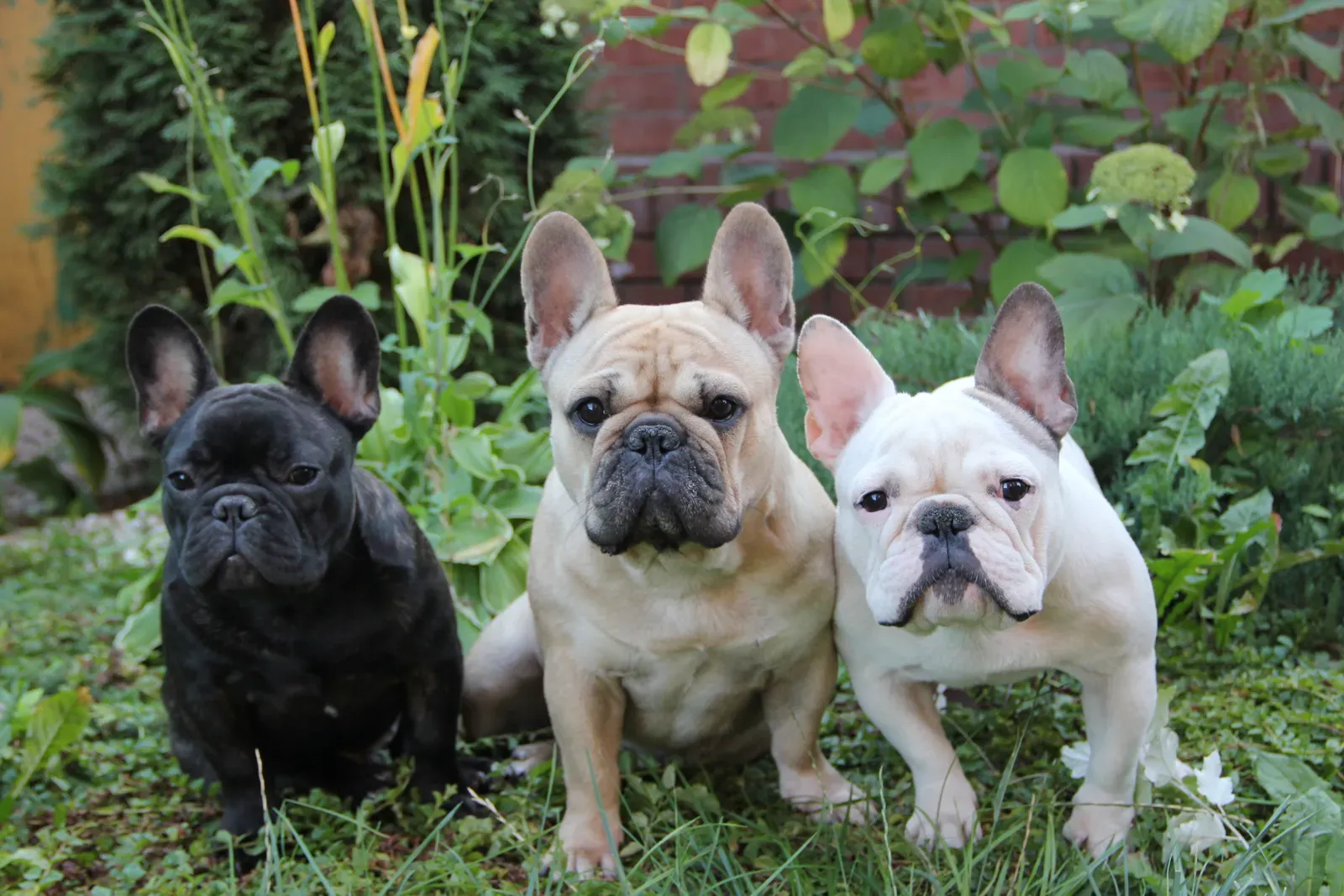
Texas has a reputation for liking things large, so it may come as a surprise that the most popular canine breed in the state is the French Bulldog. For the fourth year in a row, the French Bulldog holds the number one spot as the most popular dog in the United States, and Texas is no exception. Despite their small stature, the breed is adorable, curious, and the perfect size for those living in larger cities like Austin. French Bulldogs are an excellent city dog as they don’t require a massive quantity of exercise nor will they need a lot of physical space – usually, one or two brief daily walks is sufficient to keep a Frenchie in shape.
The one thing every Frenchie owner in Texas needs to know is heat safety. French bulldogs’ flat snouts and scrunched faces make them extra cute, but these breeds very often struggle with breathing issues as a result. Called brachycephalic obstructive airway syndrome, or BOAS, the condition is noted as a lifelong breathing difficulty caused by short noses, narrow nostrils, windpipes, and soft palette issues. During Texas summers, when temperatures push well into triple digits, keep your Frenchie indoors during peak heat, watch for labored breathing or excessive panting, and always have fresh, cool water available. These little dogs are huge on love – just make sure you’re protecting that tiny airway.
2. Labrador Retriever: Texas’s All-Around Favorite

The Labrador Retriever is America’s most popular type of dog. Whether the Labrador’s color is black, chocolate, silver, or golden, the Lab is best described as an active, friendly, and outgoing breed. These pups are virtually up for whatever and are happy if it includes exercise and their pet parents. The Labrador Retriever’s versatile nature makes it a favorite in Texas, thriving in both family settings and as a working dog. If you’ve ever watched a kid toss a tennis ball into a backyard for the hundredth time while a chocolate Lab bounds back with the same amount of joy every single throw – that’s a Lab in its natural habitat.
Labs are extremely friendly, playful, trainable, and good with children and other dogs. They weigh between 55 and 70 pounds for females and 65 to 80 pounds for males, standing up to 24.5 inches tall, with a life expectancy of between 11 and 13 years. One thing to watch is their enthusiasm around food – Labs are notorious for overeating if given the chance. Keep meals measured, exercise consistent, and monitor their weight regularly. Hip and elbow dysplasia are also worth discussing with your vet, especially as your Lab ages. Early check-ins make a big difference in keeping this breed active well into their senior years.
3. German Shepherd: Loyal, Sharp, and Built for Texas
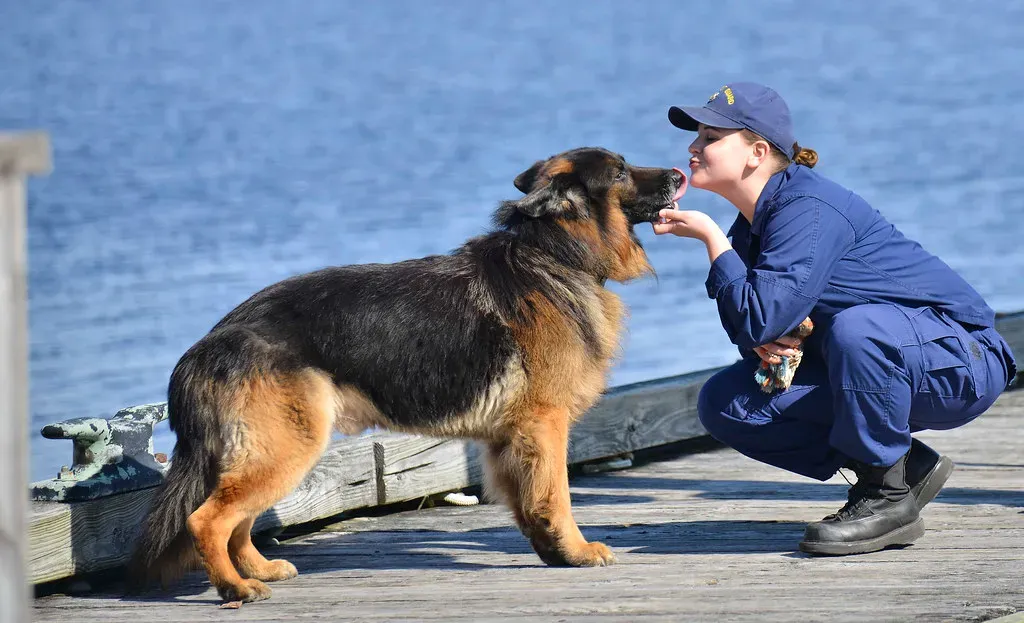
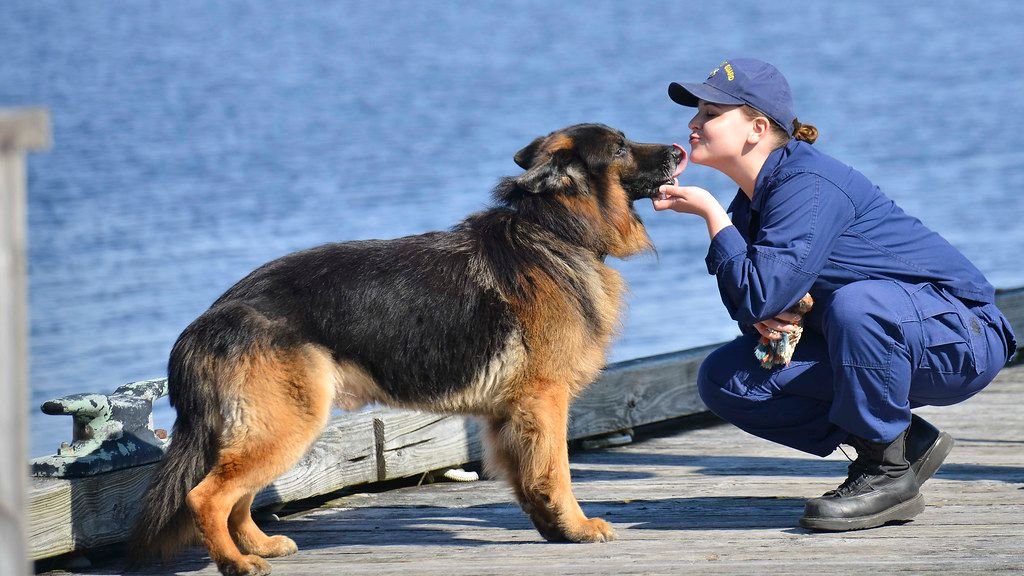
German Shepherds are among the most popular and beloved dog breeds worldwide, known for their intelligence, loyalty, and versatility. Those adding a GSD to their family, particularly in hot climates like Texas, often wonder about the breed’s ability to adapt. The German Shepherd has held its fourth-place spot nationally. The versatile breed can help perform police work and search and rescue missions in addition to acting as a friendly companion or a service dog. In Texas, you’ll find them working alongside law enforcement, serving as service animals, and curled up loyally at the foot of a family’s bed.
Texas summers can be brutal, with temperatures soaring into the triple digits. Some signs of overheating include excessive panting, drooling, lethargy, and vomiting. If you notice any of these signs, move your dog to a cool and shaded area, provide cool water, and contact your veterinarian if necessary. One important note for GSD owners in Texas: shaving or cutting a German Shepherd’s fur does not keep them cooler at all – in fact it makes them more susceptible to heat and sunburn by taking away their outer coat which protects their delicate skin. Cutting their fur can also permanently damage it. Schedule walks for early morning or after sunset, and always keep fresh water within easy reach.
4. Golden Retriever: Sunshine and Fur, Texas Edition
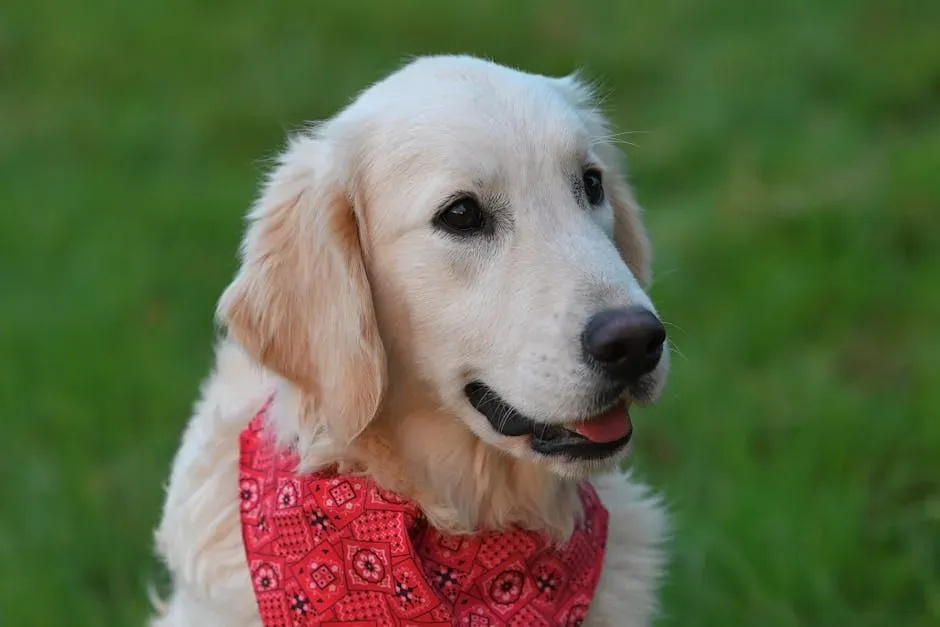
The Golden Retriever is among the most popular dogs in the United States, so it isn’t surprising they’re incredibly popular in Texas. This breed is sociable, gentle, loving, and kind, making them wonderful pets for families and singles alike. They’re also intelligent and hard-working. This breed has such a fantastic personality they’re often used as therapy and guide dogs. Golden Retrievers are beloved in Texas for their friendly nature, intelligence, and adaptability, thriving in the state’s outdoor culture with activities like hiking, swimming, and playing fetch.
Goldens do need a meaningful commitment from their owners. Regular grooming helps manage their moderate shedding. Their double coat requires brushing several times weekly to prevent matting, and professional grooming every 8 to 12 weeks keeps their coat in optimal condition. The AKC notes the Golden Retriever for its intelligence and work ethic, making them great animals for guide dogs for the blind and as search-and-rescue team members. If you live in a hot Texas city and own a Golden, invest in shaded yard space and early morning exercise routines. Their eagerness to please makes them easy to train, which is one reason first-time dog owners fall so hard for this breed.
5. Chihuahua: Small Dog, Big Texan Heart
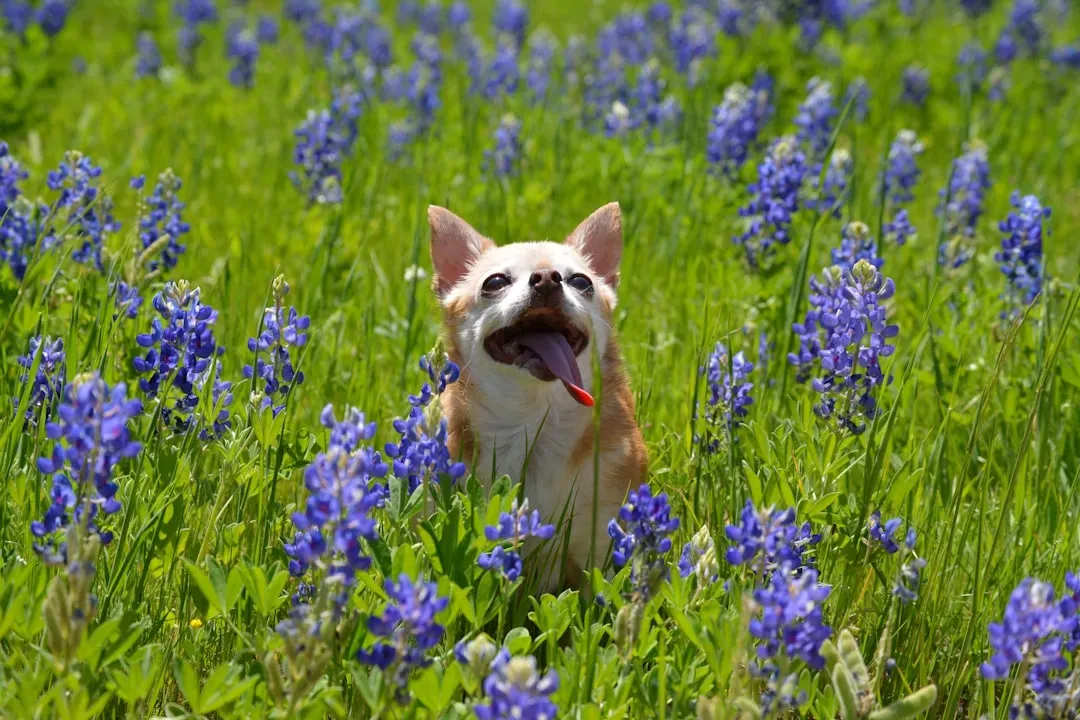
Winning the grand prize of favorite dog breed across the vast plains, deserts, and forests of the Lone Star State is the Chihuahua. Riding tall in the saddle, the Chihuahua is the favorite dog breed in Texas according to some regional studies. It’s a fun and surprising fact that captures something true about Texans – they don’t judge by size. Chihuahuas are spirited, alert, and deeply bonded with their owners. Compared to other dog breeds, the Chihuahua is a relatively healthy breed with few serious health problems. Still, it is important to be aware of what constitutes good health and to know the signs and symptoms of possible health conditions.
Texas heat can be especially challenging for this tiny breed. In warmer weather, even simple activities like a walk in the park or a car ride can quickly become dangerous for your pup. The sun shining directly on your Chihuahua can increase their body temperature quickly, especially if they’re exercising, since it’s much harder for dogs to release body heat – they can only cool themselves through panting or sweating from their paw pads. Going for walks early in the morning and later in the evening when it’s not so hot, and changing the route to a more shaded or grassy area, can make a significant difference. Also be aware that Chihuahuas carry an increased risk of tracheal collapse, a condition where dogs tend to have a recurring cough that sounds like a goose honk and worsens with exercise, heat, humidity, excitement, and stress.
6. Australian Shepherd: The Texan Ranch Dog at Heart
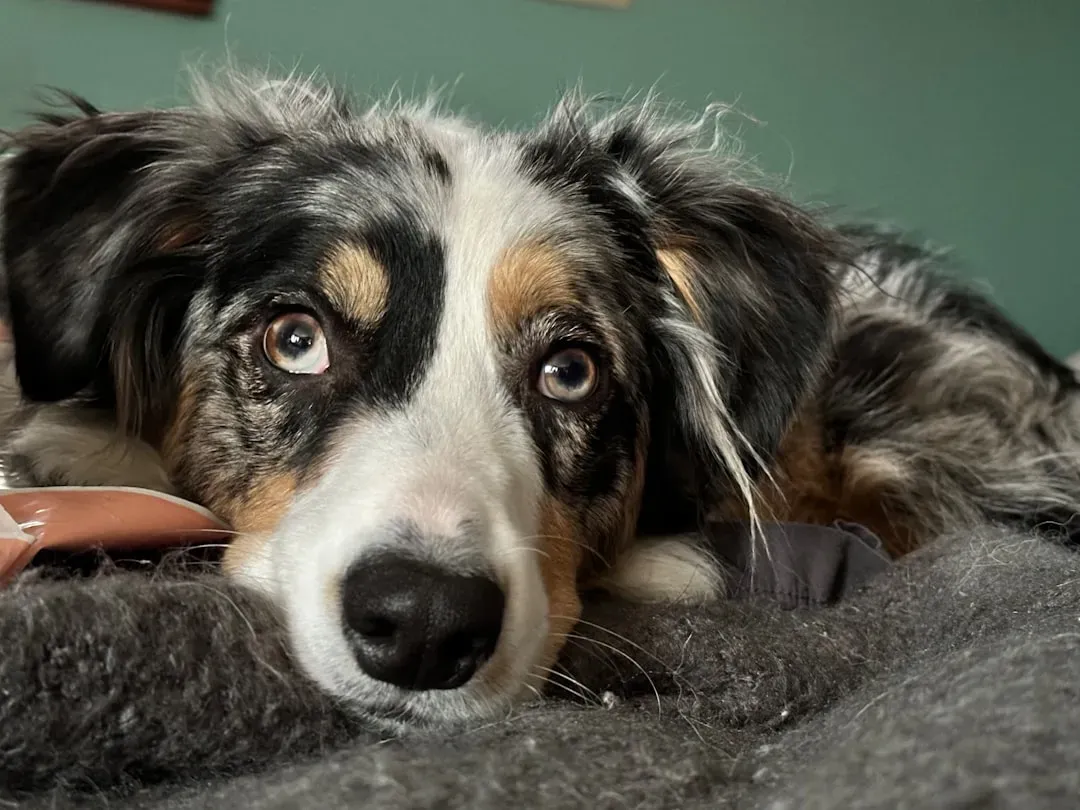
The Australian Shepherd is a natural fit for Texas, with its history of ranching and rodeo culture. Aussies are highly intelligent and energetic, excelling in herding and agility activities. Their versatility as working dogs and family pets makes them popular among Texans who appreciate a dog that can transition from work to play. Despite the breed’s name, the Australian Shepherd is actually of American origin. The Australian Shepherd was originally developed to herd livestock for ranchers and farmers in the western U.S., and the breed is still a popular and time-tested herding dog today.
If you’re thinking about bringing an Aussie home, be honest with yourself about your lifestyle. Aussies need plenty of physical exercise – no less than one hour per day, and preferably upwards of two hours. This goes for both standard and mini Aussies. Beyond the physical, however, Aussies need to work out their brains. Many people who adopt Aussies underestimate their needs, so it’s important to know before adopting one that they are smart, sweet, and demanding. This is why it’s so important to give this breed a job to do, even if they’re going to be a family pet. Watch for signs of hypothyroidism in Aussies – signs include skin and coat issues and behavioral changes like lethargy, inactivity, and mental dullness, all highly unusual traits in a typical Australian Shepherd.
7. Bulldog: The Laid-Back Companion for Texas City Living
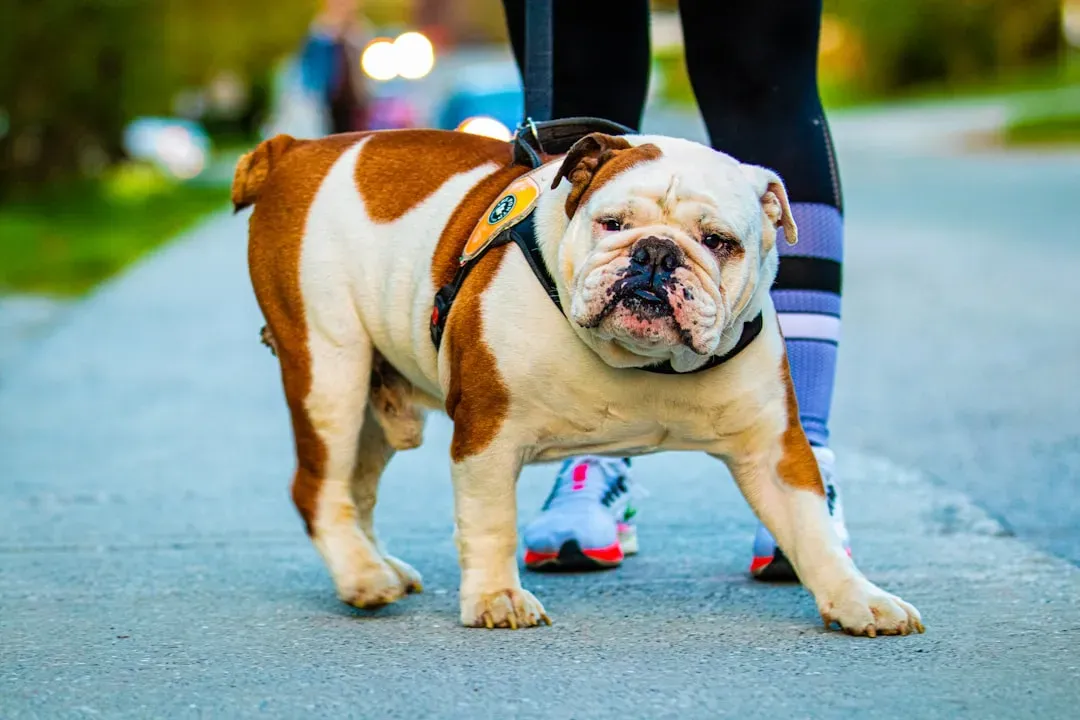
The Bulldog’s laid-back personality and moderate exercise needs make it a favored breed in urban areas of Texas. Their sturdy build and distinctive appearance have won the hearts of many Texans looking for a loyal and affectionate companion. Bulldogs are well-suited to the indoor life and smaller living spaces found in cities like Austin and Dallas, where their easygoing nature makes them perfect pets for families and singles alike. The English Bulldog comes in as one of the most popular breeds in Texas. This medium-sized, stocky muscle machine is all power yet low endurance.
Despite their tough appearance, Bulldogs are known for their gentle and friendly temperaments. They form strong bonds with their owners and get along well with children and other pets. Just like French Bulldogs, English Bulldogs are a brachycephalic breed, which means their flat faces can create real breathing challenges in Texas heat. The breed requires special grooming attention due to their facial wrinkles. Regular cleaning prevents skin infections, especially during Texas summers. Make it a habit to gently clean those skin folds a few times a week using a damp cloth and pet-safe wipes – a small step that prevents big discomfort.
8. Yorkshire Terrier: The Tiny Texan with a Big Personality
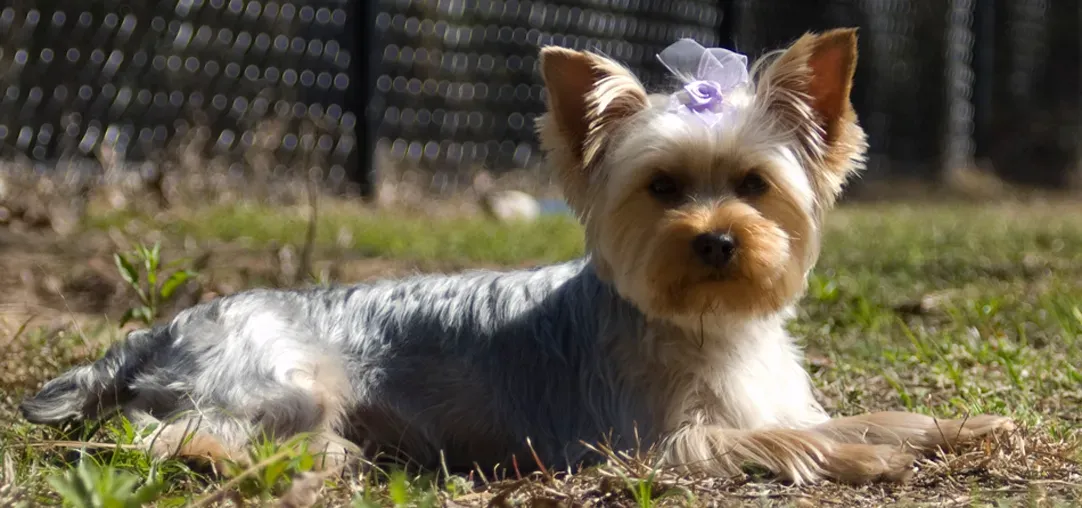
Even though many terrier breeds have become more like toy pups over the years, the Yorkshire Terrier is still one of the most popular dogs in Texas because of their working history. Yorkshire Terriers were brought over with immigrants and were ideal for hunting rats inside mills. They were almost double in size then, but they remained popular in Texas even after they were no longer being used for work. Today, Yorkies are prized companions – silky-coated, bold, and surprisingly brave for a dog that usually weighs under seven pounds.
Caring for a Yorkie in Texas means being proactive about summer safety. Pavements, asphalt, sand, and even decking can reach temperatures high enough to cause discomfort or burns to a dog’s paws. On a day when the air temperature is around 77°F, asphalt in the sun has been measured at 125°F, hot enough to cause burns and damage to a dog’s paws in just minutes. Opt for walks in the early morning or late evening when temperatures are cooler and the sun is less intense. Seek out shaded paths, which will be significantly cooler, providing a safer walking surface. Yorkshire Terriers are particularly susceptible to UV ray skin damage due to their single layer of silky hair, so take that Texas sun seriously and limit midday exposure during peak summer months.
9. Rottweiler: Misunderstood, Loyal, and Texas-Strong
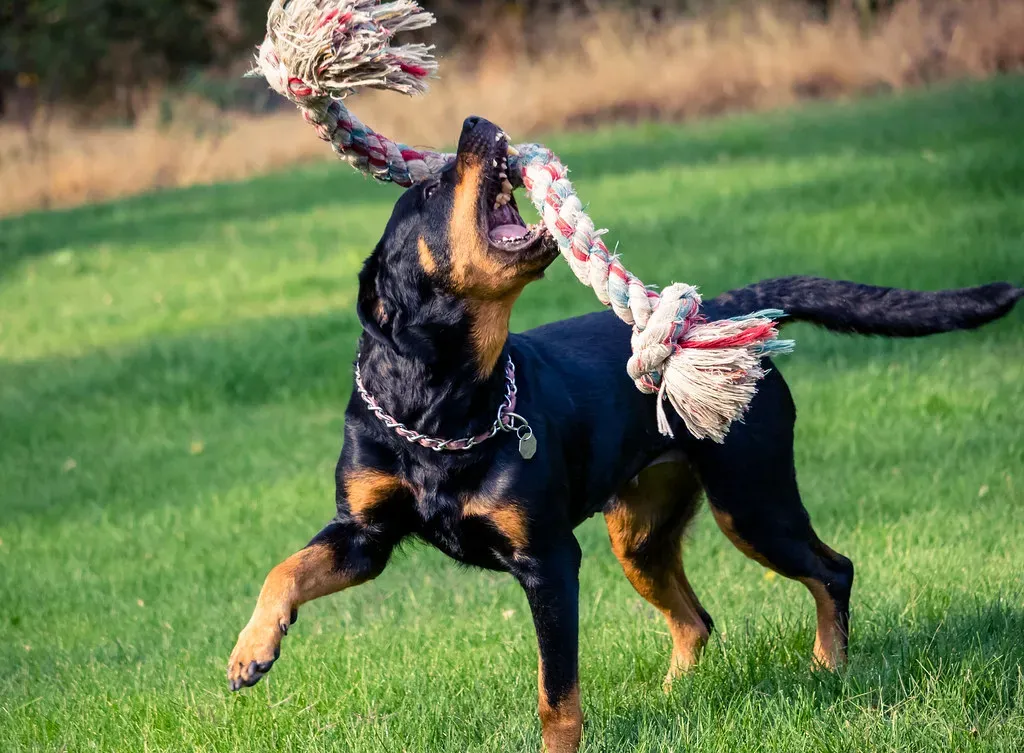
Rottweilers are valued in Texas for their strength, loyalty, and protective instincts. This breed’s ability to serve as both a guardian and a family companion resonates with many Texans, especially those with larger properties. Rottweilers are intelligent and trainable, capable of performing various tasks while also being affectionate pets. It is common knowledge that Rottweilers are a highly clever breed, and they are eager to please and learn. A puppy’s greatest traits will emerge if you begin socializing him at a young age and teach him proper manners.
Rottweilers do carry some real health vulnerabilities that responsible owners should understand. Rottweilers have a predisposition to certain health issues like hip dysplasia or cardiac conditions. Investing in pet insurance is a smart way to ensure they receive the best care without unexpected financial strain, and regular vet visits paired with a balanced diet will help your Rottweiler thrive. Proper nutrition is the foundation of effective training and overall health for Rottweilers. These strong, active dogs require a diet rich in high-quality protein to support muscle development and energy levels. Opting for fresh, high-quality dog food tailored to their needs can help maintain their vitality and keep their coats shiny. Early socialization, firm but compassionate training, and consistent structure will bring out the very best in this breed.
10. Blue Lacy: Texas’s Own Official State Dog
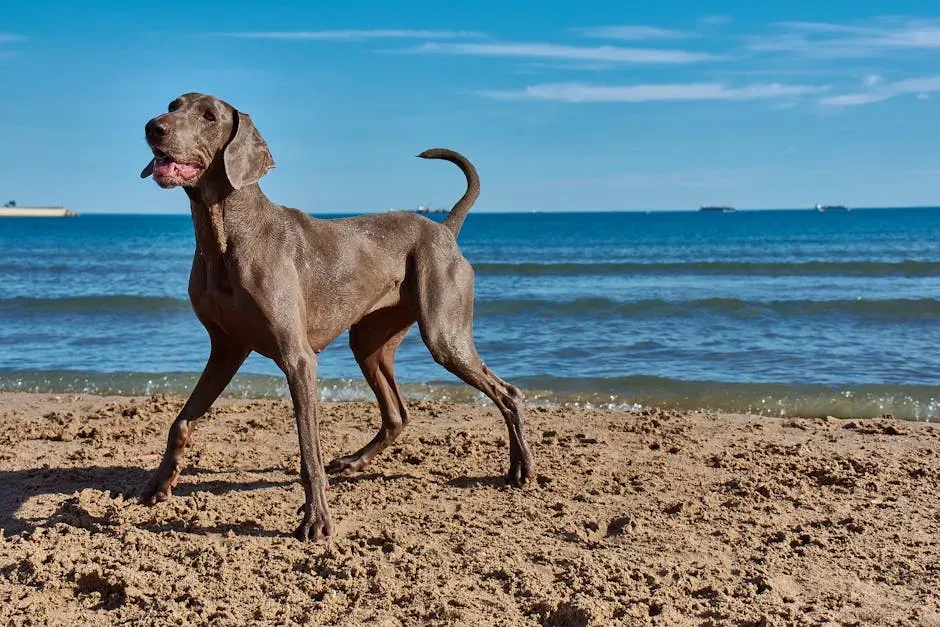
The Blue Lacy is the official state dog breed of Texas. The breed was developed around the 1800s with the purpose of helping people with herding, hunting, and ranch work in the state of Texas specifically. This breed, still relatively unknown outside of Texas, was developed sometime in the 1800s. The purpose of the breed was to help people in Texas hunt, ranch, and herd. They are very hardy, intelligent, and adaptable dogs. They also come with lots of energy, making Texas the perfect place for them to run and roam because of the abundance of open spaces.
Though they can make wonderful family dogs, the Blue Lacy needs routine and structure, or they’ll become bored and destructive. These pups thrive off being active and busy and are highly motivated and focused. If they aren’t being used for outdoor work, keeping them active with sports and obedience competitions is a good way to go. The Blue Lacy is extremely loyal and needs constant attention. Leave them alone for more than an hour or two, and you’ll have an anxiety-ridden canine on your hands. If you’re a rancher, an outdoor enthusiast, or someone who can commit to a high-energy partnership, the Blue Lacy is one of the most rewarding breeds you’ll ever own – and perhaps the most authentically Texan one of all.
Conclusion: Know Your Breed, Love Your Dog Better
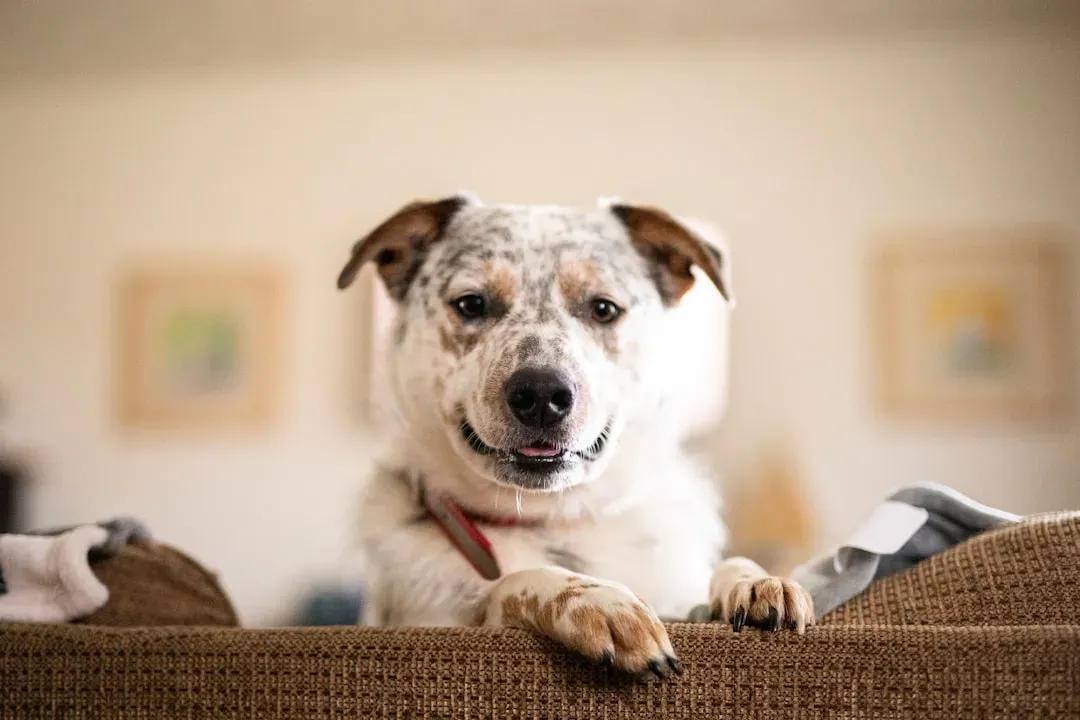
Texas is a big, sprawling, sometimes intense place to live – and the dogs Texans love reflect that same diversity. Whether you’re in a high-rise apartment in San Antonio with a Frenchie at your feet or out on acreage with a Blue Lacy at your side, the bond between Texan and dog is something worth honoring with real knowledge and genuine care.
A study by Pawlicy reveals that nearly half of Texas households own at least one dog, and the average Texas dog owner has 1.7 dogs. That’s a lot of paws depending on their people to make smart decisions. Learning a breed’s health vulnerabilities, behavior signals, and environmental needs isn’t just responsible ownership – it’s the foundation of a relationship that genuinely thrives.
The right breed for you isn’t the most popular one. It’s the one that fits your space, your pace, and your lifestyle. Take the time to know your dog deeply – their quirks, their comfort, and their limits. That understanding is where the real joy of dog ownership lives, and in a state as full of heart as Texas, your dog deserves nothing less.


