
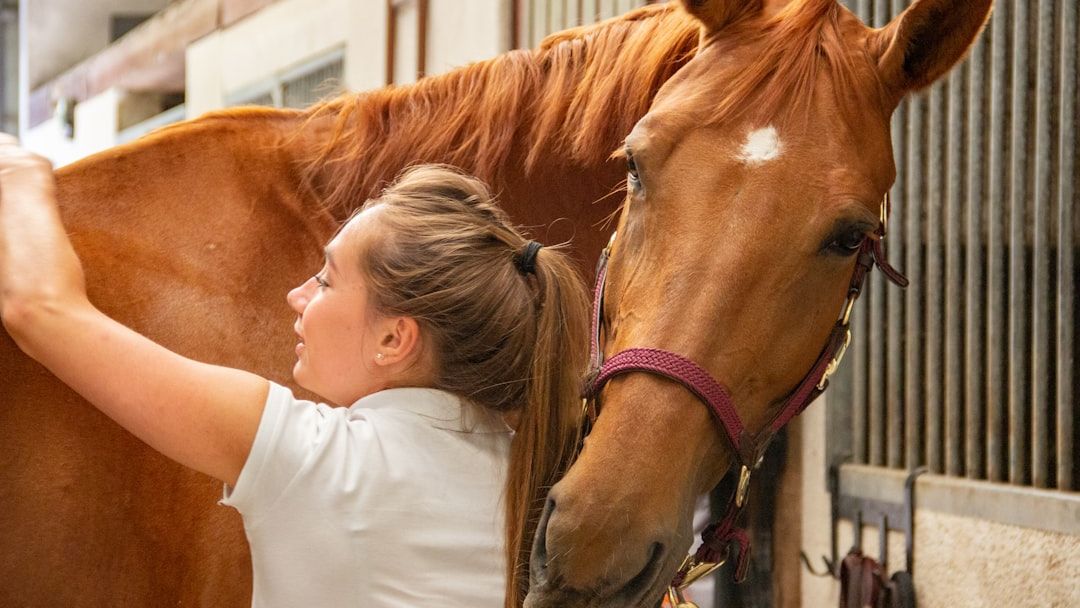
Most people think a horse’s affection looks dramatic. A gallop across a field toward you, a dramatic whinny, hooves thundering. The truth is far more understated than that. Horses are prey animals built on a foundation of caution, and the trust they place in a human is often communicated in moments so small they’re easy to walk right past.
Horses are remarkably emotional and intelligent creatures who form deep bonds with the people they trust. Unlike dogs who wear their hearts on their sleeves, horses communicate affection in more subtle, nuanced ways that are easy to miss if you don’t know what to look for. Learning to read these quiet signals doesn’t just deepen your relationship with your horse. It changes the entire quality of time you spend together.
#1. They Let Their Body Go Soft Around You
Horses become very relaxed when they are in the company of someone they respect and trust. Signs of this include adopting a relaxed posture where one hind foot is rested on the ground, eyes that appear soft and sleepy, a droopy muzzle, and a lowered head. These aren’t accidental postures. They’re a horse choosing to stand down its natural vigilance.
This relaxation shows they feel safe with you. Horses are always alert to danger, so choosing to relax in your presence is a profound compliment. When you see that hind leg cock and those eyes go half-lidded, take a quiet moment. Your horse has just told you something meaningful.
#2. They Follow You Without Being Asked
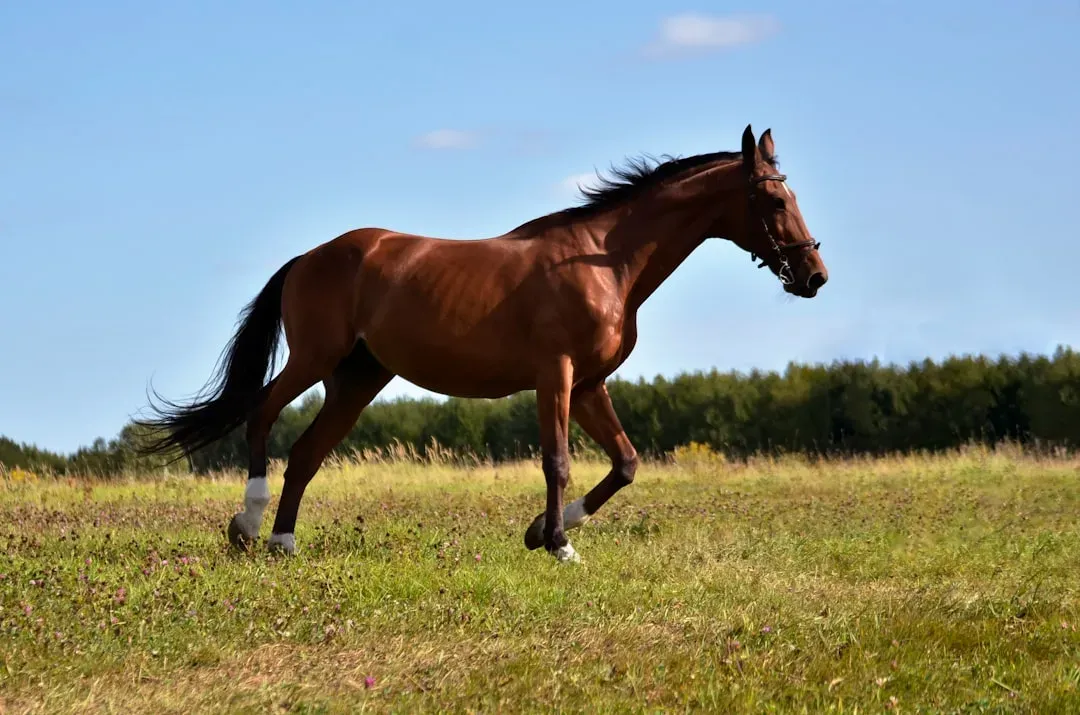
A loving horse will follow you without a lead rope or halter. That kind of voluntary movement, with nothing to compel it, reflects a genuine pull toward your company rather than simple obedience. There’s a distinct difference between a horse that walks beside you because it has to and one that chooses your direction out of preference.
In the wild, horses stay close to herd members they trust. By staying near you, your horse is showing they see you as a trusted friend. When a horse leaves a lush patch of grass to trail behind you across an open paddock, that’s not habit. That’s a conscious choice rooted in genuine comfort with your presence.
#3. They Groom You Back
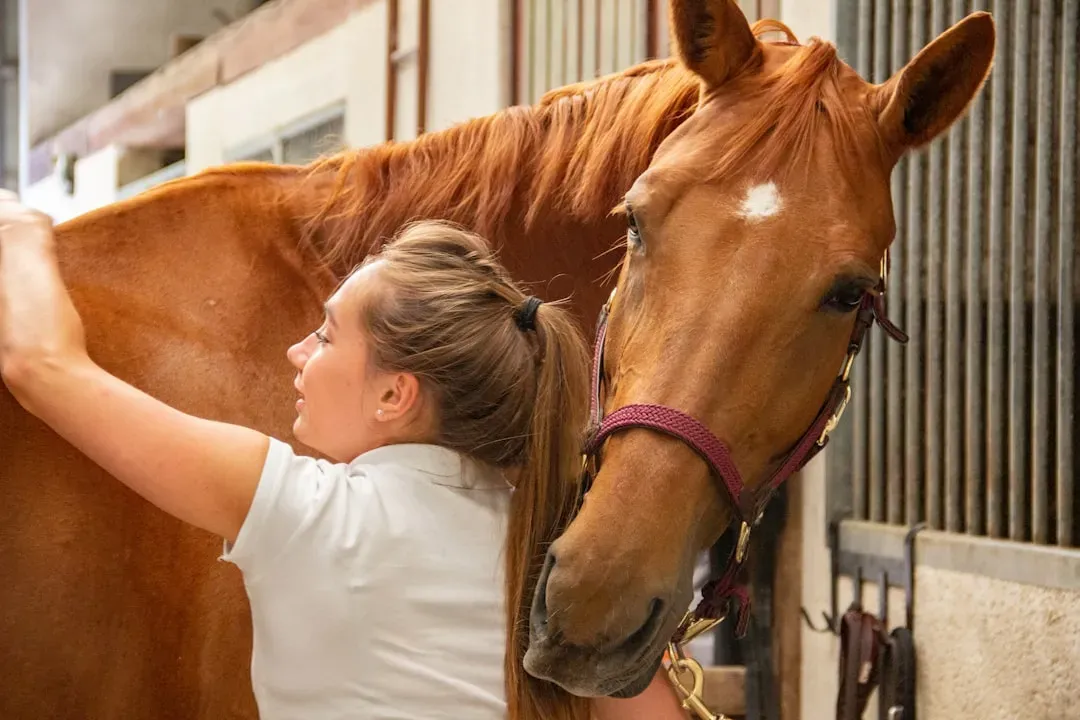
Mutual grooming is how horses bond with each other. If your horse gently nibbles at your clothing, hair, or shoulder while you’re grooming them, they’re trying to groom you back, treating you like a valued herd member. This behavior carries real emotional weight in equine social life.
Research in Applied Animal Behaviour Science confirms that mutual grooming is a vital social bonding activity for horses. When your horse does this with you, it’s a clear sign of trust and connection. It’s worth pausing when it happens. Your horse isn’t just being playful. It’s extending to you the same care it gives its closest companions.
#4. They Blow Gently Into Your Face
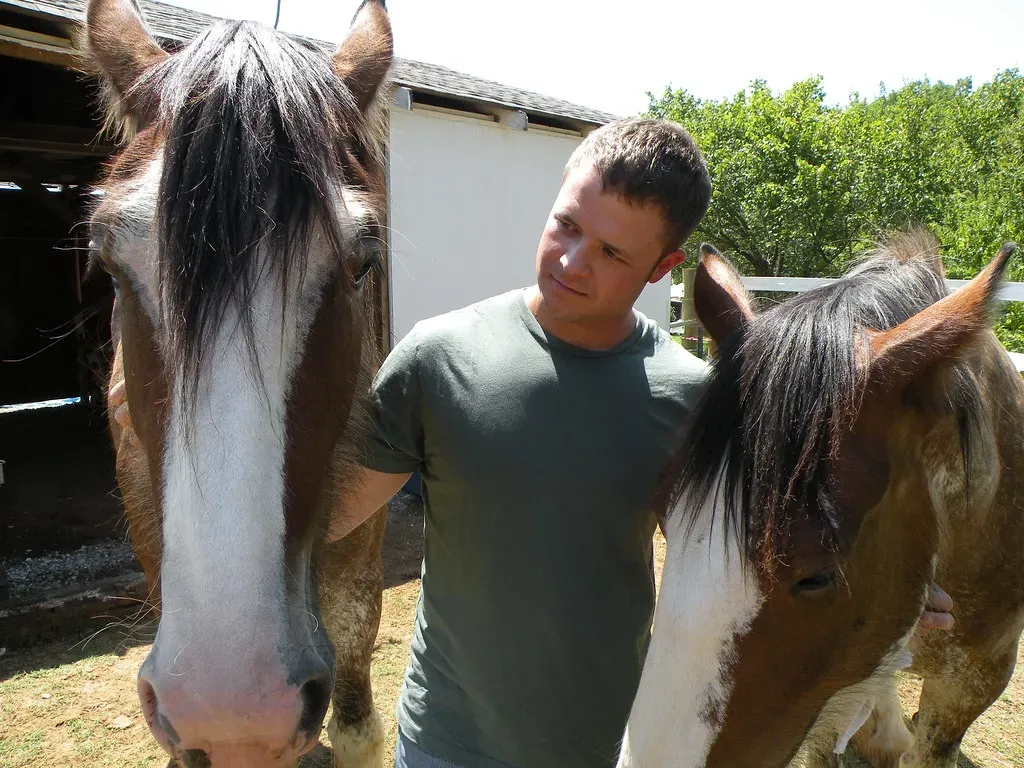
Sometimes horses will blow air in your face through their nostrils to show you they care about you, just like they do with other horses. It’s an easy gesture to overlook if you don’t know what it means. If a horse comes up and takes a breath on your face, it is an ultimate sign of respect and trust. Think of it as an equine handshake that carries a lot more sincerity than most human ones.
When a horse blows on your face, it is a sign they see you as a trustworthy companion, even part of their family. Horses will lift their head and blow gently through their nostrils into each other’s faces. If your horse does this unprompted, standing quietly and simply breathing you in, you’ve earned a place in their social world that very few people ever reach.
#5. They Approach You Willingly in an Open Space
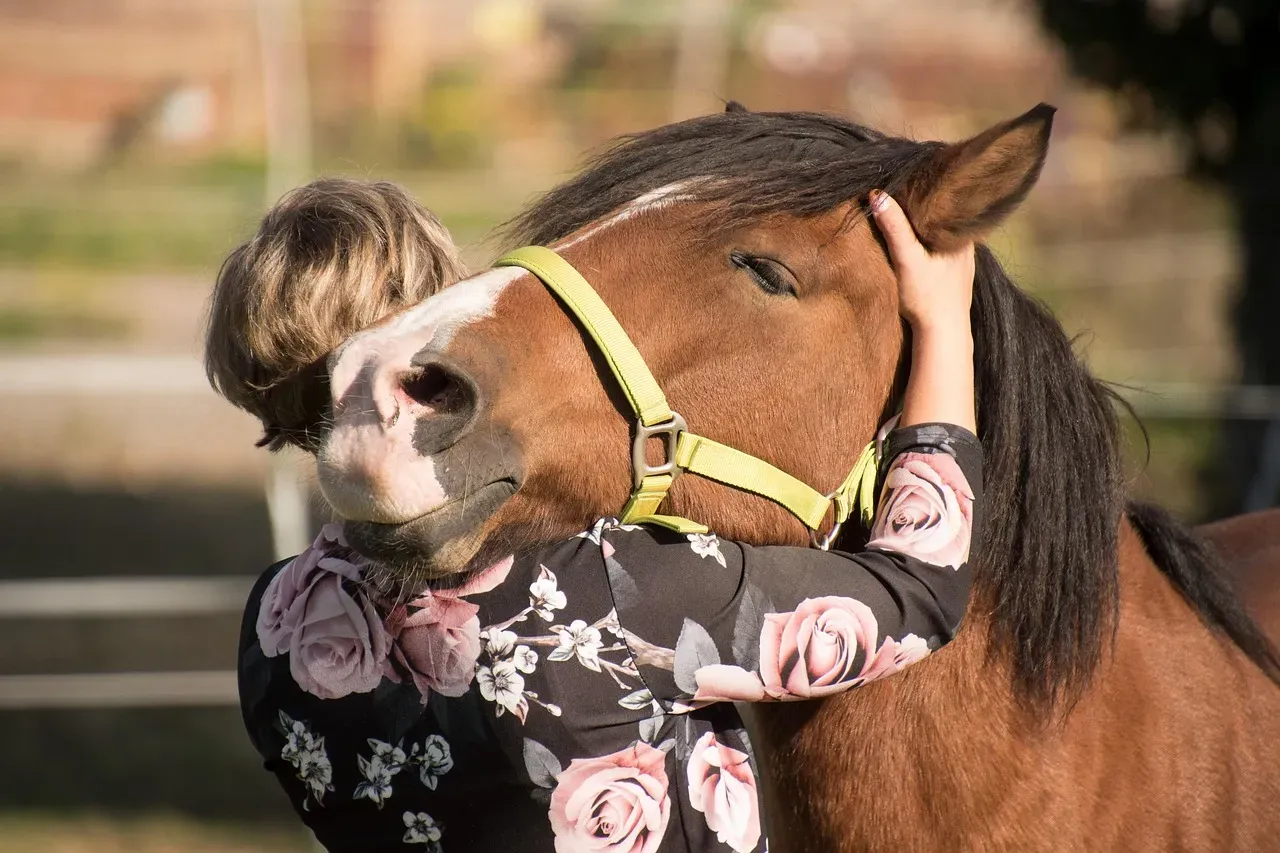
A trusting horse will approach you without hesitation, showing that they feel secure and comfortable in your presence. This can be particularly telling in a pasture or large paddock, where a horse has the option to maintain distance but chooses to come closer to you instead. The open field is where the truth lives.
The ultimate test: when your horse willingly walks up to you in the pasture without needing to be caught, they’re choosing to be with you. They’re not being bribed by treats or forced by a halter. This voluntary approach is one of the purest signs of affection and trust. Every time this happens, it’s worth acknowledging the fact that your horse had every option to stay away and didn’t.
#6. They Rest Their Head on You
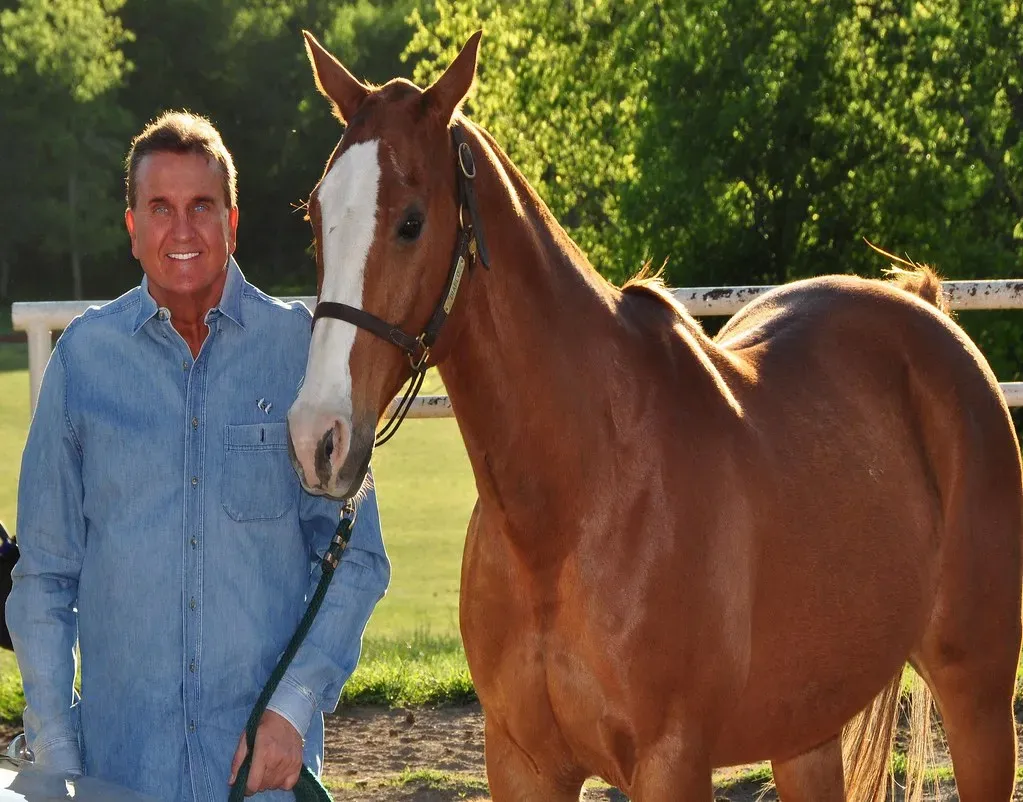
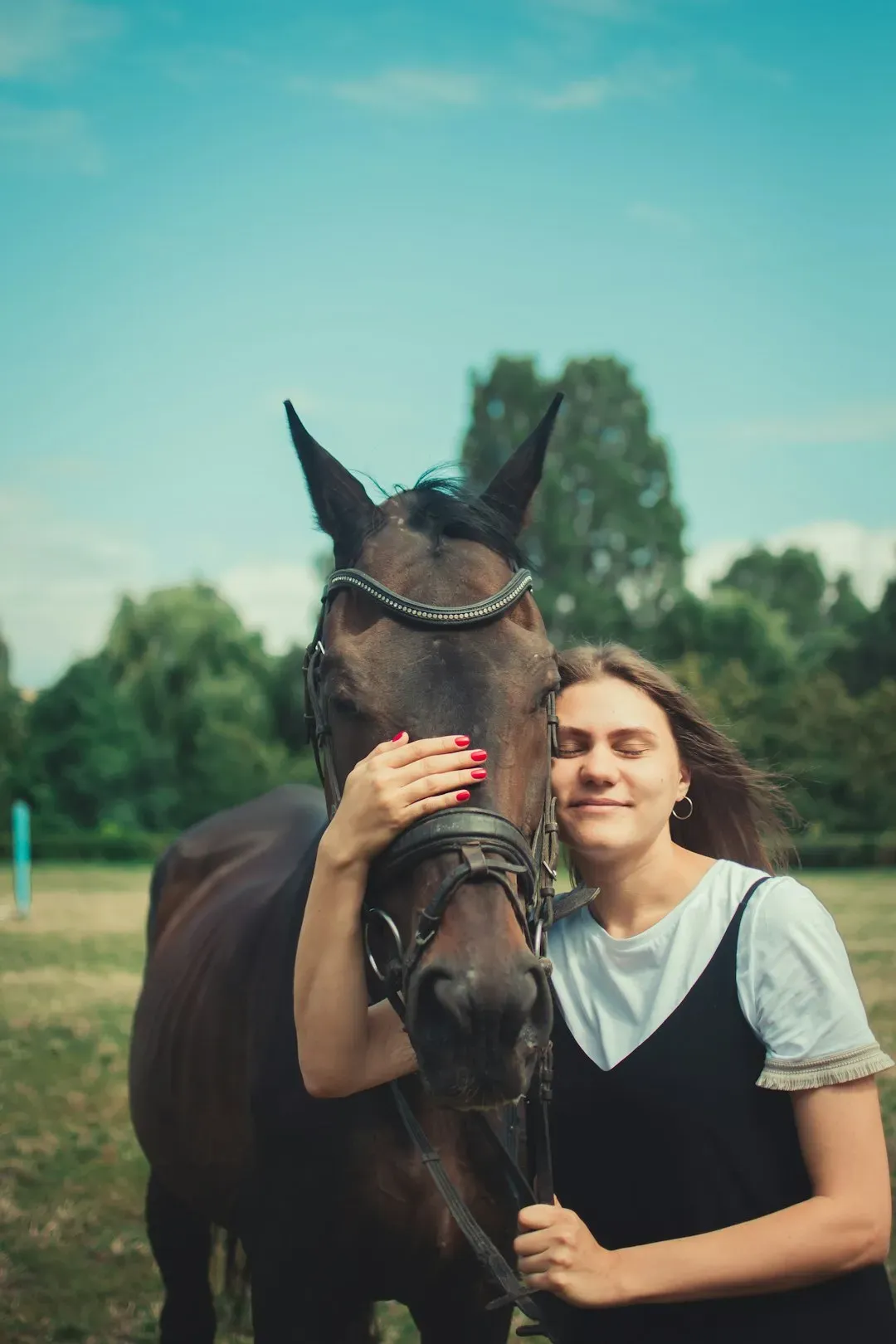
When a horse rests their head on you, it’s a sign of trust. They feel comfortable around you and like you enough to rest their head on you. It’s a way for them to bond with you and show their affection. The weight of a horse’s head against your shoulder or chest isn’t incidental. It’s a deliberate act of closeness.
When a horse rests its head on you or leans in, it’s a strong display of trust and comfort. This gesture reflects the deep connection between horse and human, where the horse feels secure enough to seek physical closeness. Horses, being herd animals, use physical contact to express trust within their group, and when they share this behavior with humans, it shows they see you as part of their circle. In those moments, your horse has placed you firmly inside its world.
#7. They Stay Calm When You Touch Sensitive Areas
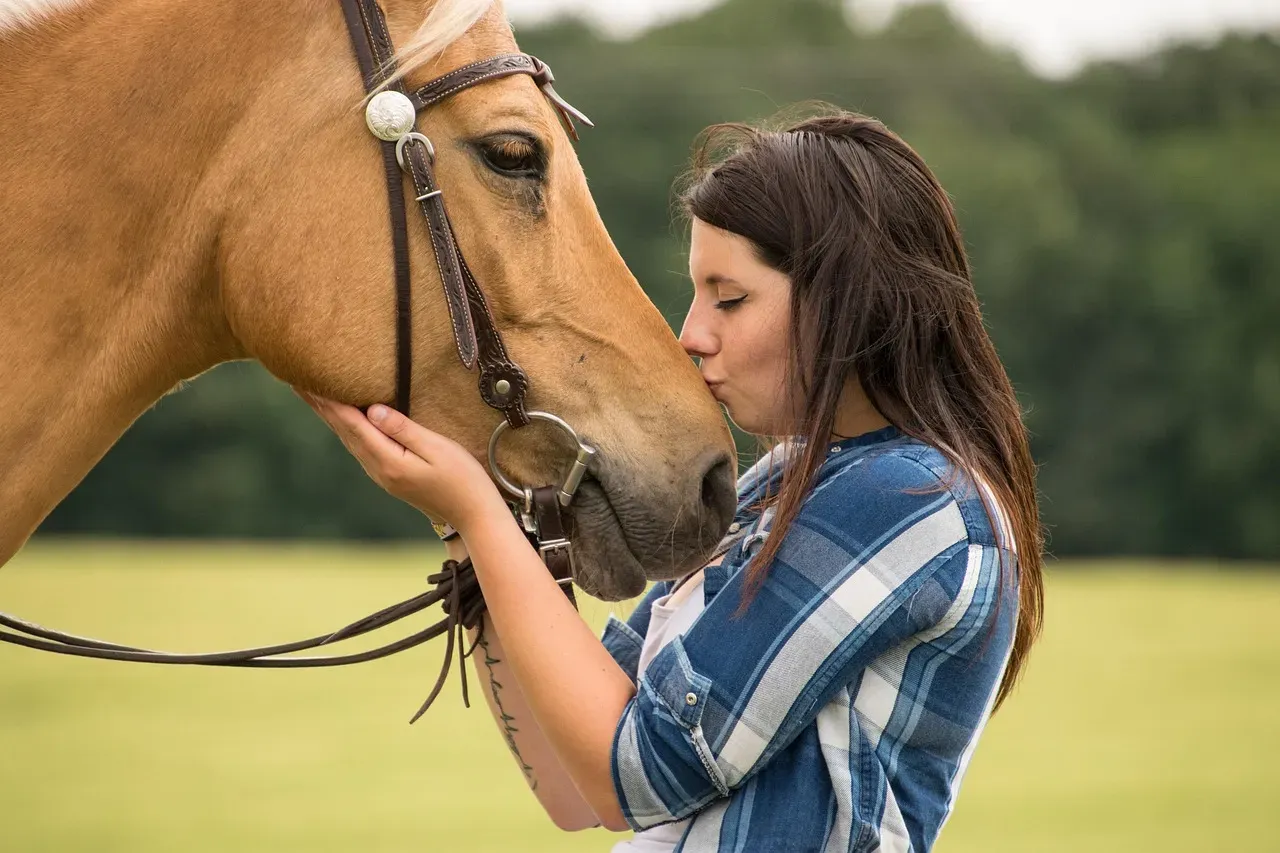
When your horse allows you to touch, examine, or work with sensitive areas without tension or resistance, they’re demonstrating significant trust in your intentions and actions. The ears, inner legs, belly, and face are all areas horses instinctively protect. If your horse allows you to touch them all over, particularly their head, neck, and ears, and to bathe or shower them, that is one of the most telltale signs that a horse trusts you.
A horse will likely appear uncomfortable if you attempt to touch their head or neck area if they do not trust you. Instinctually, a horse will choose flight as its preferred response to an unsure situation. So when your horse stands still, eyes soft, and lets you handle every part of them without flinching, the contrast with that flight instinct makes it all the more telling. That stillness is earned, not given.
#8. They Lower Their Head When Being Bridled
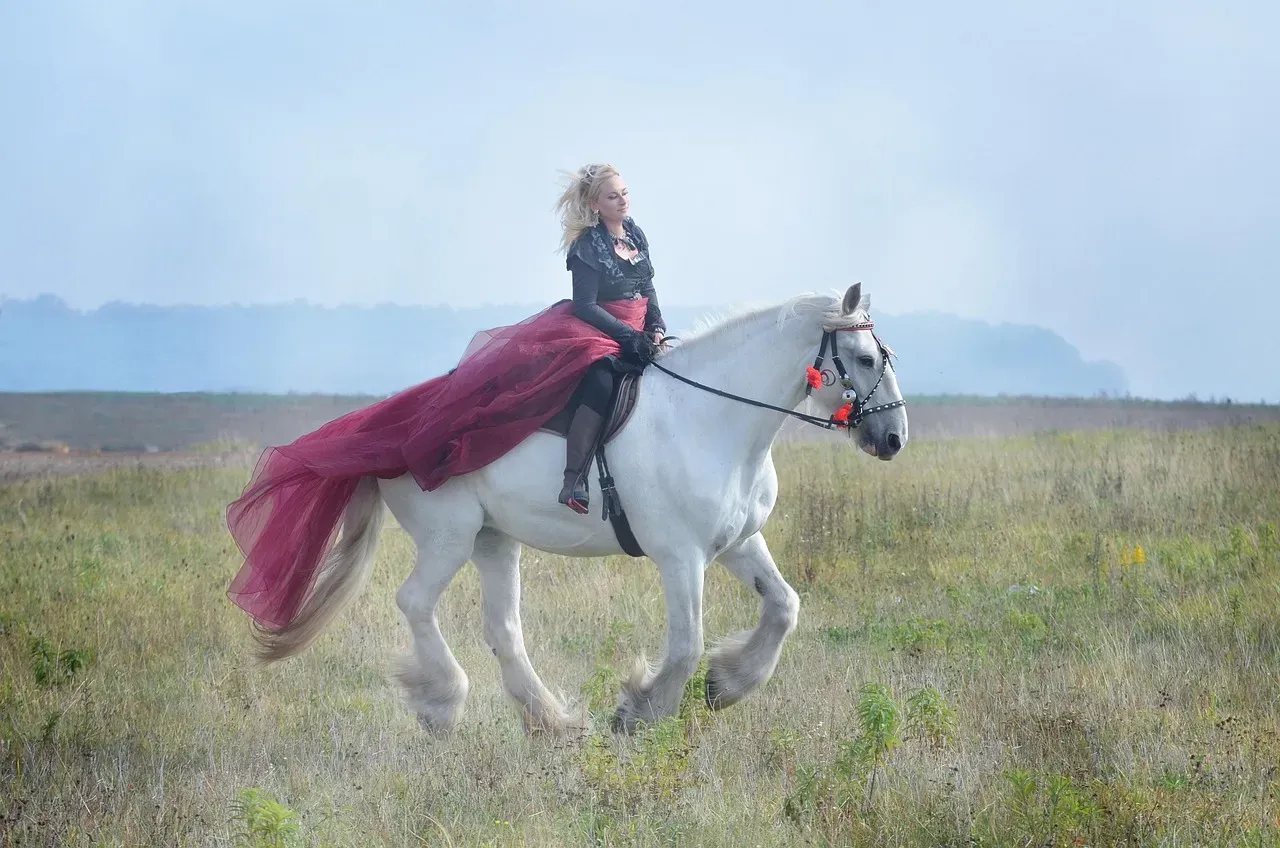
When a horse lowers its head while being bridled, they are showing submission and trust. This behavior demonstrates that they are comfortable with you handling sensitive areas around their head and face, and trust your guidance during this process. For a prey animal wired to protect its head and eyes at all costs, this gesture carries real significance.
A horse that lowers its head when you approach is showing trust and relaxation. This position makes them vulnerable, so it’s a big sign that they’re comfortable with you. In horse language, a lowered head means calmness and trust. Watch for this during your everyday routine, not just under saddle. A horse that dips its head toward you during a quiet grooming session is saying the same quiet thing.
#9. They Seek You Out With a Nicker or a Whinny
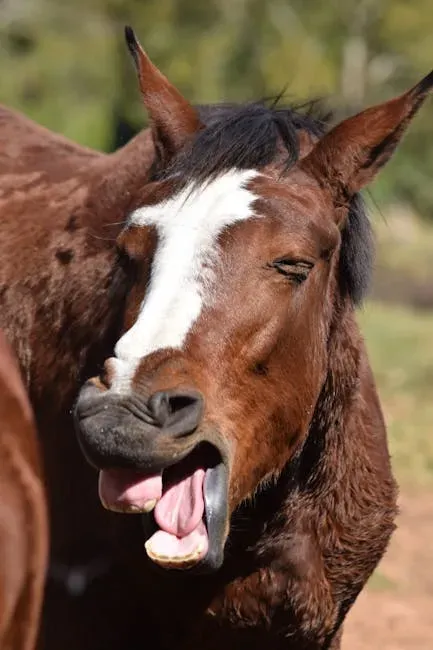
When you enter the barn and your horse hears you, they will whinny or nicker in greeting. When your horse nickers when they hear you coming, they are eager to see you. Nickering is a way for them to greet you as someone they care about. It’s a sound most horse people describe as one of the best parts of their day, and for good reason.
Your voice creates a distinct auditory signature that your horse learns to associate with your presence. Studies have shown that horses can distinguish between familiar and unfamiliar human voices, recognize specific vocal patterns of their regular handlers, and respond differently to recordings of their owners versus strangers. When your horse pricks their ears or turns toward you upon hearing your voice before seeing you, they’re demonstrating this auditory recognition. That small flick of the ears before they’ve even spotted you is one of the quietest and most honest signals a horse can offer.
#10. They Stay Close to You During Stressful Situations
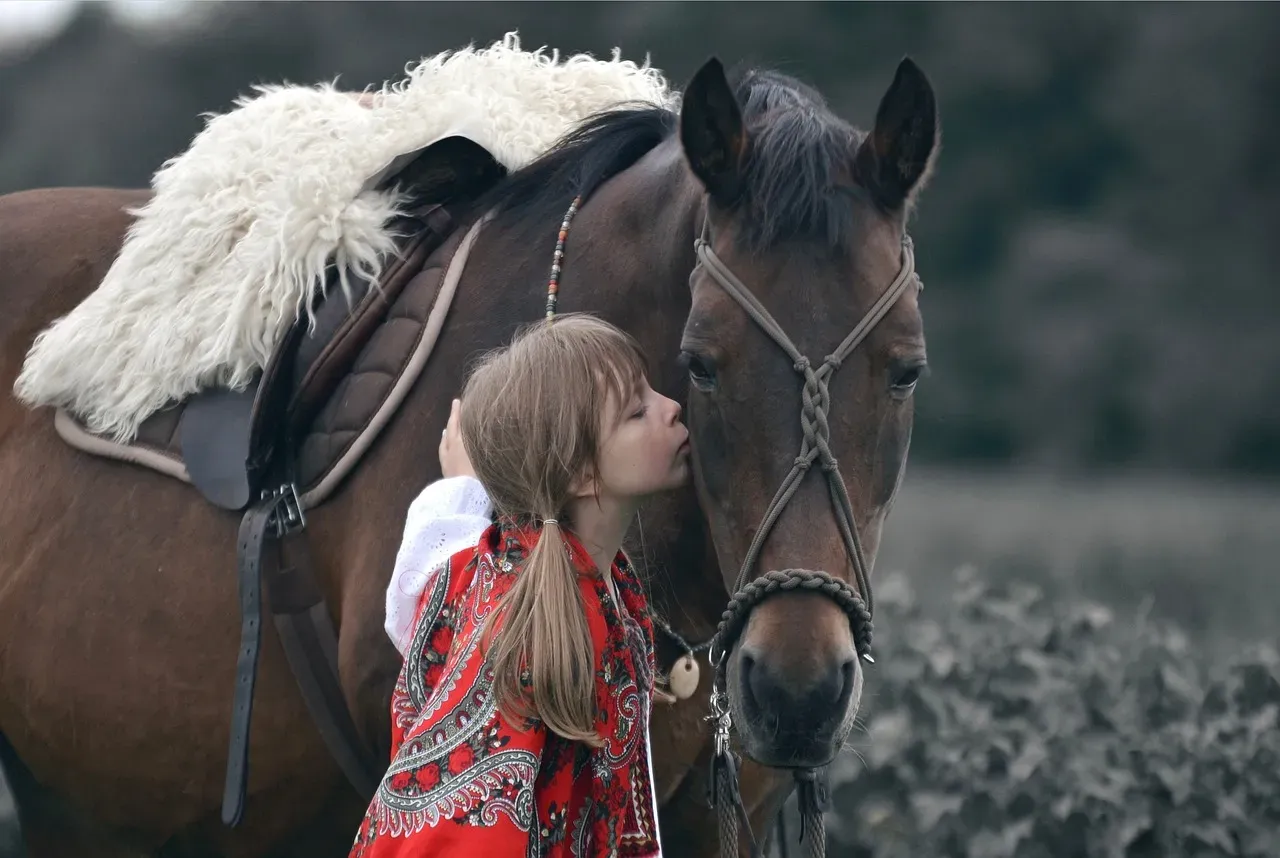
Horses are prey animals with strong self-preservation instincts. A horse that remains calm with you during potentially frightening situations, like veterinary procedures, loud noises, or unfamiliar environments, is displaying remarkable trust. The instinct to bolt is always there. Choosing to stay anyway is the statement.
That willingness to stay close when things get frightening is arguably the most honest signal of all. It means your horse has decided, consciously, that you are safer than the alternative. Everything else on this list can be influenced by habit or routine. But the decision to stand beside you when fear is pulling in the other direction is something a horse only does for someone who has truly earned that place.
The Quiet Language Worth Learning
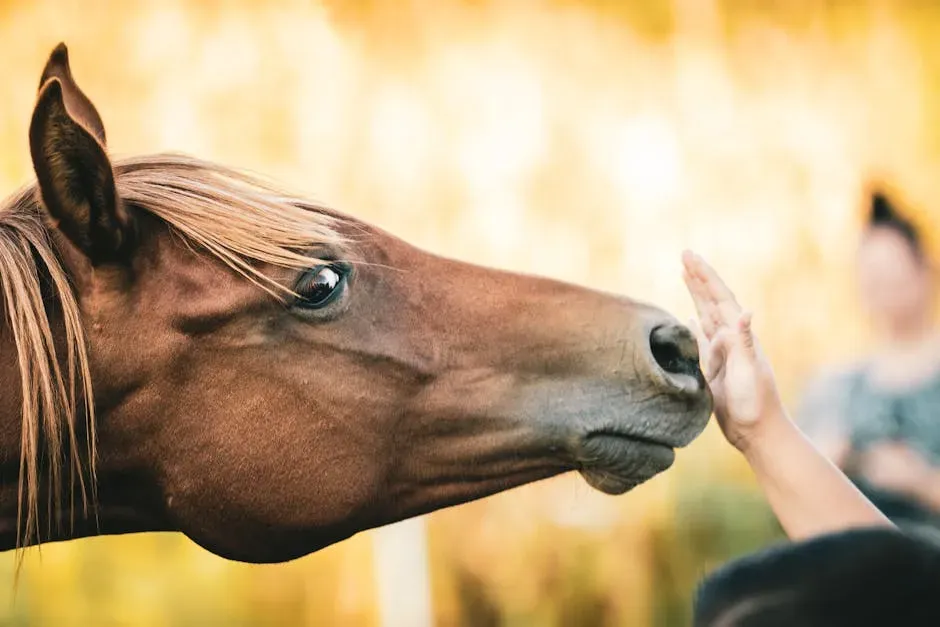
There’s a temptation to measure a horse’s trust in grand gestures. The spectacular run to the gate, the dramatic reunion. Those things are real, but they’re not the whole picture. Most of the trust a horse carries for you lives in the smaller, steadier moments: the relaxed exhale, the lowered head, the soft nicker from across the barn.
It’s easy to miss signs that your horse trusts you. We’re often rushing when we should be mindful and with them here and now. Slowing down is actually a skill in horsemanship, and arguably the most underrated one. When you stop treating every visit to the barn as a task list and start showing up as a presence, the signs become impossible to miss.
The relationship between a horse and a human is one of the more unusual bonds in the animal world. It’s built between a prey animal and a predator-shaped being, sustained entirely by consistency, patience, and mutual respect. Horses don’t bond with us because we feed them, though that helps. They bond with us because we’ve proven ourselves trustworthy, patient, and understanding. That kind of trust, earned quietly over time, is worth more than any ribbon or rosette. It’s the real thing.


