
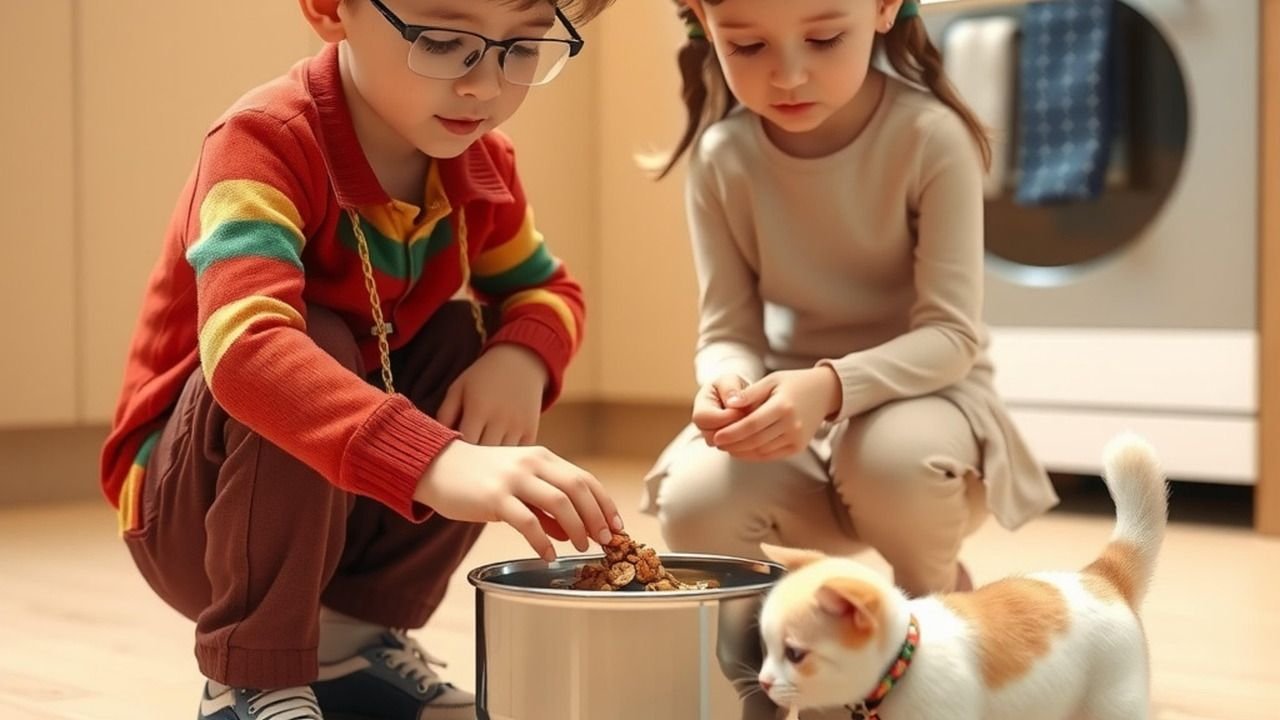
You know that feeling when your pup’s stomach isn’t quite right? Maybe they’re dealing with loose stools, unexplained itchiness, or just seem a bit off. Here’s the thing: your dog’s gut health is like the control center for their entire wellbeing. It affects everything from their immune system to their mood, and honestly, even their coat quality. The good news is that you don’t need to overhaul your dog’s entire life to make a real difference. Sometimes the smallest tweaks create the biggest transformations. Think of these changes as gentle nudges that help your dog’s digestive system find its balance again. Ready to discover how simple adjustments can turn things around for your furry friend?
Add a Daily Probiotic to Their Routine
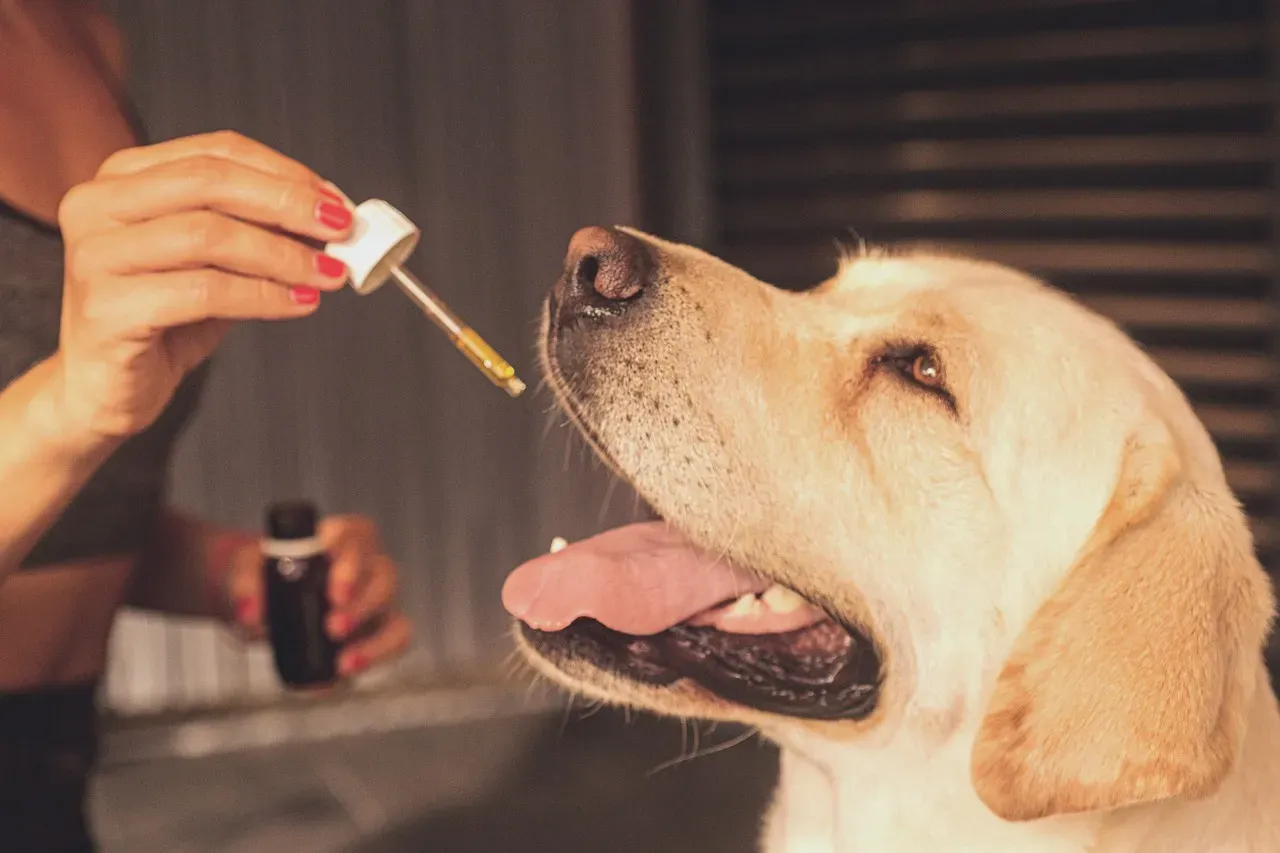
Seventy percent of a dog’s immune system is associated with their gut, which makes probiotics one of the most powerful tools in your arsenal. These beneficial bacteria work behind the scenes to keep the balance between good and bad microorganisms in check.
Many dogs seem to respond well to probiotic supplements when their gut microbes have gotten out of whack. You might notice firmer stools, less gas, and even improvements in their energy levels within just a few days. Look for dog-specific formulas containing strains like Lactobacillus or Bifidobacterium, which have been studied for canine health.
The beauty of probiotics is their versatility. In a 2019 study, dogs given a probiotic blend alongside antibiotics had fewer digestive issues – such as diarrhea, vomiting, and loss of appetite – compared to dogs who didn’t receive probiotics. Whether your dog is stressed, recovering from medication, or simply needs digestive support, probiotics offer gentle yet effective help.
Include Prebiotic Fiber in Every Meal
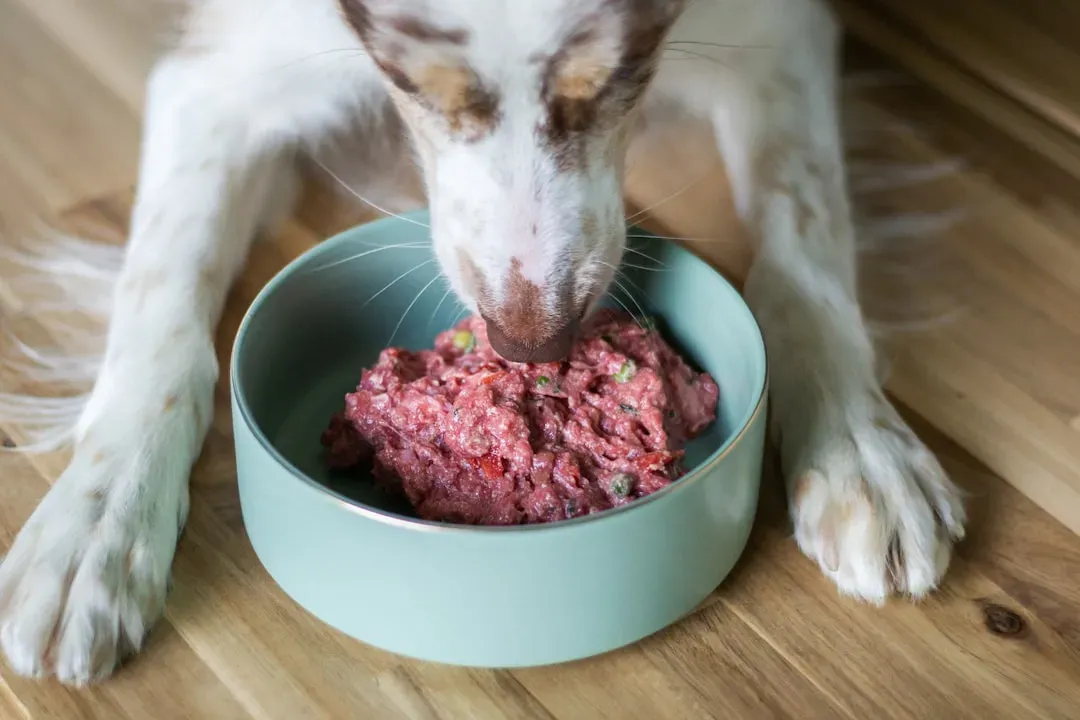
Prebiotics, or prebiotic fiber, are nutrients that support the beneficial bacteria that already exists in your dog’s gut. Think of them as the ultimate doggy buffet for good bacteria. While probiotics bring in reinforcements, prebiotics feed the good guys already living there.
Prebiotics are particular kinds of dietary fiber – such as inulin, mannan-oligosaccharides (MOS), and fructo-oligosaccharides (FOS) – that promote the growth of beneficial gut bacteria. You can find these in foods like pumpkin, sweet potatoes, and certain fruits.
I think what surprises most dog owners is how quickly prebiotics work. During the digestive process, the beneficial bacteria found within your dog’s large intestine break down and ferment certain types of fiber. This process creates fatty acids, which can help to reduce the number of “bad” bacteria found within the gut. Just be sure to introduce them gradually to avoid any tummy upset.
Slow Down Their Eating Pace
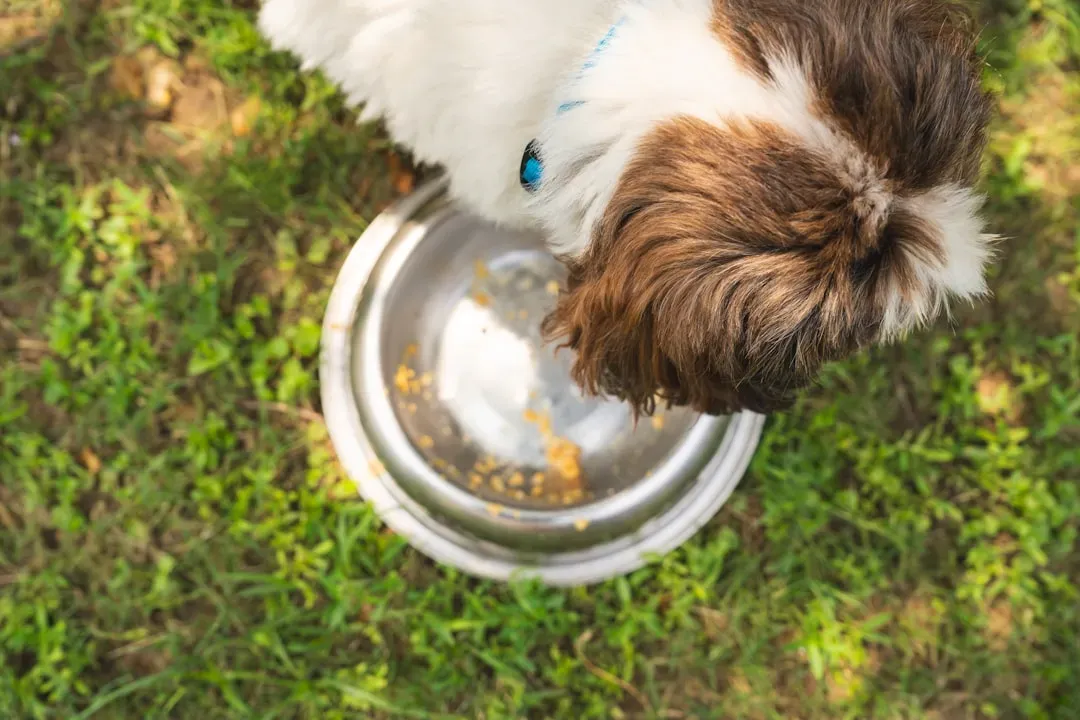
Does your dog inhale their food like it’s a competitive sport? Fast eating isn’t just about manners. It can seriously mess with their gut health by introducing excess air and preventing proper digestion.
When dogs gulp their meals, they swallow air along with their kibble, leading to bloating and gas. More importantly, their digestive system doesn’t get the signal to properly break down nutrients. Consider investing in a slow-feeder bowl or puzzle feeder that forces them to work for each bite.
Another trick is to spread their food across a flat surface like a baking sheet. This simple change can transform mealtime from a two-second sprint into a more natural, gut-friendly experience. Your dog’s stomach will thank you, trust me.
Switch to Smaller, More Frequent Meals
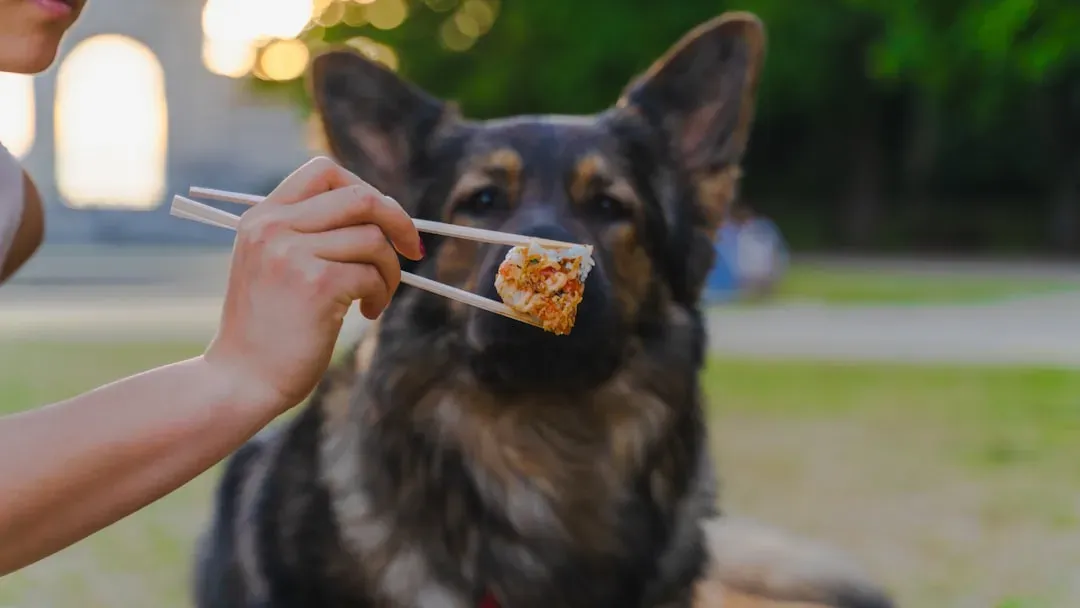
Although diet plays a significant role in gut health, environment and genetics are also factors, meal timing matters just as much as what’s in the bowl. Instead of one or two large meals, try dividing the same daily amount into three or four smaller portions.
Smaller meals are easier on your dog’s digestive system. They prevent the stomach from becoming overly full, which can slow digestion and create discomfort. Plus, more frequent feeding helps maintain steady blood sugar levels throughout the day.
Think about it like this: would you rather eat one massive meal that leaves you sluggish, or several balanced portions that keep your energy stable? Dogs feel the same way. This adjustment can reduce bloating, improve nutrient absorption, and keep their gut bacteria happier.
Increase Fresh, Whole Food Additions
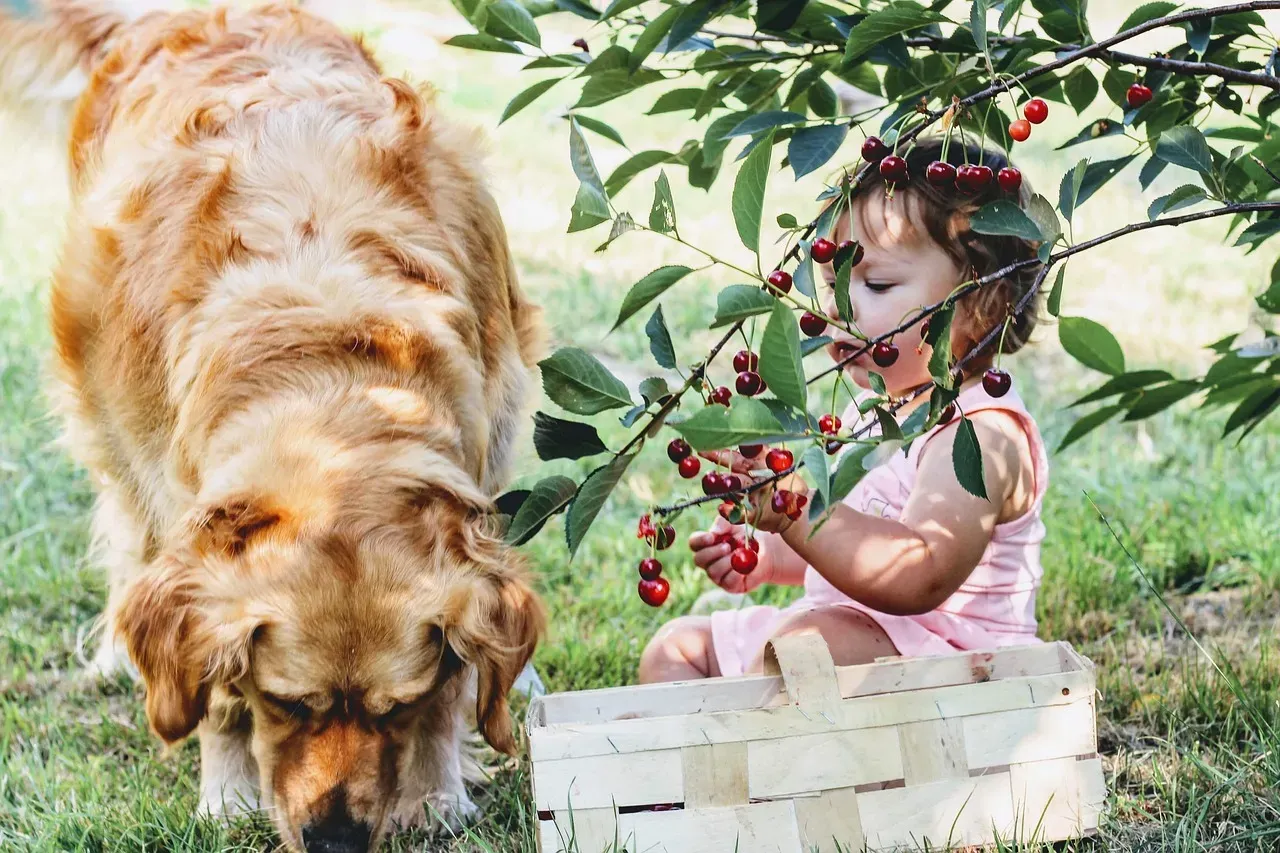
The biggest difference to gut health comes from feeding your dog real food rich in nutrients and gut-friendly bacteria. I’m not saying you need to become a canine chef overnight, but adding small amounts of fresh foods can work wonders.
By feeding your dog a wide variety of real foods, you can reduce the risks of an imbalanced diet. Bringing variety to your dog’s food doesn’t have to be tricky – aim for colour! Colour equals nutrients, which nourish the microbiome. Try incorporating bits of cooked chicken, steamed vegetables, or plain pumpkin into their regular meals.
The key is variety and moderation. Fresh foods introduce natural enzymes and diverse nutrients that processed kibble alone can’t provide. Just remember to keep these additions to roughly ten percent of their total diet to maintain nutritional balance.
Keep Them Properly Hydrated
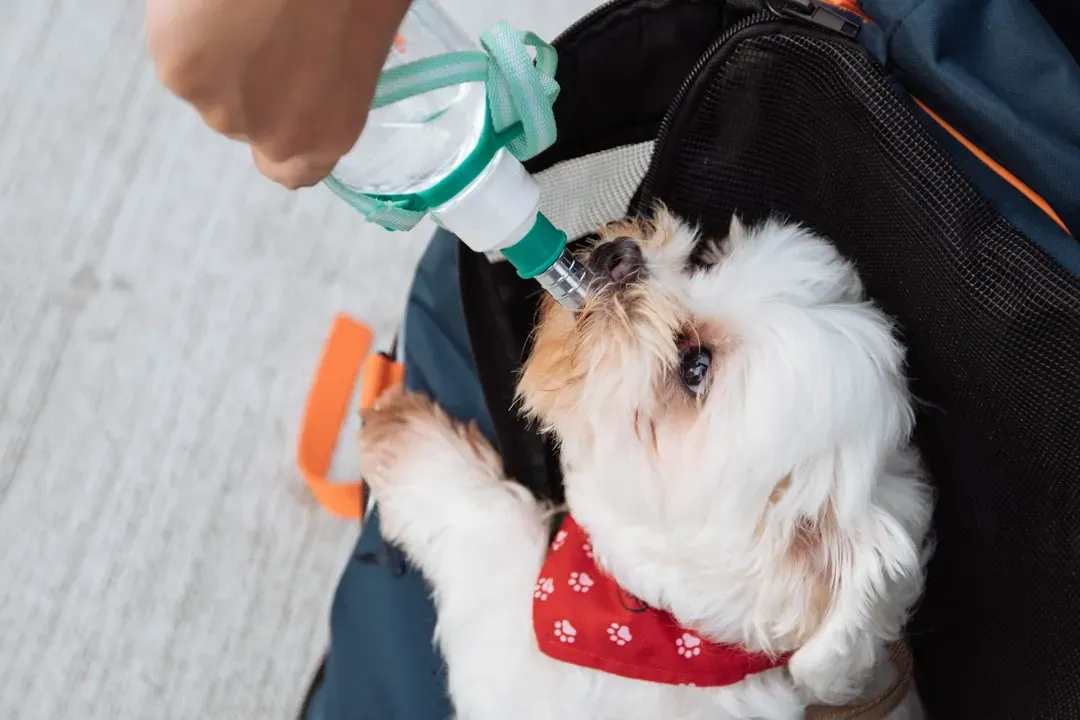
Water might seem too simple to matter, yet it’s absolutely crucial for gut health. Your dog’s guts are important for fluid regulation and keeping your dog hydrated, as well as absorbing nutrients and removing waste. Without adequate hydration, their digestive system literally can’t function properly.
Dehydration leads to constipation, harder stools, and a sluggish digestive tract. The beneficial bacteria in their gut also need moisture to thrive. Make sure fresh, clean water is always available, and consider adding a bit of low-sodium broth to their meals if they’re reluctant drinkers.
During warmer months or after exercise, pay extra attention to their water intake. A well-hydrated dog has better nutrient absorption, smoother digestion, and a more balanced microbiome. Sometimes the simplest solutions are the most effective.
Cut Down on Unnecessary Treats and Table Scraps
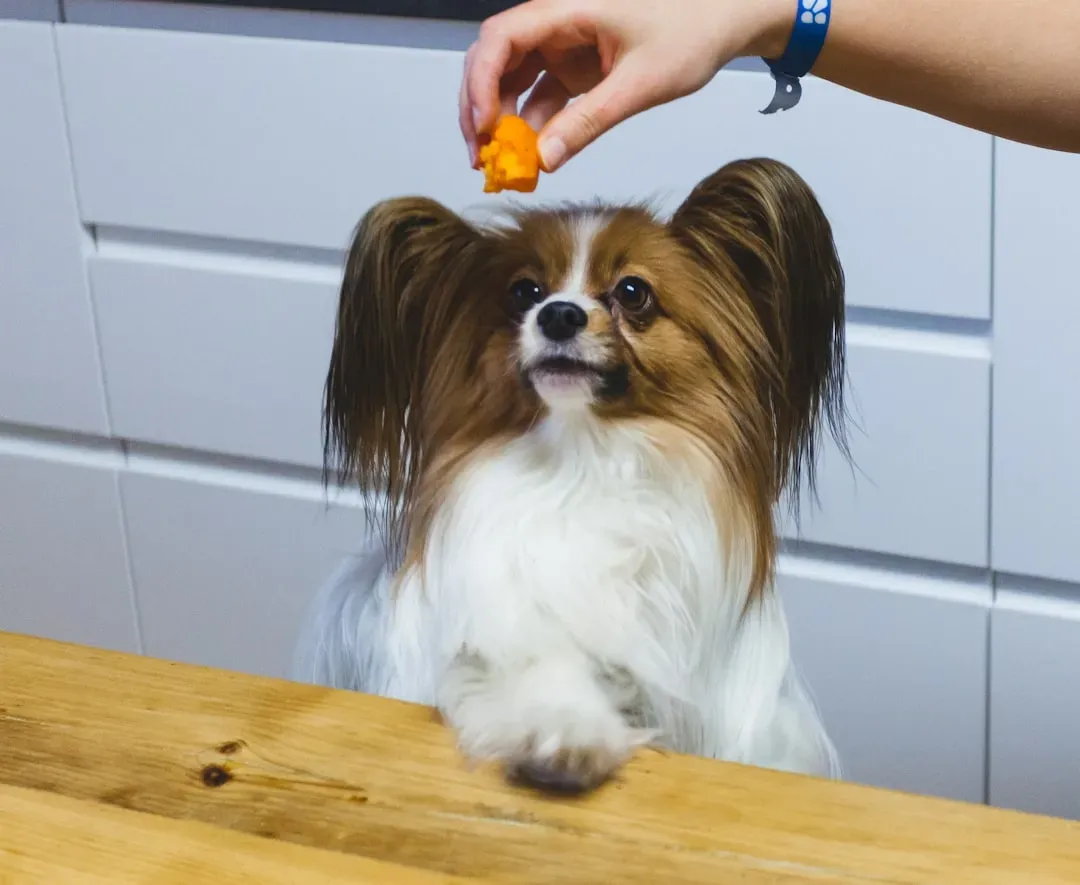
Let’s be real: those puppy eyes are hard to resist. However, Minimizing table scraps and “junk food” meant for humans, such as sugary treats or dairy products can make a massive difference in gut health. Human food often contains ingredients that disrupt the delicate bacterial balance in your dog’s digestive system.
Imbalances can occur through poor diet. Or if your dog is taking antibiotics, which are well known for killing all bacteria – good and bad. Additionally, parasites can upend the balance of your dog’s gut, as can a lack of fiber. Too many treats also mean less room for nutritionally complete food.
If you want to reward your pup, choose dog-specific treats made with limited, wholesome ingredients. Or better yet, use small pieces of their regular kibble or fresh veggies like carrots. Your dog won’t know the difference, and their gut will stay balanced.
Manage Stress and Anxiety Levels

Growing evidence shows that the bacteria living in our dogs’ digestive tract is a central player in the gut-brain axis; meaning the digestive tract can impact the mental health of our dogs. This connection works both ways. When your dog feels stressed, their gut suffers.
Stress and anxiety can also trigger a variety of digestive problems in our dogs due to the powerful communication channel in the body known as the gut-brain axis. When our dogs experience stress, it triggers the release of various hormones and chemical messengers that tell the body that digestion is not a priority right now. This can lead to reduced gastric function and an increase in gastric transit time, leading to diarrhoea and other symptoms of an upset stomach.
Creating a calm environment, maintaining consistent routines, and providing mental enrichment can all help. Regular exercise and playtime can significantly improve your dog’s gut health. Exercise reduces stress, which can weaken its immune system and cause inflammation. Even small changes in their daily routine can reduce anxiety and support better digestion.
Avoid Overuse of Antibiotics and Medications
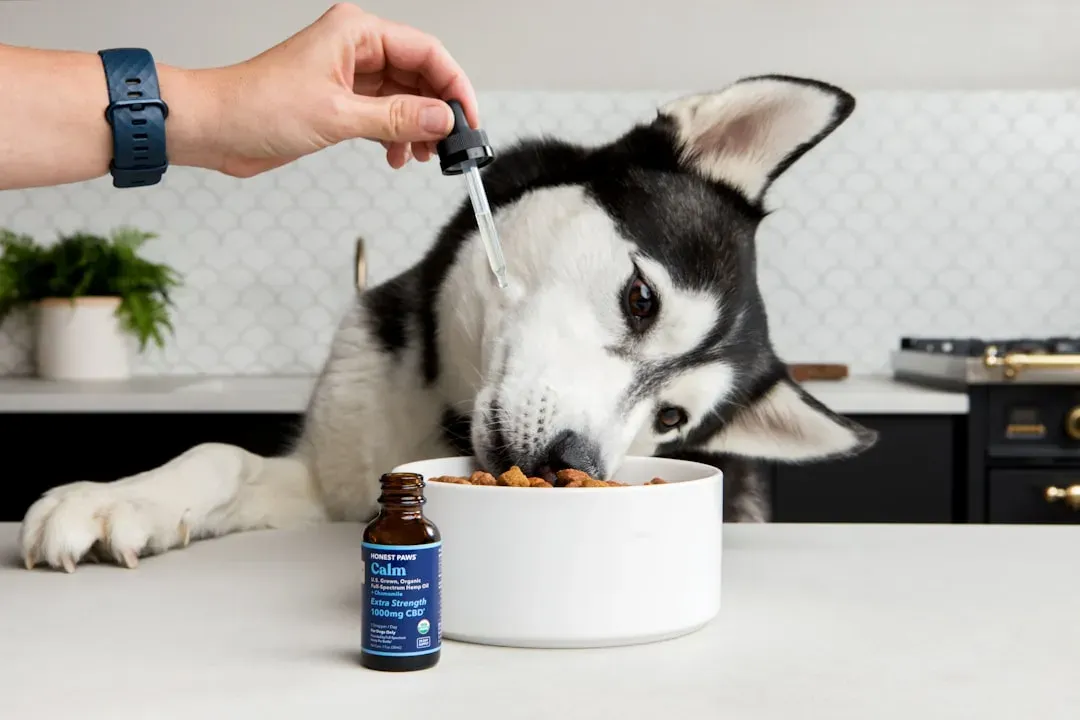
Many factors cause an imbalance in your dog’s gut, but antibiotics are the worst culprit. While sometimes medically necessary, these medications don’t discriminate between good and bad bacteria. They wipe out everything, leaving your dog’s microbiome depleted.
Common remedies such as antibiotics or non-steroidal anti-inflammatories (NSAIDs) can impact the gut by indiscriminately killing bacteria – bad and good. We recommend speaking with your veterinarian professional regarding any medication your dog needs and always following their advice. When antibiotics are unavoidable, pair them with probiotics to help restore balance more quickly.
The same goes for unnecessary medications like frequent dewormers or supplements your dog doesn’t actually need. Always consult your vet before starting or stopping any medication, and ask about gut-supportive strategies during treatment.
Establish Consistent Feeding Times
Diet is just one of the ways you can support your dog’s gut microbiome, but timing creates rhythm. Dogs thrive on routine, and their digestive systems are no exception. Feeding at the same times each day helps regulate their internal clock and digestive processes.
When meals come at unpredictable times, your dog’s gut bacteria and digestive enzymes don’t know when to gear up for action. This inconsistency can lead to incomplete digestion, nutrient malabsorption, and digestive upset. Aim to feed your dog within the same hour window daily.
Consistency also helps you monitor their health more effectively. You’ll quickly notice changes in appetite, stool quality, or energy levels when everything else remains steady. It’s such a simple adjustment with surprisingly powerful benefits for their overall gut function.
Conclusion: Small Steps, Big Impact
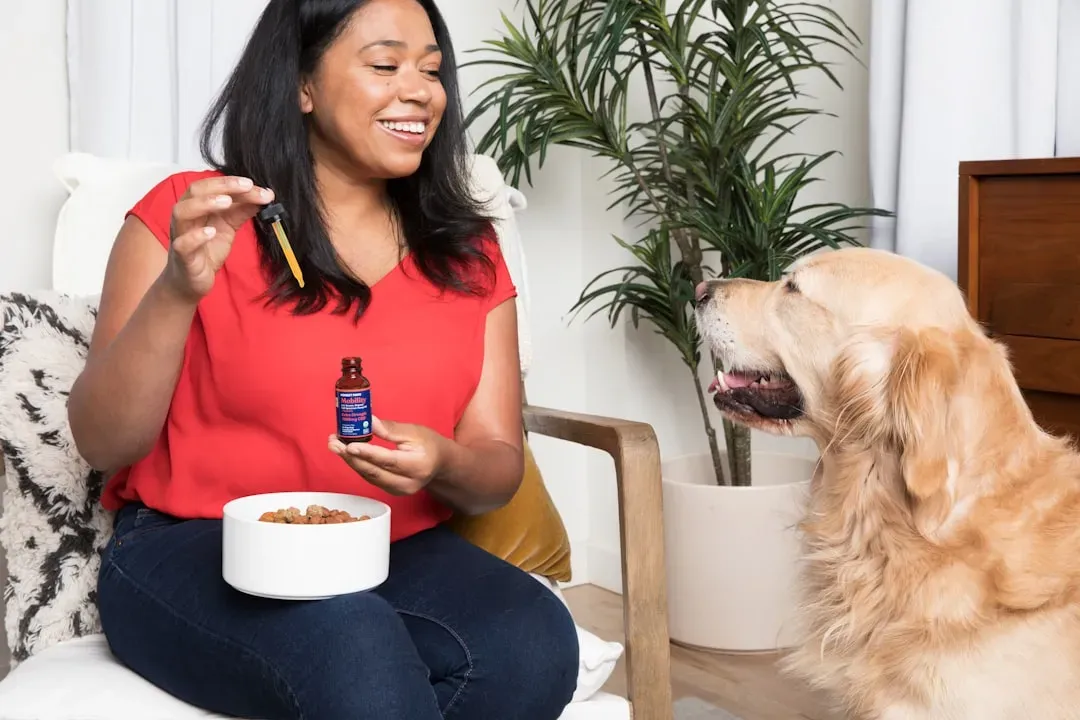
The journey to better gut health doesn’t require dramatic overhauls or expensive interventions. These ten small changes work together to create a ripple effect throughout your dog’s entire system. From probiotics and prebiotics to stress management and hydration, each adjustment supports the complex ecosystem living in their digestive tract.
Maintaining gut microbiome balance in companion canines involves a multifaceted approach, including probiotic and prebiotic supplementation to promote the growth of beneficial bacteria, antioxidant supplementation to support microbial stability, dietary adjustments tailored to the canine’s health needs, and stress reduction to support gut health. Implementing these strategies helps preserve microbial homeostasis, thereby improving overall health, immune regulation, and well-being in companion canines.
Remember, every dog is unique. What works beautifully for one might need tweaking for another. Pay attention to how your dog responds, stay consistent with the changes, and don’t hesitate to consult your veterinarian if you notice concerning symptoms. Your dog’s gut health is worth the effort, and honestly, they’ll feel the difference in ways that go far beyond just digestion. What simple change will you try first?


