
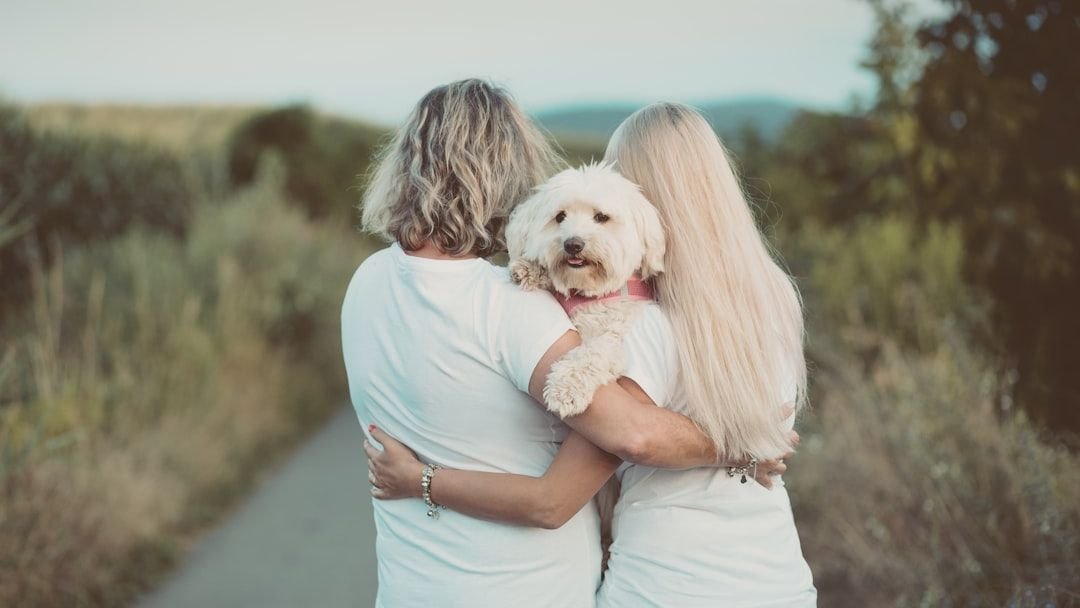
Picture this: you’re scrolling through social media, and every happy dog seems to be romping through acres of green grass. Maybe you’re living in an apartment or a home with a modest yard, and suddenly you’re thinking, am I failing my furry friend?
Let’s be real here. I’ve seen so many caring dog owners lose sleep over this, convinced their pup is miserable without sprawling outdoor space. The thing is, yards don’t automatically equal happy dogs. Some of the most content, well-adjusted dogs I’ve encountered live in compact spaces, while some with massive yards show signs of boredom and frustration. Wild, right? What makes your dog truly happy is surprisingly different from what we’ve been led to believe. So let’s dive into what science and behavior experts tell us your four-legged companion really craves.
Mental Stimulation Matters More Than Square Footage
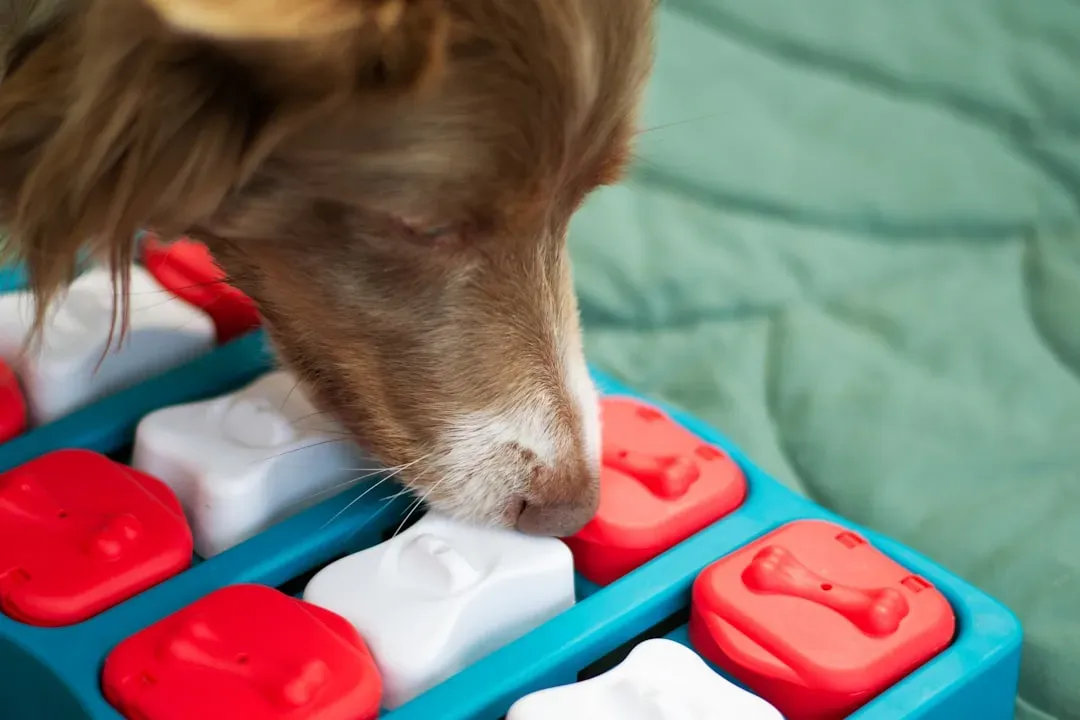
Here’s something that might surprise you. Mental exercise can tire a dog out just as much as physical activity. Think about how exhausted you feel after solving complex problems at work, even if you’ve been sitting all day. Dogs experience something remarkably similar.
Mental stimulation and enrichment are often an overlooked part of a dog’s exercise routine. All dogs need an outlet for their minds. If they are not provided the opportunity to challenge their minds, they will come up with their own ways to achieve this. This usually manifests itself in bad behavior such as excessive barking, digging, escaping, and other destructive behaviors.
Puzzle toys, hide-and-seek games with treats, and even teaching new tricks all work your dog’s brain beautifully. I know it sounds crazy, but a twenty-minute session of sniffing games can genuinely wear out your pup more effectively than wandering aimlessly in a big backyard. Your living room can become an adventure zone with just a bit of creativity.
Physical Exercise Needs Are Specific, Not Size-Dependent
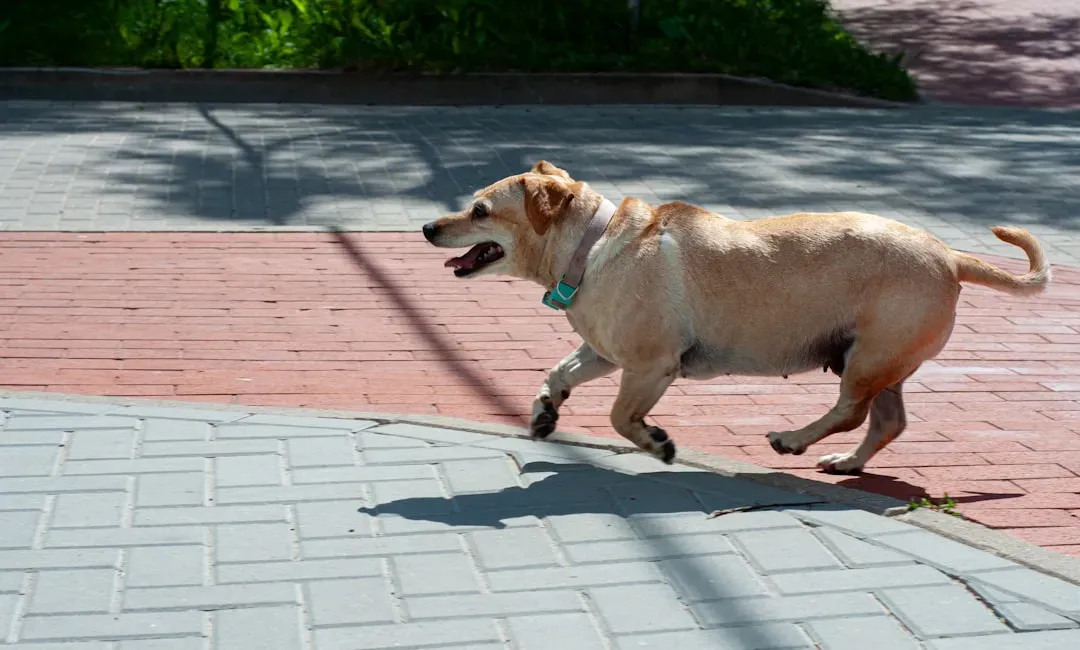
You’d think bigger space equals better exercise, wouldn’t you? Reality tells a different story. At least 30-60 minutes of brisk daily activity like walks, runs, or playtime at a nearby park will prevent pent-up energy from manifesting in problematic behaviors like barking or chewing.
Quality trumps quantity every single time. A purposeful walk where your dog gets to sniff new scents, encounter different surfaces, and experience varied environments provides far more enrichment than solo time in the same backyard. Most types and sizes of dogs can do well in apartments provided they get the right amount of exercise and mental stimulation. Even high-energy breeds can thrive in smaller spaces when their exercise routine is intentional and engaging. The key lies in understanding your individual dog’s needs rather than assuming space alone solves everything.
Social Connection and Interaction Build Happiness
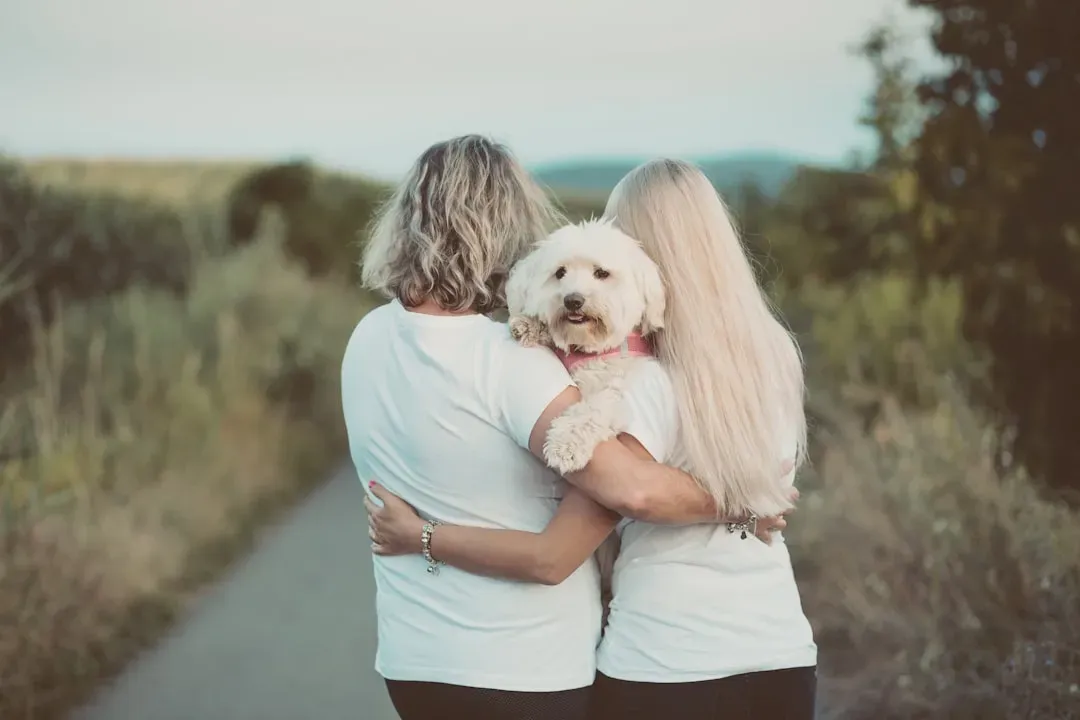
At the end of the day, nothing beats the joy of spending quality time with your dog. Human interaction is the most enriching experience they can have. Honestly, this might be the most important piece of the happiness puzzle that gets overlooked.
Your presence, attention, and engagement mean everything to your dog. A huge yard where your dog spends hours alone doesn’t create joy. Instead, interactive play sessions, training time together, and even just hanging out on the couch create the emotional bonds dogs desperately crave. Happy dogs make a lot of body contact. If your dog reacts, stays close, or even leans in toward your hand during petting, they’re enjoying the contact.
Think about dogs as pack animals who evolved alongside humans. They’re hardwired for companionship and social engagement. Whether you’re playing tug-of-war in your apartment hallway or working on impulse control exercises, that focused time together builds confidence and contentment that no amount of space can replicate.
Enrichment Activities Transform Small Spaces
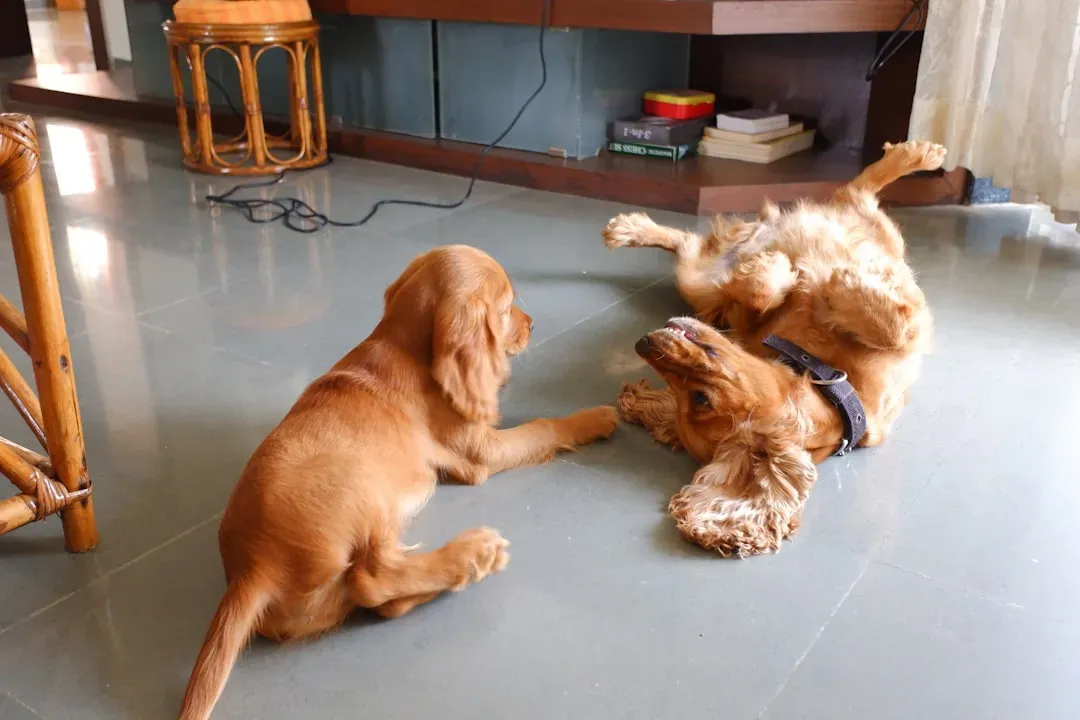
The key to a happy and healthy dog is regular enrichment and allowing them to engage in their innate behaviors, such as playing, chasing, smelling, chewing and scavenging. By allowing your dog to engage in these behaviors, you allow them to be physically, emotionally and mentally satisfied. Small spaces can absolutely accommodate these natural behaviors with thoughtful planning.
Indoor fetch with soft toys, hide-and-seek games, homemade obstacle courses using furniture, and food puzzles all work wonderfully in limited space. Some of my favorite low-cost enrichment ideas include rolling treats in old towels for your dog to unravel, or hiding kibble throughout your home for scent work games. It doesn’t take much space to make a course full of intriguing obstacles. Use boxes, clothing bins, and furniture to craft a weaving path filled with not so easy to get treats.
The beautiful thing about enrichment is its variety. Rotating toys keeps things fresh and exciting. Interactive feeders turn mealtime into brain work. Even something as simple as teaching your dog to identify their toys by name provides mental stimulation that contributes significantly to overall well-being. Your dog’s happiness isn’t measured in acres but in the richness of their daily experiences.
Recognizing True Signs of Canine Happiness
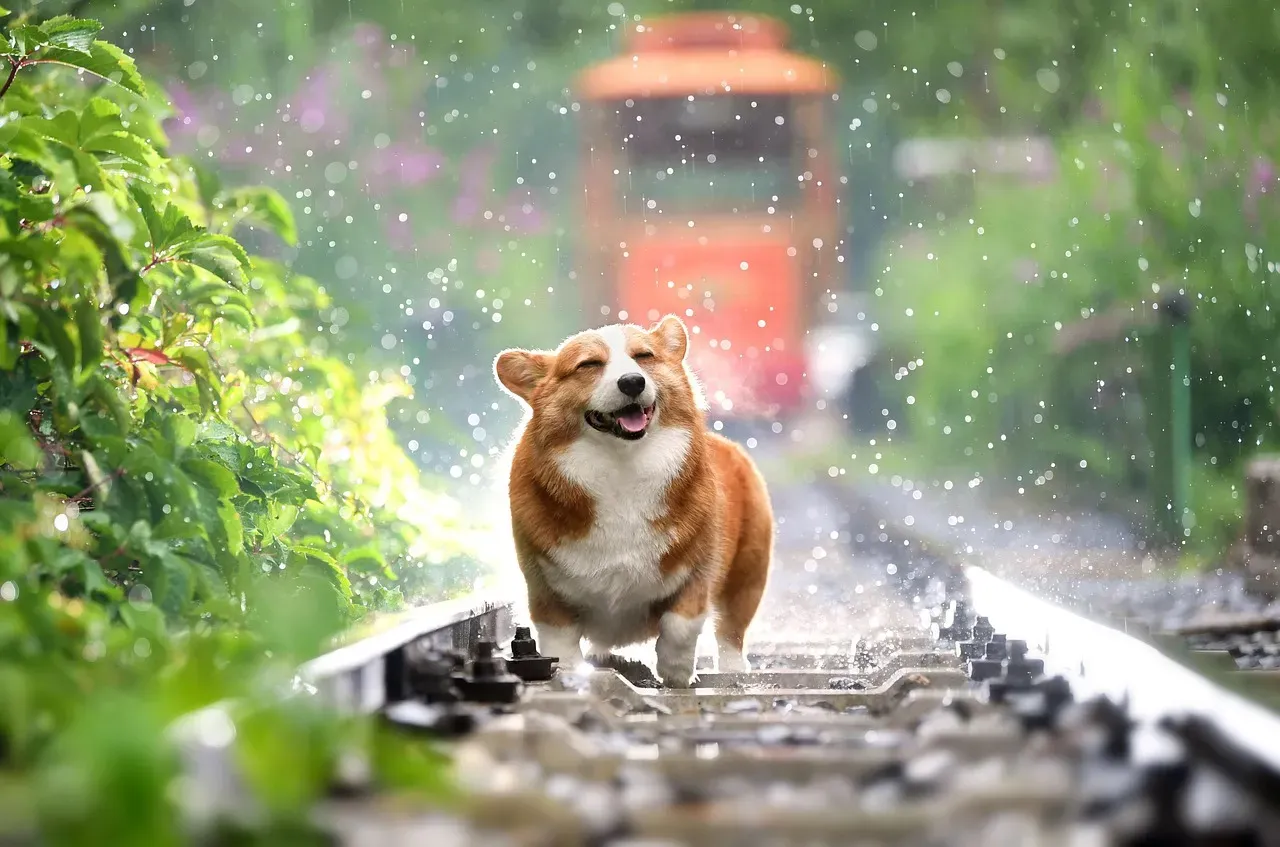
How do you actually know if your dog is happy? Dogs show love, affection, playfulness, and happiness through their body language and behaviors. You may be familiar with the signs that your dog is happy in the moment – soft, relaxed ears and eyes, a wagging tail, puppy kisses, and a broad smile. Reading these signals helps you understand what your dog truly needs.
A happy dog has an open countenance, a relaxed expression, a lack of stress lines around the face, and no tension in their body. Watch how your dog moves. Dogs just laying out in the yard in the sun, just laying on their side with their body all relaxed is a sign of a happy or content dog. Your dog is likely pretty happy if their movements are loose and they look like noodles.
On the flip side, excessive barking, chewing, or restlessness often signals unmet needs, whether that’s mental stimulation, physical activity, or quality interaction. Your dog’s behavior tells you everything if you pay attention. Destructive behaviors rarely stem from insufficient yard space and much more often indicate boredom, anxiety, or lack of appropriate outlets for natural instincts.
Creating Structure and Routine Breeds Contentment

Dogs thrive off of consistency. Consistent behaviors and routines communicates to dogs what to expect and how to react. The more dogs feel they can read your mind, the stronger your bond will be. This predictability creates emotional security that contributes massively to your dog’s happiness, regardless of living space.
Establishing regular feeding times, consistent walk schedules, predictable play sessions, and designated rest periods helps your dog feel safe and understood. Just like toddlers and young children, dogs like things to be predictable. This structure allows them to relax because they trust their needs will be met.
Dogs who have regulated nervous systems are able to relax and rest easily. Adult dogs need around 16 hours of sleep, while puppies, adolescents and senior dogs need more. Creating an environment where your dog can truly decompress matters far more than having endless space to roam. A calm, structured household in an apartment often produces more balanced dogs than chaotic environments in houses with large yards. It’s not about the space you have but how you use it.
Conclusion
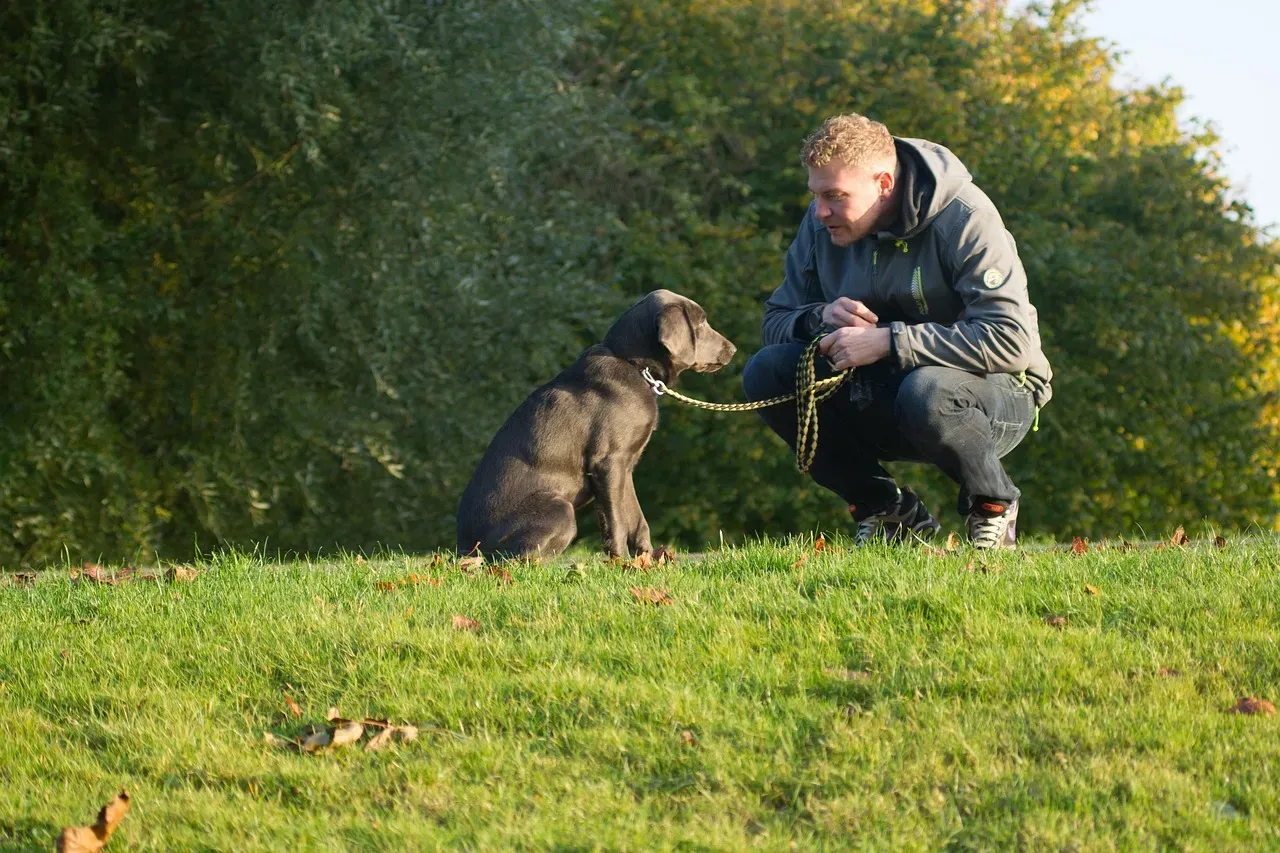
At the end of the day, your dog’s happiness doesn’t hinge on having a sprawling backyard to race around in. What they truly need is you. Your time, attention, creativity, and commitment to meeting their physical, mental, and emotional needs create a fulfilled, joyful companion. Whether you’re in a studio apartment or a house with a modest yard, you have everything necessary to give your dog an incredible life.
Focus on daily walks that engage their senses, puzzle toys that challenge their minds, training sessions that strengthen your bond, and quality time that shows them they’re loved. Watch their body language, adjust to their individual needs, and celebrate the little victories. Your dog doesn’t need more space. They need more of you, and that’s something any loving owner can provide, no matter where they live.
What’s one new enrichment activity you’ll try with your pup this week? I’d love to hear what works for you and your furry friend.


