
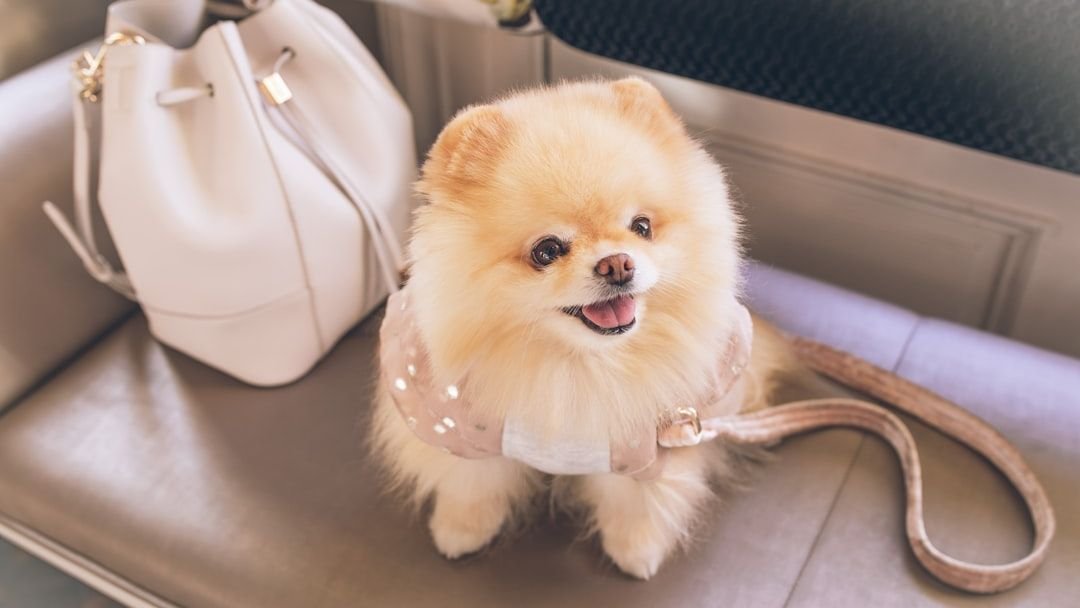
Picture this: you’re sitting at the park watching a massive German Shepherd struggle to learn a new trick while, right next to you, a fluffy little dog the size of a loaf of bread nails the same move on the second try. Sound familiar? Most people assume that bigger dogs mean bigger brains, but honestly, that assumption couldn’t be more wrong.
A November 2024 study in Biology Letters found that dogs with bigger brains are not more intelligent, and smaller breeds may actually have the edge. That’s not just surprising, it’s a complete game changer for how we think about small dogs. Think of it like this: pocket-sized phones are way more powerful than the bulky desktops of the 1990s. Same logic applies here. So let’s dive into 10 small dog breeds that regularly out-think, out-learn, and out-problem-solve their larger counterparts.
1. Papillon: The Butterfly-Eared Genius
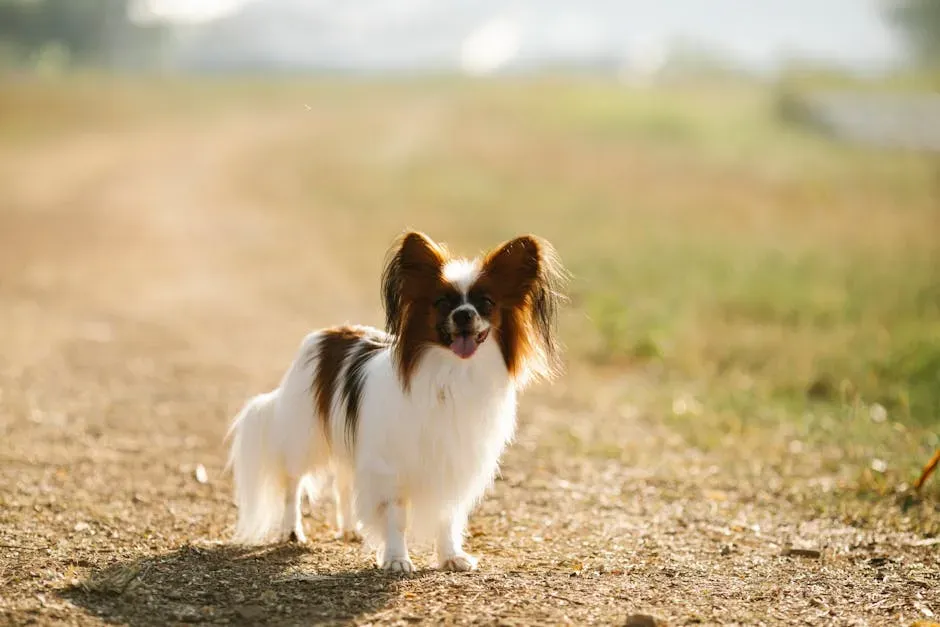
If there’s a small dog breed that deserves its own TED Talk on intelligence, it’s the Papillon. Don’t let those delicate, butterfly-shaped ears fool you for a second. On Stanley Coren’s canine intelligence scale, Papillons rank eighth, beating many larger breeds in obedience and problem-solving skills, and their sharp intellect combined with a strong eagerness to please enables them to master advanced commands and tricks swiftly.
This little dog absorbs its surroundings quickly, often picking up on cues even before a command is given, and their sharp awareness makes them responsive companions ready to adapt to new situations and people with ease. However, be warned, their intelligence comes with a spark of mischief. Due to their combination of high energy and intelligence, Papillons can become highly strung or anxious if not given sufficient mental and physical outlets, so proper socialization, training, and engaging activities help prevent behavioral issues.
2. Toy and Miniature Poodle: The Einstein of Small Dogs
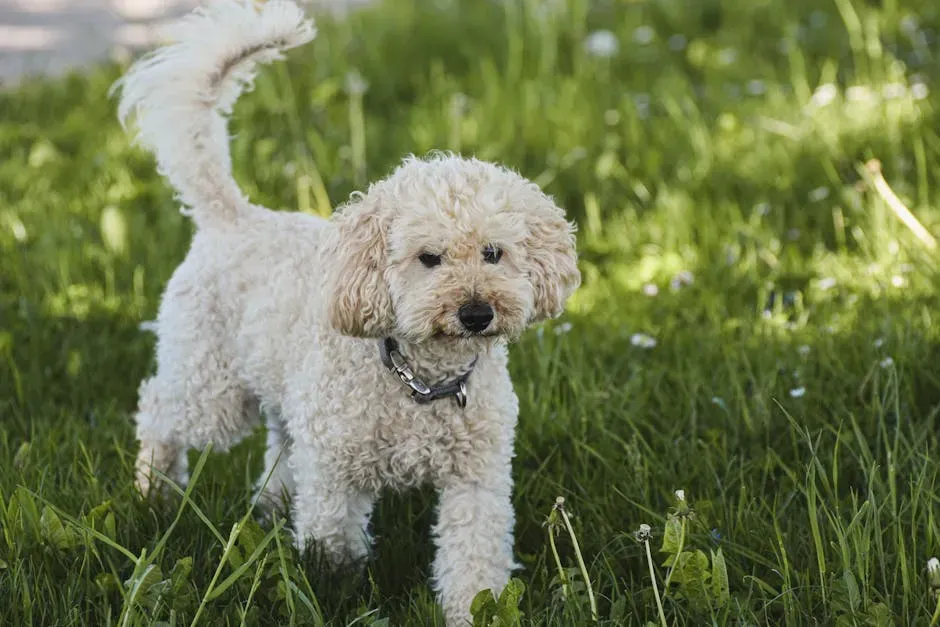
There’s a reason Poodles are the breed that trainers absolutely love working with. The Toy and Miniature Poodle consistently rank among the smartest small dog breeds, and originally bred as water retrievers, Poodles are quick learners with exceptional memory. Their curly coats may look fancy, but underneath all that fluff is a brain that’s relentlessly working.
Poodles, whether Toy or Miniature, are among the smartest dog breeds, known for their high trainability and problem-solving skills, and these small Poodles are incredibly versatile, excelling in obedience, agility, and even trick training. Here’s the thing, though, that intelligence demands respect. Smart dogs can become bored easily, and without mental stimulation, they may develop unwanted behaviors like barking or chewing. Puzzle toys, training games, and daily mental challenges are not optional for this breed. They’re essential.
3. Shetland Sheepdog: The Little Collie With a Big Brain
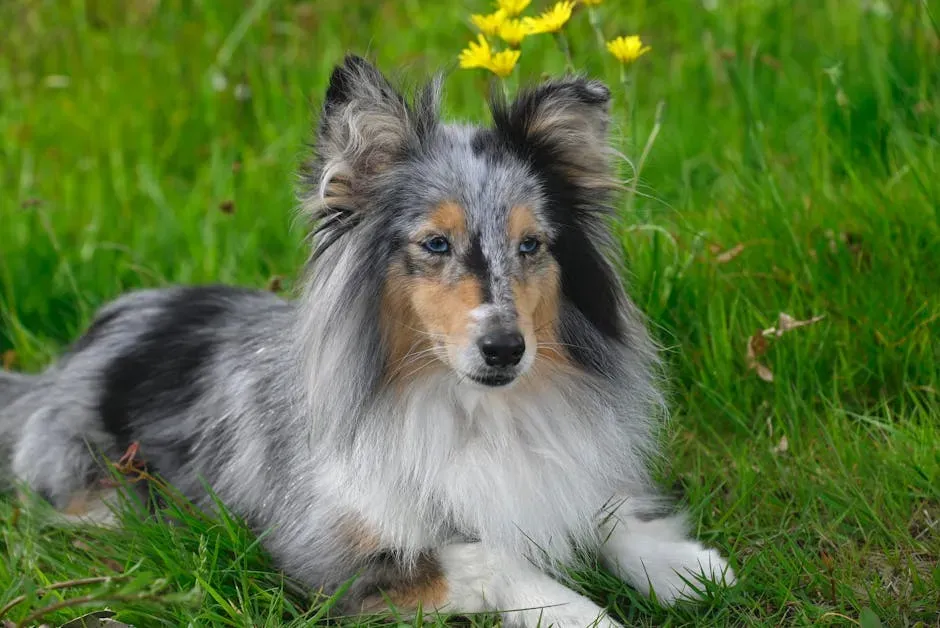
Often mistaken for a miniature Rough Collie, the Shetland Sheepdog, lovingly called the Sheltie, is one of those dogs that almost seems to read your mind. Shetland Sheepdogs rank close to Border Collies in canine intelligence. That’s extraordinarily high praise, considering Border Collies are widely regarded as the number one smartest dog breed in the world.
Shetland Sheepdogs are highly intelligent and trainable dogs known for their herding abilities, and despite their small size, Shelties excel in obedience and agility competitions, often outperforming larger breeds, and they are quick learners and highly responsive to commands, making them easy to train. They’re also deeply emotional dogs. Often called Shelties, these small herding dogs are extremely bright and eager to please, and because they’re sensitive, they respond best to gentle training methods. Harsh correction will shut them down fast. Soft words and patience? They’ll exceed every expectation you have.
4. Miniature Schnauzer: The Bold Little Watchdog Who Never Stops Learning
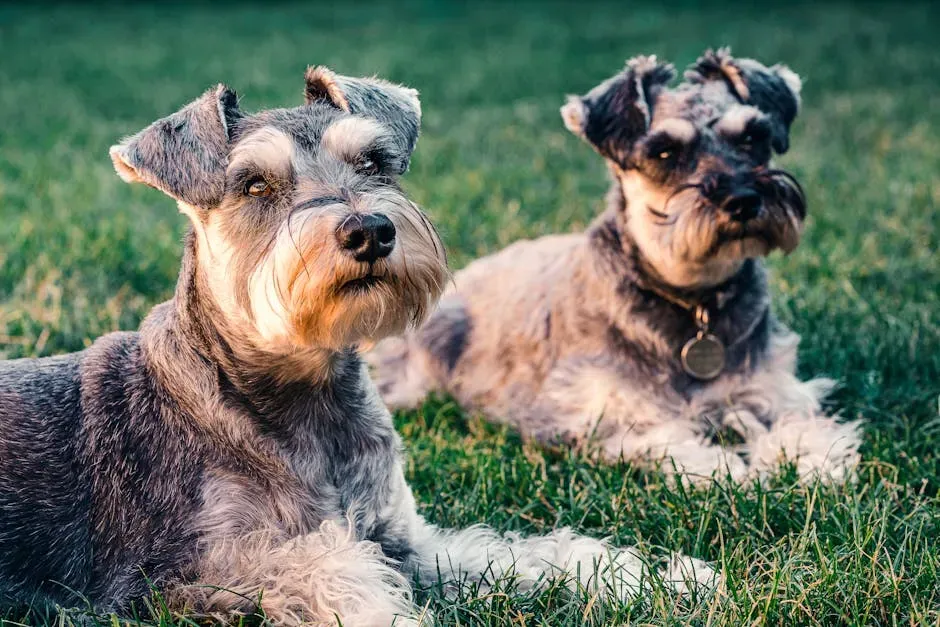
The Miniature Schnauzer is one of those breeds that practically comes pre-loaded with confidence and curiosity. These dogs are known for their intelligence, alertness, and confidence, as well as their spirited and independent nature, and Miniature Schnauzers are quick learners with a strong desire to please their owners, but they can also be stubborn and willful at times, requiring patient and consistent training. Think of training one as negotiating with a very clever toddler who actually does want to cooperate.
The Miniature Schnauzer is considered both friendly and quick at learning, and these dogs are highly intelligent, which is why it is particularly important to keep training enjoyable by teaching them new commands and tricks to avoid them becoming bored, and Miniature Schnauzers also excel in several canine sports, ranging from obedience, rally, and agility, to name a few. A practical tip for owners: Miniature Schnauzers have a relatively short attention span, so keep training sessions brief, around 10 to 15 minutes at most, and make the sessions fun and engaging by incorporating toys, games, and variety into the routine.
5. Pembroke Welsh Corgi: The Herder With the Heart of a Giant
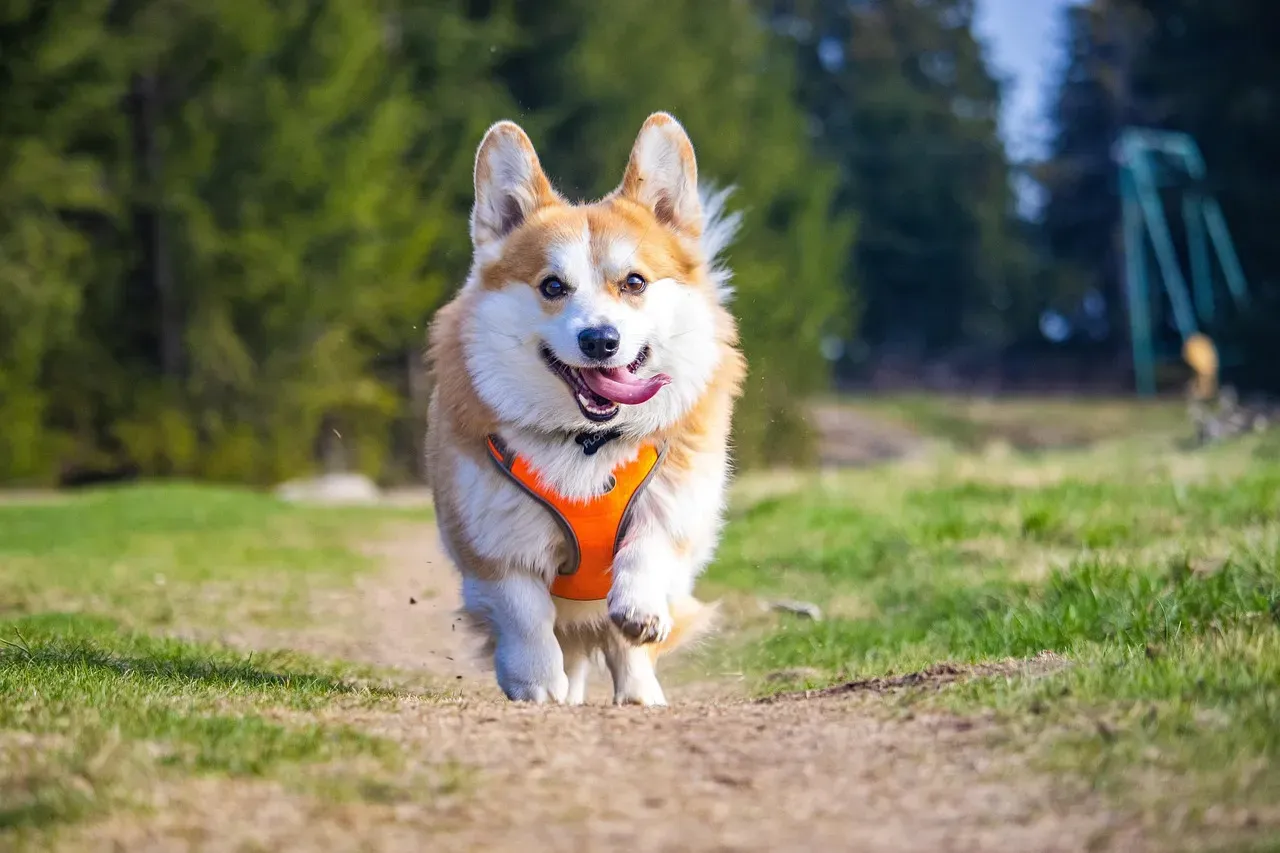
You know those videos of Corgis zooming around the yard with their little legs and enormous personalities? There’s actual intelligence behind every one of those zoomies. Originally tasked with herding cattle despite their short legs, Corgis developed exceptional intelligence and quick thinking skills, and these low-riding smarties can outsmart animals ten times their size through clever maneuvering and strategic thinking, and Corgis possess remarkable memory capabilities and can remember complex herding patterns and commands.
Corgis are intelligent and eager to please, making them relatively easy to train, though their herding instincts can sometimes lead to playful nipping, and Corgis will sometimes try to herd anything from a group of young children playing in the yard to a flock of geese at the park. If you have young children, supervise early interactions and redirect that herding energy into structured training. Channel it well, and you’ll have one of the most devoted and mentally sharp companions you’ve ever owned.
6. Yorkshire Terrier: The Scrappy Genius in a Silk Coat
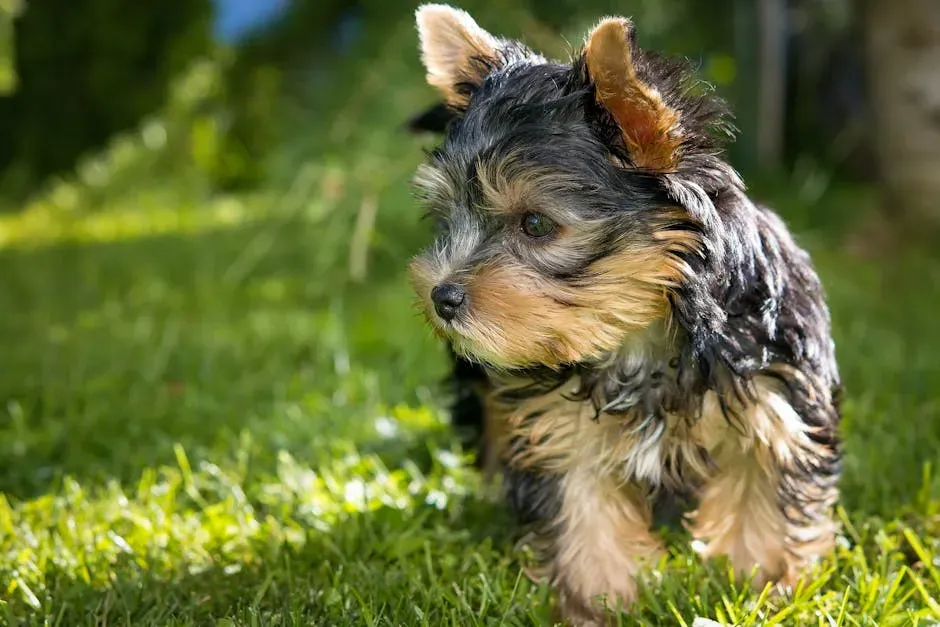
Honestly, Yorkies get underestimated all the time. People see that silky coat and tiny frame and assume they’re just decorative. They are not. The Yorkshire Terrier was first and foremost an excellent ratting dog. That hunting history built quick thinking, tenacity, and sharp instincts directly into the breed’s DNA.
These pint-sized pups are known for their bold, almost fearless nature, often believing they’re much larger than they actually are, and despite their small stature, they’re incredibly intelligent and quick learners, however their independent streak can sometimes make training a bit of a fun challenge. Consistency is everything with a Yorkie. It’s important to be firm with a Yorkie so these small dogs don’t train you, and Yorkies are deeply devoted to their families, enjoying nothing more than snuggling up on a lap or tagging along on adventures. Get the balance right, and you’ll discover a fiercely loyal and wickedly clever little dog.
7. Pomeranian: The Fluffy Overachiever
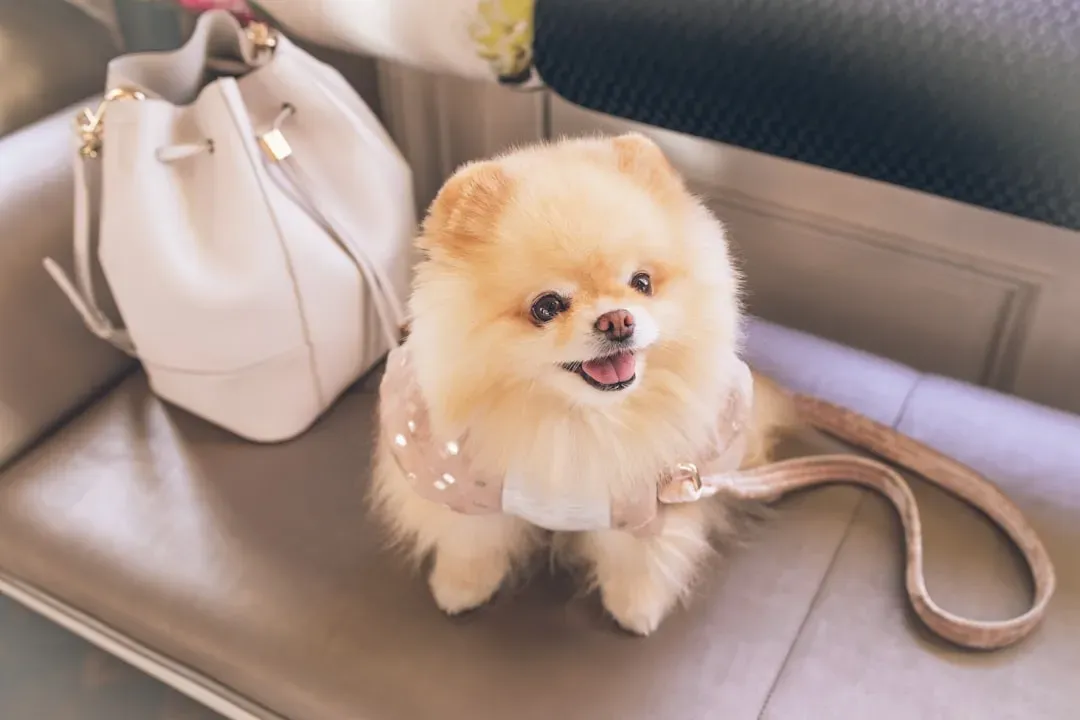
Pomeranians are often dismissed as diva dogs, all fluff and attitude. Let me be clear, there is far more going on under that glorious fur coat. Pomeranians are small dogs with a big personality and remarkable intelligence, and known for their vibrant personalities and strong loyalty to their owners, Pomeranians are incredibly alert and make excellent watchdogs, and they are quick learners and enjoy participating in activities that challenge their minds, such as obedience and trick training.
Pomeranians thrive on human companionship and can be very protective of their loved ones, often showing a boldness that belies their small size, and their intelligence and playful and affectionate nature make Pomeranians a popular choice for those seeking a smart and engaging small dog. One important health note for Pom owners: this breed’s double coat needs regular brushing to prevent matting and maintain skin health. Neglecting it can lead to discomfort and even skin infections. Keep up with grooming, and your clever little fluffball will thrive.
8. Cocker Spaniel: The Emotional Empath With a Scholarly Mind

There’s a reason Cocker Spaniels have been beloved family dogs for centuries. They’re not just sweet and gentle. They’re emotionally tuned in at a level that seems almost supernatural. Behind those soulful eyes lies a surprisingly sharp mind that craves mental stimulation, and Cocker Spaniels combine emotional intelligence with quick learning abilities, making them incredibly responsive to their families’ moods and needs, and these gentle brainiacs excel at interactive games and puzzle toys, and they’re particularly skilled at learning routines and can predict daily activities with uncanny accuracy.
Cocker Spaniels think before reacting and can interpret tone and gestures in ways that feel almost intuitive, and their active nature only deepens their ability to learn and adjust, even in busy homes. The key to keeping a Cocker Spaniel’s brain happy is variety. Don’t repeat the same routine endlessly. Switch up your walks, introduce new toys, try scent games. Their sensitive nature means they respond best to positive reinforcement and patience during training sessions. Harsh words genuinely hurt them. Kindness is your most powerful training tool here.
9. Boston Terrier: The Social Strategist in a Tuxedo
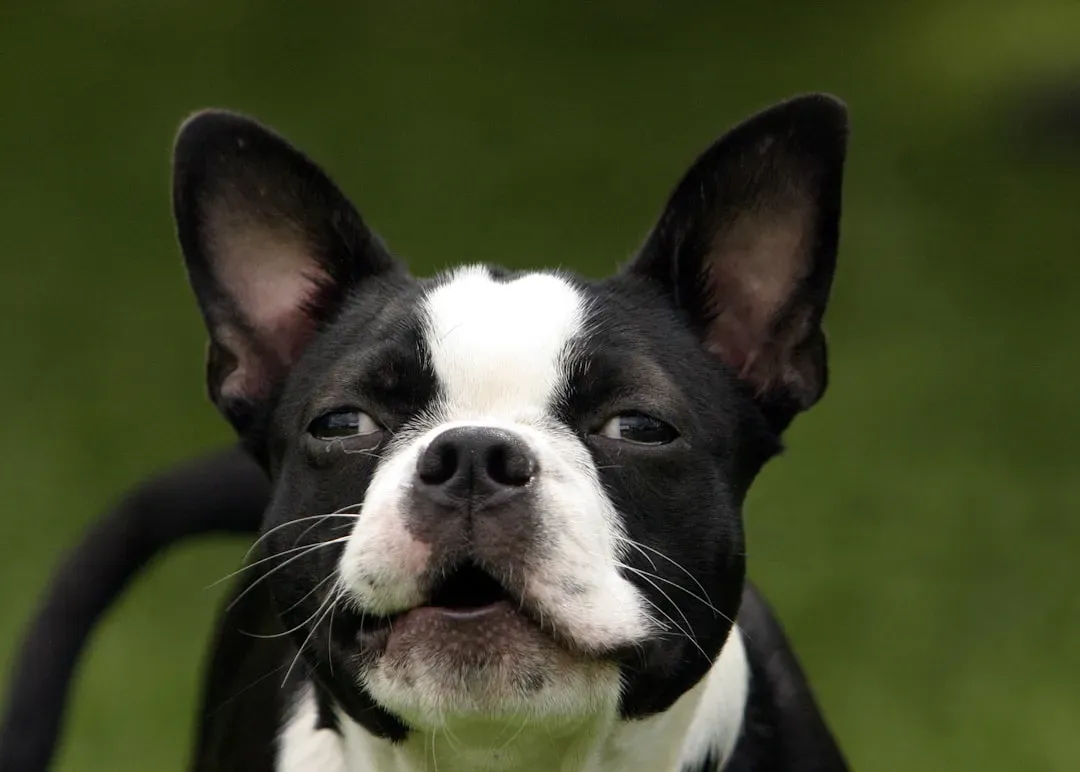
If any dog breed has mastered the art of reading a room, it’s the Boston Terrier. Boston Terriers are often called “the American Gentleman,” not just for their tuxedo-like coat but for their quick thinking, and they can read a room faster than most small breeds, adjusting their behavior to match the mood, and this emotional awareness is part of what makes them one of the smartest small dogs in the world.
Boston Terriers earn their nickname “American Gentleman” not just through their tuxedo markings, but also their sophisticated intelligence and social awareness, and these dapper dogs read social situations with remarkable accuracy, and their eagerness to please combines with natural cleverness to create highly trainable companions. One thing I find genuinely impressive about this breed is how they adapt. Whether you live in a noisy city apartment or a quiet suburban house, a Boston Terrier will figure out the rhythm of your home remarkably fast. Boston Terriers excel at learning tricks that showcase their personality and intelligence, and they respond particularly well to consistent, positive training methods and enjoy showing off their newly acquired skills to family and friends.
10. Havanese: Cuba’s Clever Little Ambassador
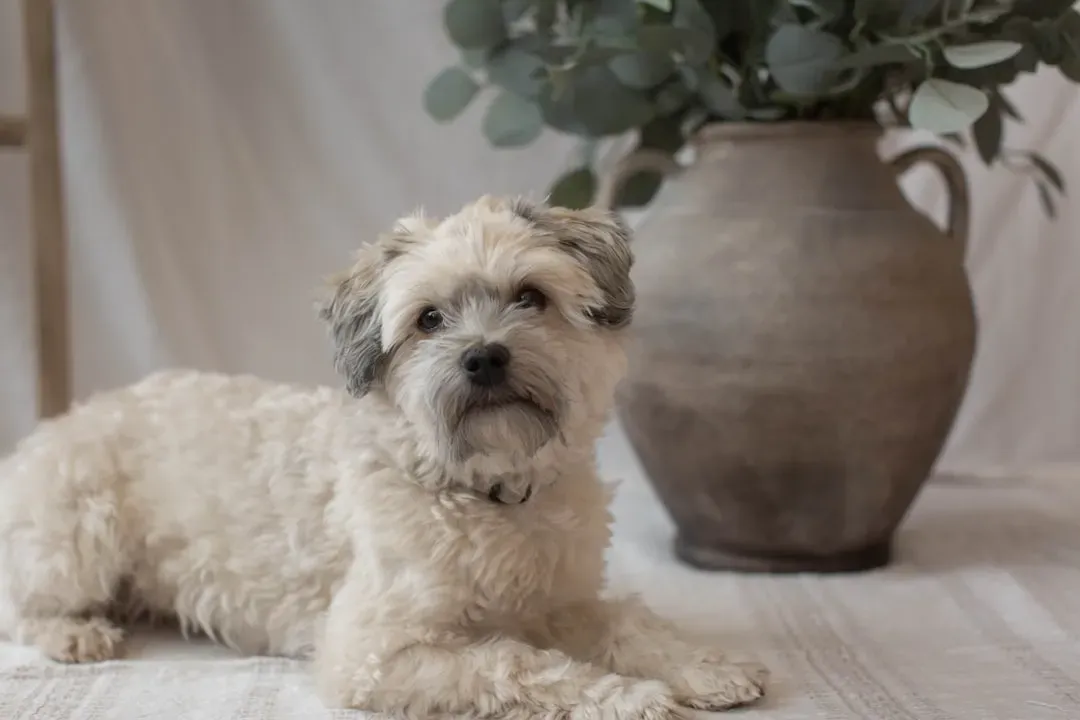
Small, silky, and irresistibly charming, the Havanese is Cuba’s national dog and a breed that brings surprising intellectual firepower wrapped in a warm, cuddly personality. Cuba’s national dog combines tropical charm with impressive intellectual capabilities, and Havanese dogs possess exceptional emotional intelligence and can read their owner’s moods with uncanny accuracy, and these silky-coated smarties excel at learning through positive reinforcement and social interaction.
Havanese thrive on human companionship and are happiest when they’re part of the family action, whether it’s a game of fetch in the park or a movie night on the couch, and their intelligence and trainability make them a joy to work with, though their sensitive nature responds best to gentle and positive reinforcement. One prevention tip worth noting: this breed is highly intelligent and eager to please its owners, and gentle and patient training will benefit the Havanese, as well as early socialization to other dogs and humans, and sticking to positive training methods will result in these dogs transforming into obedient and people-oriented companions.
The Bottom Line: Size Has Nothing to Do With Smarts
Here’s what it all comes down to: we’ve been underestimating small dogs for far too long. The smartest small dog breeds prove that intelligence isn’t about size, and from the clever Toy Poodle to the observant Papillon, these compact companions bring loyalty, adaptability, and impressive learning ability into your home. Every single breed on this list has earned its place not through hype, but through genuine, verifiable cognitive ability.
What truly matters is that you meet their mental needs. Having one of the smartest small dog breeds doesn’t guarantee perfect behavior, and intelligence requires structure and stimulation. Think of your smart little dog like a gifted student who needs the right classroom. Give them consistent training, mental challenges, and daily engagement. They will reward you with a level of connection and responsiveness that will genuinely change how you see dogs altogether.
Which of these brilliant little breeds surprised you the most? Drop your thoughts in the comments below and tell us about your own smart small dog!


