
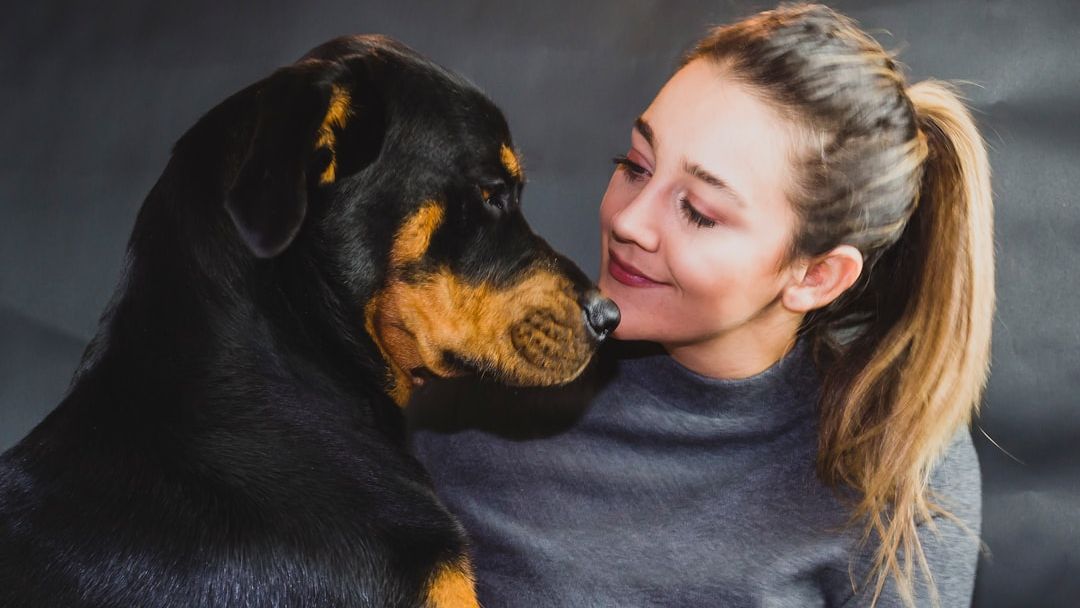
You fell in love with a photo. Maybe it was those piercing blue eyes of a Husky, or the noble, square jaw of a Rottweiler. Or perhaps someone’s adorable Dalmatian caught your eye and suddenly you were convinced that was your dog. We’ve all been there. The problem? That irresistible moment of “I want one” rarely comes with a full disclosure of what life actually looks like on day 47, when your new dog has chewed through your couch, ignored every command, and howled for three hours straight.
Here’s the thing – choosing the wrong breed as a first-time owner doesn’t mean you’re a bad person. It just means nobody warned you. As one dog behavior consultant put it, many of the most difficult cases originate from owners getting in over their head with a fashionable breed, and shelters see thousands of dogs each year that were mismatched with their owners – many of these poor fits could have been avoided if the humans spent more time researching their chosen breed. So let’s fix that. Right here, right now. Let’s dive in.
1. Siberian Husky: The Escape Artist That Never Gets Tired
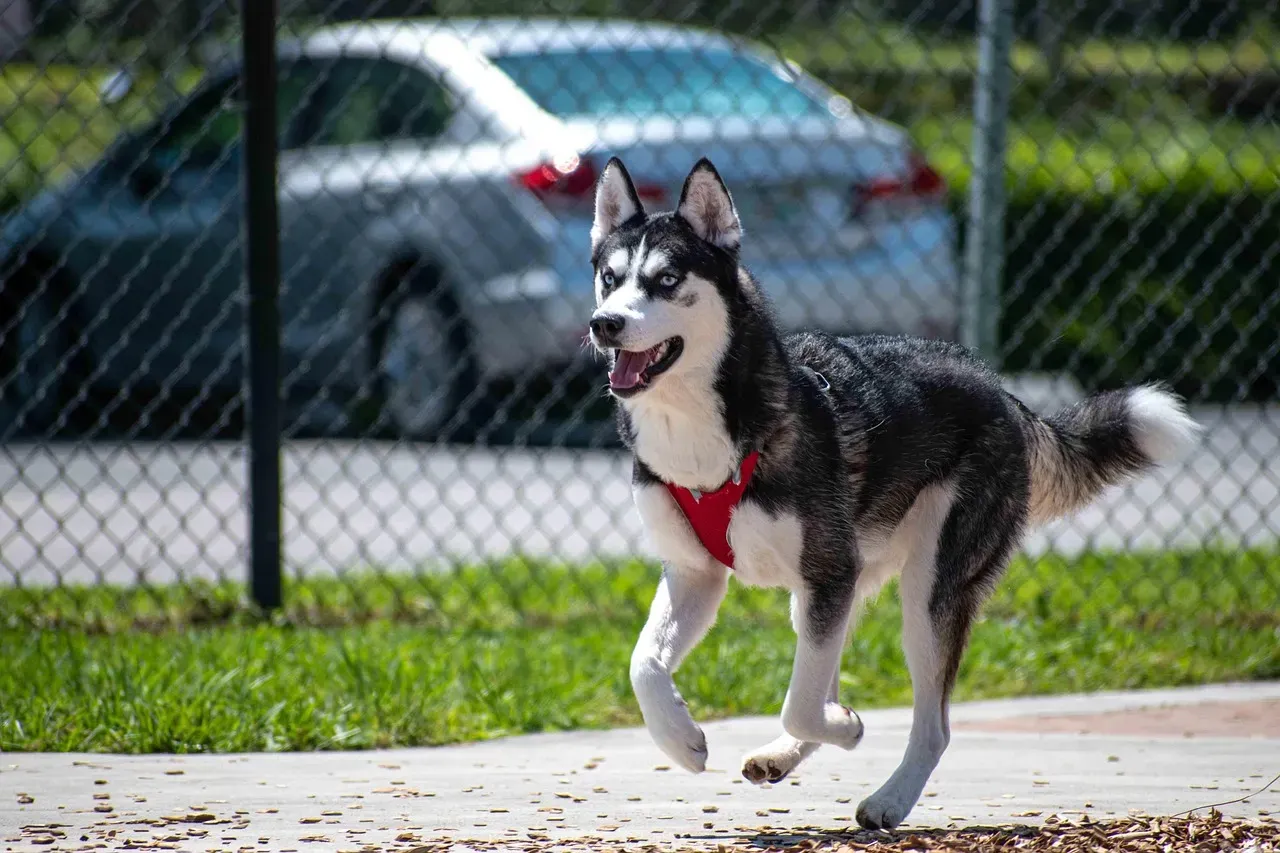
Huskies are high-energy working dogs, most commonly used for sled pulling, and are built for frigid temperatures. Known to pull sleds for up to 100 miles in 24 hours, these dogs have incredible endurance and can literally run all day. That is not a metaphor. That is your Saturday.
It’s very difficult to meet their intense exercise and mental stimulation needs, and they are often destructive when those needs aren’t met. Huskies have a very high prey drive and aren’t ideal for a home with small animals like cats. They are also well known for being escape artists and will stop at nothing to explore. Prevention tip: double-check every fence, every latch, every gate. Every single day.
2. Chow Chow: The Independent Spirit That Won’t Take Orders
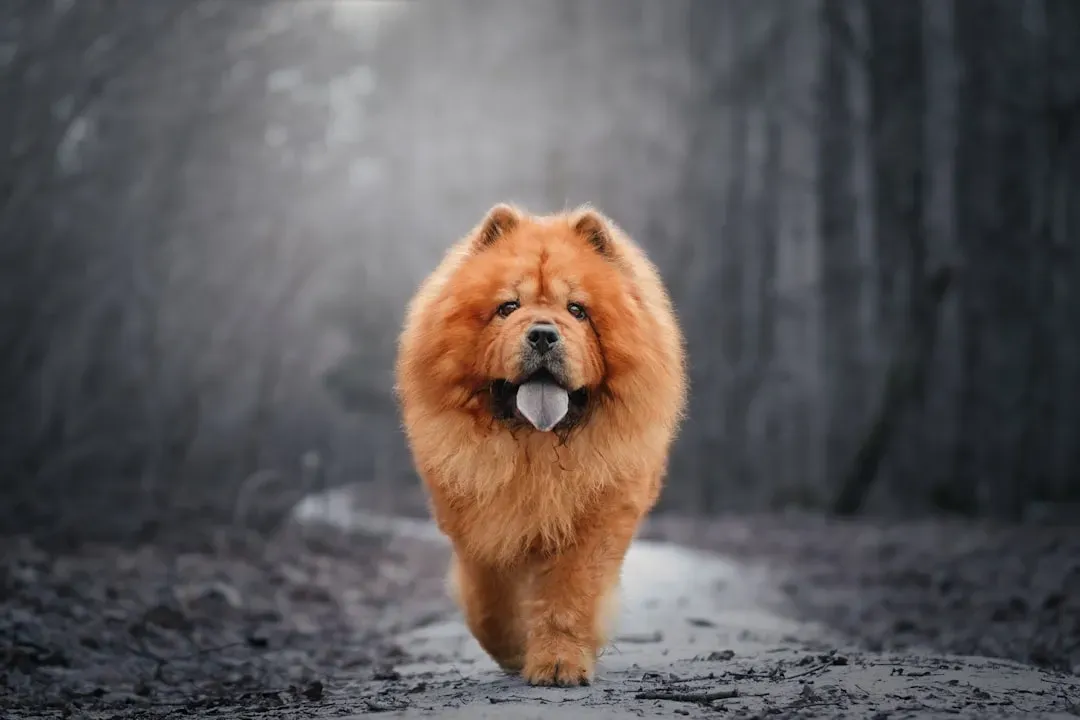
While they look like they’d be cuddly and sweet with their plump faces and fluff, they’re independent dogs that aren’t known to offer much affection. They’ve had some tough jobs in the past, from hunting to guarding, so they can be quite independent. Think of them as the cat of the dog world, except they weigh 70 pounds and have a bear-like temperament.
Without proper socialization, they can also be aggressive toward other dogs. Training is most effective with a seasoned, firm owner who knows the ropes and can keep the dog from thinking it’s in charge – which may not be the best attitude to have, given their size. First-time owners often find this combination of stubbornness and size genuinely overwhelming.
3. Akita: Loyal to One, Suspicious of Everyone Else
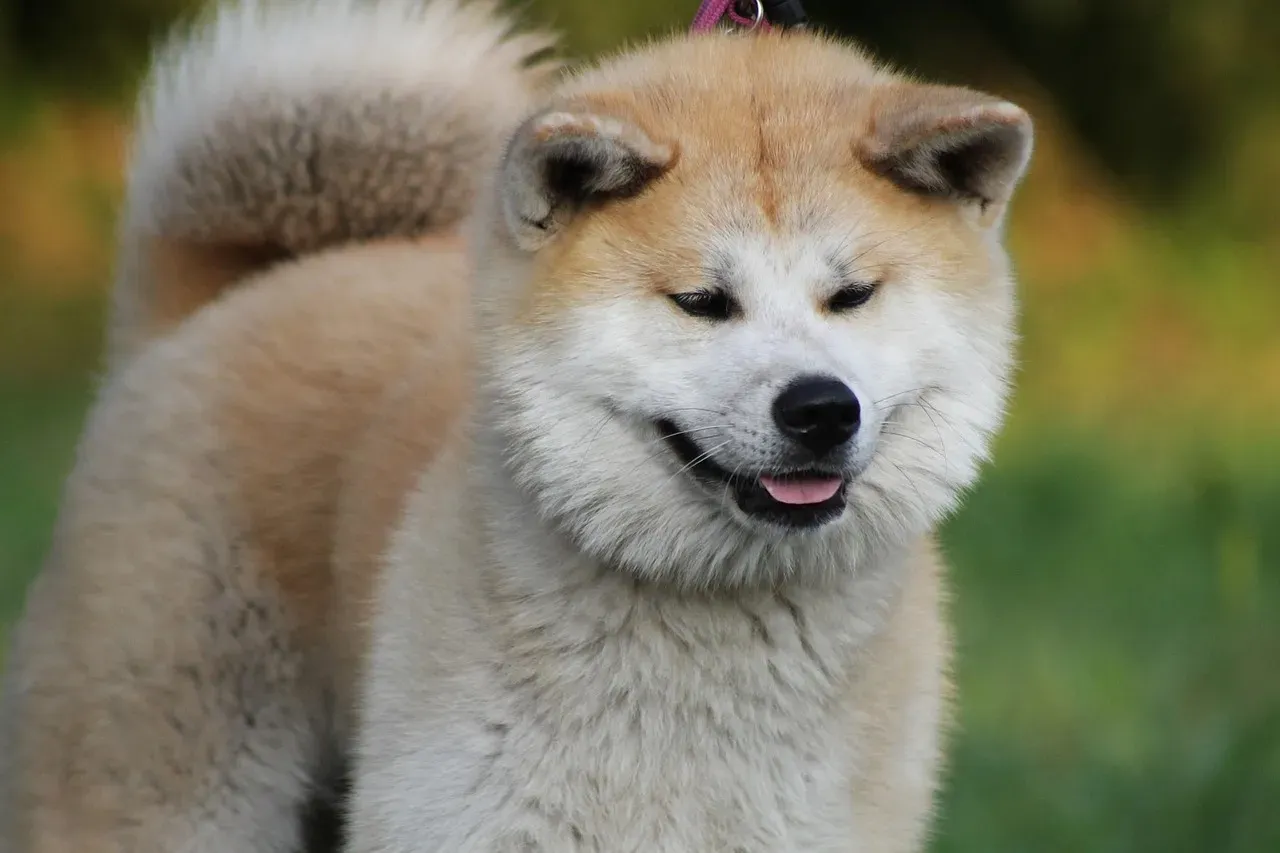
Akitas were bred to hunt big game, so they have a strong prey drive and can be aggressive if not adequately socialized and trained. Highly protective by nature, these dogs are often wary of strangers and do not always get along with other dogs. It takes an experienced pet parent to keep Akitas grounded and trained.
The large, powerful Akita was developed in Japan and was originally used for guarding, hunting, and herding. They are fearless, independent, and strong-willed, and can be quite a challenge to train. They have some serious territorial tendencies and can be prone to aggression if not trained and socialized properly. If you have young children or other pets at home, this one really isn’t the right starting point.
4. Border Collie: Too Smart for Its Own Good
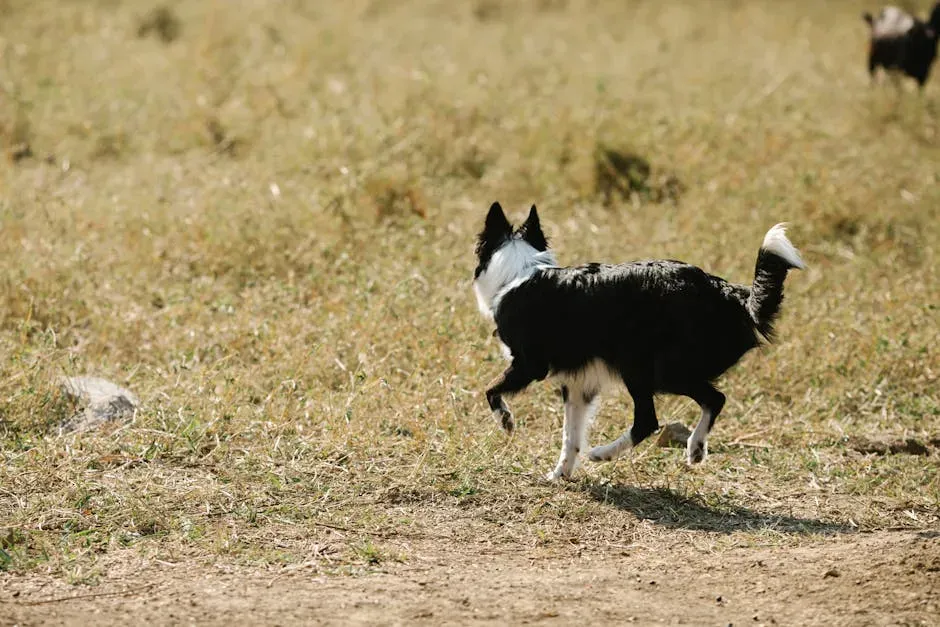
While you don’t necessarily need to have a ranch or a farm to adopt one, these dogs are very high energy and need ways to expend that energy. With their high intelligence and history as herders, having a job to do can help address their higher physical and mental stimulation needs. They may take to herding people or doing more destructive things if they don’t get those needs met or get proper training.
Working breeds like the Border Collie require high levels of mental and physical stimulation. They are typically intelligent and energetic and excel at tasks like herding or obedience. Without proper exercise and mental stimulation, they can become bored, develop behavioral issues, or exhibit destructive behaviors. Imagine having a genius toddler who never naps. That’s roughly what you’re signing up for.
5. Alaskan Malamute: The Giant Sled Dog With Terrible Recall
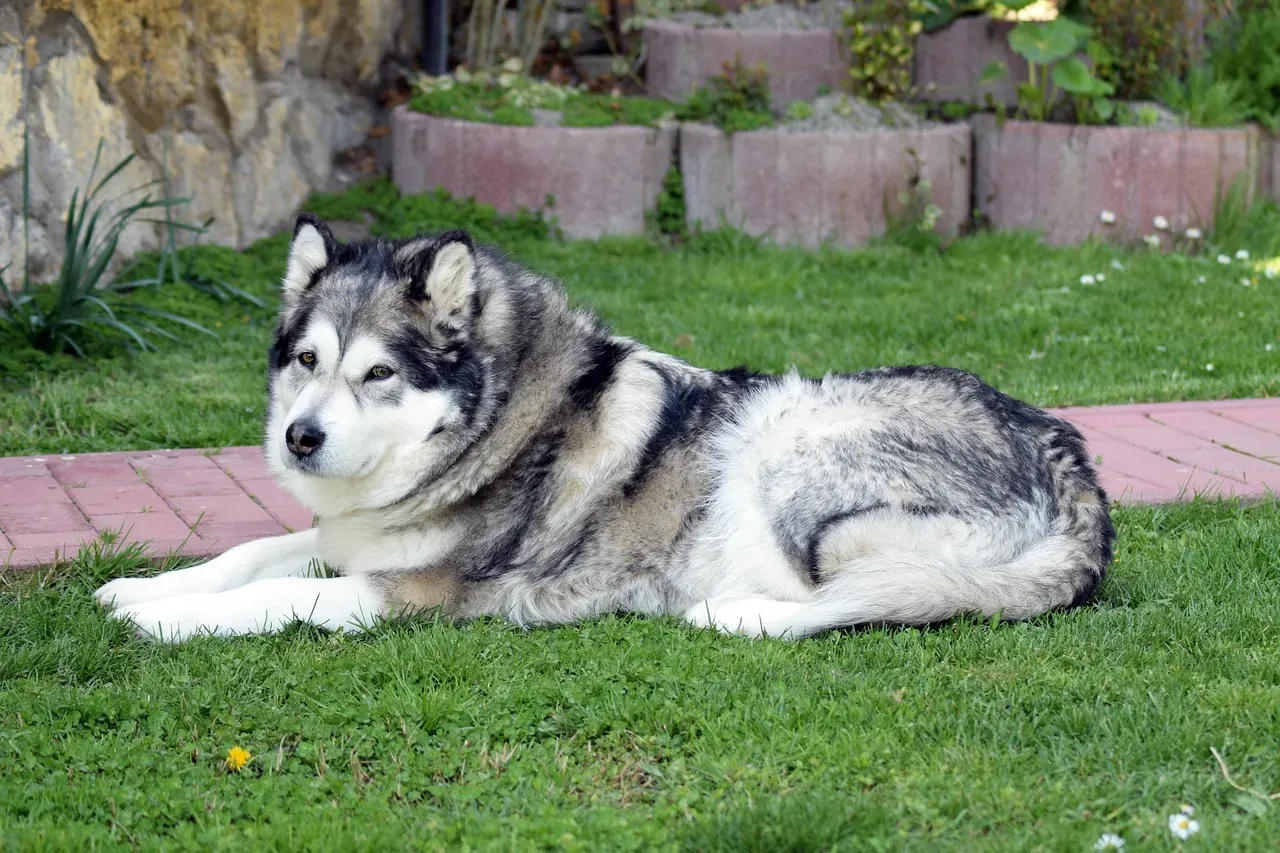
Alaskan Malamutes are incredibly headstrong, can be difficult to train, and tend to pull on a leash, so they need a strong leader that knows how to handle them. They also have a strong prey drive and aren’t ideal around smaller animals. The Alaskan Malamute typically doesn’t do well with other dogs, either, especially with dogs of the same sex.
The breed will go to great lengths to escape their homes and yards to explore the world around them. They are also a breed with terrible recall and should never be allowed off-leash. Malamutes truly require a compatible family and would not be recommended as someone’s first dog. Their fluffy appearance is dangerously misleading. Don’t be fooled.
6. German Shepherd: Brilliant but Demanding
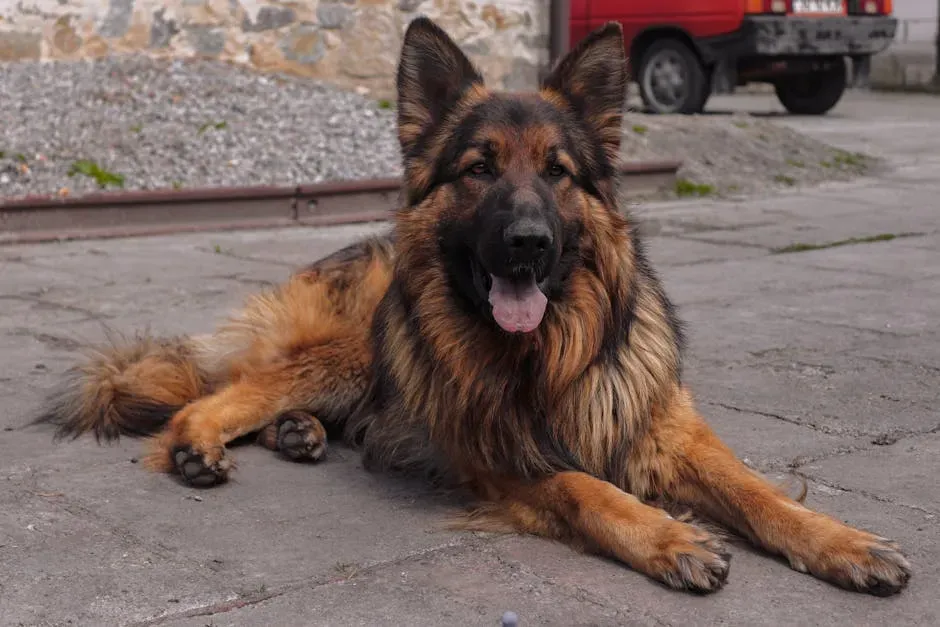
German Shepherds may look intimidating, but the reason they can be a bit harder for new dog owners is their high-maintenance nature. They are exceptionally smart and have been bred to do a wide range of jobs over the years, but training is essential to bring out the best in them. They’re used to having something to do, and being left to their own devices won’t work for them. It may also lead to overly protective and sometimes aggressive behavior.
The German Shepherd is a bright, stately, and confident dog that needs intense training to control their guarding instincts. If their bark isn’t enough to dissuade someone from coming into your home, their menacing stance and facial expressions will. Though they’re affectionate with their favorite human, their aggression may be daunting for a first-time pet parent. They are worth every bit of effort, but that effort is genuinely significant.
7. English Bulldog: A Health Bill Disguised as a Dog

Bulldogs are brachycephalic, meaning they have short, squished faces with small noses. This makes it hard for them to breathe, perform exercises, and swim. Bulldogs are also sensitive to stress and heat. Watch for signs of labored breathing, especially in warm weather – it can escalate quickly.
Brachycephalic breeds like English Bulldogs require intensive health management. Their anatomical issues commonly cause suffering and expenses that overwhelm novice owners. As a first-time dog owner, you may also find your Bulldog being stubborn, which can put you under a lot of pressure, especially during training. Honestly, the vet bills alone can be the biggest shock for new owners.
8. Dalmatian: The 101 Problems Nobody Warned You About
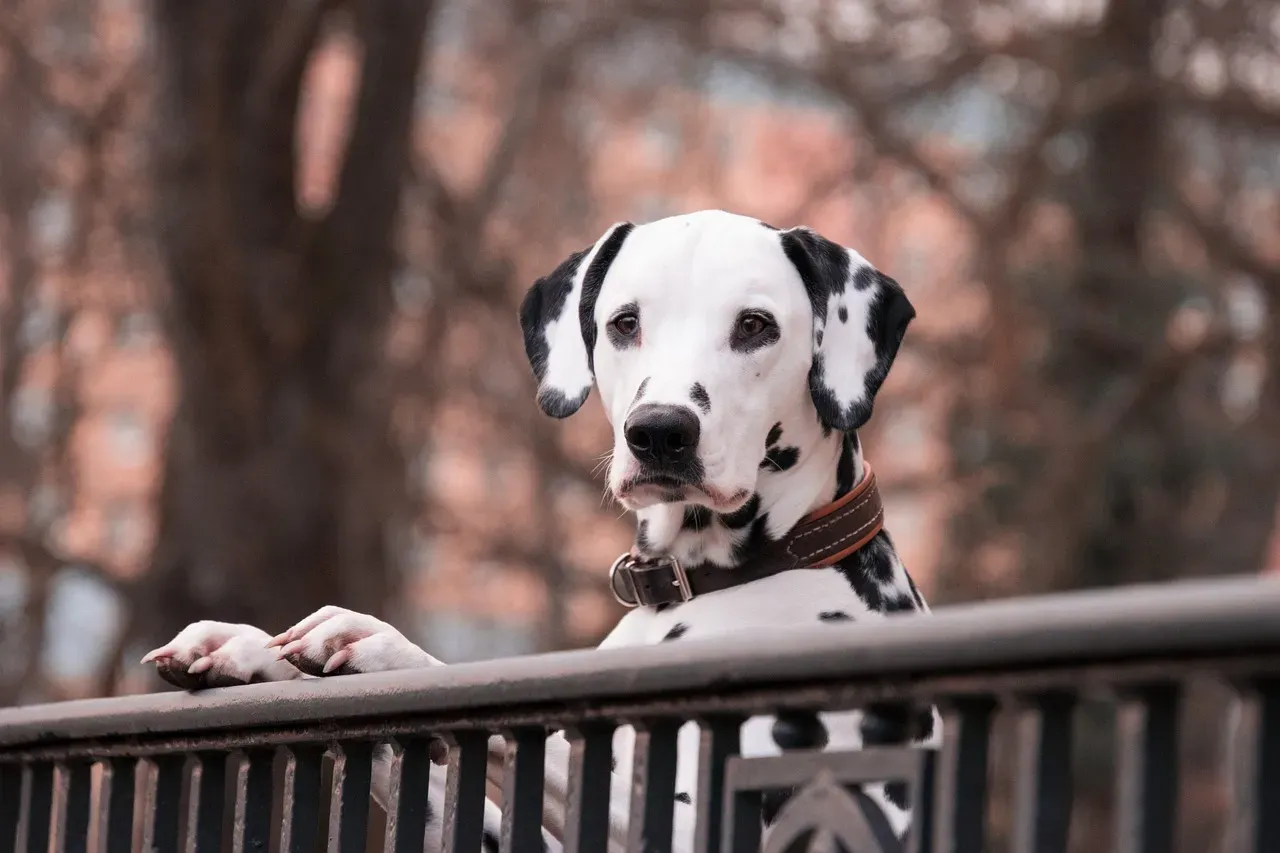
Popularized by the movie “101 Dalmatians,” these dogs are notoriously difficult for even experienced owners. They were originally bred to run barking ahead of fire engines, so they need a lot of energy release and can be quite barky.
As hunting dogs, they have a high prey drive and may not be trustworthy off-leash until thoroughly trained. Housetraining can be challenging for the breed. Inexperienced owners will have difficulty potty training them. A Dalmatian’s personality is bright, but their needs are also extremely high. The movie made them famous. Reality made them infamous.
9. Rottweiler: Power Without Proper Guidance Is Dangerous
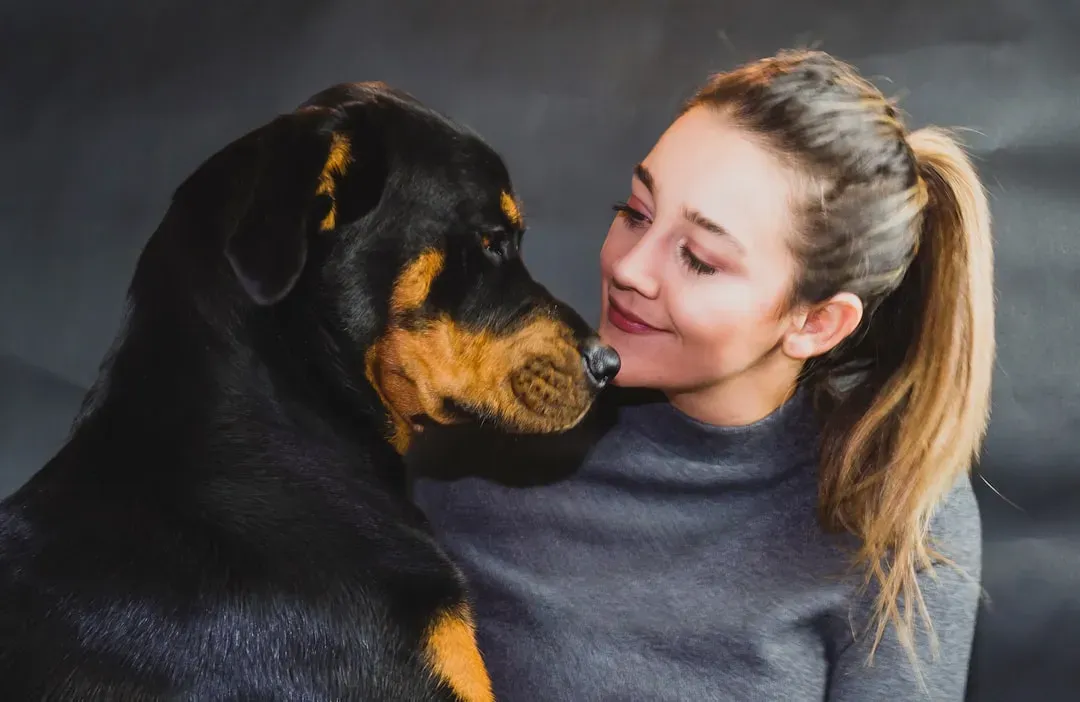
Guardian breeds like the Rottweiler have strong protective instincts, which can be more challenging for inexperienced owners. They require proper socialization, consistent leadership, and early training to ensure they become well-behaved and well-adjusted companions.
Veterinary consultants advise avoiding intensely athletic and protective breeds like Rottweilers for first-time owners. Their energy, strength, and guarding instincts require extensive obedience training, stimulation, and handling knowledge. Without a confident, knowledgeable hand, a Rottweiler’s protective instincts can spiral into real behavioral problems. Positive reinforcement from day one is non-negotiable.
10. Bullmastiff: 130 Pounds of Independent Thinking
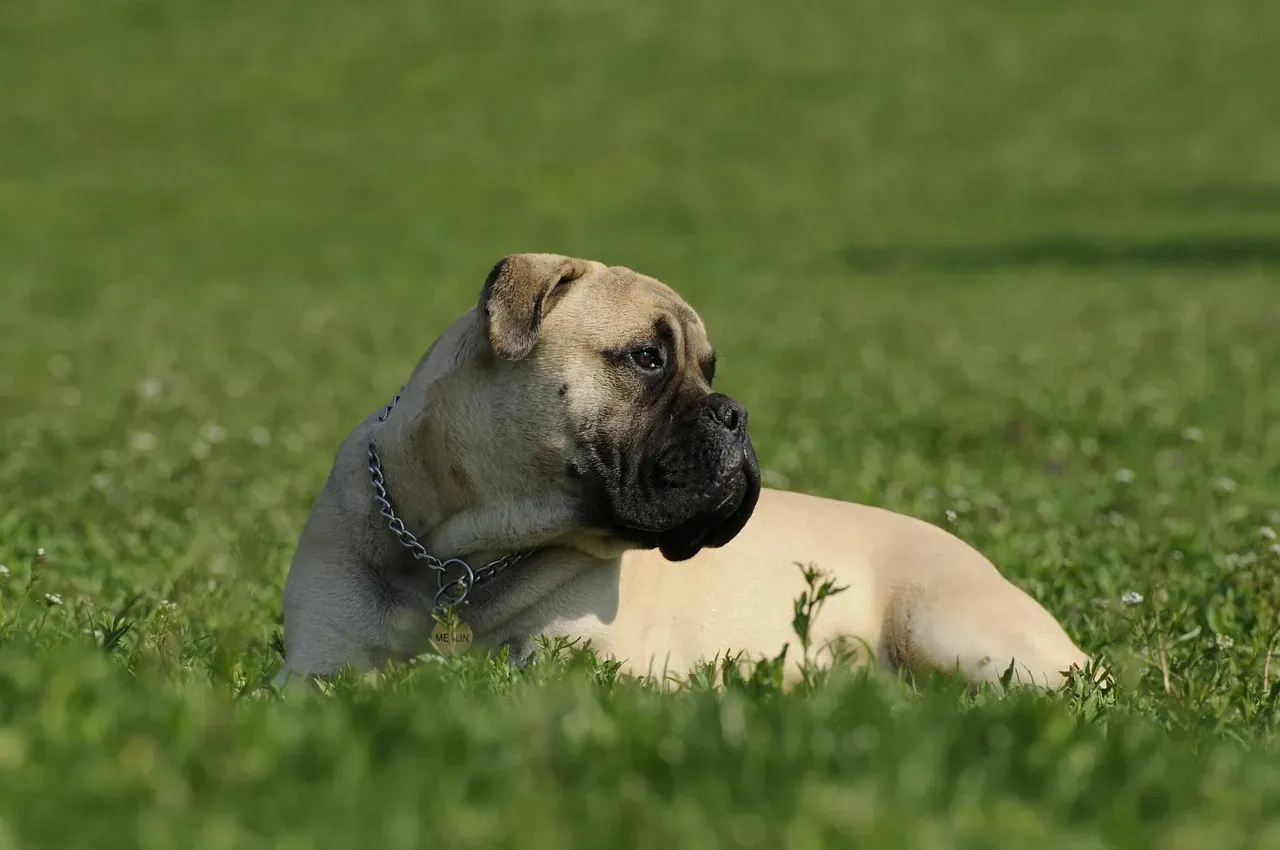
Bullmastiffs are muscular, large dogs weighing up to 130 pounds. Their owners must demonstrate that they are the Alpha to keep them well-behaved. That’s quite difficult for a novice to do. Bullmastiffs are independent thinkers, and they do whatever they want.
Their protective nature means they need extensive socialization from a young age. Inexperienced owners may struggle to socialize them properly, which could result in aggression issues. This training must start from a young age and use positive reinforcement methods. Harsh techniques will not work and could cause problems. Size combined with stubbornness is a humbling combination for even seasoned owners.
11. Cane Corso: Not a Dog, It’s a Commitment
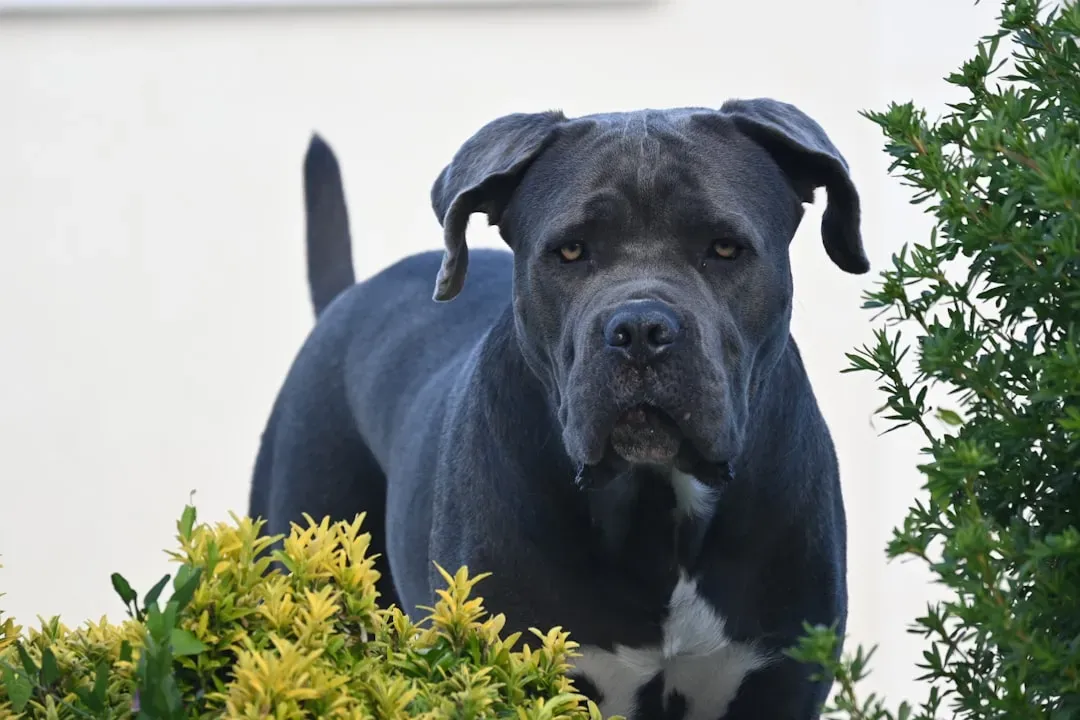
The Cane Corso breed has gained traction recently and has become one of the most highly desired guard dog breeds. While these big, lovable mastiffs can make great companions, they are not suited for everyone. Descended from Roman war dogs, the Cane Corso has incredible strength and athleticism.
Cane Corsos are bred to be guard dogs, fostering the tendency to become overly wary and suspicious of strangers and new things. This makes them difficult dogs for many homes. Their loyalty to their favorite humans often comes at the expense of aggression towards strangers, so they need lots of positive training and socialization. If they’re not socialized from an early age, their protectiveness can develop into aggression or fear towards others.
12. Belgian Malinois: A Working Dog, Not a Pet
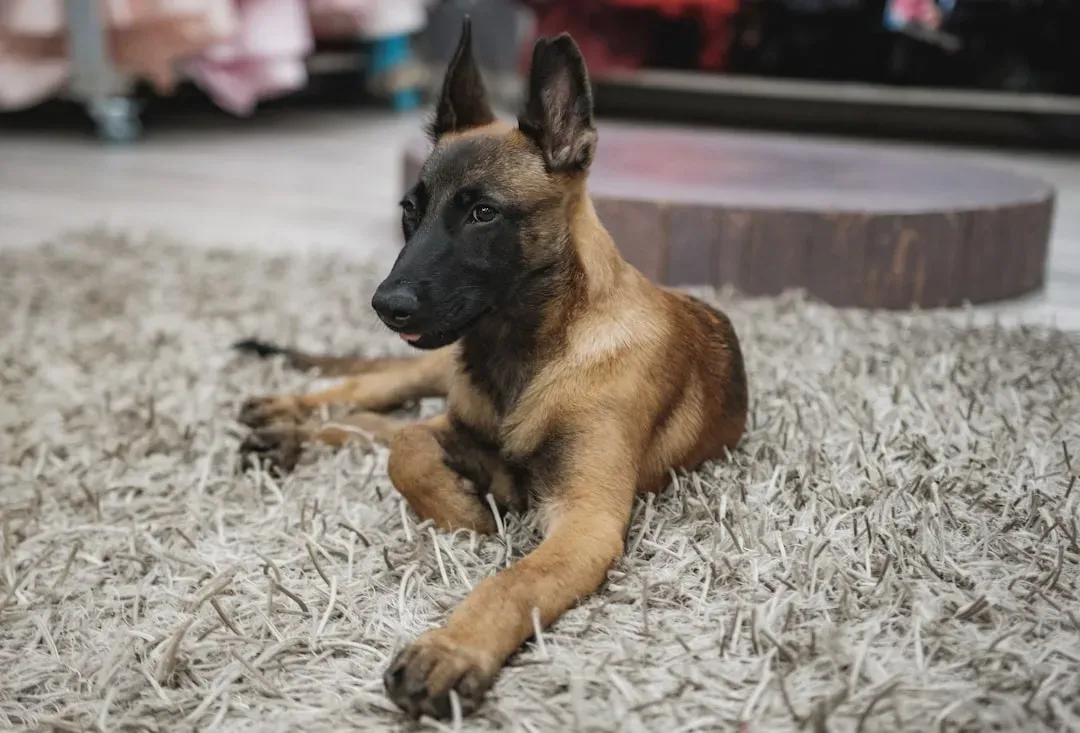
The Belgian Malinois is a poor choice for a first-time dog owner and can be difficult even as a pet. They are too intelligent and athletic for most people to manage and keep stimulated. These are the dogs used by military and law enforcement units for a reason – they are built to work relentlessly.
Working breeds like the Belgian Malinois require high levels of mental and physical stimulation. They are typically intelligent and energetic and excel at tasks like herding or obedience. Without proper exercise and mental stimulation, they can become bored, develop behavioral issues, or exhibit destructive behaviors. Think of them like a Formula 1 car: incredible machine, but it needs the right driver behind the wheel.
13. Weimaraner: The Dog That Needs a Job Description
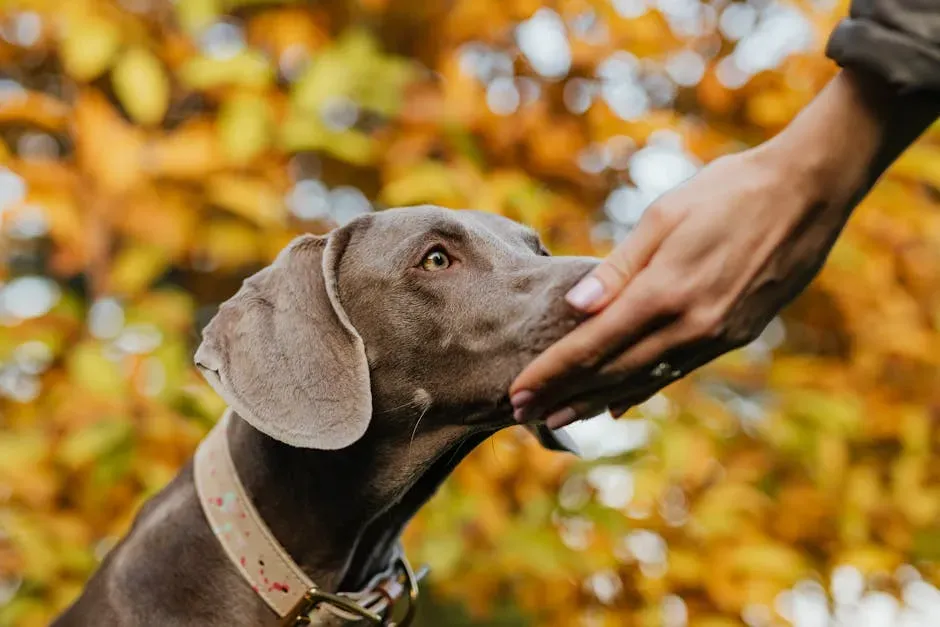
Weimaraners are intelligent dogs that need to be managed by experienced owners. They’re also difficult to train at home since they have a high prey drive and like chasing other pets. If you go out for a jog, a Weimaraner can accompany you, but you’re unlikely to tire them out without providing more exercise.
These sleek grey dogs are stunning to look at, which makes them tempting for first-timers. But looks can be wildly deceiving. Temperament plays a significant role in how well-suited a breed may be for a first-time owner. Without much experience, highly independent, task-oriented, stubborn, or anxious dogs can be very challenging and require intense training and attention. Weimaraners check nearly every box on that list.
14. Australian Cattle Dog: The Herder Who Will Herd Your Kids
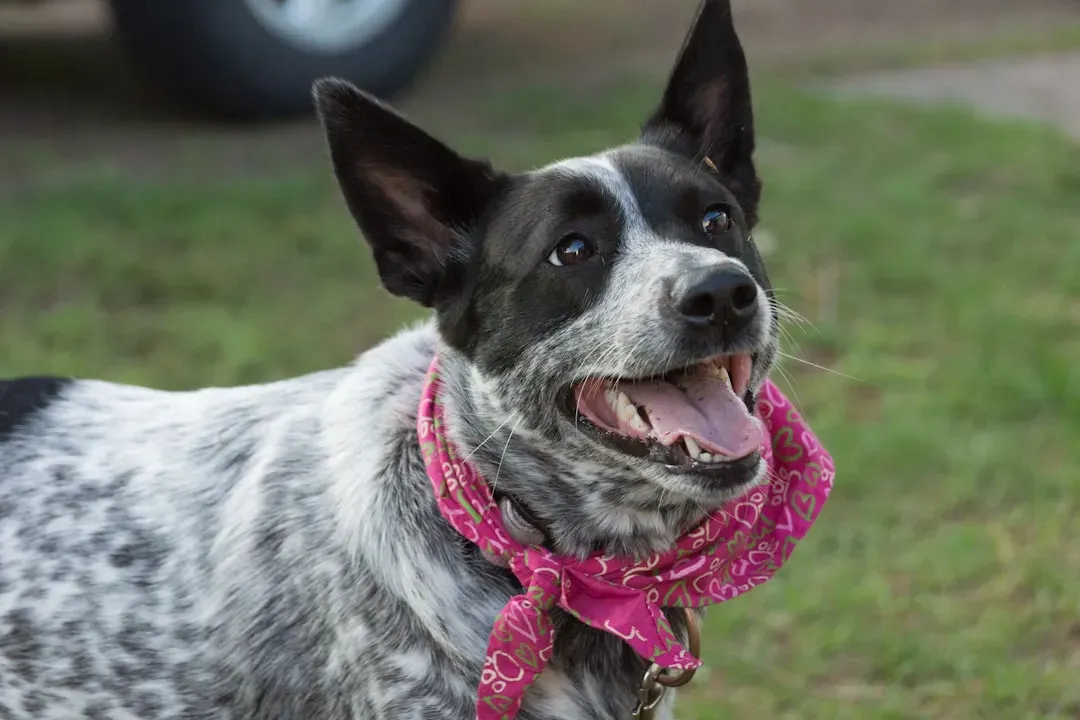
You may know the Australian Cattle Dog as the Australian Heeler or Blue Heeler. They were bred for herding, which is why they are highly energetic. However, they are not ideal for first-time owners due to their stubborn nature. They are also quite intelligent, which helps them trick their owners.
Australian Cattle Dogs require lots of exercise to channel their energy. You will also be surprised by their adventurous nature, which often puts them in danger. They are wary of new dogs and strangers and may aggressively bark. Yes, they will absolutely try to herd your children, your guests, and quite possibly your furniture.
15. Shiba Inu: Adorable Online, Challenging in Real Life
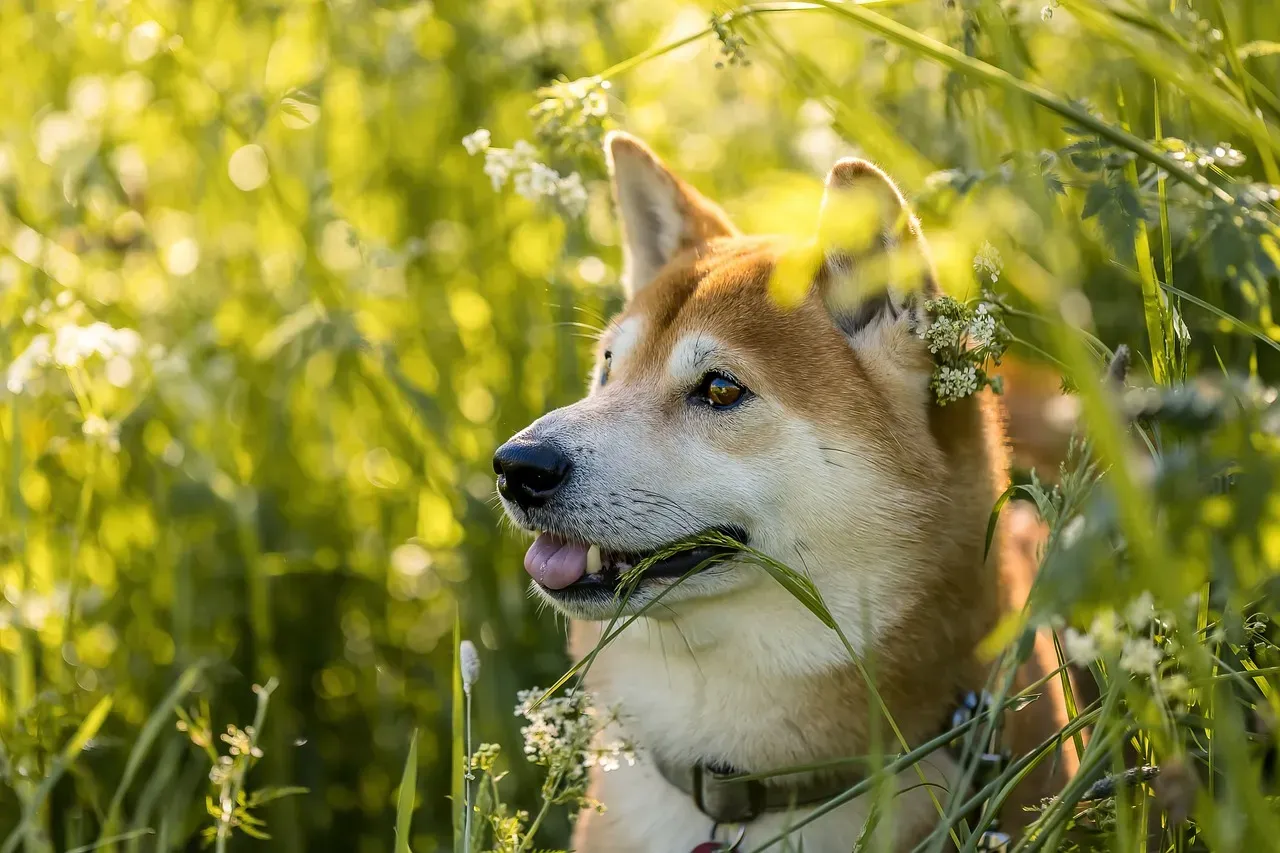
Shiba Inus are potentially the cutest dogs on the internet, but they’re not for beginners. Their independent nature makes people liken them to cats, and they can be very difficult to train.
Energy-wise, they need plenty of nice long walks. They should be kept on a leash, since they’re often very difficult to train to come when called. Their coat is short but very thick, needing semi-regular grooming. In intelligence studies, Shibas ranked 92 out of 137 and needed 25 to 40 repetitions to learn a new command. The internet made them a meme. Your couch will make them a menace.
Now for the Good News: 5 Breeds That Are Surprisingly Easy
Take a breath. Not every dog breed is a first-time nightmare. These five are genuinely manageable, rewarding, and well-suited to the learning curve that every new dog owner inevitably faces. Honestly, I wish more people knew about these options before making an impulse decision.
16. Labrador Retriever: The Gold Standard for a Reason

Transitioning into dog ownership couldn’t be easier with a Labrador Retriever. Known for their gentle temperament, Labs are friendly, playful, and great with kids. They love being part of family activities and are quick learners, making training enjoyable even for beginners. Because of their loyal and affectionate nature, they are among the most popular dog breeds worldwide.
There’s a reason Labs were the most popular dog breed in the U.S. for over three decades. If you’re looking for an active dog that will go running with you, hike a trail, or play flying disc with the kids, a Labrador retriever is a great option. These large dogs adapt well to different situations, and they’re a highly intelligent breed that loves to learn. Labs basically meet you where you are, and that’s priceless for a beginner.
17. Golden Retriever: Gentle, Patient, and Almost Impossibly Kind

Much like Labradors, Golden Retrievers are affectionate, patient, and eager to please. Their intelligence makes them highly trainable, and they thrive on human interaction. Golden Retrievers are also known for their calm demeanor, making them excellent companions for children and other pets.
Arguably one of the best dogs for first-time owners, the golden retriever is one of America’s most beloved canines for good reason. This lovable pup is exceptionally friendly, gentle in nature, and devoted to its owners. Goldens are also known for being obedient and easy to train – this is one of the reasons many service dogs are golden retrievers. If there were a beginner dog on a pedestal, it would be wearing a golden coat.
18. Cavalier King Charles Spaniel: The Perfect Apartment Companion
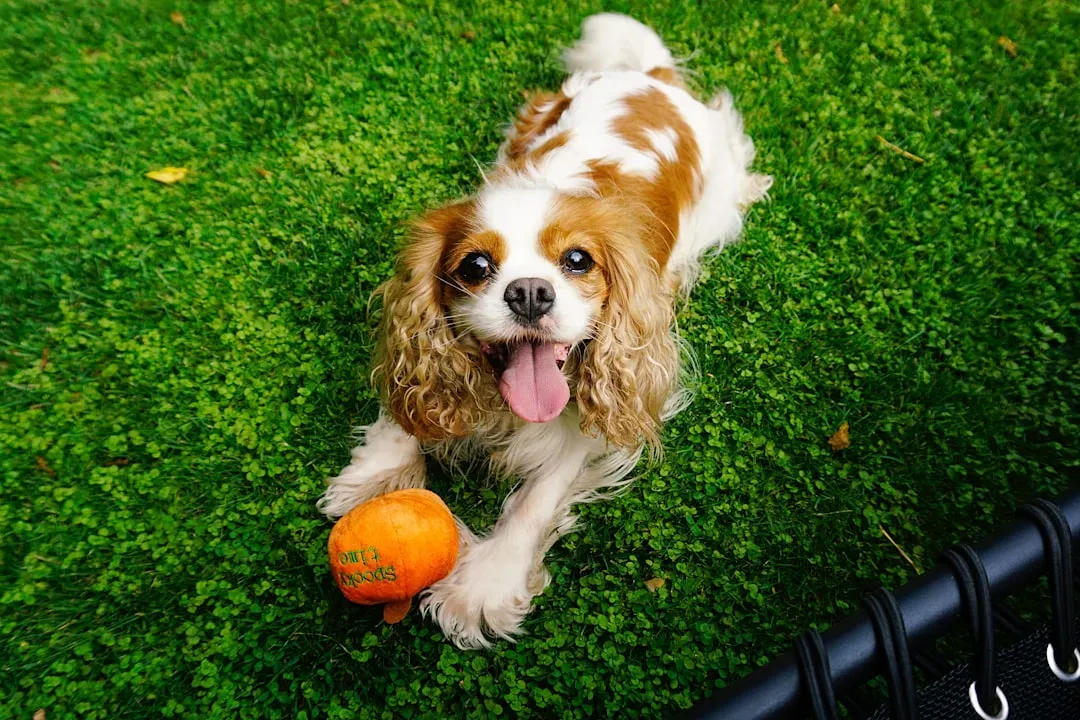
This gentle, affectionate breed is known for being adaptable and good with all sorts of people, from young children to the elderly. The Cavalier is very trainable and open with strangers. While they do need regular grooming and an average amount of exercise, they are overall a low-maintenance breed.
Known as Cavs, the Cavalier King Charles Spaniel is one of the easiest dogs to own, making it perfect for first-time dog owners. Gentle, affectionate, adaptable, and friendly with everyone they meet including other dogs, this breed is also easy to train. They’re sociable and want to spend time with their humans. They’re as content to lay down at your feet as they are to go for a romp in the backyard.
19. Bichon Frise: The Little Cloud That Rarely Causes Trouble
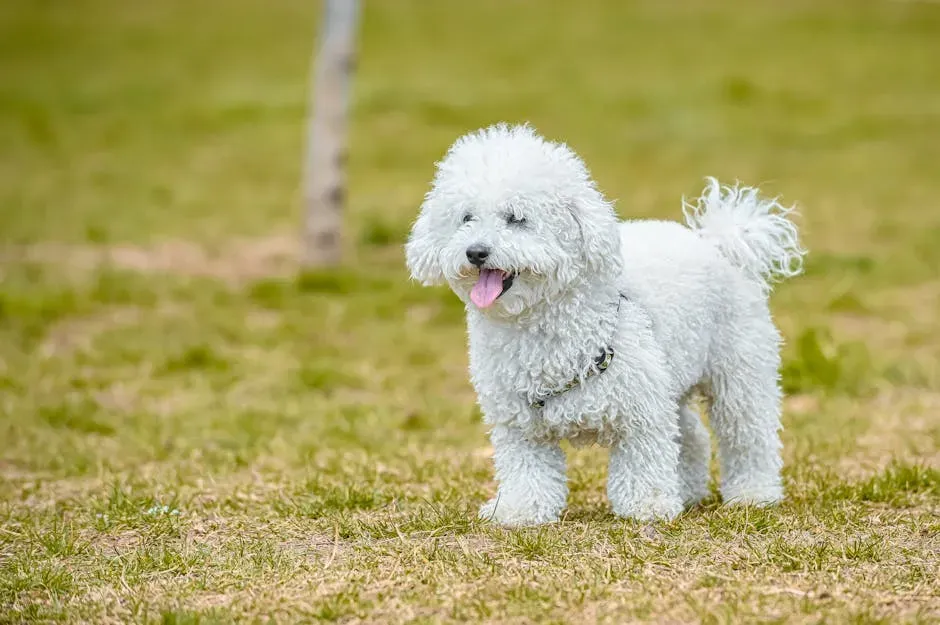
Known for its loving and playful personality, the Bichon Frise is an intelligent and charming lapdog who befriends just about everyone they meet. They are one of the best dogs for first-time parents because they’re typically easier to train and are great with kids. Their fluffy white coat is considered hypoallergenic and they don’t shed much.
The Bichon Frise was literally bred to be a pet, and the originators of the breed did a good job. Easy to own, loves his or her family, small and cuddly. This breed rarely shows up with behavioral problems. One small caveat: the Bichon is notorious for being hard to house break, so arm yourself with patience and a good enzymatic cleaner early on.
20. Poodle: The Smartest Easy Dog You’ll Ever Own
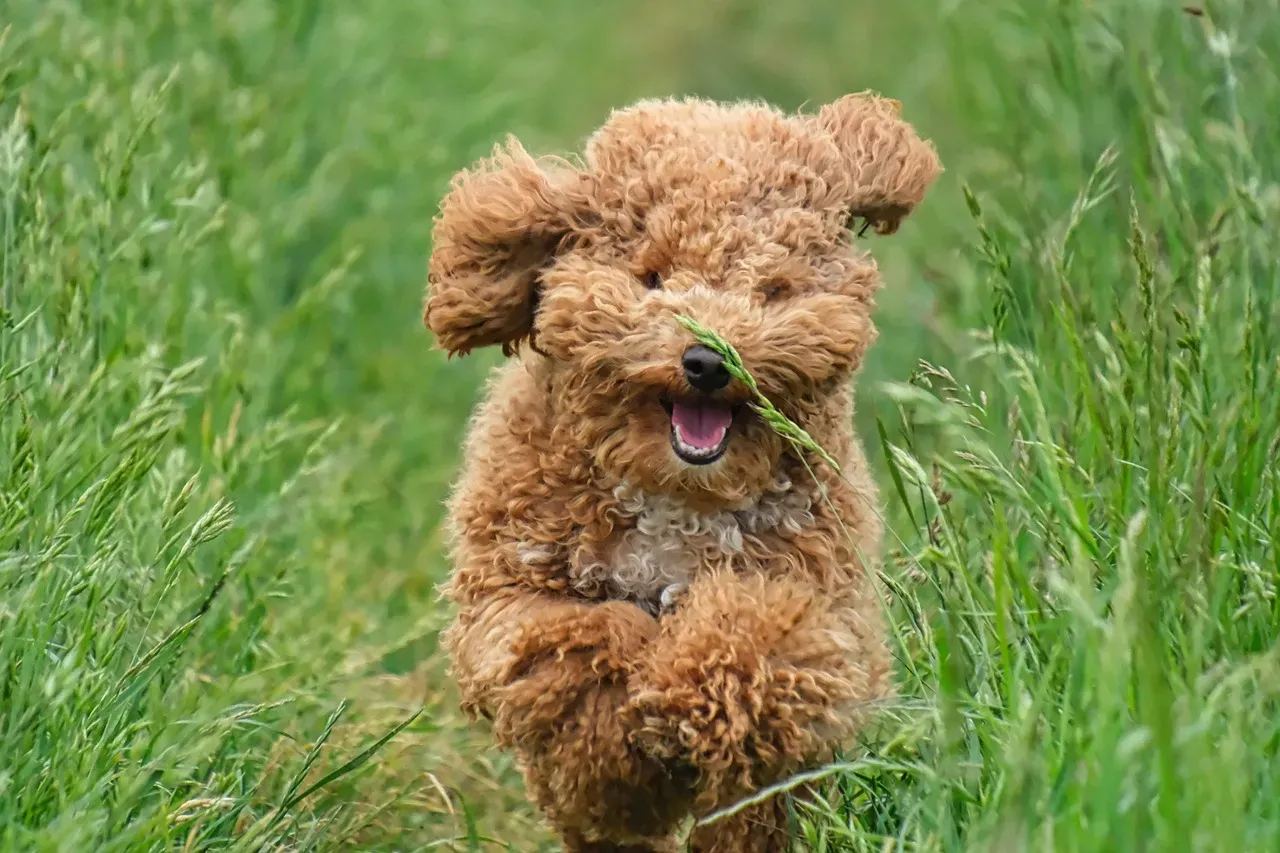
The Poodle is an exceptionally smart breed that excels in all kinds of dog sports. The breed comes in three size varieties – Toy, Miniature, and Standard – which may contribute to why this is one of the most popular breeds.
No matter their size, Poodles are adaptable, smart, and easy to train. They do need regular grooming, but their low-shedding coat, which produces less dander than many breeds, makes them a great choice for people who are allergic to dogs. I think Poodles are genuinely underrated in the “cool dog” conversation. People overlook them because of the fancy haircuts, not realizing they’re getting one of the most trainable dogs on the planet.
The Final Word: Know Your Dog Before You Fall in Love

Here’s the bottom line. Every single dog on the “nightmare” list is capable of being a wonderful companion in the right hands. While all pups have unique quirks, certain breeds pose extra training, exercise, and health demands better tackled by seasoned owners. But with preparation and an openness to learn, even “difficult” dogs can thrive in loving forever homes.
The difference between joy and regret usually comes down to one thing: research. Becoming a dog owner for the first time is an exciting moment, but it also comes with a lot of responsibility. Choosing the right breed can make all the difference in how you handle the experience. An easygoing, low-maintenance pup helps make the transition to pet parenthood go more smoothly.
Many incredible pets are waiting for loving homes in animal shelters and rescues. Mixed-breed dogs can be some of the most loving, smart, and affectionate pups you’ll ever know. No matter what dog you choose, be prepared to give them consistent love, care, patience, and attention. In return, you’ll get plenty of love, tail wags, and snuggles, and you’ll find a faithful, devoted friend.
Your dog doesn’t need you to be perfect. They just need you to be prepared. So before you fall in love with a face, fall in love with the facts first. What breed surprised you the most on this list? Tell us in the comments.


