
Your dog can’t tap you on the shoulder and say, “Hey, I need you right now.” Instead, they speak in a language made up of behavior, body language, and quiet shifts in mood that are easy to miss when life gets busy. Most dog owners notice the obvious stuff – the barking, the jumping, the chewed-up couch cushion. The subtler signs, though? Those tend to slip past us completely.
Even the most devoted pet parent can get bogged down with work stress and everything else life throws at them – and when that happens, it can come at the expense of quality time with your dog. That’s not a character flaw. It’s just real life. Still, knowing what to watch for puts you in a much better position to respond before small behavioral changes turn into bigger problems. Here are ten signs your dog might be quietly asking for more of you.
1. They Follow You From Room to Room
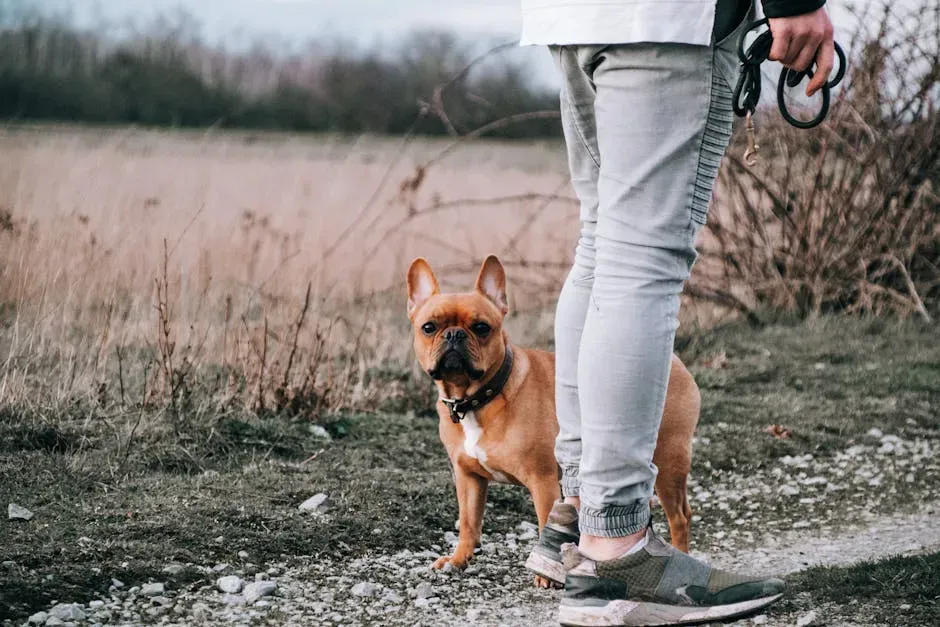
Most people assume their dog follows them around simply out of love – and that’s partly true. The reason they follow you might not only be because they love you and want to be near you. Your pup might also want you to pay attention to them. It’s their way of staying close to the one thing that makes their world feel secure.
Sometimes dogs that are left for long periods of time become far clingier when their owner is there, and what is perceived as attention seeking is actually a separation-related issue. If your dog has recently started shadowing your every step more than usual, take it as a gentle nudge rather than something to dismiss. Try sitting with them intentionally for even ten minutes – you’ll often notice the “following” behavior decrease once they feel genuinely seen.
2. They Stare at You With Unusual Intensity

Following you, rubbing against you, sitting on your lap, or staring can show affection or be requests for something your pet wants, such as food, play, or comfort. A long, lingering gaze from your dog is one of the most polite ways they know how to communicate a need. It’s easy to overlook, especially if you’re working or scrolling through your phone.
Experts cite sustained staring as a signal that your pup wants you to notice them. This is your dog’s most subtle and polite way to say “Hi, can I have a moment of your time?” If that signal goes unanswered, most dogs escalate to louder or more disruptive behaviors. Responding early – even with brief eye contact and a kind word – can prevent that cycle from starting.
3. They’ve Become Unusually Quiet and Withdrawn
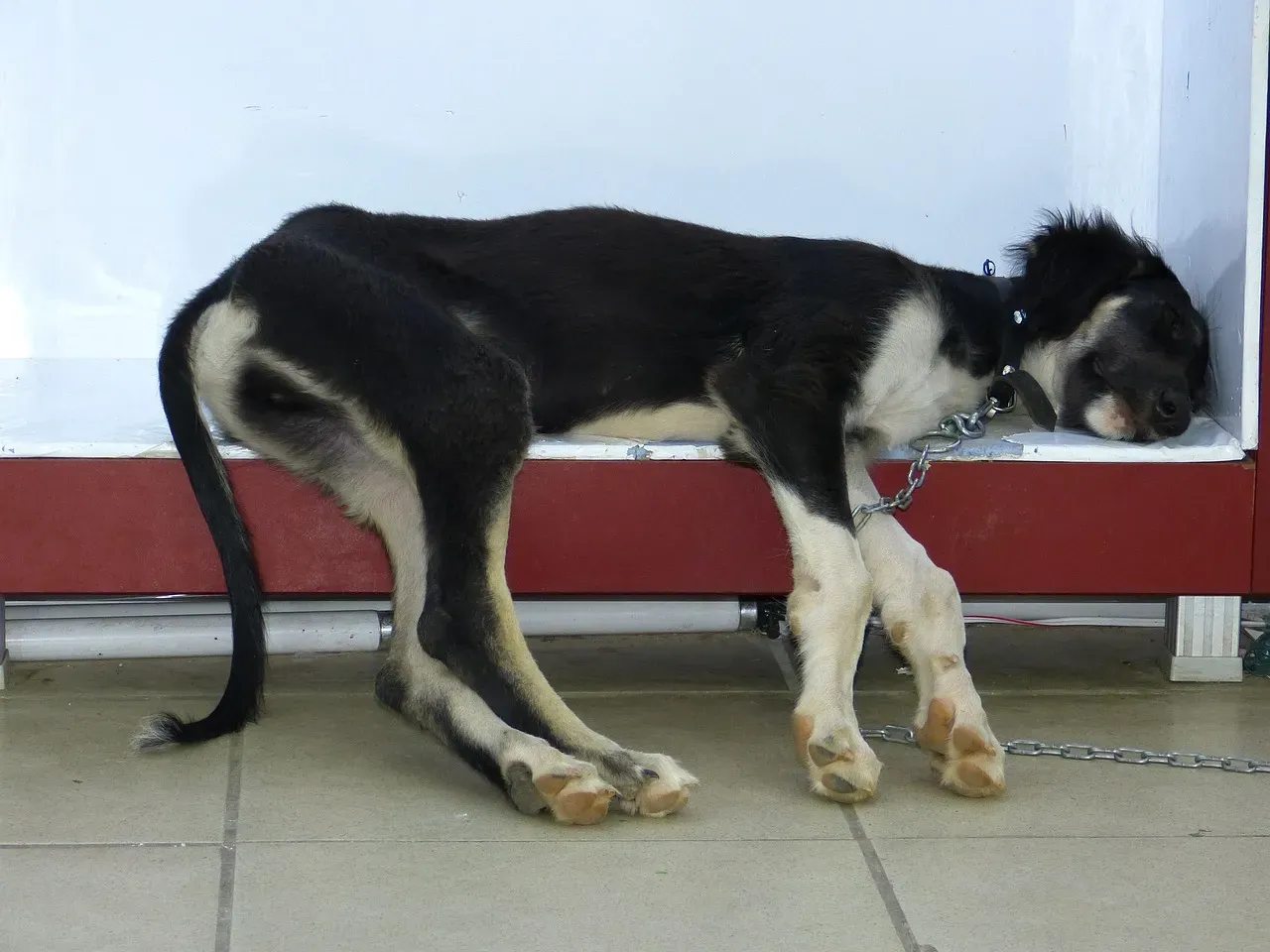
If you notice your fur baby has been lazier than usual, lounging around, not interacting much, spending a lot of time sleeping, they’re probably in need of some loving. They might be withdrawing and sleeping the day away because they’re not getting enough playtime with you. Dogs are naturally energetic and curious, so a sudden shift to quiet disengagement is worth taking seriously.
Dogs need attention to thrive – and if they don’t get enough of it, they may start acting out. You might see destructive behavior, potty accidents, and more severe symptoms like depression and lethargy, weight loss, or hair loss. If your dog seems unusually low-energy and a vet visit rules out physical illness, a lack of social connection is often the next place to look. Sometimes the quietest dogs are the ones asking the loudest.
4. They Nudge or Paw at You Repeatedly
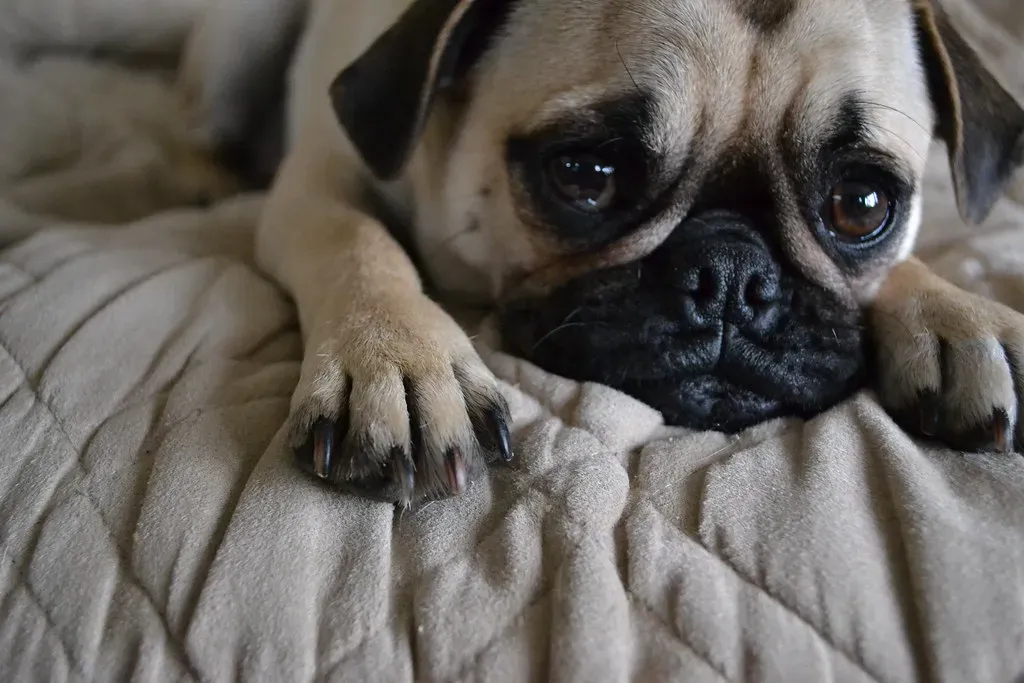
Pawing, licking, mouthing, or biting are physical behaviors that are often attempts to connect or play. Some dogs do this when excited or unsure how to interact. They may not yet have learned how to ask politely for attention. A paw on your knee during dinner or a persistent nudge while you’re reading is rarely random – it’s a deliberate, targeted request.
Pets often repeat what has worked for them in the past. So if nudging your hand once got them a scratch behind the ears, expect them to return to that strategy every time they need connection. Rather than brushing the paw away, pause and give a moment of genuine acknowledgment. If their needs are met and the behavior continues, use positive reinforcement to redirect them to a better choice.
5. Destructive Chewing Has Started Up Again
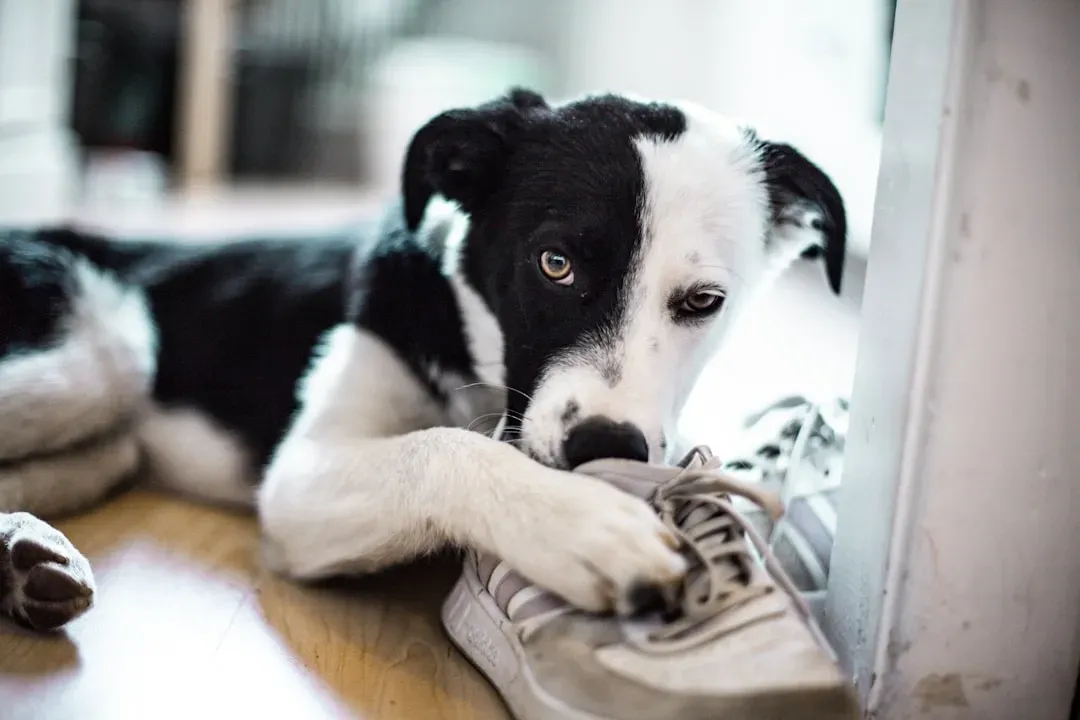
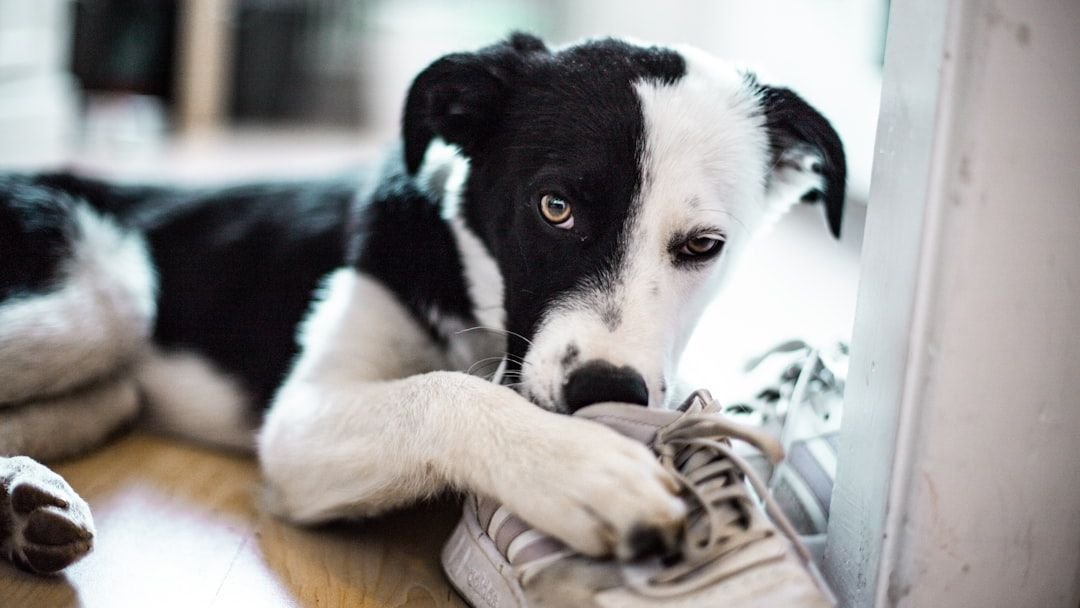
If you notice your dog habitually chewing your shoes or household objects, it could be a sign of anxiety or under-stimulation. This is especially telling when the chewing appears suddenly in a dog that was previously well-behaved. It isn’t stubbornness – it’s a coping mechanism.
While chewing can be a healthy behavior for dogs, destructive chewing is a sign of boredom, too much energy, or even separation anxiety. Physical and mental exercise are vital to keeping your pup healthy, happy, and significantly less likely to do damage. Before reacting with frustration, ask yourself honestly whether your dog’s daily exercise and enrichment needs have been met. Regular walks and playtime are great options when your schedule permits, but puzzle toys can provide hours of stimulation even while you are away.
6. They Whine or Vocalize Without an Obvious Cause
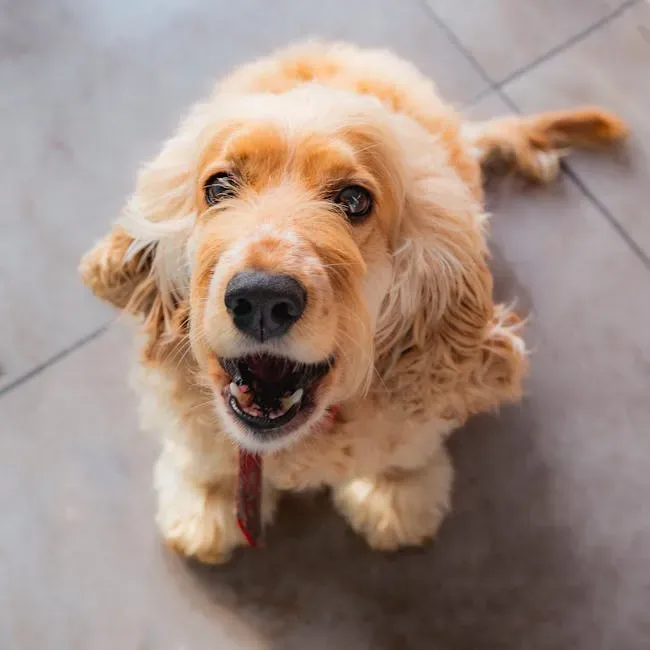
While dogs don’t have a human language to communicate with us, whining, crying, or howling are a few ways they will verbally express that they need something. If there is no apparent reason behind your pup’s crying or howling, they may be complaining about their boredom. It’s a sound that’s hard to ignore – which is exactly the point.
Whining has been associated with attention-seeking and food-begging behavior in dogs. Context matters a lot here. A dog whining by the door wants out. A dog whining while staring at you from across the room wants connection. Whining and howling that don’t get better may be a sign of anxiety or pain, so always rule out any physical discomfort with your vet if the vocalization is persistent or new.
7. They Steal Objects and Parade Them Around
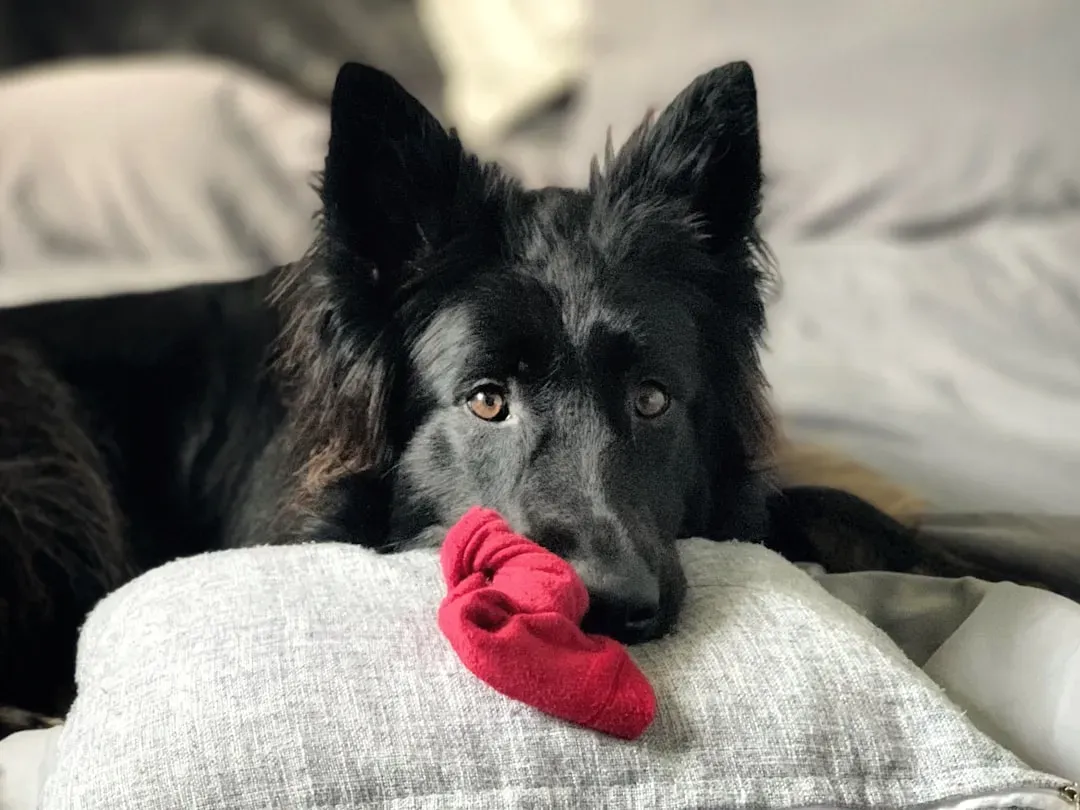
Some dogs like to get their owner’s attention by stealing something and running off with it – and the more intense the reaction, the more attention the dog feels they’re getting, so the more valued the prize and the more they do it. That sock-snatching, shoe-grabbing routine is not random mischief. It’s calculated, and it tends to work.
If the first signals didn’t work, your dog might move onto more extreme maneuvers, knowing that grabbing some socks from your laundry bin and parading them around will definitely get a rise out of you. The solution isn’t to chase them – that just rewards the game. Instead, proactively increase meaningful engagement so your dog doesn’t need to escalate to circus-level antics just to get five minutes of your focus.
8. They’ve Stopped Eating with Their Usual Enthusiasm

If a dog stops eating, it’s a red flag that no pet parent should ignore. While a vet visit is essential to rule out physical problems, dogs who stop eating may be exhibiting emotional distress as a signal that they’re looking for more love in their life. A disinterested approach to the food bowl – especially combined with other behavioral changes – deserves close attention.
It’s worth noting that food and attention aren’t interchangeable for dogs. Food is not a substitute for love, and this is something pet owners often forget. If you compensate for time away by feeding your dog more, not only will they gain weight but they’ll also begin to associate food with attention. Always loop in your vet first to rule out medical causes, then take stock of whether your dog’s emotional cup has been running low.
9. They Become Clingy When You Are About to Leave
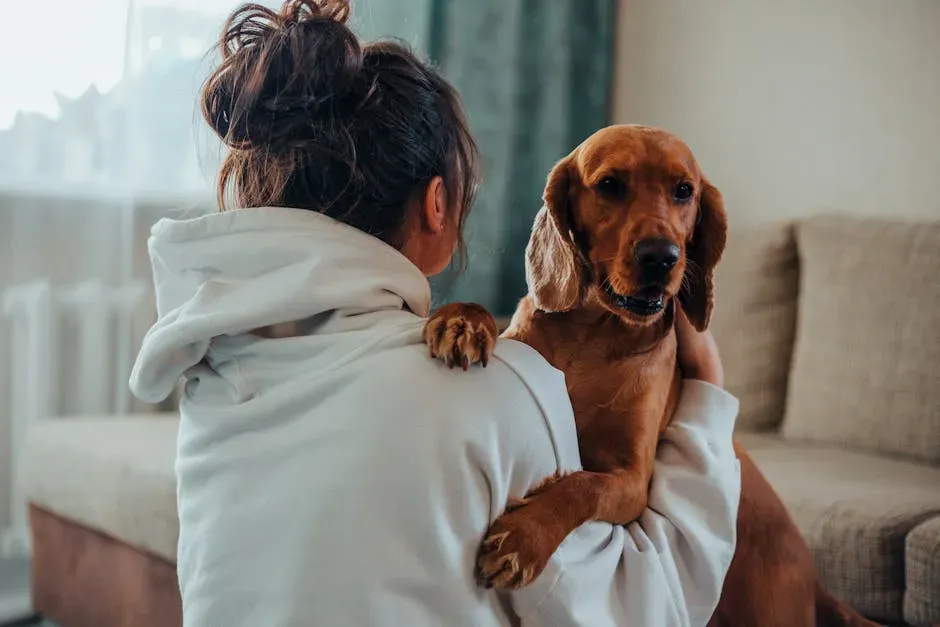
Attachment and attention-seeking behaviors in dogs are normal and develop as a survival mechanism at birth. However, if a dog becomes overly attached to their human, they can develop separation issues. They may then show excessive attention-seeking behaviors before and after separation. If your dog begins pacing, trembling, or following you to the door every time you grab your keys, it’s a signal their emotional tank has been running low.
If your dog is exhibiting signs of actual anxiety, you may notice that their behaviors don’t completely drop off after you give them affection, attention, or play. Their anxiety will often stem from some sort of trigger, whether it be you leaving the house or another external stressor. The fix isn’t always more time – sometimes it’s more consistent, predictable time. Pets feel more secure and behave better when they have a routine. Predictable schedules help reduce anxiety and the need to demand attention.
10. Their Nipping Has Become More Frequent
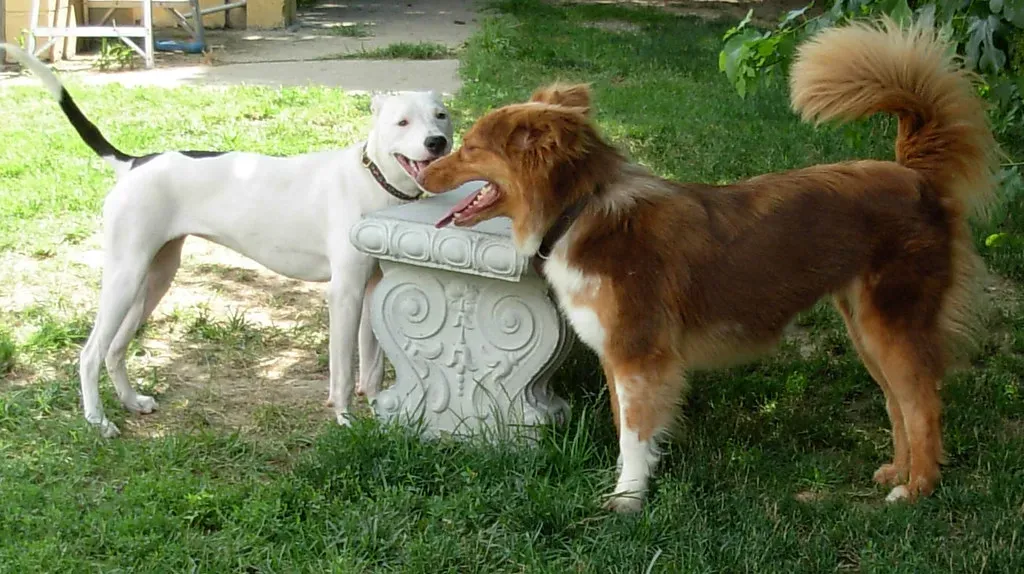
Even fully trained dogs will sometimes nip your ankle during a video call or nibble your hand as you walk by. This usually isn’t a sign of aggression or resentment; instead, it’s your dog’s way of forcing you to pay attention to them at that moment and engaging with them further. The nip is essentially a tiny, physical tap on the shoulder – urgent and impossible to ignore.
Nipping is another way your dog might try to gain attention. It’s concerning because a nip can sometimes accidentally catch skin and become a bite. A dog might nip at your hands to demand petting or even nip and pull at your clothes to distract you from another task. If nipping has increased recently without any other explanation, consider whether your dog’s daily engagement and play needs are being met. One of the ways to manage attention-seeking is to provide your dog with alternative behaviors. Your dog wouldn’t be asking for your attention if they didn’t want or need something in the first place. So teach them a more effective way to get what they want.
What You Can Do Starting Today
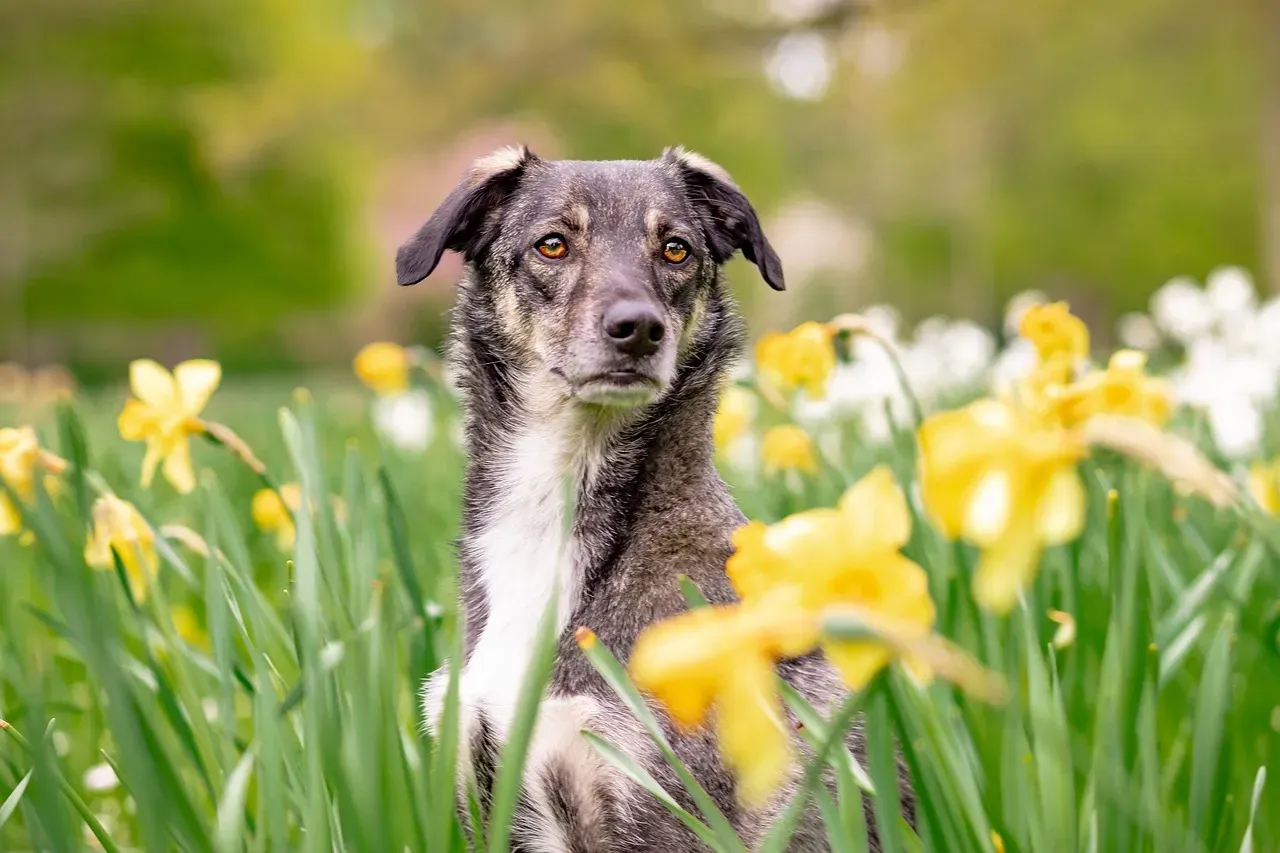
It’s not realistic to spend every moment engaging with your dog – the quality of the time spent together matters more than the quantity in most cases. Make sure you are making the most out of your time with your dog by giving them both affection and attention. Even short, fully focused sessions make a real difference to a dog’s sense of security and belonging.
If your dog is seeking your attention several times a day or in increasingly mischievous ways, the answer isn’t necessarily more attention, but rather structured attention. Schedule two or three play sessions a day totaling 30 to 45 minutes, and a couple of short quiet-attention times for cuddling, petting, and grooming. Your dog will be less likely to demand your time if they know it’s coming at regular times each day.
Medical issues such as pain can often cause or worsen abnormal behavior. It’s important to investigate if there are underlying medical problems. When in doubt, a quick check-in with your vet helps you rule out physical causes and gives you a cleaner picture of what’s truly going on emotionally. From there, increasing mental stimulation – in addition to physical exercise – through activities like sniffing games, interactive puzzle toys, and short training sessions can dramatically shift the dynamic between you and your dog for the better.
Conclusion
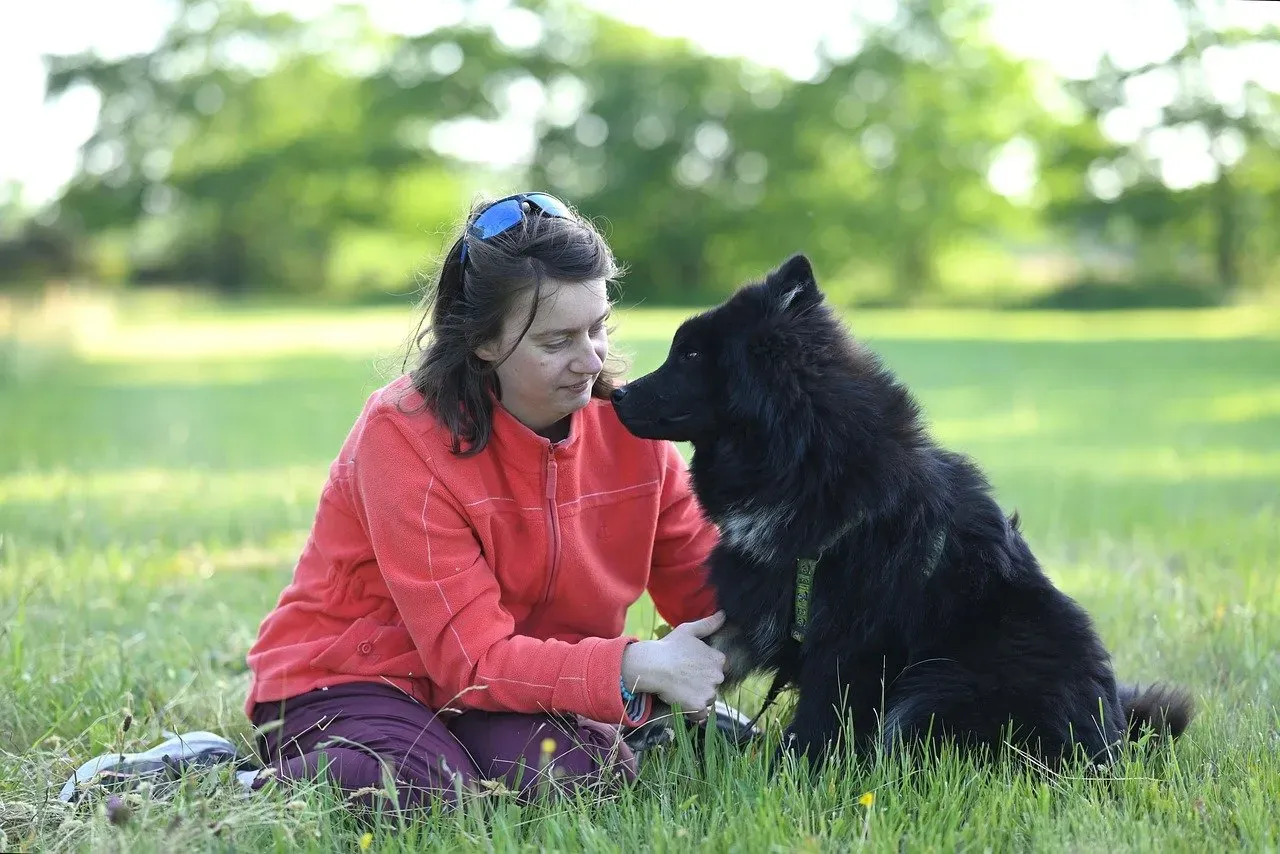
Dogs are remarkably good at adapting to our schedules and moods. They wait by the door. They match our energy. They don’t hold grudges. What they do hold onto, though, is the need to feel truly connected to the person they’ve given everything to. The signs in this article aren’t meant to produce guilt – they’re meant to produce awareness.
You don’t need to overhaul your entire routine to make a meaningful difference. A walk with your phone in your pocket. Five minutes of uninterrupted play before you open your laptop. Eye contact and a genuine “hey, I see you.” These small, consistent gestures add up to something your dog understands deeply: that they matter, and that you’re paying attention. In the end, that’s all they’re really asking for.


