
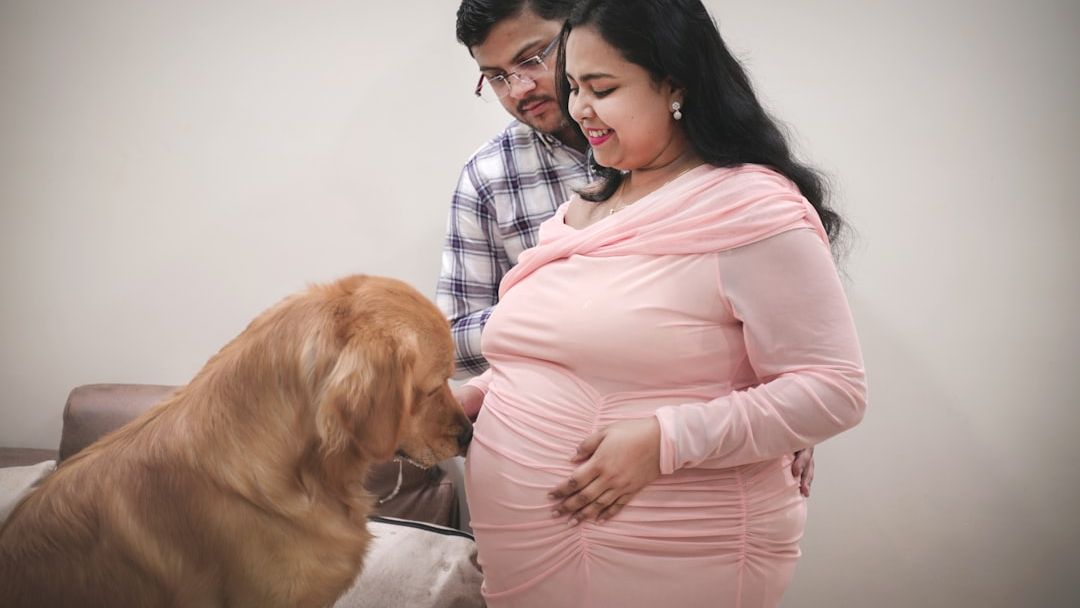
They Sniff Your Belly More Often
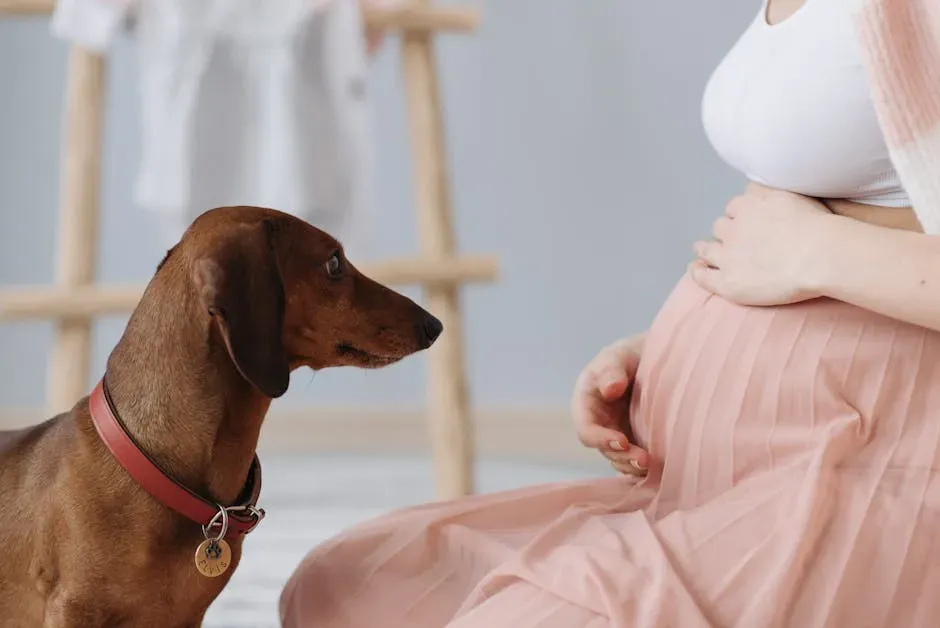
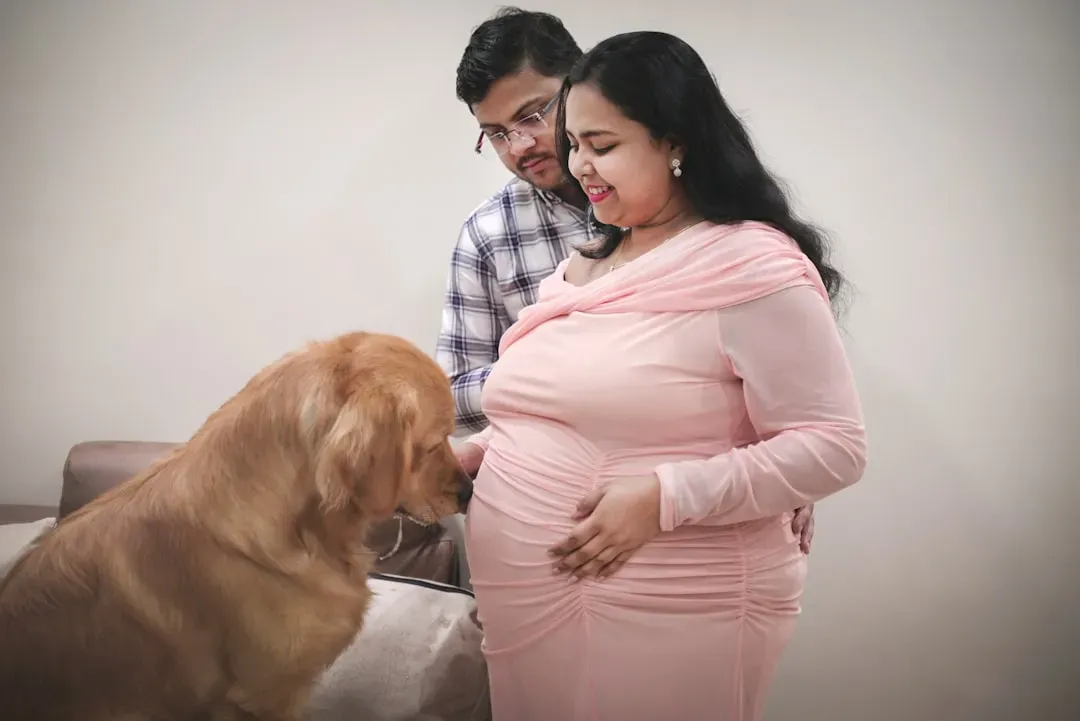
Dogs rely heavily on their sense of smell, and pregnancy brings a wave of new hormones that can stand out to them. Owners frequently report their pets pausing to investigate the midsection during quiet moments at home. This behavior tends to appear early and grows more noticeable as the weeks pass.
The sniffing often comes with a gentle, focused approach rather than rough play. Some dogs linger longer than usual, as if confirming something new in the air. It serves as one of the first quiet signals that something in the routine has shifted.
They Become More Protective Around the House
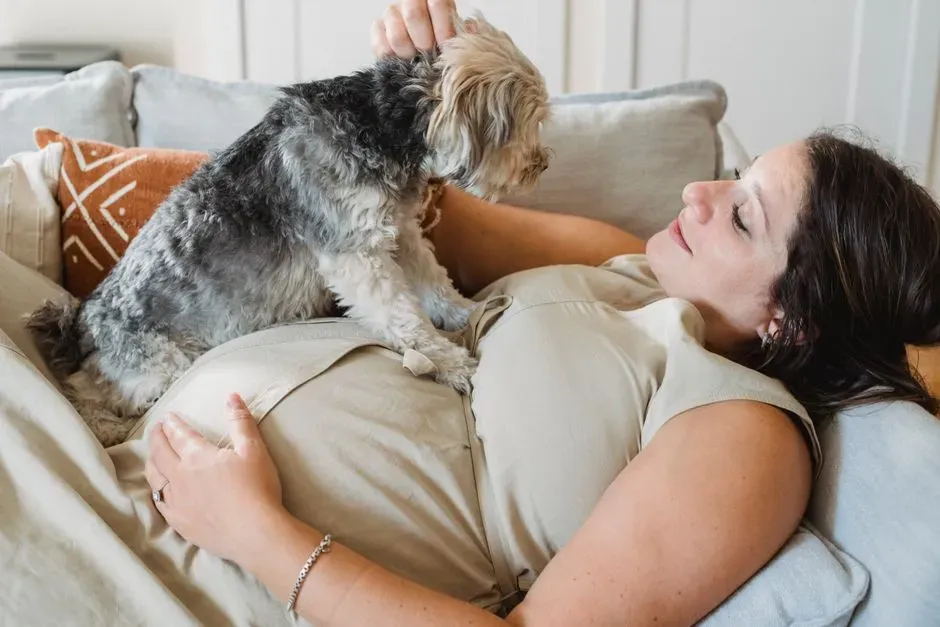
A dog that once greeted every visitor with enthusiasm might start positioning itself between you and the door. This protective streak shows up in small ways, like staying closer during walks or watching the backyard more intently. The change reflects their instinct to guard what feels important.
Many families describe the dog choosing spots near the pregnant person during evening hours. It creates a steady presence without much noise or fuss. Over time the pattern becomes a reliable part of daily life.
They Follow You From Room to Room
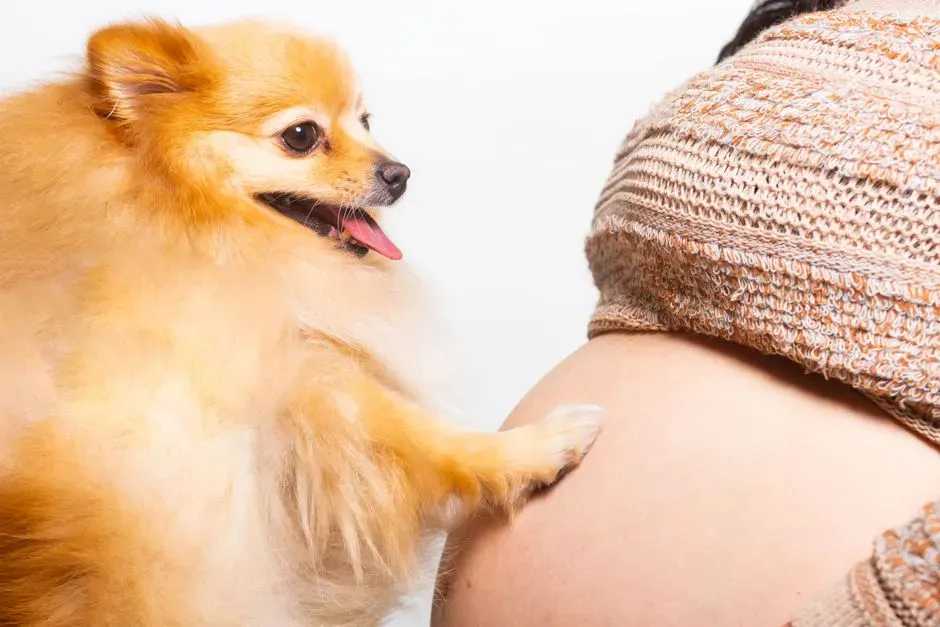
Constant companionship replaces the independent roaming some dogs enjoy. They trail behind during simple tasks like folding laundry or making tea. The behavior feels steady rather than needy, almost as if they want to keep track of your movements.
This shadowing often intensifies in the later months when energy levels drop. Owners notice the dog settling nearby instead of heading to its usual favorite corner. It adds a layer of quiet company throughout the day.
They Rest Their Head on Your Belly
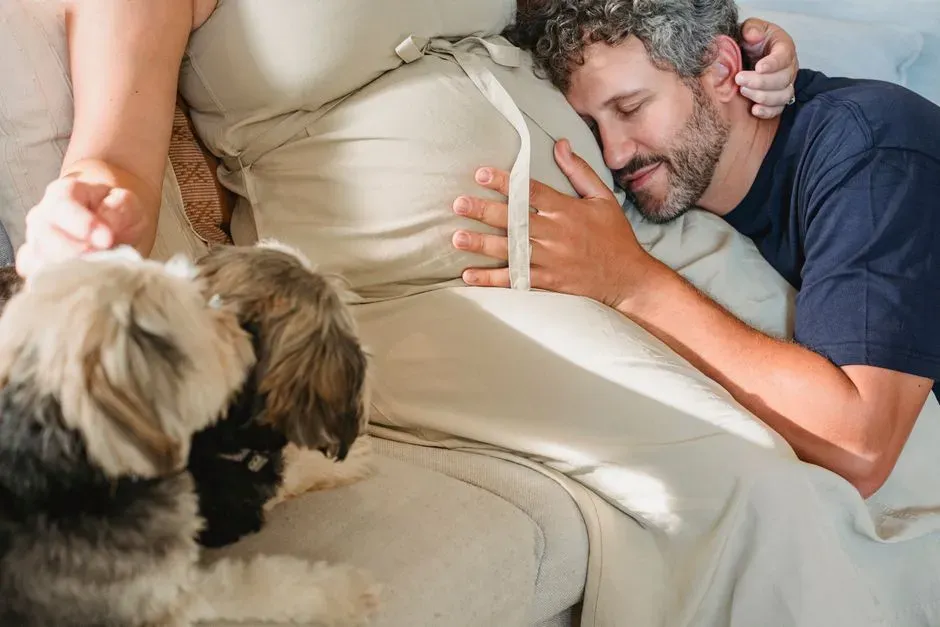
A familiar sight involves the dog placing its head gently against the growing bump. The gesture appears during relaxed times on the couch or in bed. It combines closeness with a calm curiosity about the changes happening inside.
The action rarely involves pressure or sudden movements. Instead it reads as a soft check-in that repeats across several days. Families often find it comforting once they recognize the pattern.
They Show Subtle Signs of Restlessness at Night
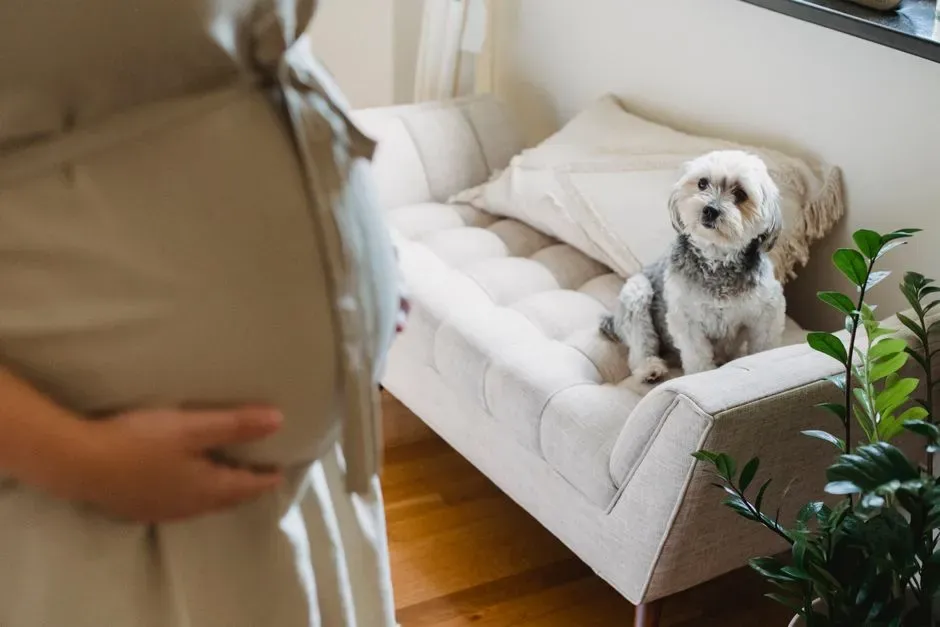
Sleep routines can shift as the dog becomes more alert during the darker hours. Light pacing or repositioning happens more than before, especially near the bedroom. These small disturbances tend to come and go without full barking or disruption.
The restlessness often ties to sensing movement or new sounds within the home. Owners adjust by offering extra bedding or a nearby mat. The overall mood stays calm even with the extra activity.
They Offer Extra Licks or Gentle Nuzzles
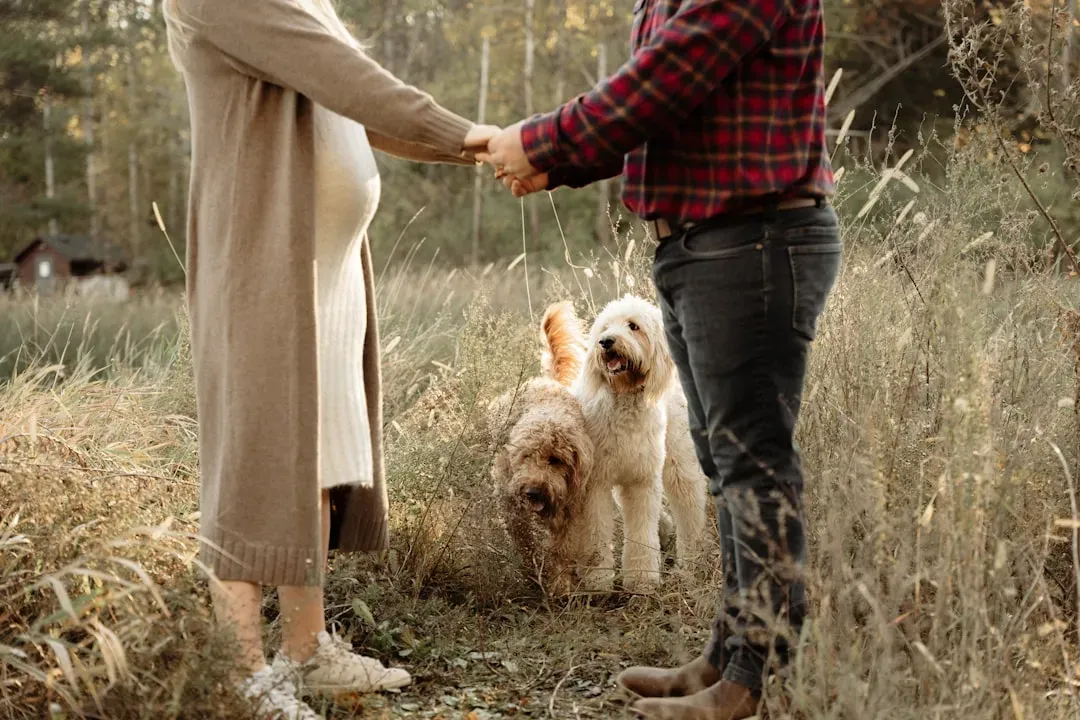
Affection sometimes increases through soft licks on the hands or face. The gestures feel slower and more deliberate than everyday greetings. They occur during moments of stillness rather than high energy play.
This extra contact provides a steady reminder of the bond. It appears consistently across different times of day. Many people appreciate the quiet reassurance it brings during a busy period of preparation.
They Grow Warier of New Visitors
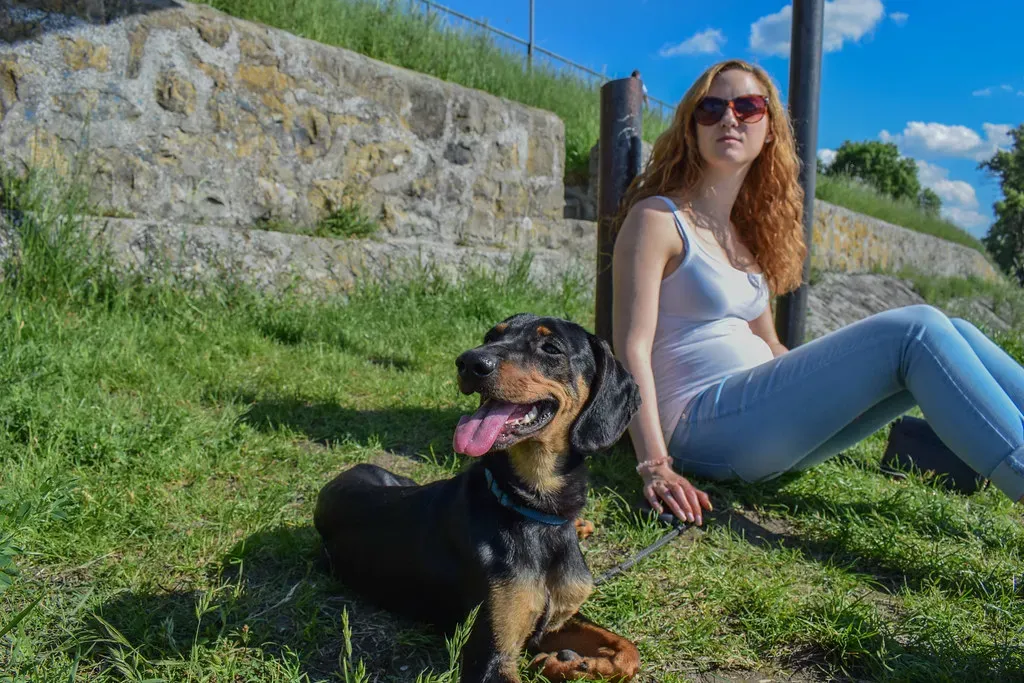
Strangers or even familiar friends might receive a cooler reception than usual. The dog may stand nearby and observe before relaxing into its normal self. The caution stays measured and rarely escalates into anything loud.
This selective watchfulness often fades once the person settles into the space. It reflects a temporary adjustment rather than a permanent change in personality. Families learn to expect the brief assessment period.
They Choose Different Sleeping Spots
A dog that once claimed the foot of the bed might move closer to the side where you rest. The new location offers easier access without crowding. The shift happens gradually and sticks once established.
Some pets pick spots on the floor right beside the bed instead. The choice keeps them near without taking up extra room. It becomes part of the adjusted nighttime rhythm.
They Lose Interest in Rough Play Sessions
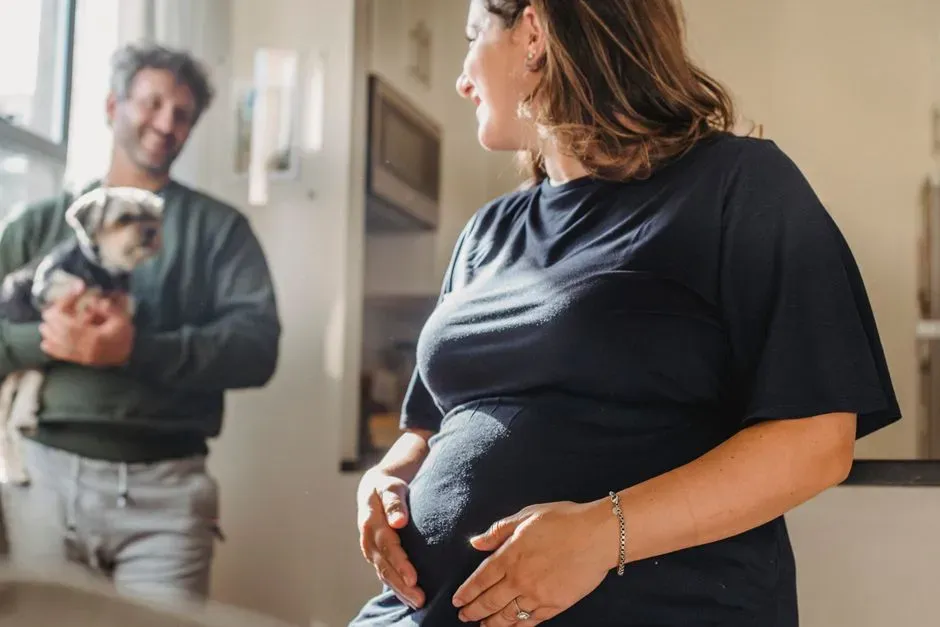
High energy games like tug or chase take a backseat for a while. The dog opts for calmer interactions such as sitting nearby or accepting gentle pets. The preference shows up consistently during the middle and later stages.
Owners notice the dog still enjoys short walks but skips the wilder moments. The change feels thoughtful rather than lazy. It aligns with the overall calmer atmosphere in the home.
They React to the Baby’s Movements With Curiosity
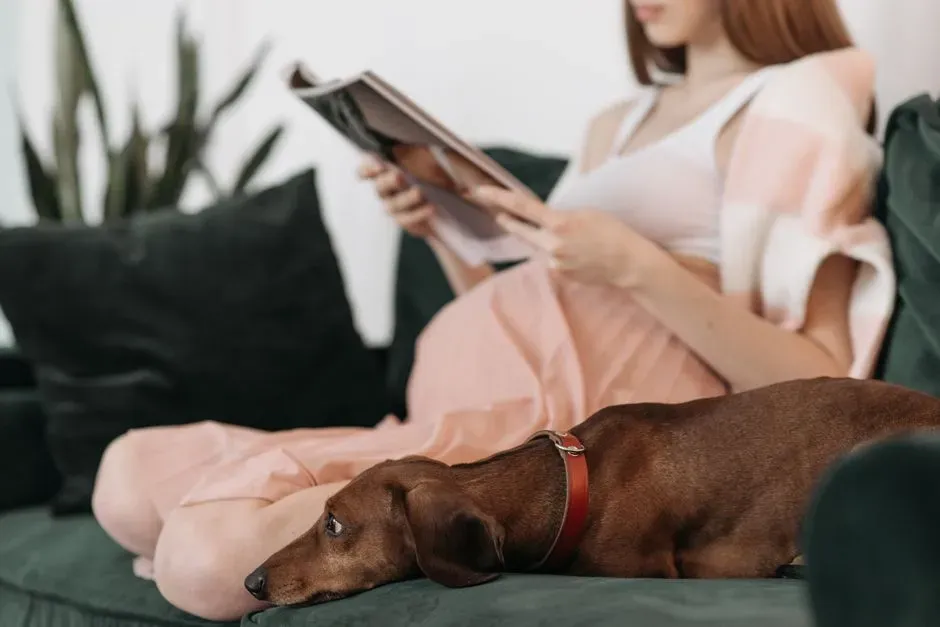
Once kicks become noticeable, some dogs pause and tilt their heads toward the belly. The reaction stays brief and focused. It often repeats whenever the movement starts again.
This response blends attention with a relaxed posture. Families describe it as the dog acknowledging the new presence without alarm. The pattern adds another layer to the shared experience.
These quiet adjustments highlight how closely dogs tune into the people they live with. Paying attention to them can make the transition feel more connected for everyone involved. In the end, the real value lies in the steady companionship that carries through the early days of parenthood.


