
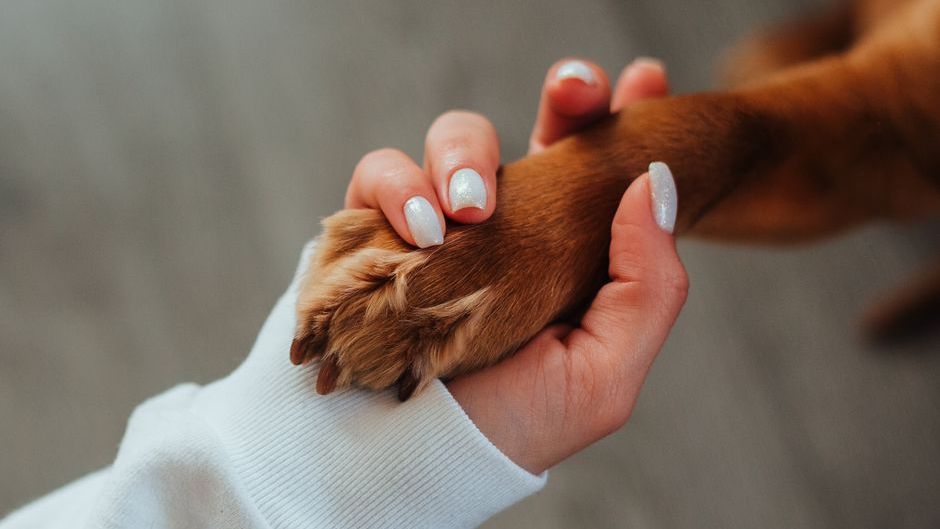
You have probably felt that gentle tap on your hand more times than you can count. It happens during quiet evenings on the couch or right when you are trying to finish a task. That simple gesture from your dog often carries more meaning than it first appears.
They Crave a Bit More Attention
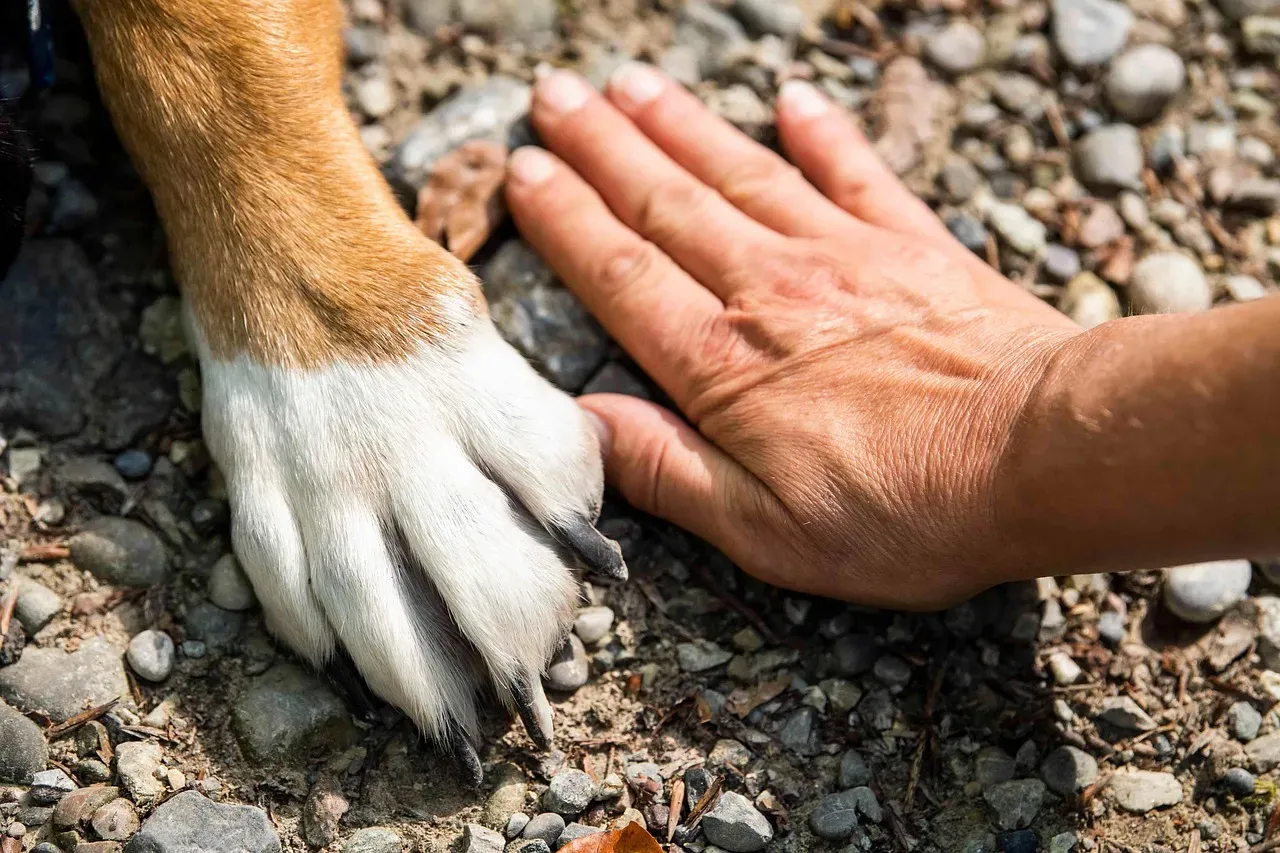
Dogs live in the moment and notice when your focus shifts away from them. Placing a paw on your hand serves as a direct reminder that they are there and ready for interaction. This behavior often surfaces during times when you are absorbed in a screen or a book.
Over time many owners learn to recognize the pattern. The paw comes out precisely when conversation or eye contact fades. It is their way of reestablishing the connection without making a sound.
A Treat Might Be on Their Mind
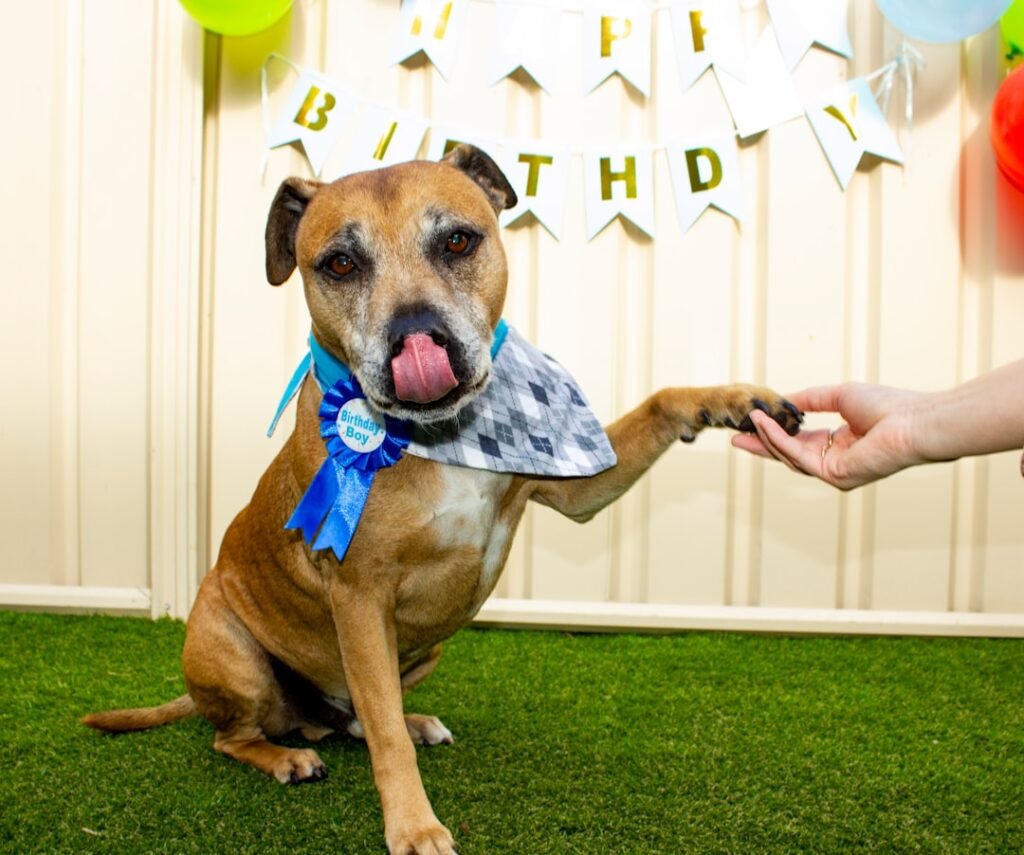
Food motivated dogs quickly associate certain hand positions with snacks. When they rest a paw there they may be hoping you will reach for the treat jar. The gesture feels polite yet insistent at the same time.
Trainers often see this during training sessions that involve rewards. The dog learns that a paw on the hand can prompt another round of something tasty. It becomes a quiet negotiation rather than a demand.
They Are Ready to Play
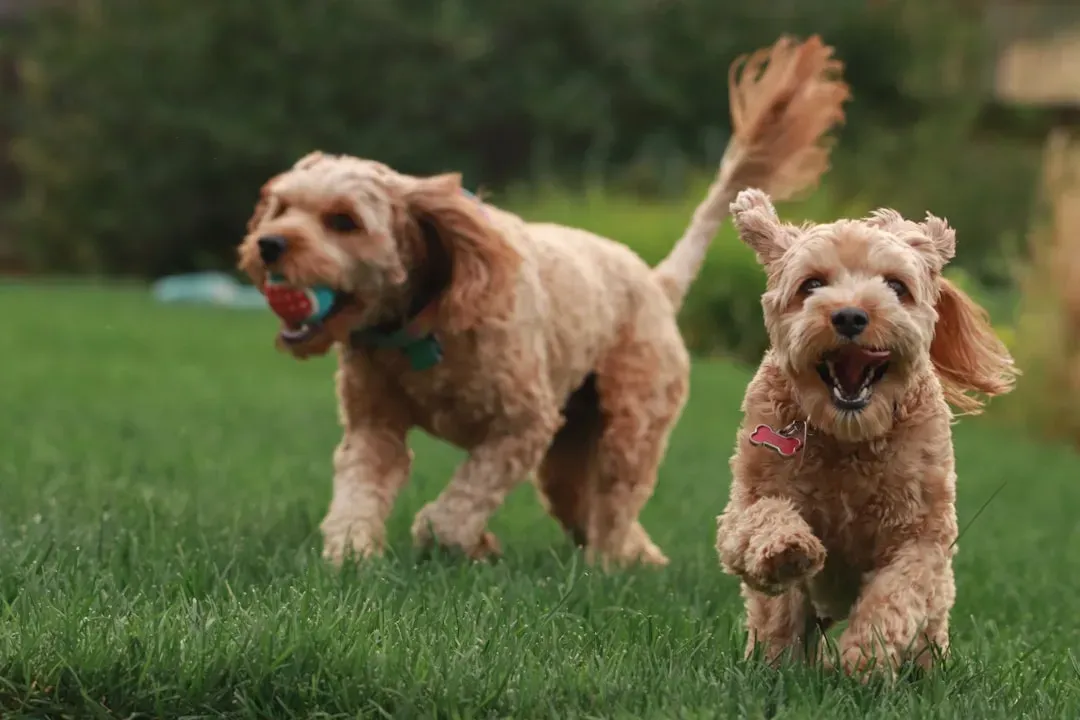
Play bows and paw taps frequently go together in energetic dogs. The touch on your hand signals they want movement and engagement. It is especially common with younger or high drive breeds.
You might notice the paw appears right after you stand up or grab a toy. The dog reads your body language and offers their own invitation. Responding with a quick game often satisfies the request immediately.
Comfort Is What They Seek
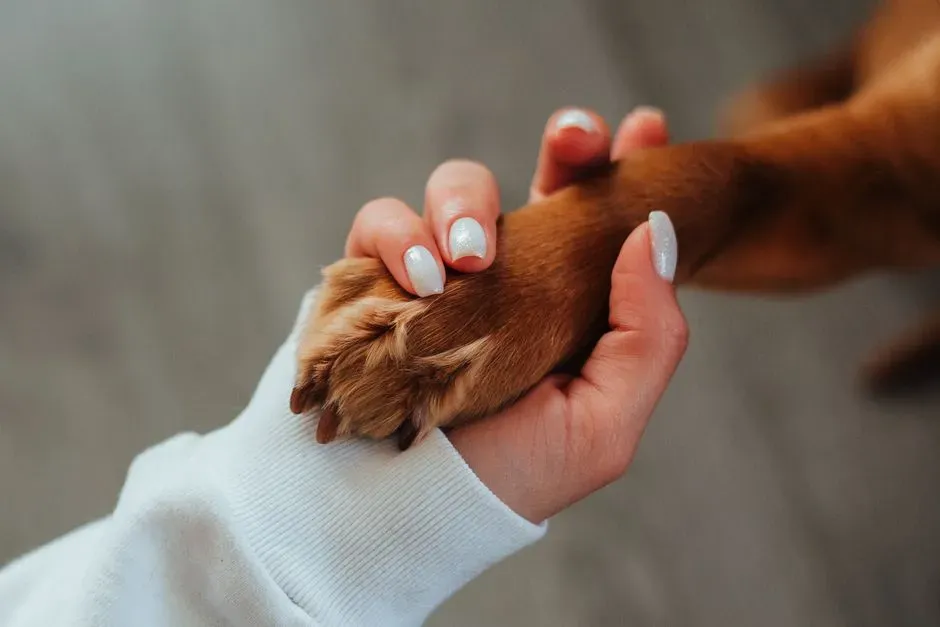
Some dogs use paw contact as a form of self soothing. When they feel unsettled they reach out for the reassurance of your presence. The warmth of your hand provides a steady point of contact.
This tends to happen during storms or when unfamiliar visitors arrive. The dog is not necessarily frightened but prefers the security of closeness. A few calm strokes usually ease the moment.
Affection Flows Both Ways
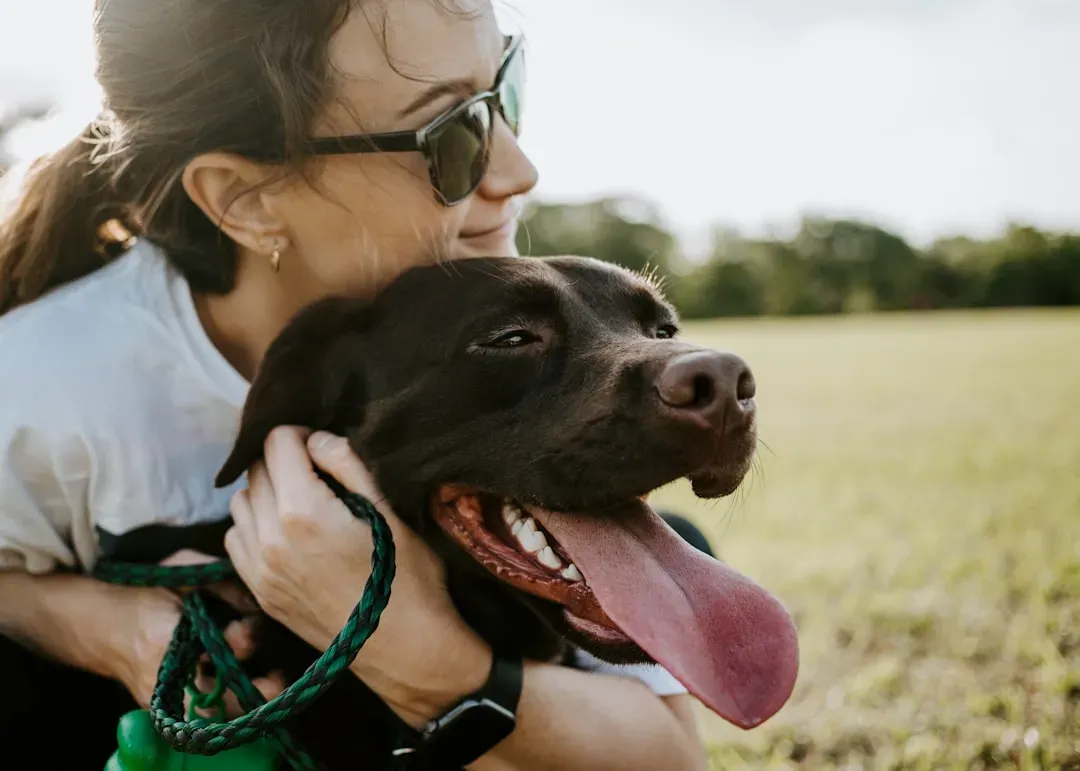
Many dogs simply enjoy the physical bond that comes from touch. Resting a paw on your hand mirrors the way humans reach out during quiet conversations. It feels like their version of holding hands.
Owners often report this happens most during relaxed evenings. The gesture carries no urgent request beyond continued closeness. It strengthens the daily rhythm of companionship.
They Need to Go Outside
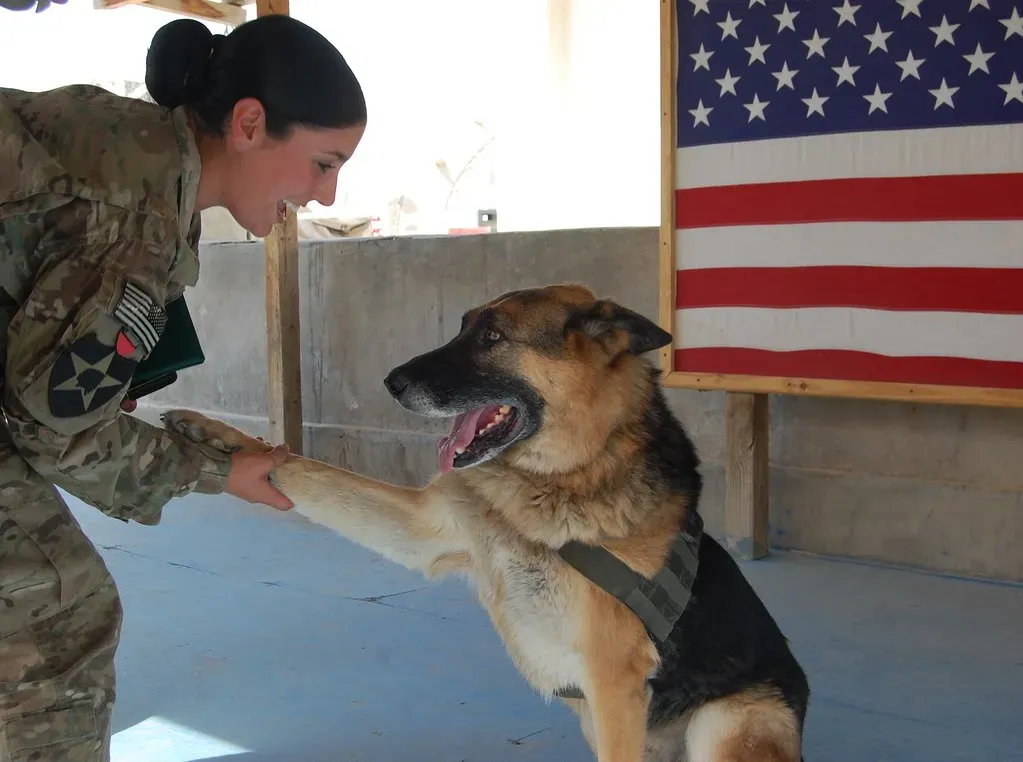
House trained dogs sometimes use a paw tap as a polite signal. They have learned that touching your hand gets your attention faster than barking. The request is usually followed by a glance toward the door.
This pattern develops through consistent routines. The dog connects the action with the outcome of a walk or potty break. It becomes a reliable form of communication over time.
They Want More Petting
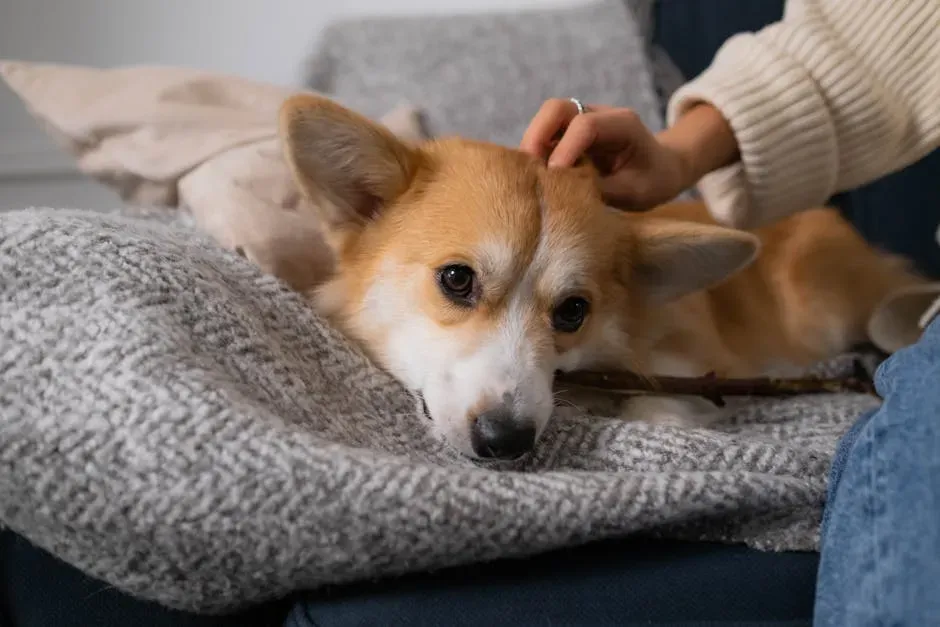
A paw on the hand can be an invitation to continue or start petting. Dogs quickly learn which motions earn longer sessions of scratches behind the ears. The touch serves as gentle encouragement.
You may see this when you pause during a grooming session or belly rub. The dog is asking for the good feeling to keep going. Most owners respond without thinking twice.
Something Might Be Bothering Them
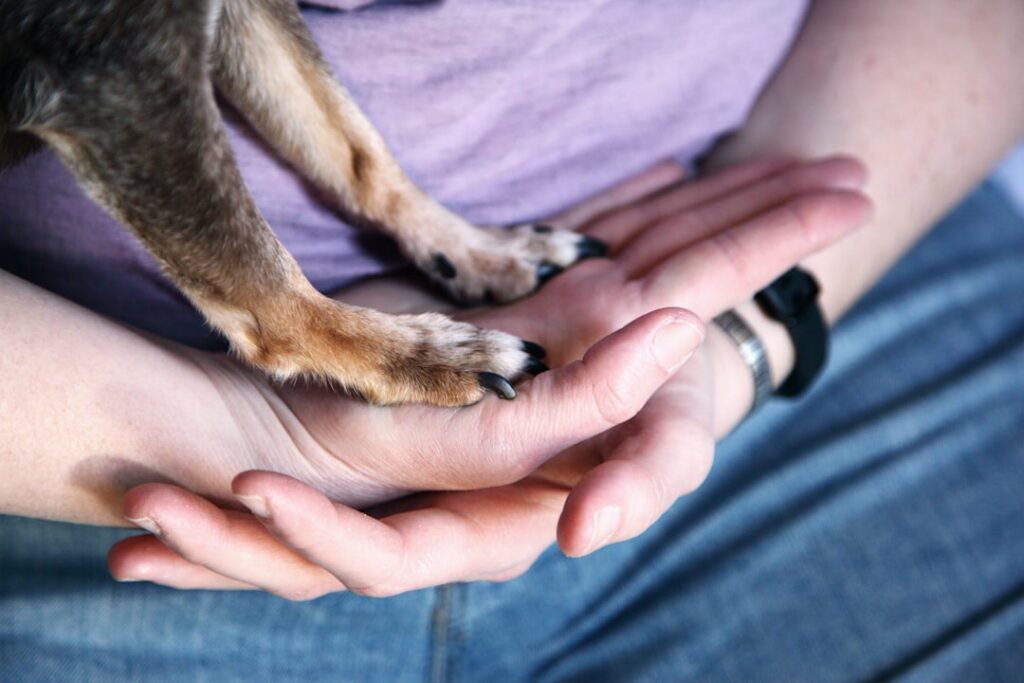
Occasionally the paw tap points to mild discomfort. A dog might reach out when a paw pad feels sore or an itch needs attention. The gesture draws your eyes downward.
Veterinarians note that repeated pawing paired with licking can indicate minor issues. Checking the area calmly often reveals what needs care. Early attention prevents small problems from growing.
They Are Reinforcing Training
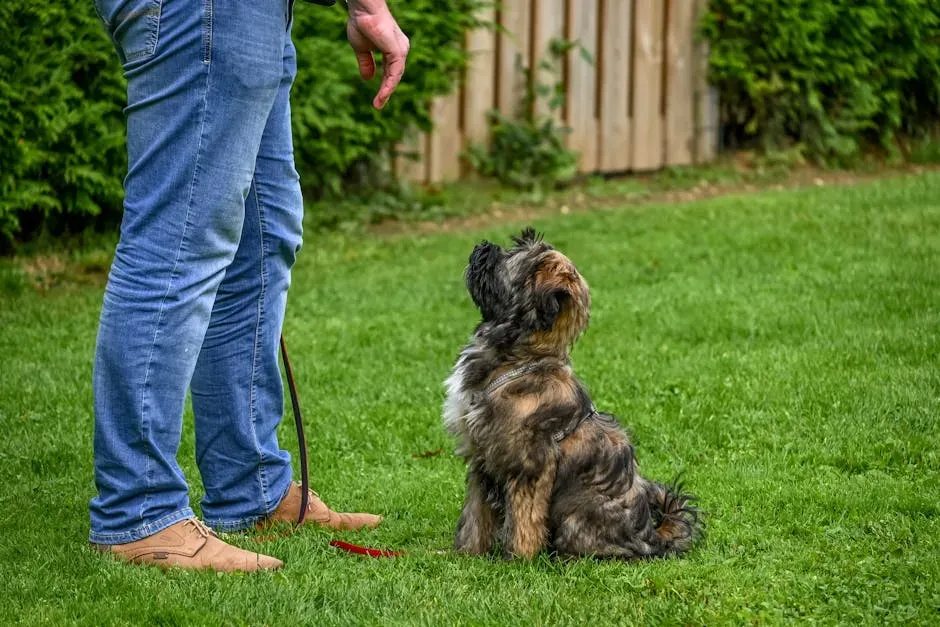
Dogs that have learned hand targeting sometimes offer the behavior spontaneously. Placing the paw becomes a way to earn praise or continue the game. It shows they remember the lesson and want to practice.
This appears most often in homes where positive reinforcement is common. The dog treats the action as a successful skill. Owners can choose to reward it or redirect depending on the situation.
It Has Simply Become a Habit
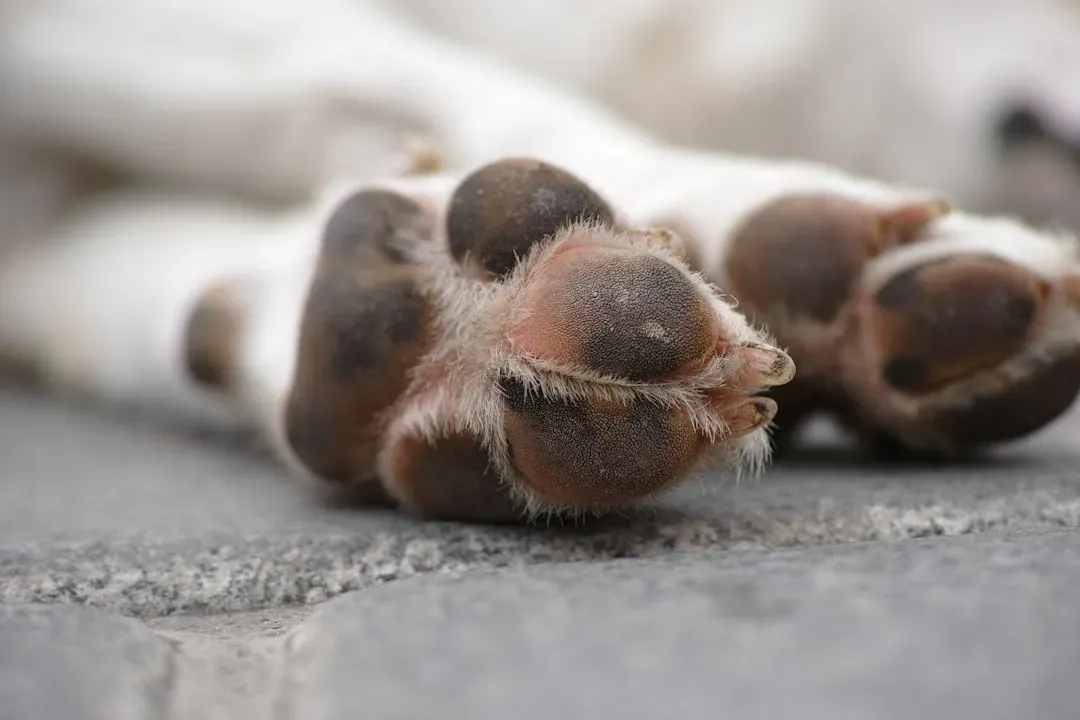
Some dogs develop the paw tap as part of their daily routine. It feels familiar and comforting even without a specific need. The motion happens almost automatically during quiet moments together.
Over months or years the behavior turns into a shared ritual. Both dog and owner come to expect it at certain times of day. It adds a small but steady thread to the relationship.
The paw on the hand rarely means just one thing across every dog and every household. Paying attention to timing and context helps owners respond in ways that feel right for their own pet. In the end these small gestures keep the conversation between human and dog alive and ongoing.


