
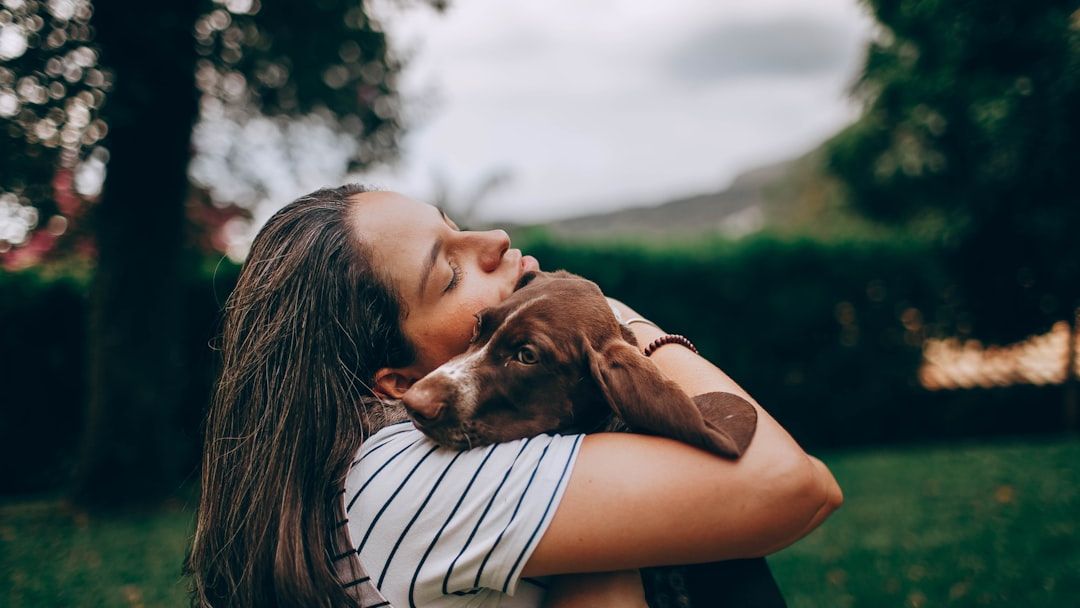
There’s a particular kind of love that doesn’t announce itself. It doesn’t ask for anything in return, doesn’t waver during your worst moods, and doesn’t diminish with time. It just shows up, day after day, in the smallest and most consistent ways imaginable. If you’ve ever shared your life with a dog, you already know this feeling intuitively – even if you’ve never had the words for it.
What’s remarkable is that science is catching up to what dog owners have sensed for centuries. Researchers using brain scans, oxytocin studies, and behavioral analysis are now confirming that dogs experience deep emotional connections that closely resemble what we call love, shaped by a bond that has evolved over millennia, transforming from mutual cooperation into one of the most profound interspecies relationships on Earth. The ten behaviors below aren’t dramatic gestures. They’re quiet, repeated, and tender – and they carry on right until the very end.
#1 The Soft Gaze That Says Everything Words Can’t
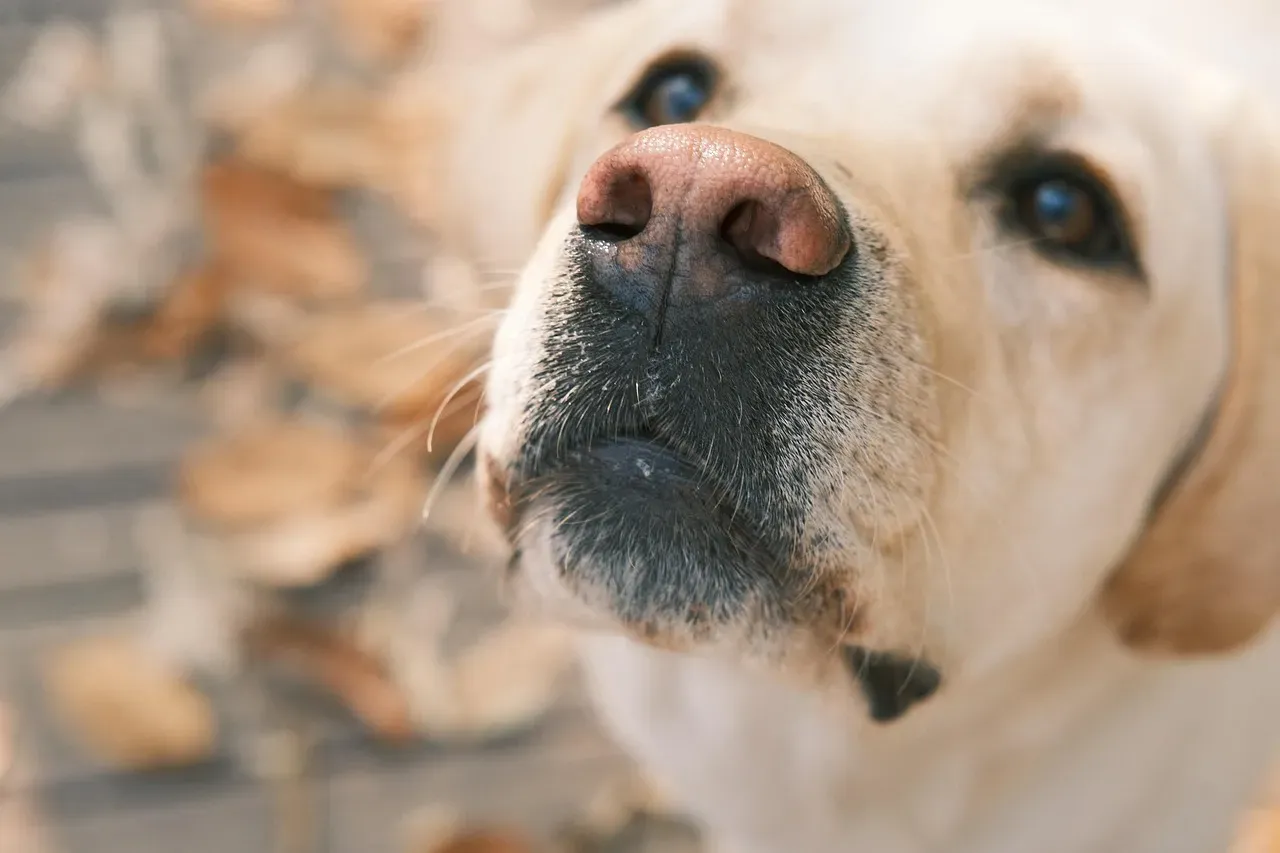
Most people think of eye contact as a human thing – reserved for conversations, apologies, or deep moments of understanding. Dogs, it turns out, have been doing something remarkably similar all along. Eye contact is an intimate act, and for many dogs, it’s a display of trust and affection. Research has found that when we gaze lovingly into our dogs’ eyes, they both understand and return the affection, with both dogs and humans releasing oxytocin when they look into each other’s eyes.
What makes this especially striking is how species-specific it is. Dogs are the only non-human animals that have this oxytocin response with humans. Wolves don’t do it. Cats don’t do it. Just dogs. That soft, unhurried look your dog gives you from across the room isn’t idle staring. It’s the closest thing to “I love you” that biology allows them to express. And when dogs were domesticated, their neural systems that use gaze as part of communication evolved to activate the human oxytocin release associated with bonding among family members, especially between a parent and child.
#2 Following You From Room to Room
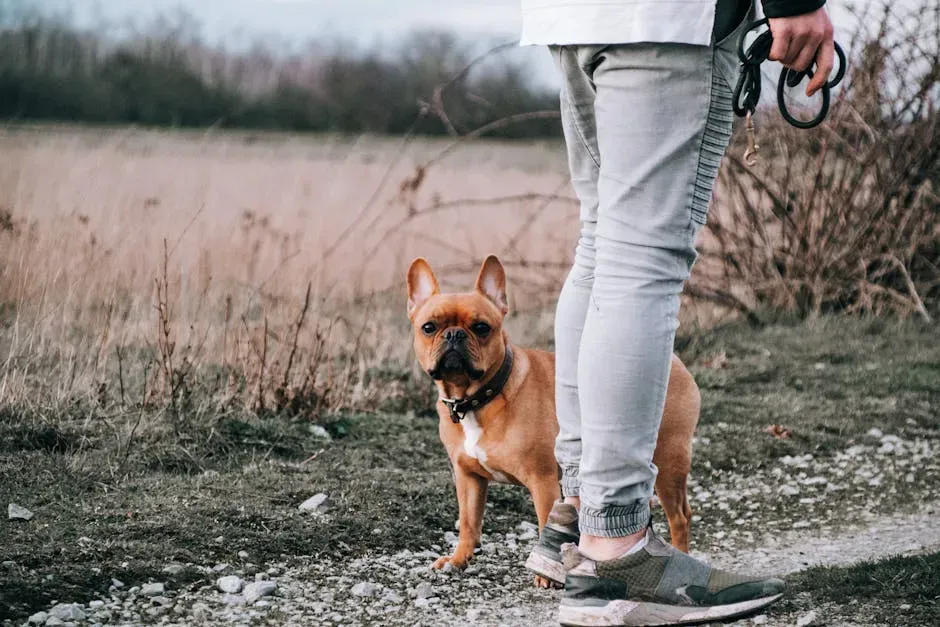
You go to the kitchen. They follow. You walk to the bathroom. They’re already at the door. If you’ve ever felt like you have a furry shadow, you’re not imagining it. Following behavior, where dogs choose to stay close to their owners throughout the day, reflects both attachment and a sense of security. Dogs who love their owners often exhibit this “velcro dog” behavior, preferring to remain in their human’s presence rather than exploring independently.
Following you around demonstrates loyalty and attachment. This behavior stems from their pack mentality, where they follow their leader, and scientists believe it reinforces their bond with you. When your dog trails you, it’s their way of saying, “I want to be with you.” It’s worth noting that this doesn’t ease up with age. Dogs continue this pattern throughout their lives, sometimes with even greater intensity in their senior years when they seem to want the reassurance of your proximity more than ever.
#3 Bringing You Their Favorite Toy
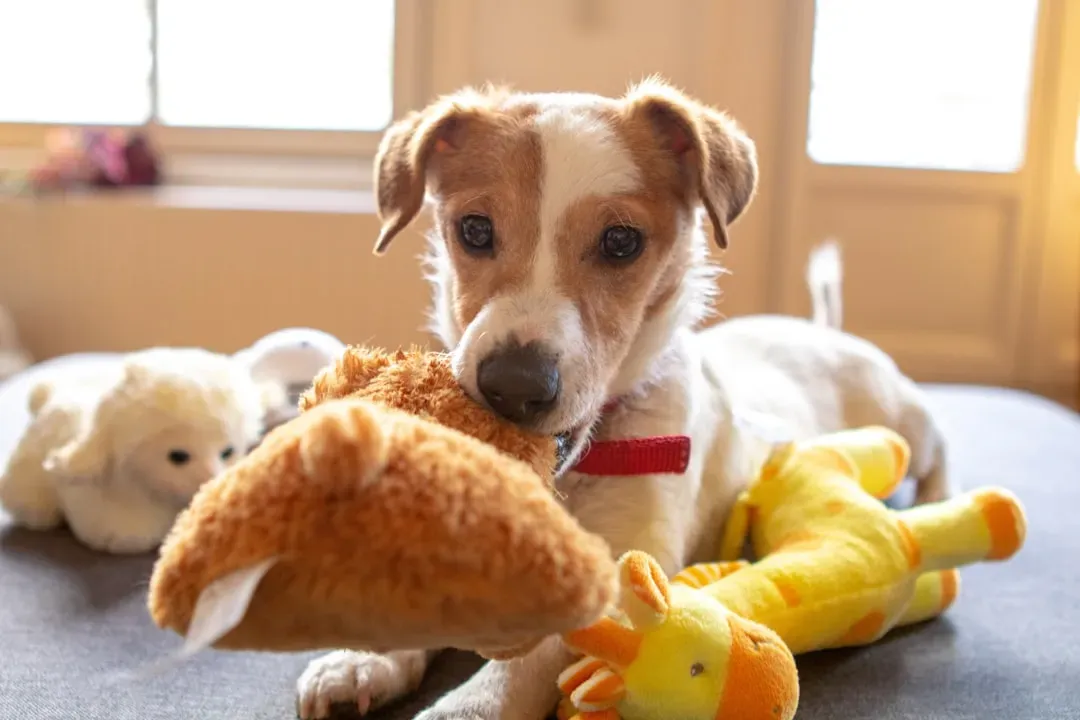
There’s something genuinely touching about a dog that drops their most prized possession at your feet. It’s not just a play invite – it’s an act of trust that carries real emotional weight. This gesture carries more meaning than you might realize. Dogs view their favorite toys as valuable possessions, similar to how we treasure special belongings. When they offer these items to you, they’re including you in their inner circle and sharing what matters most to them. This behavior also shows they trust you completely and want to engage with you in play – your dog might be inviting you to join their fun or simply presenting a gift because they associate you with happiness.
Dogs demonstrate love through acts of trust and sharing. When a dog brings their favorite toy to their owner, they’re not just inviting play – they’re sharing something valuable and demonstrating trust. This behavior indicates that the dog views their owner as worthy of their most prized possessions. The remarkable part is that older dogs do this too, even when play isn’t really on the agenda. Sometimes they just want to bring you something good. And that impulse never really leaves them.
#4 The Full Body Lean
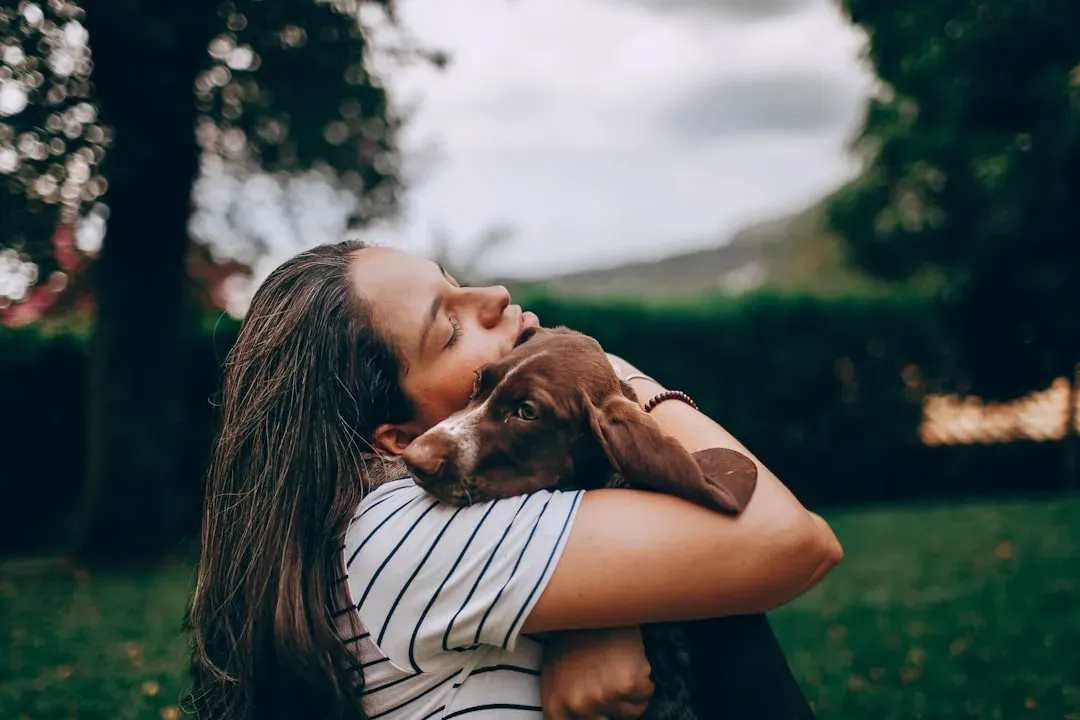
If you’ve ever had a large dog press their entire weight against your legs and just… stand there, you’ve experienced one of the most physically unmistakable forms of canine affection. When your dog comes up to you and leans their full weight against your legs, they’re showing you they trust you. For many dogs, the lean is like a full-body hug. An affectionate lean is relaxed and calm – look for a slightly open mouth, soft eyes, and a gently wagging tail.
Certified behavior consultants note that dogs express comfort and affection with other dogs through touch, and they use that love language on us as well. Dogs that like each other will hang out near each other, and sometimes that includes pressing up on each other while sitting or sleeping. Because dogs include humans in their social circle, they extend these behaviors of proximity and contact to us too. It’s a physical vocabulary that requires no translation and doesn’t diminish with age – leaning during rest or bedtime is commonly about comfort and social connection, especially in older dogs or those that have slept beside a person for years.
#5 Sleeping as Close to You as Possible
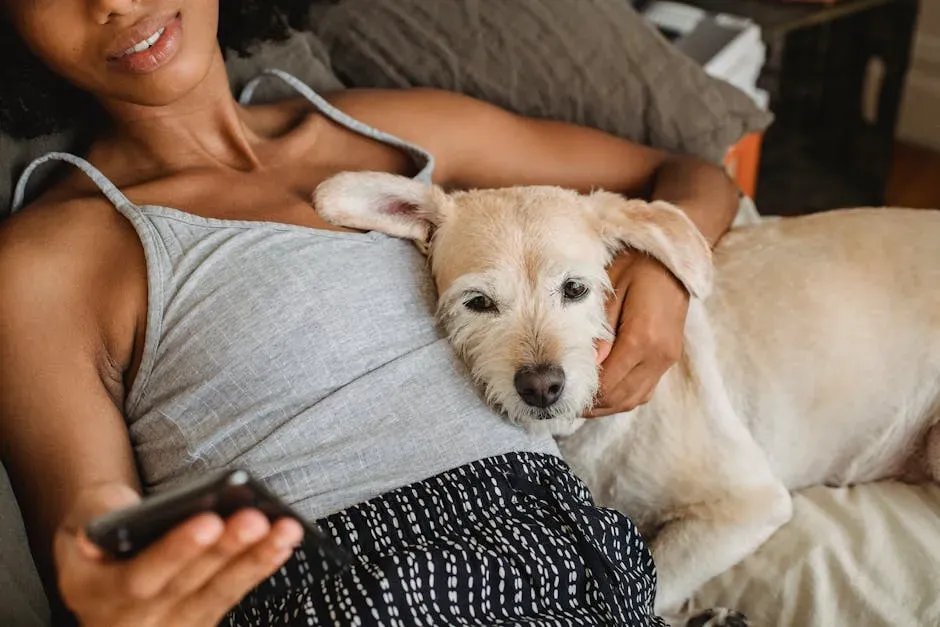
Wild ancestors slept in packs for warmth, protection, and bonding. That instinct hasn’t faded one bit. Sleeping together with their pack is a natural instinct for dogs and something they did as newborn puppies with their littermates. Your dog wanting to sleep next to you – either in your bed or in your room – is a sign of affection and closeness. They like your company, consider you a member of the pack, and want to show their loyalty, trust, and willingness to protect you – or let you protect them.
A dog that sleeps against its owner often seeks comfort, safety, and connection. This behavior shows trust and strong attachment. Dogs stay close during rest because they feel secure near someone they see as part of their pack. Science has gone even deeper here. Dogs have been shown to form attachment bonds towards their owners analogous to the human infant-parent attachment, and it is known that certain sleep parameters are in association with an individual’s attachment-related traits – with the first evidence now showing that a dog’s attachment towards their owner is also associated to their sleep structure and brain activity during sleep. Even in their most vulnerable moments, they choose to be near you.
#6 Licking You as a Form of Grooming and Love
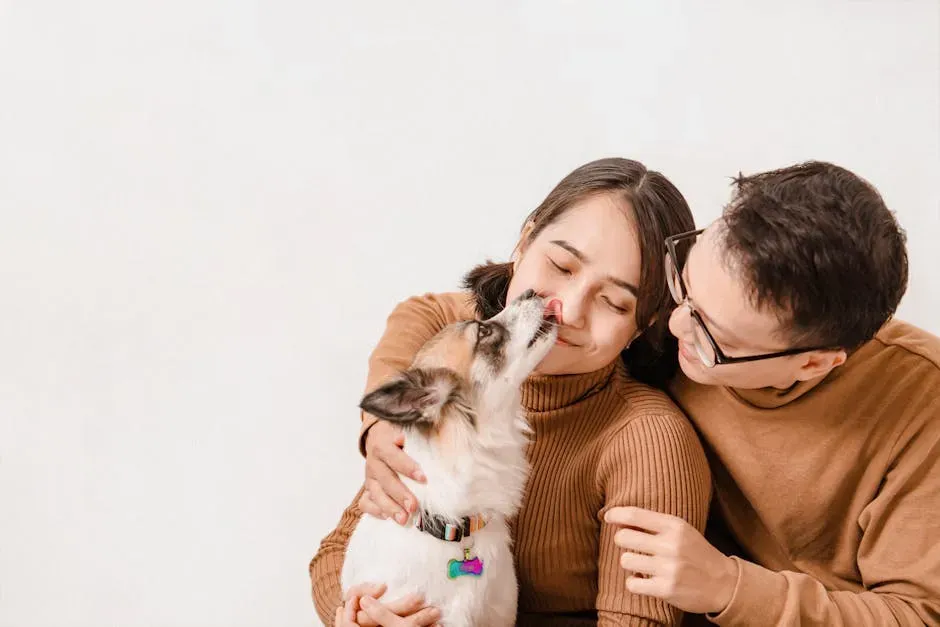
A dog’s lick can mean many things – excitement, hunger, curiosity – but the slow, deliberate kind, the one that happens when you’re just sitting quietly together, belongs to a different category entirely. One classic sign of dog affection is licking, a gesture akin to a puppy’s behavior with its mother, offering a sense of comfort. In this context it’s less about excitement and more about belonging – the same impulse that drives dogs to groom the animals they feel closest to.
This grooming behavior is how dogs show they care about you and consider you part of their family. Some dogs are more enthusiastic lickers than others, but even occasional gentle licks indicate affection. What’s particularly interesting is the sensory dimension of it. This action also allows them to gather information about you through taste and smell, keeping them connected to you on multiple sensory levels throughout the day. In that sense, licking isn’t just affection – it’s also a way of staying attuned to you, reading your state, and maintaining the connection they’ve built over years.
#7 Checking on You When You’re Sad or Unwell
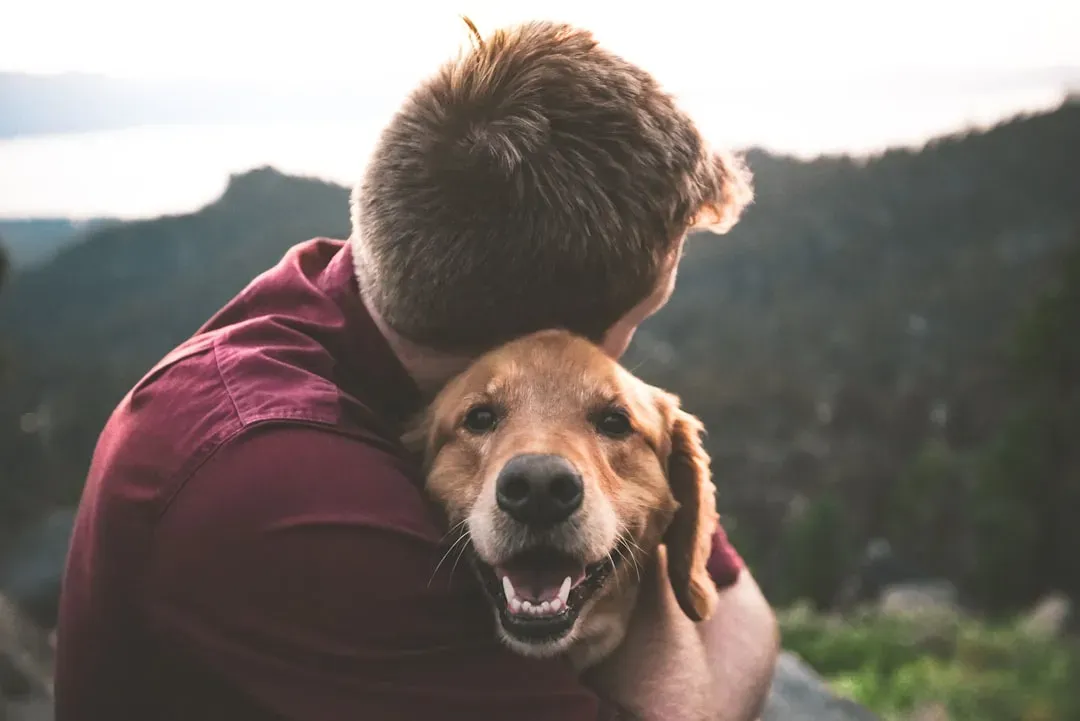
Dogs have an almost uncanny ability to notice when something is wrong. Many owners have experienced the quiet arrival of a dog at their side during a hard moment – no fanfare, just a presence that somehow lands exactly right. Dogs are remarkably attuned to human emotions. They can sense when you’re happy, sad, stressed, or relaxed, and often adjust their behavior accordingly. This sensitivity is a result of their keen observational skills and their desire to maintain harmony within their social group. By responding to your emotional states, dogs demonstrate empathy, further strengthening the bond of loyalty between you.
Dogs are remarkably empathetic creatures, often sensing when their owners are sad, anxious, or stressed. This sensitivity allows them to respond with comforting behaviors such as cuddling or staying close. Scientific research indicates that dogs can detect subtle changes in human facial expressions and body language, and their ability to emotionally connect reinforces their loyalty and deepens the human-dog bond. This behavior doesn’t fade as dogs age – if anything, long-bonded dogs seem to become more finely tuned to their owner’s emotional rhythms over time, arriving at the right moment with a kind of gentle precision.
#8 Greeting You Like You’ve Been Gone for a Year
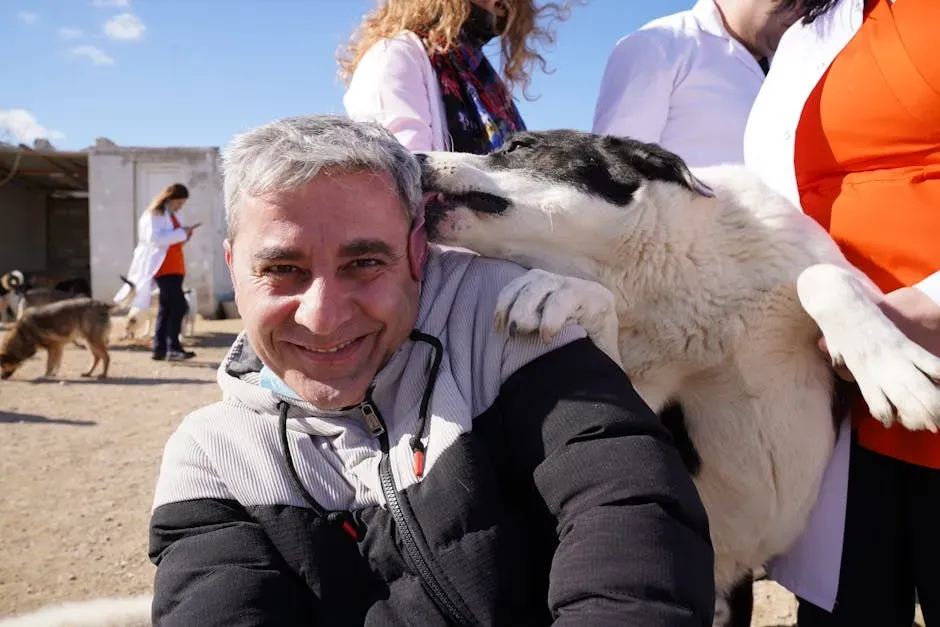
It could be ten minutes. It could be a full workday. Either way, the reception is the same – tail going, body wiggling, full celebration. The moment you walk through the door, chaos erupts. Your dog acts like you’ve been gone for years, even if you only stepped out for ten minutes to check the mail. This enthusiastic welcome, complete with tail wagging, jumping, and maybe some happy barking, reflects genuine joy at your return. Your dog’s brain releases dopamine when they see you, creating feelings of pleasure and excitement that they can’t contain.
What’s behind this isn’t performance or conditioning alone. Researchers have actually put dogs in MRI machines to see what lights up in their brains when they smell their owner’s scent versus a stranger’s scent. When dogs smell their owners, the caudate nucleus in their brain lights up like a Christmas tree – the same part of the brain that activates in humans when we see someone we love, associated with positive emotions, anticipation of good things, and yes – love. That exuberant greeting isn’t theater. It’s your dog’s brain lighting up for you. And it keeps happening, every time, for their entire lives.
#9 Mirroring Your Moods and Yawns
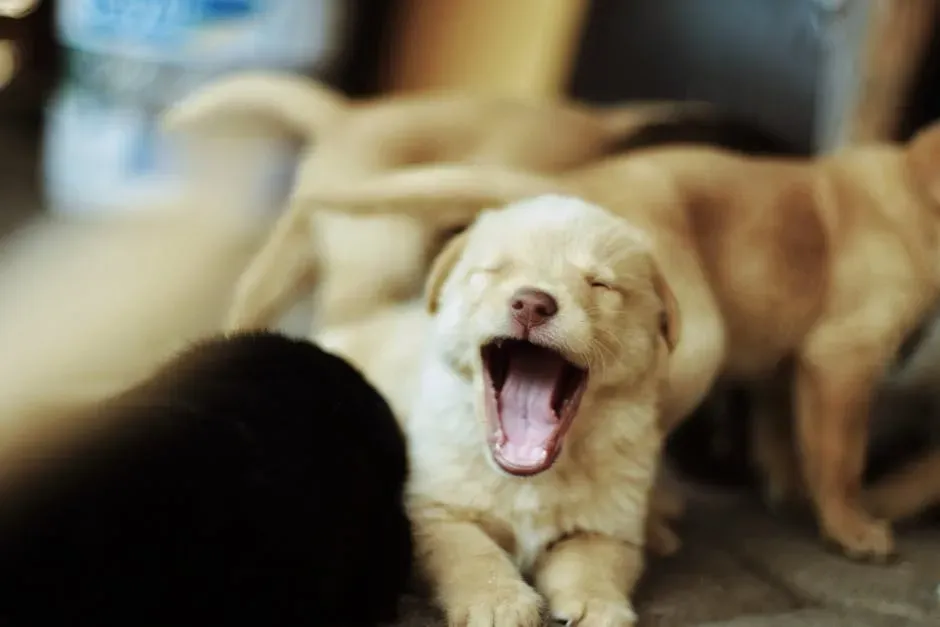
If you yawn and your dog yawns back within seconds, pause – that’s actually a meaningful moment. Yawning is a behavior that dogs can pick up from their owners. When your dog yawns right after you, it’s more than just a coincidence. This phenomenon, known as contagious yawning, suggests a strong emotional connection. Scientists believe that dogs who yawn in response to their owners’ yawns are showing empathy – it’s a subtle way of mirroring your behavior, indicating they are tuned into your emotions.
The broader mirroring goes beyond yawns. Research has shown that dogs often mimic our emotions, a phenomenon known as emotional contagion, which is another way they show love. Scientists have linked contagious yawning to empathy and emotional connection between individuals. When your dog mirrors your yawn, it shows they’re paying attention to you and feeling emotionally in tune with your state. This phenomenon happens more frequently between dogs and their owners than between dogs and strangers, and research suggests that dogs who yawn after their humans have stronger emotional bonds with them. It’s a small, easy-to-miss sign of how deeply a bonded dog stays connected to you – even in the quiet, unremarkable moments of an ordinary day.
#10 Choosing You Over Food
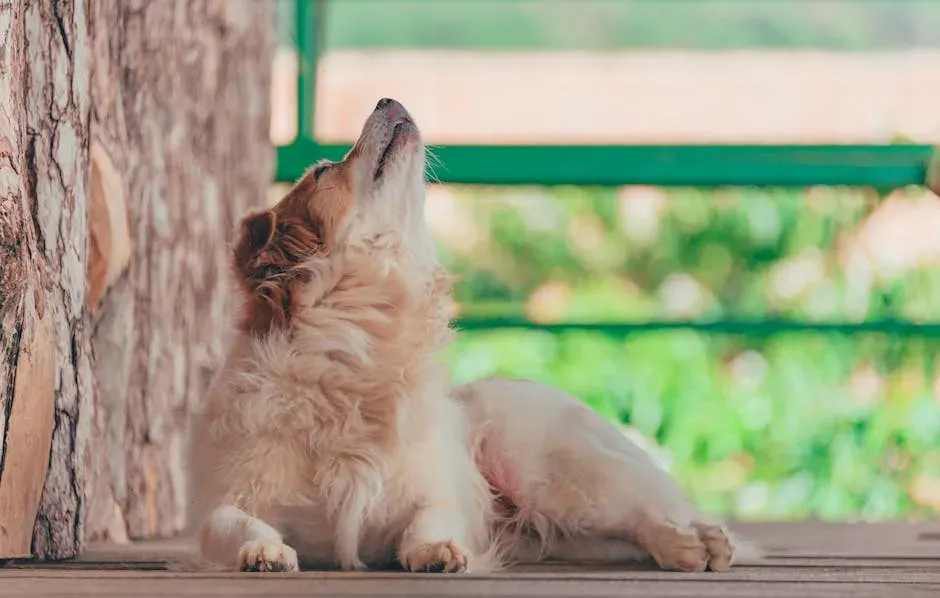
For a long time, the cynical view held that dogs were mostly in it for the meals. Science has been quietly dismantling that idea for years. One study involved researchers using a rope to pull open the front door of a dog’s home and placing a bowl of food at an equal distance to its owner, finding that the animals overwhelmingly went to their human first. Magnetic resonance imaging has drilled down on the neuroscience, showing that dogs’ brains respond to praise as much or even more than food.
Another fMRI study compared brain activity when dogs expected food versus praise from their owner. Many dogs showed just as much or even more activation in reward areas when they anticipated their person’s praise compared to when they anticipated food, and follow-up behavior tests found that many of those same dogs chose to go to their owner for affection as often as, or even more than, heading for their favorite treats. This is the act that perhaps says it most plainly: when given a free choice, a dog that truly loves you will pick your presence over a meal. Not every time, maybe. But more often than any skeptic predicted.
What These Moments Are Really Telling Us
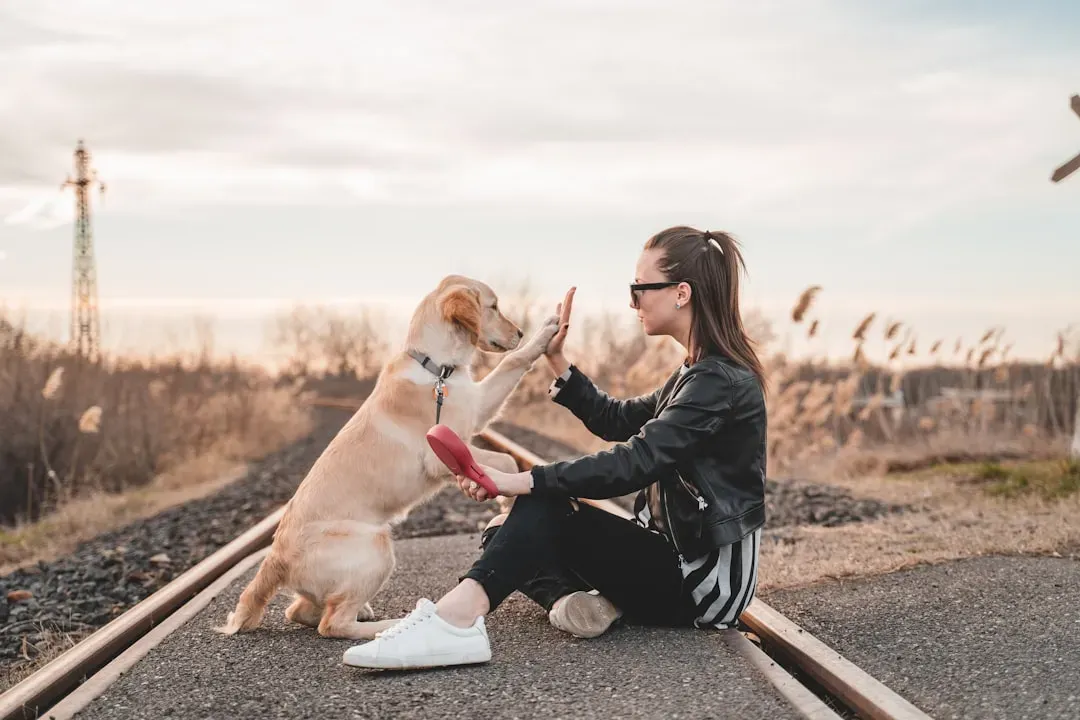
What strikes me most about this list isn’t any single behavior – it’s the consistency. Each of these acts repeats itself day after day, year after year, and continues right through the final stages of a dog’s life when their body has slowed but their devotion hasn’t. Dogs are creatures of habit, and routine plays a significant role in their emotional well-being. The familiarity of routine provides comfort and stability. When a dog keeps leaning against you, keeps checking on you, keeps greeting you like a miracle – they’re not doing it out of obligation.
The evidence is clear enough now to say this without sentimentality: evolution has shaped dogs to be loyal companions, a trait that has been selected over thousands of years of domestication. Early humans favored dogs that were dependable and protective, leading to generations bred specifically for loyalty. This genetic predisposition means that loyalty is not just a learned behavior but an innate characteristic. These ten tiny acts aren’t random quirks. They’re the accumulated expression of something that runs deep – an interspecies bond built over millennia and renewed, quietly, every single day you spend together. The least we can do is notice.


