
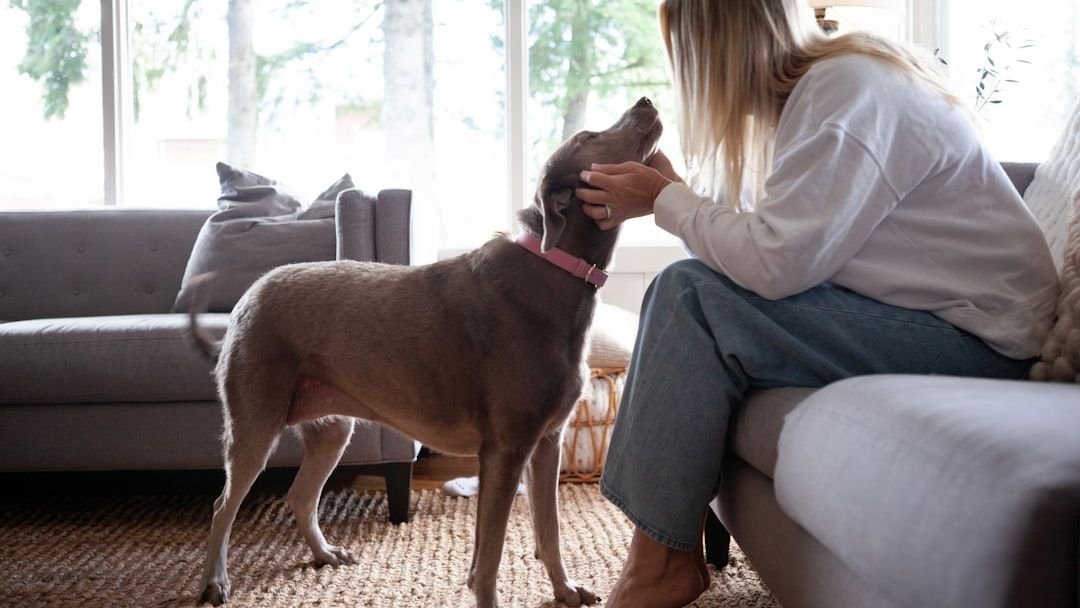
There’s something quietly profound about the moment a dog stops bracing for the worst. It’s not dramatic. There’s no announcement. One day you just notice that your dog is sleeping differently, eating calmly, following you around the house with an easy, unhurried pace. Something has shifted deep inside them.
Dogs can’t tell us when they finally feel at home in the world. They don’t have the words. What they have instead is a whole vocabulary of behaviors, and when emotional safety takes root, that vocabulary changes in ways that are genuinely touching to witness. Unlike humans, dogs don’t verbalize trust. Instead, they reveal it through gentle behaviors deeply rooted in instinct, emotional security, and body language. Once you know what you’re looking for, every small change tells a bigger story.
Their Body Loses Its Tension
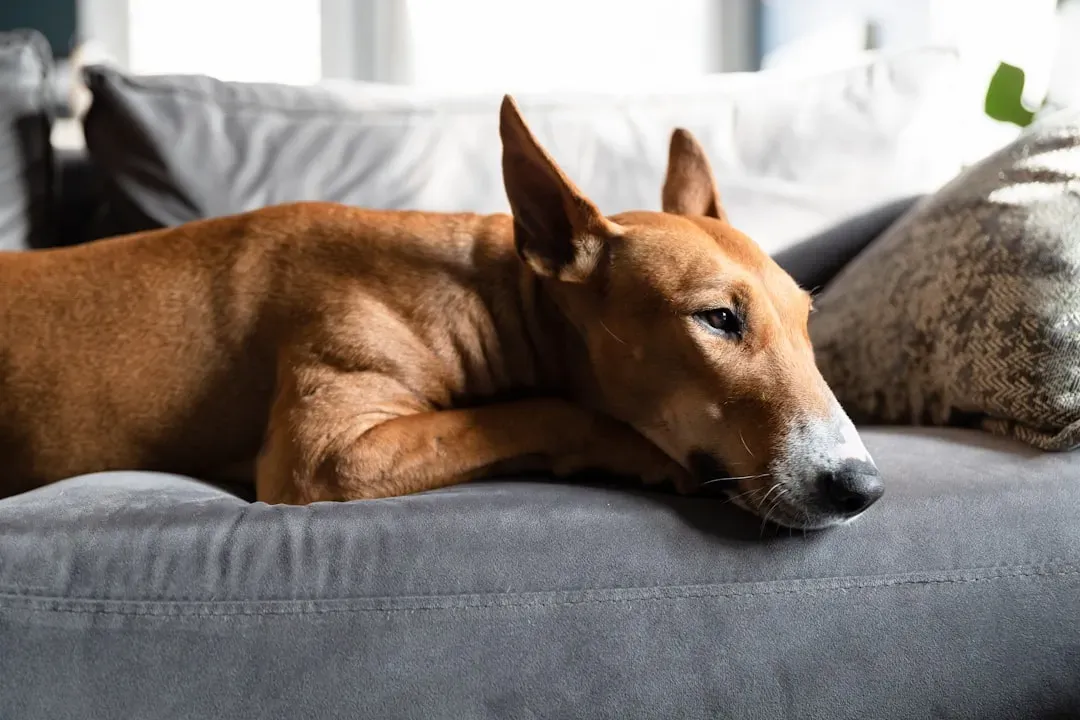
One of the first things to shift when a dog truly feels safe is the way they carry themselves. A dog that feels secure will display relaxed body language, including a loose posture, a wagging tail, and soft, gentle eyes. If your dog isn’t tense or anxious around you, this is one of the clearest signs they trust you and feel comfortable in your care.
When a dog feels safe and content, their body appears loose and relaxed, with signs such as a wagging tail, a slightly open mouth almost like a smile, or a soft gaze. There’s no tension in their muscles, no stiffness in their stance. Everything about them just looks easy and comfortable.
Relaxed body language presents as a general looseness in the body, a relaxed open mouth, almond-shaped eyes that are not staring intensely at any fixed point, and a neutral tail position. Compare this to a stressed dog who might have a tucked tail, pinned-back ears, or tense muscles. The contrast, once you see it, is impossible to miss.
They Sleep Deeply and Without Guard
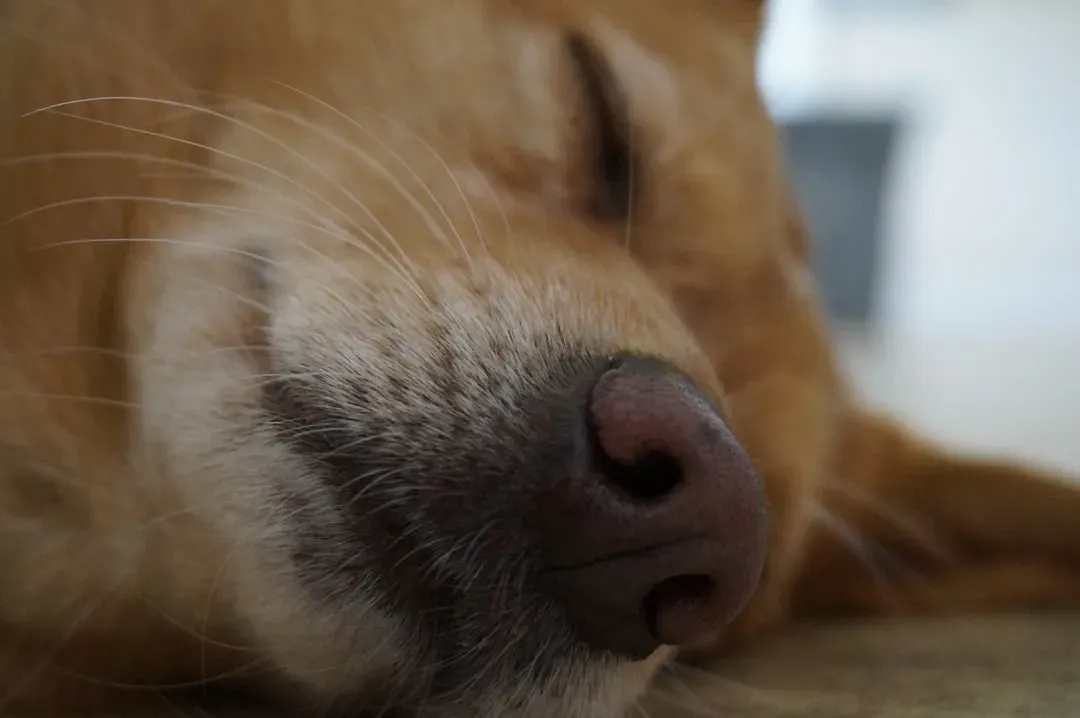
Sleep is a big deal for a dog. Dogs are at their most vulnerable when they sleep. If your dog chooses to sleep close to you, it’s a sign that they feel safe and protected in your presence. Dogs that trust their owners will often lay next to them, either on the couch, at the foot of the bed, or even in the same room, as a way of maintaining that bond.
Sleeping near you or even touching you while sleeping shows deep trust. Dogs are vulnerable when they sleep, so choosing to rest beside you means they believe you’ll keep them safe. If your dog falls asleep with their back to you, that’s even stronger trust because they’re confident you’ll watch out for threats.
A dog that feels safe and happy will sleep deeply and comfortably in their favorite spots, often stretching out or curling up in a cozy position. You might also catch your dog dreaming – those adorable paw twitches or quiet yips are signs they’re in REM sleep, which means they feel secure enough to fully relax. It’s one of the most tender things you’ll ever see.
They Expose Their Belly Without Hesitation
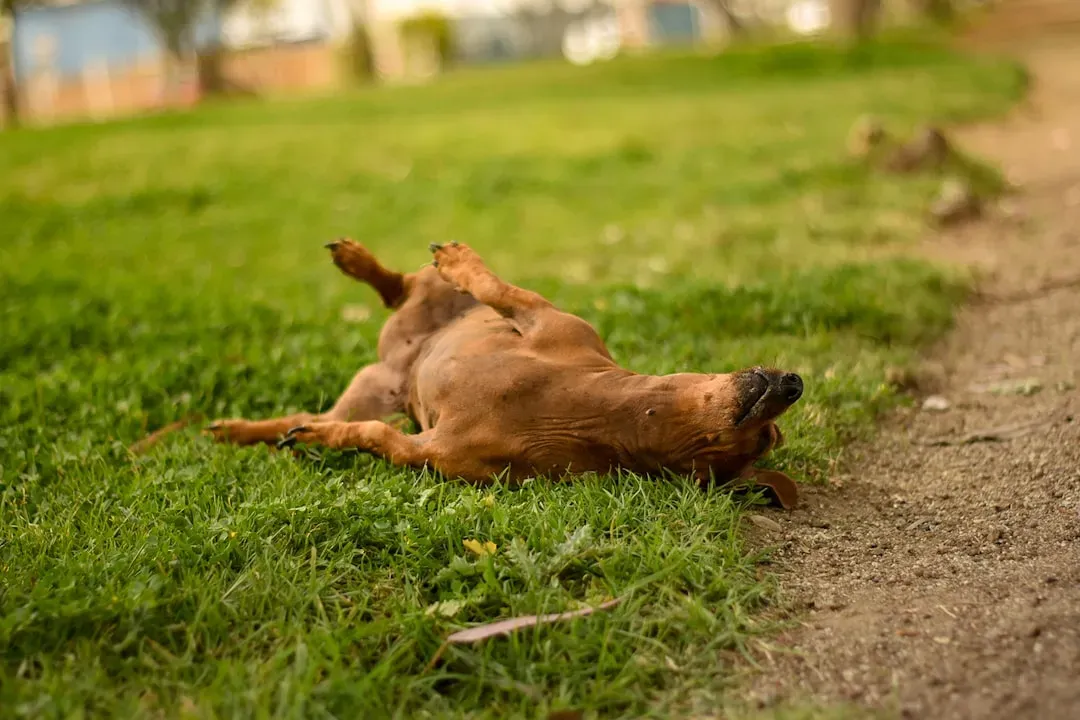
When your dog rolls over to show their belly, they’re displaying the most vulnerable part of their body. This isn’t always a request for belly rubs, but it’s always a sign of trust and submission. It’s the canine equivalent of a deep exhale.
The belly is one of the most vulnerable parts of a dog’s body. When they roll over and show it to you, they’re essentially saying they trust you completely not to hurt them. When a dog rolls over and exposes its belly, they’re placing themselves in a vulnerable position. This is a clear sign that your dog trusts you completely. In the animal kingdom, exposing the belly means surrendering, and when your dog does this with you, it’s a gesture of trust.
They Begin to Follow You With Ease
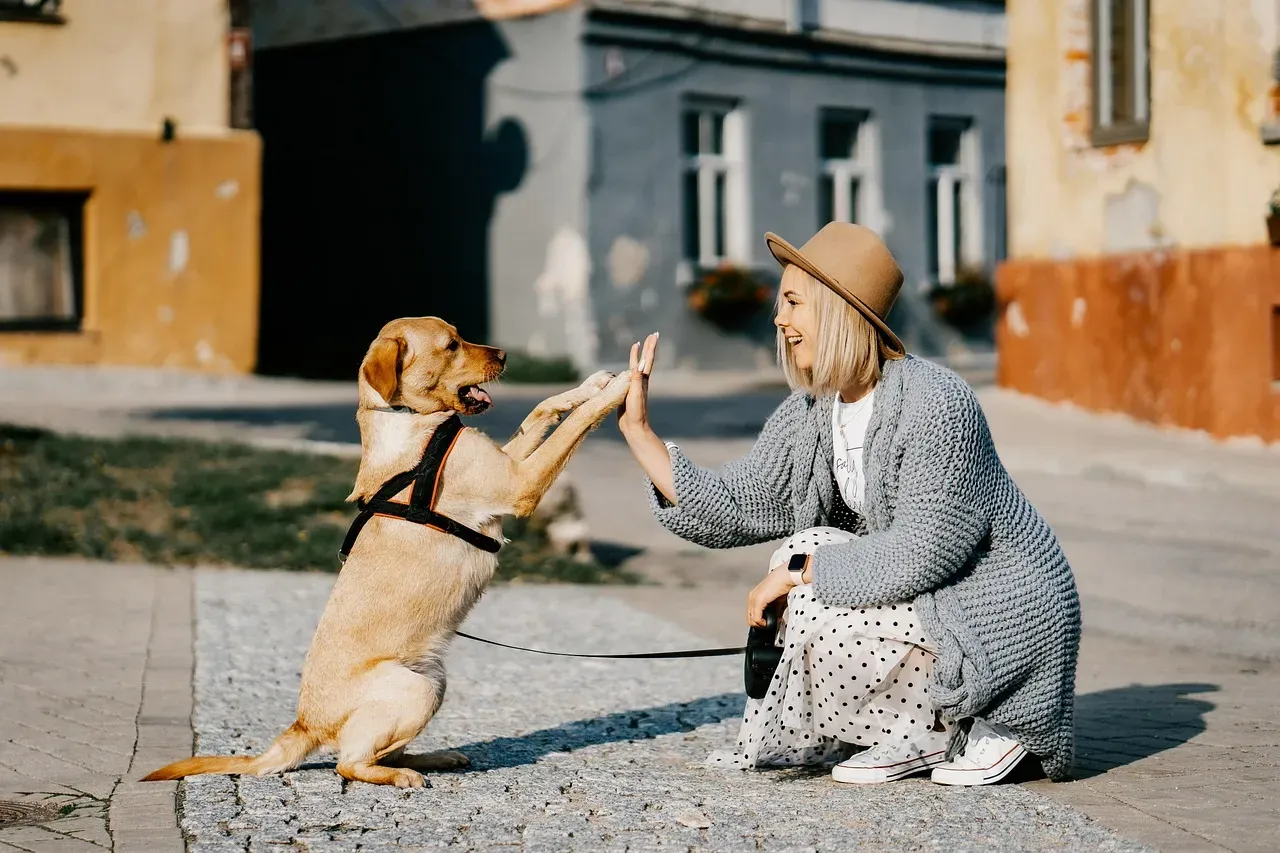
When a dog follows you around, they do not depend on you out of anxiety. A dog following you without being anxious shows that they trust you, are emotionally confident, and feel that they are in a safe environment. A dog that is not anxious is showing that they are comfortable and it is safe for them to be near you.
Dogs will naturally gravitate toward their human when they feel safe and bonded. They’ll follow you from room to room or lie nearby – and that’s connection. The key distinction is in the quality of the following. If your dog sticks to you like glue with a cheerful attitude, that can be considered a strong affiliative behavior. It’s companionship, not anxiety, that drives them forward.
They Make Soft, Sustained Eye Contact
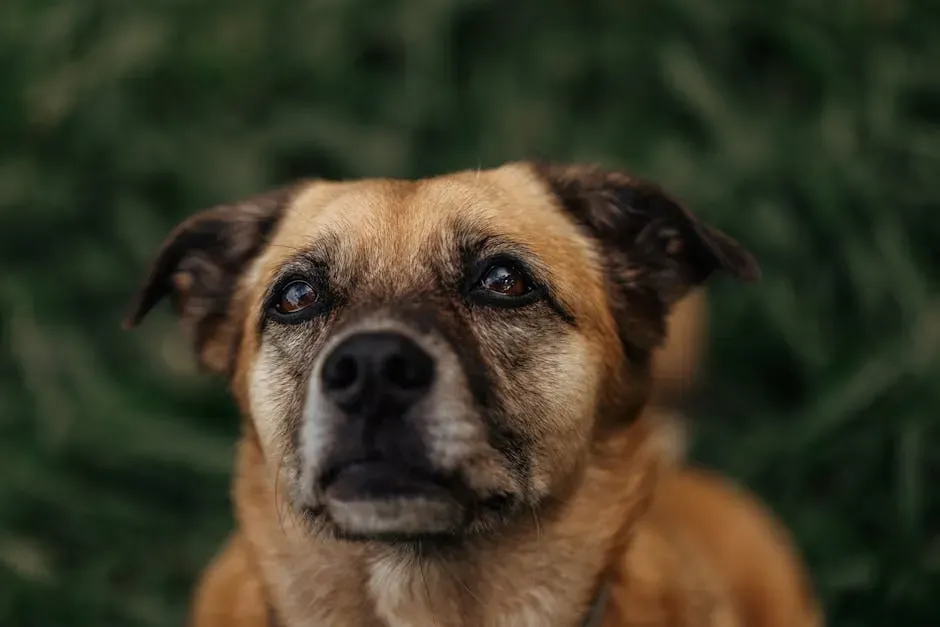
While direct eye contact between dogs can be a sign of dominance or aggression, a soft, prolonged gaze with a relaxed expression is a sign of love and trust. When your dog looks into your eyes with a gentle, calm demeanor, it’s their way of bonding with you. Studies have shown that mutual eye contact between dogs and their owners can increase levels of oxytocin, the hormone responsible for love and bonding.
A soft, relaxed gaze usually indicates affection or attention-seeking behavior. A hard, stiff stare may signal discomfort or a warning. Learning the difference is worth the effort. When your dog holds your gaze with soft eyes and a loose face, they’re not challenging you. They’re choosing you.
They Eat Calmly and Without Anxiety
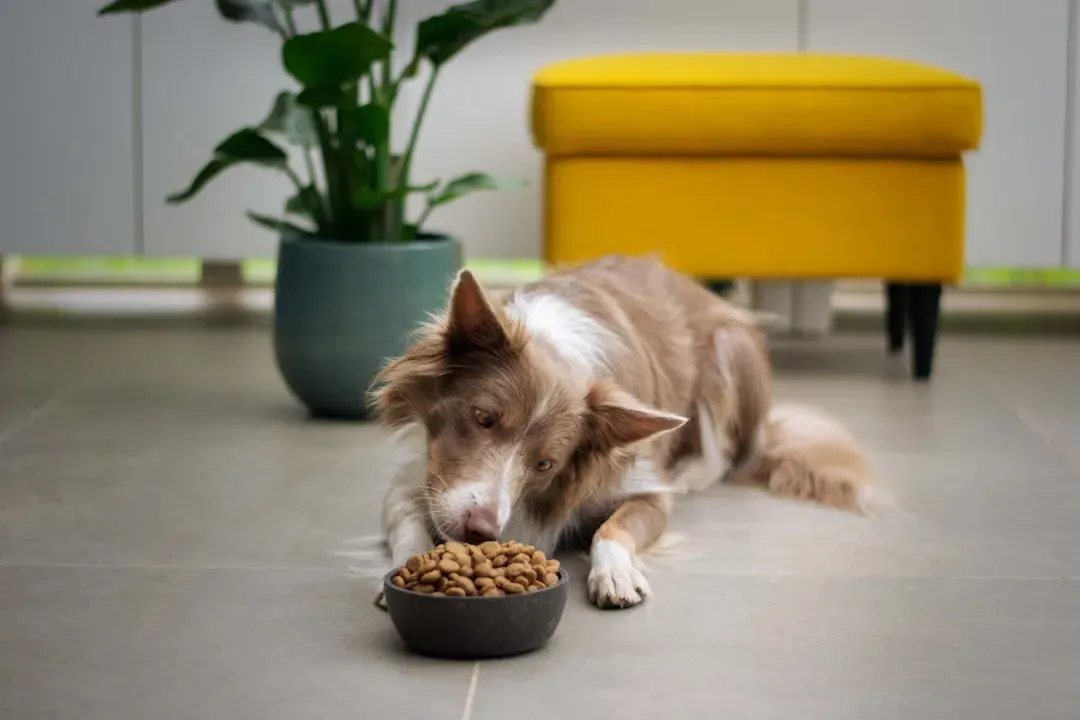
A dog’s relationship with food can quietly reveal a lot about their emotional state. Dogs that feel safe confidently approach their food bowl without hesitation or anxiety. Calm eating shows trust in the environment, as the animal knows precisely that its owner will always take care of the nourishment.
A content and secure dog will maintain a steady appetite and show enthusiasm for mealtime. Eating can be a little nuanced, but as one trainer puts it, “A dog who eats in your presence or takes treats from you is likely feeling safe.” Contrast this with a dog that gulps food defensively or paces before eating, and the difference in emotional baseline becomes very clear.
They Initiate Physical Contact on Their Own Terms
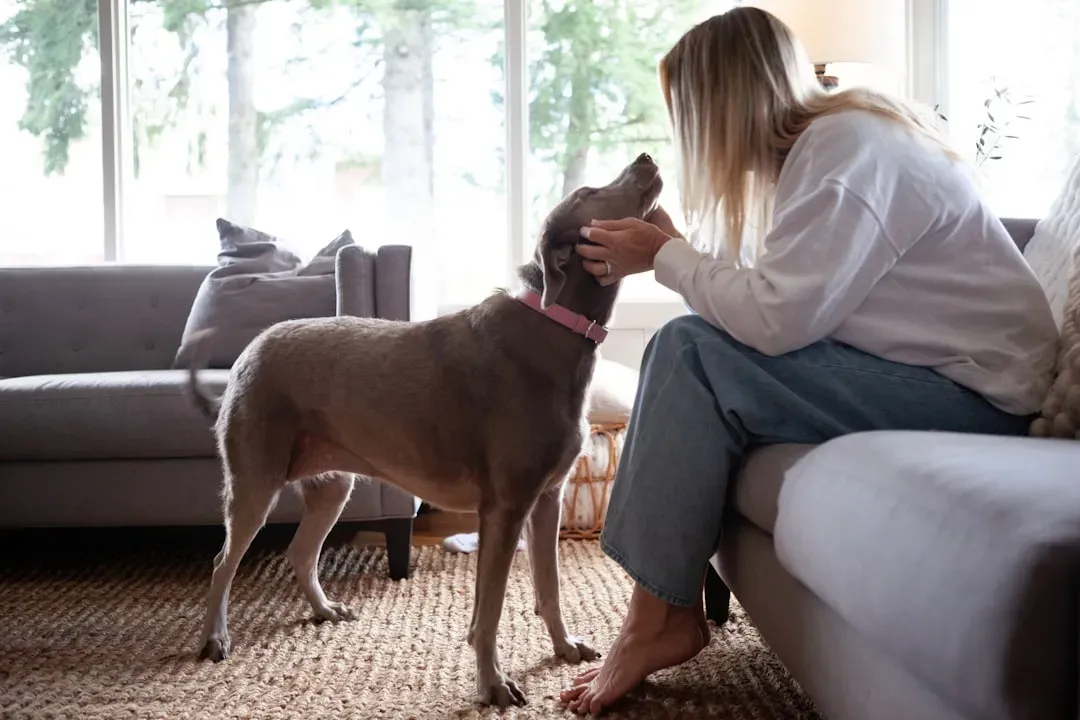
If your pet seeks your touch, leans on you, rests its head on your thigh, or paws at you, that’s a meaningful signal. Dogs only willingly engage in physical contact with someone they trust. This is an important tool for building and deepening the bond, which they only use when they don’t feel threatened.
When your dog presses their body against yours, it’s a form of physical closeness that signifies love and comfort. Dogs lean on their owners when they feel safe and they often seek this contact when they want reassurance or simply want to be near you. It’s a gesture of affection that shows your dog trusts you to provide comfort and security. There’s something quietly beautiful about a dog that chooses to lean into you. Nobody told them to.
They Look to You When Something Startles Them
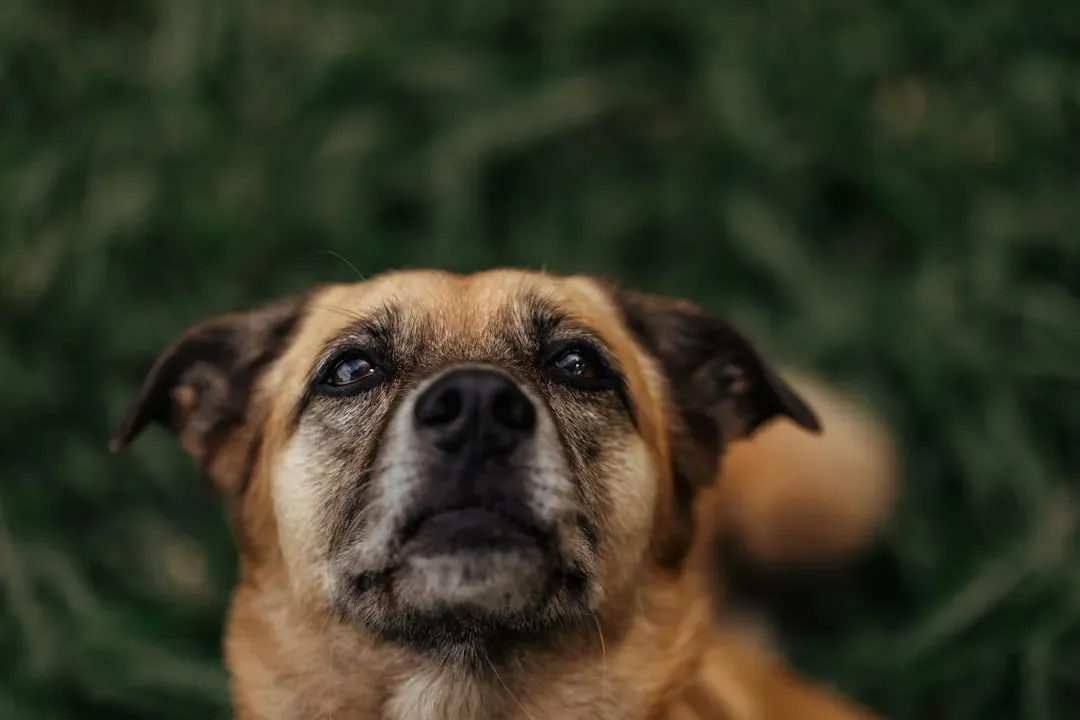
Sometimes, life gets intense, and a dog who trusts their person is going to turn to them for help when feeling overwhelmed. Whether it’s dealing with a pushy stranger or an unexpected sound from outside, a dog who trusts you will look to you for direction. Thanks to the bond you’ve built, you’re the security blanket, escape hatch, and translator, all rolled into one.
When startled or upset, a dog who truly feels safe will look to you and move toward you, rather than retreat and seek distance. Dogs who feel loved and comforted consider their favorite humans as their secure base, especially when they’re uneasy. When something startles them or feels new, a dog who trusts you will look to you for guidance. That glance in your direction is one of the most honest expressions of trust a dog can offer.
They Engage Willingly in Play
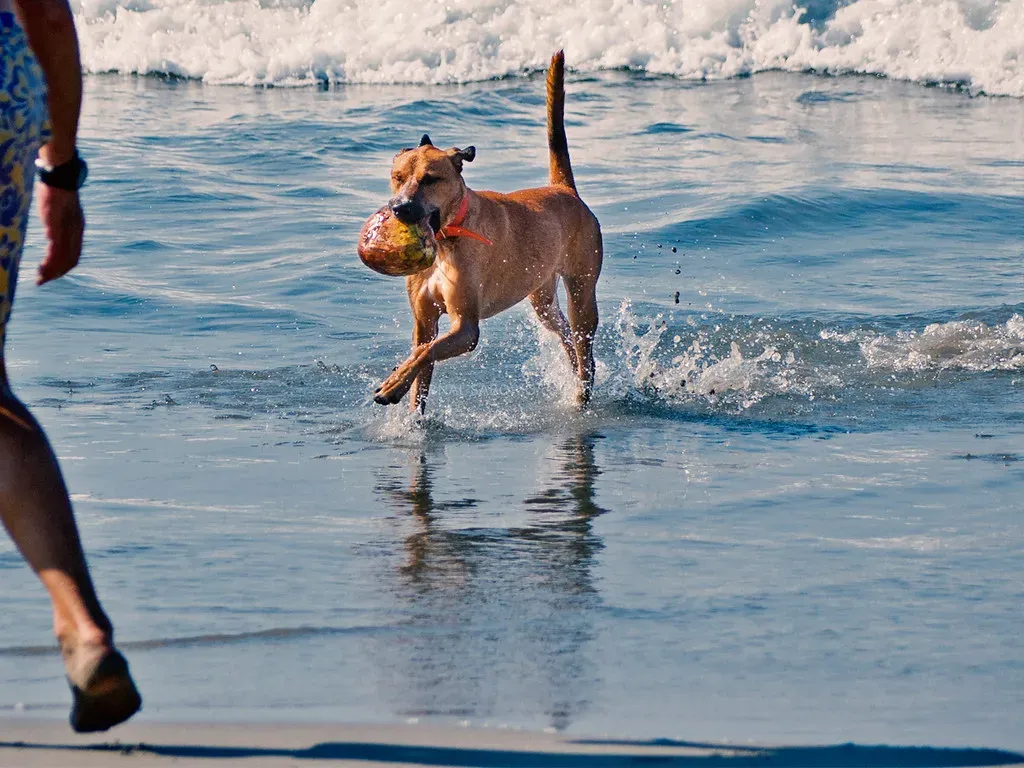
Dogs that feel safe and happy are typically eager to play and interact with their humans or other pets. Whether it’s chasing a ball, tugging on a rope toy, or zooming around the yard in excitement, playfulness is a sure sign of a joyful pup. A dog that won’t play is often a dog that doesn’t feel settled enough to let its guard down.
It’s a very good sign if the dog plays in your presence. A mischievous dog who jumps around or repeatedly drops its favorite fetch toy at your feet is clearly wanting to express that it feels good in your company. Offering their toy to you reflects your importance to them, their way of saying they value your company and want to share their joy. Next time your dog drops a slobbery tennis ball in your lap, remember it’s essentially a love letter written in dog language.
They Become Willing to Learn and Respond to You
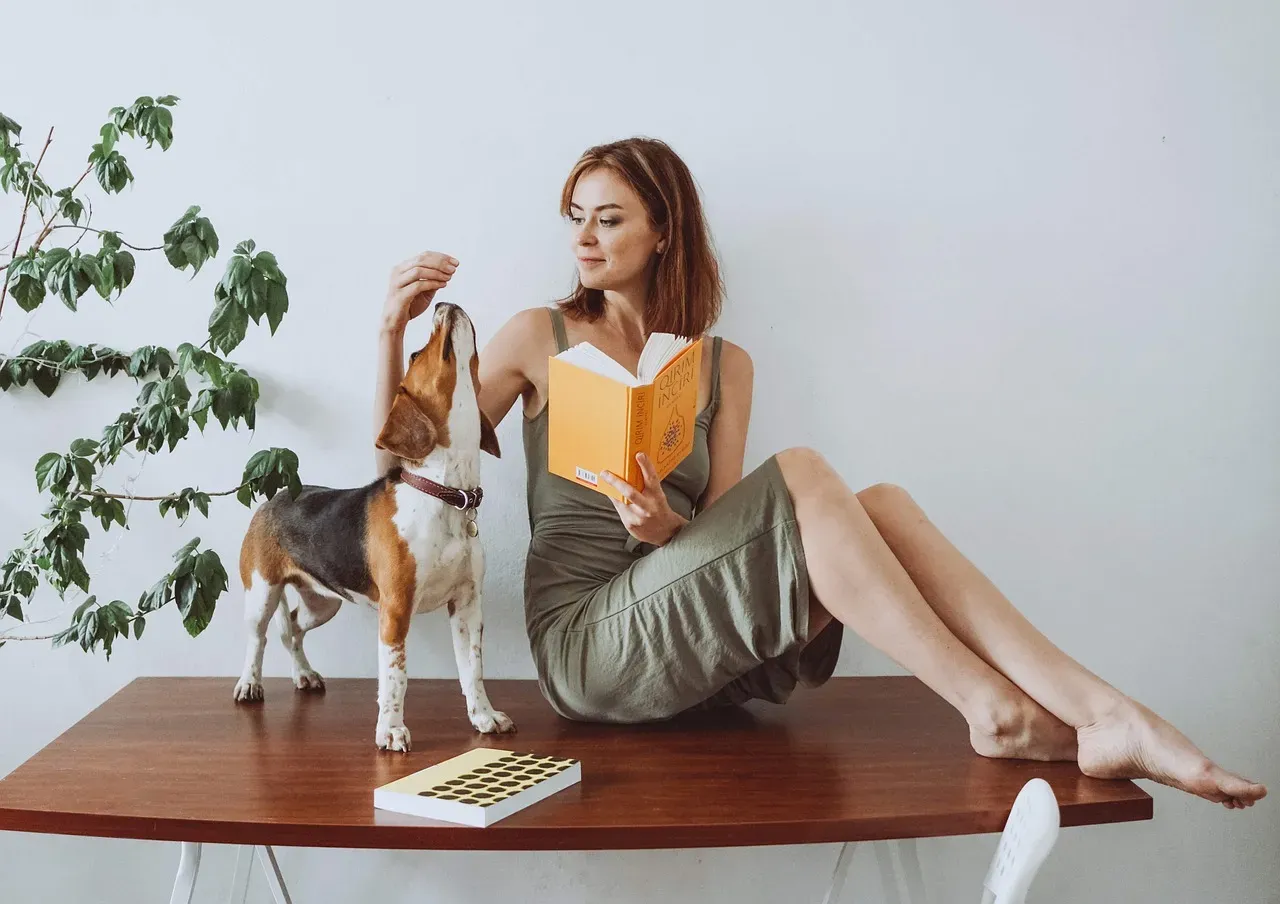
Dogs who feel emotionally safe with you are naturally curious and eager to learn. They may follow cues quickly, try new tricks, or pay attention during walks and daily routines. This openness isn’t simply about obedience. It reflects something deeper – an inner calm that makes exploration feel possible.
Trust between you and your dog doesn’t happen overnight. It develops through consistent interactions, clear communication, and reliable care that shows your dog they’re safe with you. Studies shared by the American Veterinary Society of Animal Behavior show that dogs who grow up with kind and predictable human interactions tend to have lower stress hormones and better emotional regulation. A dog that has arrived at that place of inner safety is one that’s ready to meet the world with curiosity instead of fear.
Conclusion
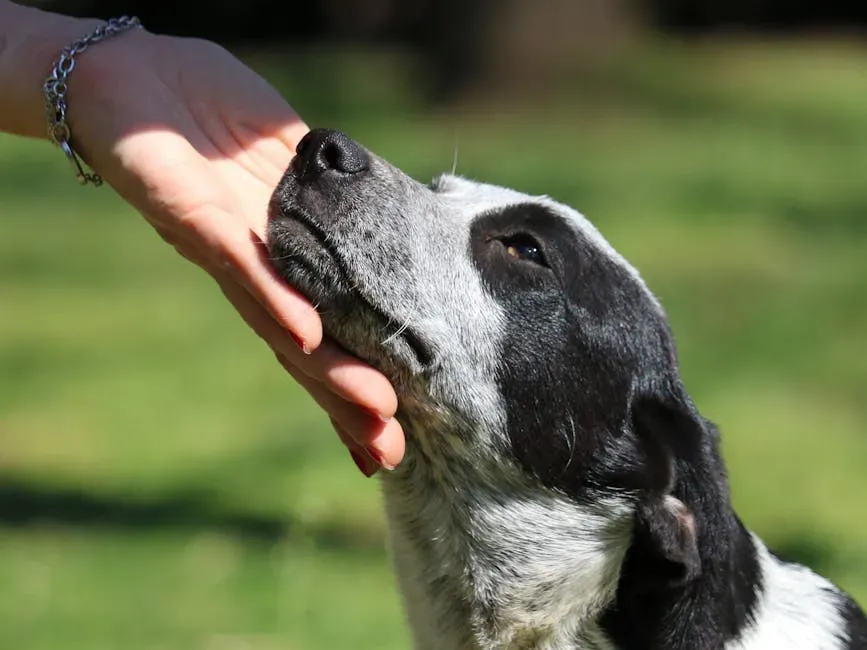
The changes described here aren’t tricks or performances. They’re quiet confessions. Each one represents a dog that has decided, somewhere in the wordless space of its own experience, that it doesn’t need to brace anymore.
For your dog, trust means feeling secure enough to be vulnerable around you. When a dog trusts their owner, they believe you won’t hurt them, will meet their needs, and will protect them when needed. That’s an enormous responsibility, and it’s also an enormous privilege.
What’s most striking about all ten of these changes is how small they look from the outside. A softer gaze. A belly shown. A toy dropped in a lap. None of it announces itself loudly. Pay attention to the little things: the way they seek you out when they’re tired, how they choose to spend their most vulnerable moments near you, or that special toy they only share with you. A dog that feels truly safe is one of the most honest mirrors of the care you’ve quietly been giving all along.


