

There’s a moment many dog owners know well. You slump into a chair after a hard day, and before you’ve even exhaled, your dog is there. Not performing a trick. Not asking for food. Just present, watching you with that particular attentiveness that feels almost uncomfortably knowing. It’s not coincidence, and it’s not just loyalty in the traditional sense.
According to research, dogs can indeed mirror their owners’ emotions and behaviors, and personality similarities between dogs and their humans are not merely anecdotal but grounded in scientific observation. The deeper you look into this bond, the more remarkable it becomes. Dogs don’t just love us. In many ways, they become us.
They Absorb Your Stress Without You Saying a Word
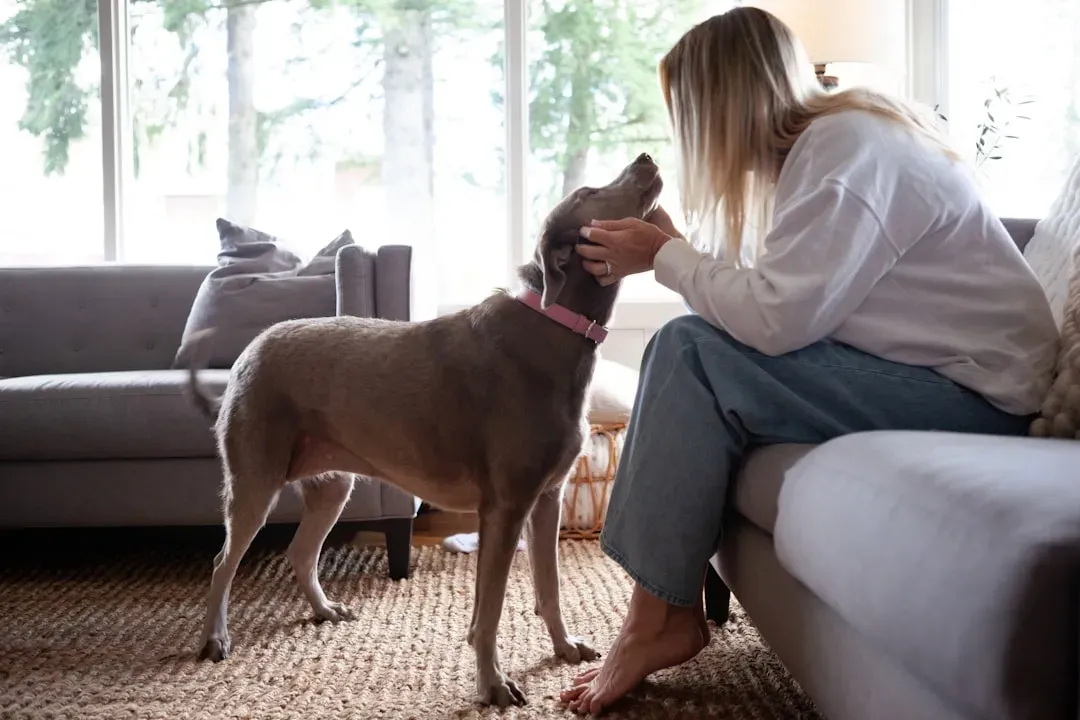
Of all the findings in canine behavioral science, perhaps none is more striking than what researchers discovered about stress. The levels of stress in dogs and their owners follow each other, and scientists believe that dogs mirror their owner’s stress level rather than vice versa. This isn’t a small effect. It’s measurable in the body itself.
Researchers determined stress levels over several months by measuring the concentration of cortisol in hair samples from both dogs and their owners, finding that owners with high cortisol levels had dogs with high cortisol levels, while owners with low cortisol levels had dogs with low levels. The synchronization held across seasons and regardless of physical activity.
Dogs’ hair cortisol concentration was unrelated to their own personality or overall levels of physical activity or training, but it was influenced by their owners’ personality characteristics, suggesting that dogs mirror the stress levels of their owners. In other words, your inner life is quietly shaping theirs.
They Read Your Face With Startling Precision

Research shows that dogs pay particularly close attention to human facial expressions, perhaps because we don’t have tails, and our ears don’t move. Over thousands of years living alongside people, they’ve developed a form of face-reading that is, in some ways, genuinely sophisticated.
Dogs have a dedicated region of the brain for processing human faces, which helps explain their exquisite sensitivity to human social cues. A dog noticing your mood isn’t guesswork. It’s neurological.
A study in a 2018 issue of the journal Learning and Behavior found that dogs respond to human faces that express six basic emotions, including anger, fear, happiness, sadness, surprise, and disgust, with changes in their gaze and heart rate. Your expression lands on them. They don’t look away from it.
Their Personality Gradually Shapes Itself to Yours
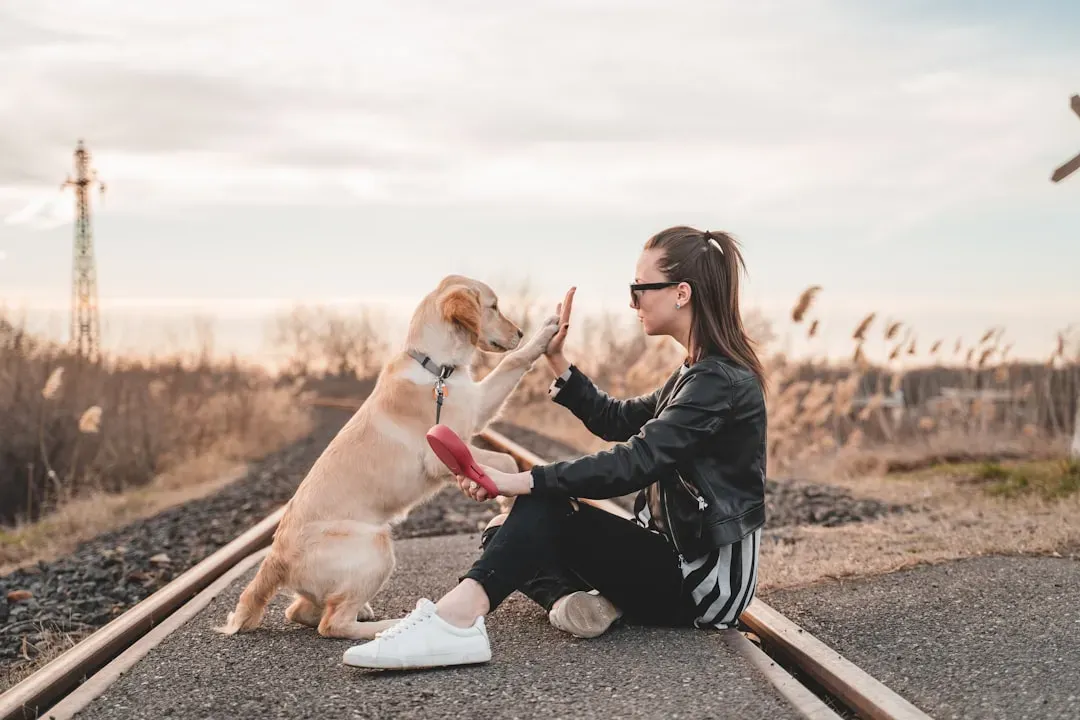
Research published in Applied Animal Behaviour Science found that owners and their dogs score similarly on traits like extraversion, emotional stability, and conscientiousness. This isn’t about breed alone. It happens through daily life, through habit and proximity.
As dogs and their caregivers move through the stages of their relationship, the similarities in behaviour and personality grow, and these striking similarities are more common than uncommon. The dog who seemed independent when you first brought them home can drift, over years, toward something that looks a lot like your own temperament.
Those exhibiting higher levels of neuroticism often have dogs that are more anxious or prone to fear-based behaviors, suggesting that our personalities not only dictate the dogs we choose but also mold their character over time.
Their Hearts Literally Sync With Yours

The mirroring between dogs and owners isn’t limited to behavior. It extends into physiology in ways that continue to surprise researchers. A recent study showed that the heart rate variability of a dog and its owner adapt to each other during interaction. Two bodies, two nervous systems, finding a shared rhythm.
Researchers assessed the emotional reactions of dogs and humans by heart rate variability, which reflects emotion, under a psychological stress condition on the owners. The results showed that dogs tracked their owners’ emotional arousal in real time, not just over months.
The dog-owner relationship was reflected in the dog’s emotional reactions, and a close emotional bond with the owner appeared to decrease the arousal of the dogs. Security, it turns out, flows in both directions.
They Sense Your Emotions Through Scent
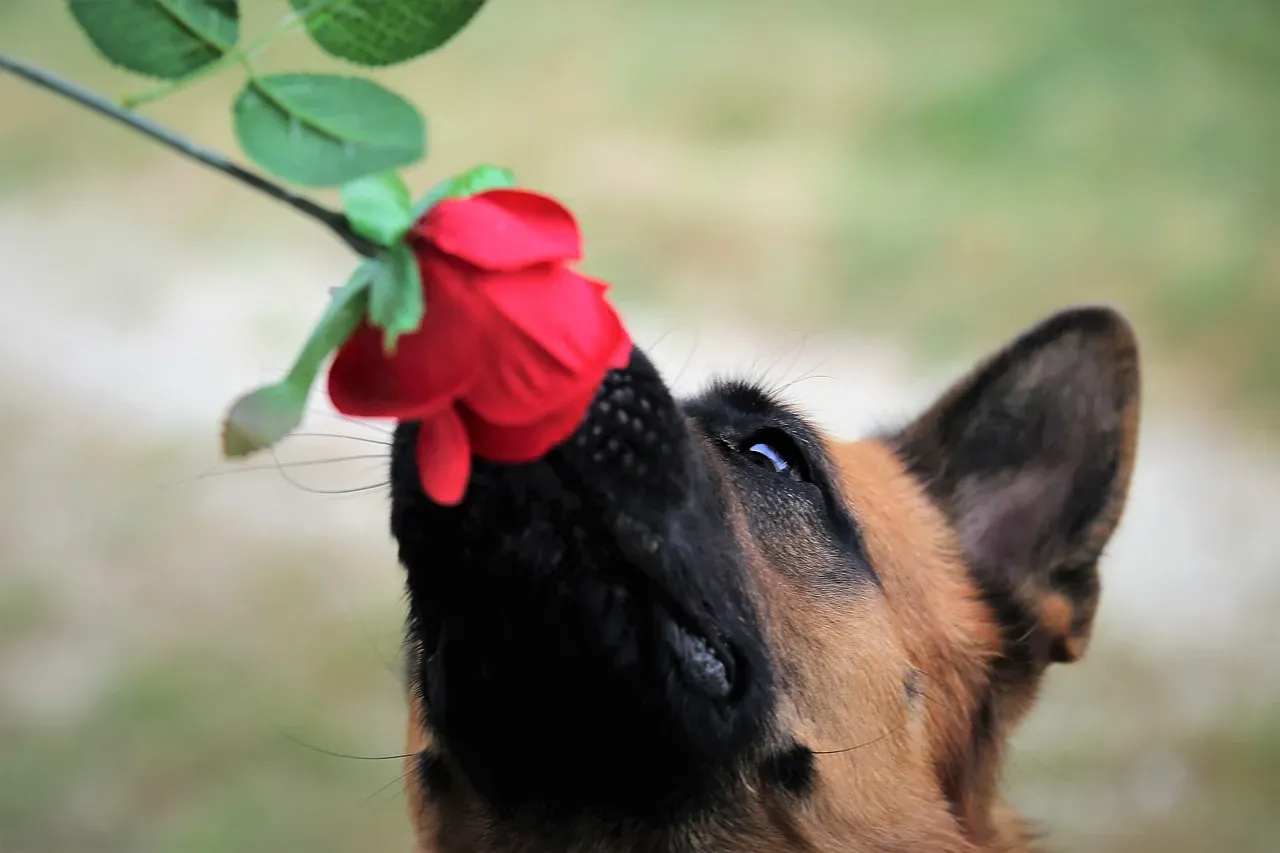
Dogs don’t rely on vision alone to understand what their owner is feeling. Their nose is arguably their most powerful emotional instrument. Dogs are very sensitive to body odor, and in a study published in Animal Cognition, Labradors and Golden Retrievers were exposed to human body odors representing fear, happiness, and neutral emotion. When exposed to the scent of fear, the dogs exhibited more stressful behaviors and higher heart rates.
This chemical channel means your dog can be picking up emotional information you haven’t consciously expressed at all. Research indicates that emotional contagion, a fundamental aspect of empathy in which emotional states are mirrored between individuals, is prevalent among humans and dogs, with dogs shown to detect and respond to human emotions through visual, auditory, and chemical signals.
They Mirror the Energy You Bring Into a Room
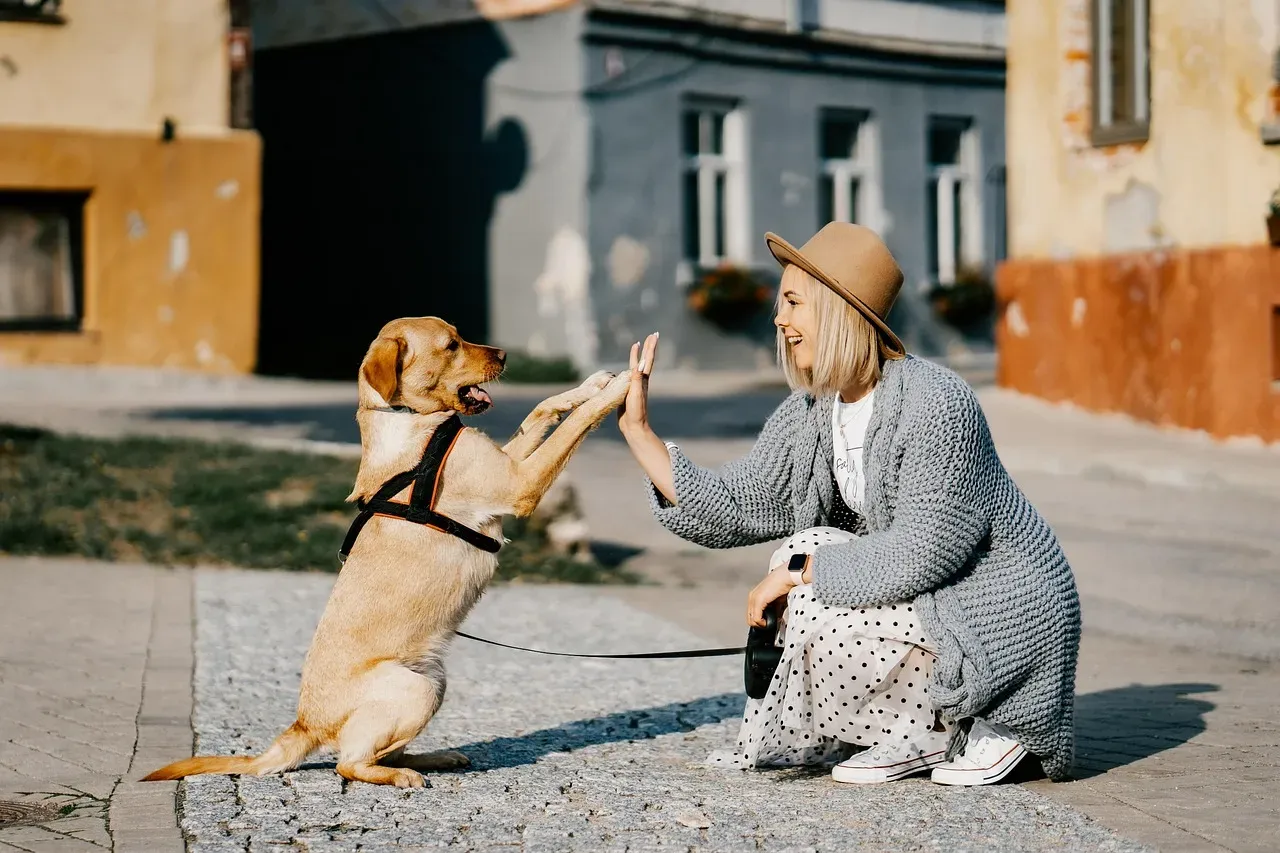
Dogs exhibit behaviors that help them integrate into human society, leading to what researchers call “behavioral synchrony,” which refers to dogs mirroring their owners’ actions and emotional states, creating a harmonious existence. Walk in calm and relaxed, and the energy in the room tends to stay that way.
A dog’s training success and behavior are deeply influenced by their owner’s personality. Owners who are patient, consistent, and use positive reinforcement tend to have dogs that respond well to training and display well-balanced behaviors. Conversely, inconsistent training or high-stress environments can lead to confusion or anxiety in dogs.
This isn’t about dominance or hierarchy. It’s about the emotional atmosphere a person creates, day after day, which gradually becomes the water their dog swims in.
The Bond Triggers a Shared Chemistry
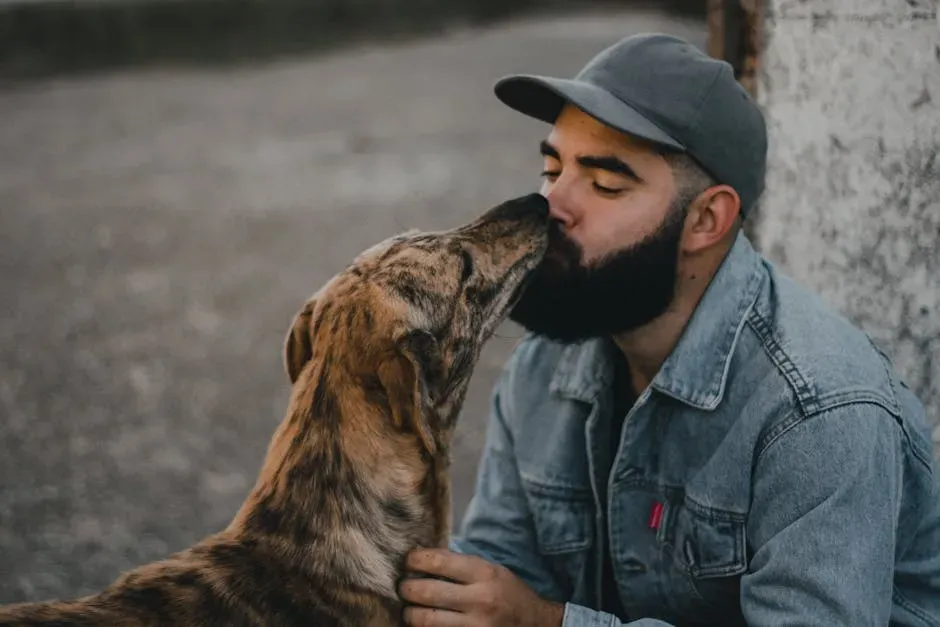
When a dog looks into your eyes, something biochemical happens for both of you. Researchers have discovered that when your dog looks at you, both of your brains get a jolt of oxytocin, the same chemical that mothers’ and babies’ brains produce when they look at one another, the biological factor that makes them bond.
A number of studies have shown that when dogs and humans interact with each other in a positive way, such as cuddling, both partners exhibit a surge in oxytocin, a hormone linked to positive emotional states. This shared biochemistry is part of what makes the dog-human relationship unlike any other interspecies bond on the planet.
Their Fear and Anxiety Echo Your Own

One of the more sobering aspects of canine mirroring is what happens when an owner’s anxiety is chronic. In a study involving over 2,700 pet owners, researchers discovered that higher neuroticism and poorer mental wellbeing in owners correlated with more anxious attachments to pets, with dogs exhibiting increased fear-related behaviors in these scenarios, suggesting deep emotional co-regulation between owners and pets.
Owners scoring high on neuroticism, meaning those who see themselves as anxious and easily upset, reported more fear and anxiety-related behaviors in their dogs, such as fear of strangers and separation-related behaviors. The dog isn’t being difficult. It’s being faithful to what it has learned about the emotional world it lives in.
If an anxious individual has a dog with a similarly nervous demeanor, the relationship dynamics can create a feedback loop, wherein each party amplifies the other’s emotional state. Recognizing this loop is the first step to gently loosening it.
The Length of Your Relationship Deepens the Mirroring
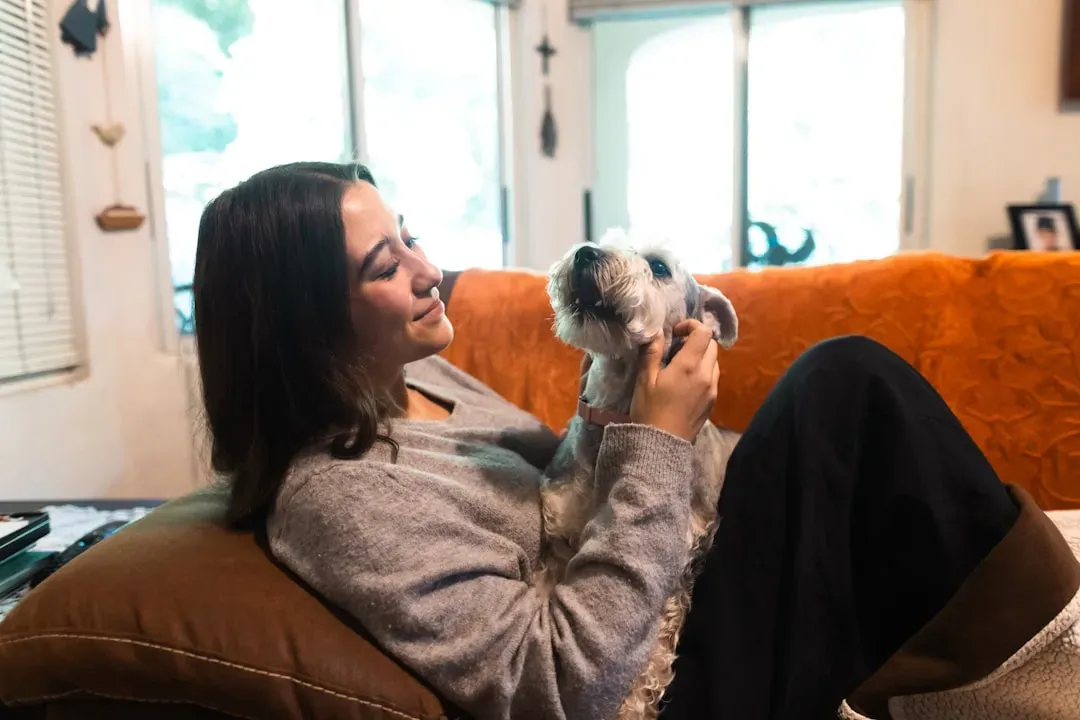
This emotional attunement isn’t fixed. It grows. Dogs have coexisted with humans for more than 30,000 years and are woven into human society as partners, and they have acquired human-like communication skills and the ability to read human emotions as a result of the domestication process. Within a single relationship, that broader evolutionary story plays out on a smaller, more intimate scale.
A 2019 study indicates that both the sex of the dog and the length of their relationship with their owner have an impact on the emotional bond and the amount of empathy a dog shows for their owner, with female dogs showing stronger empathy and the longer the relationship, the stronger the response.
Time, in other words, isn’t just wear. It’s deepening. Every year spent together appears to tune the dog’s emotional radar more precisely to its owner’s signal.
They Reflect Back What You May Not See in Yourself

Dogs depend on their owners for the basics of life and so monitor our every move. They know when we are rushed or relaxed, happy or mad, focused or available for play. They are wise creatures that realize our moods affect them. In many ways, watching your dog closely is a form of honest self-observation.
Changes in a dog’s energy, including clinginess, restlessness, appetite changes, or mirrored physical behaviors, may all be signs of emotional mirroring. A restless dog on a tense evening is, in a quiet way, telling you something.
By being mindful of our own habits, stress levels, and emotions, we can positively influence our dog’s well-being, and a balanced, structured routine filled with love, training, and exercise can shape a well-adjusted and confident pet. The dog becomes, without meaning to, a kind of living barometer for the quality of your own inner weather.
Conclusion: A Bond That Holds a Mirror Up to Us All
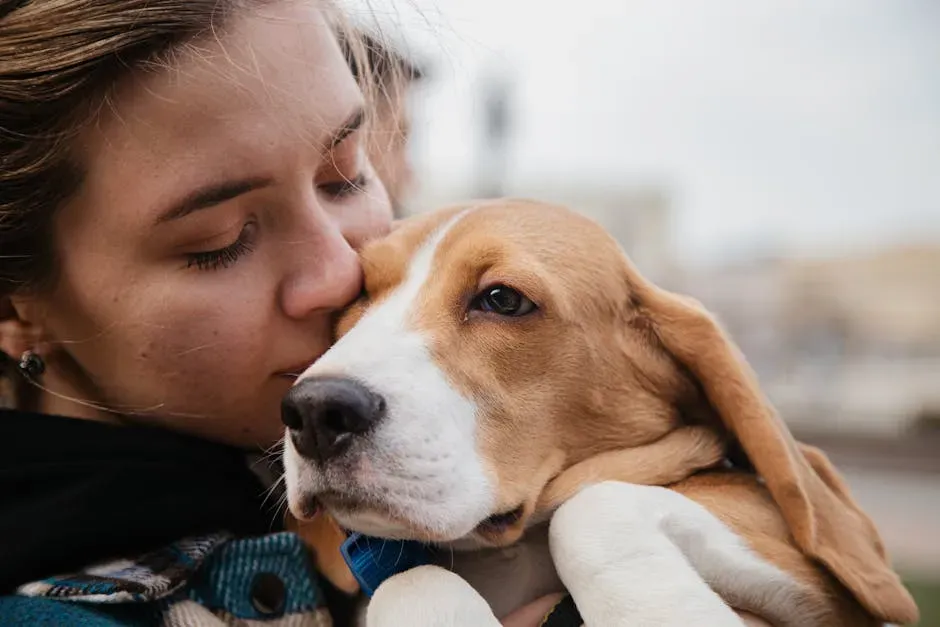
There’s something quietly profound in all of this research. Many people who have lived with dogs have intuited the synchronization of stress and other emotions between dogs and their humans, and for them, this sort of cross-species empathy is rather common and to be expected. Science has now given that intuition a firm foundation.
All these findings suggest our connection with dogs is not only emotional but systemic, woven through patterns of behavior, cognition, and physiology, where what begins as a choice driven by unconscious preferences may deepen into a shared emotional reality, with dogs absorbing and reflecting our internal states over time.
What that means practically is both humbling and hopeful. The way you move through the world, carry your worry, or find your calm doesn’t stay with you alone. It travels down the leash. And perhaps that’s the most honest thing a dog ever does for us: they love us enough to feel exactly what we feel, and in doing so, they gently ask us to feel it too.


