
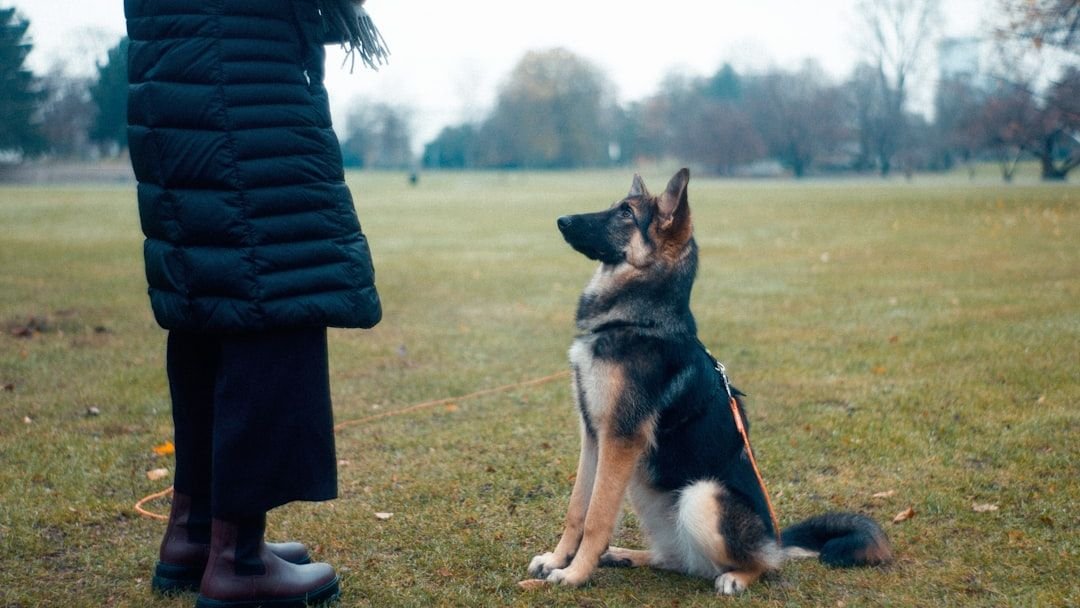
Dog owners frequently marvel at their pet’s sharp response during a focused session, only to face confusion later amid everyday chaos. This gap often traces back to overlooked essentials like precise reward timing and keen observation of canine signals. Trainers stress that deliberate practice in these areas sharpens communication and yields steadier progress over time.[1][2]
Precision Timing Builds Clear Associations
Effective training hinges on delivering rewards or corrections within one to three seconds of the desired or undesired action. A delayed treat after loose-leash walking fails to link the praise to the behavior, leaving the dog puzzled. Trainers recommend immediate verbal praise paired with high-value treats or toys, especially in distracting environments.[2]
Corrections demand the same swiftness. A sharp leash adjustment for pulling must coincide exactly with the tug, followed by calm resumption of the walk. Owners who master this rhythm report faster compliance, as dogs quickly connect actions to outcomes. Patience plays a supporting role here, allowing brief pauses for the dog to process before intervening gently.
Reading Body Language Enhances Communication
Dogs communicate volumes through posture, tail position, and ear orientation, yet many owners overlook these cues. A tense stance or averted gaze signals stress, prompting trainers to adjust their approach rather than push forward. Consistent observation helps tailor sessions to the dog’s comfort level, fostering trust and reducing resistance.[3]
Your own body language carries equal weight. Standing tall with relaxed movements conveys confidence, while leaning in during a “stay” command creates unintended pressure. Pairing steady hand signals with a firm, calm tone reinforces verbal cues effectively. Over time, this mutual understanding turns interactions into seamless exchanges.
Aligning the Entire Household for Uniform Rules
Family members often unwittingly send mixed messages through varying commands or tolerances. One person says “down” for lying flat, while another uses it to mean “off the couch,” sowing confusion. Experts urge households to agree on identical words, gestures, and intonations upfront.[1]
Valerie Balwanz, a certified dog trainer, notes, “To help a dog understand what is being asked of them, we want to keep as many things the same as possible. For example, each person should use the same hand gestures and the same words, even the same intonation.”[1] Enforcing consistent rules on jumping or furniture access prevents anxiety and reinforces training gains across the board.
Daily Practices That Sustain Long-Term Progress
Short sessions of five to ten minutes multiple times daily outperform lengthy marathons, keeping engagement high and frustration low. Focus on one behavior per round, rewarding small successes to shape complex skills gradually. Vary locations from kitchen to yard to promote generalization beyond familiar spots.[4]
Positive reinforcement remains central, with motivation tailored to the dog – food for some, toys or play for others. Environment setup aids success; remove temptations like shoes before addressing chewing. Trainers advise auditing progress weekly and consulting classes if plateaus arise. Rachel Lane, another expert, highlights that unified family planning averts months of setbacks: “Taking the 10 minutes to sit and come together can prevent months of frustration created through inconsistency.”[1]
Common pitfalls include emotional tones or rigid postures that unsettle the dog. Maintain a neutral correction voice and purposeful movements instead. Daily routines like pre-meal sits build impulse control naturally. These habits transform casual moments into reinforcement opportunities.
Key Takeaways for Consistent Training
Consistency ultimately forges a reliable partnership between dog and owner. While perfection eludes everyone, steady effort in timing, signals, and alignment delivers a confident, responsive companion. Owners who commit to these principles often find training evolves from chore to joyful bond.


