
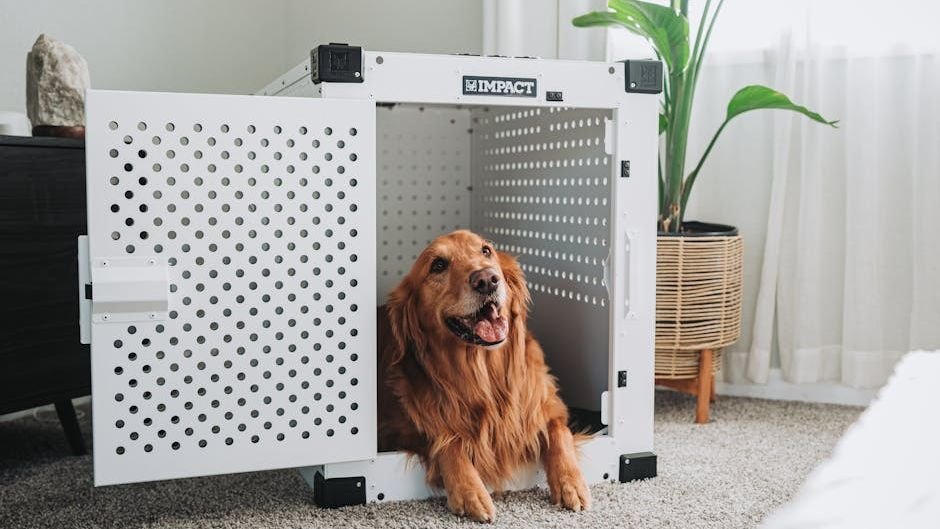
Picture this: it’s a noisy evening, guests are over, the TV’s loud, kids are running around – and your dog is pacing, whining, unable to settle. You offer a pat on the head, but what they’re really looking for is somewhere to exhale. Somewhere that’s just theirs.
Most dog owners think about food, walks, and vet visits. The idea of a dedicated retreat often gets dismissed as a luxury. It isn’t. It’s one of the most grounded, practical things you can do for your dog’s day-to-day wellbeing, and the science behind it goes straight back to who dogs are at their core.
The Den Instinct Is Real, and It Never Left

Dogs are descended from wild canines, and those ancestors sought small, dark spaces called “dens” where they could be protected from predators and stay warm. These dens were often dug into the ground and used for sleeping, safety, and even birthing young. Your domesticated dog still carries those denning instincts.
The enclosed space under a bed or in a crate provides a sense of security and comfort. In the wild, denning was a survival instinct that shielded animals from potential threats. Enclosed sides replicate this sense of security, making any snug space an appealing retreat. That’s why so many dogs gravitate toward corners, under tables, or behind furniture when the world feels like too much.
Dogs are highly sensitive to their environment, and a cozy, defined space can provide them with a sense of security and ownership. That space becomes their haven, where they can retreat when feeling stressed, anxious, or overwhelmed. It’s not avoidance behavior. It’s healthy self-regulation.
Behavior Cues That Tell You Your Dog Needs a Space of Their Own
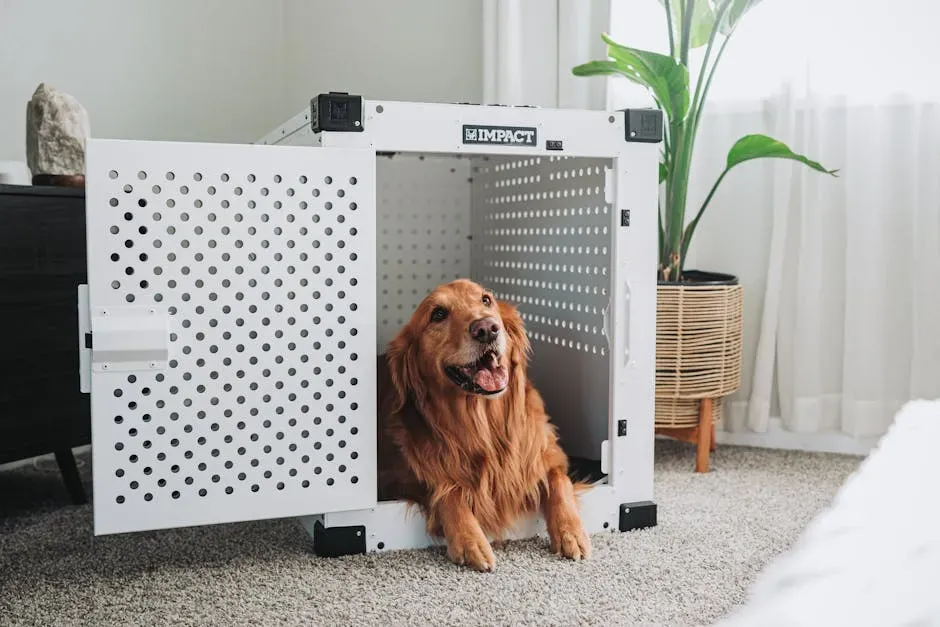
Thunderstorms, fireworks, unexpected visitors, or hours spent alone can all trigger stress responses. You might notice your dog pacing, whining, barking, or making unusual sounds. Some dogs lick excessively or just can’t seem to settle down no matter what you try. These aren’t personality quirks. They’re signals worth listening to.
If your dog is constantly seeking refuge under furniture, it could be a sign of underlying issues such as anxiety. Anxiety in dogs can manifest in various ways, including excessive barking, destructive behavior, and hiding under furniture. When those behaviors show up regularly, the absence of a proper retreat space is often a contributing factor.
By offering your dog a designated space, you can teach them boundaries and reinforce positive behaviors. This can help in preventing destructive habits such as excessive chewing or digging, which often result from anxiety or boredom. A retreat isn’t just for anxious dogs. It’s a prevention tool for every dog.
The Physical Health Benefits Are Just as Important
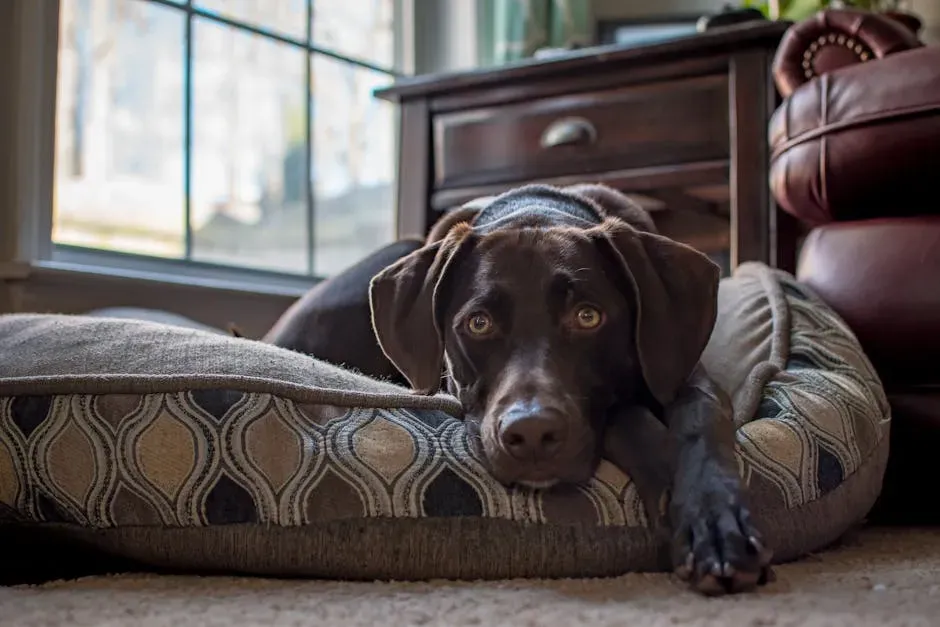
A quality dog bed provides essential support for your pup’s joints and muscles, helping to alleviate pressure points and promote better sleep. With a soft, cushioned surface to curl up on, your dog can enjoy a restful night’s sleep and wake up feeling refreshed. Sleep quality matters for dogs just as it does for us.
As dogs age, they may develop problems like arthritis, hip dysplasia, and other joint issues. A supportive dog bed is imperative to cushion the body and provide relief from the pain associated with age-related health problems. A comfortable bed also supports the joints of developing puppies, ensuring a good night’s rest.
Dog beds also play a crucial role in helping your pup regulate their body temperature. Elevated beds with breathable materials allow for better airflow, keeping your dog cool in warm weather, while plush, insulated beds provide warmth during colder seasons. Providing a temperature-appropriate sleeping surface ensures your dog stays comfortable year-round. That’s a surprisingly underrated detail many owners overlook entirely.
How to Actually Build a Retreat That Works for Your Dog
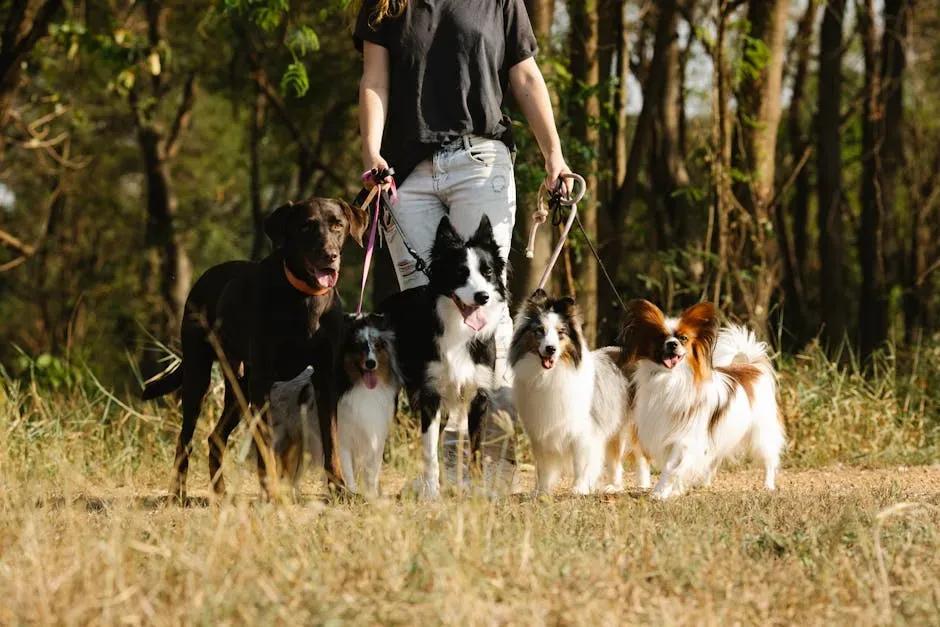
A safe haven is a carefully designated, comfortable, climate-controlled area within your home where your dog can retreat when needed. Take note of where your dog naturally goes when they need a break. There might be a few different places around the house where they feel most comfortable – the corner of the family room most of the time, but a quieter area like a guest bedroom during larger gatherings.
Stock the area with safe, engaging toys and mental stimulation activities like puzzle toys or snuffle mats to make the space more enticing and rewarding. These can keep your dog occupied and calm, providing a productive outlet for their energy and anxiety. Chew toys are also beneficial as they can help your dog self-soothe.
Your dog’s safe space is also a wonderful tool to teach children about boundaries when interacting with your dog. If the dog is in their safe space, they’re signaling a desire to be alone and not handled. This can help prevent unfortunate bite incidents between the family dog and children. It’s a simple boundary that protects everyone.
Training Your Dog to Love Their Retreat
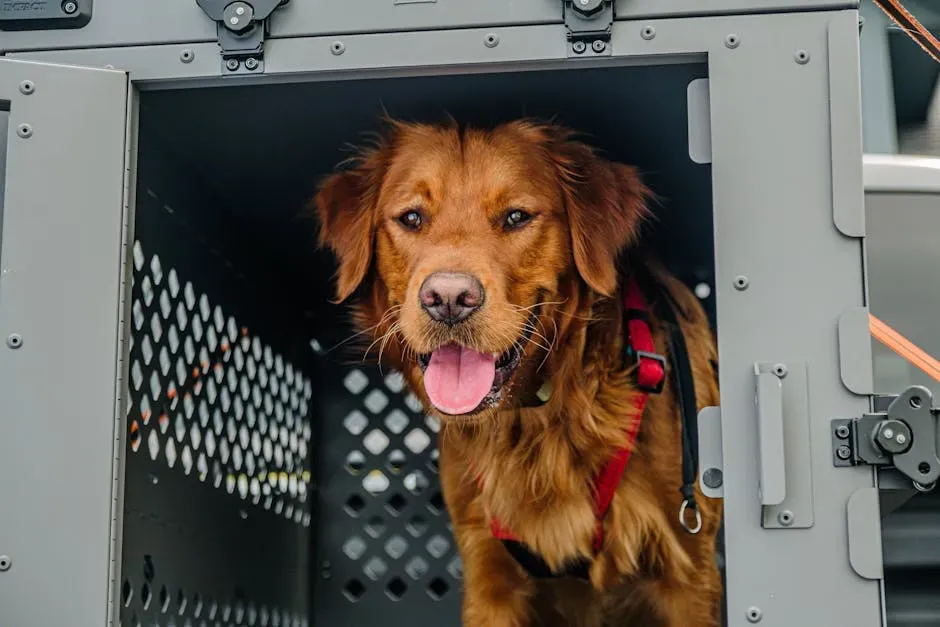
Introduce your dog to the space gradually and allow them to explore at their own pace. Never force them inside, as this can create negative associations. Reward your dog with treats, praise, or a favorite toy whenever they voluntarily enter their safe space. Patience here genuinely pays off over time.
Make the space comfortable and acclimate your dog using gradual steps. Once they’ve settled into it, keep access open for them at all times, and you may find they start going to it on their own whenever they need it. That moment when a dog self-selects their retreat is a real milestone. It means they trust the space fully.
Many dog owners train their pet to go to the safe space on command. This can be especially helpful in unexpected situations – for example, if someone breaks a glass in the kitchen, you can direct your dog there immediately so they don’t injure their paws. A simple cue word like “home” or “place” taught alongside other basic commands tends to stick remarkably well.
Conclusion: A Small Corner That Changes Everything
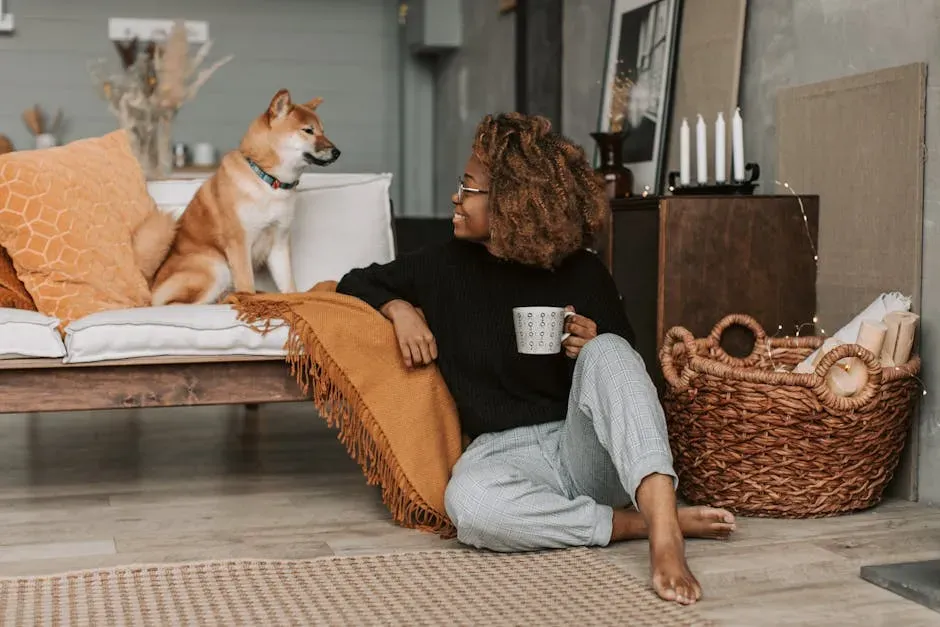
By creating a safe space, you show your dog that you understand and respect their needs, which fosters trust and mutual understanding. You can enhance overall wellbeing, promote a healthier lifestyle, and foster a stronger bond between you and your pet. That’s a lot of return for the cost of a good bed and a quiet corner.
Creating a safe space for your dog is essential for their wellbeing. By providing a comfortable, accessible, quiet, and engaging environment, you can help your dog feel secure and relaxed, improving their overall quality of life and fostering a harmonious living situation for the entire household.
Every dog, regardless of breed, size, or temperament, carries an instinct to find a place they can truly call their own. The least we can do is give them one. It doesn’t have to be elaborate. It just has to be theirs.


