
There’s a reason dogs have lived alongside humans for thousands of years. It’s not just convenient timing or a shared fondness for warmth and shelter. Something deeper runs through the relationship, something that researchers, dog trainers, and plain old dog owners have been trying to put into words for generations.
Your dog is communicating with you constantly. Through a glance across the room, a quiet shadow trailing you down the hallway, or a soft nudge against your leg when the day feels heavy, they are expressing something real and layered. Most of us catch the obvious signals, the tail wag, the jumping greeting, but a lot gets missed. And perhaps more importantly, some signals we misread entirely.
This article covers twelve of the most meaningful ways dogs express their loyalty, and four subtle signs that your dog may actually be feeling uncertain or stressed. Understanding both sides of this picture helps you build a stronger relationship and catch the moments when your dog needs a little more from you.
1. They Follow You From Room to Room
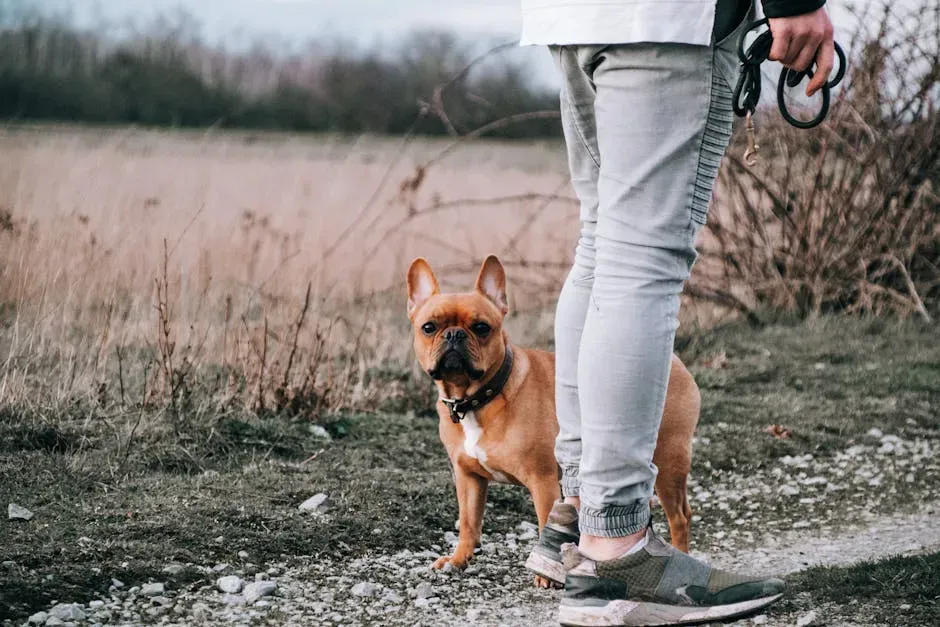
If your dog trails behind you every time you get up, even from a perfectly comfortable nap on the sofa, it’s not neediness. It’s devotion in motion. Dogs often follow their owners from room to room, even if it means leaving a comfortable spot, and this behavior isn’t just a sign of curiosity. It’s a demonstration of loyalty and a desire to be in their owner’s company as much as possible.
Loyalty in dogs is often characterized by how attentive a dog is to their primary caretaker, and some dogs will even follow their favorite person around the house from room to room. This type of behavior demonstrates a strong attachment to their primary caretaker. Think of it this way: they’ve chosen you as their anchor point in the world, and being near you feels safe.
2. Holding Eye Contact With You
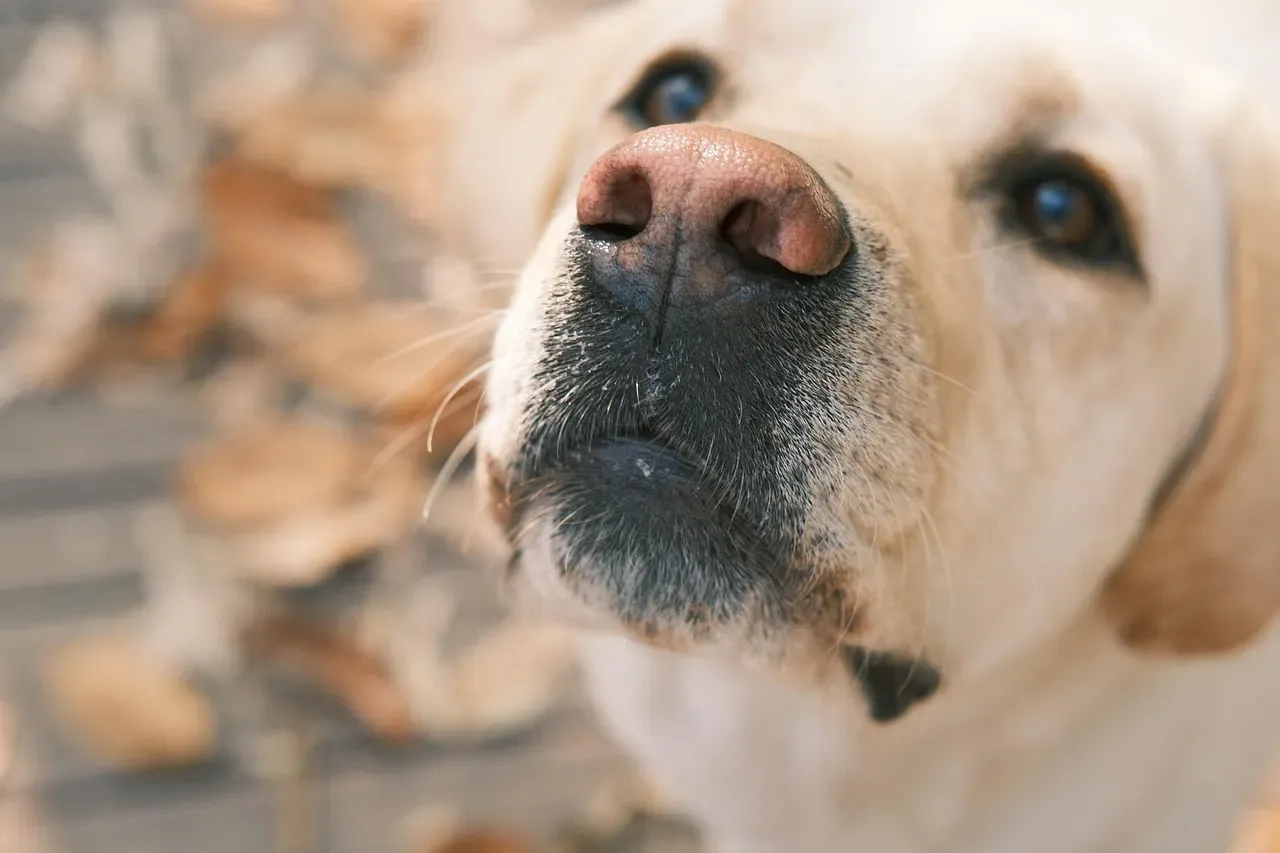
That soft, steady gaze your dog holds when you’re talking to them or simply sitting together isn’t accidental. Studies indicate that when dogs make direct eye contact with their owners, it triggers the release of oxytocin in both the dog and human. This “love hormone” is the same one that bonds mothers to their infants, further affirming the special relationship between humans and their canine companions.
When you share a loving gaze with your dog, both of your brains release oxytocin, often referred to as the “love hormone.” This mutual chemical exchange is real and measurable. It’s the biological side of what we feel in those quiet, connecting moments, and it matters deeply to both of you.
3. Greeting You With Pure Joy Every Single Time
You could have been gone for eight hours or eight minutes. The reaction is often the same. The moment we walk through the front door, loyal canine companions greet us with a wagging tail and excited energy without failure. Even if we’ve only been gone for 20 minutes, it’s as if we’ve been gone for months in their eyes. This unwavering affection and loyalty from our dogs brings a sense of comfort and happiness into our lives.
This isn’t performance. It’s a genuine expression of relief and joy that their person has returned. The enthusiasm doesn’t diminish with time or routine, which says something remarkable about how dogs orient their world around the people they love.
4. Bringing You Their Favorite Toy
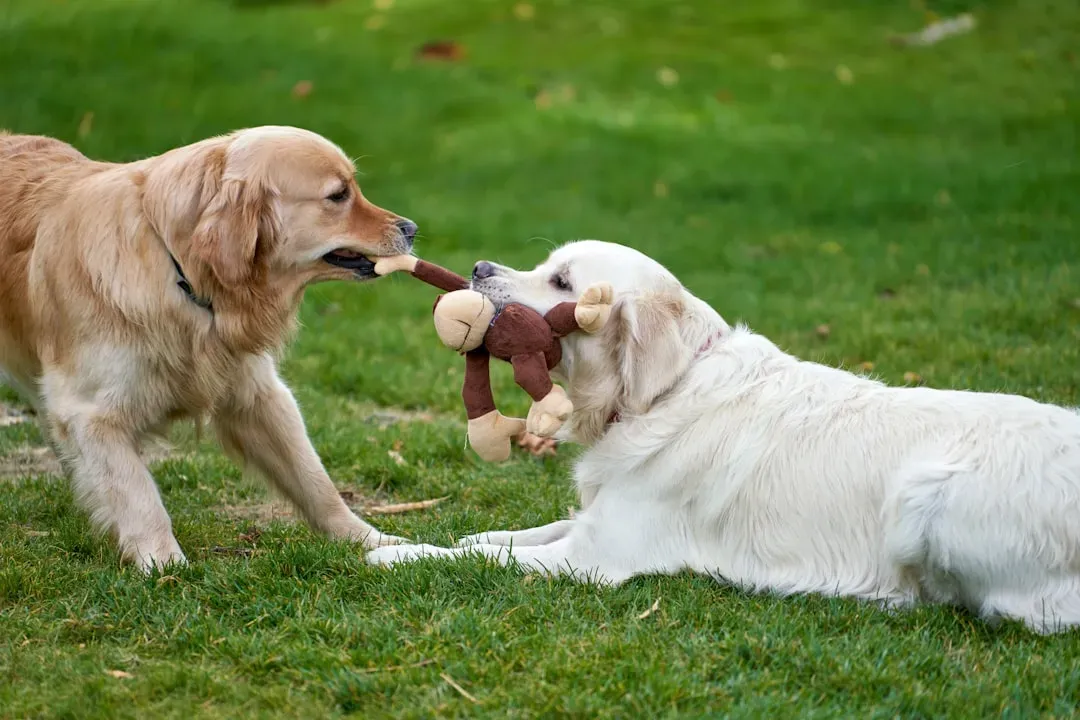
When your dog drops a beloved, well-chewed toy in your lap, they’re not just asking for a game. Bringing you their favorite toy demonstrates trust because they are sharing something special. It’s like a child sharing their favorite toy with a friend, and studies suggest that this behavior indicates your dog values you as part of their pack.
Dogs don’t share their beloved items with just anyone. By offering their toy, they are sharing something valuable with you. It’s like a heartfelt gesture of love and loyalty. Pay attention to which toy they bring. Some dogs have a clear hierarchy of favorites, and offering the top pick is the highest compliment they can give.
5. Checking In Without Being Asked
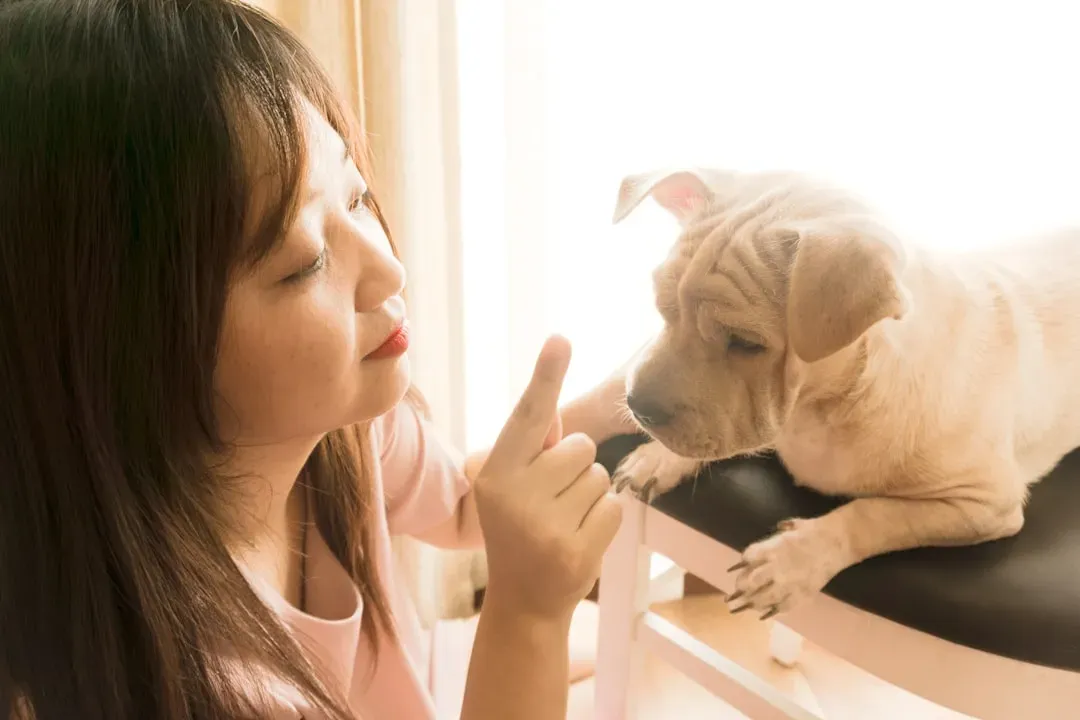
You’re busy at your desk or reading in another room when your dog wanders in, briefly makes eye contact, and then wanders back. This little ritual has a name among canine behaviorists: checking in. A loyal dog frequently checks in on their owner, even without reason. This behavior can be seen when they peek into different rooms or give a gentle nudge or lick. It’s their way of ensuring everything is alright, and their beloved human is safe. This constant vigilance speaks volumes about their commitment to their owner’s well-being.
It’s a quiet, unobtrusive form of loyalty. No fanfare, no drama. Just a quick confirmation that you’re still there, still okay, and still theirs. Many owners miss this one entirely because it’s so understated.
6. Leaning Against You
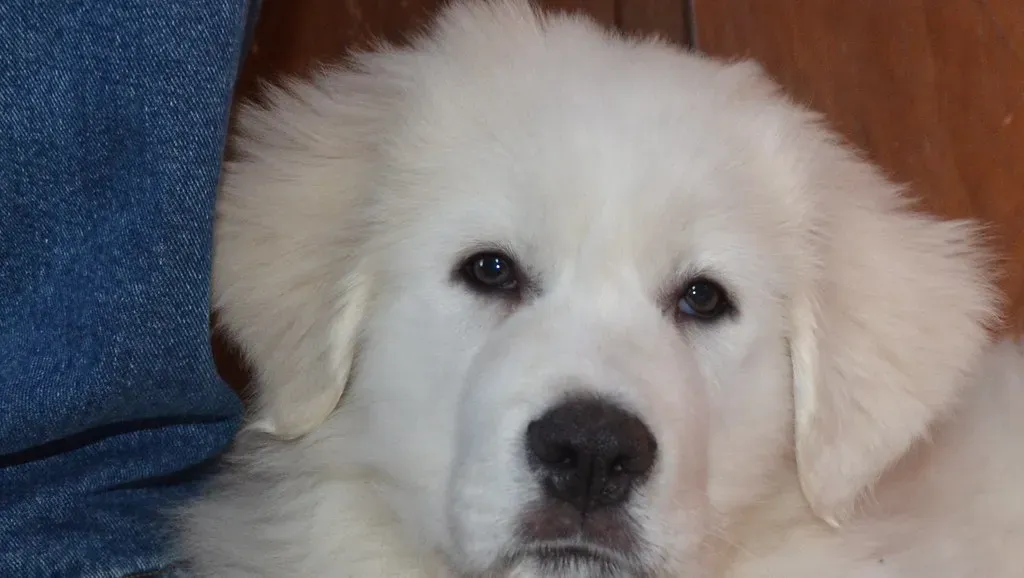
A dog that presses its body against your leg or leans fully into your side while you stand at the kitchen counter is communicating something tender. When a dog leans on you, it shows trust and the desire for closeness. Dogs lean on people for comfort and to feel secure. This act indicates they feel safe around you. Leaning is their way of seeking affection and support from you.
Larger breeds, in particular, seem to perfect this move. It’s physical proximity used as emotional expression. Some dogs do it constantly; others save it for moments when they sense you might need the connection just as much as they do.
7. Sensing and Responding to Your Emotions
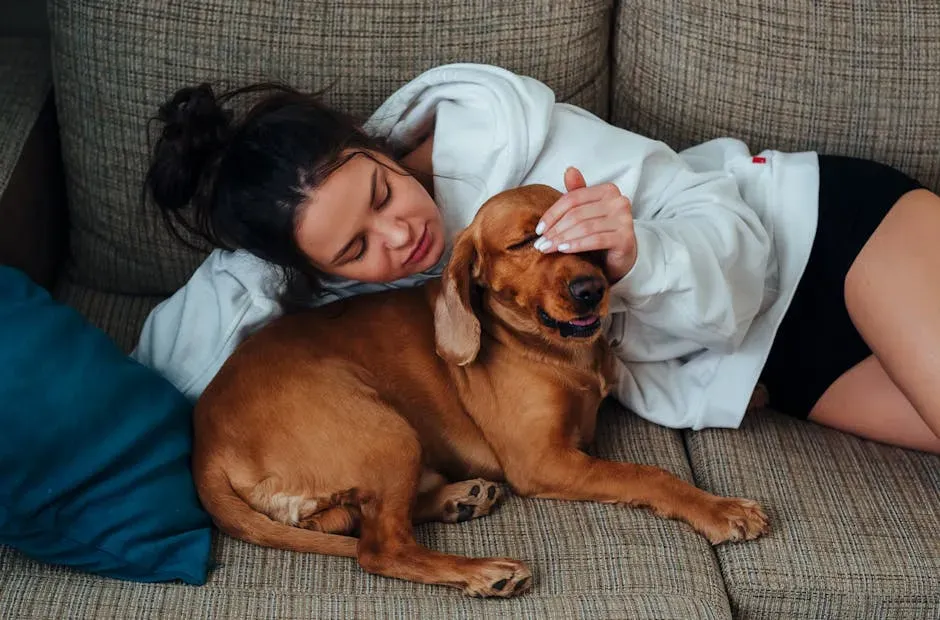
Dogs are genuinely tuned in to how you feel, not just reacting to tone of voice, but picking up on subtle cues. Dogs have an uncanny ability to sense when their owners are feeling down or unwell. They offer comfort through close physical proximity, gentle nuzzles, or laying their head in their owner’s lap. This intuitive response to human emotions showcases their loyalty and deep emotional connection, highlighting their role as empathetic companions.
Studies examining the dog-human relationship have found that over such a long time of living so closely with people, dogs have developed the ability to empathize with human beings, read our body language and facial expressions, and develop their own ways of communicating with us. On a hard day, your dog sitting with you isn’t random. They chose that moment deliberately.
8. Taking Your Side in Social Situations
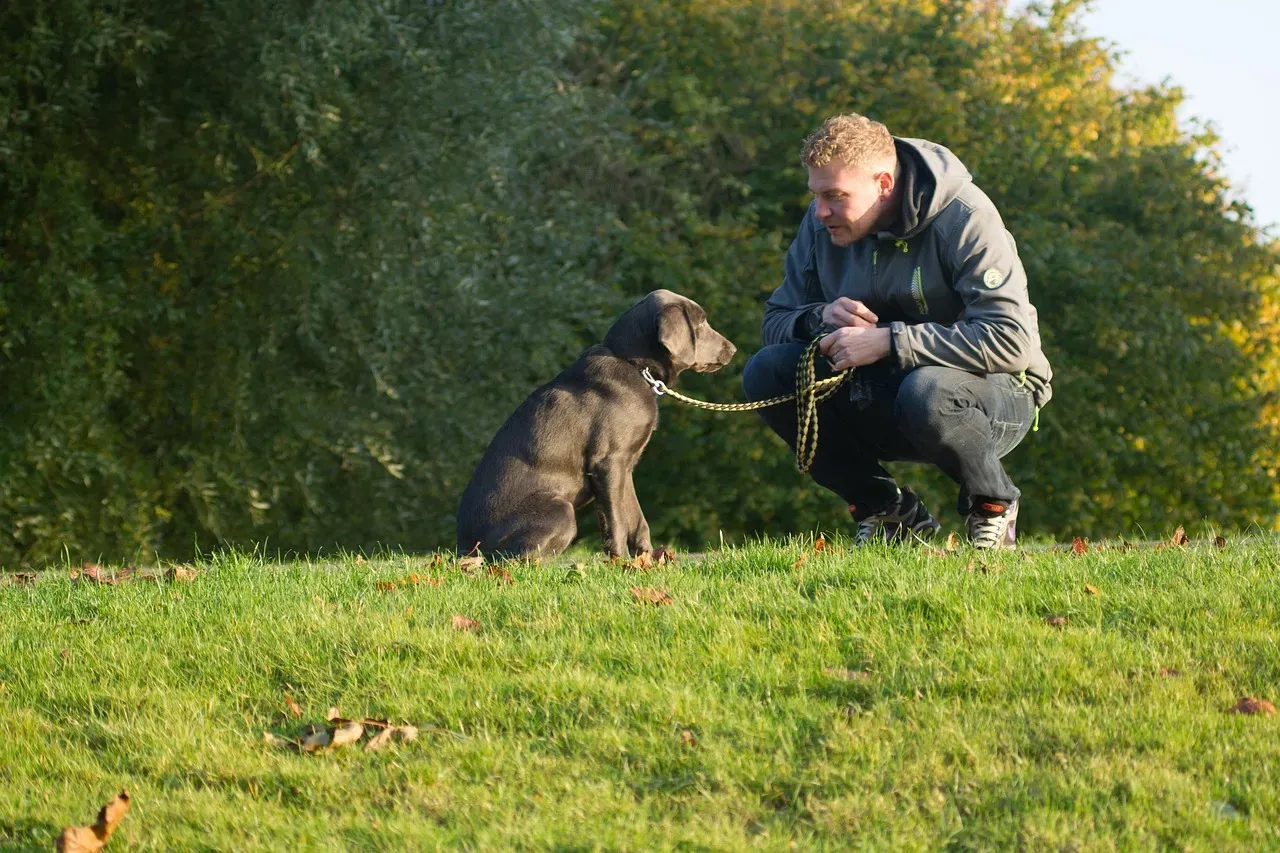
This one might surprise you. Research has shown that dogs pay close attention to how other people treat you, and they adjust their own behavior accordingly. Researchers have established that dogs know enough about human behavior to take their pet parent’s side during even passive confrontations.
Each dog was shown a scenario that included two strangers and the dog’s guardian, who was having trouble opening a box. When the guardian asked for help, a stranger refused. When the strangers then held a treat out for the dog, the dogs were more likely to choose a treat from the kind or neutral stranger and ignored the one who wouldn’t help their guardian. Dogs are quietly paying attention to who treats you well and who doesn’t.
9. Protecting You Through Positioning
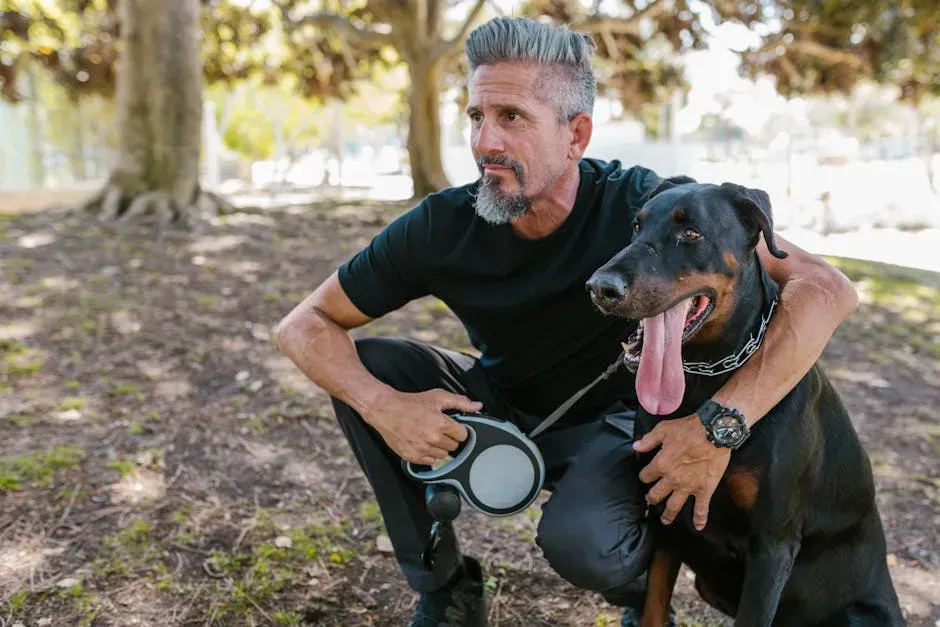
You’ve probably seen your dog place themselves between you and a stranger without being directed to do so. That’s a loyalty behavior rooted in protective instinct. Even the most friendly and pleasant dogs are instinctive to protect their owners. This protective behavior can manifest as alert barking at perceived threats or positioning themselves between their owner and strangers. It indicates their loyalty, as they place themselves at risk to ensure their owner’s safety.
This doesn’t require aggressive breeds or formal guard training. It shows up across all kinds of dogs, from tiny terriers to gentle giants, because the impulse to shield someone you’re bonded to runs deep. It’s instinct wrapped in affection.
10. Staying Loyal Regardless of Circumstances
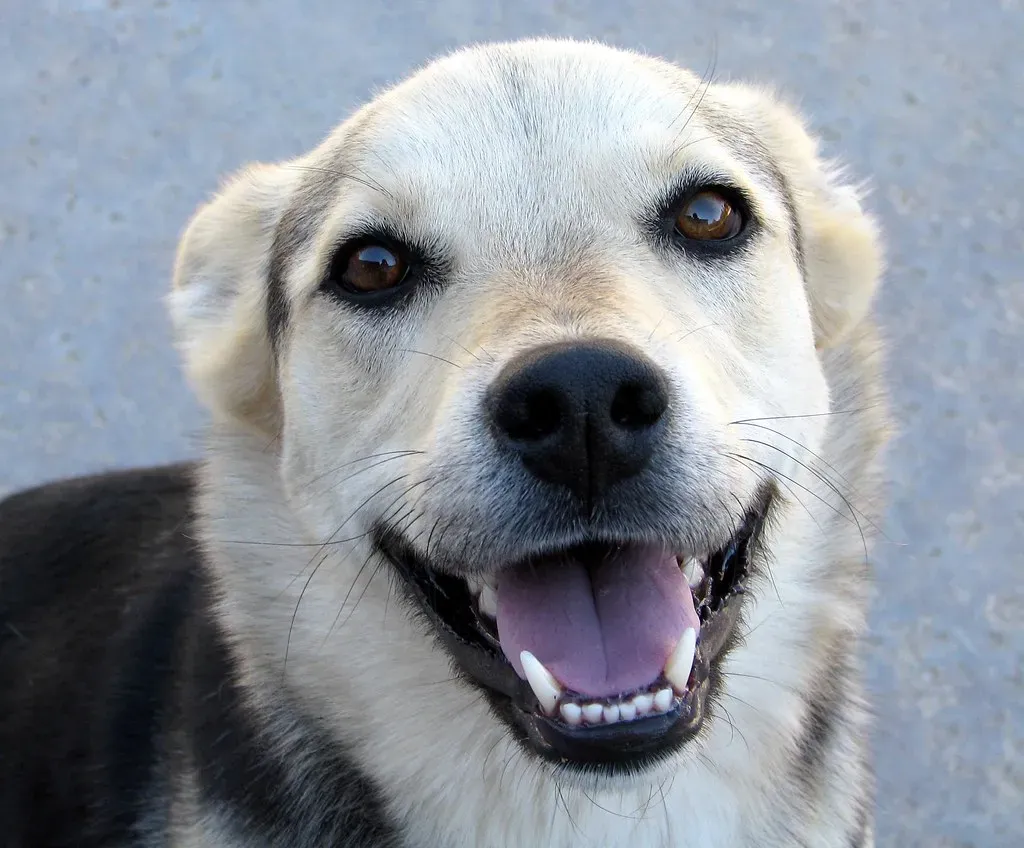
Dogs don’t recalibrate their love based on whether you’re having a good day, whether you’re dressed nicely, or whether you’re going through a rough patch in life. Dogs don’t hold grudges or alter their affection based on their owner’s mood, appearance, or changes in financial status. Their unwavering affection and acceptance, regardless of the circumstances, underscore a form of loyalty that’s both pure and unconditional.
This quality is extraordinary when you sit with it. Dogs can form strong attachments to their owners and feel a range of emotions, including love and loyalty. Studies have shown that dogs experience similar emotional responses to humans, and this emotional depth contributes to their loyalty and devotion. Their version of love simply doesn’t come with the conditions that human relationships often do.
11. Thriving Within Shared Routines
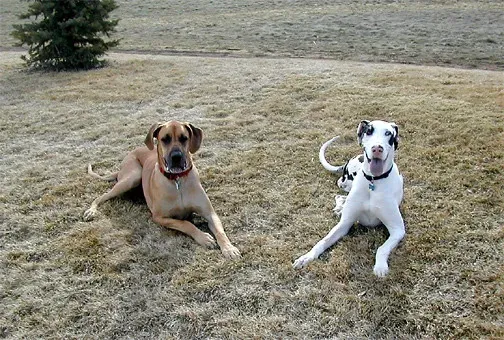
Dogs are deeply routine-oriented creatures, and the routines they share with you are a form of relational glue. Dogs are creatures of habit. They thrive on routine and consistency in their daily lives. When you provide a stable environment and consistent care, your dog feels secure and valued. This sense of stability reinforces their loyalty and strengthens your bond with them.
The morning walk, the evening cuddle on the couch, the moment you sit down with coffee and they find a spot near your feet. These repeated moments tell your dog, in a language they understand perfectly, that they belong. Loyalty is built in small, consistent gestures just as much as in grand ones.
12. Staying Close During Difficult or Scary Moments
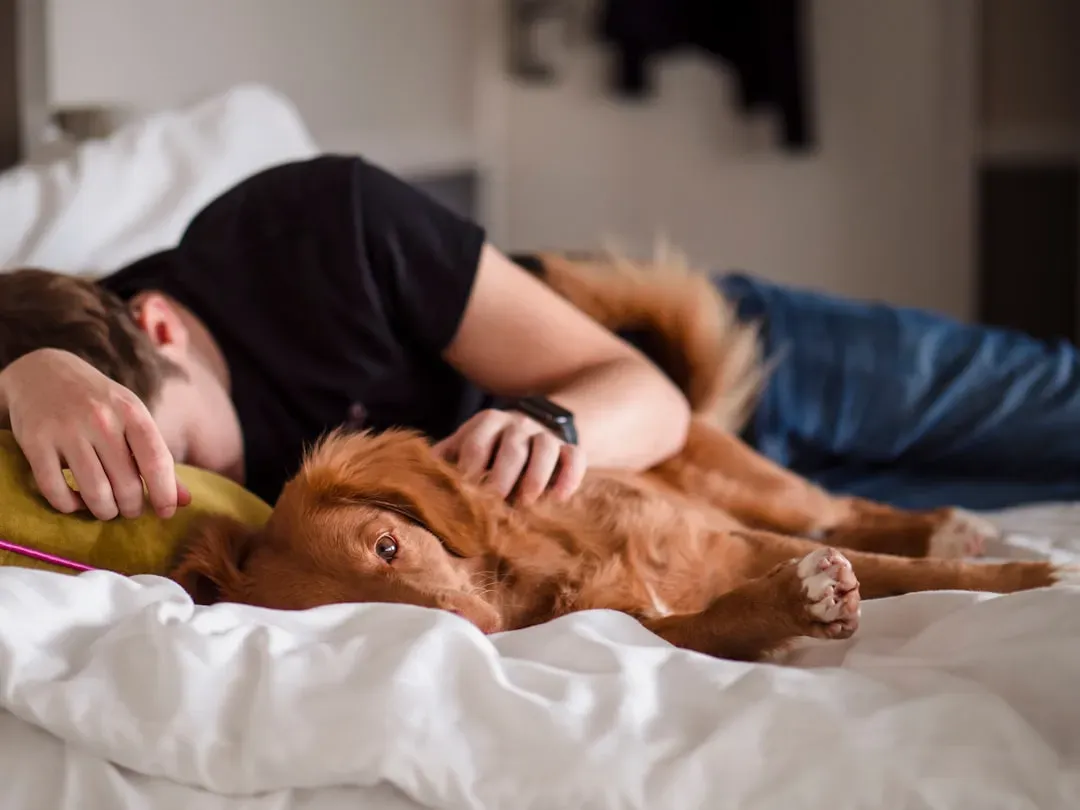
When something frightening or distressing happens, whether it’s a storm, an argument, or just a night when you’re not quite okay, many dogs will quietly move closer. The bond between dogs and humans is similar to the attachment bonds found in caregiver-infant relationships. One example is when a dog seeks closeness to their human companions to cope with stress. On the flip side, when their beloved human isn’t around, dogs can display behaviors that show they’re experiencing separation-related distress. Having a human around can lessen the impact of a stressful situation for a dog, showcasing the “safe haven” aspect of attachment theory.
The relationship genuinely goes both ways. As much as we rely on our dogs for happiness and stress relief, our dogs depend on us to provide the same comfort. That mutual need is the foundation of the whole thing.
Sign 1: Whale Eye and Avoidance Signals
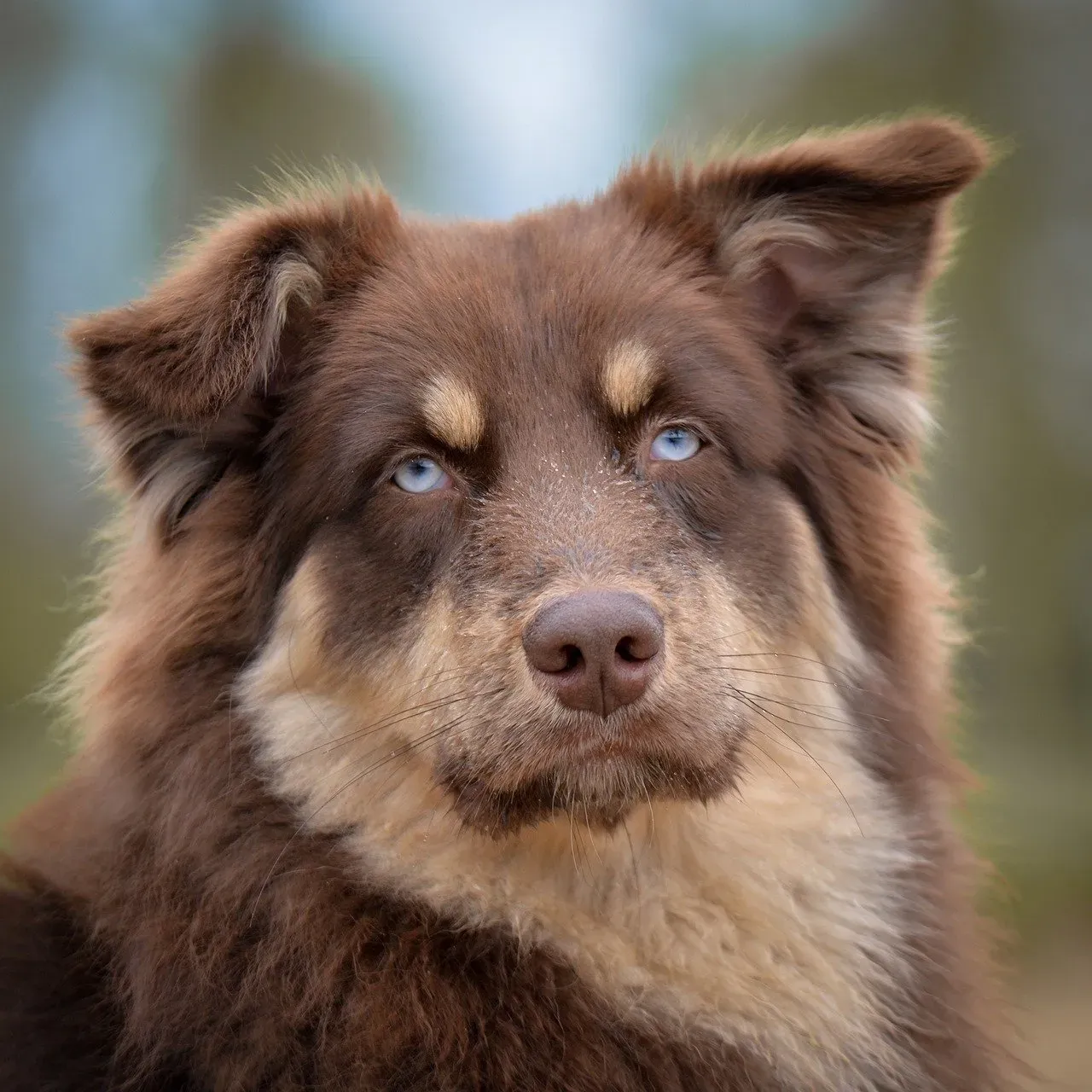
Now we get to the other side of the picture. Knowing when your dog feels uncertain is just as important as recognizing their loyalty. One of the clearest signs is what’s known as “whale eye.” When your dog’s eyes look wide and you can see the white crescent part around the iris, this is known as “whale eye.” This happens when they turn their head away from something that worries them, but still try to keep an eye on it.
The whites of the eyes are a key indicator. Known as “whale eye,” when a dog shows the whites of the eyes, it’s a signal that they’re feeling anxious or stressed in a situation. You might see them when you make your dog uncomfortable, like when you pat your dog on the head, or when they’re afraid someone will steal a bone or toy. When you notice this, ease the pressure immediately. Back off, lower your posture, and give them space to breathe.
Sign 2: Tucked Tail, Flattened Ears, and Lowered Posture
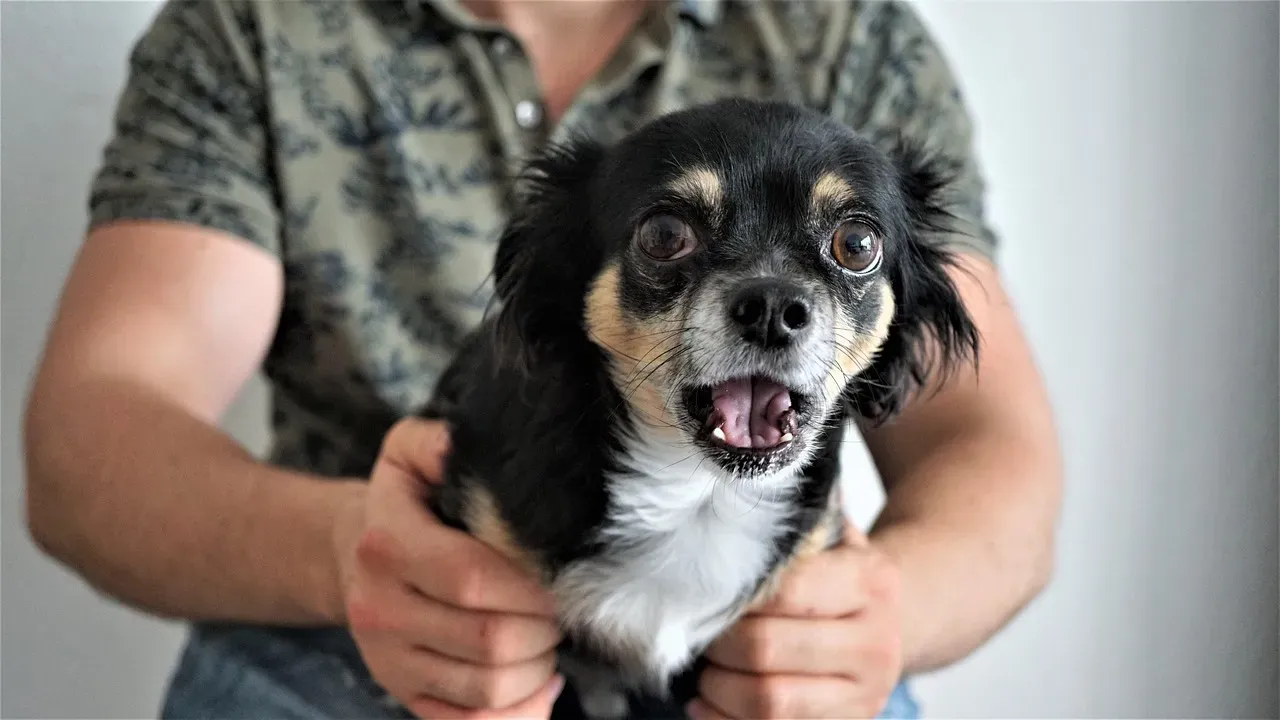
These three physical signals often appear together, and when they do, your dog is broadcasting something important. This is some of the most recognizable body language for a dog that is feeling insecure or afraid. Your dog is trying to make itself look smaller and less noticeable, with a low or tucked tail sometimes held tight against their belly, ears flattened and pinned back against their head, and a lowered body posture that may include a slight crouch.
Tucking the tail is a clear sign they are feeling nervous, scared, or extremely stressed. The tail covers the scent glands, which are often used in confident greetings, and tucking it away is an action of feeling vulnerable. Prevention tip: if you see these signals, remove your dog from the triggering situation calmly and gently. Forcing them through it rarely helps and can worsen the anxiety over time.
Sign 3: Excessive Lip Licking, Yawning, and Displacement Behaviors
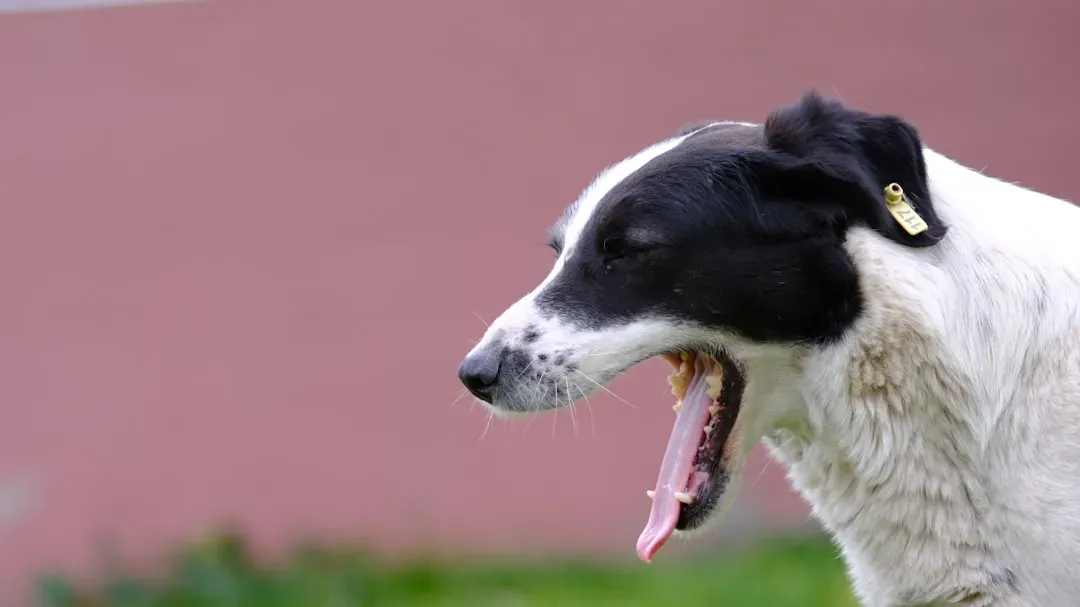
These are the subtle ones, and they often get overlooked. Lip licking isn’t just about food. A quick, subtle flick of the tongue over the lips, especially when no food is present, is a common displacement behavior. It’s a way your dog tries to distract themselves or release a small amount of nervous energy when they’re feeling uneasy about a situation.
If your dog is yawning and they’re not actually tired, it can be a sign of stress. They might yawn when being told off, in a new environment, or when a stranger tries to interact with them. It’s their way of saying, “I’m a little stressed right now.” Watch for combinations of these signals rather than isolated moments, because no dog body language signals act alone. They’re all part of a package, so when you read a dog’s communication, look at every signal the dog is using from the tail height to the eye shape.
Sign 4: Destructive Behavior and Separation Distress
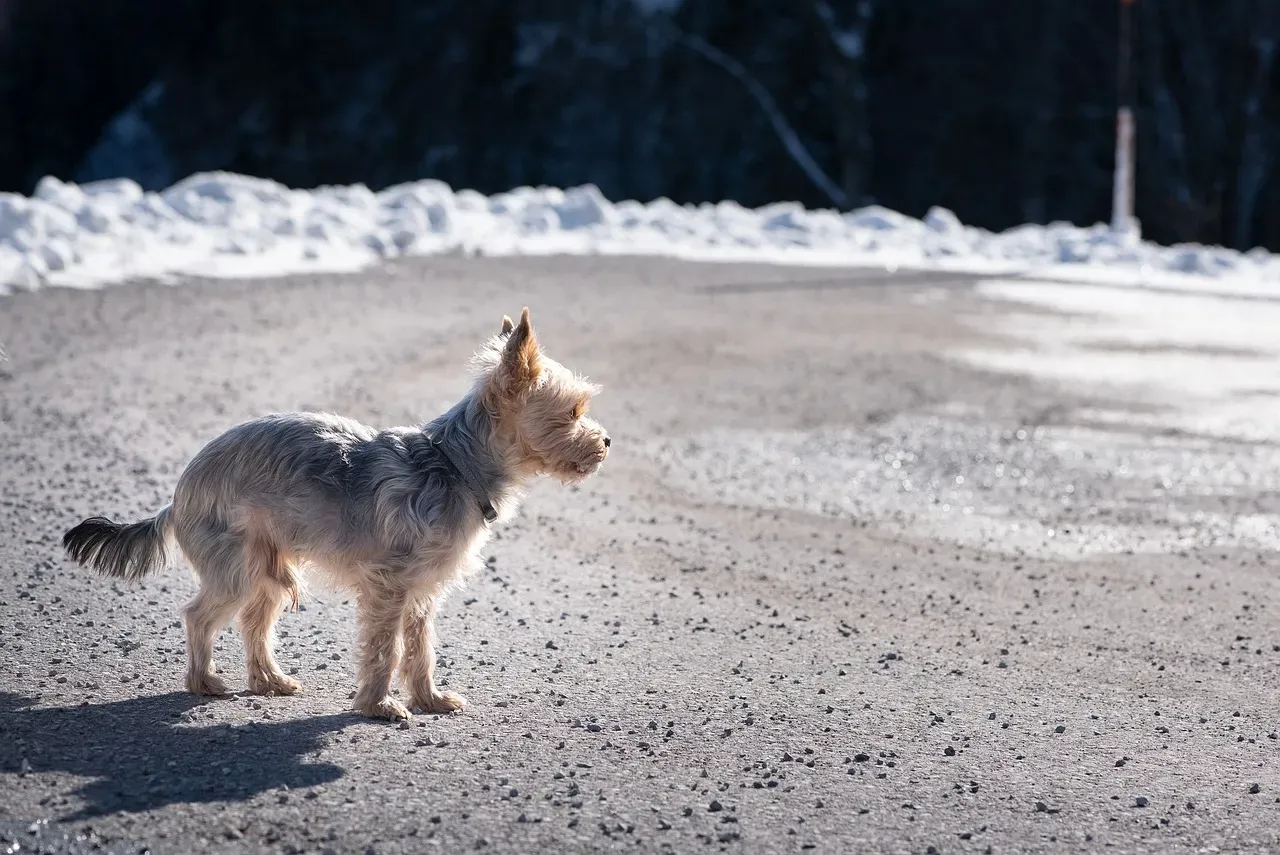
Chewed furniture, scratched doors, and shredded household items are often misread as defiance. They’re usually something else entirely. Destructive behavior often comes from a place of emotional imbalance. When a dog feels insecure and doesn’t know how to process it, they might act out physically. It’s not about being “bad,” it’s about having too many feelings and not enough tools to handle them.
Dogs with separation anxiety show signs of distress, such as whining, howling, barking, pacing, house soiling, or destroying household items after their owner leaves. While at home, they often prefer to be in the same room as their owners and start becoming stressed when they see their owner preparing to go out. If this pattern sounds familiar, a veterinarian or certified behaviorist is your best next step. Almost all anxious dogs benefit from positive reinforcement training and increased predictability and consistency in their routine and in interactions.
Building the Trust That Makes Loyalty Flourish
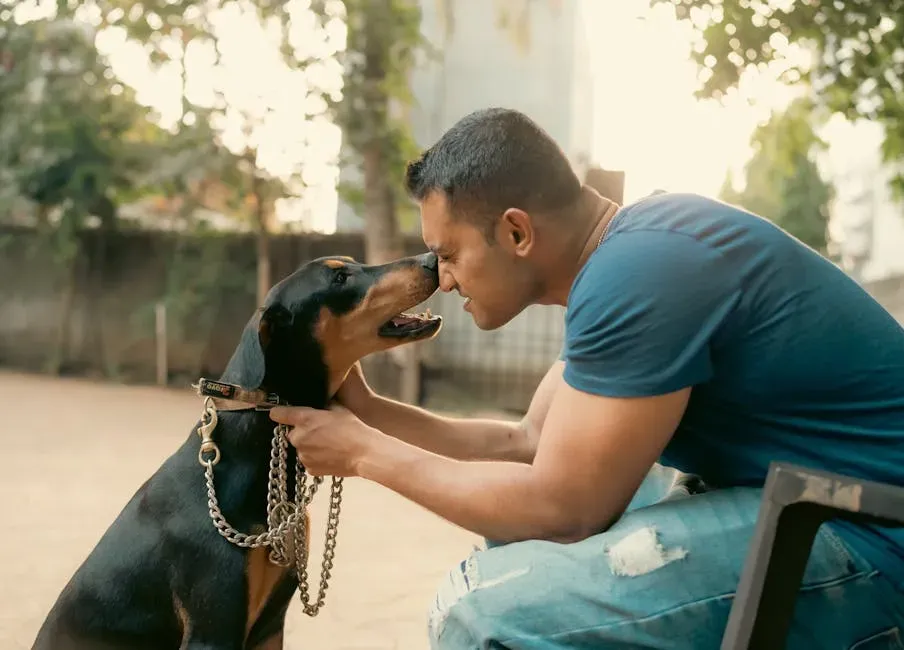
Understanding your dog’s loyalty and their uncertainty are two sides of the same coin. When you recognize what your dog is giving you, those quiet check-ins, the steady gaze, the shadow at your heels, you can begin to appreciate just how rich and deliberate their emotional life actually is. Dogs are loyal due to their evolutionary history, domestication process, and the strong bonds they form with humans.
Equally important is catching the moments when they’re not okay. The best way to help an anxious dog is to first schedule a vet visit to check for medical causes, such as pain, inflammation, or disease. If your vet diagnoses a medical issue, they will begin appropriate treatment. You can help an anxious dog relax with positive reinforcement, training, and calming pheromones and supplements that promote calm, balanced behavior.
The dogs who feel most confident and secure are almost always the ones whose owners pay attention, not just to the happy wagging but to the tucked tails and wide eyes too. Loyalty isn’t a one-way street. It grows steadily in both directions, nurtured by observation, patience, and the daily choice to show up for each other. That, more than anything else, is what the relationship is really about.


