

Your dog has never read a book on empathy. They haven’t attended a workshop on emotional intelligence or studied the science of attachment. Yet somehow, when you come home after the worst day of your life, they’re already there – pressing against your legs, searching your face, offering something that feels unmistakably like comfort.
That’s not coincidence or wishful thinking. Decades of research now confirm that the emotional bond between humans and dogs is one of the most well-documented cross-species relationships in biology. Dogs have coexisted with humans for more than 30,000 years and are woven into human society as partners who bond with us in ways that are deeply evolved. What’s remarkable is how two-sided this emotional highway truly is. Dogs don’t just react to us – they feel with us. They also, sometimes, pull away from us in ways that deserve our attention.
This article walks through the 11 most meaningful ways your dog reaches toward you emotionally, and the 3 important ways they sometimes disconnect. Understanding both sides of that equation will make you a more empathetic, effective, and genuinely happier dog owner.
1. The Mutual Gaze: Love Written in Eye Contact

If you’ve ever locked eyes with your dog and felt something warm and wordless pass between you, science has a very good explanation for that. When dogs and humans engage in mutual gazing, both species release oxytocin – the same hormone involved in human mother-infant bonding – creating a powerful attachment system that mirrors the caretaker-infant relationship dynamic.
Astonishingly, this effect is unique to domesticated dogs: hand-raised wolves did not respond the same way to human eye contact. That tells us something profound. This is not simply an animal looking at a human. It’s a species that evolved specifically to love us back.
To strengthen this connection, try spending a few quiet moments each day simply looking at your dog with a soft, relaxed face. Keep your posture open and your voice gentle. Eye contact between dogs and their owners stimulates the release of oxytocin, enhancing their bond and emotional connection. It costs nothing and builds everything.
2. The Comfort Response: Coming to You When You Cry

Many dog owners have experienced that strange, tender moment when they’re crying and their dog appears out of nowhere, nudging them gently. That instinct is real and well-studied. A well-known experiment showed that dogs were more likely to approach a crying person than someone humming or speaking normally, even if the crying individual was a stranger.
Studies show that the dogs were trying to provide comfort, not seeking it. If they wanted to be comforted themselves, they would have approached the quiet person instead of the crier, especially when the quiet person was their trusted owner. Approaching the stranger in distress showed actual empathy.
What you can do with this knowledge: when your dog comes to you in those hard moments, let them in. Accept the nudge, lean into the presence. When your dog offers comfort, it is a moment of pure connection, and how you respond can strengthen your bond and build their confidence.
3. Emotional Contagion: Catching Your Feelings Like a Cold

Dogs don’t just observe your emotions from a polite distance. They absorb them. Dogs can “catch” emotions too – researchers call this emotional contagion, a basic form of empathy where one individual mirrors another’s emotional state. A 2019 study found that some dog-human pairs had synchronised cardiac patterns during stressful times, with their heartbeats mirroring each other.
Dogs have acquired human-like communication skills and, as a result of the domestication process, the ability to read human emotions, which makes emotional contagion between humans and dogs entirely plausible. The practical implication here is quietly significant: your emotional state is contagious inside your own home.
If you notice your dog becoming unsettled during a stressful period in your life, that’s not misbehavior. Dogs mirror human emotional states, and chronic stress in owners can contribute to anxiety-related behaviors in pets. Managing your own emotional regulation is, in a genuine sense, part of caring for your dog’s wellbeing.
4. Reading Your Face: A Silent, Sophisticated Skill

Your dog is watching your face far more carefully than you might realize. When researchers used brain imaging (fMRI scans) on dogs, they discovered something fascinating: dogs process emotional tone in a similar brain region that humans use. They aren’t passive observers – they’re active readers of human expression.
Studies show dogs can visually discriminate between happy and angry faces, calm and tense expressions, and familiar versus unfamiliar people. Dogs tend to focus more on the left side of a human face, which is often more emotionally expressive.
Dogs show stronger responses when viewing their owner’s face compared to strangers, suggesting that emotional attachment deepens recognition accuracy. So the longer you’re together, the better your dog reads you. That’s a relationship that genuinely deepens with time.
5. Scent-Based Emotional Detection: They Know Before You Show
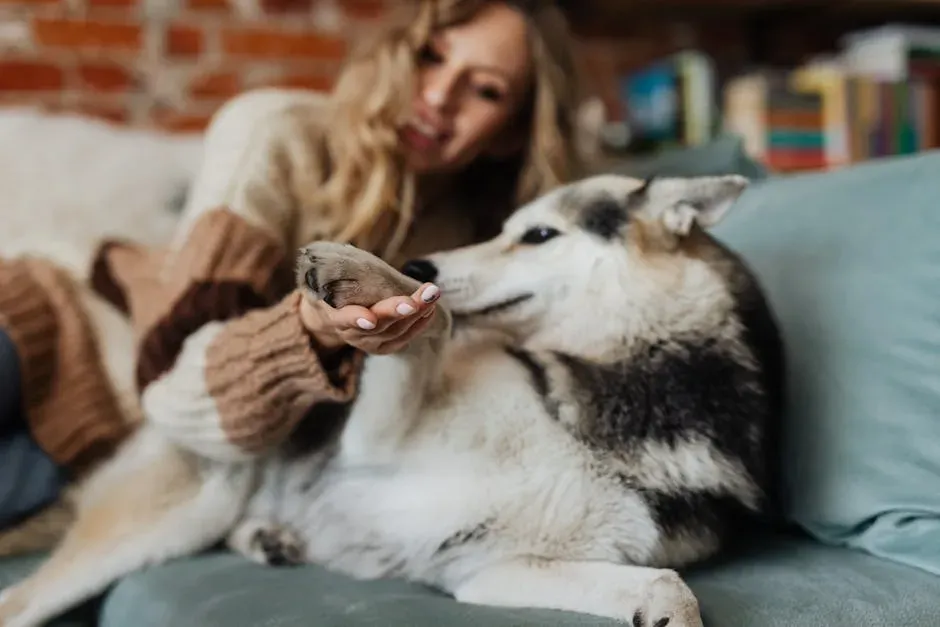
Dogs possess a sensory advantage that goes well beyond anything humans can match. In one study, researchers had dog owners watch a scary film and a happy film and collected sweat samples from them. When the dogs were exposed to the sweat samples collected during each film, the dogs responded differently to the “happy” or “afraid” odors, adopting behaviors consistent with the emotions experienced by the humans during the movies.
Dogs can detect stress, often before we even realize we’re showing it. When humans experience stress or fear, the body releases hormones such as cortisol and adrenaline, which cause subtle changes in scent. A dog’s sense of smell is powerful enough to detect these chemical shifts.
Think about what this means practically. Your dog may already be responding to your anxiety before your face or voice has changed at all. Dogs can detect these hormonal shifts through sweat and breath – that’s one reason your dog may react before you consciously recognize your own stress. They’re not being dramatic. They’re being accurate.
6. The Tail as an Emotional Compass
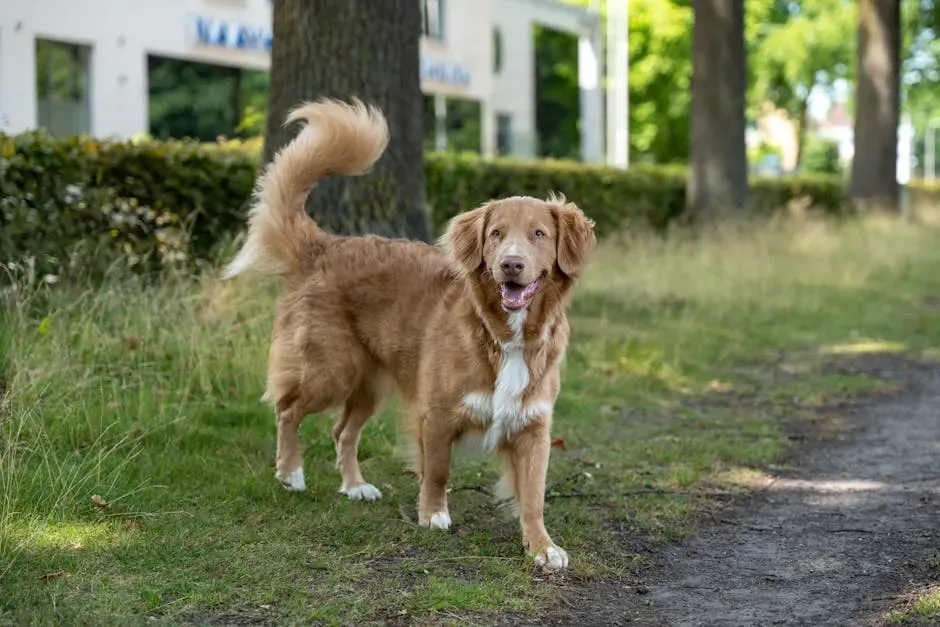
Everyone knows a wagging tail means a happy dog. Except it doesn’t – not always. Tail wagging is associated with a dog’s inner state and conveys sophisticated information during social interactions. It is a context-specific behavior that reflects friendliness, confidence, anxiety, and even aggressiveness depending on the situation.
Research has shown that the direction a dog wags its tail can reveal its emotional state. When a dog wags more to the right, it often indicates positive emotions, while left-wagging suggests negative emotions. Broad, sweeping, full-body wags near their person are typically genuine expressions of joy and connection.
Pay attention to the full picture, not just the wag. It is always important to observe and interpret the tail wag in conjunction with all the dog’s postures, as tail wags are just one of the dog’s many communication tools. A stiff wag with a tense body is a very different message from a loose, circular tail movement paired with soft eyes and a relaxed posture.
7. Physical Touch and Proximity Seeking
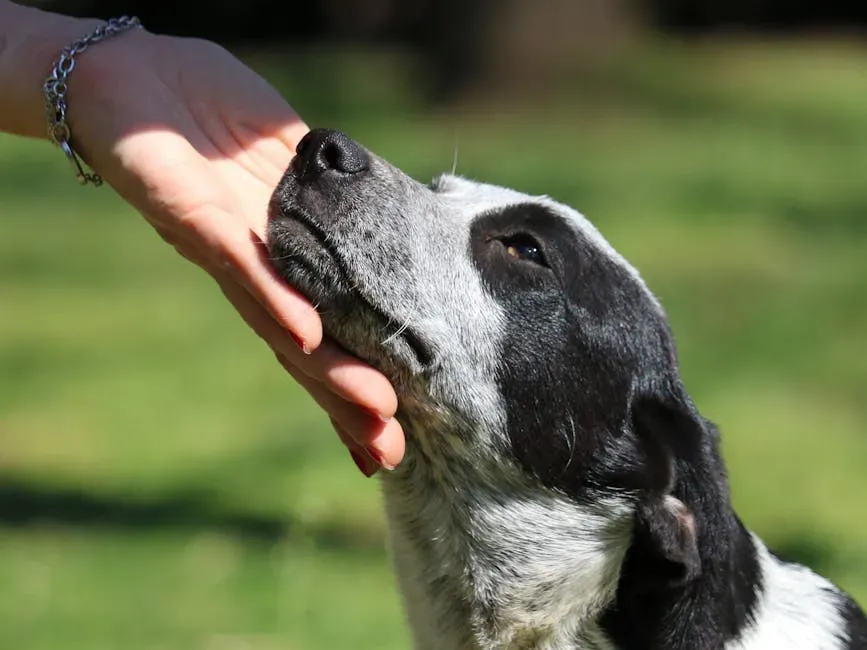
When your dog follows you from room to room or presses their body against your leg while you watch TV, that’s not dependency. That’s attachment – and science backs up that distinction. The unique relationship between pet dogs and their human caregivers bears a remarkable resemblance to the attachment bond of human infants with their mothers: dogs are dependent on human care, and their behavior seems specifically geared to engage their human partner’s caregiving system.
Leaning behavior is widely described by trainers and veterinarians as a sign of comfort, security, and affection, especially when the rest of the dog’s body is relaxed. Dogs that lean often treat their person like a living weighted blanket – physical contact is their way of feeling calm and safe.
The simple act of petting a dog releases oxytocin, a hormone associated with relaxation and bonding, fostering emotional resilience in humans. The exchange is mutual. When you reach down to scratch your dog’s ears, you’re both receiving something real.
8. Responding to Your Voice Tone

Your dog doesn’t understand most of your words, but they understand almost everything about how you say them. Dogs respond not just to any sound but to the emotional tone of your voice. Brain scans reveal that emotionally charged sounds – a laugh, a cry, an angry shout – activate dogs’ auditory cortex and the amygdala, a part of the brain involved in processing emotions.
Dogs prefer happy voices. When given a choice, dogs approach people using upbeat tones. They avoid angry expressions, and even without verbal cues, dogs tend to back away from visibly angry faces.
This has real implications for training and daily interaction. Dogs respond best to calm, confident energy. Yelling or frustration can create confusion rather than clarity. Dogs thrive on predictable emotional responses, and inconsistent reactions can increase anxiety or behavioral issues.
9. The Secure Base Effect: You Are Their Safe Place
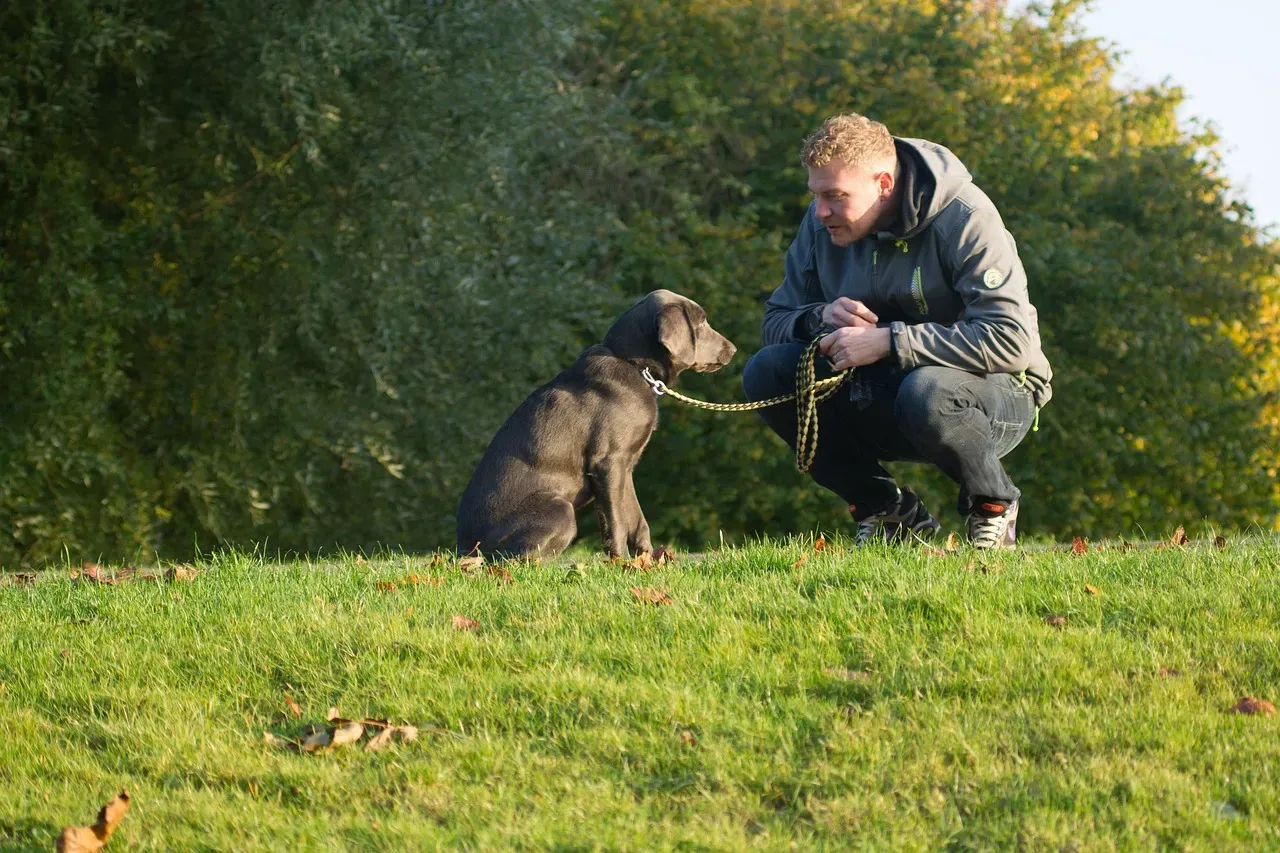
Secure attachment in dogs works similarly to how it does in human children. When your dog explores freely at the park but keeps checking back on you, or settles calmly in a new environment simply because you’re nearby, that’s the secure base effect in action. Researchers found clear evidence of all four attachment criteria in dogs, and the secure base effect in dogs is specific and tuned to the bond with the caregiver.
Regardless of emotion, viewing the caregiver activated brain regions associated with emotion and attachment processing in dogs. In other words, just seeing your face lights up the parts of your dog’s brain that are wired for bonding and safety.
You can strengthen this secure base effect through consistent routines, calm returns home, and reliable positive interactions. Regular, focused interactions are more beneficial than sporadic, lengthy periods together. The key word is consistency – dogs are anchored by it emotionally.
10. Empathetic Mirroring: Moving With Your Mood
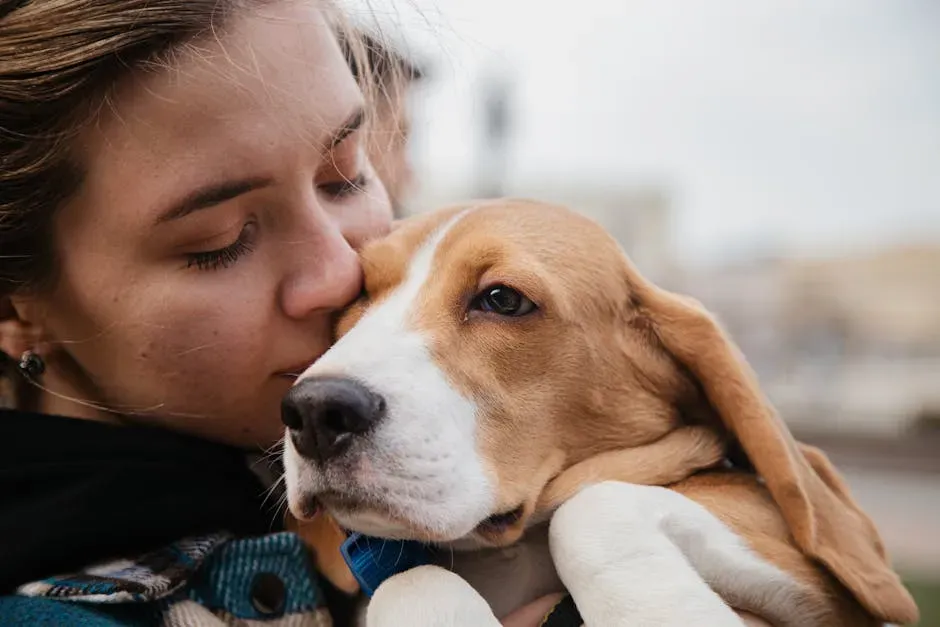
Dogs don’t just react to isolated emotional cues – they adjust their entire demeanor to match the emotional atmosphere of your home. This can look like: if you’re anxious, your dog may become anxious. If you’re calm, your dog tends to relax. If you’re excited, your dog’s energy rises to match.
From mirror neurons that fire when they witness our distress to hormonal responses that mirror human attachment, dogs demonstrate sophisticated emotional awareness that rivals many social mammals. Emotionally intelligent dogs possess genuine empathy through evolved neural pathways, mirror neurons, and hormonal responses like oxytocin release.
This kind of mirroring is a two-way gift. It means your dog is genuinely with you in a given moment, not simply nearby. Dogs living in tense environments may show behavioral issues like excessive barking, chewing, or separation anxiety. On the other hand, a calm and structured household helps them thrive.
11. Bonding Through Play and Shared Activity

Emotional connection between dogs and humans isn’t just built in quiet, tender moments. Play matters enormously. Spending dedicated quality time with dogs enhances the emotional connection between human and canine companions. Activities such as training sessions, interactive play, grooming, and simply spending quiet time together can strengthen the bond.
Training activities deserve special mention, as they provide mental stimulation for dogs while creating opportunities for positive communication between human and canine. The process of learning together builds trust and understanding, fundamental components of a strong relationship.
A 20-minute game of fetch, a nose-work session with hidden treats, or a new walking route can all be meaningful bonding opportunities. Providing lots of physical and mental stimulation is a vital part of treating many behavior problems, especially those involving anxiety. Exercising your dog’s mind and body can greatly enrich their life, decrease stress, and provide appropriate outlets for normal dog behaviors.
DISCONNECT 1: Separation Anxiety – When Love Becomes Overwhelm

A dog who loves deeply can also struggle deeply. Whether in a puppy or an adult dog, separation anxiety is when your dog exhibits extreme stress from the time you leave them alone until you return. The symptoms can vary, but they will act as if they are terrified to be in the house on their own. Some experts describe it as the equivalent of a panic attack.
Signs include excessive barking or howling, indoor accidents, chewing or scratching, pacing, drooling, and trying to escape – mostly when the owner is away. These aren’t acts of spite or manipulation. They are genuine distress responses from an animal whose emotional connection to you has tipped into overwhelming fear of your absence.
Every time your dog becomes highly distressed, stress hormones occur in the body which can take days to reduce. This can cause negative, long-term effects on your dog’s body and mental state. Prevention tip: practice short departures early, keep arrivals and departures calm, and consider working with a veterinary behaviorist if the anxiety is severe. This disconnect is treatable with patience and the right approach.
DISCONNECT 2: Chronic Stress – The Silent Withdrawal

Not all emotional disconnection in dogs is loud and dramatic. Sometimes, a dog who was once engaged and affectionate gradually becomes flat – less interested in play, less responsive to affection, more withdrawn. This can be a sign of chronic stress or unaddressed anxiety. Dog anxiety can affect all breeds, but may affect each individual dog differently. Although it’s something all dogs experience from time to time, if disproportionate levels of anxiety are left unchecked, a dog can develop an anxiety disorder, which can lead to behavioral and other issues.
Dogs with cardiovascular issues or physical health challenges often show decreased interest in emotional interactions and reduced responsiveness to human emotional cues. The relationship between physical and emotional health creates a cycle where good physiological function enhances empathy, while positive emotional experiences support physical health.
If your once-connected dog seems distant or disengaged, a vet check is the right first step to rule out pain or underlying illness. Medical conditions such as pain, inflammation, and underlying disease can also cause dog anxiety. After ruling out health causes, enrichment, structured routine, and calm interaction can gradually bring a withdrawn dog back into connection.
DISCONNECT 3: Learned Helplessness and Emotional Shutdown

Perhaps the most heartbreaking form of disconnection is when a dog simply stops trying to communicate. This can happen in environments where emotional signals have been repeatedly ignored, punished, or met with unpredictable responses. Some dogs sadly learn that calling for their owner to come back doesn’t work, so they learn to suffer in silence.
Scolding or punishing anxious behaviors is not appropriate, as anxious behaviors are not the result of disobedience or spite – they are distress responses. Your dog displays anxious behaviors when left alone because they’re upset and trying to cope with a great deal of stress.
The good news is that emotional shutdown is not permanent in most dogs. Positive reinforcement, bonding time, and early socialization all enhance a dog’s emotional responsiveness. With consistent, gentle, and predictable care, dogs who have shut down emotionally can and do open back up. It takes time, it takes patience – but it is possible.
Conclusion: The Language Between You

The relationship you have with your dog is not one-sided sentiment. Dogs have been empirically shown to be particularly sensitive to human emotions, and that sensitivity evolved over thousands of years of living side by side with us. Every gaze, every lean, every well-placed paw on your knee is a form of emotional language.
The human-canine bond offers profound impacts on our emotional well-being. Interacting with a dog can alleviate stress, anxiety, and depression. Dogs provide love and support, becoming loyal confidants during challenging times. That is not a small thing – especially in a world where genuine, uncomplicated connection can be hard to find.
Recognizing the three ways dogs disconnect isn’t meant to worry you. It’s meant to inform you, so you can respond with the same attentiveness your dog brings to you every single day. The more fluently you learn to read them, the richer and more honest the relationship becomes. And that, ultimately, is what having a dog is really about.


