

Picture this: it’s a warm afternoon, you’re out for what feels like a routine walk with your dog, and within twenty minutes, something just seems off. Your dog is lagging behind, panting more than usual, and refusing to move. You assume they’re being dramatic. They’re not.
Dogs are more susceptible to the effects of heat-related illnesses than humans because they are not able to cool themselves by sweating. The main way dogs cool themselves is by panting. That single fact changes everything about how we should approach summer with our four-legged companions. Heat stroke in dogs can turn deadly in minutes, making it one of the most dangerous summer emergencies pet owners face. Recognizing the signs quickly can mean the difference between life and death for your furry companion.
Knowing what to look for is genuinely one of the most important things you can do as a dog owner. Here are the eight signs that summer heat may be affecting your dog, and exactly what you should do about each one.
1. Excessive or Frantic Panting
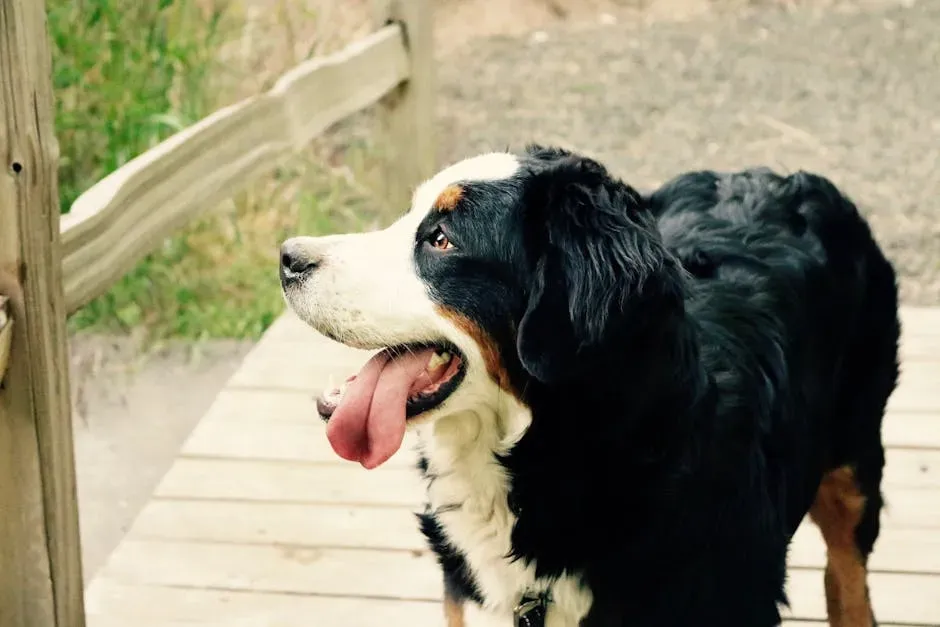
Panting is completely normal for dogs. It’s their built-in cooling system. The concern arises when that panting becomes relentless, frantic, or sounds noticeably labored. While panting isn’t necessarily a cause for alarm, it is an indicator that your dog feels the need to cool down and it can be an early warning sign. If the length and width of the tongue grow, it’s a sign their body temperature is rising. When their panting starts to be more pronounced than usual, it’s time to cease all activity and get your dog to a cool place with plenty of water.
Dogs have only a couple of ways to cool off: blood vessel expansion and panting. When dogs pant, they evaporate moisture from their tongues, nasal passages, and the lining of their lungs, and this cools them down as air passes over the moist tissue. The problem is that on hot, humid days, this system simply can’t keep up. High humidity increases the risk of overheating because it reduces the impact of panting since the saliva evaporates less quickly. While panting is an effective short-term solution, it’s inefficient at lowering body temperature in the long run because panting itself uses energy, which generates additional heat. Move your dog to a cool, shaded or air-conditioned space immediately if you notice this escalating.
2. Excessive Drooling with Thick or Sticky Saliva
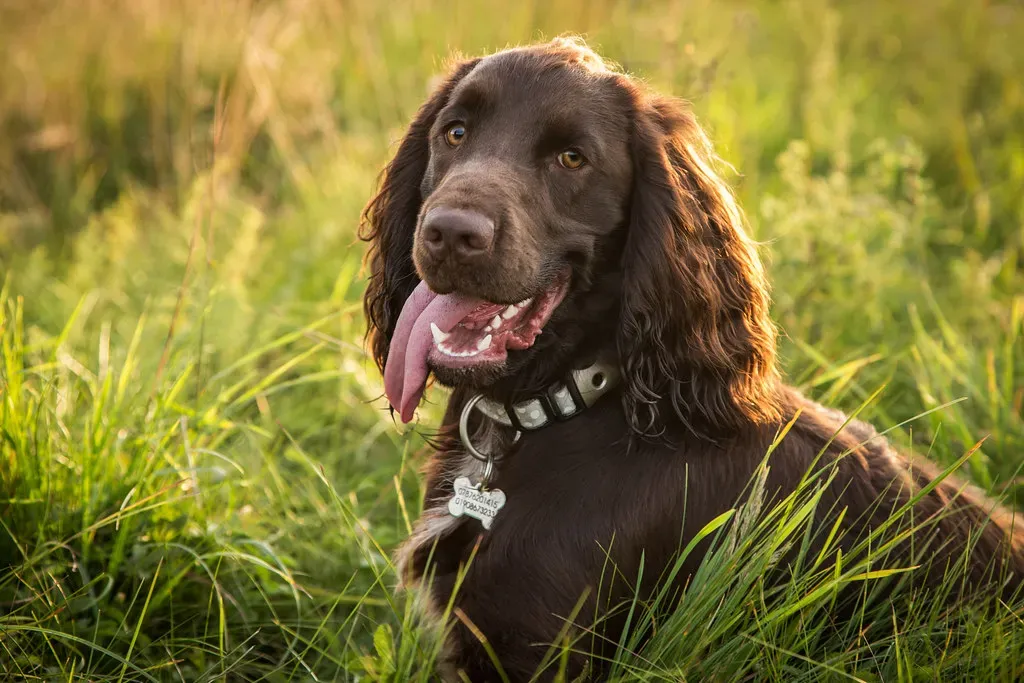
A little drool is charming. A lot of thick, ropy saliva pooling on the ground? That’s your dog’s body waving a red flag. If the dog is drooling more often, and it’s thicker and stickier, this could be a symptom of heatstroke. This change in saliva texture happens because overheated dogs may produce excessive amounts of saliva or drool as their bodies try to cool down.
It’s easy to dismiss heavy drooling, especially in breeds that drool regularly under normal circumstances, like Basset Hounds or Saint Bernards. The key distinction to watch for is the consistency and volume compared to your dog’s usual baseline. Keep an eye out for lots of drool, or drool that is thicker and stickier than usual. Thick saliva often signals the early stages of dehydration working alongside heat stress. Offer cool water, move to shade, and monitor closely for any additional symptoms.
3. Lethargy and Unusual Weakness
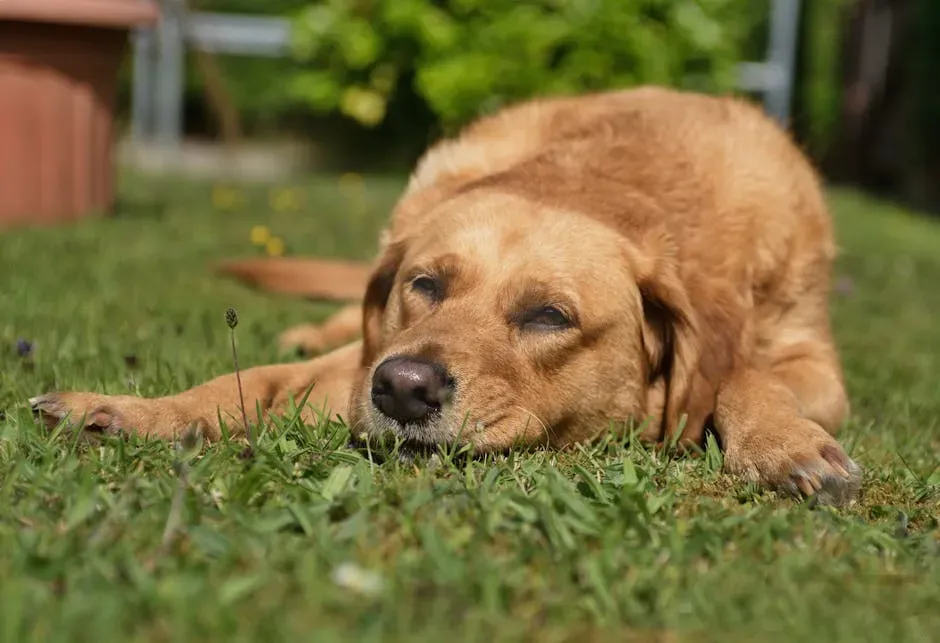
If your normally energetic dog suddenly seems glued to the ground, unwilling to stand, or moving in slow motion, take that seriously. The dog might sleep more, have trouble standing or walking, or generally seem more sluggish with their movements. Overheating can cause dogs to nap more than normal or have trouble standing up or walking. This kind of sudden fatigue differs from the tiredness after a long run; it comes on quickly and feels out of proportion to the activity level.
Heat stress is the first stage, marked by panting, increased thirst, and lethargy. Think of lethargy as an early warning that sits between “a bit warm” and something far more serious. If cooling measures are not instituted and activity ceased, a dog’s temperature will continue to rise, and symptoms will progressively get worse. Don’t wait to see if your dog “snaps out of it.” Get them indoors, offer water, and let them rest in a cool environment right away.
4. Bright Red, Pale, or Discolored Gums
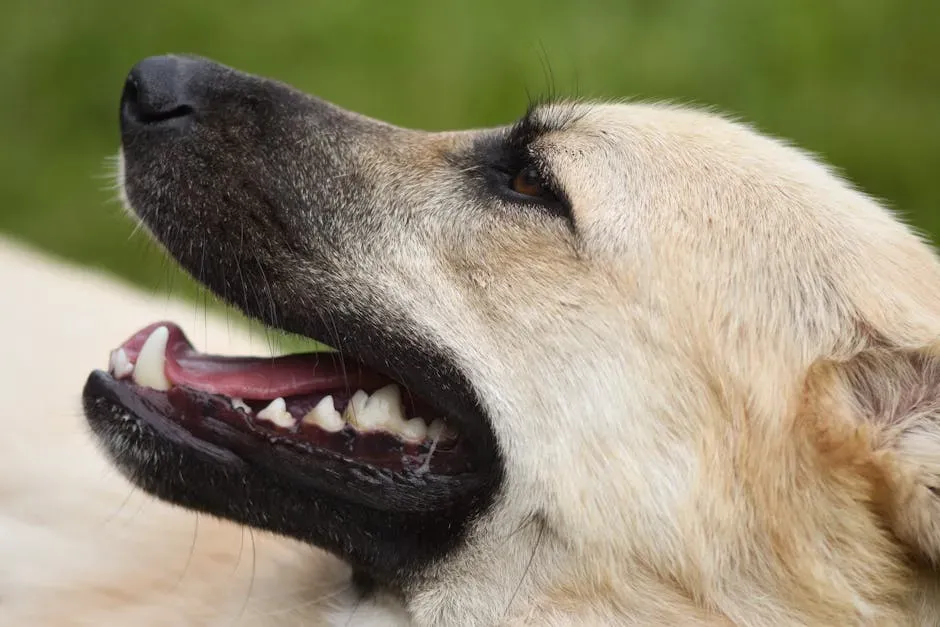
Most dog owners rarely check their dog’s gums, but this quick visual check can tell you an enormous amount about your dog’s internal state during hot weather. Early signs of heatstroke include heavy panting and rapid breathing, excessive drooling, dry mucous membranes, bright red gums and tongue, skin that’s hot to the touch, and a higher heart rate. Red gums are an early warning. What comes next is more alarming.
As exposure to excessive heat goes on, the dog’s condition worsens and includes signs of shock, pale mucous membranes with white or blue gums, a very rapid heart rate, and a drop in blood pressure. An overheated dog may gasp for air, and the entire mouth will become grayish to purple because of the unmet oxygen demand. Gum color is one of the fastest ways to gauge severity. If your dog’s gums are moving toward pale, white, or blue-gray, you are dealing with a veterinary emergency, not something to manage at home.
5. Signs of Dehydration
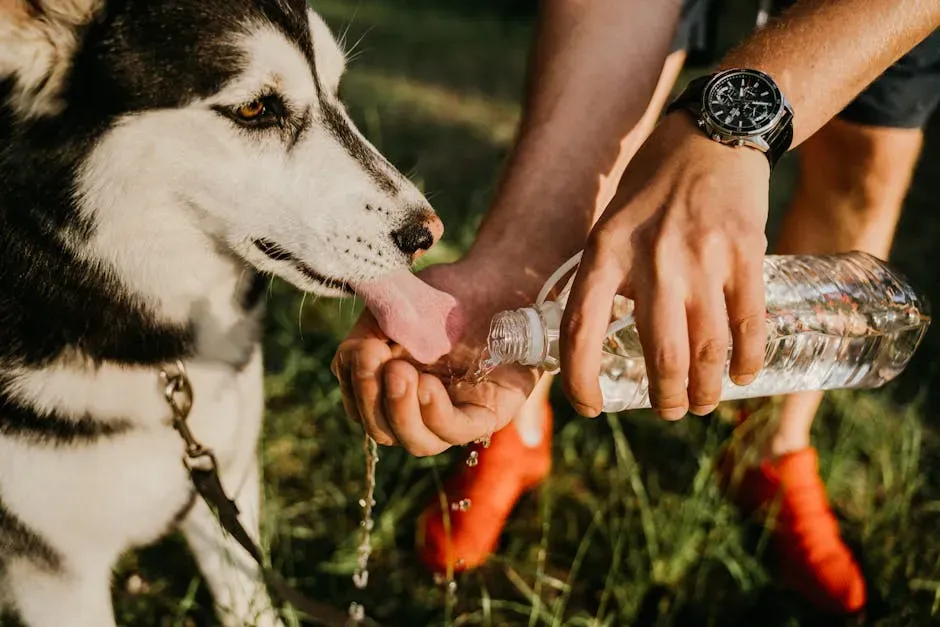
Heat and dehydration go hand in hand for dogs, but the signs of dehydration can be subtle enough that many owners miss them until the situation worsens. Dehydration can present as a dry nose, sunken eyes, heavy panting, infrequent urination, and tiredness. A quick at-home check involves gently lifting the skin at the back of the neck. In a well-hydrated dog, the skin snaps back immediately. In a dehydrated dog, it stays tented for a moment before returning.
In hot weather, dogs may need two to three times more water to stay hydrated. That’s a significant increase that many owners don’t account for, especially during outdoor activities. Panting animals need enough cool water on warm days to keep those airways moist, maintaining a delicate temperature balance. If the outside environment is also very moist, less evaporation and cooling occur. This may result in a reduced tolerance for hot, humid weather and a greater danger of the dog overheating. Always carry water on walks, refill bowls frequently at home, and never assume a dog who isn’t drinking is simply “not thirsty.”
6. Vomiting or Diarrhea
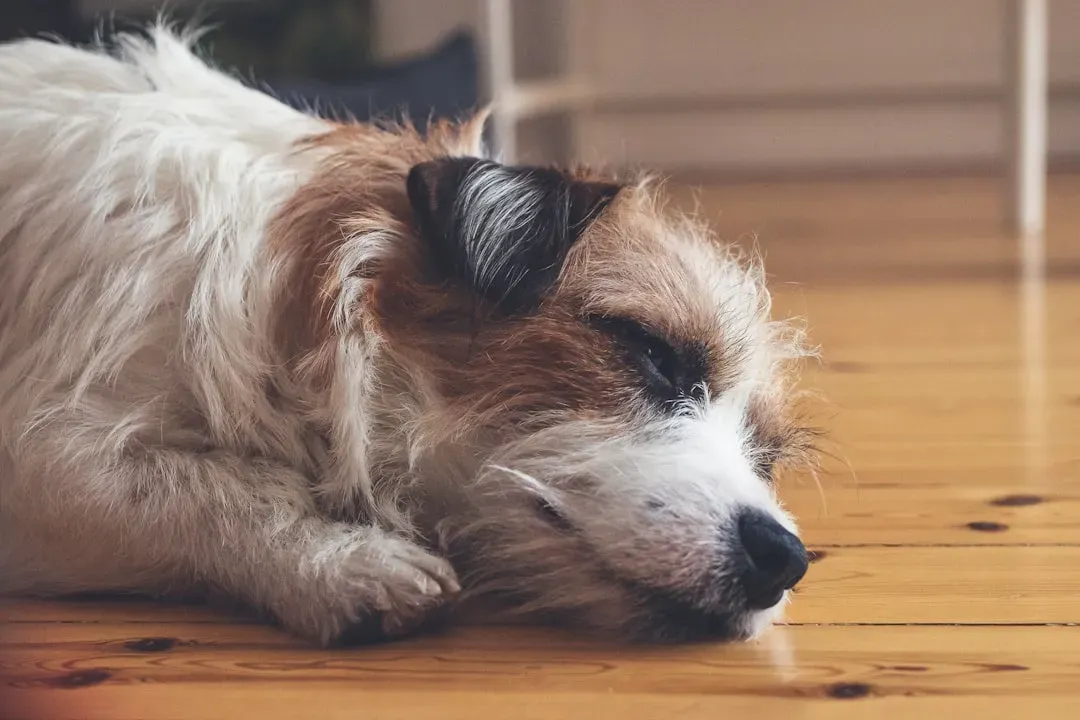
When a dog’s body temperature climbs to dangerous levels, the digestive system pays a price. During heat stroke, we can see a very wide variety of clinical signs. Often the first clinical signs we see are vomiting and diarrhea. This can quickly progress to hemorrhagic gastroenteritis, meaning bloody vomiting and diarrhea. This is not mild stomach upset. It signals that the body’s internal systems are under serious stress.
Abnormally soft stool, or stool with blood in it, is a big warning sign for heat exhaustion. Even without blood, vomiting on a hot day should prompt immediate action. Move your dog to a cooler environment, apply cool water to their paws, belly, and groin, and contact your vet. Kidney and liver enzymes can be elevated due to direct heat as well as dehydration. In short, GI symptoms in summer heat deserve the same urgency you’d give any other emergency sign.
7. Disorientation, Stumbling, or Loss of Balance

A dog who suddenly seems confused, walks into walls, stumbles, or can’t maintain a straight path is showing signs that heat is affecting their neurological system. If your dog seems to have trouble walking in a straight line or keeps bumping into furniture, they might be lightheaded from dehydration or heat exhaustion. Affected dogs become hyperactive and may have difficulty maintaining balance. This is no longer early-stage heat stress; this is serious and time-sensitive.
As a dog’s temperature increases to greater than 104 degrees Fahrenheit, central nervous system symptoms such as disorientation, seizures, and/or multiple organ dysfunction can occur. In the most severe cases where temperature is over 106 degrees for more than 20 to 30 minutes, we can see neurologic signs such as inappropriate mentation or even seizures. If your dog is showing any of these neurological signs, begin cooling immediately with room-temperature water on the paws and belly, and get to an emergency veterinary clinic without delay.
8. Collapse or Seizures
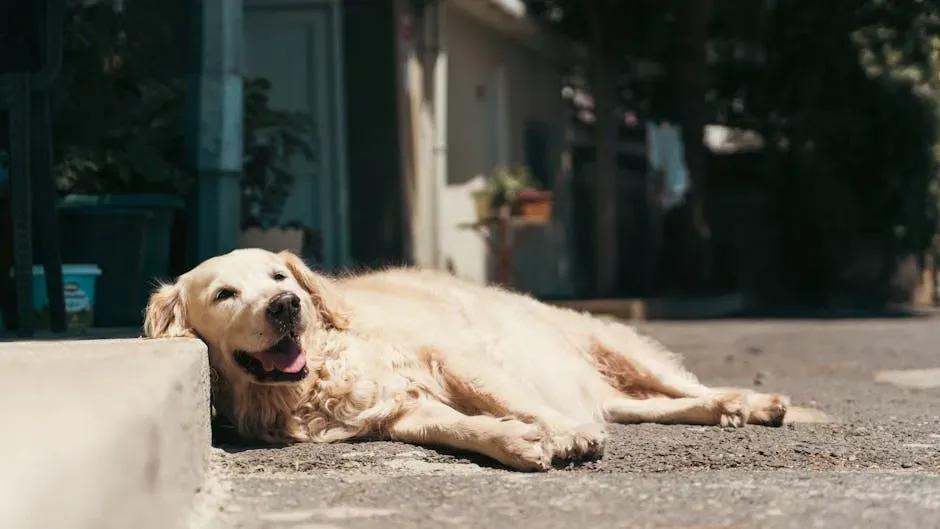
This is the sign no dog owner ever wants to see, but knowing it can happen prepares you to act fast rather than freeze. Heat stroke in dogs becomes an emergency when you notice excessive panting that doesn’t improve, bright red gums, disorientation, collapse, vomiting, or seizing. In extreme cases, overheating can lead to neurological symptoms like seizures or complete collapse. At this stage, every second truly matters.
Heat stroke can quickly lead to multiple organ problems, brain damage, abnormal blood clotting, or breathing difficulties. These complications can occur even after the dog’s temperature returns to normal. Dogs who appear to recover may still develop serious internal problems hours or days later. If your dog collapses, move them to a cool area, apply room temperature water to their body, and get to a vet immediately. One in seven dogs treated by vets for heatstroke dies. To give a dog with heatstroke the best chance of survival, they need to be cooled down immediately and taken to a vet as soon as possible.
Prevention: Your Best Tool This Summer
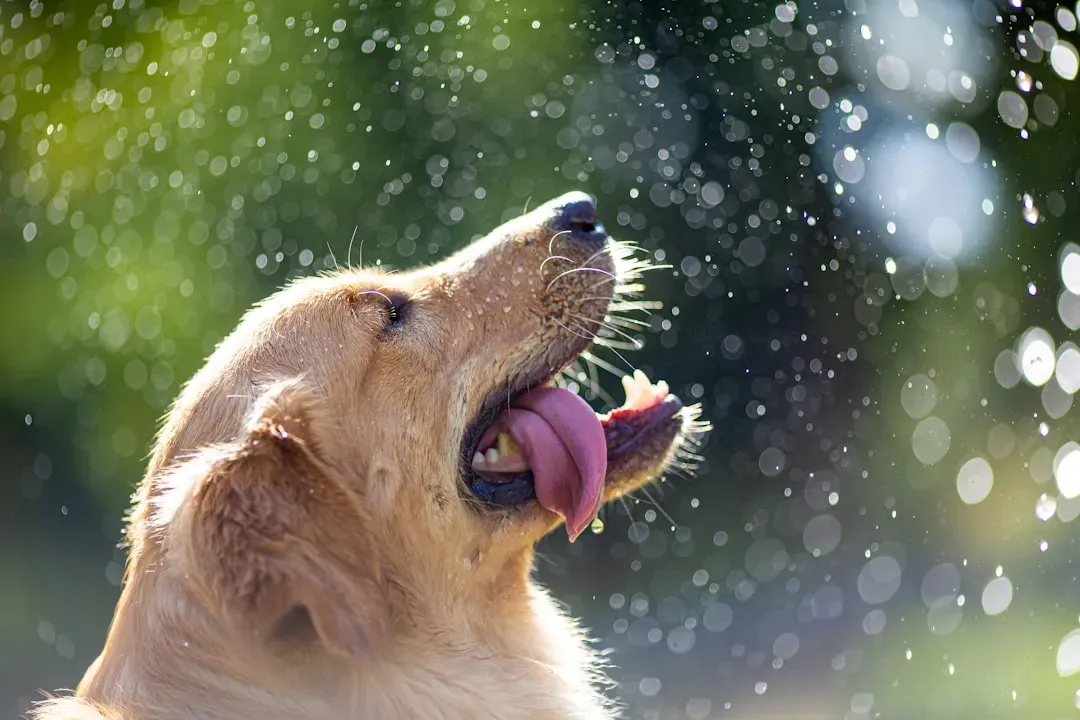
Recognizing the signs matters enormously, but keeping your dog out of that situation in the first place is where your energy is best spent. A dog exercising on a hot, humid day requires extreme caution. Dogs can develop heatstroke even when walking for relatively short periods of time. Consider performing outdoor activities early in the morning or late at night and be sure to provide plenty of fresh water.
Never leave dogs alone in cars, even on seemingly cool days. Even if the windows are left partially open or the car is parked in the shade, the inside of the car can be greater than 40 degrees Fahrenheit hotter than outside. Also keep in mind that not all dogs carry the same risk. Short-muzzle breeds, as well as older or overweight dogs, are at a higher risk for heat stroke. Overweight or elderly dogs are also significantly more susceptible to overheating and heatstroke. Any extra layers of fat in a dog’s body can act as insulation, trapping heat inside their body. As a result, they can overheat more quickly.
Prevention is the best way to protect your pup from the dangers of heat. The key to reducing a dog’s risk of overheating is understanding your individual dog’s heat tolerance. Factors that play a role include their breed and physical build, body condition, age, fitness level, type of coat, and the environment they’re accustomed to.
Conclusion: Your Awareness Is Their Protection
Summer should be a season of joy for you and your dog, not a source of anxiety. The good news is that heat-related illness in dogs is largely preventable when you know the warning signs and act on them quickly. Your dog can’t say “I’m too hot” in words, so their body speaks for them through panting, lethargy, drooling, and behavior changes.
Our dogs live to please us, and if we ask them to jog or hike or play catch, they’ll do it with enthusiasm, even on the hottest days. So it’s up to you to keep the weather in mind and limit the time your dog exercises in the heat. That’s not an inconvenience; it’s one of the most loving things you can do.
The eight signs outlined here aren’t meant to make every sunny walk feel stressful. They’re meant to make you a more confident, informed dog owner. Observe your dog. Know their normal. When something feels off, trust that feeling and act. The dogs who fare best in summer heat aren’t the ones with the most expensive gear; they’re the ones with owners who are paying attention.


