
Picture this: it’s July in Birmingham, Alabama. The thermometer has already climbed past 90°F by mid-morning, the humidity makes the air feel like a warm wet towel, and your Siberian Husky is stretched out on your kitchen tile, panting steadily. You love this dog more than words can say. You’re also quietly wondering whether you’ve made a terrible mistake.
You haven’t. Owning a husky in the Deep South is absolutely possible, but it takes honest eyes, real planning, and a willingness to adjust your routine around your dog rather than the other way around. The good news is that thousands of husky owners across the southern United States are doing exactly that, and doing it well.
Understanding the Husky’s Built-In Thermostat
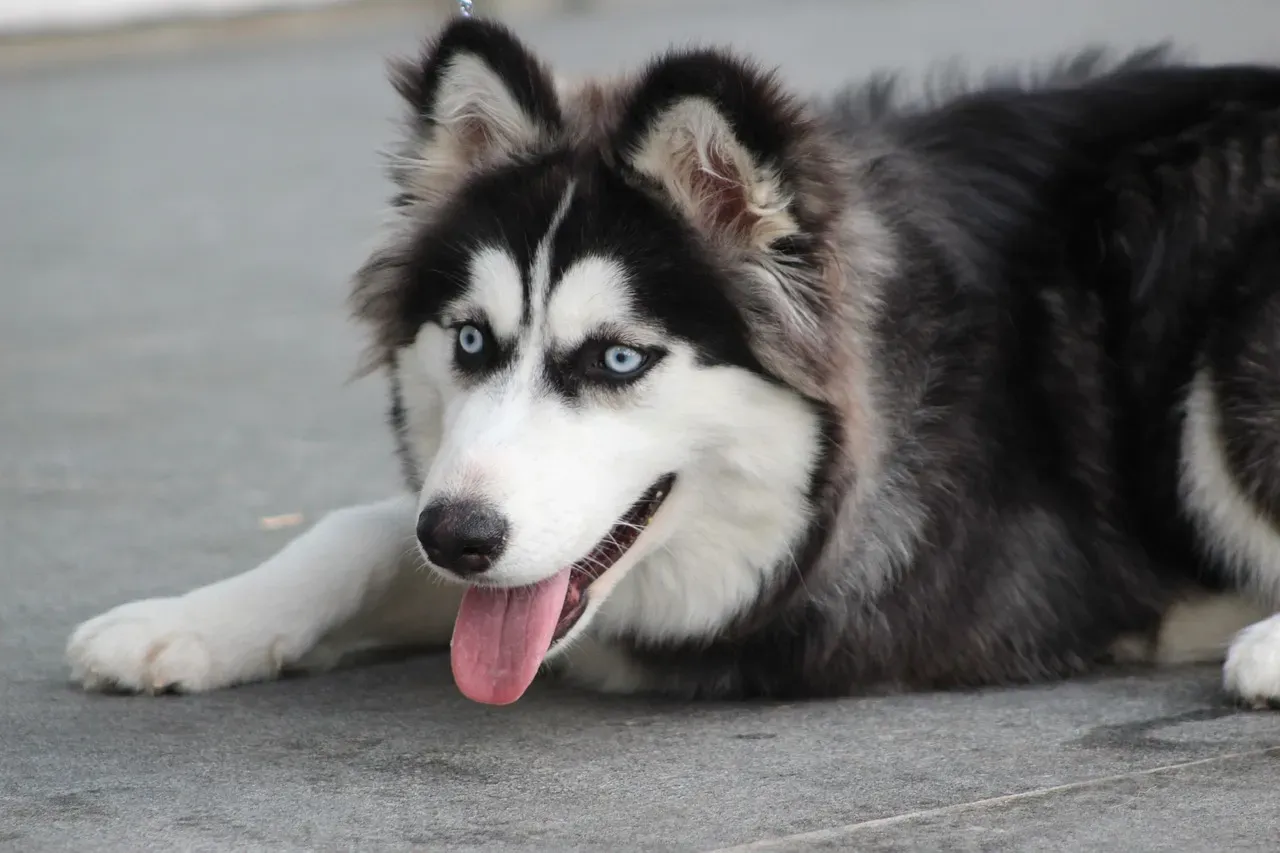
Siberian Huskies originated in northeastern Asia, where they were developed by the Chukchi people for sled pulling in harsh Arctic conditions. That origin story matters. Every physical feature they have, from their metabolism to their coat, was shaped by an environment that is almost the polar opposite of an Alabama summer.
Siberian Huskies are known for their thick double coats, consisting of an undercoat and a protective topcoat, that kept their ancestors cozy on Siberian tundras. While this fur provides insulation in cold weather, it also means they’re built to retain heat rather than shed it efficiently in warm weather.
Their topcoat is strong and sturdy, helping to repel water, sunshine, and UV rays and support moving air back and forth to keep them cool. Their undercoat insulates their skin from any heat the topcoat absorbs. Think of it less like a fur coat and more like a layered technical fabric. It genuinely does some work, even in the heat.
So, Can a Husky Actually Adapt to Alabama’s Heat?
While huskies have the genetic ability to thrive in extremely cold, northern climates, they can also adapt to other climates where they were born or have relocated. That adaptability is real, not just wishful thinking. Dogs are remarkably responsive to their environment over time.
With proactive management, many huskies do adapt and live comfortably even in warmer regions. The key phrase there is proactive management. Adaptation doesn’t happen on its own, it happens because the owner creates the right conditions consistently.
Owning a husky in a hot climate requires extra care and vigilance, but it isn’t inherently cruel if you are committed to meeting their needs. Alabama’s climate is challenging, no question, but it’s not a dealbreaker. It’s a responsibility multiplier.
The Real Risk: What Alabama Heat Actually Does to a Husky
Huskies are most comfortable in cooler environments. Temperatures above 80°F can be challenging for them, especially if the humidity is high. Alabama summers routinely combine both. High humidity makes evaporative cooling through panting significantly less effective.
Huskies face several health risks when exposed to high temperatures. Their thick double coats and cold-weather adaptations can make them particularly vulnerable to overheating and related complications in hot climates. This is not about being a delicate breed. It’s simply physics: a body designed to conserve heat will struggle harder to release it.
Overheating is especially prevalent in huskies, since their fur and skin were built to retain heat. Often, overheating occurs much more quickly in these types of breeds than those with finer or less fur. That speed is what catches owners off guard, especially newcomers to the breed.
Warning Signs Every Alabama Husky Owner Must Know
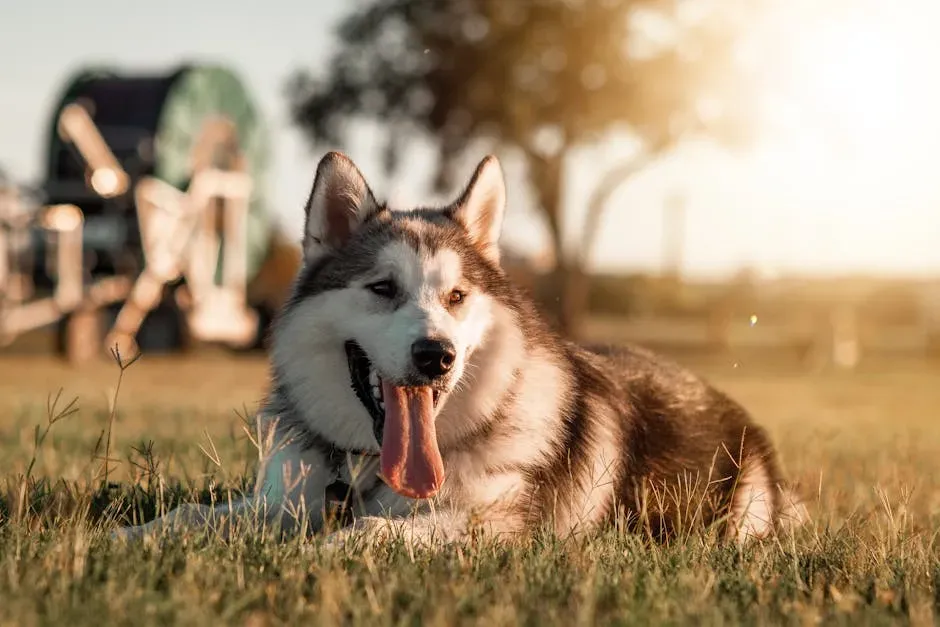
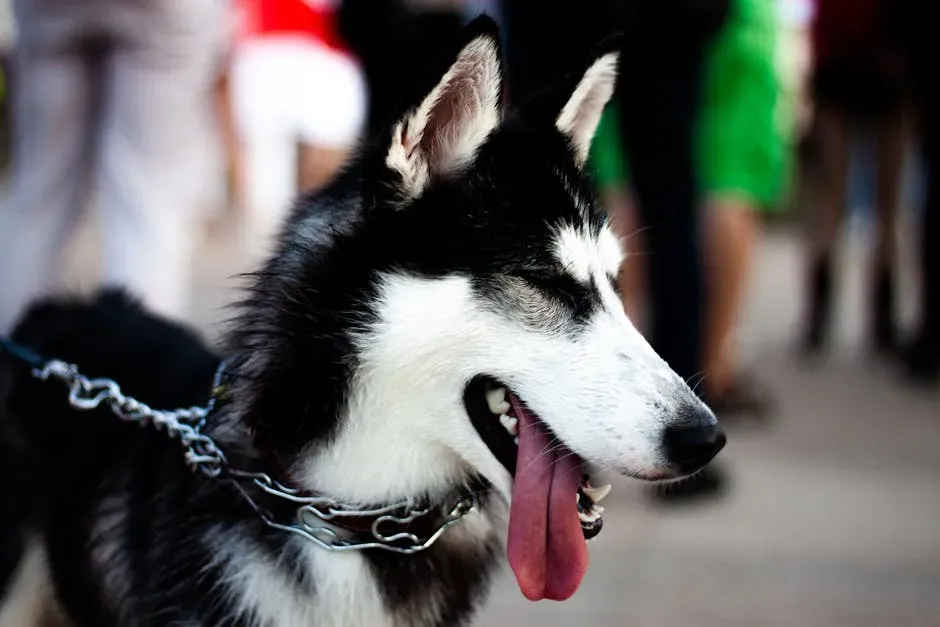
Huskies may exhibit excessive panting, drooling, and lethargy when overheated. Their gums and tongue can become bright red or purple. Dehydration signs include dry nose, sunken eyes, and loss of skin elasticity. These are the early and mid-stage signals your dog is sending you, and recognizing them early can make all the difference.
Even with the best planning, there may be times your husky shows signs of serious heat stress like stumbling, thick drool, or disorientation. At the first sign of these symptoms, it’s important to move them to a cool location and offer water. If symptoms persist or worsen, contacting your veterinarian promptly ensures they get the care they need.
Once you suspect your dog is suffering from too much heat, lay them down in a cool spot and pour cool water on them to help lower their temperature. Note that it should be cool water, not cold, especially ice cold. You don’t want their bodies to go into shock from being too hot to suddenly being too cold. Apply it to their paws and ears especially, as those are key heat-release zones.
Timing Is Everything: Rethinking the Daily Walk
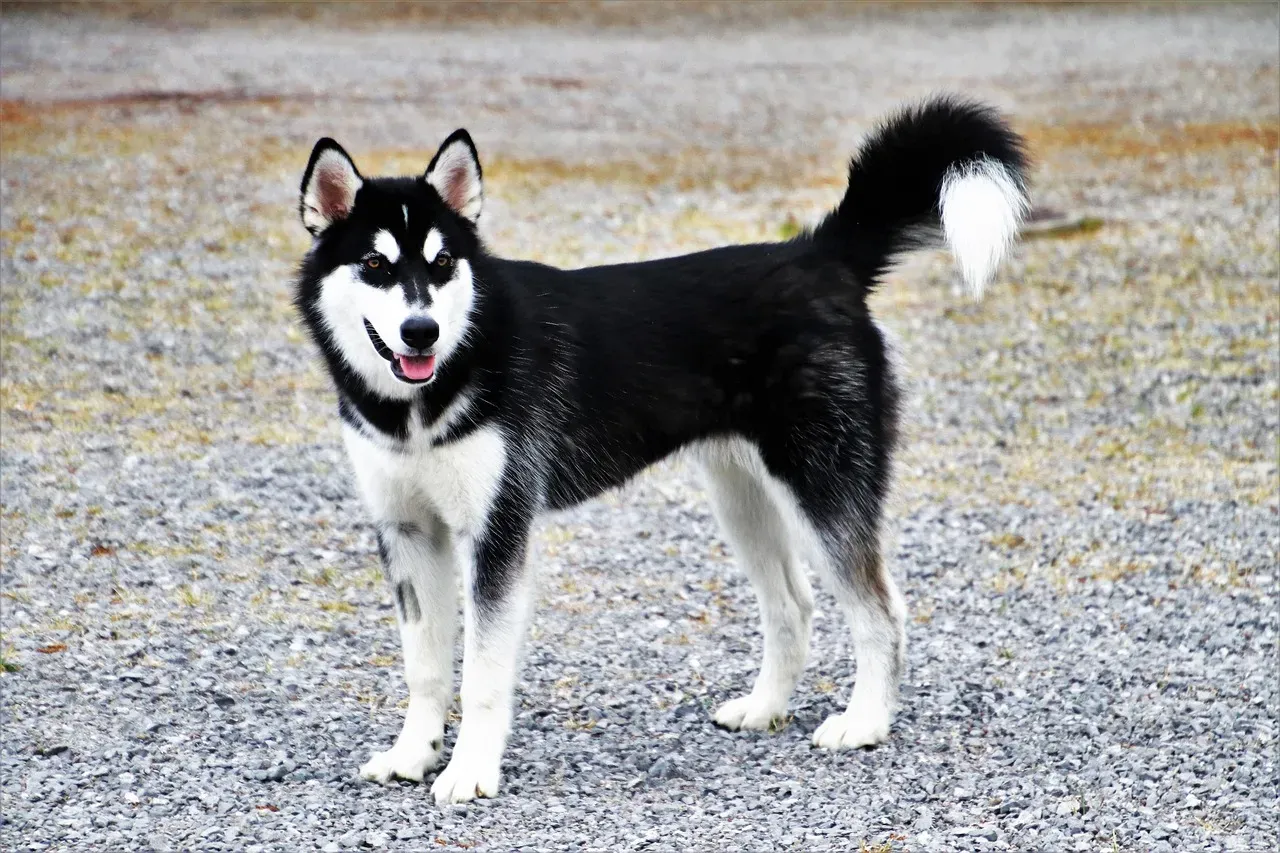
Walking your husky in 90°F weather is not advisable. The heat can quickly lead to overheating and dehydration. Instead, schedule walks early in the morning or late in the evening when temperatures are lower. In Alabama, that often means getting out before 8 a.m. or waiting until after 7 p.m. Your husky will still get the exercise and stimulation they crave, just on a smarter schedule.
Dog paw pads are sensitive to heat, and they can burn badly if your driveway or pavement is too hot. Exterior tiling retains heat extremely effectively and can cause nasty burns. If the hard surfaces around your house are too hot for your own bare hands or feet, chances are they’re too hot for your dog’s feet as well. The simple hand-to-pavement test before each walk is a habit worth building.
The Indoor Environment: Your Husky’s Summer Sanctuary
To keep your husky comfortable indoors, aim to maintain a temperature between 60 and 75°F. If you live in a particularly hot climate, consider using fans, cooling mats, or air conditioning to help regulate their environment, ensuring they stay cool and comfortable. In Alabama, a reliable air conditioner is not a luxury for a husky owner. It’s a necessity.
A patch of tile flooring is ideal to allow the animal to expel heat. An elevated dog bed is also ideal to keep your pet cool but comfortable. Many Alabama husky owners notice their dogs instinctively migrate to the coolest floor surfaces in the house, and that instinct is worth supporting.
Some owners include cooling mats or shallow splash pools where the dog can gently wade and relax. Scheduling indoor games and mental activities keeps energy up while reducing heat exposure. A mentally stimulated husky is a calmer, happier husky, even on days when outdoor time has to be limited.
Hydration: The Non-Negotiable Foundation
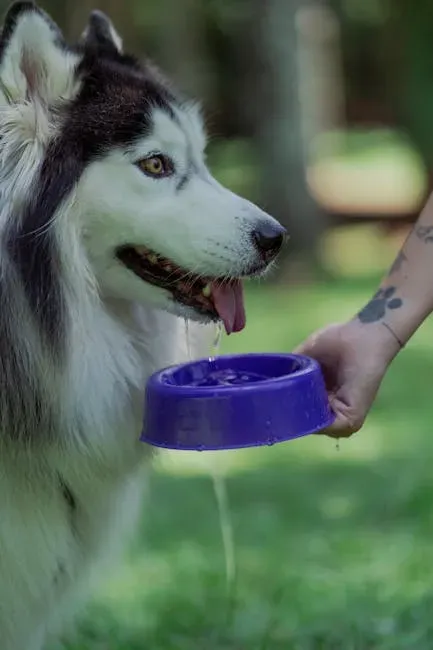
Pet owners should make sure their animals have access to clean water at all times, but it’s particularly important in summer or hot climates. Don’t forget to have water both inside and outside the house, so pets don’t have to search for it when thirsty. Multiple water stations eliminate that risk entirely.
If their water becomes too warm, throw a few ice cubes in to keep it chilled for longer. It’s a small gesture that makes a noticeable difference on the hottest days. Frozen treats, like peanut butter frozen in a Kong toy, serve double duty as enrichment and a cooling tool.
The Coat Grooming Mistake That Could Hurt Your Dog
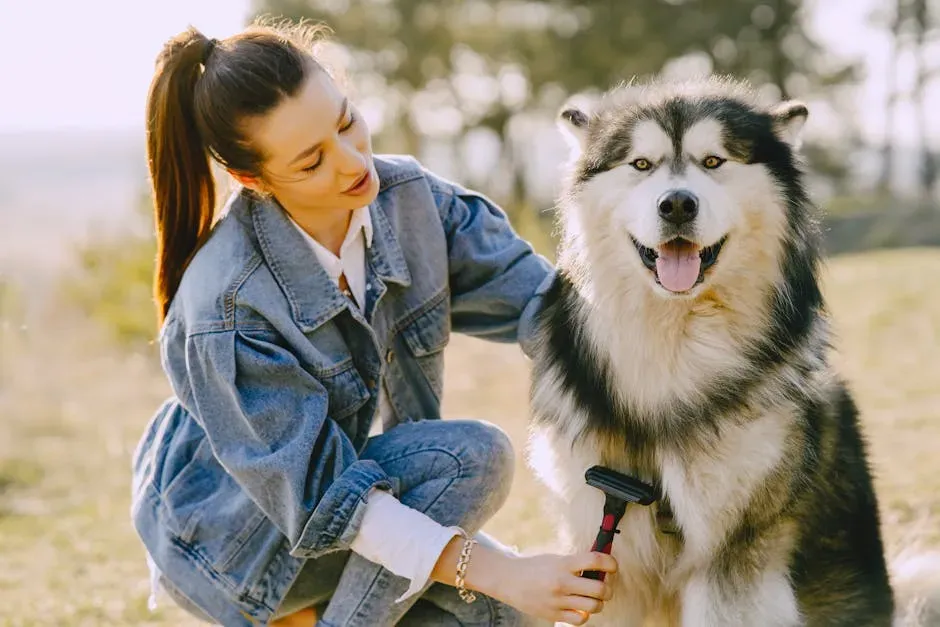
It seems logical. Dog is hot, coat is thick, so shave the coat. This is one of the most common and well-meaning mistakes husky owners in hot climates make, and it can genuinely cause harm.
It is absolutely important not to shave a husky for the summer. Shaving actually does more harm than good, because a husky’s fur is involved in regulating heat exchange with the environment and serves a protective function. The double coat acts as insulation in both directions, blocking heat from reaching the skin just as it blocks cold.
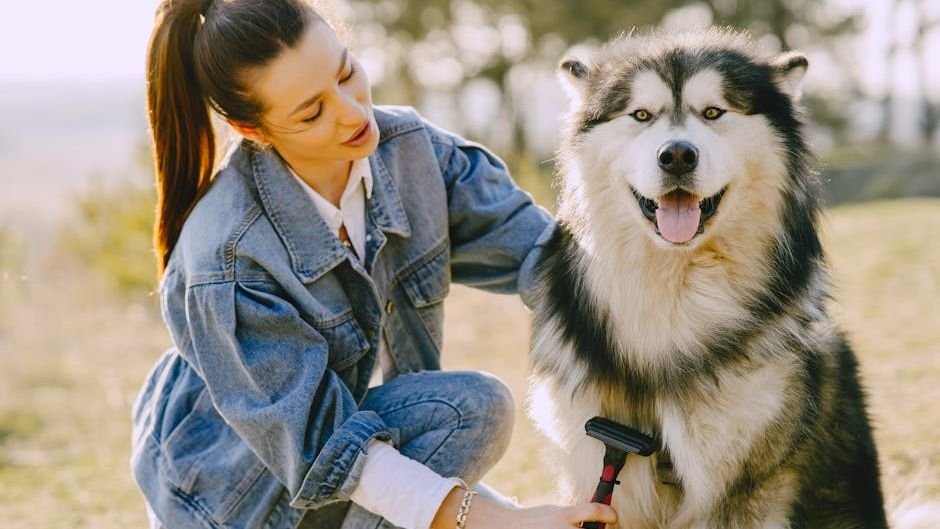
Summer grooming plays an essential role in your husky’s comfort. Regular brushing helps remove loose undercoat fur that can trap heat and impede natural airflow within their coat. Husky owners should avoid shaving a husky’s coat completely, as that thick double coat helps protect skin from sunburn and supports their natural temperature regulation. Brush frequently, trim if needed around certain areas with your vet’s guidance, but leave the coat intact.
Water Play and Creative Cooling Solutions
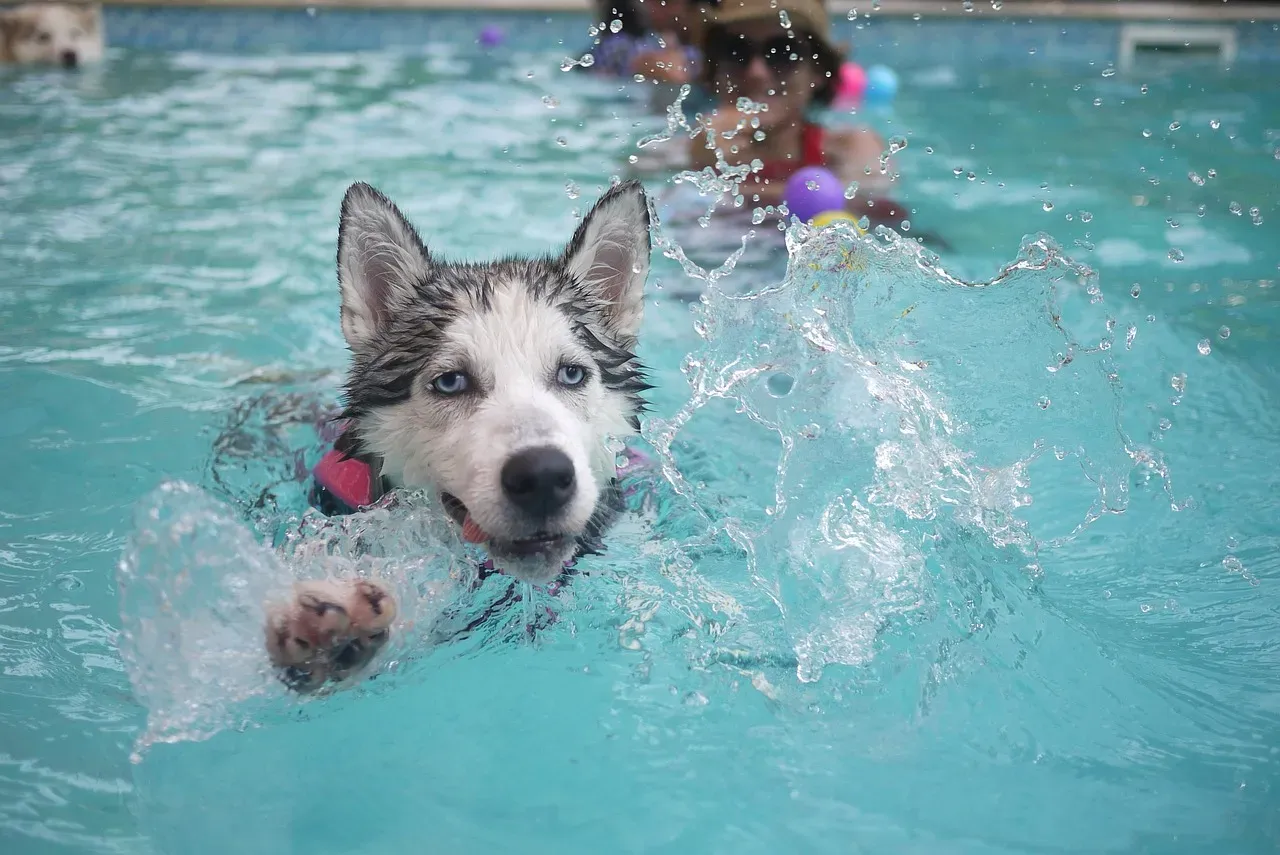
Huskies often enjoy a good splash. Setting up a kiddie pool in a shaded area of your yard gives your dog a way to cool off while having fun. For many huskies, this becomes the highlight of their summer day. The combination of water and shade is especially effective at bringing body temperature down safely.
You can also use wet towels as a way to ensure your husky stays cool if they will tolerate laying on them or having one draped over their shoulders. Some dogs love it, others aren’t fans. It’s worth trying, especially on extreme heat days when you need quick relief for your dog between walks or outdoor sessions.
What Research in Similar Climates Tells Us
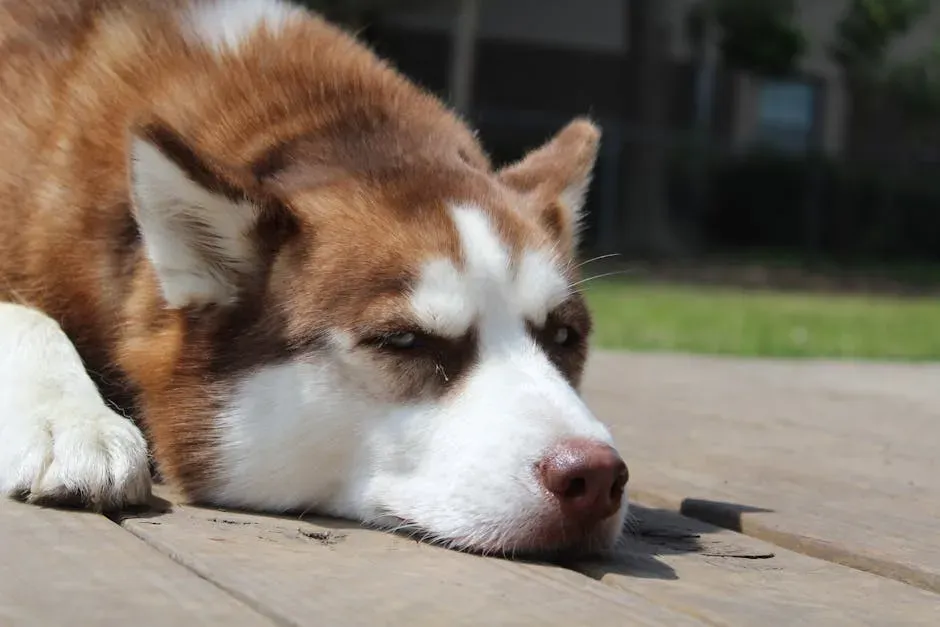
The high radiant heat load of tropical regions imposes challenges on the welfare of imported temperate dog breeds, especially when owners’ awareness does not result in willingness to change their attitudes towards the care of their dogs. This finding from researchers studying huskies in Brazil translates directly to Alabama: awareness alone isn’t enough. Behavior change is what keeps these dogs safe.
The findings reinforce that Siberian Husky dogs in hot regions exhibit thermoregulatory behaviors that indicate their discomfort with heat, and that these behaviors are recognized by their owners. The majority of respondents’ perception of their dogs’ heat sensitivity is reflected in their decision-making process, including opting to walk their dogs during cooler times. Dogs communicate discomfort clearly. The owners who listen and adjust are the ones whose huskies thrive.
Practical Day-to-Day Life with a Husky in Alabama: A Realistic Picture
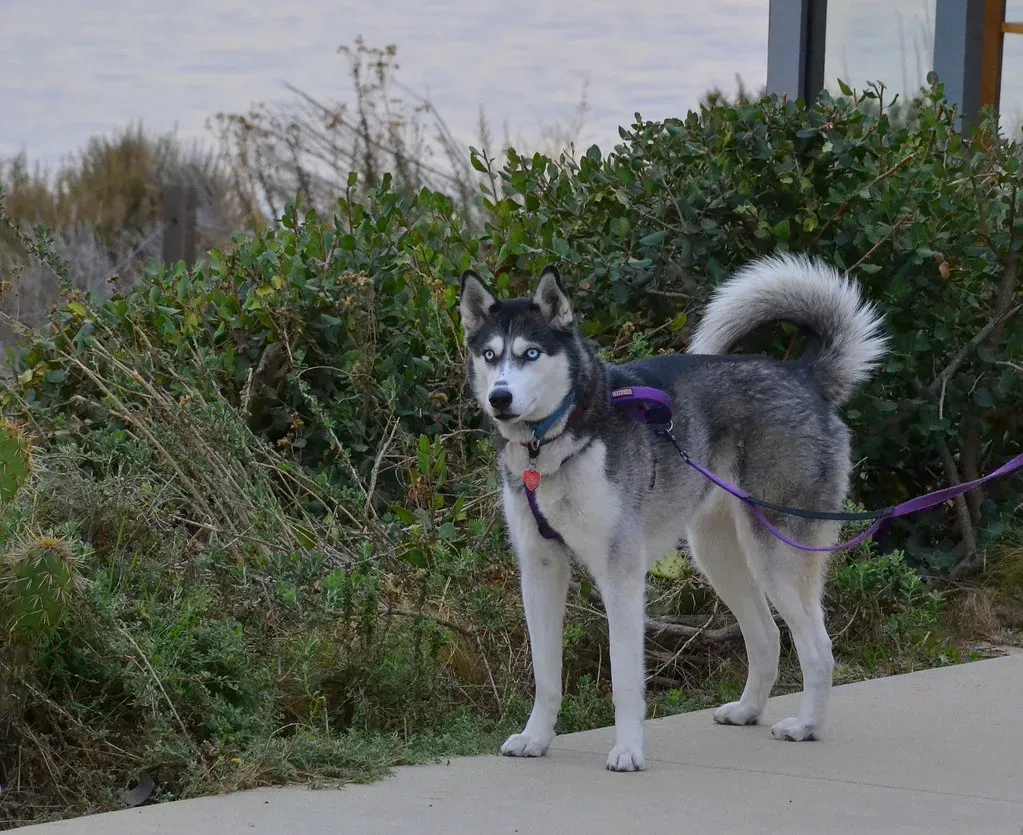
Imagine your daily routine from June through September. You’re up early, before the Alabama sun gets serious, leash on the door, water bottle packed. Your husky is energetic, alert, and genuinely happy to be moving. That 6:30 a.m. walk is when they come alive. That version of husky ownership in the South is completely realistic.
Factors such as having air conditioning at home, following the right procedure for walks during hot weather, providing regular access to water or a pool, proper care of their coat in the summer, genetics, and the geographical location where the husky was born all play a significant role in their well-being and activity during the summer. None of these factors are complicated. Together, they build a safe summer for your dog.
Huskies are remarkable when it comes to their adaptability, but they do have their limits. You’re going to want to keep your husky inside and temperature-controlled if it’s hotter than 90°F. On Alabama’s hardest days, that’s simply an indoor day for your husky, and there’s nothing wrong with that.
Conclusion: A Husky Can Call Alabama Home
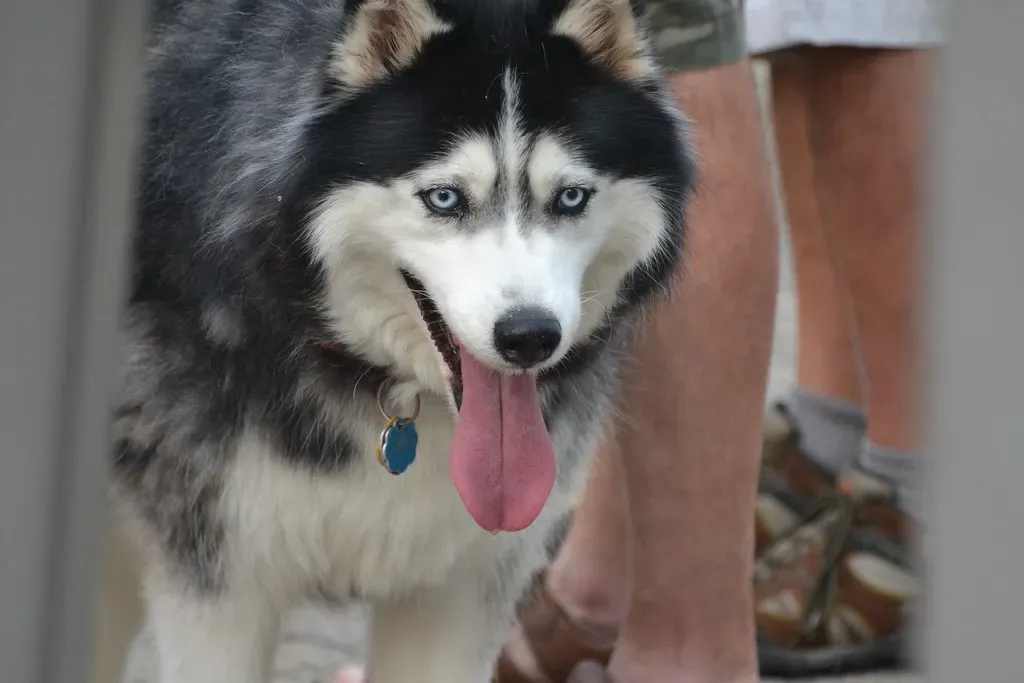
The short answer is yes, a husky can thrive in Alabama’s heat. The fuller answer is that it depends almost entirely on you. This breed rewards attentive owners with unshakeable loyalty, wild personality, and a bond that feels genuinely reciprocal. They just need you to show up for them in specific, practical ways during those long Southern summers.
Watch your dog. Learn their signals. Adjust your schedule to theirs, not the other way around. Keep the water cold, the floor cool, the grooming regular, and the coat exactly where nature put it. When you do those things consistently, Alabama stops being a barrier and starts being just another place your husky calls home.
The dogs that thrive here aren’t the ones with the easiest circumstances. They’re the ones with the most informed, devoted people by their side.


