
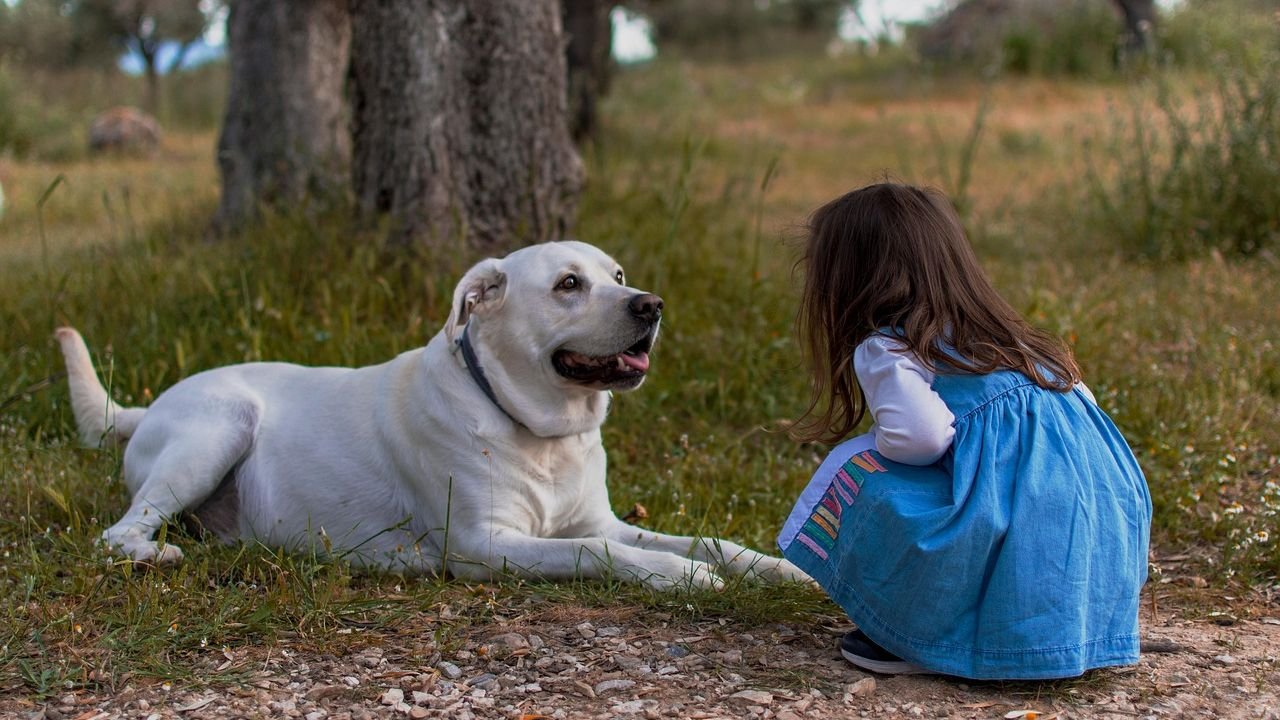
Your dog can’t tell you how they’re feeling, but they’re communicating with you every single day. Through the tilt of their head, the curve of their tail, the way they press their warm side against your leg on the couch. Most dog owners have an instinct about their pup’s mood, but instinct alone can miss a lot. Some signs of happiness are quiet and easy to overlook. Some signs of unhappiness are just as subtle – and far too easy to write off as just “having an off day.”
Dogs have rich interior lives and are capable of experiencing a wide range of emotions, both positive and negative. Since they can’t speak, they communicate their feelings in other ways. Learning to read those signals isn’t just a fun party trick. It deepens your relationship, strengthens trust, and can help you catch problems before they become serious. Here are 12 signs your dog is thriving – and 4 signs that something may be off.
Sign #1: Their Tail Wag Has a Loose, Relaxed Quality
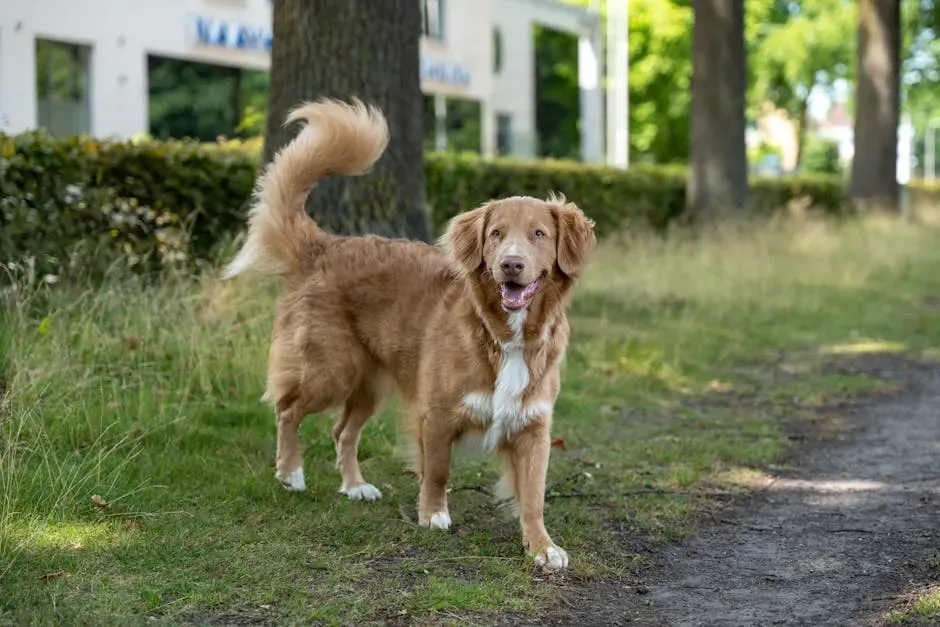
The tail wag is probably the most iconic sign of a happy dog, but there’s more to it than just movement. A gentle, loose tail wag can indicate happiness in a dog. Dogs that are feeling happy may wag their tail slowly and widely from side to side, with their tail in a neutral position or slightly raised. It’s the quality of the wag that matters, not just the fact that it’s happening.
Research on tail-wagging has shown that dogs tend to wag their tails more to the right when they’re feeling positive about something, such as interacting with their owner. Tails wagged more to the left when dogs faced something negative. Even better? There’s the helicopter tail wag, where the dog’s tail spins in a circle. Without question, that’s a happy wag – and you’ll usually see it when a dog is greeting a beloved person. If your dog greets you at the door with a full helicopter spin, you’re doing something right.
Sign #2: Their Body Is Loose and Wiggly
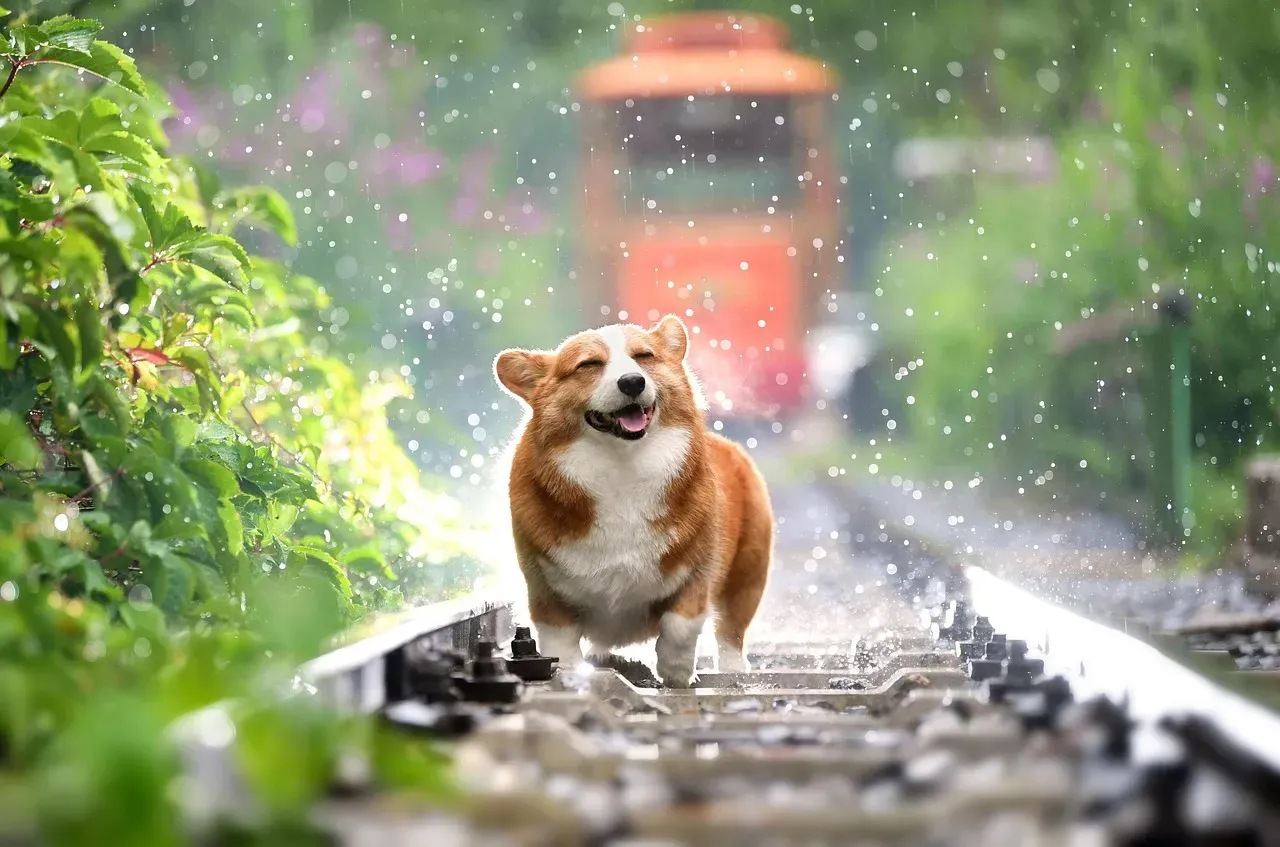
When a dog is happy, their whole body and tail will look relaxed, and they quite often wiggle. A happy dog’s whole body can wag along with their tail. A wriggling dog showing you their belly is likely to be a very happy and comfortable dog. This full-body looseness is one of the clearest physical signs you can spot.
A happy dog has body language that is relaxed and loose, which might result in a full body wiggle where they seem to be wagging their whole body. They may hop and squiggle back and forth, also known as the “Happy Dance.” The classic play bow, where a dog has their chest lowered to the ground and their rear end extended up in the air, is a good indication that they are happy and feeling friendly. It’s hard to watch a happy dog do the wiggle-walk and not smile right along with them.
Sign #3: Soft, Relaxed Eyes
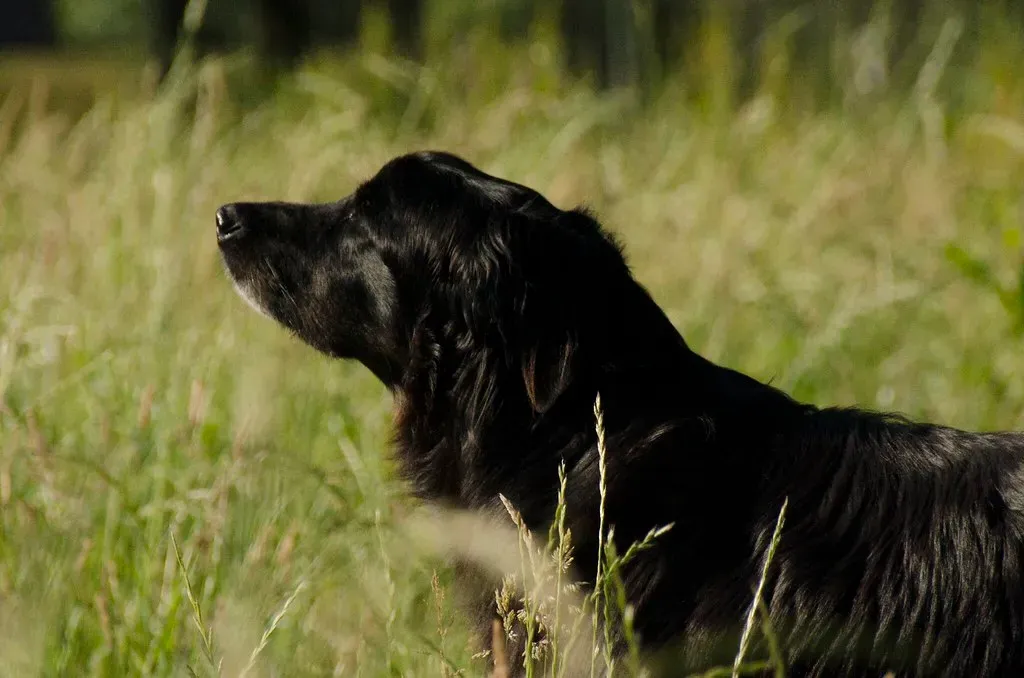
A happy dog will have soft, relaxed eyes. A dog who is feeling stressed might have narrowed eyes, while an aggressive dog is likely to have a hard stare. Think of those half-closed, dreamy eyes your dog gets during a good belly rub – that’s the look you’re going for.
A relaxed dog usually has semi-erect or forward-facing ears, a soft mouth, and round eyes. They will distribute their weight evenly on all four paws. When all of those things are present together, you’re looking at a genuinely content animal. Context matters too – a dog focusing hard on a squirrel might have alert, wide eyes without any stress behind them.
Sign #4: They Seek You Out and Lean In
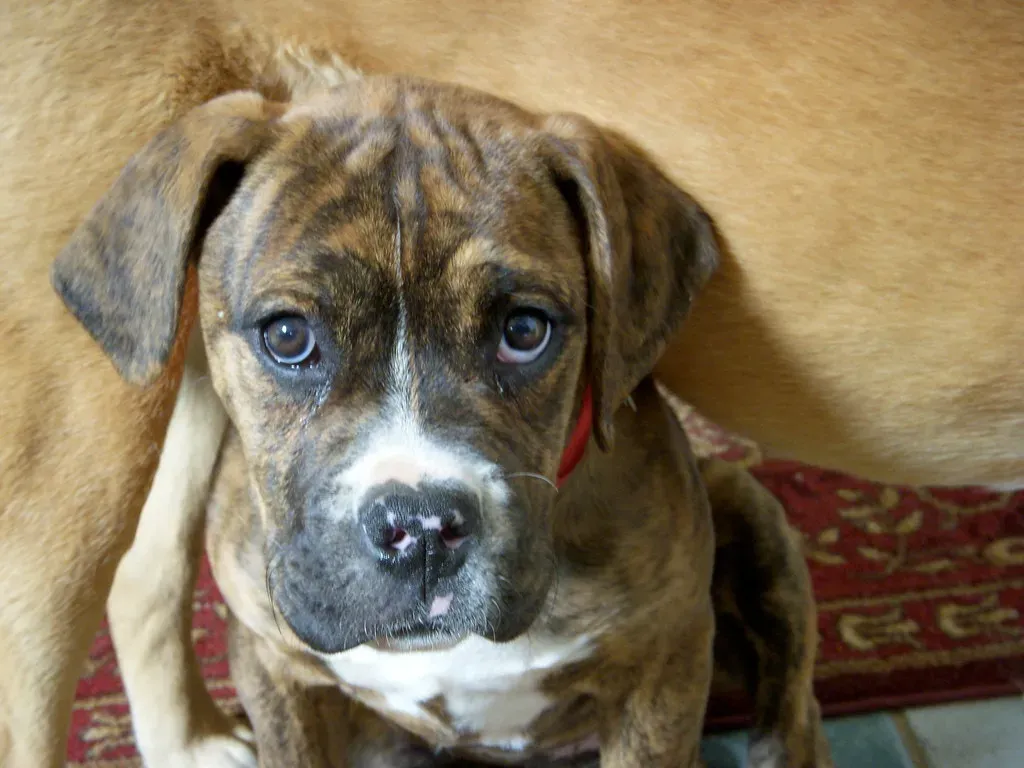
A happy dog may seek attention from you by nudging you with their nose, pawing at you, or leaning against you. This is a sign that they feel safe and comfortable around you and want to be close to you. That subtle lean – where your dog just presses their weight into your leg – is one of the most affectionate things they can do.
Happy dogs make a lot of body contact. If your dog reacts, stays close, or even leans in toward your hand during petting, they’re enjoying the contact. Staying just out of reach or walking away could be a sign they need more space. Every dog is different, of course. Some are velcro dogs who never leave your side, while others show affection with a quiet glance from across the room. Both can be happy – what matters is consistency in their baseline behavior.
Sign #5: They Have a Healthy, Consistent Appetite
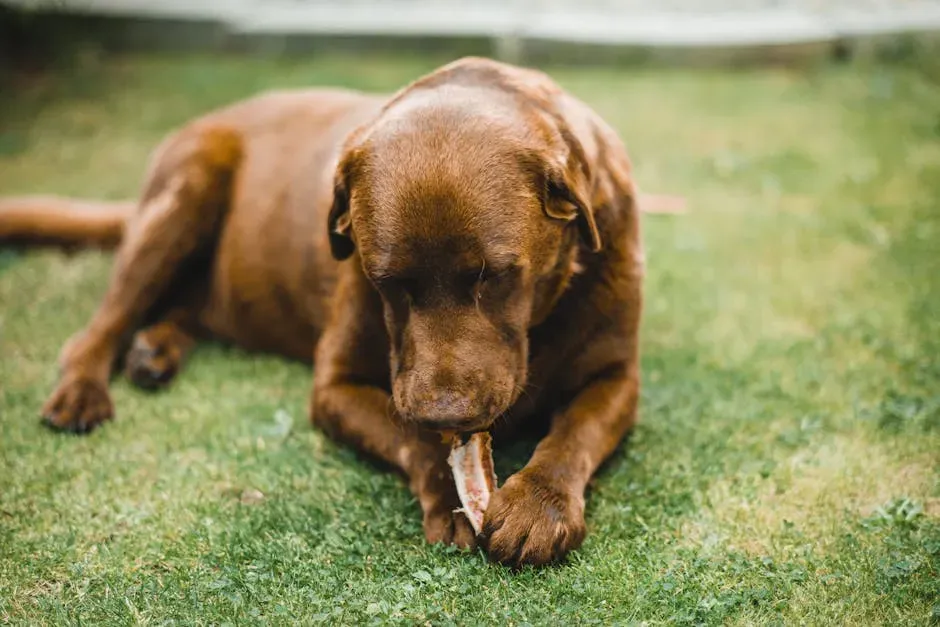
Dogs that are content and feeling well have good appetites. A change in your dog’s appetite is one of the first signs of potential illness or unhappiness. A dog who trots over to their bowl with enthusiasm, eats calmly, and looks satisfied afterward is showing you something important about their overall state.
Regular eating habits and eagerness for treats often indicate satisfaction. A sudden disinterest in food may signal stress or illness. It’s worth paying attention to any shifts, even gradual ones. If your dog used to inhale their dinner and now sniffs it reluctantly, that change – not the behavior itself – is the signal worth investigating.
Sign #6: They Sleep Well and Wake Up Ready to Go
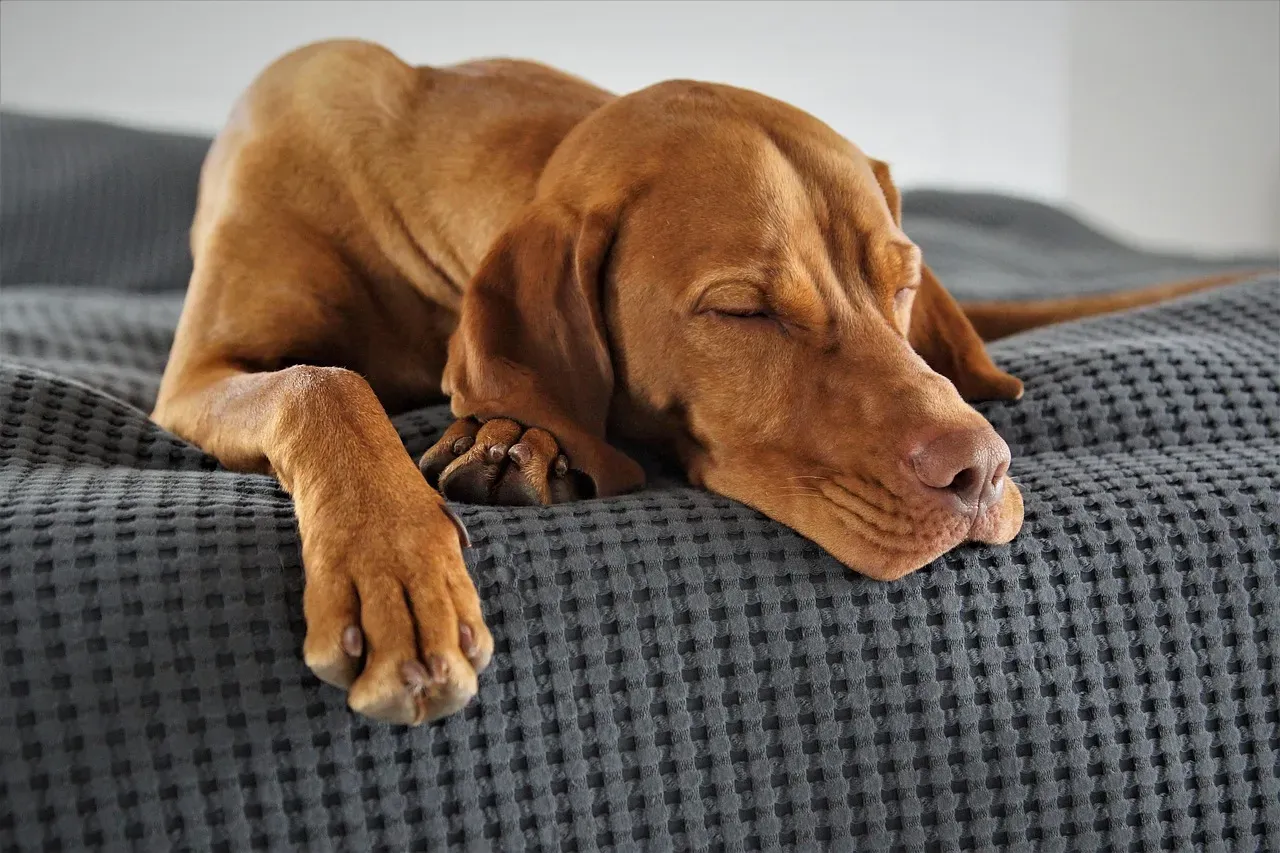
Healthy, happy adult dogs usually sleep for up to 16 hours a day. If your dog isn’t sleeping that much, it could be a sign of stress or illness. Deep, restful sleep – the kind where they twitch their legs and let out little sighs – is a sign that your dog feels safe enough to fully let their guard down.
Adult dogs sleep about 12 to 16 hours daily, and sleep after activity demonstrates relaxation and comfort. The key is the quality and pattern. A dog who sleeps soundly after a good walk and wakes up bright and engaged is in a good place emotionally. It’s the dog who seems exhausted but restless, or who can’t settle, that might need a closer look.
Sign #7: They Show the Play Bow and Get the Zoomies
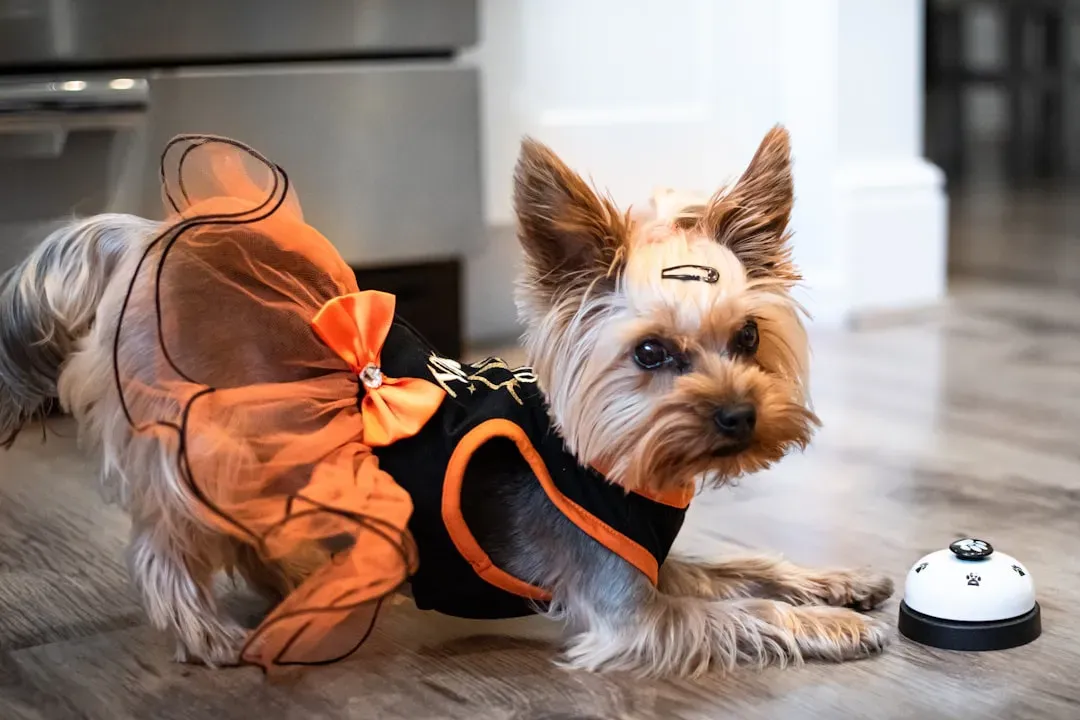
An easy-to-read aspect of dog body language is the play bow, which is when dogs place their chest on the ground with their rump in the air. As the name implies, it’s used to initiate play with other dogs and even with people. It’s a universal “let’s have fun” signal, and it’s hard to fake.
The play bow, full-body wiggles, and zoomies are often signs of healthy dog play. Zoomies are often happy and excited, but they can also be a way for a dog to release pent-up energy or anxiety – so always read the full picture. A dog who play bows, zooms, then settles happily at your feet is simply overflowing with joy. That’s exactly what you want to see.
Sign #8: They’re Vocal in a Bright, Playful Way
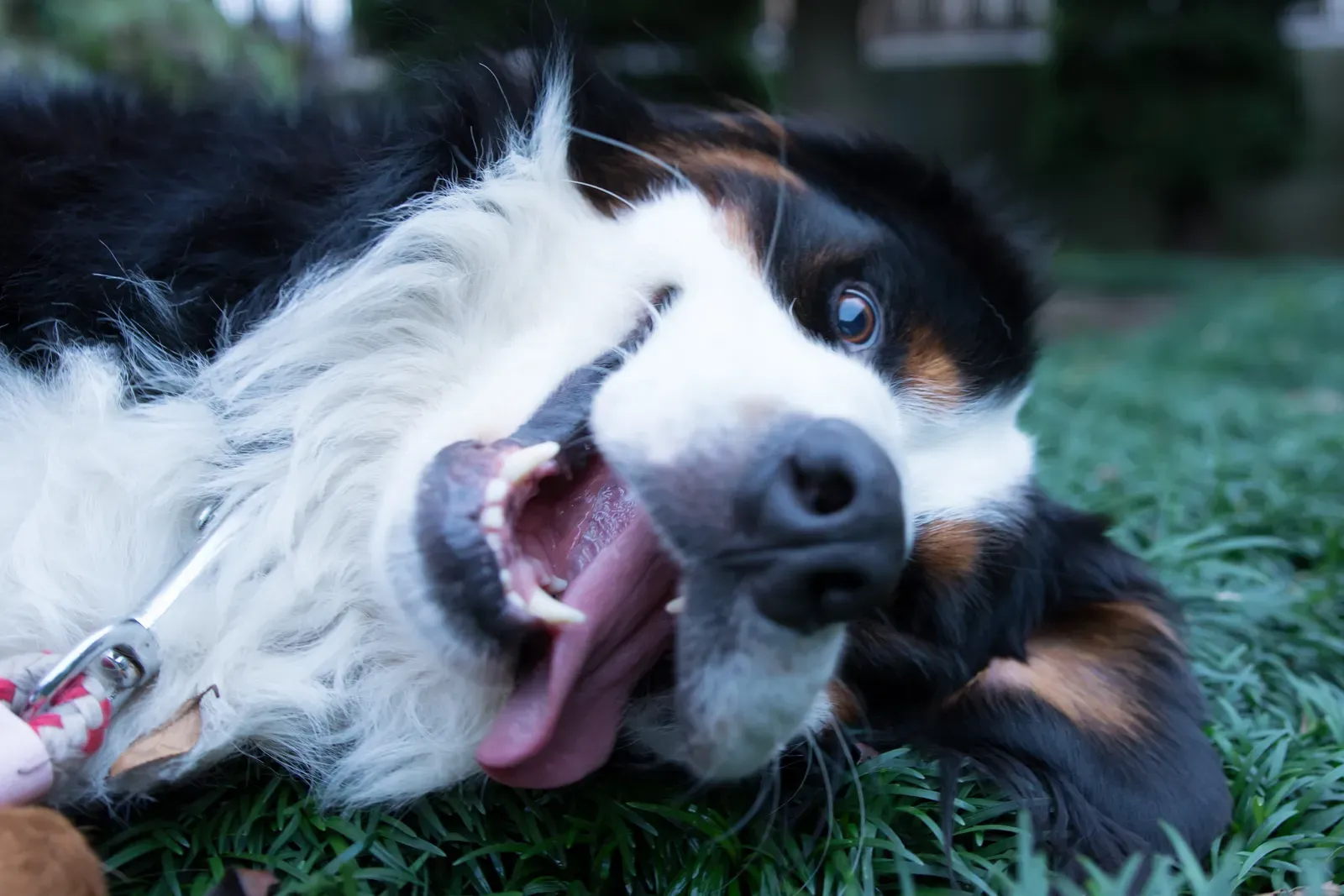
Vocalizations should be interpreted in context and along with a dog’s body language, and can provide another clue to their emotional state. Short, high-pitched sounds alongside playful behaviors can indicate that a dog is having a good time. That little yip your dog makes when you grab the leash? That’s joy, plain and simple.
If you have a more vocal breed like a Husky, you might notice they sing, chirp, howl, or yodel when they’re in a good mood. You might also notice your dog letting out a content sigh after lying down, which can indicate that they feel safe, happy, and relaxed in your presence. That post-nap sigh is one of the most understated but genuinely lovely signs that your dog is at peace in your home.
Sign #9: They’re Curious and Engaged With Their Environment
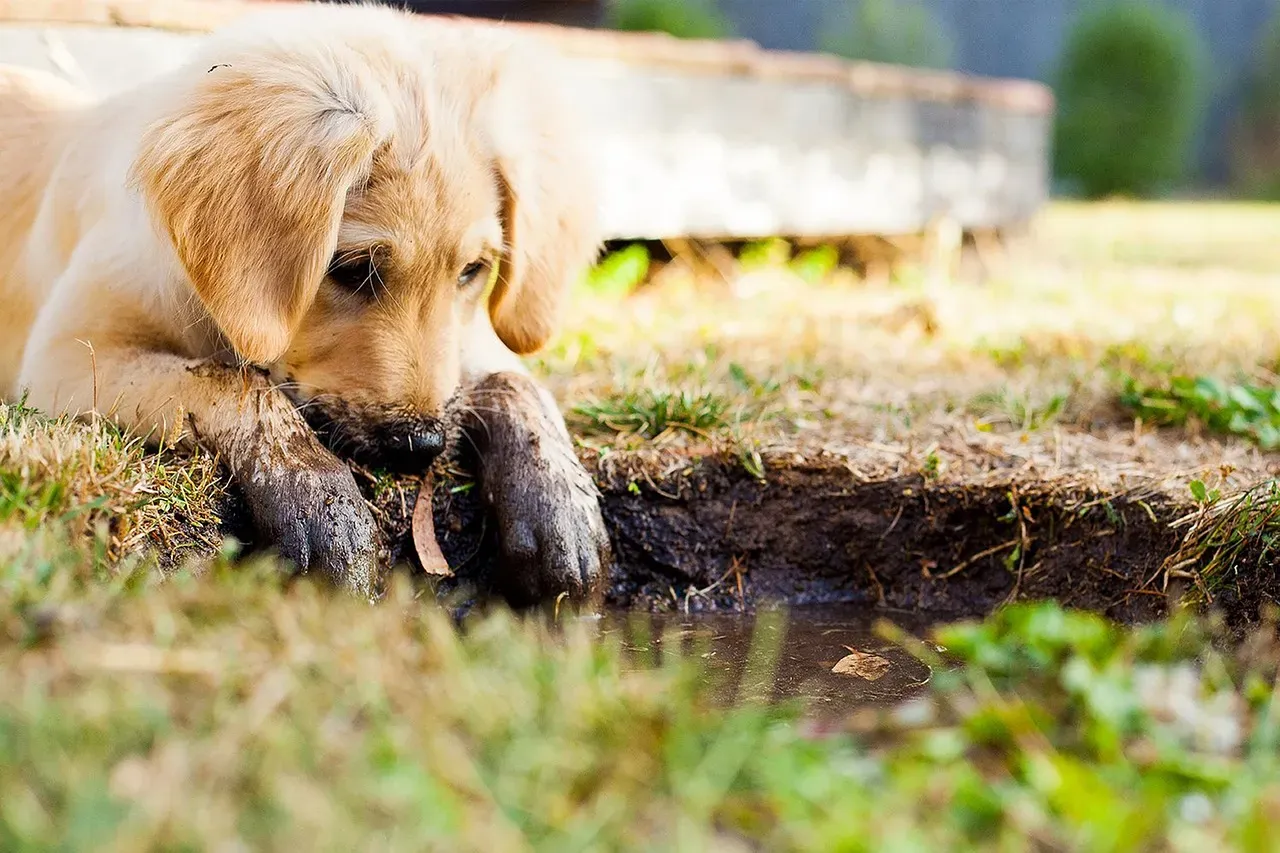
Happy dogs enjoy playtime and walks, and most even love rides in cars. More broadly, a happy dog is one who finds the world interesting. They pull their nose to every bush on a walk, investigate new smells with focus and enthusiasm, and greet familiar faces with recognition and warmth.
Sniffing is one of the most important behaviors that dogs must be allowed to engage in every day. A dog who is mentally stimulated and free to explore naturally is a happier dog. If your pup trots down the street with their nose moving and their ears alert, that’s not distraction. That’s fulfillment.
Sign #10: They’re Relaxed Around Other People and Dogs
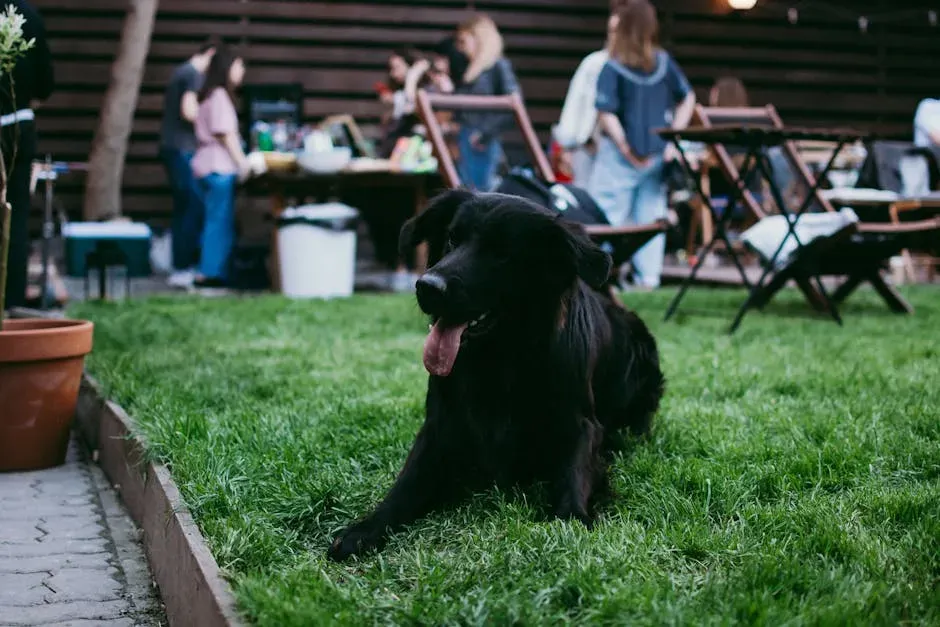
Every dog’s preference for company is different. But if your pup is social at the dog park, friendly with other family pets, and not overly aggressive to new animals, these are all signs they’re in a good mood. A confident, happy dog doesn’t need to prove anything. They can take or leave other dogs without drama.
Sociability doesn’t have to mean boisterous. Some dogs are simply calm observers who watch other dogs play from a comfortable distance, tail swinging gently and posture open. Typical signs of a happy or relaxed dog include a soft, open mouth, relaxed ears, soft eyes, even body weight, and loose body – but when interacting with a dog, it’s important to look at the dog’s entire body language and communication, not just one thing like a tail wagging.
Sign #11: They Respond to You and Initiate Interaction
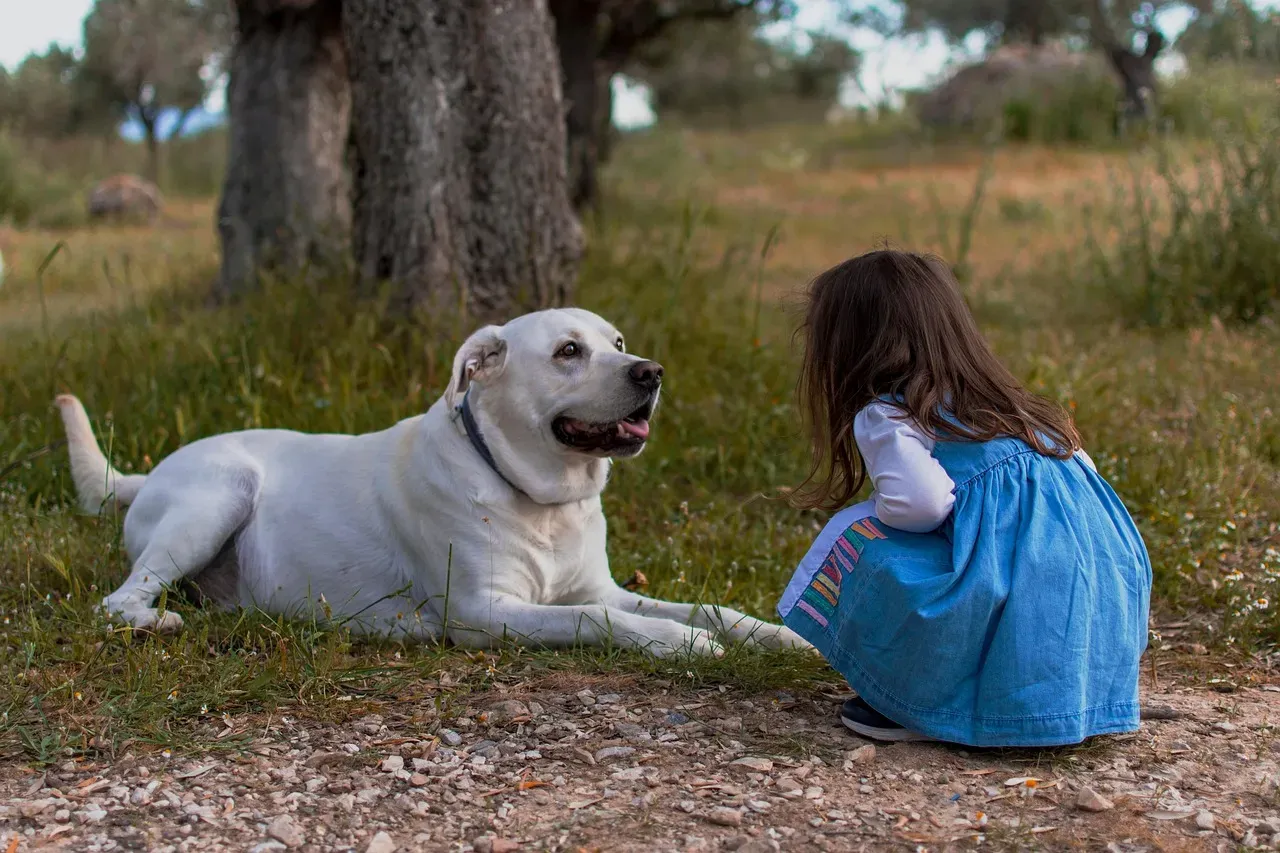
Engaged, happy dogs respond to cues, enjoy learning, and initiate contact through nudging or eye contact. A dog who looks at you when you call their name, trots over when invited, and brings you a toy just to have something to do together – that’s a dog who feels bonded and secure.
Studies have found that when petted, dogs’ levels of oxytocin, the “feel-good hormone,” rise – just like humans’ levels rise when petting their pup. This is a genuinely two-way relationship. When your dog nudges your hand for attention or rests their chin on your knee, they’re not just asking for something. They’re actively enjoying being with you.
Sign #12: They Settle Easily and Rest Comfortably Around You
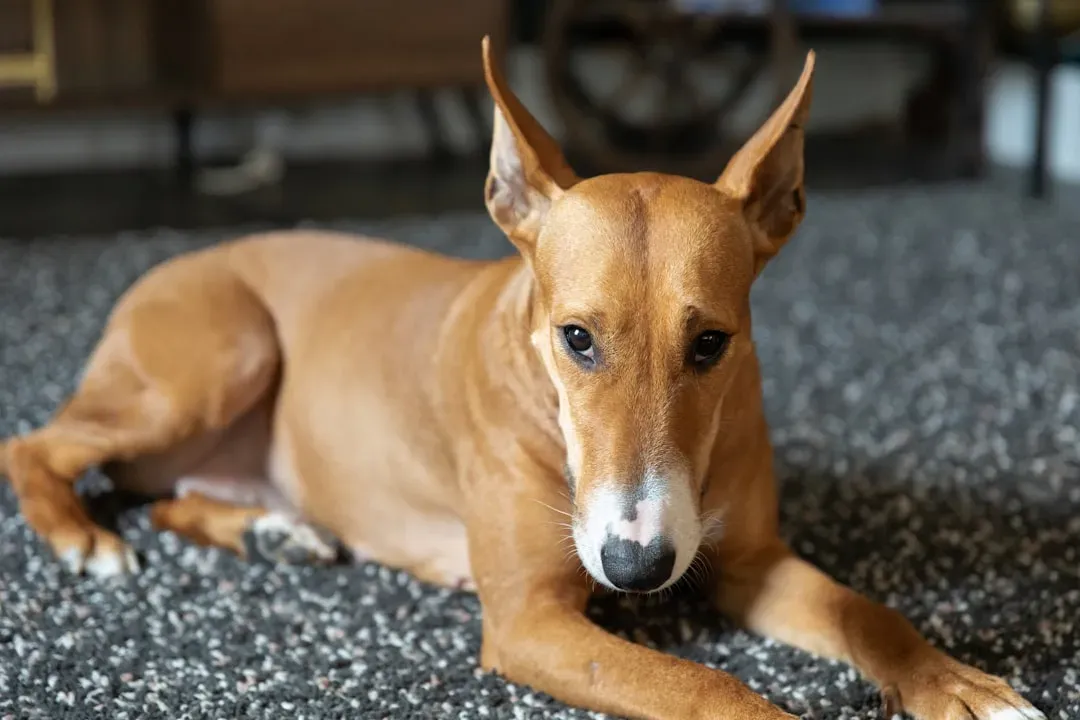
A happy dog has an open countenance, a relaxed expression, a lack of stress lines around the face, and no tension in their body. That deeply settled dog – the one sprawled sideways with their tongue lolling and their legs twitching in a dream – is one of the most reassuring sights a dog owner can witness.
Dogs thrive off of consistency. Consistent behaviors and routines communicate to dogs what to expect and how to react. The more dogs feel they can read your mind, the stronger your bond will be. A dog who can truly relax in your presence has done the hard work of trusting you completely. That kind of calm isn’t passive – it’s deeply earned.
Sign #13 (Not): They’ve Withdrawn and Lost Interest in Favorite Activities
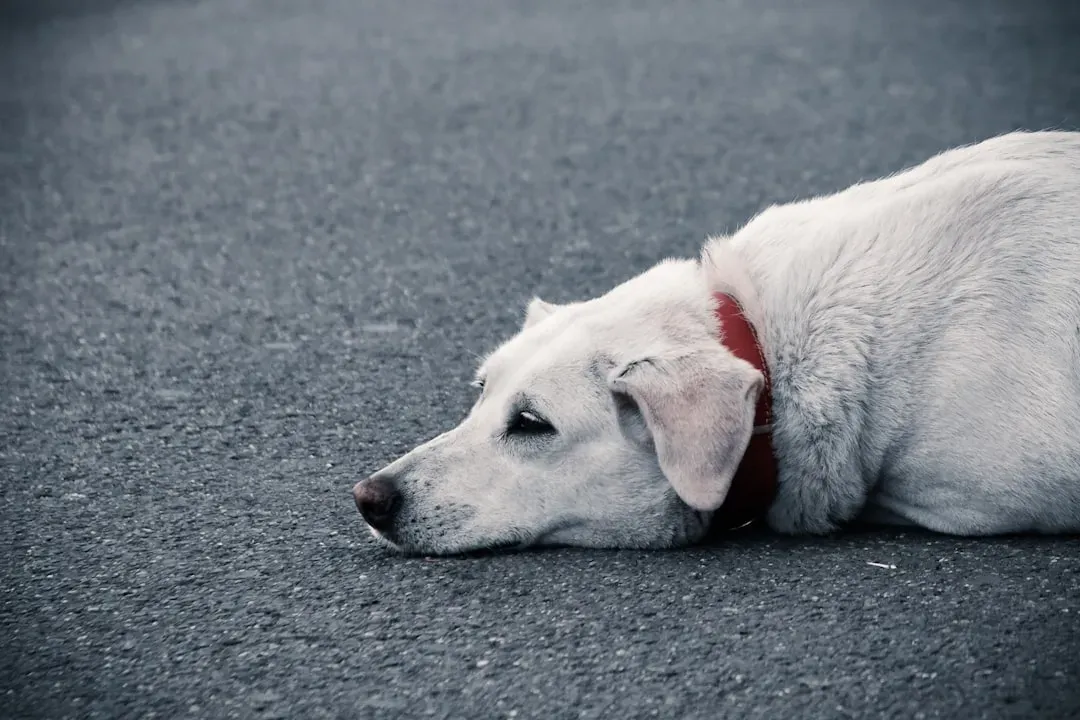
If your dog loses interest in things they once loved, like walks or playtime, it may be a sign of depression. Dogs that are depressed or sad may also become withdrawn and no longer interact with people and other animals in the same way they once used to. This shift can creep up gradually, which makes it easy to miss at first.
Take note if your dog used to be enthusiastic about walks, playtime, and training games, but now becomes disengaged or loses interest very quickly. Feelings of stress, depression, and sadness are often triggered by periods of change or inconsistency in a dog’s life. A move to a new house, the addition of a new family member, or the loss of an owner or companion can trigger feelings of anxiety and depression in a dog. If the withdrawal follows a major life change, that context matters enormously.
Sign #14 (Not): Their Appetite Has Changed Noticeably
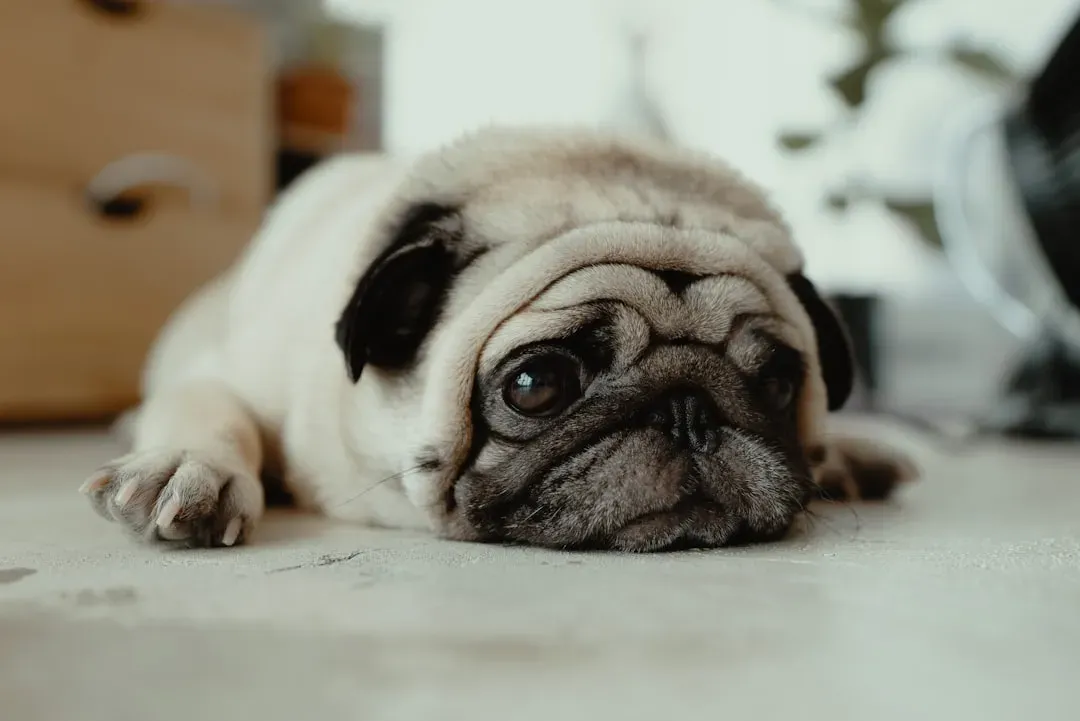
A dog’s appetite may become decreased or even absent when they experience feelings of sadness or depression. Your dog may also experience a change of appetite when stressed. Sadness and depression present differently from stress and anxiety, so it’s important to interpret these signs in context. A change in appetite should always be taken seriously, as it can be a sign of an underlying medical condition.
If your dog becomes severely depressed, they may lose interest in eating their food. Sometimes dogs don’t eat because they can be picky or bored of their food, but if it’s bad enough that it starts to affect their weight, it might be time to see their veterinarian. A loss of appetite that lasts longer than a meal can be a sign they’re unhappy. Don’t wait too long on this one. When food loses its appeal for a dog who normally loved mealtimes, something has shifted.
Sign #15 (Not): Their Body Language Looks Tense, Tucked, or Frozen
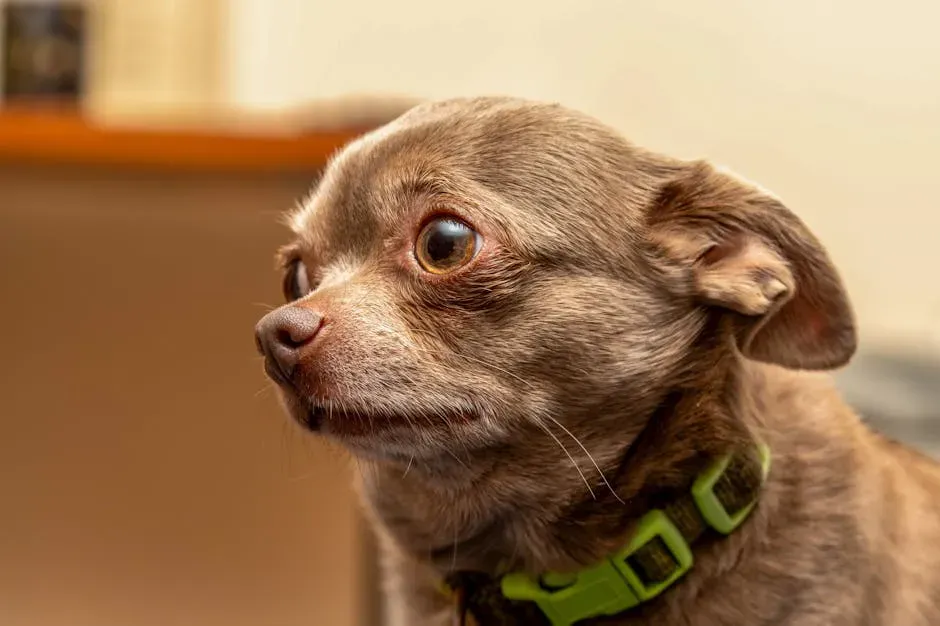
Stressed dogs, like stressed people, may have dilated pupils and blink rapidly. They may open their eyes wide and show more sclera – the white of the eye – than usual, giving them a startled appearance. Their ears may be pinned back against their head. These physical signs happen fast and can be missed if you’re not looking.
A worried dog will look tense rather than relaxed in the way they hold themselves. They might shrink away, hold their head low, and avoid eye contact by looking away. If your dog goes very still, like a statue, that usually means they’re getting really uncomfortable. If they’re stressed or anxious, their ears may seem pinned back and flat against their head. If your dog is unhappy at something or someone making them stressed, they may try to hide behind you or another object, or take themselves off to another area. Let them do this and don’t follow them, as your dog is letting you know they need a time-out.
Sign #16 (Not): Persistent Lethargy or Unusual Sleep Changes
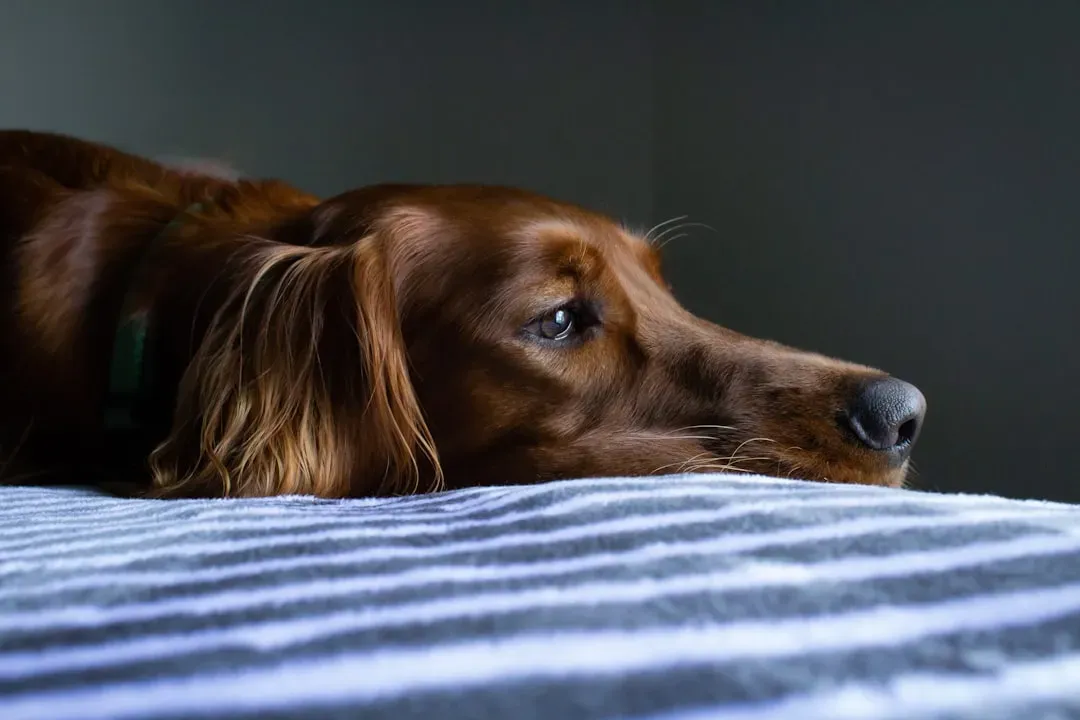
If a usually active dog becomes lethargic or spends greater amounts of time sleeping, it could indicate that they are depressed. Conditions that cause pain could also be responsible, such as osteoarthritis in older dogs. The key phrase there is “usually active.” Context is everything. A greyhound who sleeps all day may be perfectly fine. A border collie who suddenly can’t be bothered to move is another story.
While dog depression is not considered a medical emergency, it should never be ignored. If your otherwise happy dog suddenly becomes withdrawn or simply seems unlike themselves, it’s important to visit a veterinarian to identify the cause. The first step is to get your dog checked by a veterinarian to rule out any medical causes for their behavior. If your dog receives a clean bill of health, work with a veterinarian or credible behavioralist to help recognize the triggers and apply appropriate interventions. Trust your gut on this one. You know your dog.
A Final Word: You Know Your Dog Better Than Anyone
Reading your dog isn’t about memorizing a checklist. It’s about paying attention consistently enough that you notice when something shifts. No two dogs are exactly alike. Breed, personality, and experiences shape behaviors. While general happiness signs overlap, learning your dog’s unique communication style is crucial.
One sign alone is not enough to conclude that your dog is happy. If your dog is displaying multiple signs of happiness, you can be more confident they are happy or excited in their current situation. The same logic applies on the other side. One quiet afternoon doesn’t mean your dog is depressed. A pattern of withdrawal, appetite changes, and body tension together? That’s worth your attention.
The good news is that simply caring enough to read this article already puts you in the right category. Dogs don’t ask for much. Consistency, safety, movement, connection, and the freedom to just be a dog – those things go a long way. Your dog is “talking” to you all the time. If you learn what your dog is saying, you will develop a deeper bond of trust and respect. All you have to do is keep listening.


