
Welcoming a puppy or adult dog into the family brings joy and responsibility in equal measure. Effective training from the start shapes a well-adjusted pet and strengthens the owner-pet bond. Experts emphasize simple, proven methods that prioritize patience and positivity to yield long-term results.
Core Principles That Drive Success
Training hinges on a few bedrock habits that new owners must adopt right away. Consistency stands out as the first pillar. Everyone in the household uses the same commands and rules, creating clear expectations for the dog.[1]
Rewards follow desired actions immediately, reinforcing what works through treats, praise, or play. Puppies respond best to positive reinforcement rather than punishment, which can breed fear. Short sessions, lasting just five to fifteen minutes, match their attention spans and prevent frustration.[1][2]
Building Routines for Everyday Life
A predictable daily schedule anchors training efforts. Feed the puppy at set times, followed by potty breaks, naps, and play. This structure aids housebreaking and builds confidence, as dogs thrive on knowing what comes next.[3][1]
Crate training complements this approach. Introduce the crate as a safe, comfortable space with toys and treats inside. Dogs naturally avoid soiling their sleeping area, making it a powerful tool for potty training and alone time.[2][3] Gradual steps ensure the puppy views it positively, reducing separation anxiety over time.
Socialization Shapes a Confident Companion
Exposure to new people, sounds, and environments forms the next critical layer. Begin with short, supervised outings once vaccinations allow, rewarding calm reactions. Proper socialization during the early weeks curbs future fear or aggression.[1][2]
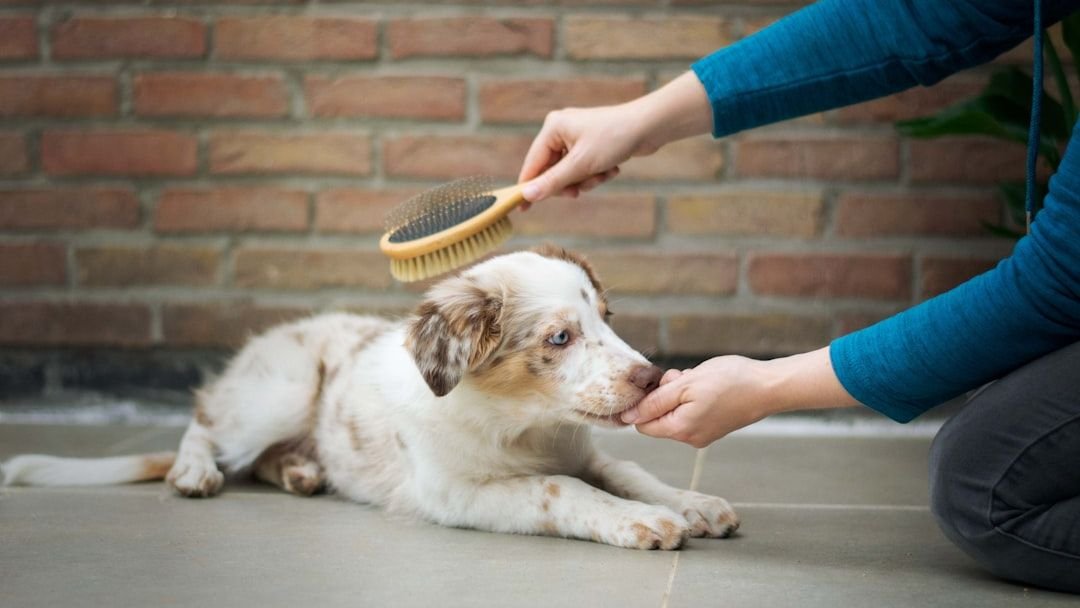
Handle the puppy gently for grooming and vet visits to build tolerance. Introduce other dogs and children gradually under control. This proactive step prevents behavioral issues that arise from isolation.
Six Proven Tips in Action
- Commit to consistency from day one. Use identical cues across family members and maintain rules without exception. This clarity accelerates learning and minimizes confusion.[1]
- Reward good behavior instantly. A treat or enthusiastic praise right after the action cements the link between command and outcome. Positive methods outperform corrections every time.[2]
- Limit sessions to short bursts. Five minutes suffices for young pups; repeat several times daily. Fresh focus yields better retention than marathon efforts.[1]
- Set a firm daily schedule. Align meals, potty trips, and rest to match the dog’s natural rhythms. Routines foster reliability in house manners.[3]
- Prioritize smart socialization. Controlled introductions to stimuli build adaptability. Skip overwhelming crowds until basics solidify.[1]
- Embrace crate training early. Turn the crate into a retreat with positive associations. It supports independence and cleanliness indoors.[2]
What Matters Now
- Begin training the day your puppy arrives to capitalize on peak learning windows.
- Focus on rewards and routines over punishment for sustainable progress.
- Monitor socialization to head off lifelong behavioral patterns.
Owners who apply these tips diligently often see marked improvements within weeks. Challenges like chewing or nipping arise naturally but yield to redirection and patience. Ultimately, training evolves into a rewarding partnership, where a responsive dog enhances daily life for years to come.


