
You come home, and before you’ve even put your keys down, there’s a warm blur of fur, a wagging tail, and two eyes that look at you like you just returned from a decade-long expedition. If you’ve ever paused in that moment and wondered what’s actually going on inside your dog’s head, you’re not alone. Dog cognition research has exploded over the past two decades, giving us a clearer picture than ever of how our dogs perceive, feel, and bond with us.
Research shows that dog-human relationships combine the upsides of best friend relationships and parent-child bonds, making them more supportive and positive than most relationships between humans. That’s a remarkable finding. The bond you share with your dog isn’t just warm and fuzzy sentiment. It’s measurable, mutual, and deeply rooted in biology. Here’s what the science says your dog genuinely loves about you – and a few things that honestly just confuse them.
1. The Way You Smell (More Than You Probably Realize)
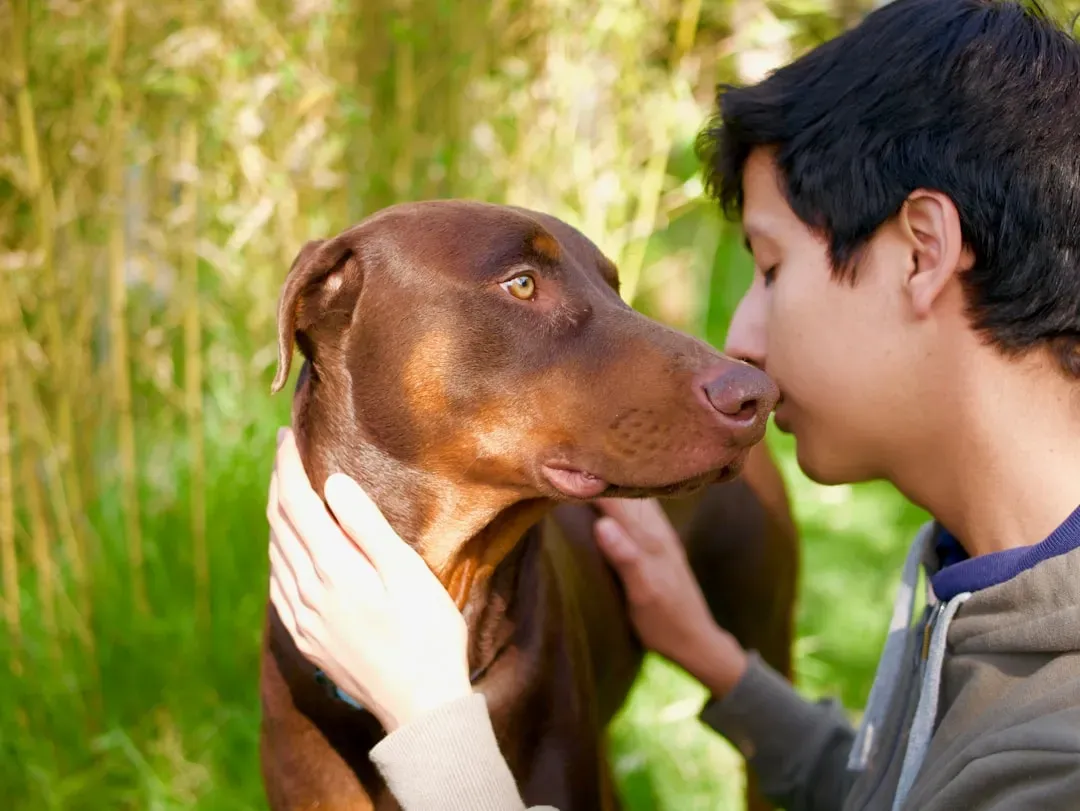
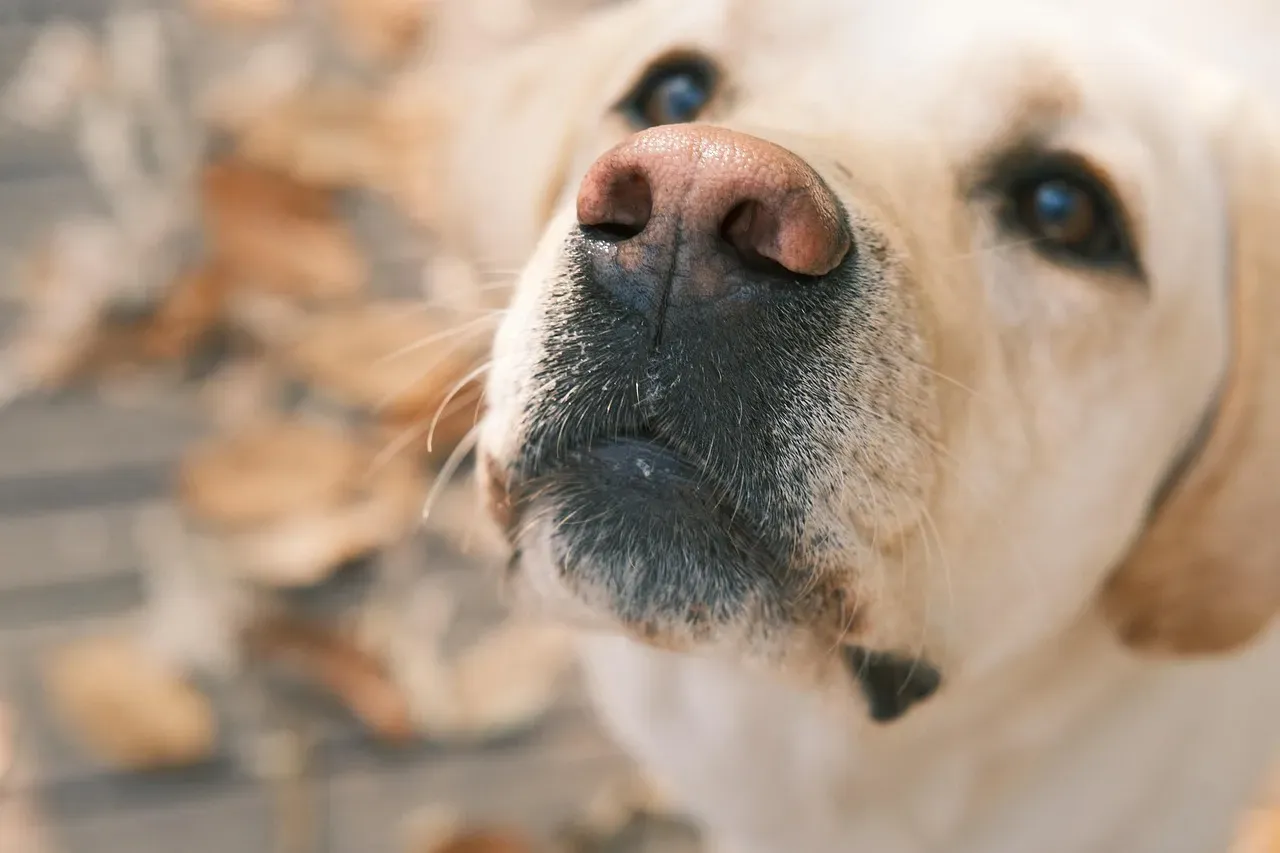
To your dog, your scent isn’t just an identifier. It’s a full emotional experience. Using fMRI scans, researchers got an inside look at how dogs responded to their humans’ scent versus familiar dogs, unfamiliar dogs, and unfamiliar people. They found that when dogs smelled their owners, it activated a reward center in their brain called the caudate nucleus. They didn’t react the same way to any other scent.
Those associations of your scent with all the good things that happen when you are together mean your dog will be strongly and emotionally connected to your scent. This is why many dogs curl up on their owner’s unwashed laundry when left alone. It’s not a quirky habit. It’s a comfort strategy rooted in genuine attachment.
Your scent makes your dog feel loved and secure. If your dog seems calmer during a vet visit when you’re present, that’s exactly why. Your smell alone is a form of reassurance.
2. The Sound of Your Voice
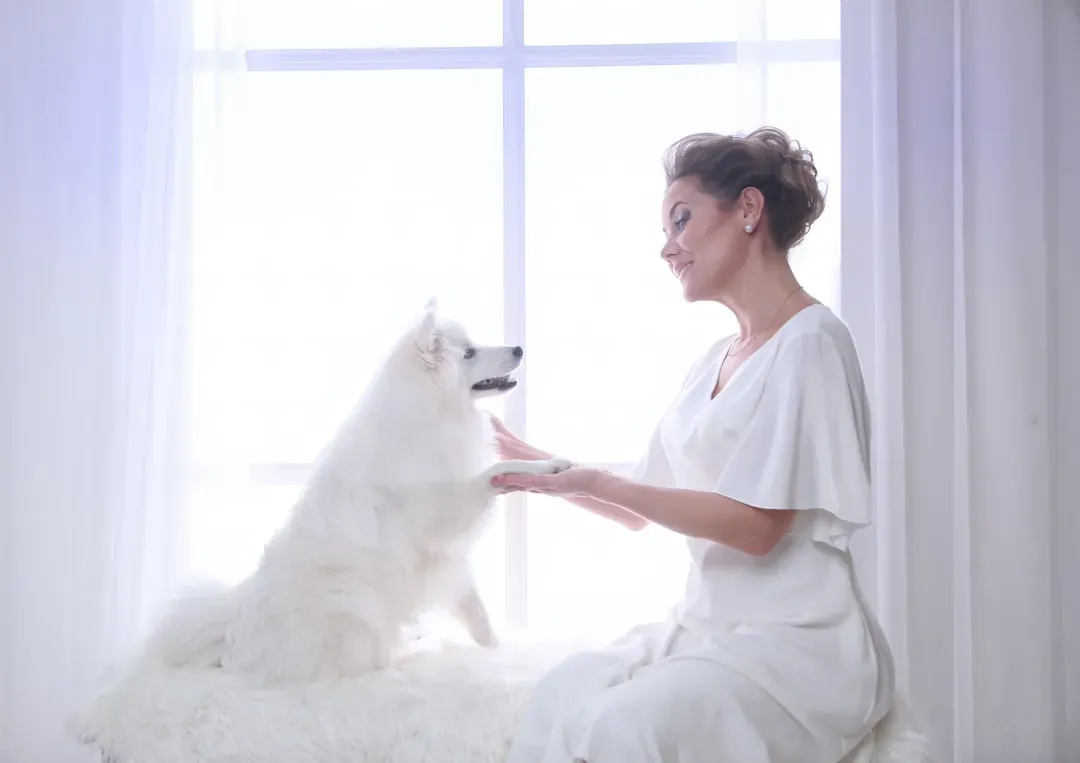
You’ve probably caught yourself talking to your dog in that slightly ridiculous high-pitched voice without even thinking about it. Turns out, your dog not only notices – they actually prefer it. Dogs respond positively when we talk to them in that high-pitched voice. Researchers at the University of York found that dogs respond more positively to dog-directed speech than when we talk to them like people.
Research focused on canine and human brain responses found that human and dog brains react similarly to emotion-laden sounds. Happy sounds light up the same area of the brain – the auditory cortex – in both species. Your enthusiastic “good boy” isn’t just pleasant noise to your dog. It’s genuinely processed as a joyful, positive signal.
The behavioral cue to take from this: narrate your day, use their name warmly, and speak with an upbeat tone during training. Your voice is one of your most powerful bonding tools.
3. The Mutual Gaze That Bonds You
There’s something profoundly special about locking eyes with your dog. Research shows that when our canine pals stare into our eyes, they activate the same hormonal response that bonds us to human infants. This isn’t a poetic metaphor. It’s biochemistry.
A simple act like making eye contact with your dog can trigger an oxytocin release, reinforcing trust and affection. Dogs evolved to make eye contact with humans when they seek guidance, which wolves don’t do. Scientists have called this type of eye contact “a hallmark of the relationship between dogs and humans.”
Worth noting: this soft, willing gaze is different from a hard stare. If your dog seeks your eyes across a room, that’s affection and trust at work. Reciprocate with a soft, calm look and a slow blink – you’re literally strengthening the bond.
4. Praise and Attention (Sometimes More Than Food)
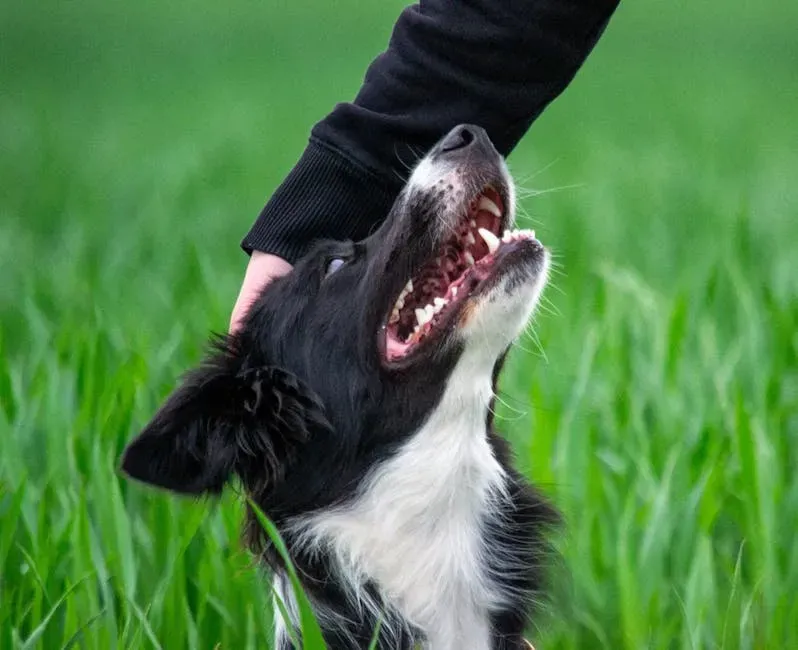
A common assumption about dogs is that everything comes back to food. The reality is more nuanced and honestly more touching. Magnetic resonance imaging has shown that dogs’ brains respond to praise as much or even more than food. Your words and attention carry enormous weight.
In one study, researchers used a rope to pull open the front door of a dog’s home and placed a bowl of food at an equal distance to its owner, finding that the animals overwhelmingly went to their human first. That says everything. When given a real choice, many dogs choose their person over their next meal.
In dogs, striatum activity has been shown to be related to both primary rewards such as food, and social rewards such as praise. So your verbal approval genuinely lights up their brain’s reward system. Saying “good dog” with genuine warmth matters more than you might think.
5. Your Emotional Honesty
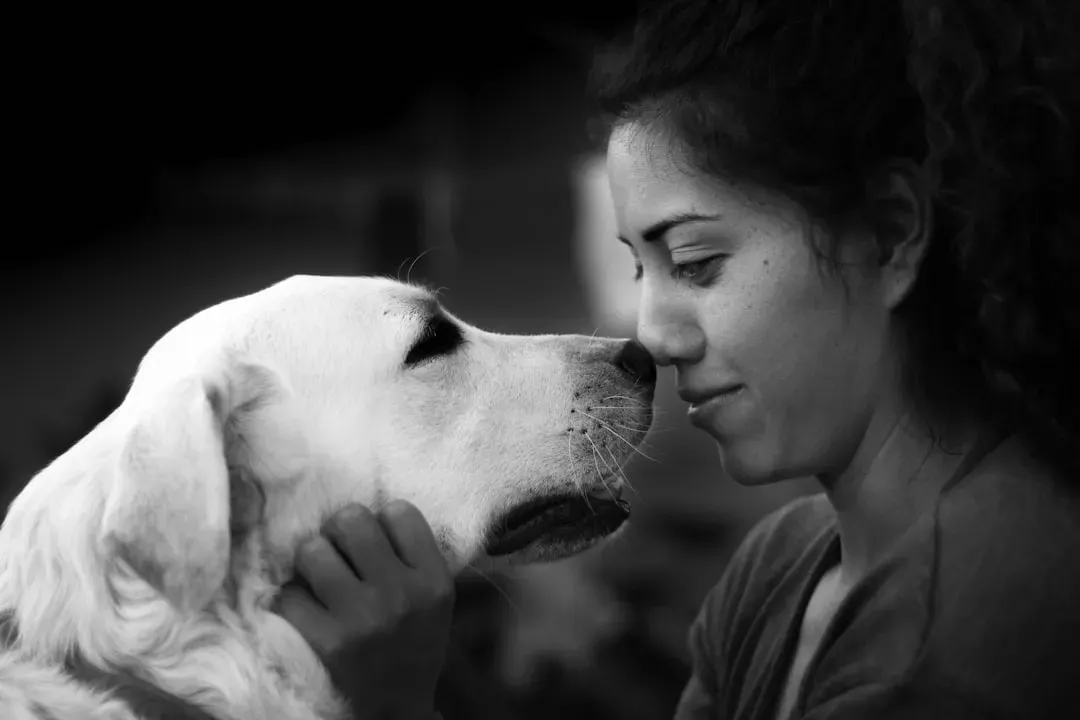
Dogs are remarkably perceptive emotional readers, and they’ve likely known about your mood before you’ve admitted it to yourself. Dogs are incredibly perceptive and can read human emotions through facial expressions, tone of voice, and body language. Research shows that dogs can distinguish between happy, sad, and angry expressions, and they often respond accordingly by offering comfort or excitement based on their owner’s mood.
When you’re having a rough day and your dog quietly presses against your leg or rests their head on your lap, they’re not doing it randomly. They’re responding to something real they’ve detected in you. Research confirms that dogs can reduce emotional distress and increase life satisfaction.
This emotional attunement means honesty around your dog is meaningful. Dogs pick up on tension even when humans try to mask it. Calm, steady emotional energy at home genuinely affects how secure your dog feels.
6. The Joy of a Shared Walk
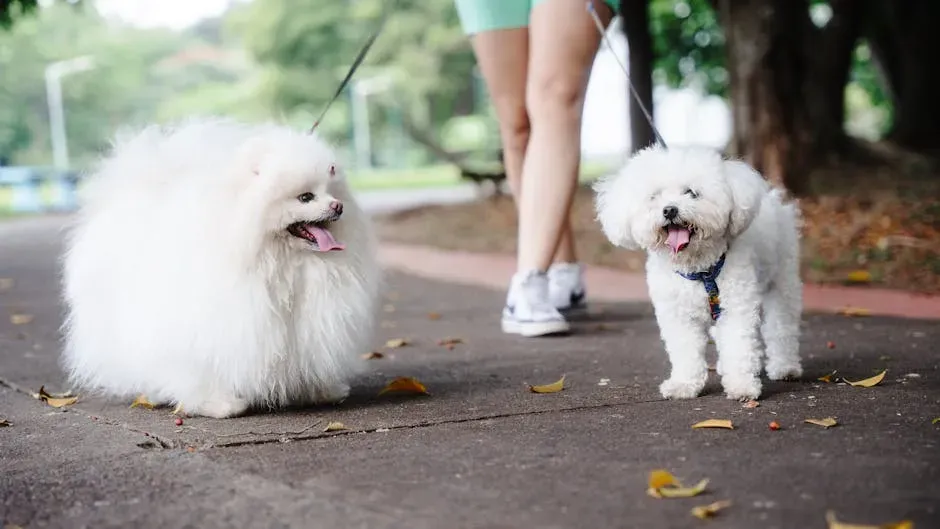
Walks are not just exercise. For your dog, they’re one of the most enriching activities you can share together. Dogs have a powerful sense of smell that helps them interpret their environment, much like humans use sight. Scent walks allow dogs to use their natural sniffing instincts, providing both mental stimulation and enrichment.
Sniffing activates many parts of a dog’s brain, releasing the pleasure hormone dopamine and promoting rest, thereby helping to reduce stress. Studies also show sniffing can decrease a dog’s heart rate, further lowering anxiety. That meandering walk where your dog stops at every lamppost is genuinely therapeutic for them.
Sniff walks are just as effective as physical exercise at expending pent-up energy and decreasing behaviors like destructive chewing or excessive digging. Letting your dog set the pace sometimes isn’t indulgence. It’s good welfare.
7. Physical Touch and Gentle Contact
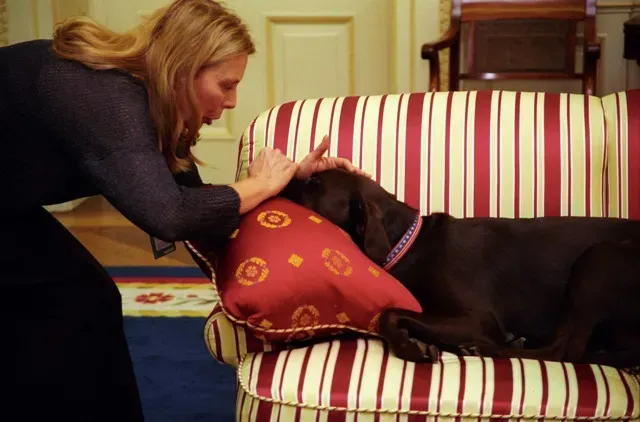
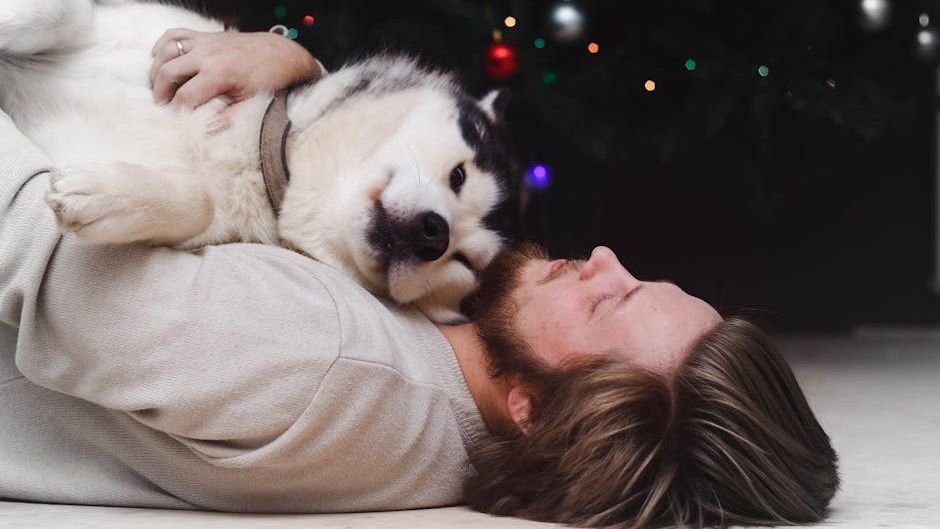
Most dogs thrive on physical contact with the people they trust. A slow scratch behind the ears, a gentle stroke along the back, or a warm hand resting on their side communicates safety and care in a language they understand. Studies have shown that when dogs interact with their humans, both species experience an increase in oxytocin, often referred to as the “love hormone.” This is the same hormone responsible for bonding between human mothers and their babies.
On a biological level, our brains use the same neurological pathway to process our love for our pets and our love for our children. The comfort is genuinely reciprocal. You’re not just making your dog feel good – the contact benefits you too.
The key is reading your dog’s body language. A relaxed dog leaning into your hand, ears in a neutral position, and a slow wagging tail is a dog enjoying the touch. Tension, shifting away, or lip licking are signs to give them space. Good touch is responsive, not imposed.
8. Routine and Predictability
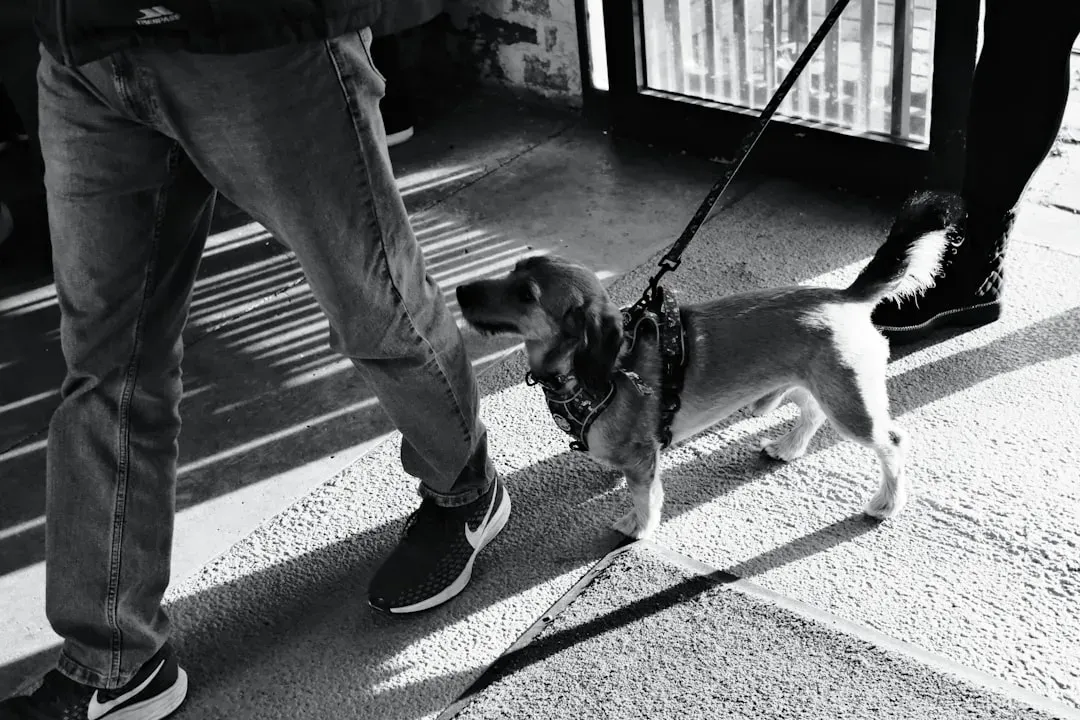
Dogs are creatures of pattern, and when you’re consistent, they genuinely thrive. The fact that you feed them at the same time each morning, take them for a walk after work, and settle in at night on schedule isn’t boring to your dog. It’s deeply reassuring. Dogs thrive on routines and predictability. They are very well-versed in identifying patterns and learning our schedules. Frequent routine changes can make it more difficult for dogs to predict when meals, walks, play time, or nap time will happen.
Dogs learn through repetition, timing, and consequence. When a behavior is met with the same response every single time, a dog builds a clear mental picture of what is expected. When that response changes depending on the day, the person, or the mood in the house, the picture blurs, and the dog is left trying to guess what the rules actually are.
Your reliability is one of the greatest gifts you give your dog. Even small, consistent rituals like a morning greeting or an evening belly rub anchor your dog’s sense of safety in the world.
9. Playtime and Shared Curiosity
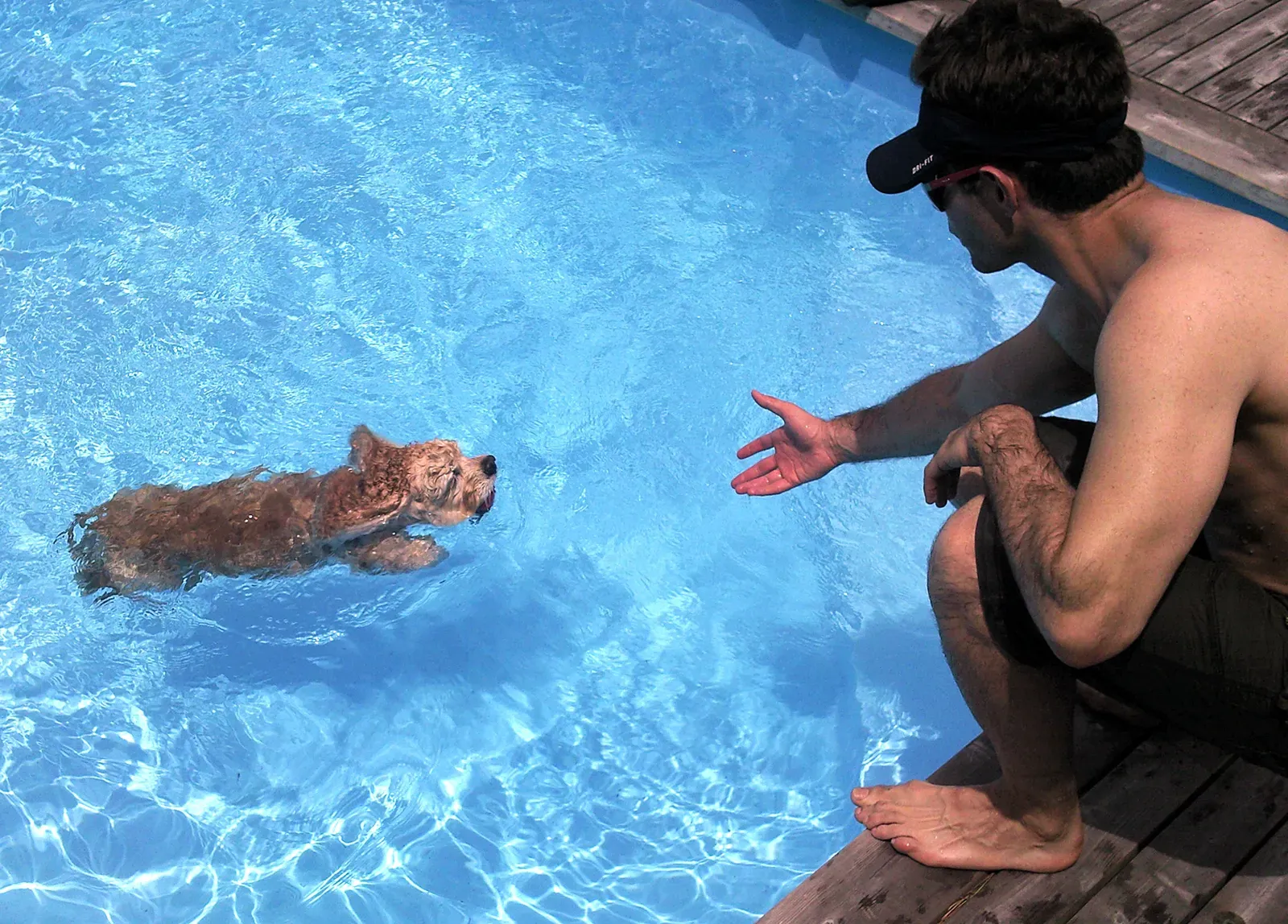
Play isn’t frivolous for dogs. It’s how they bond, learn, and express joy. When you get down on the floor, grab a tug toy, or make a fool of yourself chasing them around the yard, your dog registers this as a deep form of connection. Dogs are pack animals by nature, and when they form a bond with humans, they see them as part of their pack. This instinctual connection fosters feelings of loyalty and attachment, making dogs naturally inclined to protect and stay close to their human family members.
Play signals trust and equality. A dog who brings you a toy is extending an invitation, not just asking for entertainment. Accepting that invitation regularly reinforces a bond that goes well beyond feeding and training.
Behavior cue worth knowing: a play bow – front legs stretched low, rear in the air, tail wagging – is your dog’s universal invitation to engage. If you mirror it or respond with enthusiasm, you’re speaking their language fluently.
10. Simply Being There
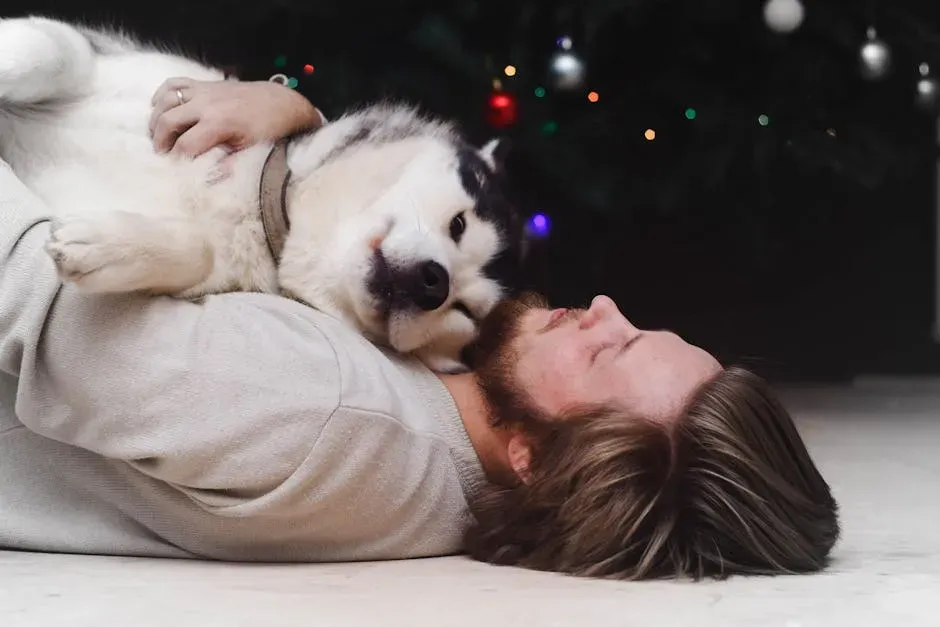
Of all the things dogs love about their humans, this one might be the most underestimated. Dogs need time carved out to meet their social needs instead of being left isolated for most of the day. As one researcher put it, our dogs give us so much, and in return they don’t ask for much.
As born socialites, dogs make friends easily. Puppies are intensely interested in spending time with other dogs, people, and any species willing to interact with them socially. They usually play, rest, explore, and travel with company. Yet we often leave dogs alone at home, in kennels, or at the vet.
Your physical presence – even just sitting in the same room, reading, working, or watching television – provides something research consistently confirms: a sense of belonging and safety that no toy or treat can fully replicate. Being there is enough.
Confusion #1: Hugs
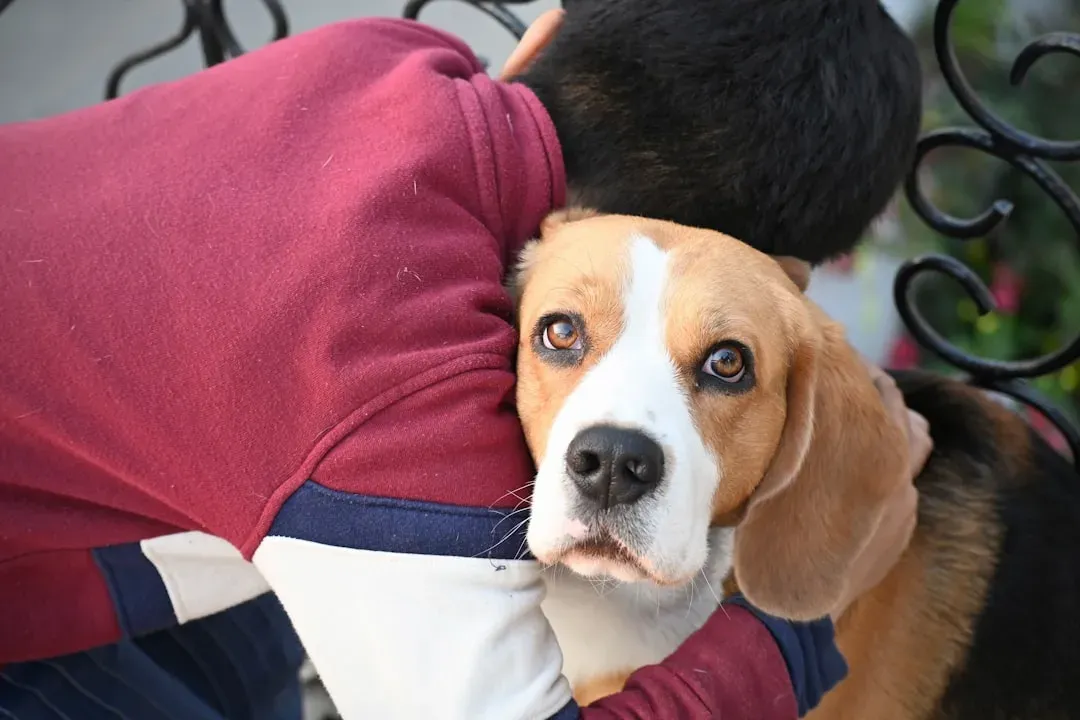
This one’s hard to hear for many dog lovers, but the evidence is clear. Dogs evolved to interpret the behavior of a leg over their shoulder or body as an assertion of dominance. When a dog puts one or both legs over the shoulders of another, it’s usually a display of social status and is perceived as controlling and assertive.
Dogs interpret hugs as restraint. One study of 250 photographs of people hugging their dogs found that 82% showed at least one sign of stress. A study of videos found that two-thirds of dogs who were hugged responded by trying to nip or bite. Many dogs tolerate hugs from their trusted humans, but tolerance is very different from enjoyment.
Stress signs to watch for during a hug: lip licking, ears flattened, avoiding eye contact, panting, or a stiff body. There are many other ways to show your best pal you care, like a good brushing, couch cuddling, a walk, or their favorite engaging activity. Learn your dog’s preference rather than assuming they share yours.
Confusion #2: Inconsistent Rules

Letting your dog on the sofa on Sunday but scolding them for it on Monday isn’t a minor inconsistency. From your dog’s perspective, it’s genuinely baffling. If your dog seems to understand a command one day and completely ignores it the next, inconsistency is almost certainly the culprit. Dogs are not being stubborn or defiant when this happens. They are simply responding to unclear communication from the humans around them.
When dog owners are inconsistent or unclear with communication, dogs will struggle to understand your expectations. This can lead to frustration, anxiety, or behaviors that look a lot like disobedience – when really, your dog is just confused about the rules.
Prevention tip: get every person in your household using the same commands and enforcing the same boundaries. A dog that can count on you to mean what you say and follow through every time is a dog that trusts you, and trust is the foundation on which everything else is built.
Confusion #3: Being Scolded After the Fact

You come home and find a chewed shoe. You call your dog over, show them the shoe, and use a firm voice. Your dog drops their head, tucks their tail, and looks guilty. Except they probably aren’t feeling guilty at all. Dogs are extremely smart and can connect consequences to actions if they happen immediately. However, if your dog chewed a shoe earlier in the day and you scold them later for it, it will be impossible for them to link the punishment to the intended behavior.
It is more likely that your dog will associate the scolding with the action they are doing at that moment, which can make your behavior seem very unpredictable and stressful. The behaviors we typically associate with “guilt” are actually fear or appeasement gestures.
The practical takeaway: if you didn’t catch it in the act, let it go. Focus on prevention and positive reinforcement going forward. Delayed punishment doesn’t teach – it just frightens.
Confusion #4: Hard, Direct Staring

Eye contact from a loving owner triggers oxytocin and deepens the bond. Prolonged hard staring from a stranger or even from a tense owner sends a completely different message. In the dog world, staring directly into someone’s eyes is a challenge or a threat. If you lock eyes with a dog for too long, they may become nervous, look away, or even react defensively.
Extended eye-contact or staring is a quick way to create discomfort in dogs. To them, staring means you’re challenging them. It’s particularly problematic when approaching a strange dog. Many bite incidents with unfamiliar dogs begin with exactly this kind of unintentional provocation.
When greeting a dog you don’t know, approach from the side rather than head-on, avert your gaze slightly, and crouch to their level. Let them initiate the sniff. It’s a small adjustment that signals you’re safe rather than threatening.
Confusion #5: Changing Scents and Appearance
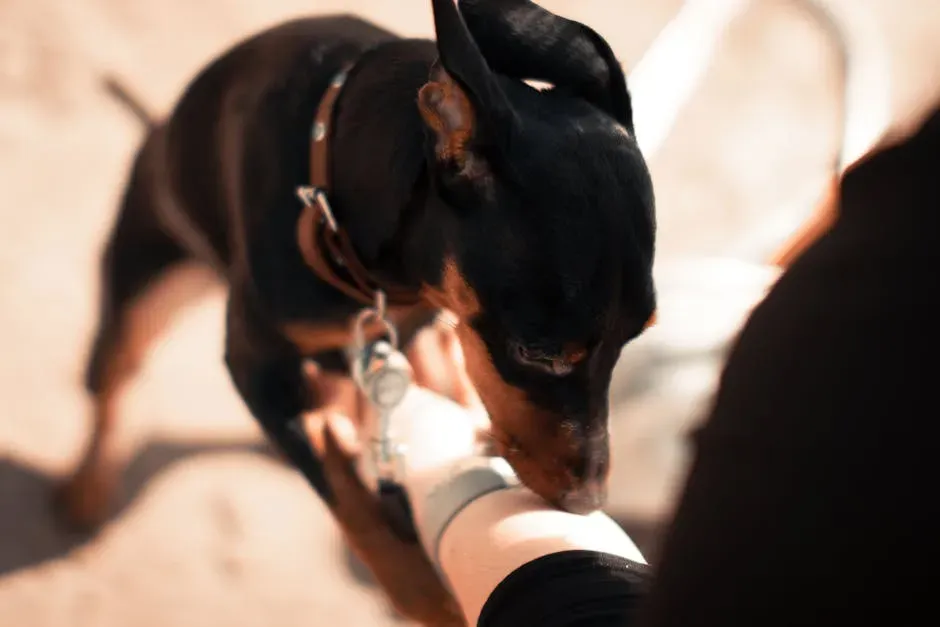
Your dog relies on scent as their primary way of identifying and understanding the world. When you come home smelling of a nail salon, another person’s perfume, or a place they’ve never been, it’s genuinely disorienting for them. Shoes, coats, wallets, briefcases, bags, and suitcases carry countless smells from shops and workplaces back to our dogs. Cleaning products, soaps, deodorants, and shampoos also change the scents our dogs are used to.
In their olfactory world, it must be puzzling for dogs to encounter our constantly changing smells, especially for a species that uses scent to identify familiar individuals. Visual changes like wearing a large hat, pulling on a bulky coat, or covering your face can also catch them off guard momentarily.
This doesn’t require a wardrobe change. Just be patient when you come home smelling unusual, let your dog sniff you briefly, speak calmly, and give them a moment to confirm it’s still you. That quick check-in is their version of asking, “Are you the same person I trust?”
Conclusion: The Relationship Is a Two-Way Street
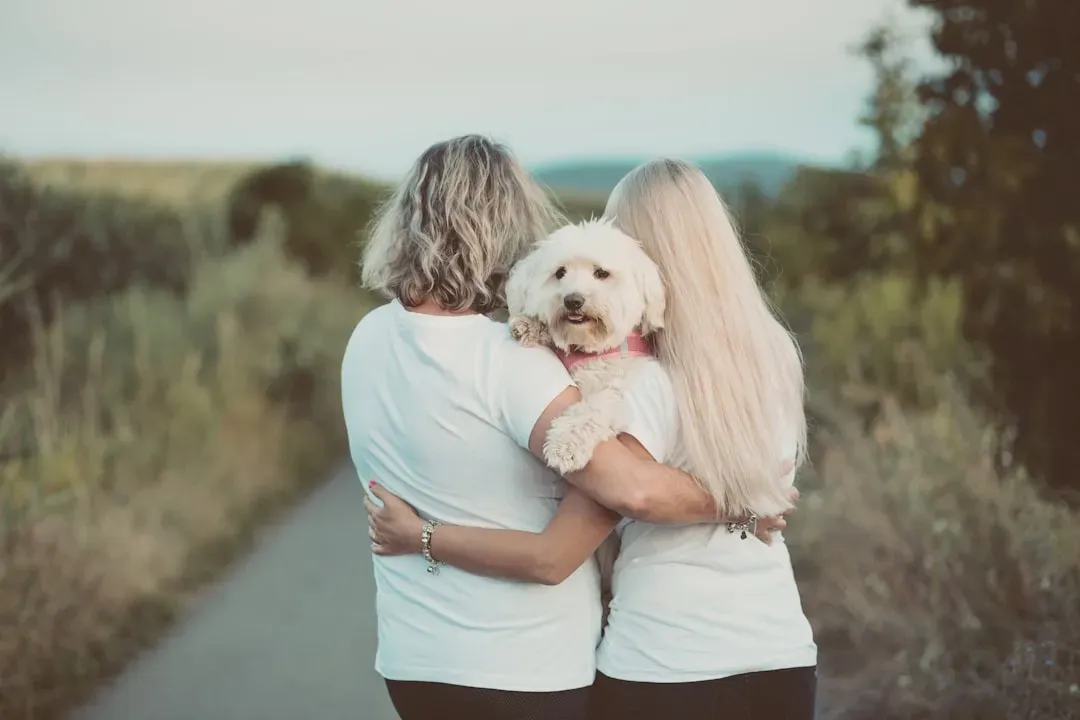
What’s striking about dog cognition research is how much of it points in the same direction: dogs are paying far more attention to us than we realize, and they’re doing it with a level of emotional investment that genuinely mirrors what we feel toward them. Science tells us that the human-dog bond is mutual – we both experience happiness, and we both benefit.
The ten things your dog loves about you don’t require money, elaborate training, or hours of free time. They require presence, consistency, warmth, and a willingness to understand a species that has spent thousands of years trying to understand you. The five things that confuse your dog are equally straightforward to address once you know about them.
The most meaningful shift any dog owner can make isn’t a new toy or a fancier treat. It’s paying closer attention – to the dog in front of you, reading their actual body language, honoring their nature, and showing up with the kind of steady, reliable love that makes their whole world feel safe. That’s what they’ve been giving you all along.


