
12 Dog Behaviors That Show Love (And 4 That Show Stress)
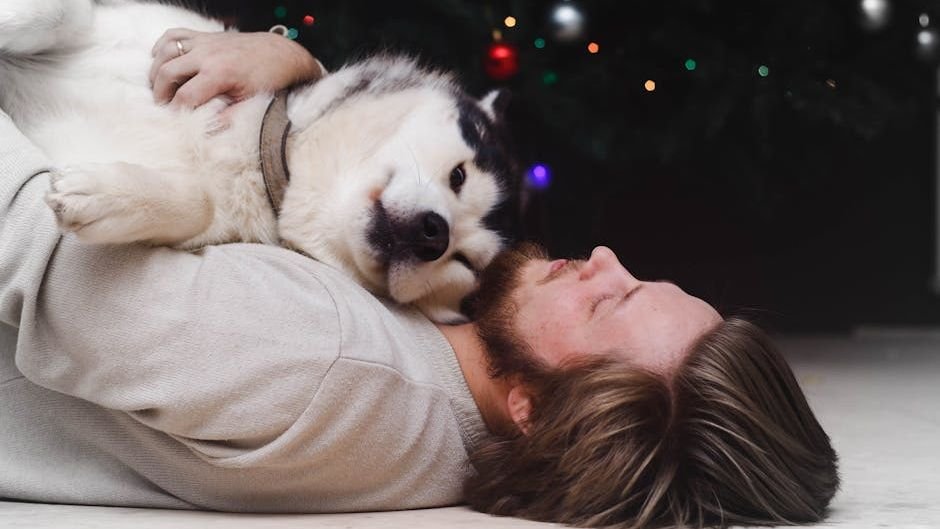
Your dog can’t say “I love you,” but chances are they’ve been saying it to you in a dozen different ways every single day. The tilt of their head when you talk. The way they press their body against your legs when you’re watching TV. The moment they drop a soggy tennis ball at your feet like it’s the greatest gift in the universe. Dogs are fluent in an emotional language that most humans are only beginning to learn.
What makes it tricky is this: not every behavior means what we assume. Some gestures we chalk up to clinginess or misbehavior are actually deep expressions of trust and attachment. Others that look completely normal, like a yawn or a tail wag, can quietly signal that something is wrong. Knowing the difference doesn’t just deepen your bond. It can genuinely change how you show up for your dog.
This guide walks through 12 behaviors that are pure, science-backed love, followed by 4 that are worth paying attention to. Consider it a translation guide for the creature who already knows you better than most humans do.
The Soft Gaze: When Your Dog Stares Into Your Eyes
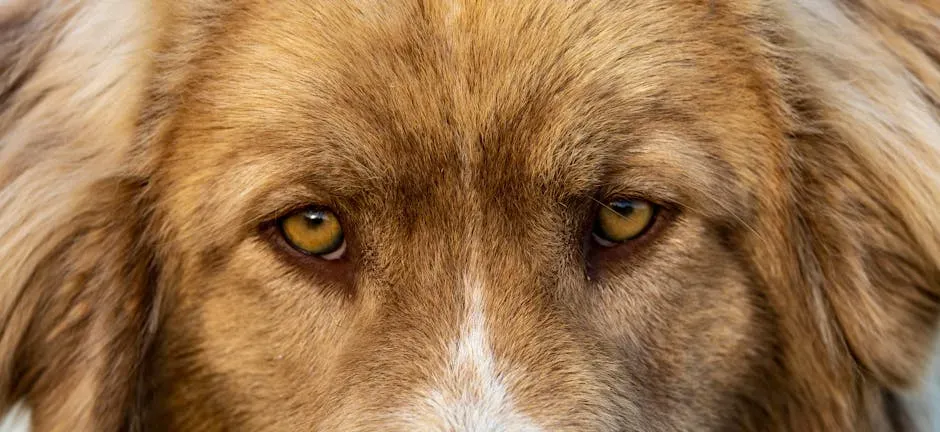
There’s a reason prolonged eye contact between dogs and wolves is almost unheard of. Researchers focused on the tendency of dogs to stare directly into human eyes discovered that, unlike wolves, dogs developed a specific facial muscle during domestication that enables them to raise the inner eyebrow intensely. That small anatomical change was driven by one purpose: communicating with us.
When your dog holds your gaze, both of you release oxytocin, the same feel-good bonding hormone found in parent-child relationships. So if your dog is looking at you with soft, relaxed eyes, they really are saying “I love you” in the truest biochemical sense.
The key word here is “soft.” Affectionate eye contact is meaningfully different from threatening eye contact. A loving gaze comes with a loose face, relaxed brow, and gentle body language. Hard, unblinking stares in tense postures are a different story entirely.
The Full-Body Lean: A Dog Hug in Disguise

When a dog leans their full weight against you, it signifies complete trust. It means your dog sees you as a protector and, in their terms, this is the equivalent of a full-body hug. It’s not them being awkward or demanding. It’s one of the most vulnerable, genuine gestures they can offer.
When a dog leans against their owner, it’s showing trust and affection rooted in a deeply social instinct. Dogs are pack animals, and closeness to a trusted companion is how they naturally self-regulate. You are, quite literally, their comfort system.
Worth noting: a lean can sometimes indicate that a dog is feeling stressed, in which case they’ll typically show other signs of stress alongside it. However, leaning against you when uncomfortable or fearful is also a way for your dog to tell you that you are their safe place. Either way, they’re turning to you, and that’s significant.
Joyful Greetings: The Welcome-Home Explosion
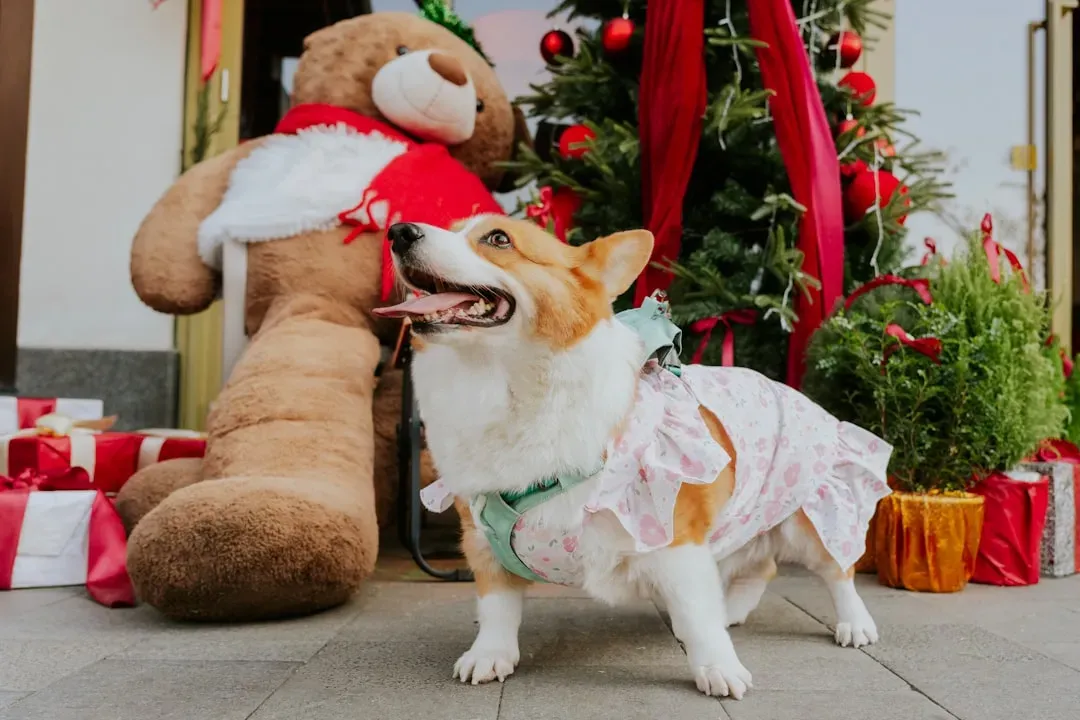
Every dog owner knows the feeling. You open the front door and suddenly there are four paws, a wagging tail, and a level of enthusiasm that makes you feel like the most important person on earth. Greetings that involve jumping, licking, tail wagging, or even some happy grunts are your dog’s way of showing you they love you and are thrilled to see you.
That joy is genuine and grounded in biology. Studies from the Journal of Neuroscience show that interactions with beloved humans activate a dog’s caudate nucleus, the part of the brain associated with positive emotions. Your arrival genuinely lights up their brain.
Still, big excited jumps need some gentle redirection. Rather than letting an enthusiastic dog topple you, train them to sit patiently for a treat, or try ignoring them until they settle before rewarding them with praise and affection. The love is real. The training just keeps everyone upright.
Following You Everywhere: Your Devoted Shadow
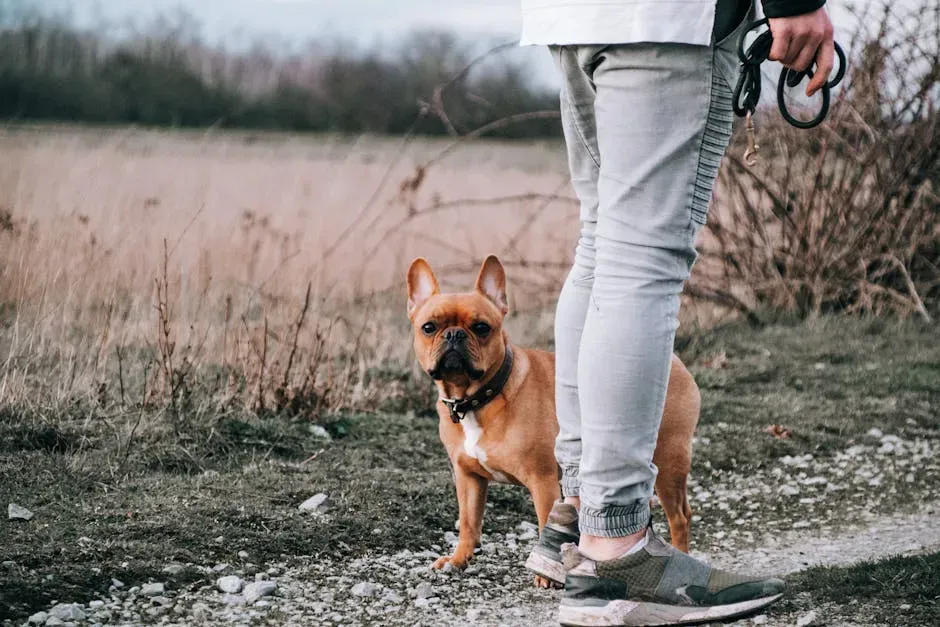
If your dog follows you from the kitchen to the bathroom to the hallway and back again, you might wonder if something’s off. It’s not. If your dog follows you everywhere, they’re saying “you’re my safe place.” Shadowing is a sign of trust and attachment, not clinginess, and many dogs simply feel happiest being wherever their person is.
Being near you provides them a sense of security. It’s their way of saying, “I want to be with you always.” This behavior has evolutionary roots too. Dogs are pack animals by nature, and staying close to the group means safety, warmth, and connection.
The exception worth watching for: if the following behavior is accompanied by panting, pacing, whining, or destruction when you leave, that can tip into separation anxiety. Regular, calm following is love. Frantic, distressed following may need a closer look with your vet or a trainer.
Licking: The Ancient Language of Affection
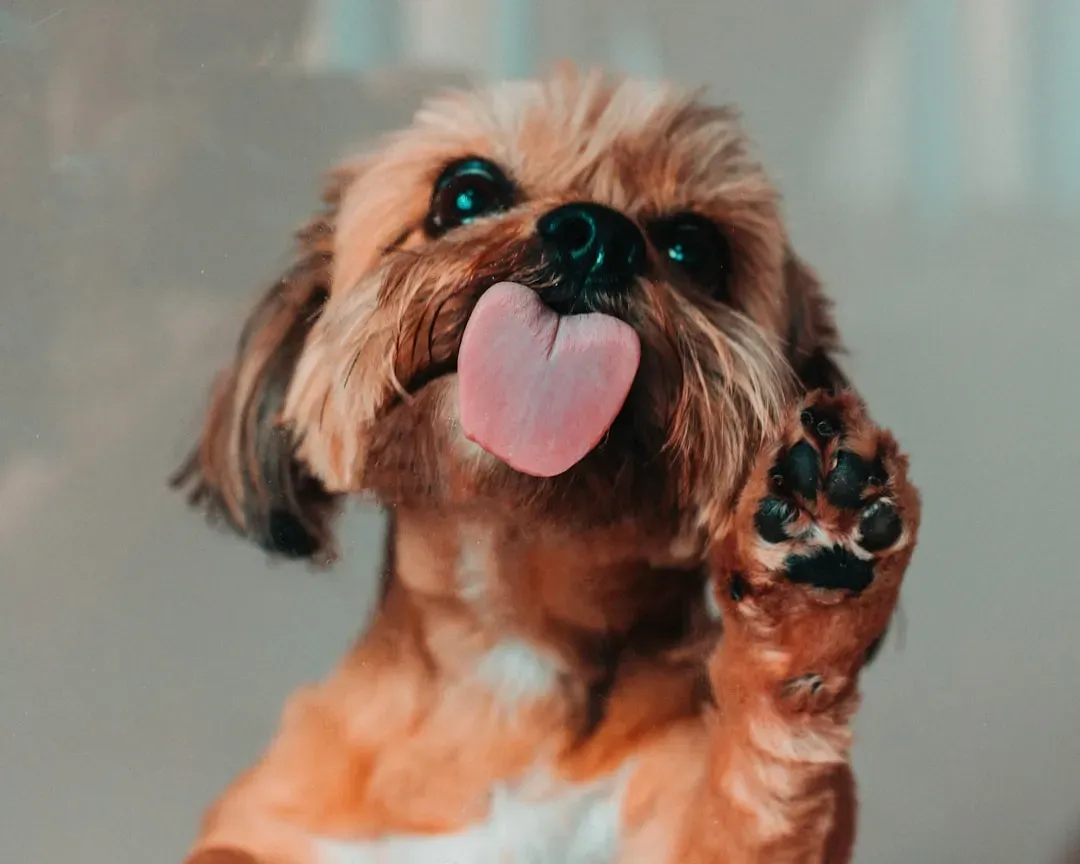
Licking is one of your dog’s earliest bonding behaviors. Puppies lick their mothers, and adult dogs lick each other for grooming, reassurance, or affection. When they lick you, they’re engaging in that same instinctive bonding practice.
This behavior is likely learned from the grooming and affection given to puppies by their mothers and has become a ritualized greeting for many dogs. Licking releases endorphins that make your dog feel relaxed, calm, and happy. So it’s not just for you. They’re also soothing themselves through the act.
Not every dog is a big licker, and that’s completely fine. Some dogs just aren’t into it. Don’t take it personally if your dog isn’t a kisser. There are plenty of other ways they’re saying the same thing.
Bringing You Gifts: The Toy Offering Ritual
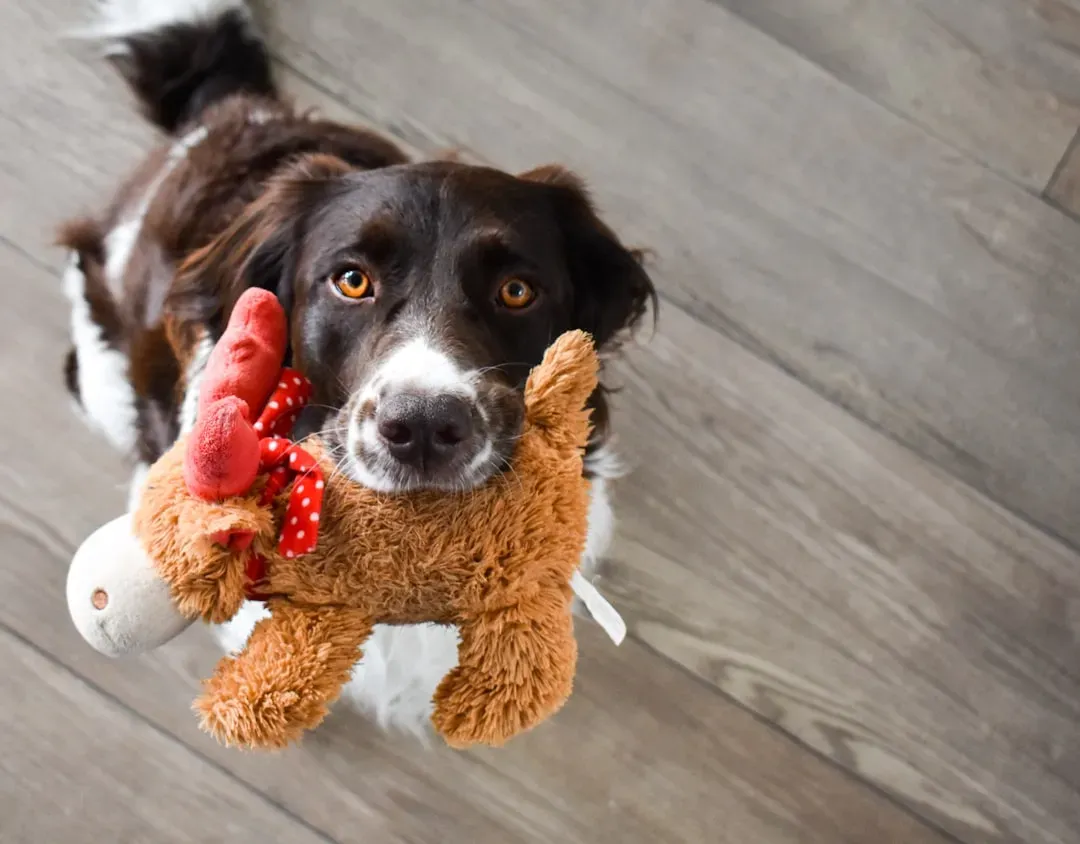
When your dog trots over and drops a squeaky toy at your feet, they’re not just bored. Dogs will often give gifts to the leaders of their pack to show affection, respect, and trust. They can be possessive of their belongings, so trusting you with their favorite toys is their way of expressing their faith in you to take care of their treasured items.
They could be bringing you gifts since they see you as the head of the household. If the toy is broken, they might even see you as an intelligent being capable of repairing it, a sign that they trust you with this important task. That’s a lot of confidence to place in one person.
Receive the gift with warmth. Even a brief acknowledgment, a pat, a soft word, a moment of play, tells your dog their gesture landed. It reinforces exactly the kind of bond you both want.
The Belly Reveal: Ultimate Trust on Display
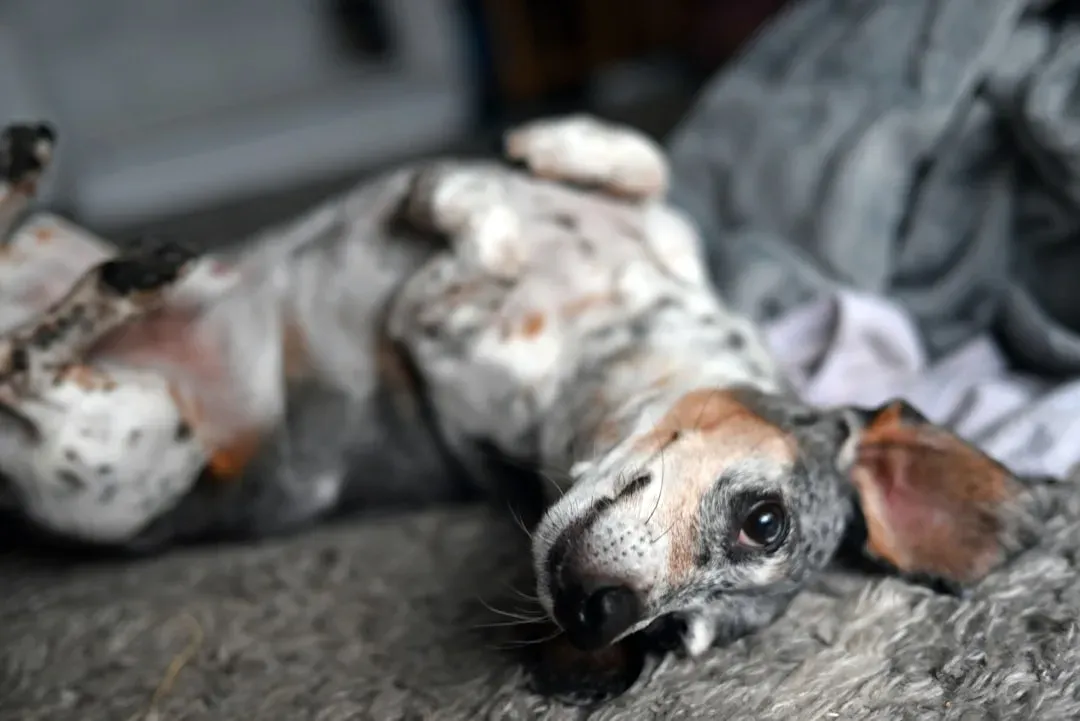
A dog exposing their belly is showing major vulnerability. When they roll over and invite you in, that signals deep trust and comfort. The abdomen is one of the most physically vulnerable parts of a dog’s body, and exposing it is not something any animal does lightly.
Since a dog’s tummy is one of their most vulnerable body parts, this act puts them into a total state of submission, the ultimate signal of love and trust. A dog who rolls over for a belly rub isn’t being silly. They’re handing you the most vulnerable version of themselves.
Keep reading the room, though. A dog rolling on their back can have multiple meanings. Rolling over generally means “I am not a threat,” but if the tail is gently wagging and the mouth is slightly open, the dog is probably comfortable. Tense muscles or a tucked tail alongside the belly-up position tells a different story.
Sleeping Near You: Choosing You as Their Safe Space
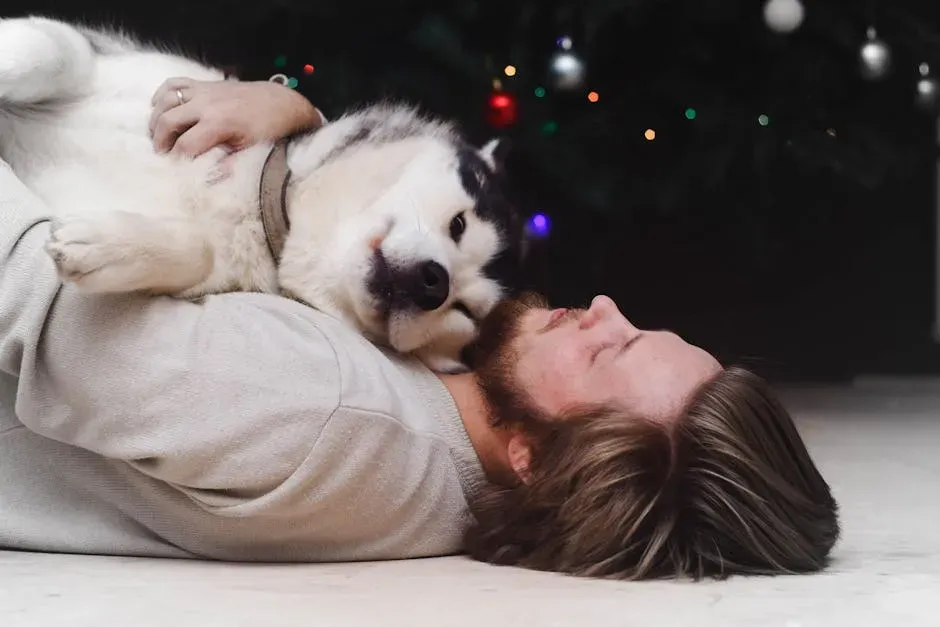
Sleeping together with their pack is a natural instinct for dogs, something they did as newborn puppies with their littermates. Your dog wanting to sleep next to you, either in your bed or in your room, is a sign of affection and closeness.
When your pup cuddles up beside you on the couch, they’re letting you know how safe they feel around you. Sleeping puts them in a vulnerable position, but sleeping next to you makes them feel loved. That choice is not accidental. Dogs can sleep anywhere, and they choose you.
Nose Nudging: The Gentlest Hello
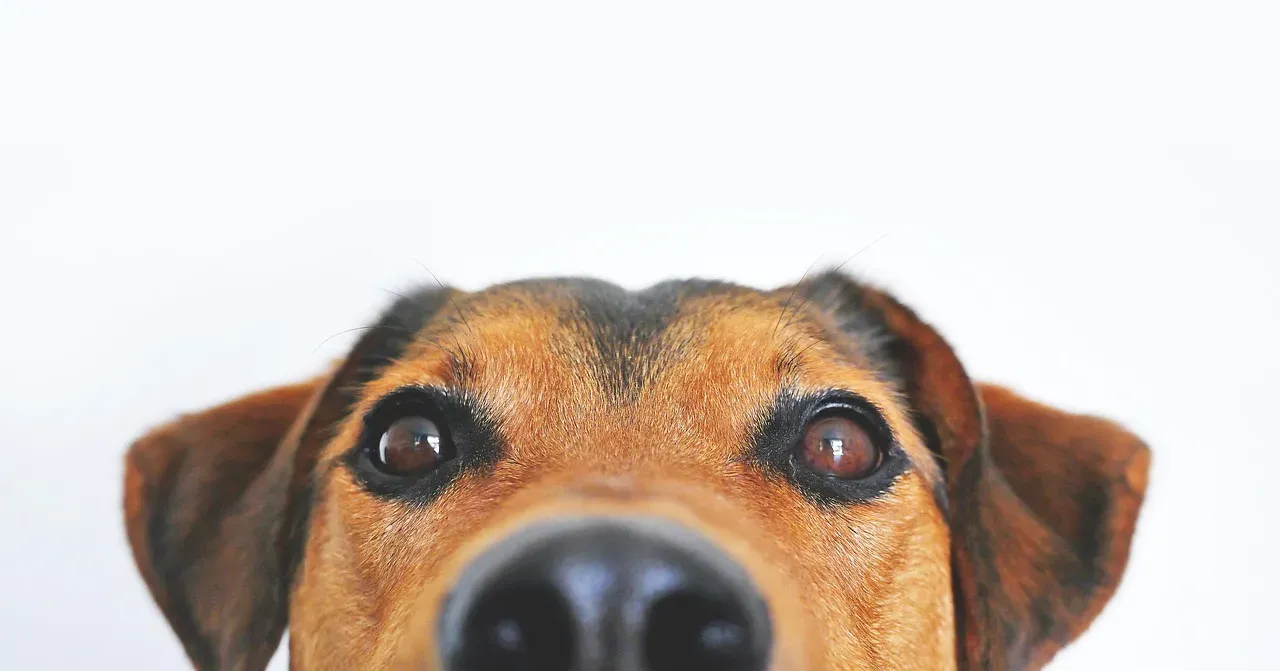
A nose nudge can mean “pet me,” “look at me,” or “I love you.” It’s one of the gentlest ways dogs initiate connection. It’s quiet, deliberate, and usually accompanied by soft eyes and a relaxed posture.
When a dog nudges you with their nose, it can be a sign of affection, a way for your dog to say “Hey, I like you.” Of course, it’s also a way for dogs to seek attention. Either way, your dog wants to be around you. Both interpretations point to the same thing: they need you in their world right now.
Mirroring Your Emotions: The Empathy Signal
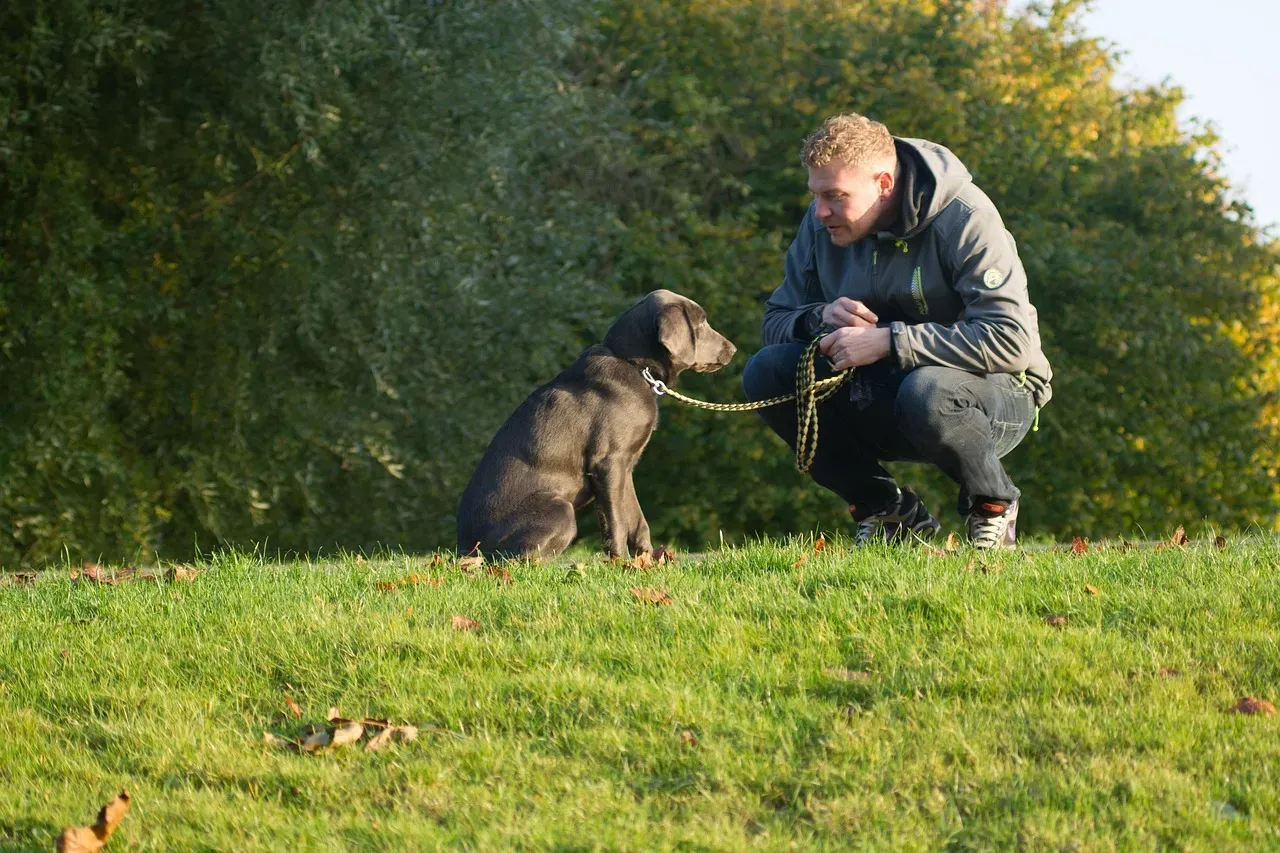
Dogs are expert emotional readers. If you’re sad, your dog may cuddle closer. If you’re excited, they’ll often reflect that joy. This emotional synchrony is one of the most profound expressions of love.
Dogs are emotional sponges. Many will comfort their owners with nudges, snuggles, or simply by staying close when something feels off. They’re incredibly tuned into human emotions. There’s a reason therapy dogs are so effective. It’s not trained behavior alone. It’s who they are.
Researchers observed that dogs and their owners responded in similar ways during interactions, particularly regarding oxytocin levels. Calm, anti-stress behaviors in the human caused a similar response in the dog, leading researchers to conclude that owners and dogs could mutually sense each other’s emotional state. You affect each other more than you probably realize.
Soft Sighs and Contentment Sounds: Speaking in Exhales
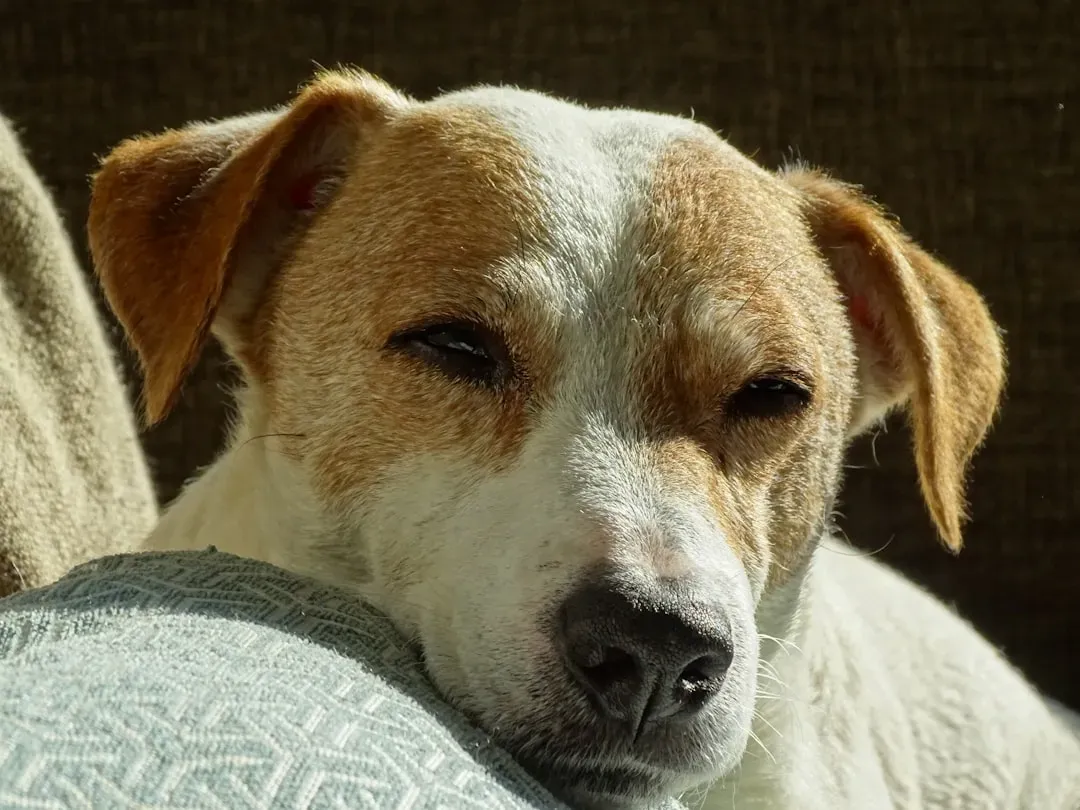
Has your dog ever let out a big sigh after getting really cozy next to you? Soft vocalizations like sighs and groans are signs of contentment in dogs. When you hear your dog do that, it means they’re happy. It’s the canine equivalent of settling in and saying “this is exactly where I want to be.”
These gentle sounds are easy to miss in the noise of daily life, but they’re worth paying attention to. A dog who sighs softly while resting their head on your lap is fully at ease. That kind of quiet peace is trust made audible.
Stealing Your Clothes: It’s Love, Not Mischief
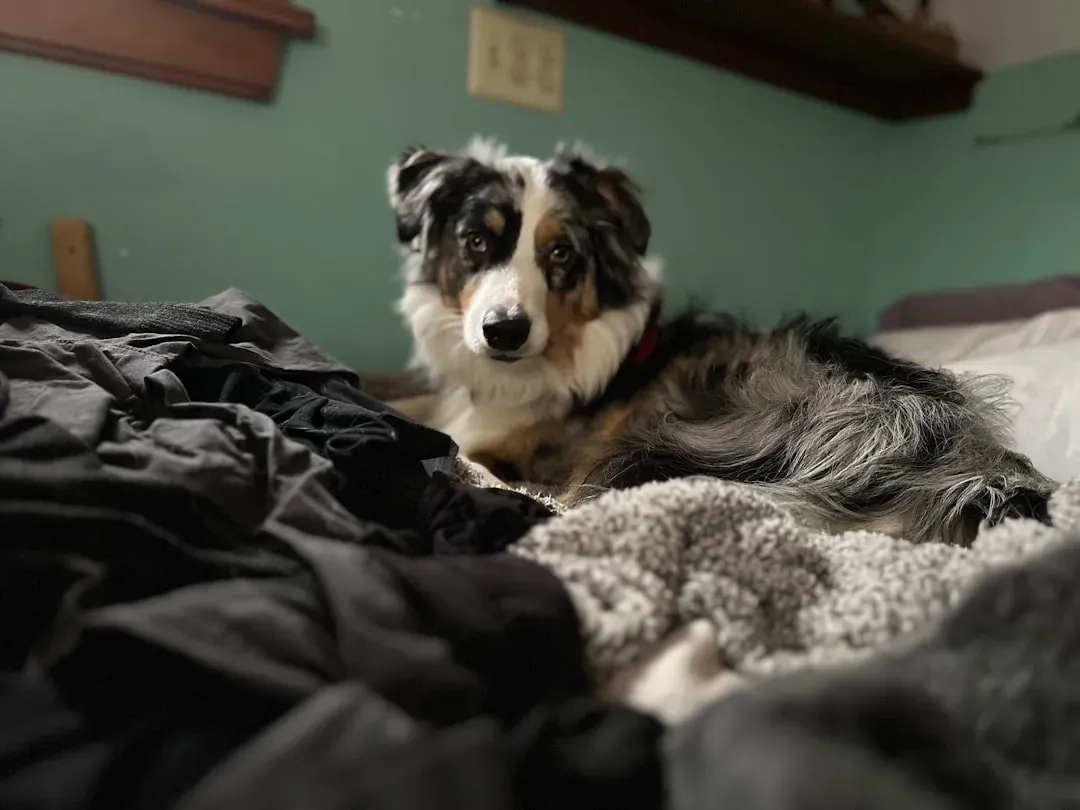
Dogs who are emotionally attached to their owners love their owners’ scents. If your dog raids your shoe pile or laundry basket for items that smell like you, it may be because they love you and want to be reminded of you wherever they go.
If your dog raids your dirty laundry for your smelliest clothes and shoes, it shows that they missed you while you were away and just can’t get enough of your unique smell. Yes, even the sweaty gym socks. Especially those, actually.
It’s okay to discourage this behavior for the sake of your shoes and socks, but remember that your dog is doing it out of love. Redirect to a designated item that carries your scent, like an old shirt, and let it live in their bed. Problem mostly solved.
Stress Signal #1: Excessive Panting Without Physical Cause
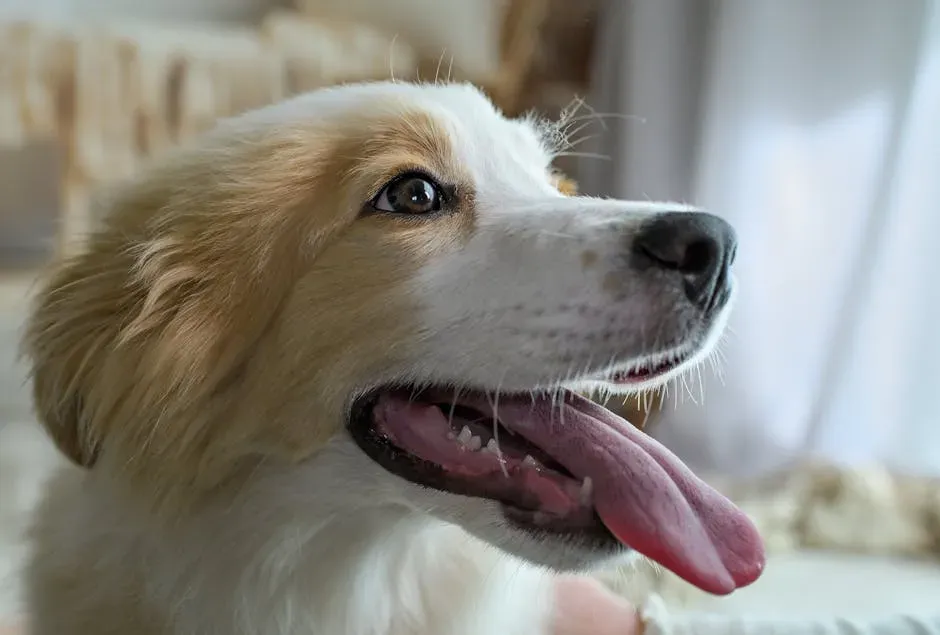
Panting after a run or in summer heat is completely normal. Panting is a normal way for dogs to cool down, especially after playing or in hot weather. But when panting happens indoors, in cool temperatures, or during quiet activity, it can point to stress. Rapid, shallow panting is especially telling that something else is going on.
Stress panting looks like rapid, shallow breathing with the mouth open, and it often appears more tense with the mouth pulled back slightly further than normal. This indicates anxiety, fear, or emotional distress, with the dog’s body responding to stress hormones the same way it would to physical exertion.
Context is everything. Stress panting typically occurs in specific situations, at the vet, during thunderstorms, when left alone, or in unfamiliar environments, rather than being constant. If you notice it regularly without obvious cause, consult your veterinarian to rule out pain or an underlying health condition.
Stress Signal #2: Whale Eye and Avoidance
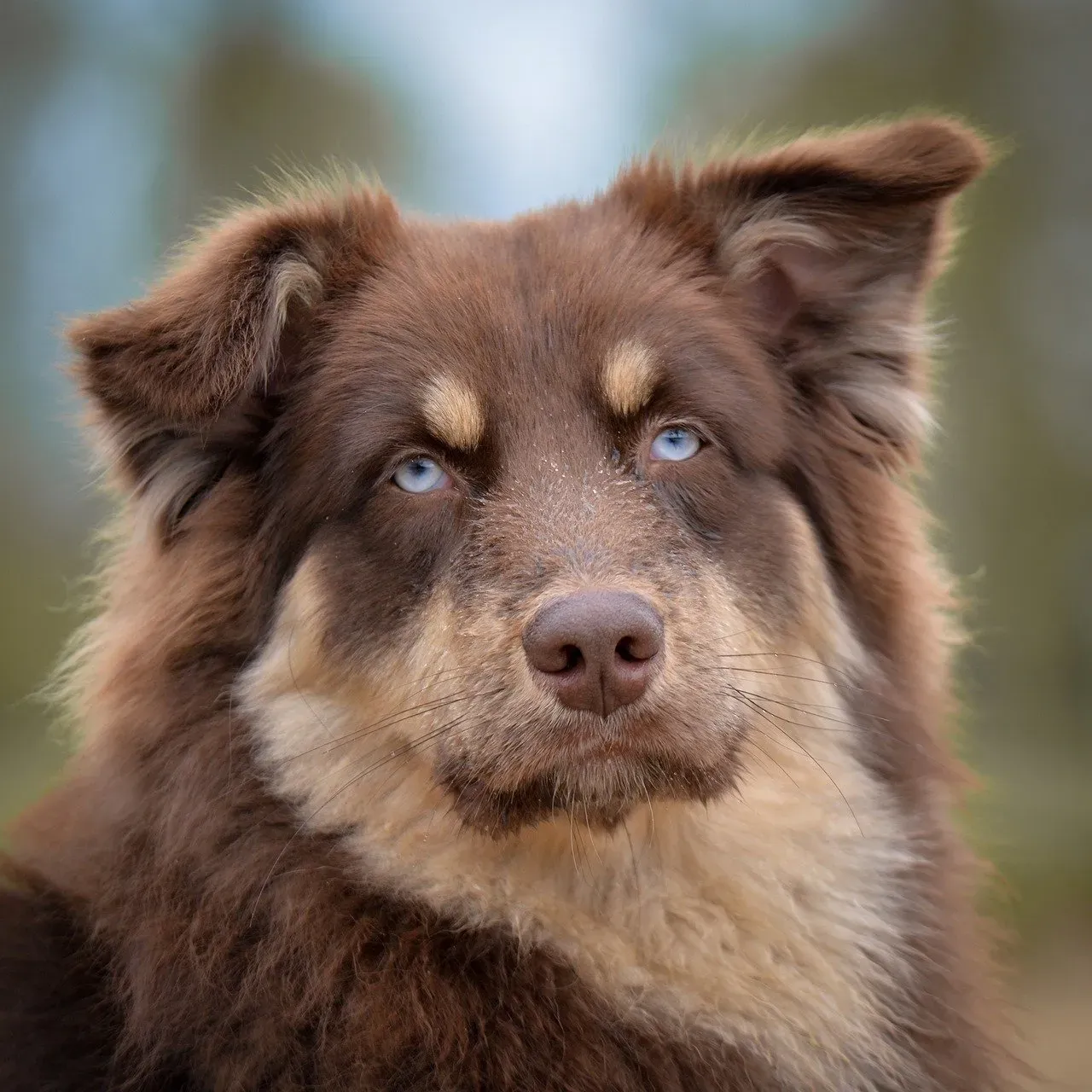
When a dog turns their head but keeps their eyes fixed on something, you’ll see the whites of the eyes. This “whale eye” often means they feel unsure. Dogs may try to disengage from a stressful situation by turning their head or body away.
Stress signs to look for include whale eye, tucked ears or tail, raised hackles, lip-licking, yawning, and panting. Your dog might also avoid eye contact or look away. These are calming signals, the dog’s way of communicating discomfort before things escalate further.
The prevention tip here is simple but important: give them space. If you notice signs that your dog is stressed, first remove them from the stressor and find a quiet place to regroup. Forcing interaction when a dog is already showing avoidance cues can push them toward growling or snapping.
Stress Signal #3: Pacing, Shaking, or Freezing
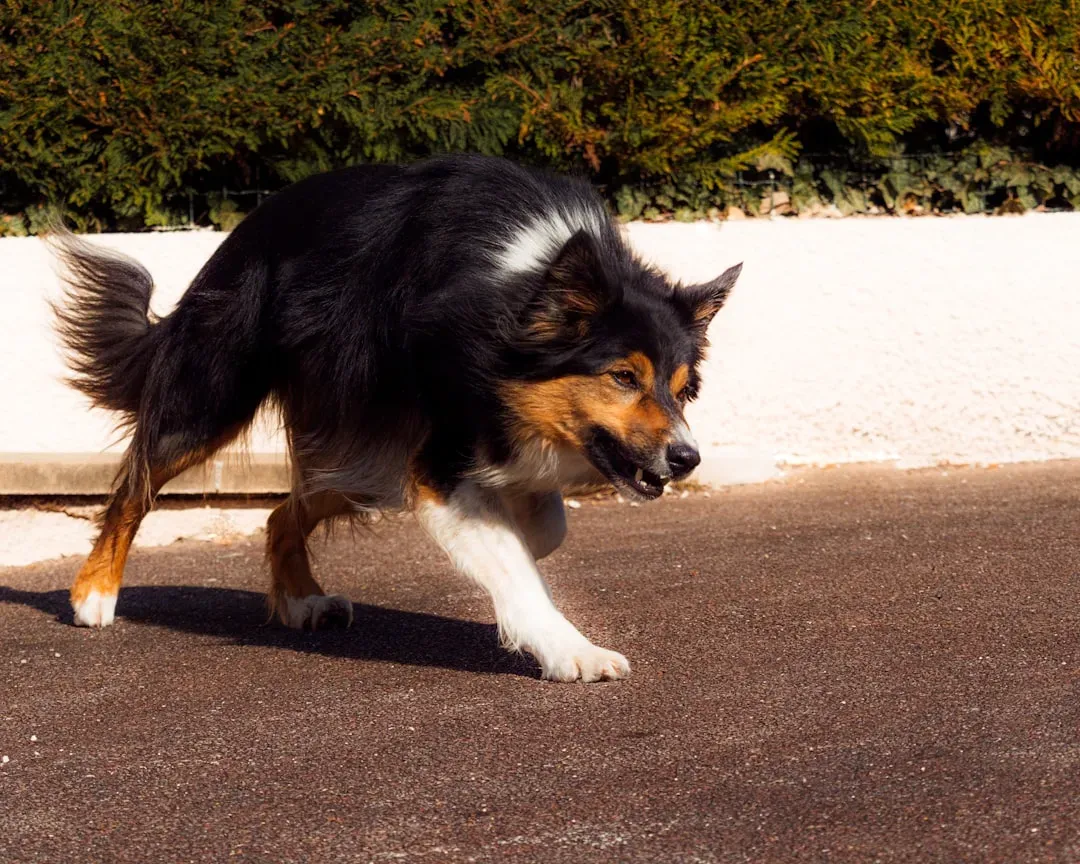
Pacing and shaking are clear stress indicators. That whole-body shake can be amusing and is quite normal after a bath or roll in the grass, unless it occurs as the result of a stressful situation. The “shake off” dogs often do after descending from the veterinarian’s exam table is likely triggered by stress. Some dogs also pace when agitated or frightened.
Other dogs may become extremely tense and rigid yet remain standing, commonly referred to as “fear freezing.” This is the autonomic nervous system’s “fight, flight, or freeze” response to external fears or stressors, an involuntary survival response.
A dog that freezes may be scared, guarding something, or feel cornered. This is a low-level warning sign on the ladder of dog aggression. Not respecting this warning can lead to escalation of growling, snapping, and potentially biting. Recognize the signal. Give the dog an exit. You’re preventing a crisis.
Stress Signal #4: Excessive Licking, Yawning, or Lip Smacking
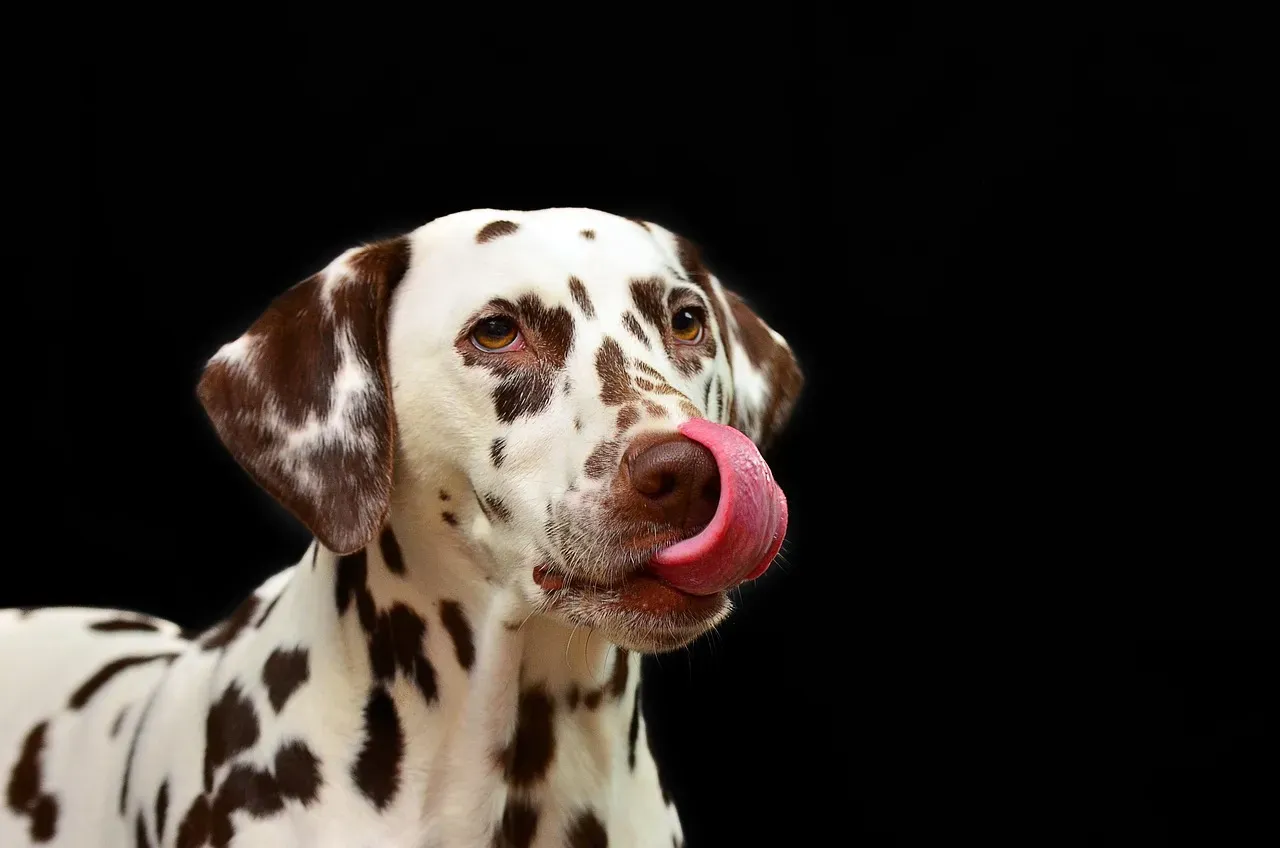
Dogs naturally lick their lips or noses when eating, drinking, or after getting wet. But if your dog is repeatedly licking when no food or water is around, it may be a calming signal, a way to self-soothe during a stressful moment. Watch for it before vet visits, during introductions to new people, or in crowded places.
Licking, especially paw licking, is a calming, self-soothing activity. It may be a sign of distress if you see your pet obsessively grooming themselves or lip-licking around their nose and mouth. Excessive licking could also be a sign of a skin condition like allergies, sores, or hot spots. If you’re concerned, visit your veterinarian.
Yawning in a non-sleepy context carries the same weight. A yawn during a lazy Sunday morning is probably just sleepiness. A yawn when you’re putting on their harness for a vet visit is likely stress. These signals are consistent, subtle, and easy to dismiss, which is exactly why learning them matters so much.
Understanding Your Dog Is an Act of Love
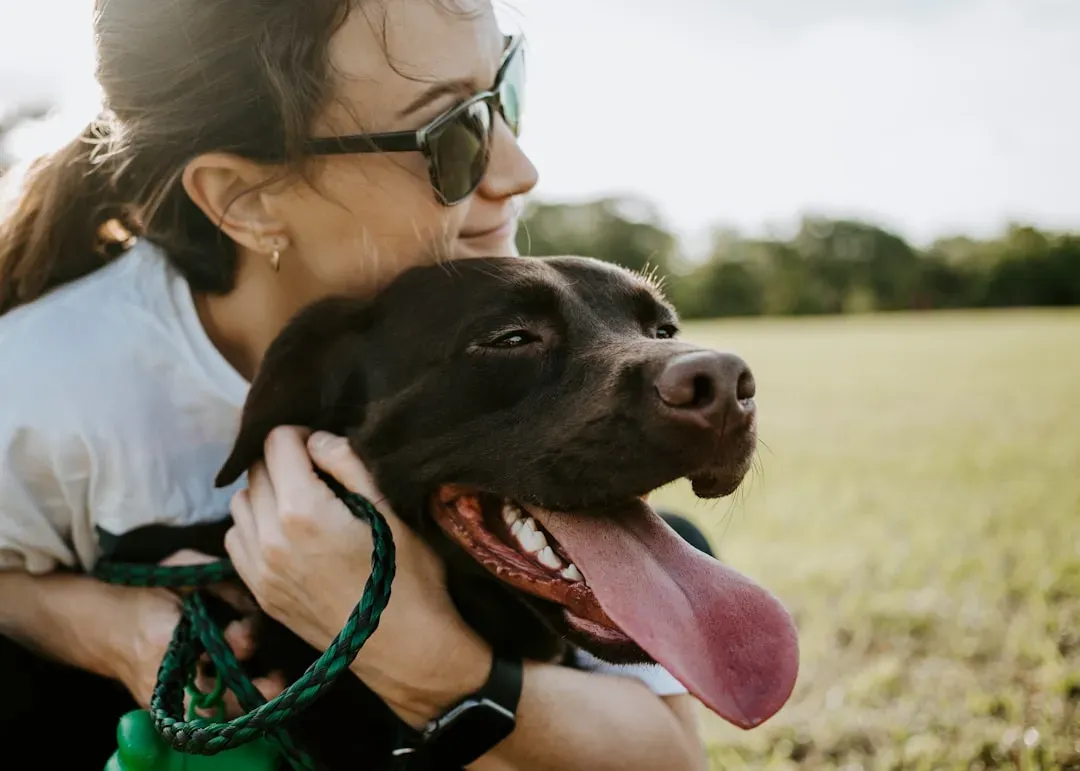
Here’s the quiet truth at the center of all of this: your dog has been communicating with you since the day they came home. Every lean, every slow blink, every contented sigh is a sentence in a language they’ve spent thousands of years developing specifically to reach us. While dogs may not express affection the same way humans do, their language is rich with cues that convey deep emotions and a profound connection. Understanding and reciprocating a dog’s expressions of affection creates a harmonious and fulfilling relationship.
Becoming fluent in your dog’s body language takes time and practice, but the payoff is enormous. Owners who can accurately read their dogs’ body language report stronger bonds and fewer behavioral problems. The effort you put into learning this language is returned to you tenfold, in loyalty, in calm, and in connection.
The behaviors in this article are not a checklist to anxiously monitor every day. They’re an invitation to be more present, more curious, and more compassionate with the dog who has already decided you’re worth following into every room. That’s the whole point of them, really. They’ve never needed words. They just need you to pay attention.