
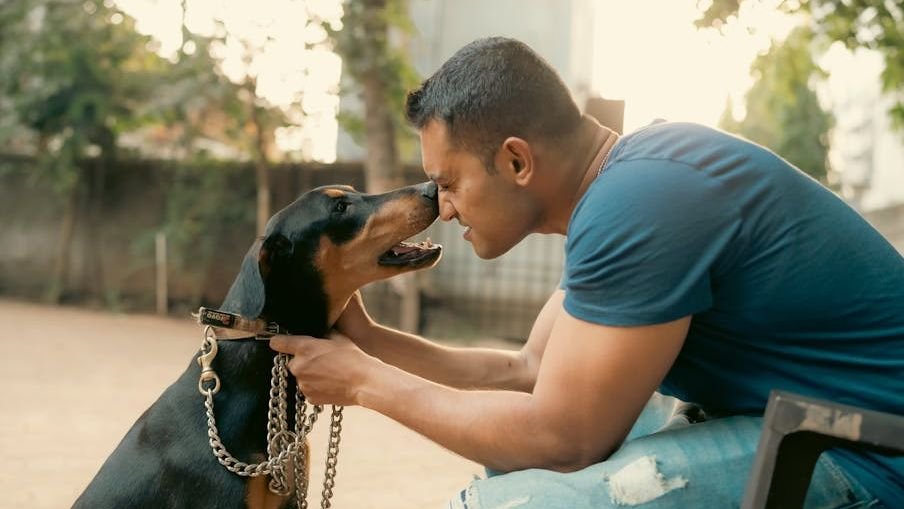
Your dog did something this week that probably stopped you in your tracks. Maybe they rested their head on your knee during a rough evening. Maybe they rushed to the door the moment they heard your footsteps outside, before you’d even touched the handle. These aren’t random behaviors. They’re a language, consistent, layered, and deeply felt.
A dog’s loyalty isn’t just endearing – it’s deeply rooted in both evolutionary history and biological mechanisms that have developed over thousands of years. Understanding what those moments actually mean helps you meet your dog where they are, not just as a pet, but as a genuine companion with emotional needs. This guide breaks down ten clear ways dogs express loyalty, followed by four signs that something feels off for them, because reading both sides of that communication is how great dog ownership actually works.
1. They Follow You From Room to Room
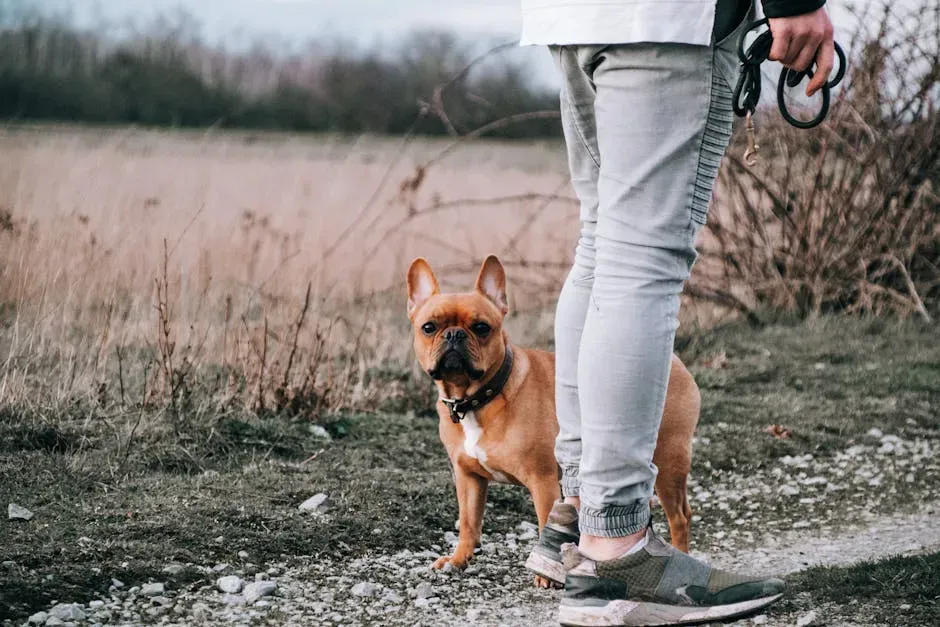
If your dog shadows you through the house, it’s tempting to laugh it off or even find it mildly exhausting. The bathroom, the kitchen, the back porch. Everywhere. Following you from room to room isn’t clinginess. It’s your dog choosing your company over solitude. That’s not a small thing.
Dogs are naturally loving and affectionate, and their pack animal nature makes it easy for them to develop strong bonds with those they perceive as members of their pack. You are their pack. Staying near you is instinctive and comforting for them. As long as the behavior is relaxed rather than panicked, it’s one of the purest expressions of loyalty you’ll see.
2. They Greet You Like You’ve Been Gone for Months
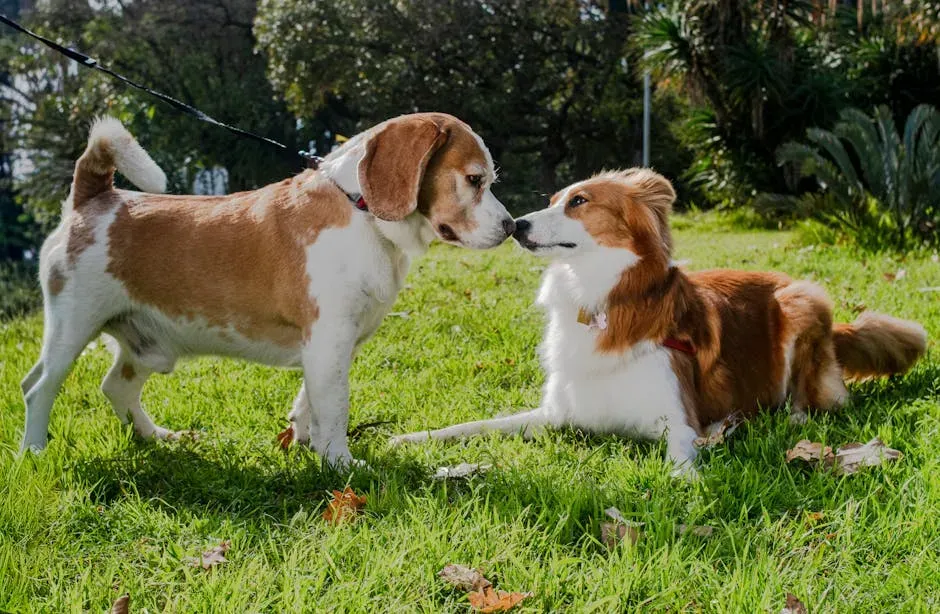
The moment you walk through the front door, your loyal canine companion greets you with a wagging tail and excited energy without fail. Even if you’ve only been gone for 20 minutes, it’s as if you’ve been gone for months in their eyes. This reaction isn’t exaggeration. It’s genuine.
The reason behind this enthusiasm is biochemical. Oxytocin levels increase in both species when dogs and humans interact, strengthening their bond. Every greeting is, in a very real sense, a small hormonal reunion. That tail wagging at the door isn’t just cute. It’s your dog’s body chemistry responding to someone it loves.
3. They Bring You Their Favorite Toy
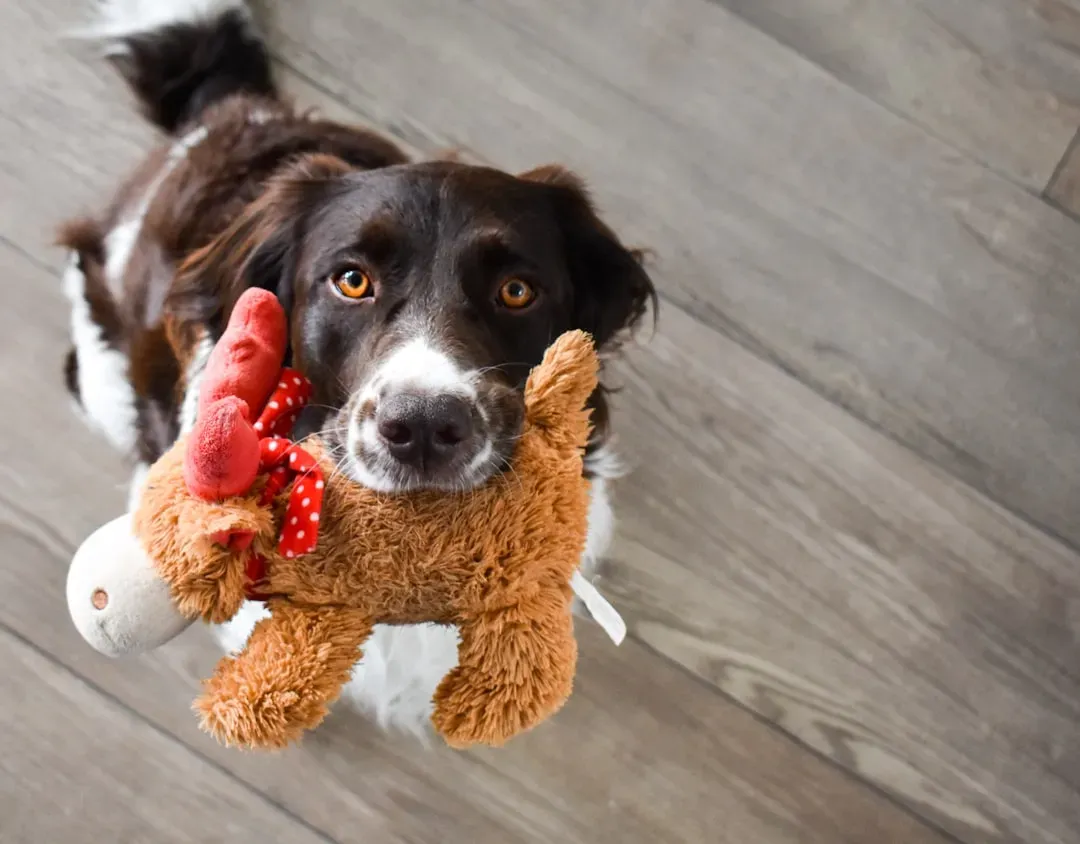
When your dog trots over with their prized squeaky toy and drops it at your feet, they’re not just asking you to play. They’re offering you something valuable. Dogs present their most treasured possessions to people they trust, which is a meaningful social gesture in the canine world.
Other genuine loyalty signs include joyful greetings after even brief absences, gentle protectiveness without aggression, and choosing to sleep near you when they have other comfortable options. Offering a toy fits neatly into this pattern. It’s your dog saying, “I want to share something good with you.” Accept it graciously. That toy matters to them.
4. They Comfort You When You’re Upset
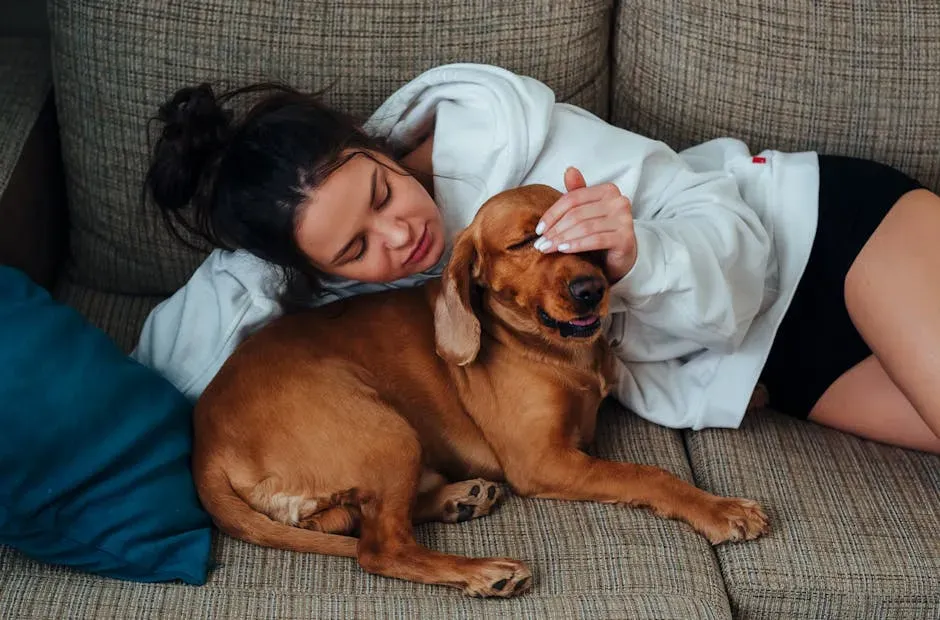
Dogs notice when something is wrong with you, often before you’ve said a word. Research confirms dogs can sense human emotions and will often approach with gentle nuzzles or simply sit close when their owners are distressed. This isn’t coincidence or hunger-driven attention-seeking. It’s empathy in action.
Dogs are highly social animals and have developed the ability to read human emotions and respond to them. That ability has been refined across thousands of years of living alongside people. When your dog curls up next to you on a hard day without being invited, they’re making an active choice to be present. That quiet solidarity is loyalty in its most understated form.
5. They Keep Watch Over You and Your Space
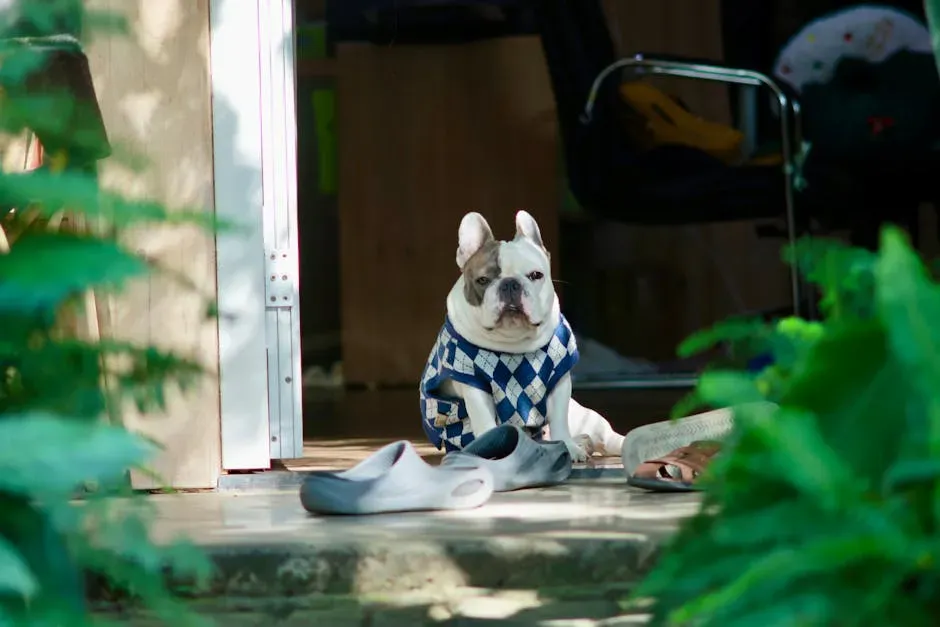
Notice how your dog often positions themselves near the front door, facing outward, or settles where they can see both you and the entry points to the room. This isn’t accidental. Loyalty in a pack is crucial. In order for a pack to survive in the wild, their members must work together to overcome dangers. Trusting, cooperating, and putting the pack’s interests first are all natural parts of surviving.
It would explain why dogs often put their own lives in danger to protect their owners – their pack instincts require it of them. Your dog isn’t being dramatic when they alert to an unfamiliar sound or stand between you and a stranger. They’re doing the job their instincts assigned them a very long time ago.
6. They Check in With You During Walks and Play
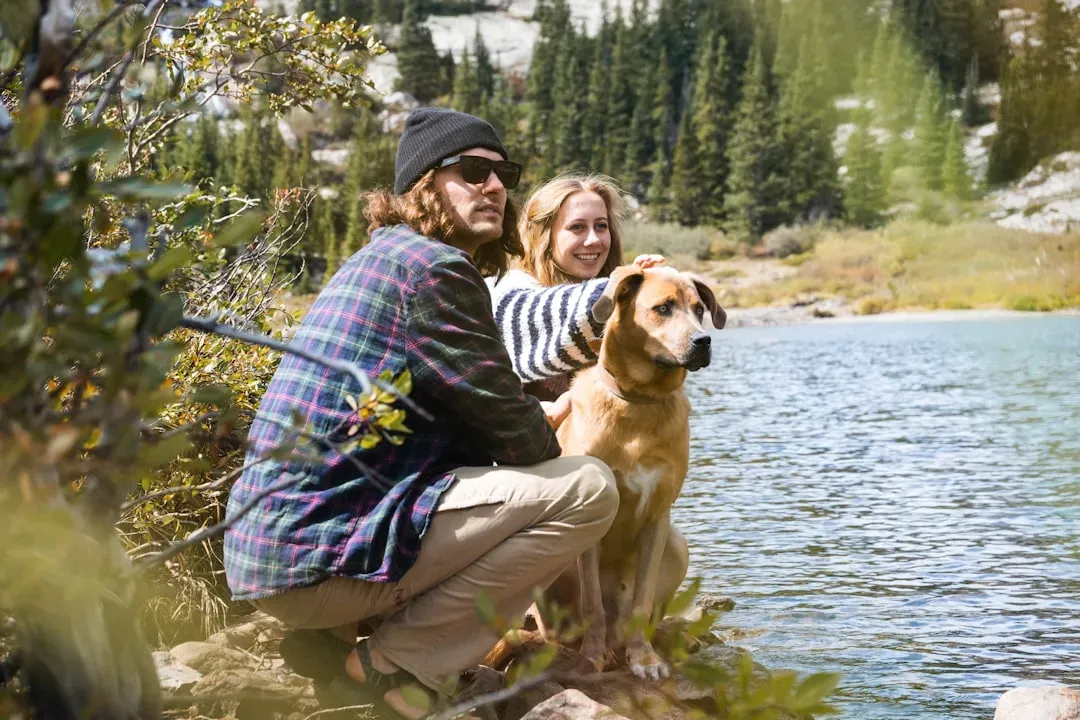
Watch your dog closely the next time you’re at the park. Every few minutes, they glance back at you. Where are you? Still there? Good. This behavior, called “checking in,” is a hallmark of a secure, bonded dog. They want to explore the world, but they want to know their person is still nearby.
This instinctive behavior is reinforced through daily interactions such as care, play, walks, and moments of closeness. In adult dogs, this bond intensifies over time, largely due to the consistency of care and daily routines. Each glance back on that walk is a small act of connection. Returning the acknowledgment with eye contact or a calm word reinforces that bond further.
7. They Sleep Close to You
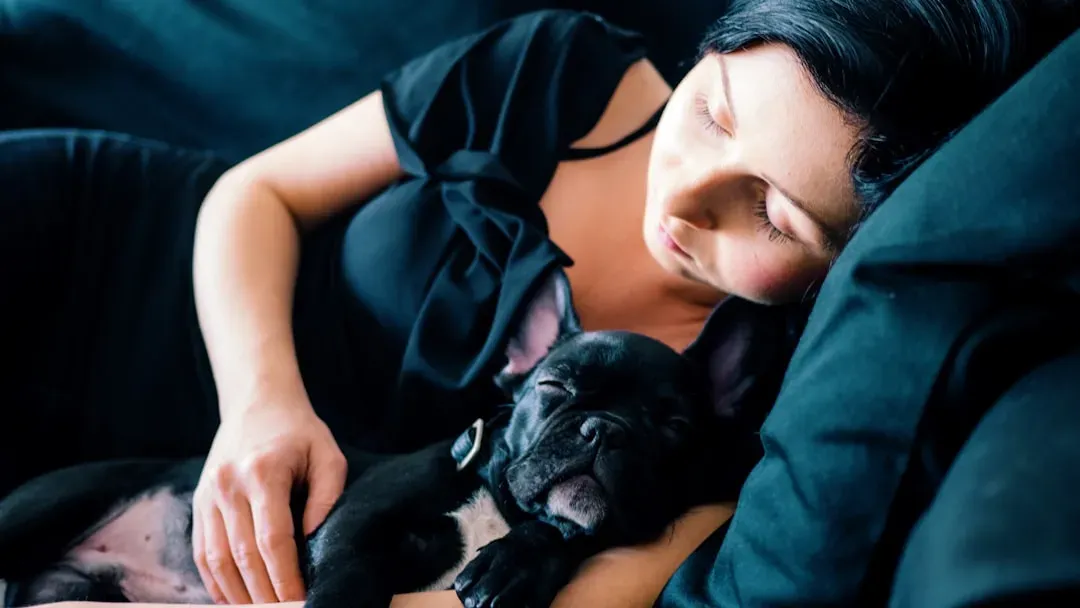
Dogs could sleep anywhere. They often choose the spot nearest to you. Whether that’s pressed against your legs on the bed or curled up just outside your bedroom door, proximity during rest is a profound expression of trust. Sleeping requires vulnerability, and your dog chooses to be vulnerable near you.
The mutual release of oxytocin during interactions like petting, playing, or simply making eye contact reinforces the bond between you and your dog, fostering feelings of trust and loyalty. That same chemistry plays a role in rest. A dog who sleeps near you isn’t just comfortable. They feel genuinely safe in your presence, which is exactly what loyalty looks like at its quietest.
8. They Take Your Side Around Others
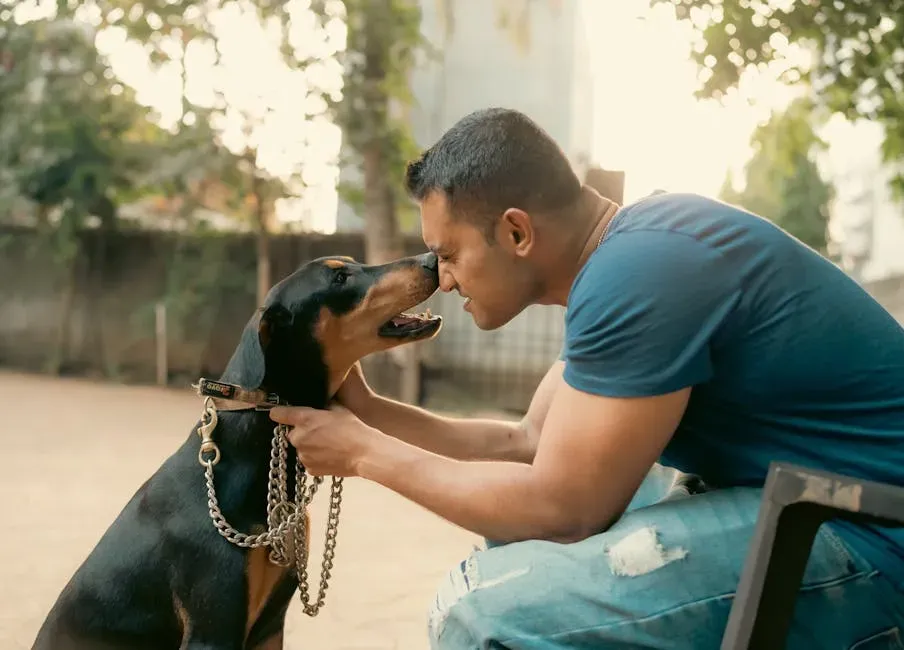
Dogs pay attention to social dynamics far more than most people realize. Researchers have established that dogs know enough about human behavior to take their pet parent’s side during even passive confrontations. This was demonstrated clearly in a study at Kyoto University.
Each dog was shown a skit that included two strangers and the dog’s guardian, who was having trouble opening a box. In the first group, when the guardian asked for help, the stranger refused. In the second group, the stranger gladly helped out. Meanwhile, in the third group, there was no interaction with the stranger. When the show was over, the strangers held a treat out for the dog. Holding true to loyalty, the dogs were more likely to choose a treat from the kind or neutral stranger and ignored the one who wouldn’t help their guardian. That’s a remarkable level of social awareness.
9. They Stay Consistently Close During New or Stressful Situations
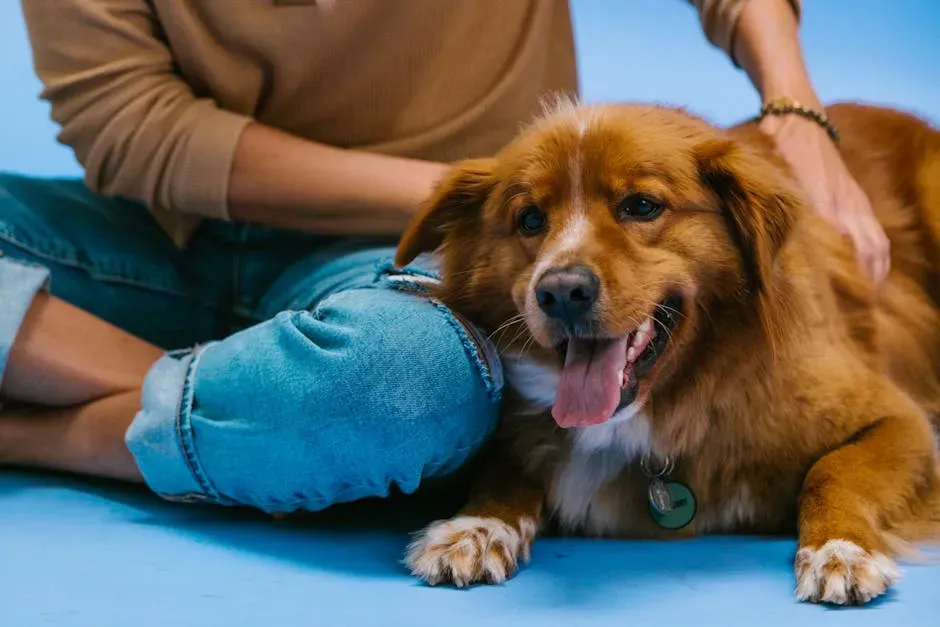
Take your dog somewhere unfamiliar, a new neighborhood, a busy market, a vet waiting room. A well-bonded dog stays near you, not because they’re frozen in fear, but because you represent their safe base. This is attachment behavior, and it mirrors what you see in securely attached children staying close to a trusted adult in a new environment.
All dogs are pack creatures and are devoted to whomever they see as their leader. While some breeds may seem more affectionate or willing to please their pet parent than others, all dogs are capable of being loyal. In stressful moments, that devotion becomes visible. Staying close to you under pressure is your dog’s clearest statement of trust.
10. Their Loyalty Deepens Over Time With Consistency
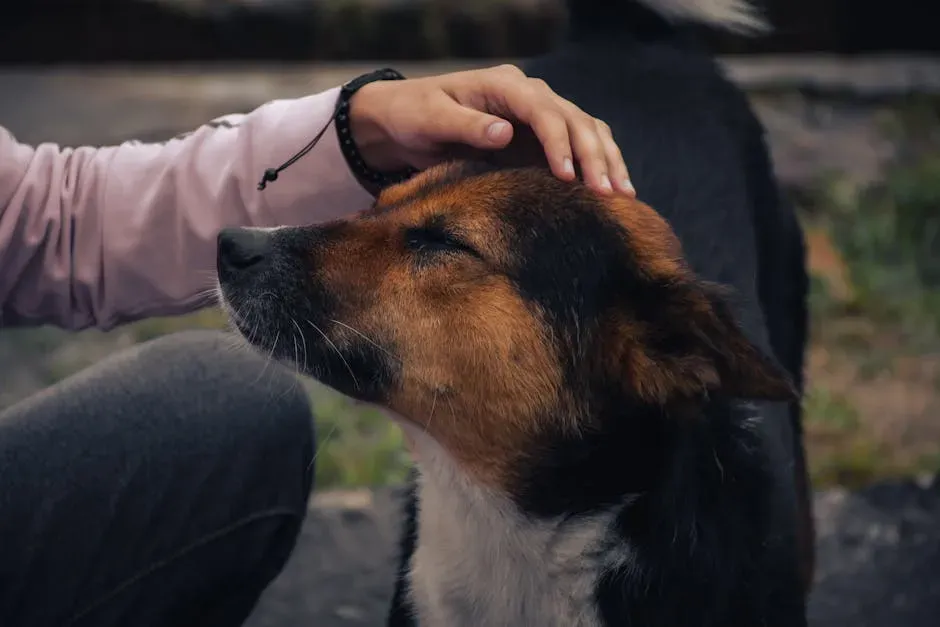
Loyalty in dogs isn’t a fixed trait that’s simply there or not. It grows. There is a nature versus nurture aspect to consider. It isn’t all about genes, though they do play a critical role, but a dog’s individual environment and history can also greatly affect its lifetime behavior. The dog you raise with patience and consistency becomes more bonded with each passing year.
The important part for getting a dog that has unconditional love for you is to properly socialize him, spend time with him, and shower him with lots of love. The more you show him love, the more likely he is to show it back. Loyalty, in other words, is a two-way practice. What you put into the relationship shapes what comes back to you.
Sign 1: Excessive Clinginess That Feels Panicked
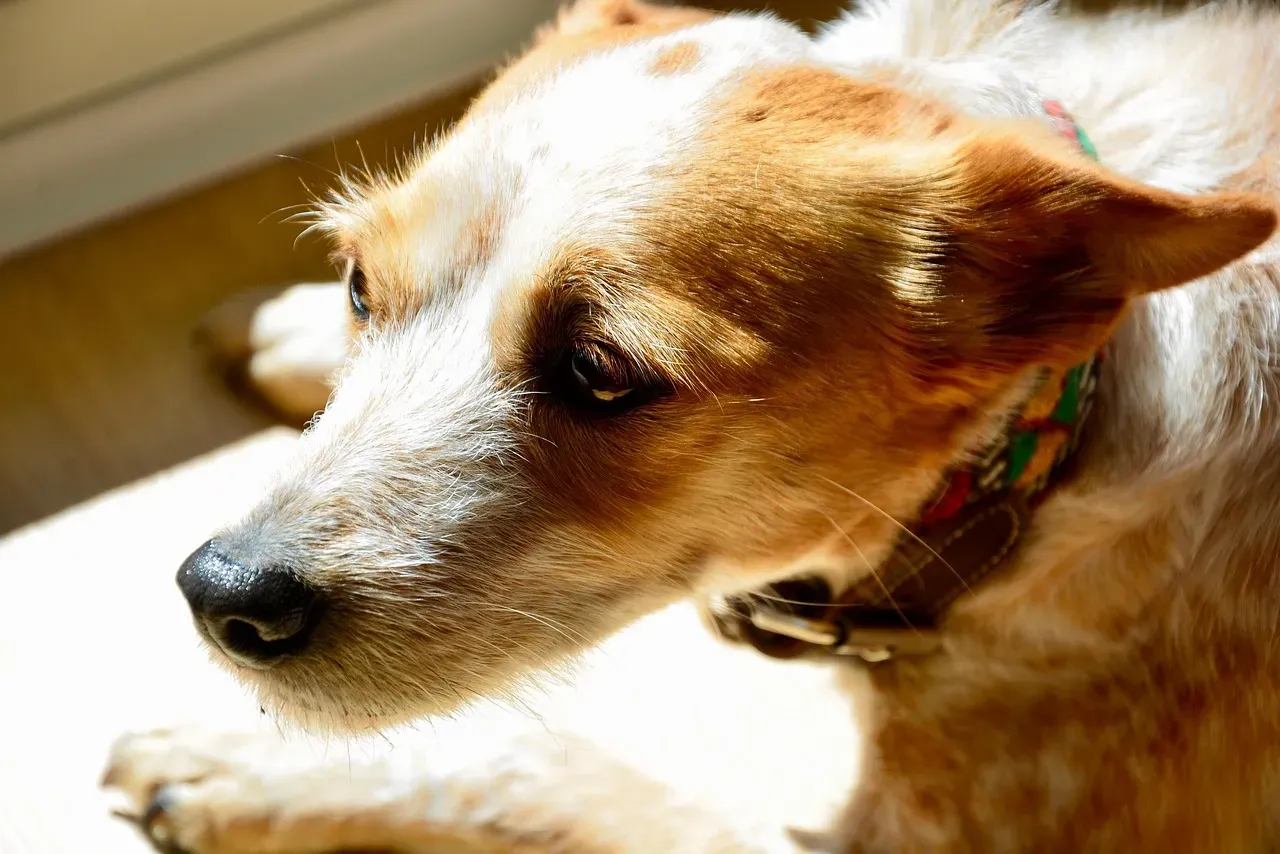
There’s a meaningful difference between a dog who loves your company and a dog who cannot cope without it. Dogs can exhibit anxiety through a wide range of behavior problems, including signs of distress such as whining, howling, barking, pacing, house soiling, or destroying household items after their owner leaves. While at home, dogs with separation anxiety often prefer to be in the same room as their owners and start becoming stressed when they see their owner preparing to go out.
It is estimated that roughly one in five dogs have separation anxiety, so if this pattern sounds familiar, you’re far from alone. If your dog has separation anxiety, you can gradually desensitize them to being left alone. Start by first just walking out of the room and immediately coming back, then gradually increase the amount of time that you are out of sight. Patience and a structured plan matter more than quick fixes here.
Sign 2: Body Language That Shrinks Inward
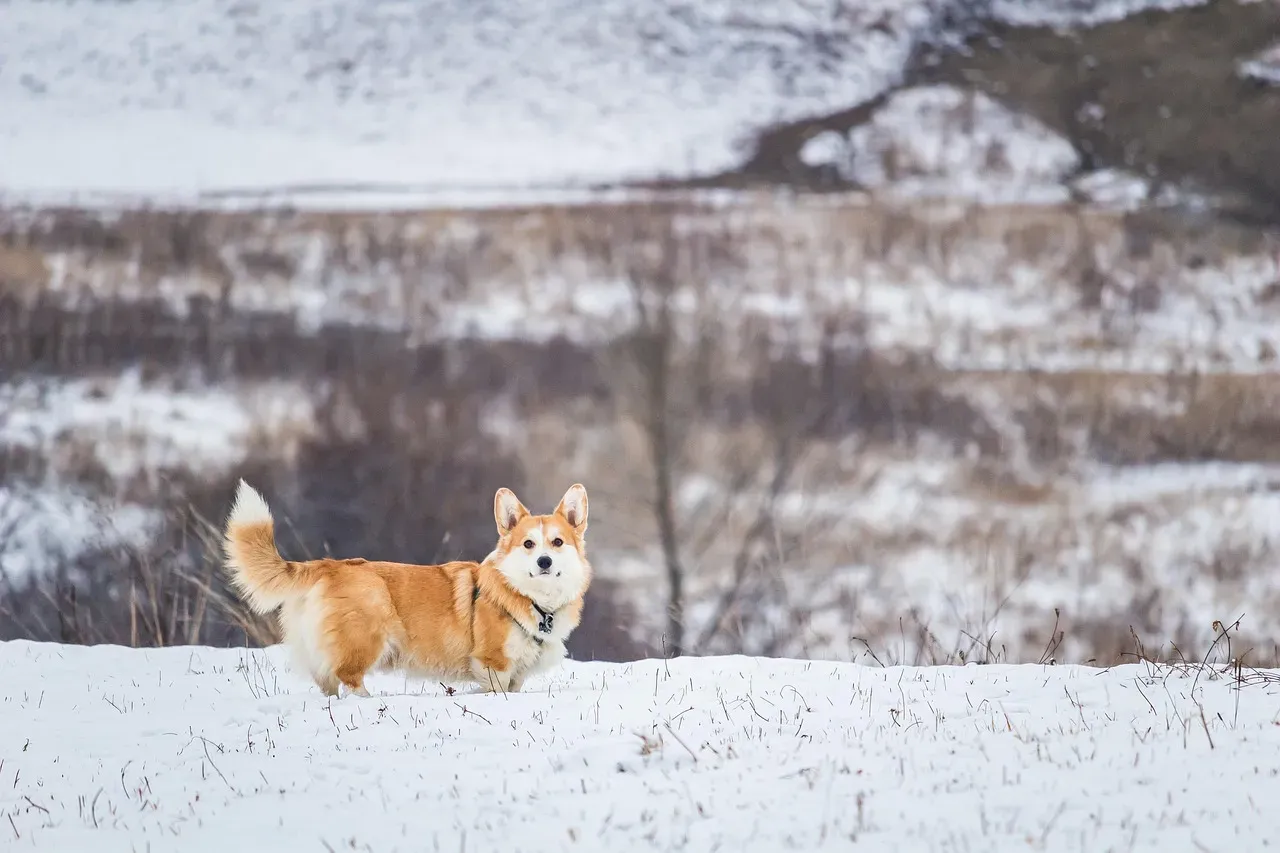
When a dog feels uncertain, their body tells the story before their behavior does. A low or tucked tail, sometimes held tight against their belly. Ears flattened and pinned back against their head. A lowered body posture, maybe a slight crouch. Body tension or stiffness, where they look less fluid in their movements. These are calming signals and fear signals happening simultaneously.
Tucking the tail is a clear sign they are feeling nervous, scared, or extremely stressed. The tail covers the scent glands, which are often used in confident greetings, and tucking it away is an action of feeling vulnerable. If you see this posture regularly in your dog, start identifying the trigger. Removing or desensitizing them to that stressor is the most direct path forward.
Sign 3: Displacement Behaviors Like Yawning and Lip Licking
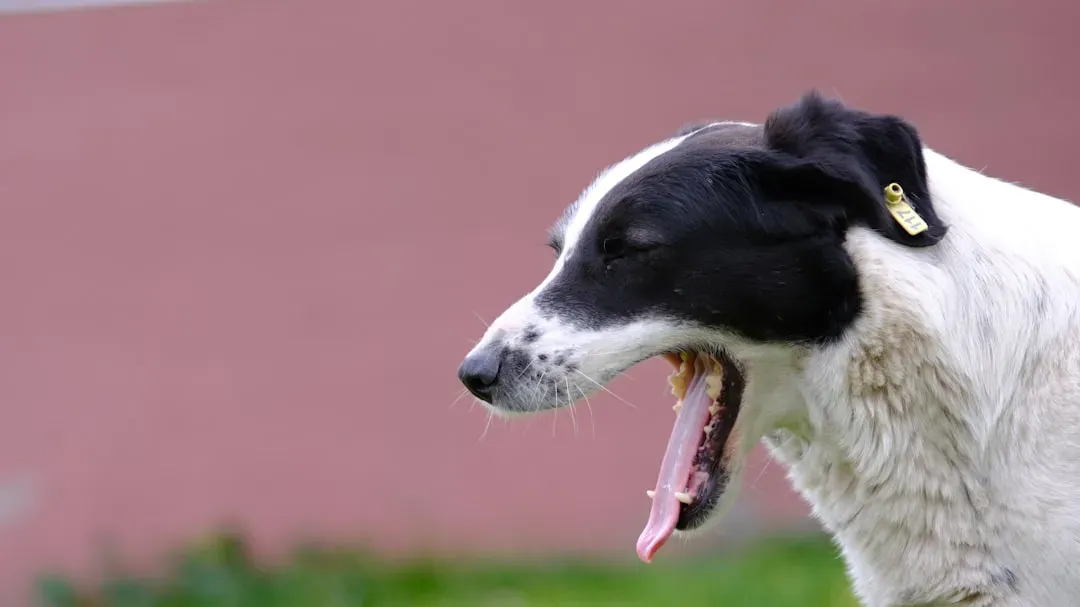
Some of the most overlooked signs of uncertainty in dogs are also the most subtle. Common displacement behaviors are yawning when not tired, stretching when not stiff, rapid blinking when nothing is in the eye, sneezing when there is nothing bothering the nose, and sniffing the ground or scanning the environment when there is nothing of interest or when nothing has happened. These are easy to miss or dismiss as random.
Lip licking isn’t just about food. A quick, subtle flick of the tongue over the lips, especially when no food is present, is a common displacement behavior. When you notice these signals, pause and look at the environment. If you see frequent lip licking, tongue flicks, or repetitive yawning, use this as your cue to check the environment. Address the potential trigger quickly to prevent the anxiety from escalating.
Sign 4: Withdrawal, Restlessness, or Sudden Loss of Interest
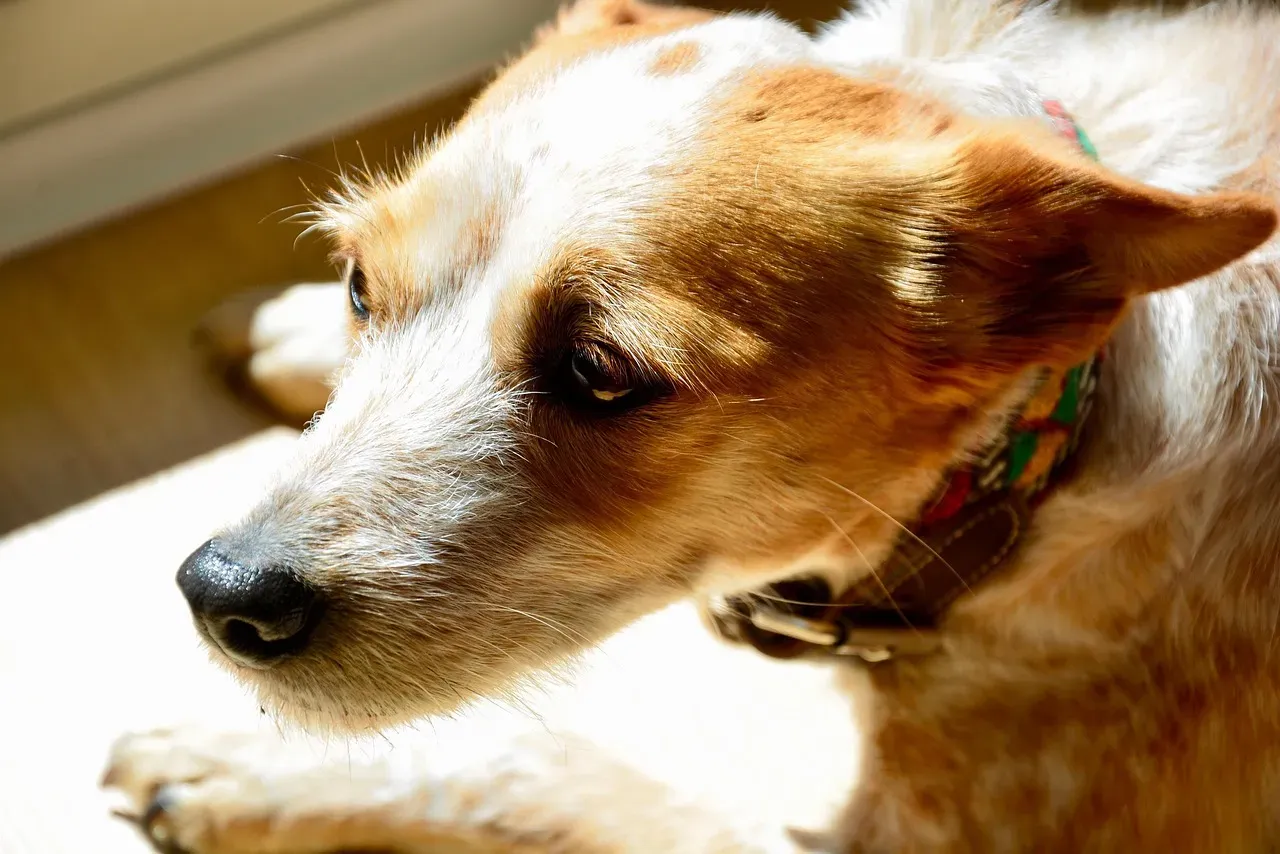
An anxious dog may pant, pace, tremble, drool, withdraw from its owner, or hide. Alternatively, they may appear irritable or aggressive, such as barking or growling at someone. When a reliably social dog suddenly pulls away or hides under furniture, something has shifted in how safe they feel.
Dogs that are anxious all the time may become depressed or irritable, sleep more, and may lose interest in food, training, play, and social interaction. Chronic anxiety may also lower a dog’s threshold for allergies, inflammatory bowel diseases, and other medical problems. This is why these signs deserve attention rather than dismissal. The best way to help an anxious dog is to first schedule a vet visit to check for medical causes, such as pain, inflammation, or disease.
Conclusion: Read the Full Picture
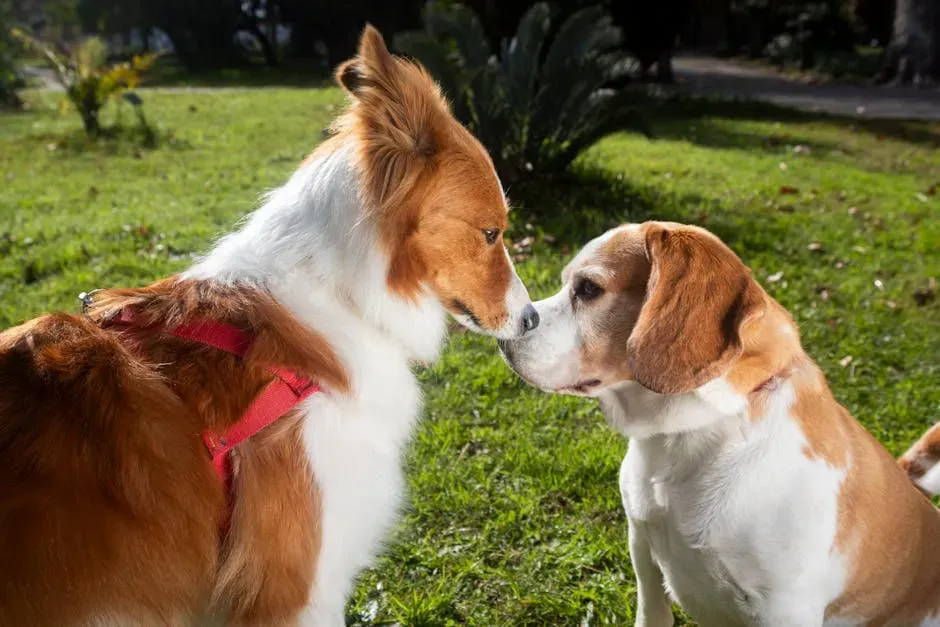
Your dog is communicating with you constantly. The tail wag at the door, the soft eyes during a quiet evening, the check-in glance mid-walk. These aren’t random moments. They’re the language of a relationship built on trust, routine, and genuine affection. Understanding the science behind your dog’s loyalty allows you to appreciate the depth of their devotion. By acknowledging their evolutionary history, biological mechanisms, and emotional intelligence, you can foster a relationship built on mutual respect, trust, and love.
The four signs of uncertainty are equally important. A dog who feels unsure isn’t being difficult or dramatic. They’re asking for help in the only way they know how. Recognizing fear or anxiety in your dog can help you resolve or avoid situations they find difficult. If you can recognize the first signs of fear or anxiety in dogs, you’ll be able to help your dog avoid the things that worry them and keep everyone in the family, including your dog, feeling safe.
Loyalty runs both ways. The more fluently you read your dog, the better you can show up for them with the same reliability they offer you every single day. That quiet, daily attentiveness is the foundation of everything.


