
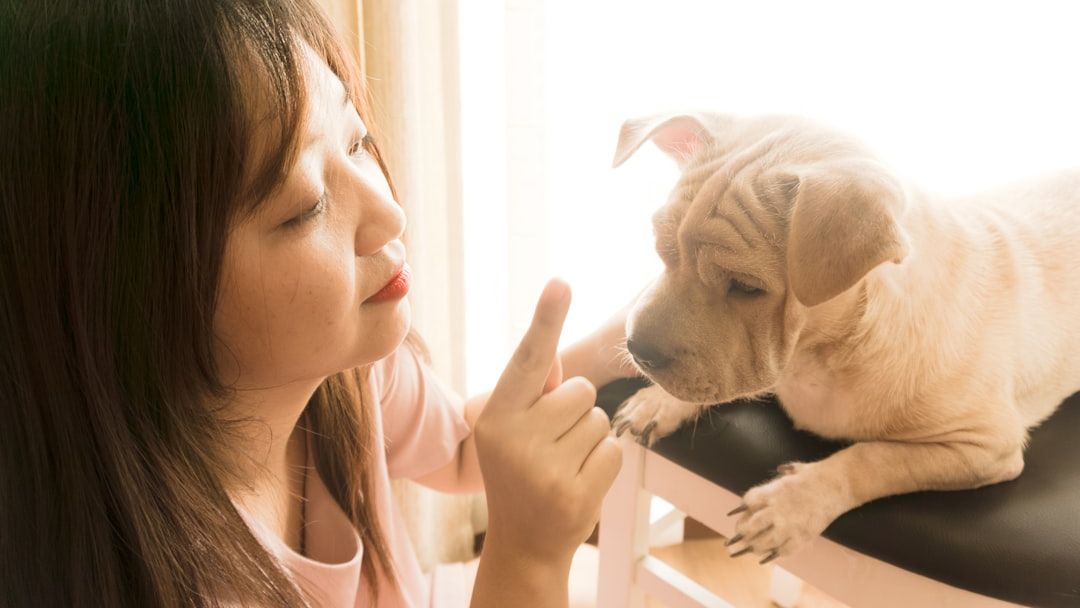
Most dog owners feel the love. The tail wagging when you come home, the warm body pressed against your legs on the couch, the way they look at you like you’ve personally hung every star in the sky. It’s impossible to miss those big, obvious moments. The thing is, they’re saying it far more often than that – quietly, subtly, in small gestures that happen dozens of times a day and barely register.
Dogs have a rich emotional language. It just doesn’t look like ours. Dogs do communicate clearly, as long as you know what to look for. From nose to tail, they use their entire bodies to convey how they feel. Once you learn to read those signals, you’ll realize your dog has probably been pouring their heart out to you this whole time – and you’ve been too busy scrolling your phone to notice.
#1: The Soft, Slow Gaze That Holds Just a Moment Too Long
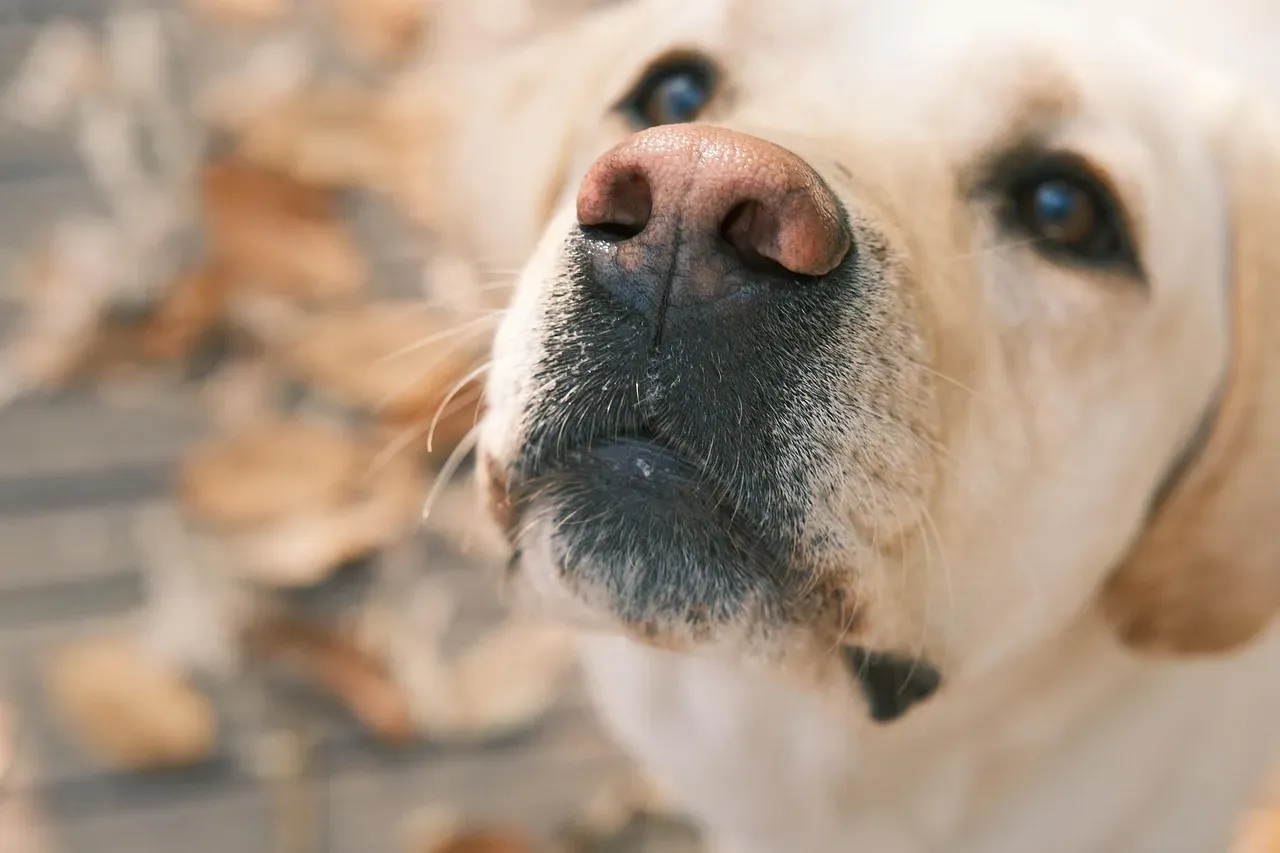
You’ve probably caught your dog just staring at you from across the room, not wanting anything in particular, just watching. That isn’t random. Dogs often stare into their owners’ eyes as a sign of love and affection. This behavior releases oxytocin in both dogs and humans, and it strengthens the bond between the two. When your dog looks into your eyes, it’s a way for them to communicate their love and affection toward you.
Research shows that mutual gazing can help create an emotional bond between humans and their canine companions. Long exchanges of glances increase the level of oxytocin – the hormone that plays a role in maternal bonding, trust, and altruism – and strengthen the bond between owner and dog. It’s the same hormone that bonds parents to newborn babies. Your dog, essentially, is bonding with you the way a mother bonds with her child. That’s worth pausing on.
If your dog is making eye contact with you, blinking, and maintaining a calm and relaxed demeanor, they are trying to express their love to you. The key word there is “calm.” It’s important to recognize their body language in conjunction with these signals – if your dog is making eye contact while looking stressed or agitated, there’s a chance they’re uncomfortable and trying to tell you something else.
#2: Bringing You Their Favorite Toy (Not to Play, Just to Share)
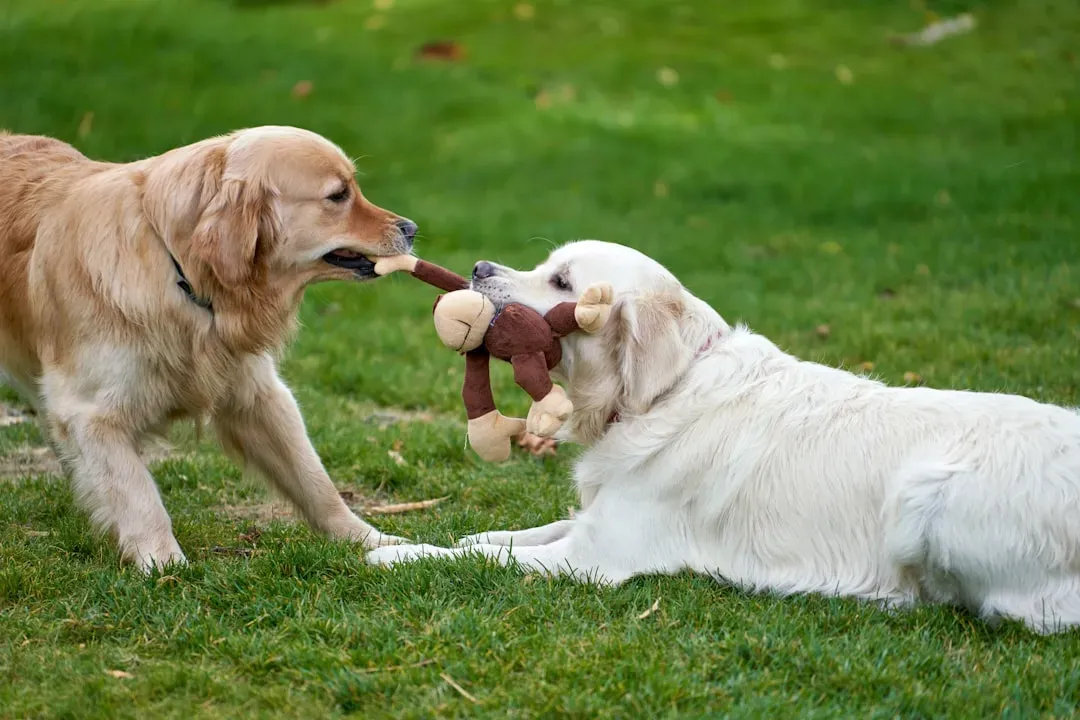
This one gets misread constantly. Your dog drops a slobbery tennis ball or a worn stuffed animal into your lap and you assume they want a game of fetch. Sometimes they do. But often, they don’t take it back when you offer it. They just wanted to give it to you. Dogs will often give gifts to the leaders of their pack to show affection, respect, and trust. They can be possessive of their belongings, so trusting you with their favorite toys could be their way of expressing their faith in you to take care of their treasured items.
Sticks, toys, socks, leaves – dogs love to share what matters to them. When they offer you something, they’re saying, “This is important to me, and so are you.” It’s a gesture of generosity from a creature whose world is largely defined by what they possess and who they trust. If your dog welcomes you home with one of their favorite toys in their mouth, it’s a sure sign of affection. By sharing something they value, they’re indicating that you are also a valued member of their pack. It’s often an invitation to play, showing how they value interaction with you.
#3: Leaning Their Weight Against You
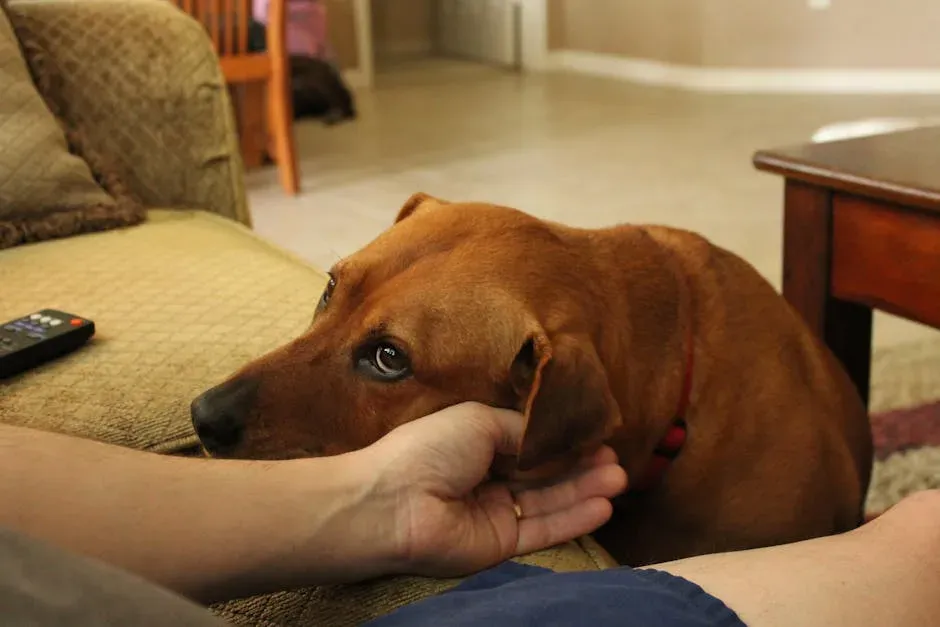
Some dogs do it so casually you barely notice – they just sort of drift into your leg and stay there. No fanfare, no demand. Just weight. When a dog leans on you, it’s a sign of affection and trust. By leaning on you, your dog is saying, “I feel safe and secure with you.” This behavior is often seen in dogs who have a strong bond with their owners.
When a dog leans on you, it shows trust and the desire for closeness. Dogs lean on people for comfort and to feel secure. This act indicates they feel safe around you. Leaning is their way of seeking affection and support from you. Think of it less like a demand for attention and more like a quiet confession. If your dog leans their body weight against you or rests their head on your lap, it’s a sign of trust and attachment. They only do this with people they feel comfortable and secure around.
#4: Following You From Room to Room
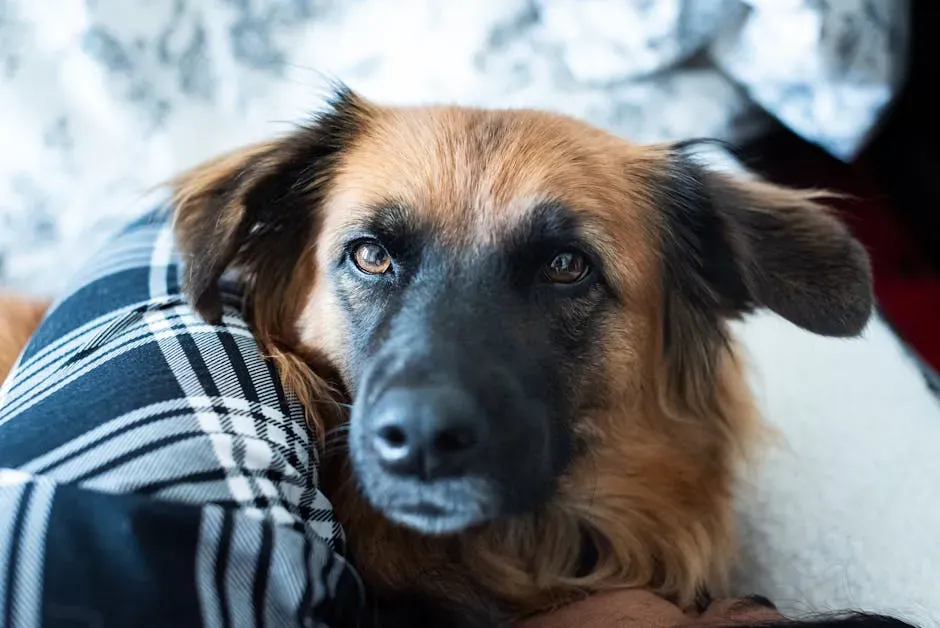
The dog who trails you to the kitchen, the bathroom, and back to the couch again – this behavior has a name in dog-owner circles: the “Velcro dog.” If your dog follows you everywhere you go, it’s a sign of their love and attachment to you. They want to be near you and be a part of your life. Following you is also a way for your dog to feel secure and protected.
Following you around can be their way of saying that they trust you, love you, and cannot do without your company. It stems from pack instinct, but over thousands of years of domestication it has deepened into something more personal. Dogs that follow their humans from room to room often do so out of love and trust – not just food motivation. It’s a classic pack mentality behavior. Worth noting, though, if the behavior feels excessive or anxious rather than relaxed, it’s worth mentioning to a vet, since it can occasionally signal separation anxiety.
#5: Checking In on You During Walks
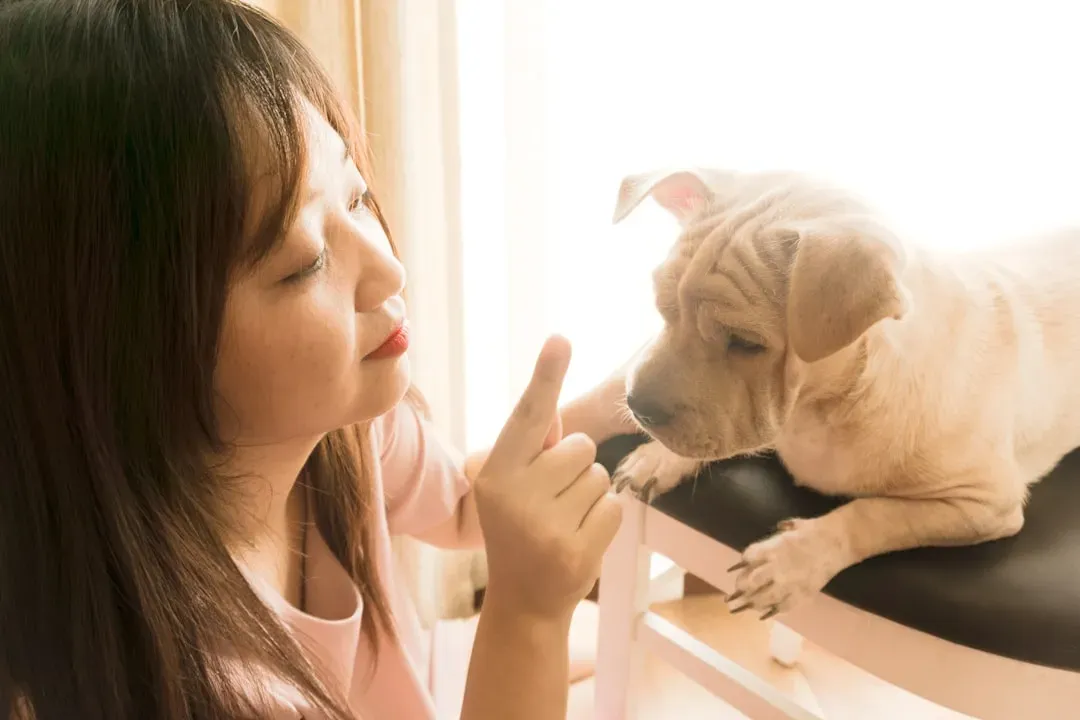
On the trail or around the block, your dog charges ahead with their nose to the ground – and then turns around to look at you. It happens so quickly and so consistently that most owners don’t register it as meaningful. It is. While your dog excitedly charges ahead on walks, chances are they turn around every so often and look back at you. That’s because your dog wants to check that you’re safe and keeping up. Your dog considers you part of their family and wants to make sure that no loved one gets left behind.
If they often double back to check on you during walks or playtime, it shows their strong bond with you. These behaviors signal comfort, security, and trust – the foundation of a healthy relationship. It’s a small, repeated act of loyalty that happens multiple times on every single walk. Most people never consciously notice it. Now that you know, you probably will.
#6: Licking You Gently and Calmly
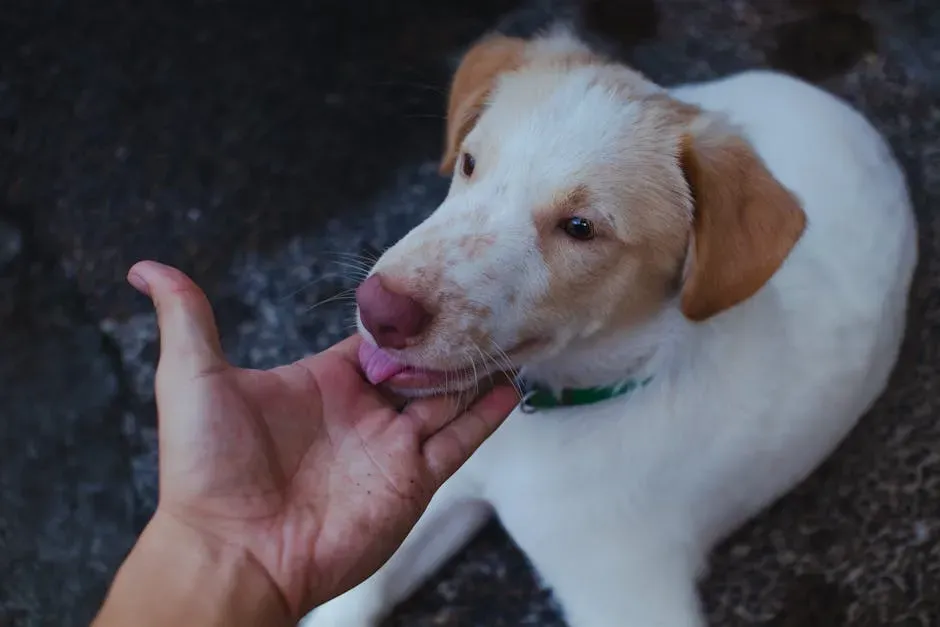
Licking gets complicated because it means different things in different contexts. The frantic, frenzied licking when you arrive home is excitement. The kind we’re talking about here is quieter – the slow, deliberate lick on your hand when you’re sitting beside them, the light nudge of a tongue on your cheek. Licking is a bonding behavior. Dogs connect through grooming, taste, and scent. It can also be a sign of anxiety, but dogs can find licking calming, allowing your pup to feel safe, settled, and grounded.
Licking can mean affection, submission, or even a desire for attention. Frequent, calm licking – especially after you return home – is a strong sign of love. Context always matters. Many dogs use licking, or giving “kisses,” to bond with their favorite people. If your dog gives you gentle licks, it’s likely their version of saying “I love you.” The gentleness is the giveaway. It’s not frantic or distressed. It’s just affection, offered quietly.
#7: Sleeping Near You or Choosing to Be in Your Space at Night
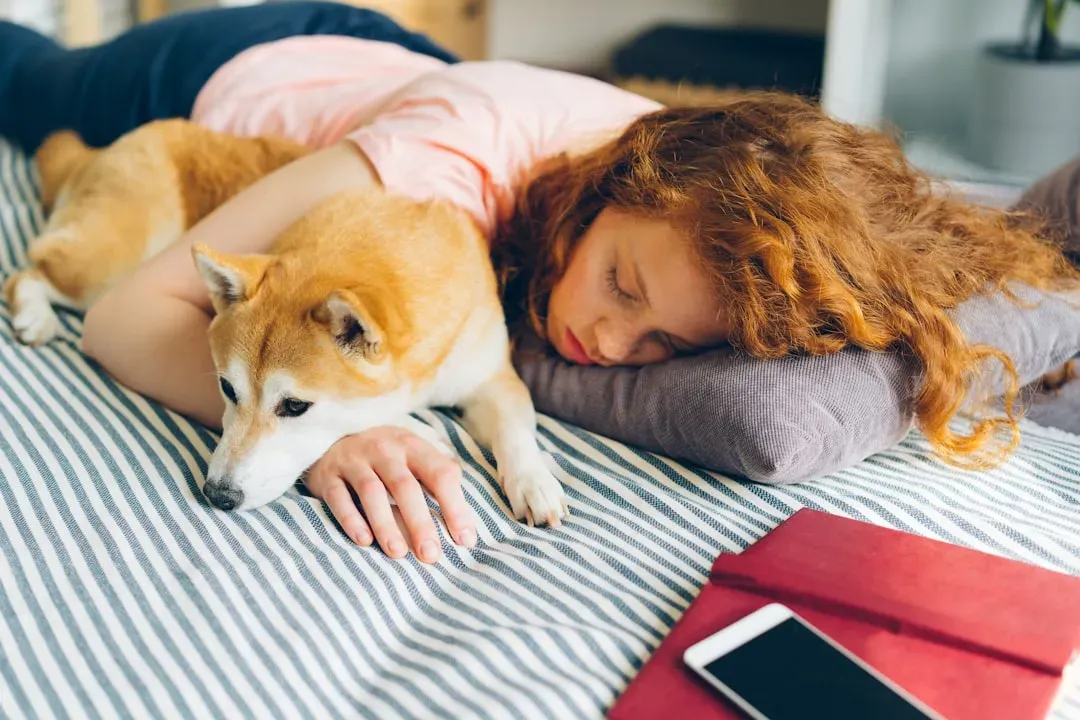
Whether your dog shares your bed, sleeps at the foot of it, or simply curls up in the same room, they’re making a deliberate choice every single night. Sleeping together with their pack is a natural instinct for dogs and something they did as newborn puppies with their littermates. Your dog wanting to sleep next to you – either in your bed or in your room – is a sign of affection and closeness.
If your four-legged friend sneaks to your side at night, it means they consider you a member of their pack. Most dogs have a strong protective instinct toward their owner and want to watch over them. The fact that they are ready to snuggle with you is a sign that they feel safe and entrust you with the role of “protector” for the night. A dog that chooses to be vulnerable in sleep beside you is giving you something genuinely precious.
#8: Mirroring Your Emotions Without Being Trained To
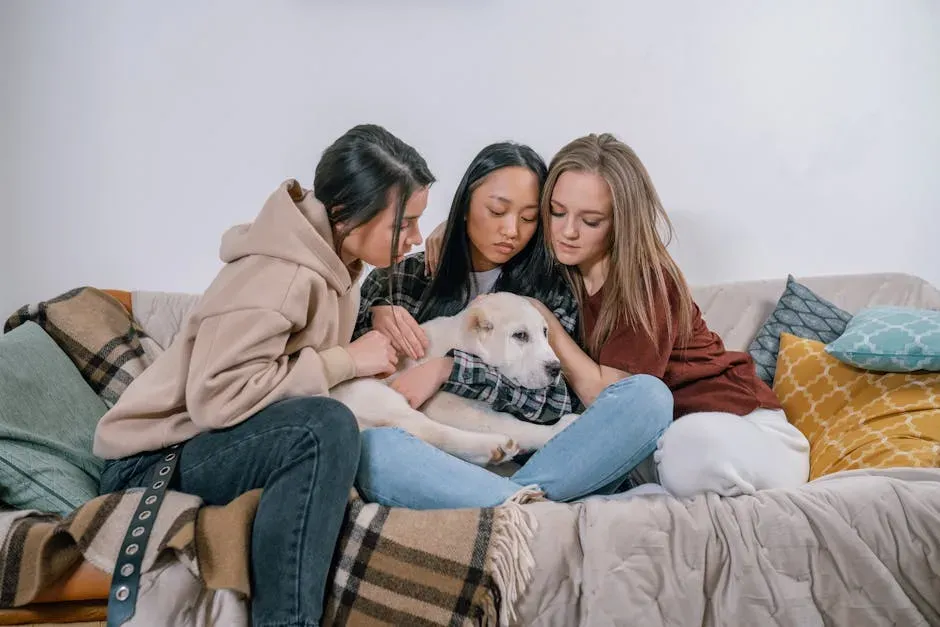
Notice how your dog gets quieter when you’re sad? How they seem to pick up the energy in a room before anyone has said a word? That’s not coincidence. Research has shown that dogs often mimic our emotions, a phenomenon known as emotional contagion, which is another way they show love. Additionally, studies indicate that when dogs make direct eye contact with their owners, it triggers the release of oxytocin in both the dog and human.
Dogs can understand human emotions to a certain extent and even show empathy. This is why your loyal companion may lie next to you, touch you, and try to comfort you when you are feeling sad, depressed, or anxious. Scientists don’t yet understand all the nuances of canine emotions, but studies show that dogs do indeed exhibit empathetic behaviors when humans show sadness. Dogs are expert emotional readers. If you’re sad, your dog may cuddle closer. If you’re excited, they’ll often reflect that joy. This emotional sync is one of the most profound expressions of love.
#9: Sniffing You When You Get Home
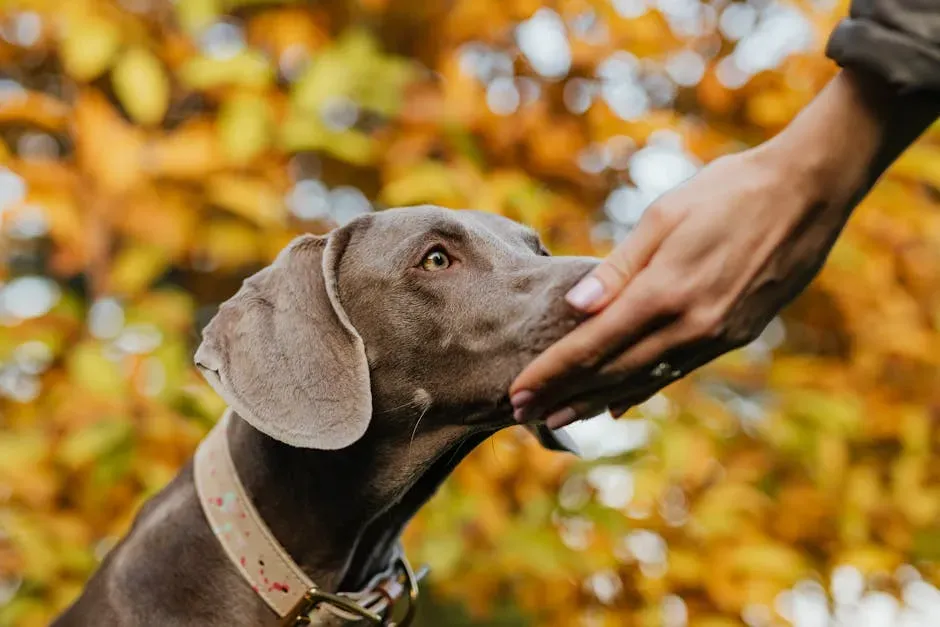
The full-body sniff inspection you receive every time you walk through the door isn’t just your dog being nosy. It’s something much more intimate. Dogs who are emotionally attached to their owners love their owners’ scents – and anything that has their smell on it. If your dog raids your shoe pile or laundry basket for items that smell like you, it may be because they just love you and want to be reminded of you wherever they go.
When dogs smell the odor of their owners, as compared to other odors, the caudate nucleus – known as the reward center of the brain – showed activation. “This provides important clues about the importance of humans in dogs’ lives,” the researchers concluded. Your scent essentially lights up the reward center of your dog’s brain. Scientific data indicates that dogs get positive emotions from the smell and voice of their owners. Your smell is, quite literally, one of the best things in your dog’s world.
#10: The Social Yawn and Subtle Mirroring
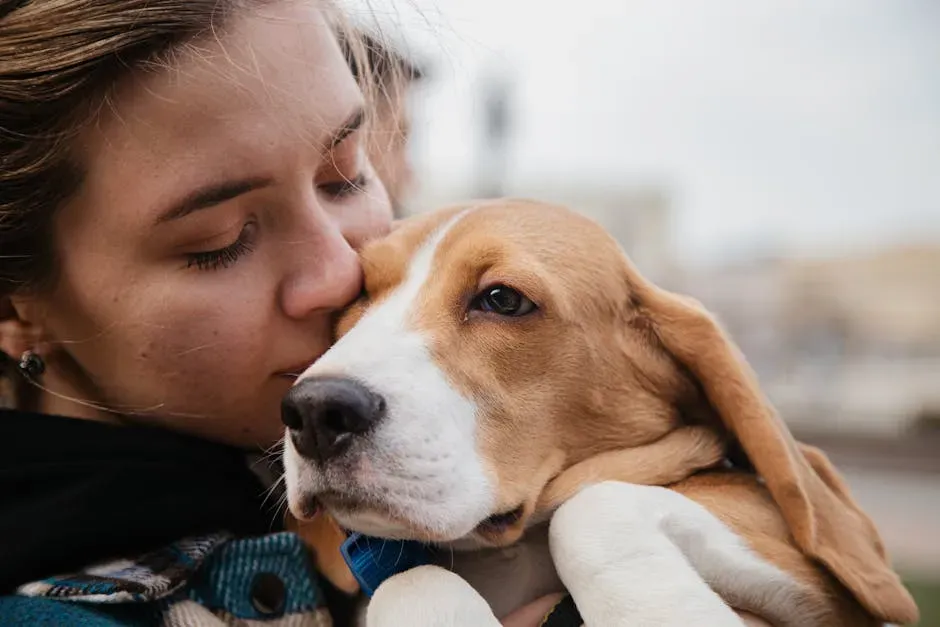
This one is genuinely surprising. If your dog yawns right after you do – not because they’re tired, but in a relaxed, quiet moment – that’s not a fluke. When your dog yawns right after you do (especially outside of sleepy times), this is a form of canine empathy. Studies show that dogs will “mirror” their owners’ yawns as a sign of loyalty and emotional connection, demonstrating social bond strength.
It’s a level of attunement that’s rare across species. Research using MRI scans has revealed that dogs process emotions using similar brain regions and neurotransmitters as humans. This biological similarity helps explain why the emotional connection between dogs and their owners feels so genuine and profound. Dogs that yawn in sync with you, or subtly match your posture or pace, are doing something socially sophisticated: they’re tracking you, staying in emotional step with you, choosing you as their social reference point. Most owners chalk that up to coincidence. It isn’t.
A Final Thought Worth Sitting With
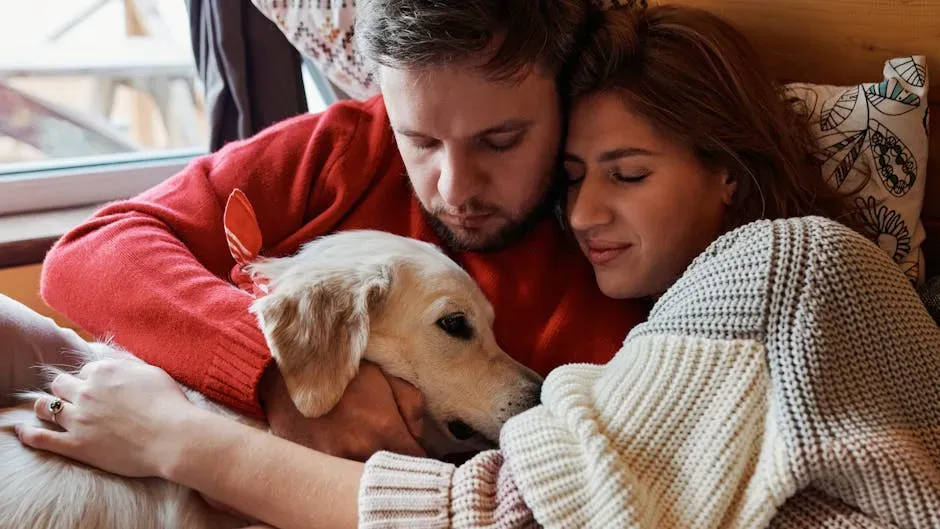
The case for your dog’s love isn’t built on one grand gesture. It’s built on a hundred small ones that happen throughout every ordinary day. The bond you share with your dog is built on trust, loyalty, and countless small moments that often go unnoticed. While dogs can’t express love in words, they show it clearly through their actions and behavior.
Here’s the honest opinion: we often underestimate our dogs. We project our own communication style onto them and then feel vaguely uncertain whether they really love us or just like that we hold the food bowl. The science says otherwise, clearly and repeatedly. These actions are backed by biological responses, including the release of oxytocin during positive interactions. Oxytocin is released in both dogs and humans during positive interactions, especially during eye contact. This hormone strengthens emotional bonds and creates feelings of trust and attachment between species.
Your dog isn’t waiting for the perfect moment to show you they love you. They’re already doing it constantly, in the lean against your leg, the soft gaze across the room, the quick glance back on the walk. The only thing missing has been you knowing how to look. Now you do.


