
10 Ways Your Dog Shows They’ve Finally Learned to Trust You After a Difficult Past
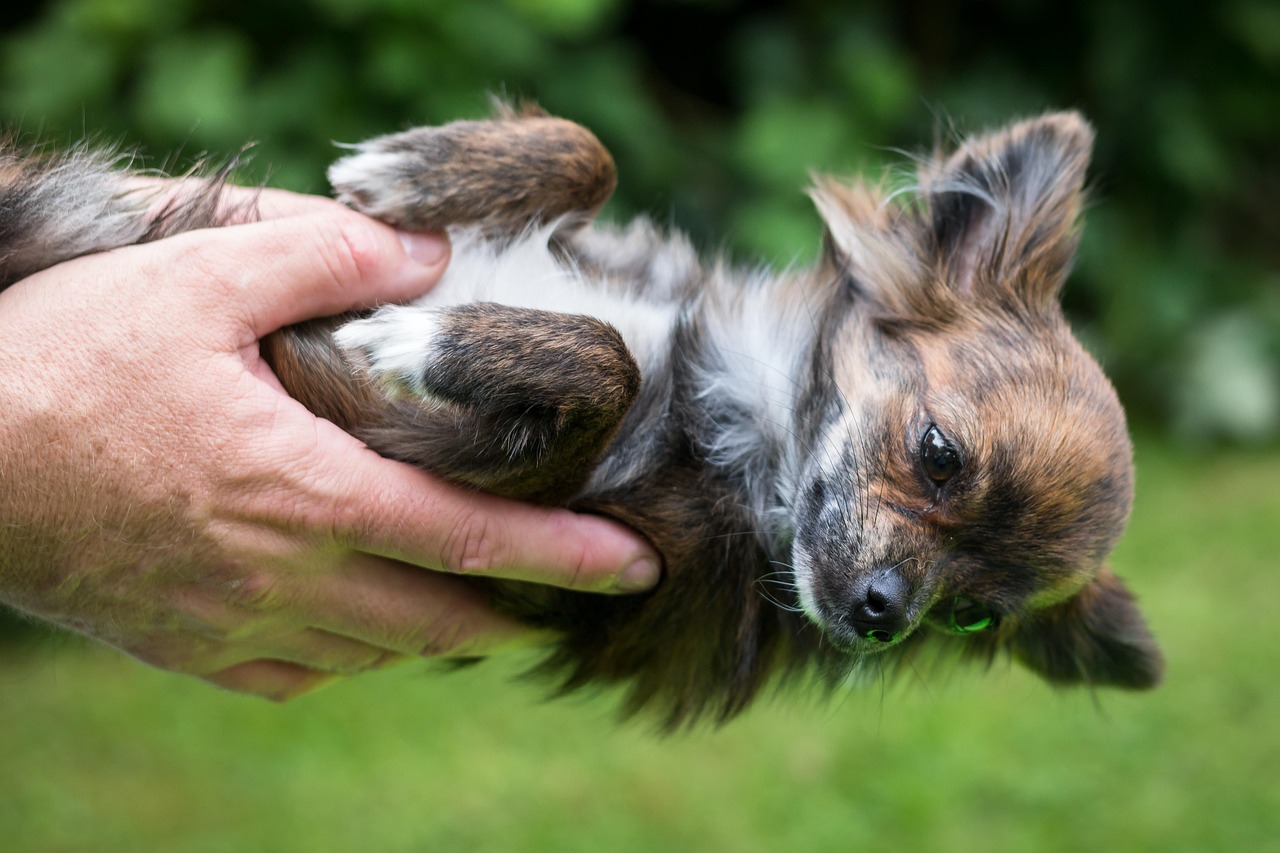
There’s a quiet kind of magic that happens when a dog with a hard history finally exhales in your home. It’s not a single moment with dramatic music in the background; it’s a patchwork of tiny changes, almost invisible at first, that slowly add up to one huge truth: they trust you now. If you’ve ever shared your life with a dog who came from neglect, chaos, or fear, you know that trust is not a given – it’s earned, piece by piece.
I still remember the first time a deeply shut-down foster dog fell asleep with her back pressed against my leg; it felt more meaningful than any adoption paper I’d ever signed. That’s the thing about traumatized dogs: their trust doesn’t look the same as an easygoing puppy’s trust. It shows up in subtle, surprising ways. Here are ten of the clearest signs your dog is finally starting to believe that with you, they’re safe.
1. They Finally Relax Enough to Sleep Deeply Near You
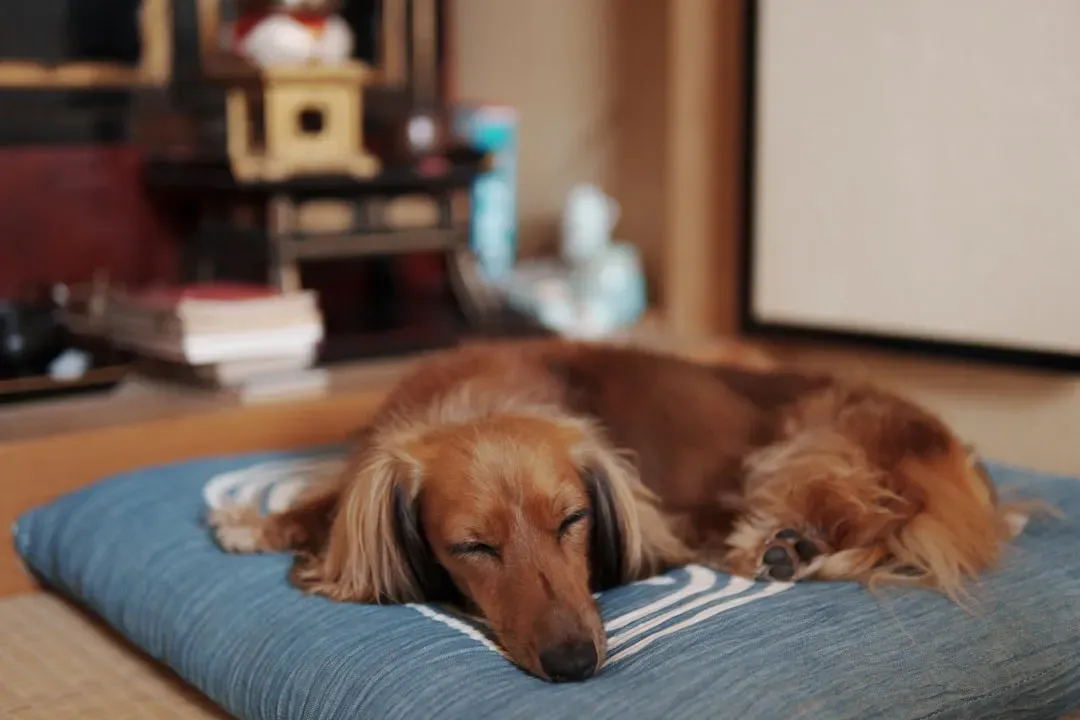
One of the most powerful signs of trust is not flashy at all: it is sleep. Dogs are at their most vulnerable when they are deeply asleep, so a dog with a rough past may only nap lightly, flinch at every sound, or choose corners where they can keep watch. When you start seeing your dog sprawled out on their side, even exposing their belly, with muscles loose and breathing slow while you move around the room, that’s a loud and clear statement that they no longer expect danger.
You might also notice they change where they sleep. Maybe they slowly migrate from the hallway to the foot of your bed, or from under the table to the couch right next to you. This shift is huge: it means they now believe that being close to you does not increase the risk of something bad happening; it lowers it. In their mind, you’ve become the safe base where they can finally let their guard down.
2. Their Body Language Softens Around Your Hands
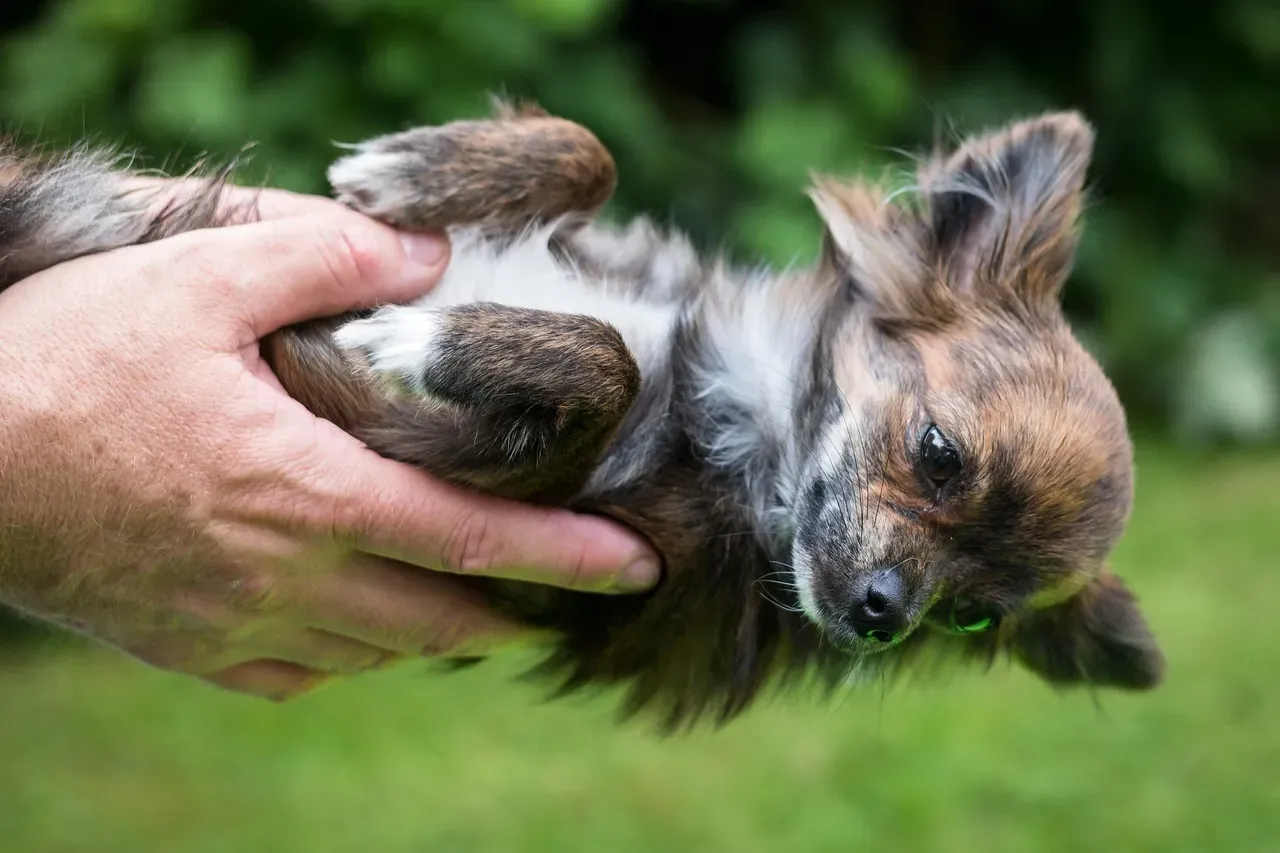
For many dogs with a painful history, human hands are complicated. Hands may have grabbed, shoved, or hit them in the past, so it makes sense they could flinch, duck, or freeze when you reach out. Watching that reaction fade over time is one of the clearest markers of growing trust. Instead of stiffening or pulling away, they may start leaning into your touch, nudging your hand with their nose, or even guiding your palm to their favorite scratching spot.
Look at the small details: the looseness of their jaw, the way their eyes blink slowly instead of staring, the little sigh they let out when you rub their ears. A dog who used to tolerate touch like a necessary evil but now actively seeks it is telling you that your hands have been recoded in their mind. They’re no longer instruments of threat; they’re the source of comfort, warmth, and maybe even a sneaky treat or two.
3. They Start Choosing You Over Hiding Spots
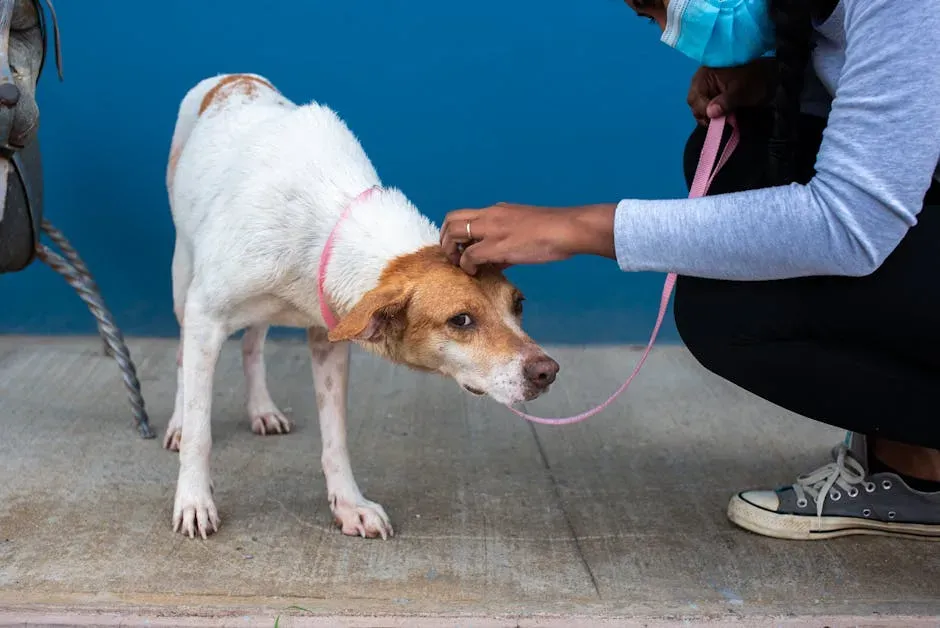
Dogs who come from stressful or abusive situations often become experts at disappearing. They hide under beds, behind furniture, or in crates not because they’re antisocial, but because those spaces feel predictable and controllable. In the early stages, you may notice that whenever something changes – a loud noise, a new visitor, even you standing up too quickly – they bolt to their “safe cave” and stay there until the coast feels clear.
Trust shows up when that pattern starts to reverse. Instead of running away from you, they start moving toward you when they’re unsure. Maybe they press against your leg when the vacuum turns on, or they peek out from their hiding place sooner, checking your face for clues. In those moments, they’re making a choice: “I’m scared, but I think you can help me feel less scared.” That is not just affection; it’s a deep, hard-earned vote of confidence in you as their protector.
4. Their Tail Tells a More Honest, Happier Story
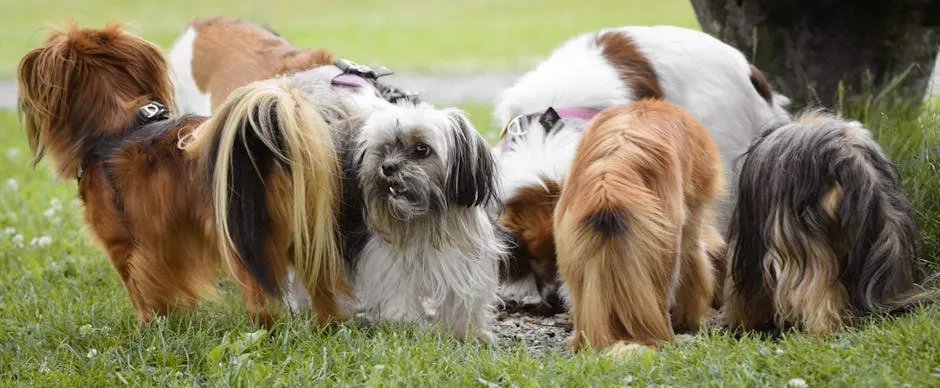
The tail is like a mood barometer, especially in dogs who have been through a lot. Early on, you might see it tucked tightly between their legs, held low, or moving in short, cautious wags that stop the moment anything changes. Many people assume a wag means happiness, but for fearful dogs, a stiff, fast, low wag can actually signal anxiety or appeasement rather than joy. Watching that language evolve is incredibly telling.
Over time, a dog who trusts you will often show looser, more expressive tail movements. You might see wide, sweeping wags when you come home, a gentle sway when you call their name, or that adorable full-body wiggle where the tail is dragging the hips along for the ride. These changes show that their nervous system is no longer stuck on high alert around you; instead, your presence has become something that reliably predicts good things, not just “less bad” things.
5. They Make Eye Contact Without Fear or Freezing
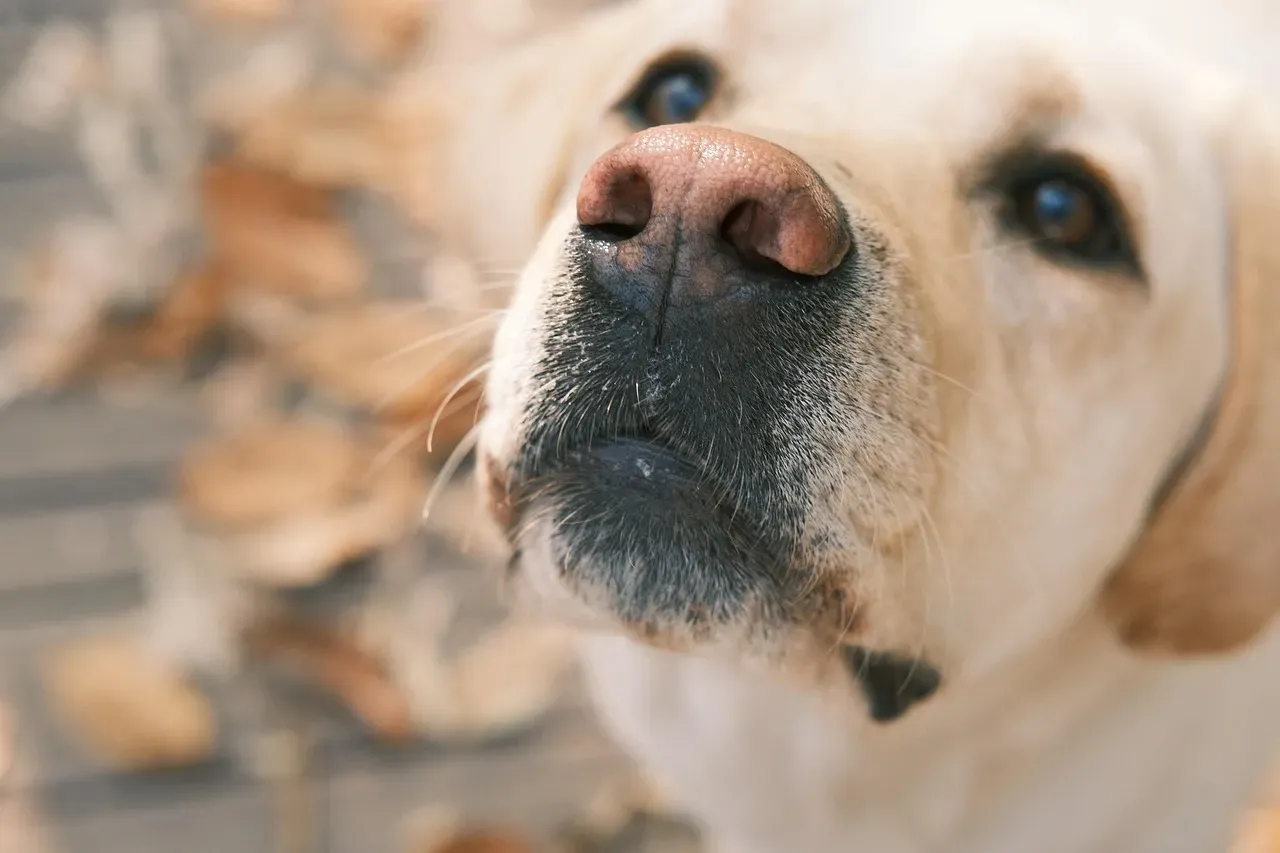
Eye contact can be tricky territory for a dog with a rough background. In dog language, a hard stare can be threatening, and for a scared dog, locking eyes with a human might feel like inviting trouble. Many traumatized dogs will avoid your gaze, flick their eyes away quickly, or stare in a fixed, frozen way that feels almost disconnected. None of that is true, relaxed connection; it’s survival mode.
When trust grows, eye contact changes dramatically. You may notice more of those soft, lingering glances while you talk to them, the kind that feel like they’re really listening. Their eyes will look rounder, the corners softer, often paired with slow blinks and relaxed ears. Some dogs even start using eye contact to “check in” with you: before making a choice, they glance at your face, as if asking whether it’s okay. That’s not just cute; it’s a sign they see you as a partner, not a threat.
6. They Show You Their Playful, Goofy Side
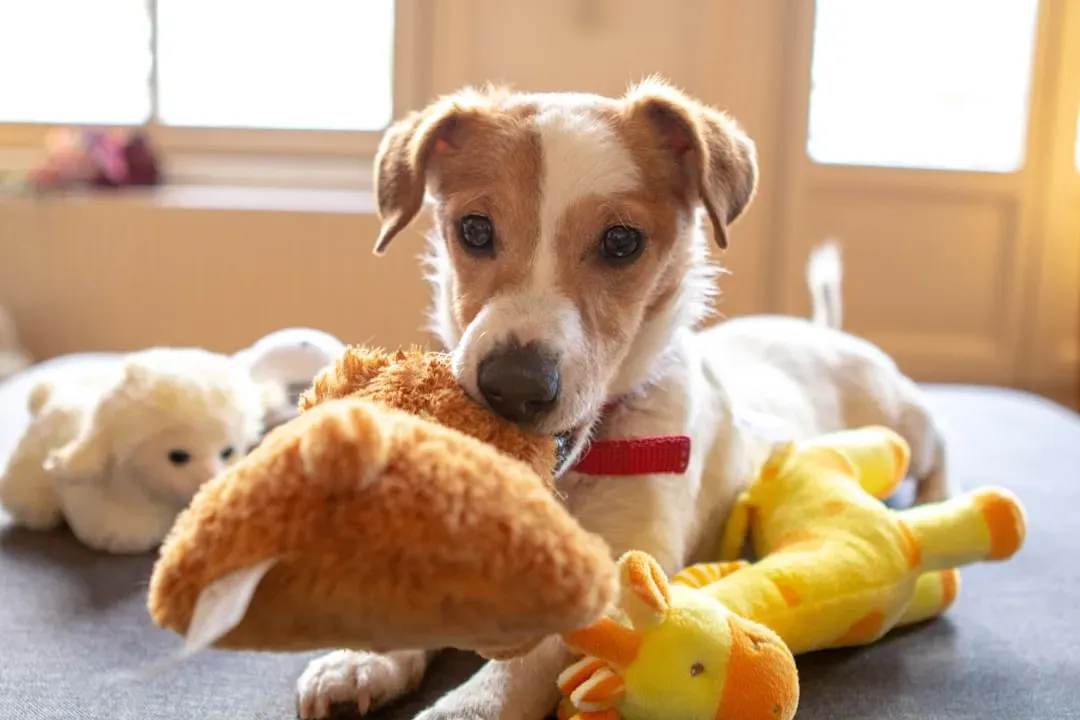
Play is a luxury that anxious or traumatized dogs often cannot afford emotionally at first. When your brain is busy scanning for danger, you’re not exactly in the mood to chase a ball or shake a squeaky toy to death. Dogs with a difficult past may initially seem dull, serious, or uninterested in toys and games, which can be heartbreaking to watch. It’s easy to assume that’s just their personality, but quite often it’s actually a symptom of fear and shutdown.
That’s why the first real play bow or silly zoomies session can feel so special. When they suddenly bounce around the living room, toss a toy into the air, or invent some ridiculous game involving your slipper, what you are seeing is not just energy – it is emotional safety. They feel safe enough in your home and with you to be vulnerable, ridiculous, and loud. In a way, their inner puppy has finally decided it is safe to come out and look for fun.
7. They Can Handle Small Disappointments Without Falling Apart
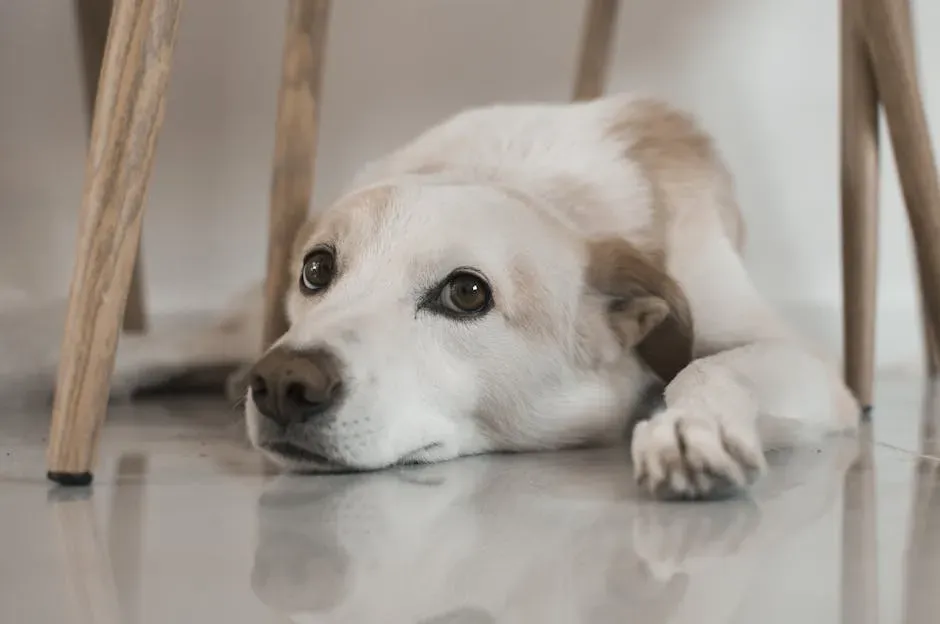
Dogs with difficult histories often struggle with frustration and change. A simple thing like closing a door, withholding a treat, or leaving the room can trigger outsized reactions because in their past, those small cues might have predicted abandonment or harm. They might whine, panic, shut down, or show frantic behavior whenever something doesn’t go their way. It is not “bad behavior” so much as a nervous system that has only known chaos.
Trust shows itself when your dog starts to tolerate these little letdowns without spiraling. Maybe they grumble when you end playtime, but then they settle on their bed instead of pacing anxiously. Maybe you put the treat back in the jar and they simply look disappointed, not undone. This might not be as instantly heart-melting as cuddles, but it is a profound sign: they now believe that even if something good pauses or ends, you are not going to turn into the nightmare they remember. You have become predictable in the best possible way.
8. They Seek You Out for Comfort When They’re Scared or Unsure
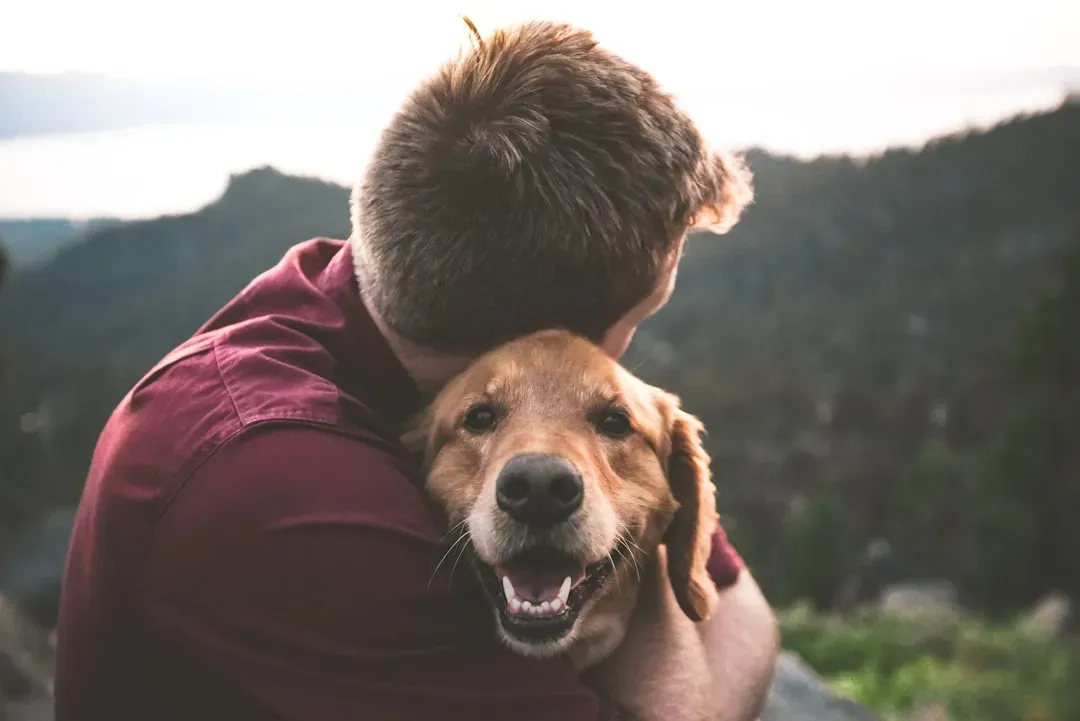
One of the most beautiful markers of trust is where your dog goes when the world feels too big. In the beginning, a dog with a rough past may cope by disappearing, shutting down, or self-soothing at a distance. Thunderstorm? They hide in the bathroom. Fireworks? They curl up alone behind the couch, unreachable. In their mind, other beings, including humans, are part of the danger, not part of the solution.
As they begin to see you differently, their coping strategy shifts. The next time a thunderstorm rolls in, you might feel a wet nose nudge your arm, or find your dog wedged against your side on the couch, shaking but present. At the vet’s office, they might angle their body toward your legs instead of away. That is trust in raw form: they still feel fear, but now believe that your presence can help regulate it. You become their emotional anchor rather than just another scary unknown.
9. Their Routine With You Becomes a Source of Joy, Not Just Survival
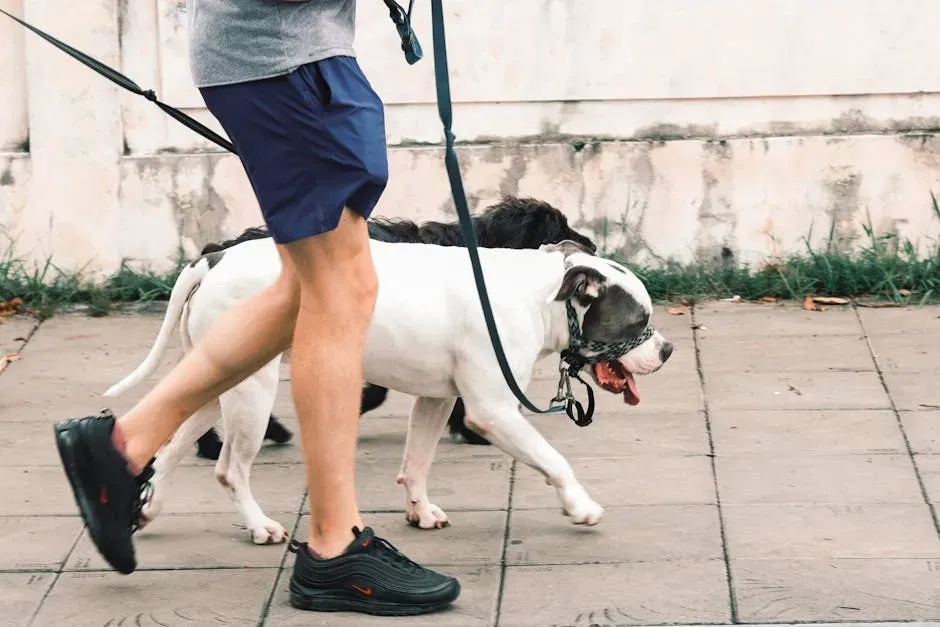
In unstable or neglectful environments, daily life is unpredictable at best and terrifying at worst. Meals might be irregular, interactions with humans inconsistent or harsh, and rest difficult to come by. When you bring a dog like this home, routine is not just a training strategy; it is therapy. Regular feeding times, gentle walks, and honest patterns of behavior from you slowly teach them that the world does not have to be chaotic.
Trust shows up when that routine stops feeling like mere survival and starts looking like genuine anticipation. Watch their reaction to familiar cues: the jingle of the leash, the sound of the food bag, the way you grab your shoes before a walk. If they trot over with a relaxed body, tail waving, and an eager but not frantic energy, it means these daily moments have become a series of promises kept. You have become the reliable center of their world, and they wake up expecting good things rather than bracing for the worst.
10. They Start Showing You Their Own Opinions and Boundaries
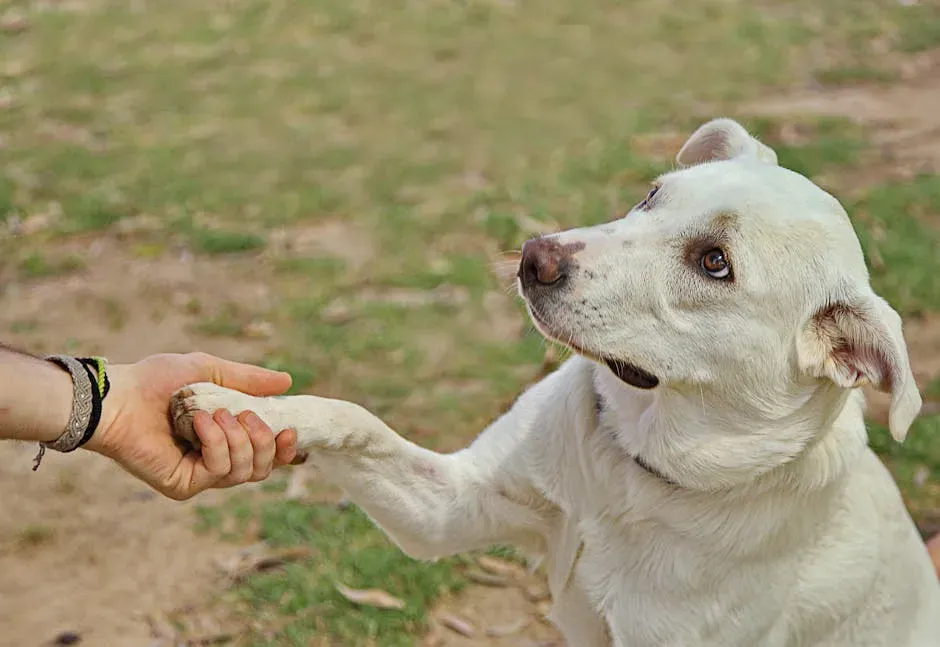
This last one can surprise people, but it might be the strongest sign of all: a once-traumatized dog who trusts you will eventually feel safe enough to disagree with you. In the beginning, many fearful dogs become overly compliant or shut down, almost like they are walking on eggshells around you. They may never bark, never protest, never push back, not because they are “perfect,” but because they are terrified of making a mistake.
When trust takes root, you may see more honest behavior. They might nudge your hand away when they have had enough petting, refuse a certain route on a walk, or bark to express discomfort with a stranger. As long as it is not aggressive or dangerous, this is actually a healthy sign that they feel secure enough to be themselves. They are no longer just surviving you; they are in a real relationship with you, one where their own needs and preferences finally have room to exist.
Conclusion: Trust Is Slow, Messy, and Completely Worth It
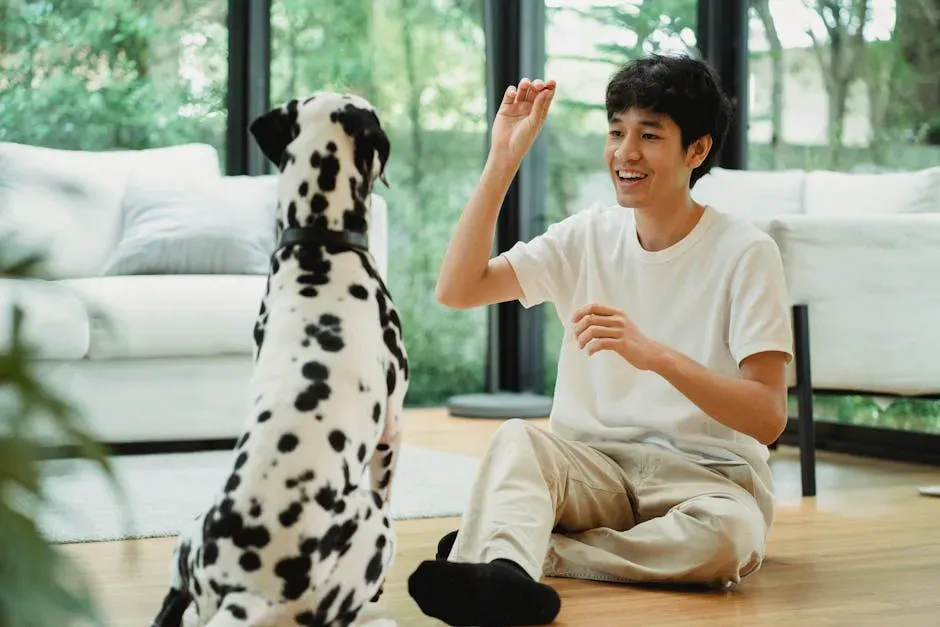
Living with a dog who carries old wounds is not a straight-line journey from scared to healed; it is a slow, looping climb with setbacks, plateaus, and sudden, beautiful breakthroughs. In my opinion, the dog-human relationships built on this kind of patient, hard-won trust are some of the deepest bonds we can experience with another species. Anyone can love an easy dog; choosing to love the wary, the shut-down, and the complicated is a quiet act of rebellion against everything that hurt them before you.
If your dog only shows a few of these signs so far, that does not mean you are failing; it just means the story is still being written. Trauma does not run on a schedule, and no two dogs unfold in exactly the same way. What matters most is that you keep showing up, consistently kind, endlessly predictable, and willing to listen to the small ways they say yes or no. One day you will notice that without any big announcement, they stopped living like a visitor and started acting like the home was theirs all along – and honestly, is there any better feeling than that?