

There’s a reason people have trusted dogs with their lives for thousands of years. It isn’t just loyalty, and it isn’t just training. Dogs carry something inside them that’s hard to name precisely – a wiring that connects their senses to a kind of silent vigilance, operating long before any human would register a problem. Most of us chalk it up to a bark here or a nudge there and move on. We’re missing far more than we realize.
Dogs are incredibly good at reading situations, using their extraordinary senses to pick up on things we might miss. The behaviors they use to warn and protect us aren’t random. They’re a language, and once you learn to read it, what your dog has been trying to tell you all along might genuinely surprise you.
#1. Alert Barking That Means Business
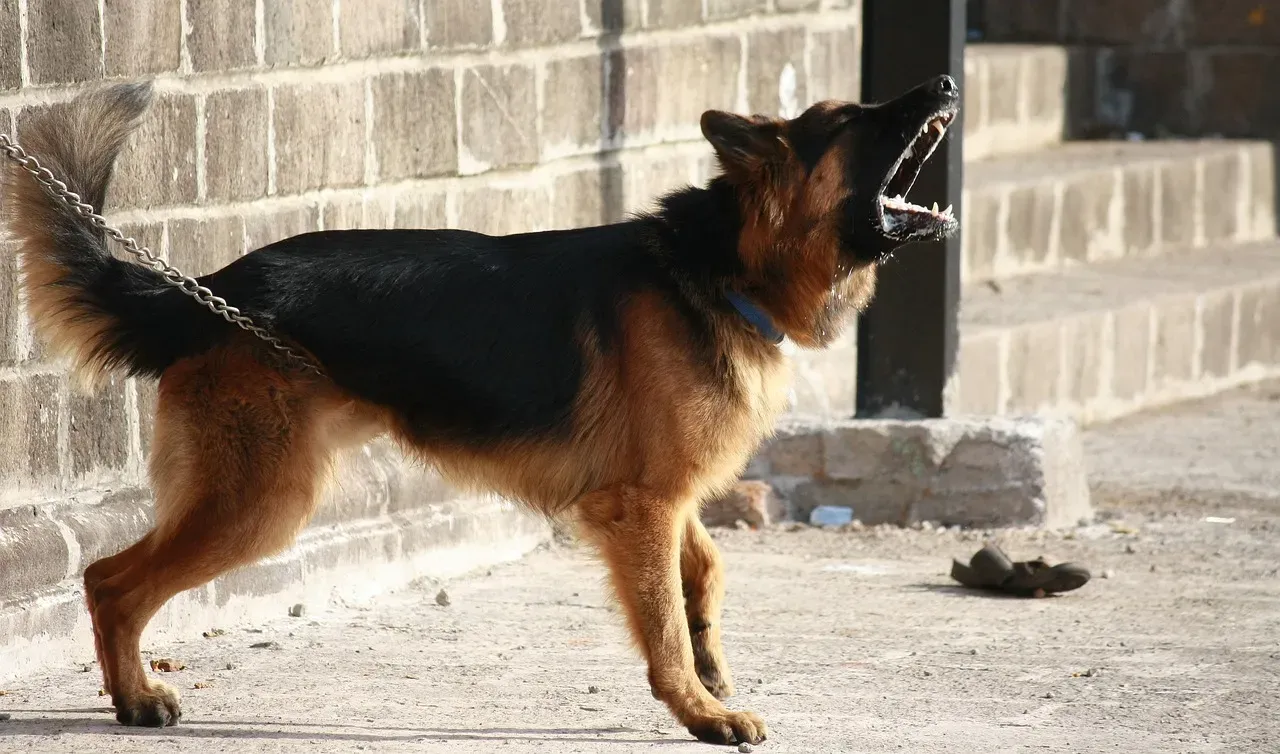
One of the most evident ways dogs alert us to danger is through their barking – but not all barks are created equal. A sudden, persistent barking that doesn’t seem to align with usual triggers like a passing car or mailman could be a sign of trouble. Most owners learn to tell the difference over time, because the tone shifts in a way that’s hard to ignore once you’ve heard it.
Dogs might bark in a more frantic or high-pitched manner when they sense something unusual – this isn’t just noise, it’s a call to attention. Dogs are very protective of their owners and what they perceive as their territory, so barking is the first step to alert their owners of possible intruders. If your dog is barking persistently at a door, a wall, or even empty air, it’s worth pausing and taking the cue seriously rather than dismissing it.
#2. Physical Positioning Between You and a Threat

A protective dog often positions themselves between their owner and what they perceive as danger. If a stranger approaches you on a walk, your dog might stand directly in front of you to block access. This isn’t accidental. It’s ancient pack biology playing out in real time, right in the middle of your afternoon stroll.
This can be a subtle move, such as standing in front of you when someone approaches, or more pronounced, like pushing you away from an unfamiliar situation. This behavior indicates that your dog is actively safeguarding you from what it perceives as danger. It’s their way of saying they’re on guard and ready to shield you from harm. That gentle body block deserves your attention, not a reprimand.
#3. Intense Staring at Nothing You Can See

Dogs have a way of communicating with their eyes, and an intense stare can be a warning sign. If your dog suddenly stops what they’re doing and begins to stare intently at a particular spot, it could mean they’ve sensed something you haven’t. This behavior is akin to a detective honing in on a clue.
One primary way dogs convey information about potential threats is through eye contact. A dog’s eyes can be incredibly expressive; they often use them to gauge our emotions or intentions. When a dog perceives danger, it may intensify its gaze towards the person or object causing unease. This sustained eye contact serves as a silent yet powerful warning signal for its owner to pay attention and possibly take action. What looks like your dog zoning out is often anything but.
#4. Growling as a Warning, Not Aggression
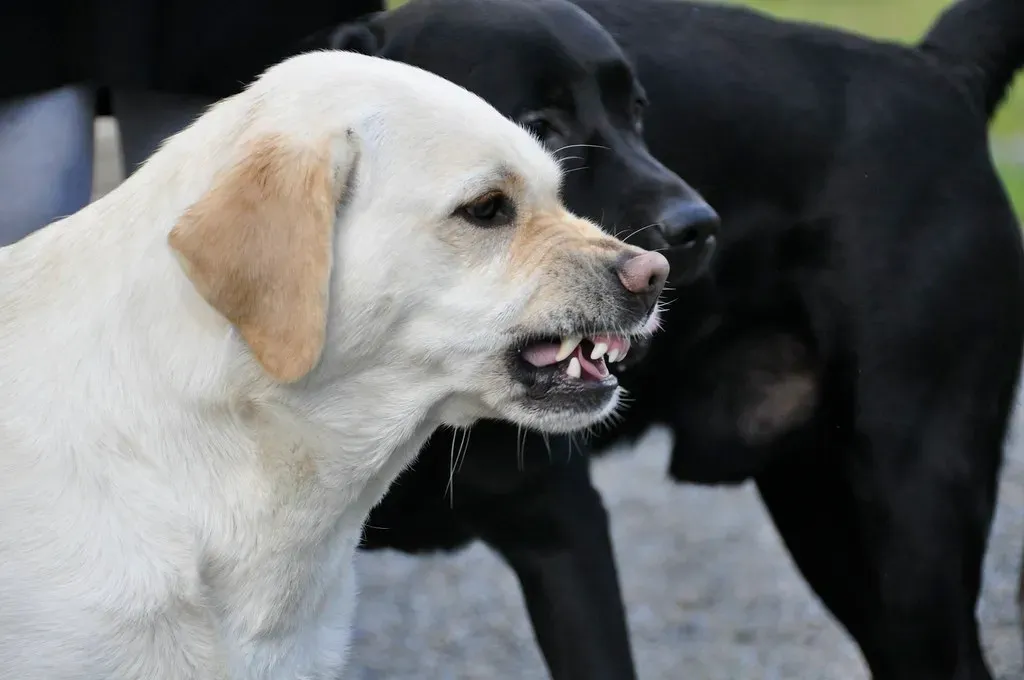
When a dog growls in certain situations, it’s not just expressing unease – it’s also trying to protect you by warning off whatever it perceives as dangerous. Growling should not be punished, as it’s a crucial way dogs communicate their boundaries and warn before potentially escalating to more aggressive behaviors. Understanding and respecting this warning allows owners to safely remove themselves and their dogs from potentially threatening situations.
Growling is a dog’s way of expressing discomfort or warning. When your dog starts growling at seemingly nothing, it can be an unsettling experience. However, this behavior often indicates that they’ve picked up on something you haven’t. Much like an instinctive reaction to a sudden loud noise, their growling serves as an alert. Punishing a growl silences the warning without removing the danger – that’s a mistake worth avoiding.
#5. Becoming Unusually Clingy or “Shadowing” You
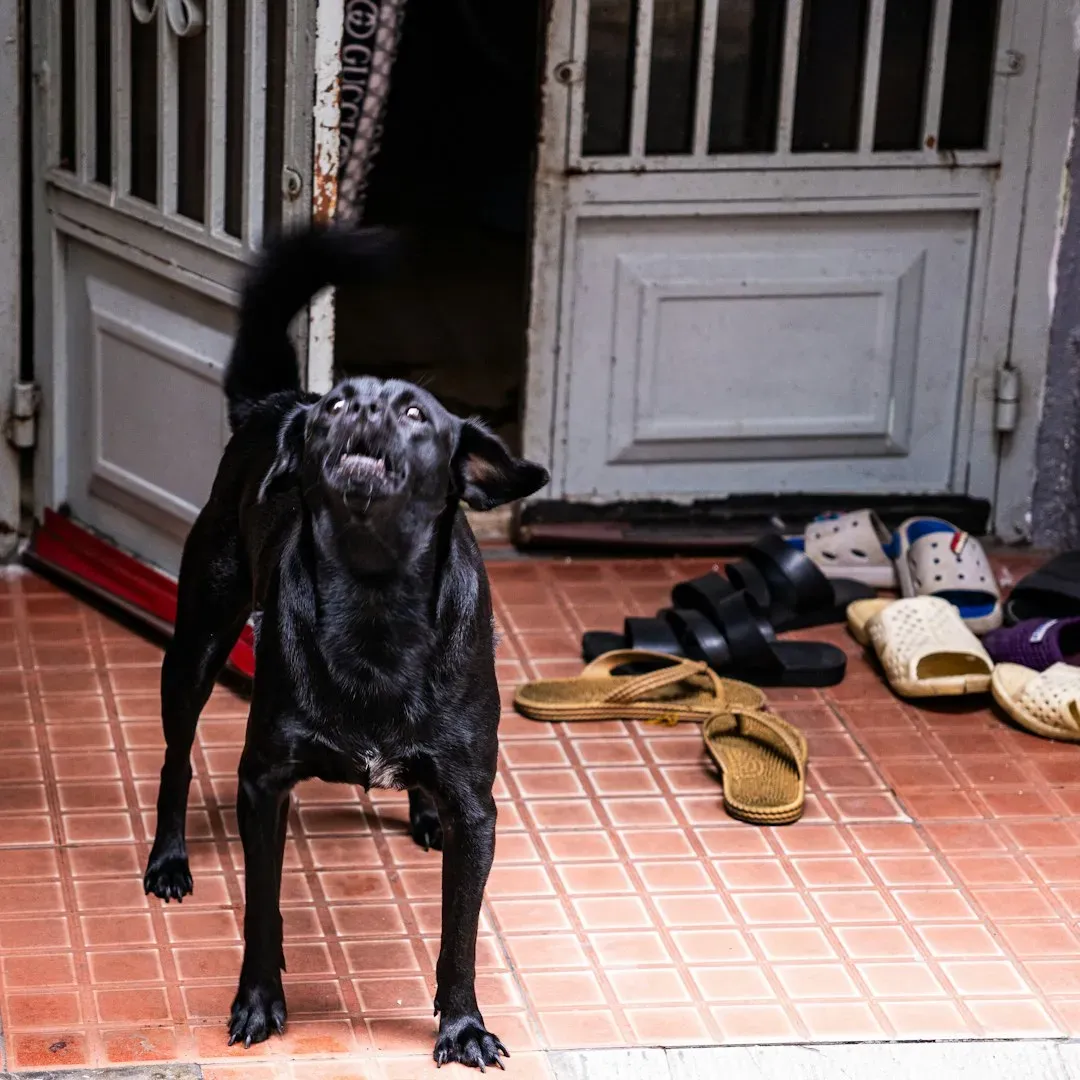
When a dog follows you closely, particularly in unfamiliar environments, it’s often a sign they’re trying to protect you. This behavior, known as “shadowing,” ensures they’re always close enough to intervene if a threat arises. It demonstrates their commitment to your safety and readiness to act as your guardian.
Some dogs have been known to alert their owners to health issues, such as low blood sugar, seizures, or heart problems, by whining, pawing, or refusing to leave their side. If your dog suddenly seems overly needy, they might be picking up on something serious. If your usually independent dog suddenly becomes overly clingy, it might be more than just a desire for attention. This behavior can be interpreted as a protective instinct, as they might sense something unusual and feel the need to stay close to you.
#6. Physically Blocking You from Moving Forward

Has your dog ever physically stopped you from moving forward? Some dogs will stand before their owners or even push them away when they sense danger ahead. This behavior is often seen in dogs that detect dangerous animals, unstable ground, or even an unseen threat like carbon monoxide. If your dog refuses to let you pass a certain point, don’t ignore them – take a step back and reassess the situation.
Some dogs will try to guide their owners away from danger or toward something that needs attention. This is especially common in service dogs trained to alert their owners to medical emergencies. However, untrained dogs have also been known to pull their owners in a different direction if they sense something unsafe ahead. If your dog is unusually insistent on leading you away from an area, it might be best to follow them. Their instincts have been refined over millennia – they deserve that kind of respect.
#7. Detecting Health Emergencies Before Symptoms Appear
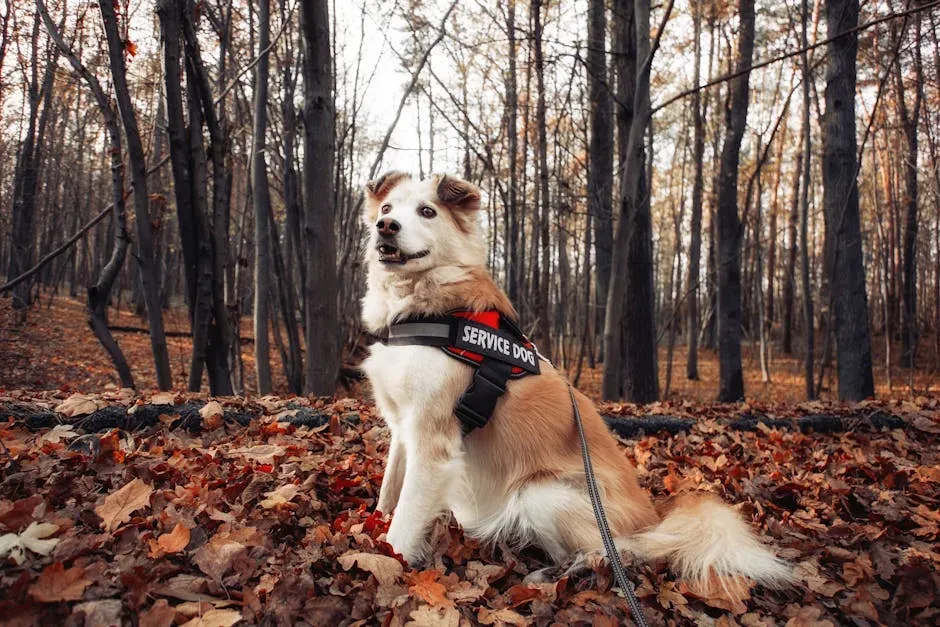
Many dogs have been observed to sense seizures in their owners before they occur, a behavior that has been widely documented. Dogs may sense subtle changes in their owner’s body chemistry or behavior, signaling that a seizure is imminent. Some dogs will become agitated, nudge their owners, or even bark to alert them. The precision of this ability, especially in untrained animals, remains one of the more remarkable documented phenomena in canine behavior.
Seizure response dogs can sense that their handler will have a seizure up to 45 minutes before it occurs, which allows owners to reach a safe place, take medication, or seek help ahead of time. Dogs also use their powerful sense of smell to detect changes in the chemical composition of a person’s sweat when their blood sugar drops. When a dog senses a dangerous drop in blood sugar, they may paw at their owner, bark, or display other anxious behaviors to alert them. This ability allows diabetic individuals to address their low blood sugar levels before a medical emergency occurs.
#8. Sensing Intruders Long Before You Hear Anything

Dogs are natural protectors and have an innate ability to sense dangerous intruders. They can detect an unfamiliar person’s scent or hear unusual sounds that humans cannot. Dogs often become agitated, growl, or bark when an intruder is nearby, warning their owners of a potential threat. This instinct to protect their territory and loved ones makes them invaluable companions when it comes to safeguarding the home.
Multiple studies indicate that homes with dogs face lower rates of theft and vandalism, as burglars are more likely to steer clear of properties with dogs. A study from Ohio State University even suggests that living in a neighborhood with a high number of dog owners can help reduce the risk of criminal activity. Their hearing is much better than ours – they can hear sounds from farther away and at different pitches. Your dog is quite literally running a home security system that no technology has fully replicated.
#9. Reading a Stranger’s Intentions Through Scent and Body Language

Dogs have an uncanny ability to sense when a stranger has bad intentions. They can pick up on subtle changes in behavior, tone of voice, and scent that indicate whether a person is trustworthy or not. Dogs are amazing at reading body language. They continually scan the expressions and movements of people they meet as a way to interpret and anticipate intentions. Even friendly dogs will be able to tell the difference between a visit from a new pet sitter and an ill-intentioned intruder who is sneaking around outside.
Highly trained dogs possess an acute awareness of their surroundings and can detect subtle changes in human behavior that may indicate malicious intent. This ability stems from their keen senses – particularly smell and hearing – which surpass those of humans by leaps and bounds. Their sense of smell is also amazing, allowing them to detect changes in people’s scent that might signal fear or stress. The dog sizing up a stranger at your gate isn’t being unfriendly – it’s doing a thorough security check.
#10. Detecting Storms, Gas Leaks, and Environmental Hazards
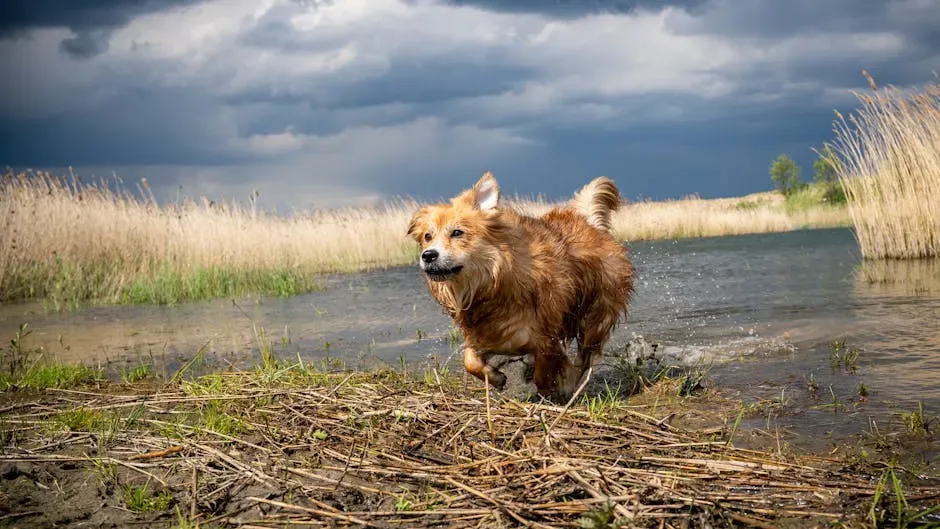
It’s not just natural disasters like earthquakes that dogs can sense; they are also adept at predicting storms and other weather events. Dogs’ sensitive hearing allows them to pick up on the high-frequency sounds that precede a storm, while changes in air pressure may also alert them. As a result, many dogs act nervous or restless hours before a storm strikes.
Sometimes, dogs can sense danger such as gas leaks and the potential for poisoning that accompanies them. In such situations, it’s not uncommon for them to run around and try to alert others that something is amiss. Some dogs react oddly to electronics – barking at TVs, avoiding certain outlets, or acting uneasy around specific devices. Dogs can hear frequencies that humans cannot and may detect something off about a malfunctioning electrical device. Some owners have even reported their dogs warning them before electrical fires by acting anxious or barking at specific outlets. These aren’t quirks. They’re early warnings from a sensor more sophisticated than anything we’ve built.
The Bottom Line: Your Dog Is Always On Watch
There is an honest case to be made that we underestimate our dogs on a daily basis. We see the tail wag, the eager eyes at dinnertime, and the warmth on the couch beside us – and that’s real too. But running underneath all of it is something older, sharper, and genuinely remarkable.
Dogs have been protecting and warning their humans for centuries, and their instincts remain as sharp as ever. Whether barking at an invisible threat, refusing to move forward, or acting completely out of character, their behavior could mean something is wrong. They don’t need words to communicate when they sense danger – they rely on body language, sounds, and unwavering loyalty to get their message across.
The obligation is ours to pay attention. Every nudge, every low growl, every odd stare at a corner of the room is a message delivered in a language we’re still learning to read. The dogs have been doing their part for thousands of years. It’s worth making sure we’re holding up our end of the conversation.


