
Most dog owners already know the basics. Feed them. Walk them. Love them. It sounds simple enough. Yet somewhere between the routine and the rushed moments of daily life, a quiet truth gets overlooked: the small things we do consistently for our dogs are often the most powerful things we can do at all.
Science is catching up to what many longtime pet owners have sensed instinctively. Lifestyle factors have emerged as critical modulators of aging and health outcomes in dogs. Beyond genetic and biological determinants, modifiable behaviors such as nutrition, physical activity, and environmental exposures play a substantial role in shaping how well and how long they live. None of these changes require a vet degree or a major overhaul. They just require paying attention, starting today.
#1: Manage Their Weight Like It Actually Matters – Because It Does

Obesity is a leading health concern for dogs, contributing to joint stress, heart problems, and a shorter lifespan. What’s sobering is how easy it is to let a few extra pounds creep on, especially when those pleading eyes are hard to resist at mealtime. The problem is that extra weight isn’t just cosmetic – it’s systemic.
Obesity has been linked to a shorter lifespan to the tune of about two and a half years less per some estimates, while having a lean body mass is linked to a longer lifespan. That’s not a small number. Measuring their food instead of free-feeding, and incorporating regular exercise tailored to their needs, can help maintain an ideal weight. Start with a simple body condition check: you should be able to feel your dog’s ribs without pressing hard. If you can’t, it’s time to talk to your vet about a realistic weight plan.
#2: Make Exercise a Daily Habit, Not a Weekend Event

Exercise is a critical part of keeping your dog healthy for longer, but research shows that consistency is key. Dogs that are largely sedentary and then do short bursts of excessive activity like an intense hike or long run on the weekends can experience a whole host of health issues. Think of it less like a workout and more like a rhythm your dog’s body learns to count on.
Regular exercise of around 30 to 40 minutes daily supports muscle mass, bone strength, cardiovascular health, and reduces inflammation. Tailoring the exercise routine to your dog’s age, breed, and energy level matters too. Activities like fetch, agility training, or swimming can provide excellent outlets for high-energy breeds, while senior dogs may benefit from gentle walks or low-impact exercises to maintain joint mobility. The key word is daily. That one small shift in consistency could make a profound difference over years.
#3: Prioritize Dental Care Before Problems Start

Oral health is crucial for your dog’s overall well-being, as dental issues can lead to various health problems. Over 80 percent of dogs develop dental or periodontal disease by age three, making dental care essential for longevity. That’s a staggering figure, and most dog owners don’t realize it until they notice bad breath or a behavioral change during eating.
Studies show that dogs with severe periodontal disease live significantly shorter lives than those with healthy mouths. Bacteria from infected gums enter the bloodstream and travel to the heart, kidneys, liver, and lungs, causing chronic inflammation and organ damage. Daily brushing is ideal, but even a handful of quick swipes across their teeth a few times a week is beneficial. It’s one of the highest-return habits you can build, and it costs almost nothing once it becomes routine.
#4: Feed for Quality, Not Just Quantity

A 14-year study showed that dogs fed a balanced diet with 25 percent fewer calories lived nearly two years longer. Proper nutrition helps prevent obesity, a leading cause of diabetes, arthritis, and heart disease. What goes into the bowl every day has compounding effects over a lifetime. It’s not about finding a trendy food – it’s about choosing something nutritionally sound and appropriate for your dog’s life stage.
Feeding your dog a well-balanced diet rich in nutrients that support the immune system, joint health, and cognitive well-being is one of the best things you can do. Healthy fats, particularly omega-3 fatty acids found in fish oil and flaxseed, help reduce inflammation, improve coat condition, and support joint mobility. When in doubt, consult your vet rather than guessing. Nutrition isn’t one-size-fits-all, and getting it right for your specific dog’s age, breed, and health status pays dividends for years.
#5: Keep Fresh Water Available at All Times
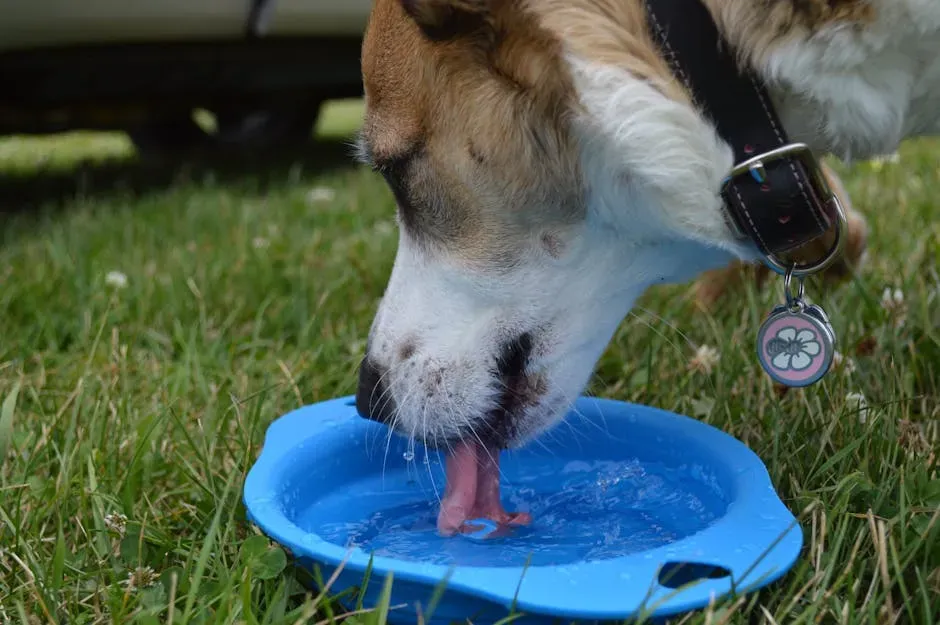
Proper hydration supports organ function, temperature regulation, and overall health, but many pets don’t drink enough water daily. It sounds almost too simple to be meaningful, but the reality is that consistent hydration is quietly foundational. A dog that doesn’t drink enough is a dog whose kidneys, digestion, and circulation are all working harder than they should be.
Small steps such as refreshing water bowls, adding moisture to meals, and monitoring drinking habits can make a meaningful difference in your pet’s comfort and overall wellness. Fresh, clean water should be available at all times. If your pet doesn’t drink much, consider adding wet food, using a pet water fountain, or offering water in multiple locations throughout the home. Some dogs are picky about stagnant water – a circulating fountain can be a surprisingly effective fix for a dog that barely drinks from a bowl.
#6: Schedule Regular Vet Checkups, Especially as They Age

Regular vet checkups can catch health issues early, improving treatment outcomes. According to the AVMA, early detection through routine exams can significantly extend a dog’s life. The challenge is that dogs can’t tell us when something feels off. By the time a problem becomes visible, it’s often already been developing quietly for some time.
Scheduling appointments twice a year for vaccinations, parasite prevention, and general health screenings matters. Early detection of conditions like kidney disease or arthritis allows management of problems before they become serious. Routine veterinary visits become even more vital as pets age. Think of it as preventive maintenance rather than crisis response. Catching a thyroid imbalance or early-stage joint degeneration early is infinitely easier to manage than waiting until the dog is visibly struggling.
#7: Stimulate Their Minds, Not Just Their Bodies

Studies show that when exposed to regular socialization and other forms of mental stimuli from a very young age, dogs showed healthier behavioral habits, fewer incidences of problematic behaviors, and fewer cognitive issues in adulthood. The brain needs exercise just as much as the body does. A dog left with nothing to think about isn’t just bored – it’s slowly declining in ways that aren’t always obvious.
Environmental enrichment through stimulating activities like puzzle toys, interactive games, or outdoor exploration keeps dogs mentally engaged and physically active, preventing boredom-related issues and promoting overall fitness. Dogs that are not mentally stimulated throughout their lives are more likely to experience cognitive dysfunction as they age. Even ten minutes a day of a new trick, a sniff walk in a different neighborhood, or a food puzzle can shift the trajectory of their cognitive health meaningfully over time.
#8: Invest in Their Social Life

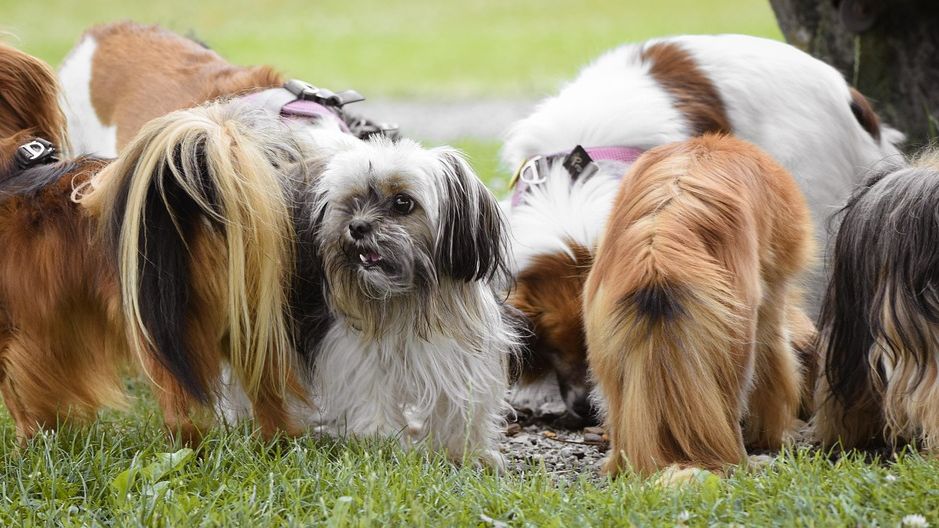
Dog socialization improves health through enhanced physical activity, reducing obesity risks. It also fosters better mental health, mitigating anxiety and depression. Dogs are wired for connection. Isolation isn’t just emotionally uncomfortable for them – it has real physiological consequences that accumulate over time.
Dogs that are socially engaged and not left alone for long periods are often healthier and live longer lives. The mental and emotional stimulation from socialization helps keep a dog’s mind sharp, while regular play and exercise keep their body fit. Additionally, dogs that don’t experience prolonged loneliness or boredom tend to show fewer signs of behavioral decline in their later years. A trip to the dog park, a playdate with a neighbor’s dog, or even structured group training classes can serve double duty – social enrichment and physical activity rolled into one.
#9: Reduce Chronic Stress in Their Environment

Rest is essential for healing, immune function, and mental health. Pets who don’t feel safe or settled in their environment may have trouble relaxing, and chronic stress can contribute to long-term health issues. A well-rested pet is often calmer, healthier, and more resilient. Chronic low-level stress is one of the more underappreciated threats to a dog’s long-term health. It’s not always obvious, but it leaves marks.
Giving dogs choices, such as deciding when to interact or explore, empowers them and helps reduce stress by promoting autonomy, leading to increased confidence and emotional well-being. Practical changes like providing a consistent routine, a quiet retreat space, and reducing exposure to loud, erratic noise can have a measurable impact. Ensuring that dogs get sufficient sleep is another vital aspect of a comprehensive dog care routine, with adult dogs typically sleeping for about 8 to 13 and a half hours per day. Honor that need. A well-rested dog is a dog whose immune system, heart, and brain are all doing their jobs properly.
#10: Build a Consistent Routine and Stick to It
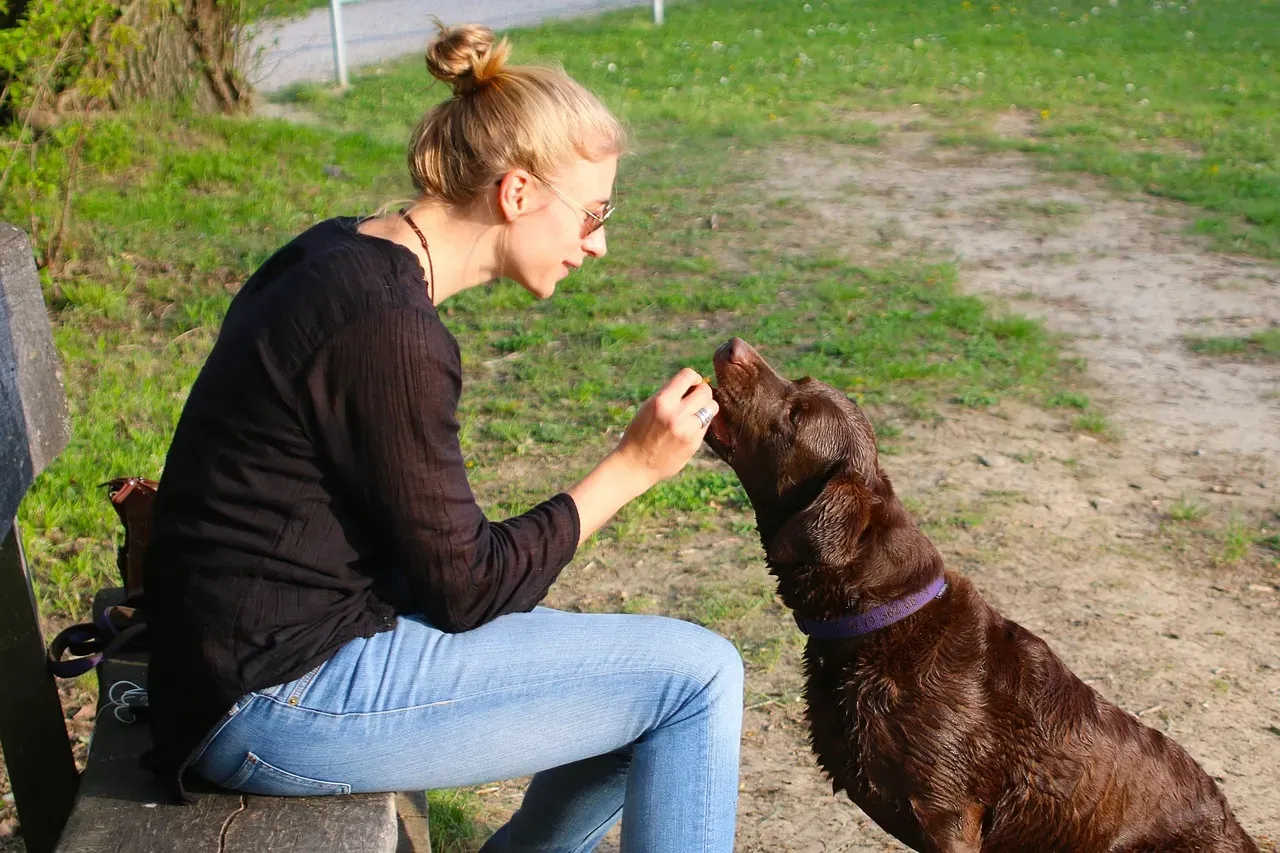
Dividing meals into consistent times instead of free-feeding makes a remarkable difference. Scheduled feeding not only helps maintain healthy weight but also stabilizes digestion. Routine matters more for dogs than most owners realize. Predictability lowers anxiety, supports digestion, regulates sleep, and makes behavioral issues less likely to develop. It’s not glamorous, but it works.
Adapting daily routines to changing conditions prevents stress, discomfort, and illness. These small seasonal adjustments are subtle yet vital steps in promoting longevity. Emotional well-being is a silent contributor to lifespan, and small rewards for positive behavior encourage consistency and engagement in all other routines. Structure isn’t about rigidity – it’s about giving your dog a world they can navigate with confidence. A dog that knows what to expect each day is a dog that spends less energy on anxiety and more energy on living well.
The Bigger Picture: Small Changes, Real Years

Here’s what all of this adds up to: the gap between a dog who lives a good, long life and one who doesn’t is rarely about any single dramatic intervention. The goal isn’t to make your dog live forever. Rather, it’s to maximize your dog’s health span – the length of a dog’s life they’re active and disease-free. That framing matters. Years of vitality are worth more than years of just surviving.
Lifestyle interventions such as maintaining hydration, a balanced diet, regular exercise, and microbiome modulation all help modulate the aging process. None of these are radical. None of them require perfection. They require consistency, attention, and the kind of low-key daily care that most dedicated dog owners are already capable of giving.
The dog curled up next to you right now doesn’t need a miracle. It needs the quiet accumulation of small, good decisions made on their behalf every single day. That’s the real longevity formula – and it’s already within reach.


