
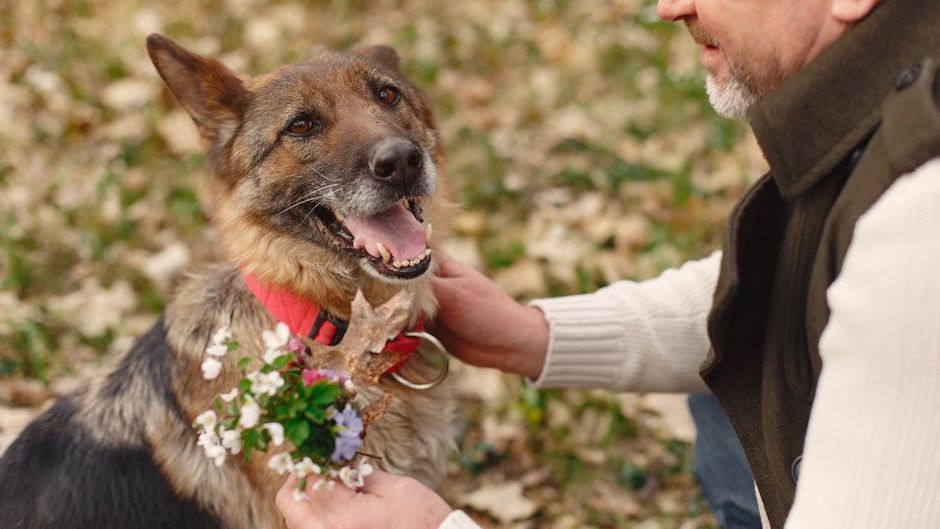
There’s a moment many dog owners have quietly noticed but rarely spoken aloud. The dog that normally bounces off the walls suddenly won’t leave your side. The one that sleeps on the couch now refuses to move from the bedroom doorway. Something has shifted, and your dog seems to know it before anyone else does.
Stories of dogs refusing to leave their owner’s side during their final days or acting strangely before a loved one passes away have fueled curiosity about whether dogs truly possess a sixth sense about death, and scientific research has begun to explore this phenomenon, revealing that dogs’ extraordinary senses may allow them to detect subtle biological and behavioral changes in humans. Science suggests dogs may sense approaching death not through psychic ability but through scent. Dogs can detect changes in human body chemistry, including the smell of illness, infection, or stress hormones like cortisol, and as the body begins to shut down, those scent patterns change dramatically.
What follows isn’t mythology. It’s a look at seven dog breeds whose sensitivity, emotional intelligence, and extraordinary olfactory wiring make them especially attuned to the moments most of us can’t yet perceive.
#1. The Golden Retriever

Few breeds sit as naturally at the intersection of warmth and awareness as the Golden Retriever. Known for their deeply emotionally responsive nature, Golden Retrievers tend to absorb the energy of their environment. If their owner is joyful, they mirror that excitement with wagging tails, and when they sense sadness, they quietly rest their heads on their owner’s laps. This emotional mirroring isn’t accidental. It’s the product of a breed shaped over generations to be finely attuned to human states.
Breeds known for their strong bond with humans, such as Golden Retrievers and Labrador Retrievers, may be more likely to exhibit behavioral changes in response to grief. In hospice settings, Golden Retrievers are consistently among the breeds observed gravitating toward patients closest to the end of life, and their willingness to simply be present, without agenda, is a form of emotional intelligence most humans take a lifetime to develop. That steadiness in the face of the unknown is precisely what makes this breed so remarkable in those tender, final chapters of a person’s life.
#2. The Labrador Retriever
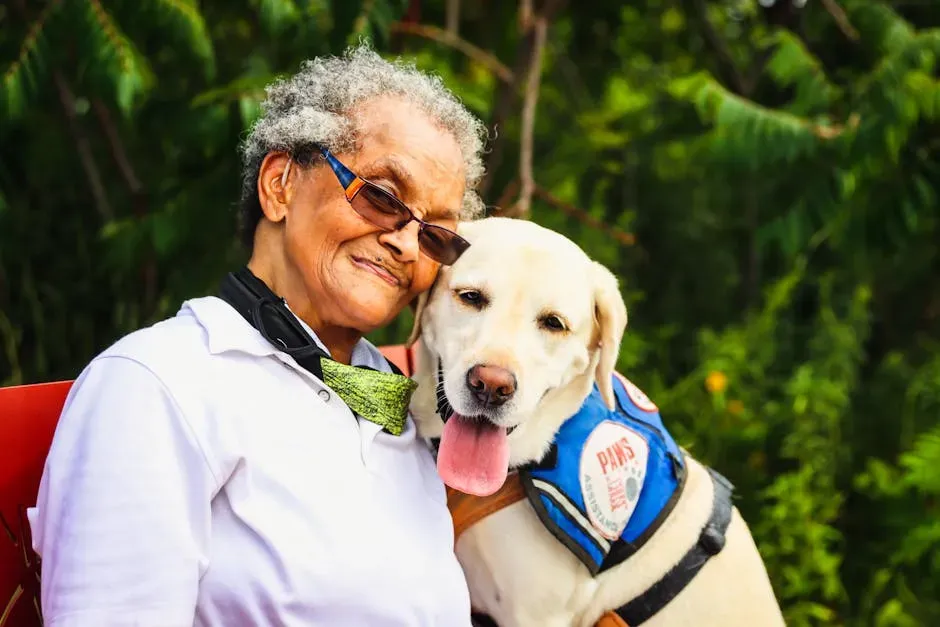
Labradors are often used as therapy and service dogs due to their ability to sense emotional shifts, and their calm demeanor helps people dealing with anxiety, grief, or trauma. It’s their compassionate nature that has earned them worldwide admiration. They don’t read a room the same way humans do. They read it on a chemical and energetic level that our senses simply can’t access.
Therapy dogs often gravitate toward patients who are closest to death, lying quietly beside them or resting their heads on their laps, and researchers believe this is due to the dogs detecting changes in scent and body temperature, as well as responding to the subdued energy in the room. Labradors combine intelligence with an unwavering desire to help, and their affectionate and stable temperament allows them to form quick bonds with people of all ages. When a Labrador presses close to someone who is fading, it isn’t random comfort. Something real is being perceived.
#3. The Border Collie
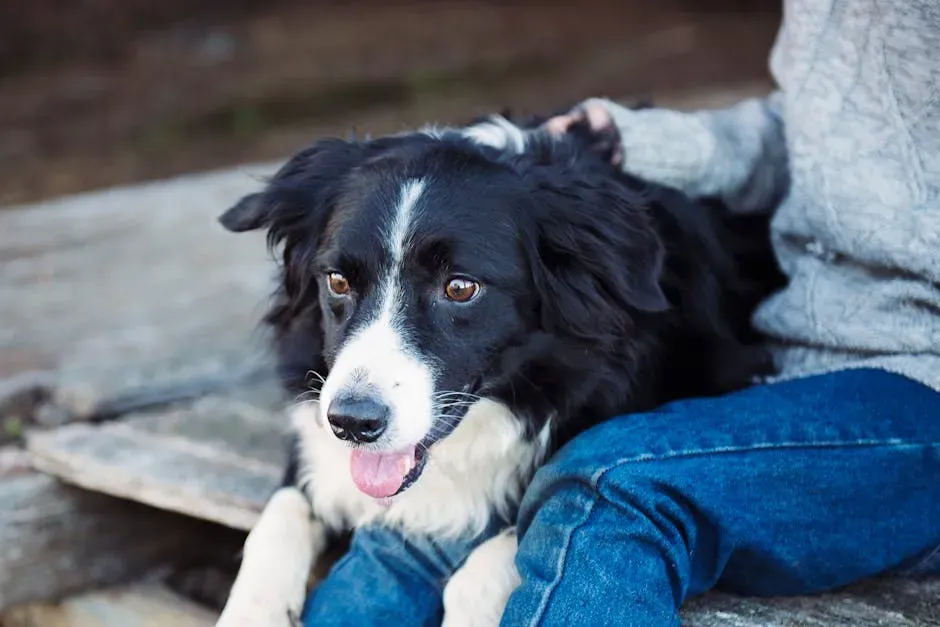
Border Collies are widely known as the most intelligent dog breed, but their emotional depth is equally remarkable. They possess an acute ability to detect subtle changes in their owner’s mood and environment, and this breed’s sensitivity is closely tied to their herding heritage, where they needed to react swiftly and sensitively to both the animals they were herding and the commands of their handlers. That heritage bred a dog that essentially never stops reading the world around it.
Known for their intelligence and sensitivity, Border Collies can sense emotional shifts in their owners instantly. They respond with quiet attentiveness, staying close during difficult moments. While they are active dogs, their focus and awareness make them wonderful emotional support companions, and they often offer comfort by simply being attentive and steady. Combine the breed’s intense focus and relentless observational drive, and you have a dog that’s virtually built to detect when something is profoundly wrong. Their presence at a deathbed isn’t unusual. It may well be inevitable.
#4. The German Shepherd
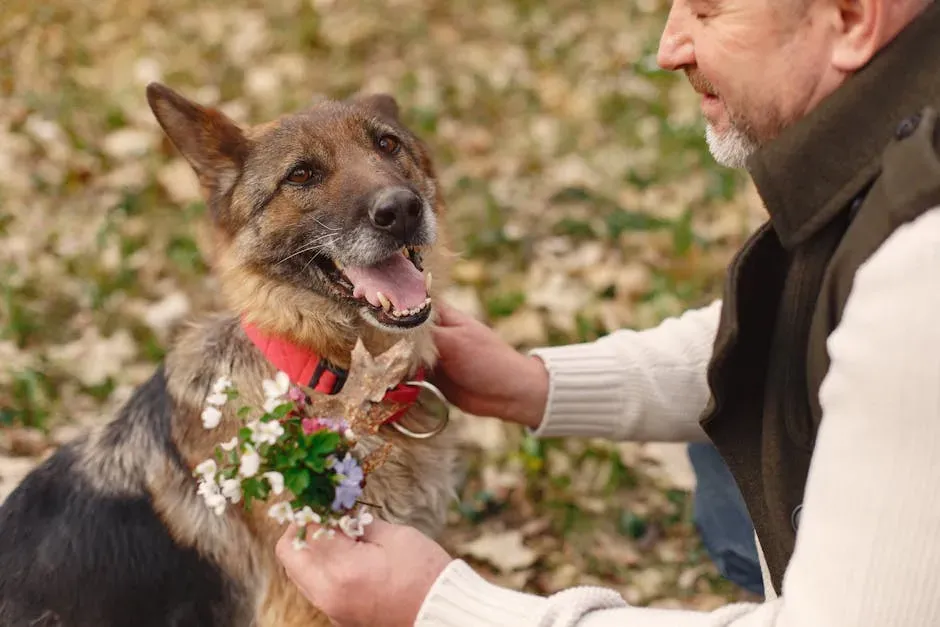
German Shepherds are strong, protective, and deeply devoted, which translates beautifully into emotional support roles. Their working background has equipped them with a layered intelligence that goes far beyond obedience. These dogs are trained to detect, track, and respond to changes in their environment with speed and precision, and those very instincts apply just as readily to changes in a beloved human’s condition.
Scientific studies have shown that dogs can detect changes in human cortisol levels, a key stress hormone, heart rate, and even their scent. German Shepherds, with their powerful olfactory systems and deeply bonded natures, are particularly positioned to notice when those chemical signatures shift. German Shepherds are seen in hospice therapy roles, and these dogs are required to complete an obedience training program or pass an obedience test before being considered for use as hospice therapy dogs. The fact that they appear consistently in those settings speaks to something that goes well beyond training alone.
#5. The Bloodhound
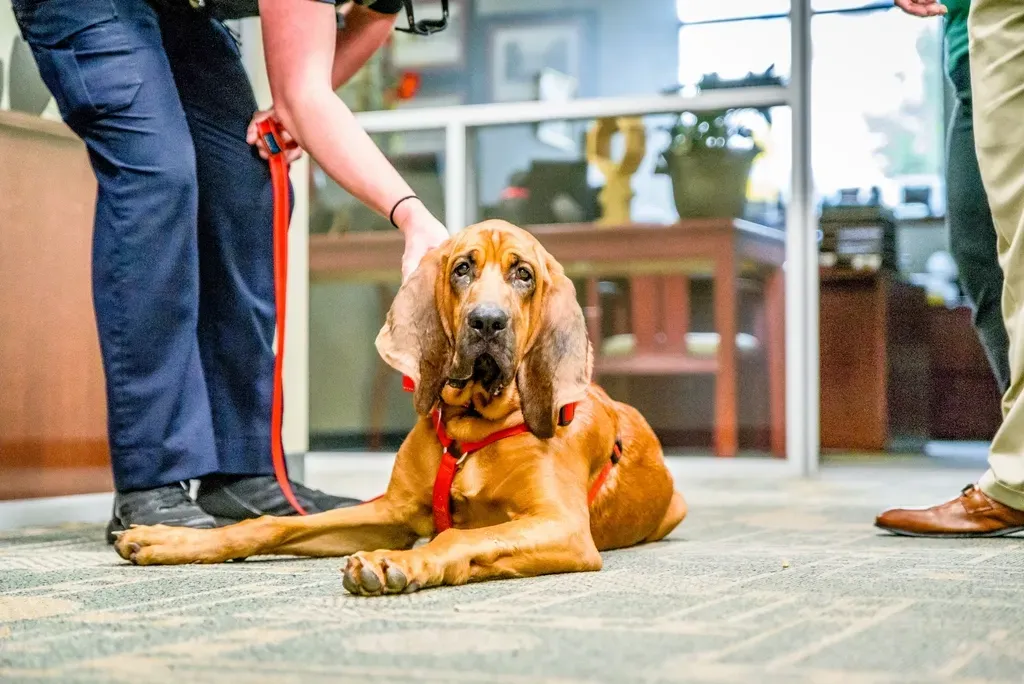
When it comes to raw olfactory power, very few animals on Earth come close to the Bloodhound. Dogs experience the world primarily through scent, and their noses contain up to 300 million olfactory receptors compared to about six million in humans, allowing them to detect minute chemical changes in the body. In the Bloodhound, those capabilities are magnified even further, making this one of the most scent-sensitive creatures ever documented by researchers.
Researchers have found that diseases can alter the body’s scent signature, releasing volatile organic compounds through sweat, breath, saliva, or skin that dogs can be trained to identify. For a Bloodhound, detecting the shift in a dying person’s chemical output isn’t extraordinary. It’s simply what they were built to do. Dogs have an incredibly sensitive sense of smell that can detect the odor signatures of various types of cancer, and among others, they can detect colon cancer, prostate cancer, breast cancer, and melanoma by sniffing people’s skin, bodily fluids, or breath. A Bloodhound operating in a close domestic environment with a bonded owner is, in essence, a living biological detector.
#6. The Cavalier King Charles Spaniel

The Cavalier King Charles Spaniel might be small in stature, but its emotional range is anything but. The breed is gentle, affectionate, and emotionally intuitive, with a natural gift for tuning in to its owner’s moods and offering comfort through quiet companionship. People who live with this breed often describe a dog that seems to track emotional shifts in the household almost in real time, adjusting its behavior to mirror whatever its owner needs.
These dogs are deeply attuned to their owners’ moods and can sense when something feels off. They’ll quietly curl up beside you on difficult days, and in end-of-life settings, this breed’s instinct to press close and remain still makes it a remarkably soothing companion during some of the most difficult human moments. Research suggests that pets do have an innate knowing. Dogs not only show empathy but are also capable of sympathy. They can sense when we are sad or ill, and whether it is from body language or an odor that we emit, they seem to know when we are dying. The Cavalier, quiet and close, embodies that awareness in a remarkably intimate way.
#7. The Borzoi
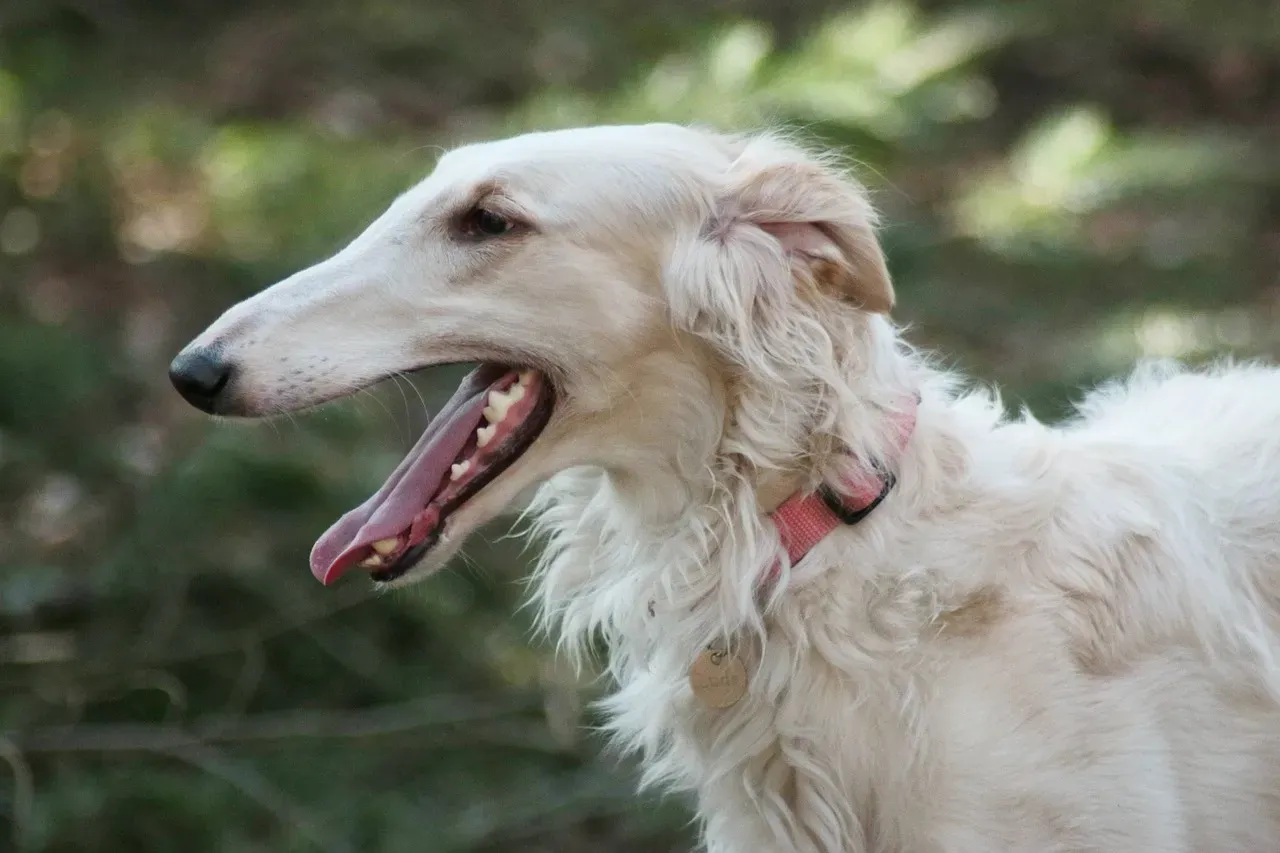
The Borzoi is not the first breed that comes to mind when people think of emotional sensitivity, but those who know this elegant Russian sighthound understand that beneath the regal exterior lies a dog of surprising depth. Many dog owners recall their dogs behaving differently when someone has died or is about to die, and one documented example involves a 6-year-old Borzoi named Krispin. A few days before his owner’s mother passed, Krispin would come into her room and nuzzle her hair and smell her breath, and his owner believed he was at least picking up on changes in the dying person’s body chemistry.
That account from the American Kennel Club is a quiet but striking example of how breed instinct and individual bonding combine into something that doesn’t fit neatly into any single category. A dog’s breed, personality, training, and relationship with the person can all influence their behavior. Some dogs may exhibit obvious signs of distress, while others may seem largely unaffected, and it’s essential to consider each dog’s unique history and temperament. The Borzoi, so often described as aloof, may simply be more deliberate about when it chooses to reveal what it knows.
What Science Actually Says
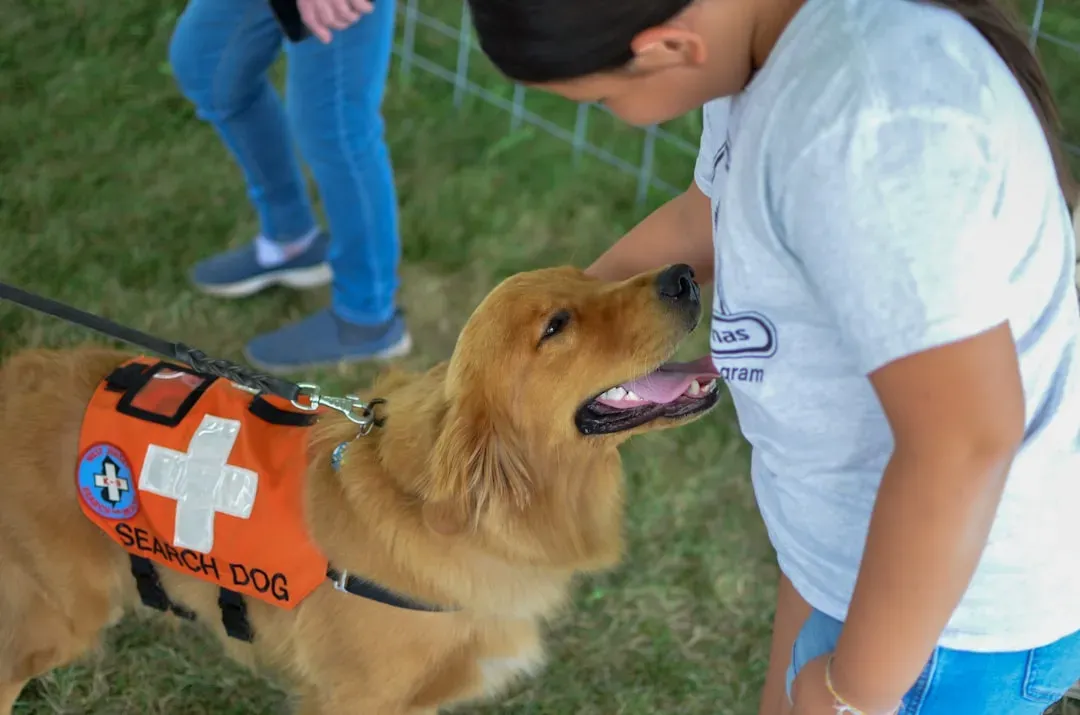
Recent medical advancements have allowed animal behavioral scientists to learn in greater detail just how capable a dog is at detecting illnesses. Although dogs appear to possess the ability to detect death or illness, they are actually just capable of detecting clues about a person’s condition before we are, and a variety of scientific studies conducted over the past twenty years have shown dogs can detect certain cancers and medical conditions before patients are even aware of their existence.
In one Forensic Science Institute study, three cadaver dogs were exposed to a lineup of six carpet squares, one of which had been exposed for ten minutes to a recently deceased person within three hours of death. The dogs succeeded in picking out the correct carpet square nearly all of the time. Researchers have discovered that Parkinson’s disease may have a distinct odor that trained dogs can detect years before clinical symptoms appear, and a groundbreaking study in the UK confirmed that trained canines could identify Parkinson’s through scent samples from patients. The science still has ground to cover, but what’s already documented is far from trivial.
The Signs to Watch For
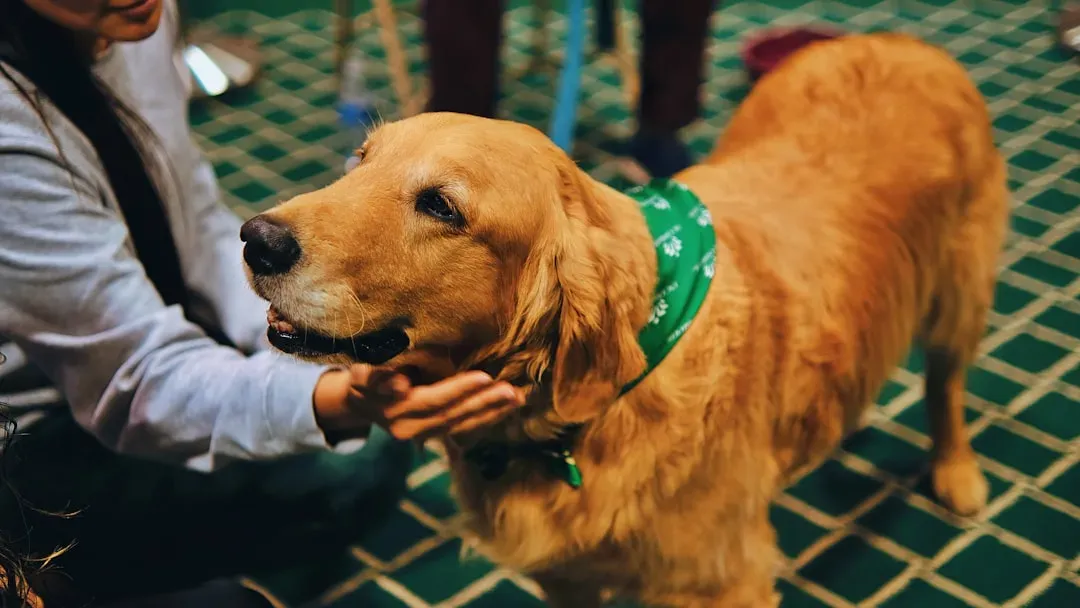
Behaviors that may indicate an awareness of death include reclusiveness, lack of interest in activities, lack of appetite, and seeking attention from their owners. Dogs may also follow a person room to room, refuse to be distracted by food or play, or plant themselves at the foot of a bed with unusual persistence. Behaviorists note that dogs react strongly to emotional energy shifts in the household, and if family members are tense or grieving in advance, dogs may mirror that stress long before the moment of loss.
Hospice coordinators note that therapy dogs are very good at sensing when someone is sick or dying, and when they sense this, they will lean closer, put their head on the patient’s bed or lap, or lay by their feet, as if wanting the patients to know they are there to comfort them. These aren’t trained responses. They’re instinctive ones. Dogs are constantly paying attention to body language, tone of voice, and shifts in behavior, and over time, they become experts at our patterns and our emotional cues. They carry a version of our story that we can’t even fully read ourselves.
Conclusion

There’s something both humbling and quietly consoling about the idea that our dogs are watching over us more carefully than we realize. Not with anxiety or dread, but with the steady, unbroken attention that defines the bond between dogs and humans at its best. The breeds on this list aren’t mystical. They’re sensitive, perceptive, and deeply bonded to the people they love.
What they seem to offer in those final, uncertain hours isn’t a prediction or a warning. It’s presence. Whether steadfastly giving their affection at the bedside, or quietly waiting nearby, pets give their unwavering love throughout the dying process. In the end, that may be the most extraordinary thing about them. Not that they sense death coming, but that they choose, without hesitation, to stay.


