

There’s a specific kind of quiet that settles over a room when a dog is in it. Maybe it’s the soft rise and fall of their breathing while they sleep near your feet, or the way they lift their head and watch you with total patience. Most dog owners have felt it without being able to name it – a steadiness that wasn’t quite there before.
Science has spent decades trying to catch up to what dog lovers have always known intuitively. The bond between humans and dogs stretches back more than 15,000 years, and its effects on our lives run surprisingly deep. Research paints an increasingly complete picture of the many ways dogs enrich human life, from improved cardiovascular health to companionship, defense against depression, and longer lifespans. What follows are ten of the most meaningful ways your dog shows up for you, each and every day.
1. Your Dog Is a Powerful Natural Stress Reliever
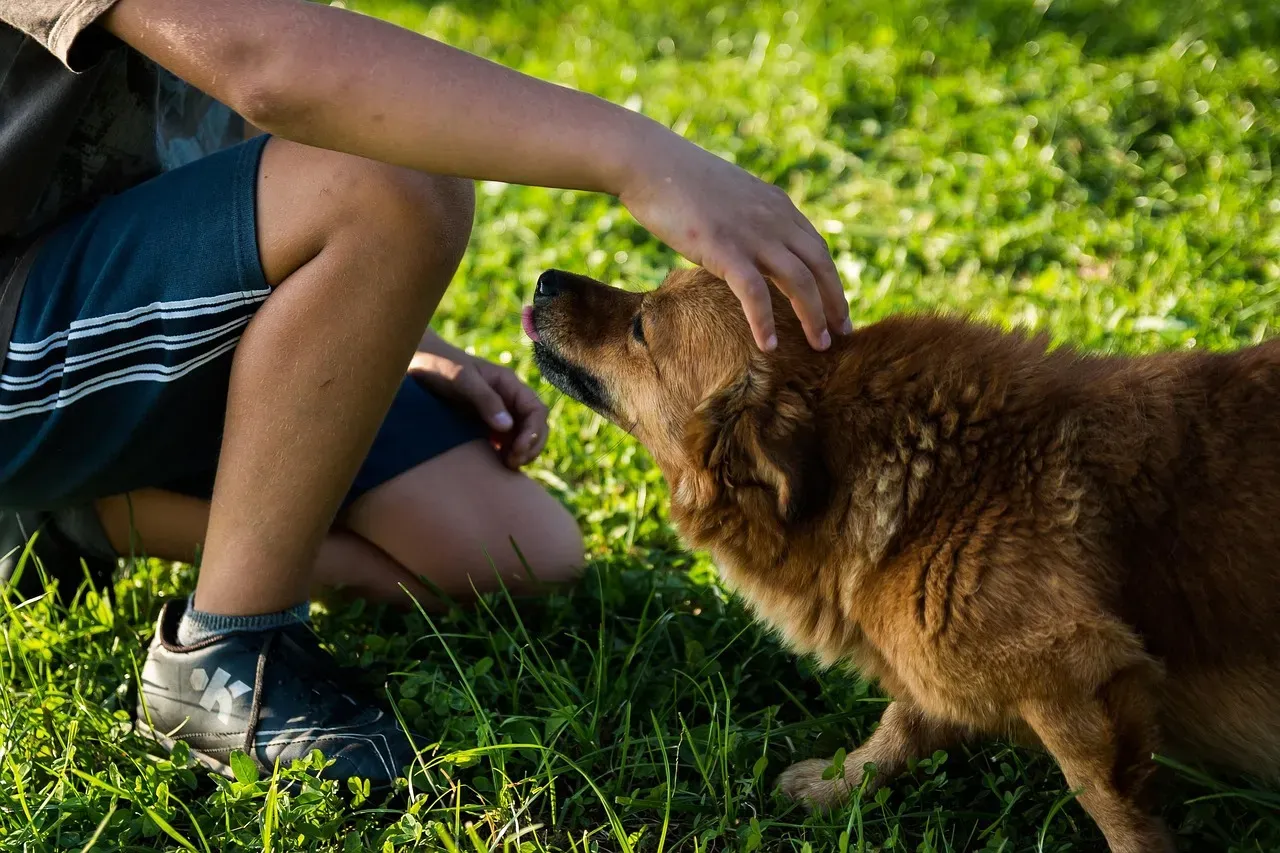
The moment you sink your fingers into your dog’s coat after a rough day, something real happens inside your body. Studies reveal that these simple actions lower cortisol, the stress hormone, while simultaneously boosting oxytocin, often called the “love hormone,” a biochemical reaction that promotes calmness, reduces anxiety, and strengthens feelings of connection. This isn’t wishful thinking – it’s measurable physiology.
A study from Washington State University found that just 10 minutes of petting a dog significantly lowers cortisol, the stress hormone, helping you feel calmer almost instantly. What makes dogs particularly remarkable is how they influence the whole stress cycle. Research supports the thought that the presence of a dog is associated with lower stress responses, and that dogs can also provide a faster stress recovery response. In other words, it’s not just that stress hits less hard – it passes more quickly, too.
2. They Keep Your Heart Healthier Than You Might Expect

Dog ownership isn’t only good for the soul. It turns out it’s genuinely good for the muscle beating in your chest. Companion animals may improve heart health by lowering blood pressure and regulating the heart rate during stressful situations. In a study, researchers found that people who had a dog or cat had lower resting heart rates and blood pressure measures than non-pet owners, and were also less likely to have spikes in heart rate and blood pressure while performing stressful tasks.
Dogs may be beneficial in reducing cardiovascular risk in their owners by providing social support and motivation for physical activity. A large nationwide study adds even more weight to this idea. One mechanism by which dog ownership could reduce cardiovascular risk and mortality is by alleviating psychosocial stress factors such as social isolation, depression, and loneliness, all of which have been linked to increased risk of coronary heart disease and cardiovascular death. Daily walks, calm evenings on the couch, consistent companionship – it all adds up.
3. Dogs Get You Moving When Nothing Else Will
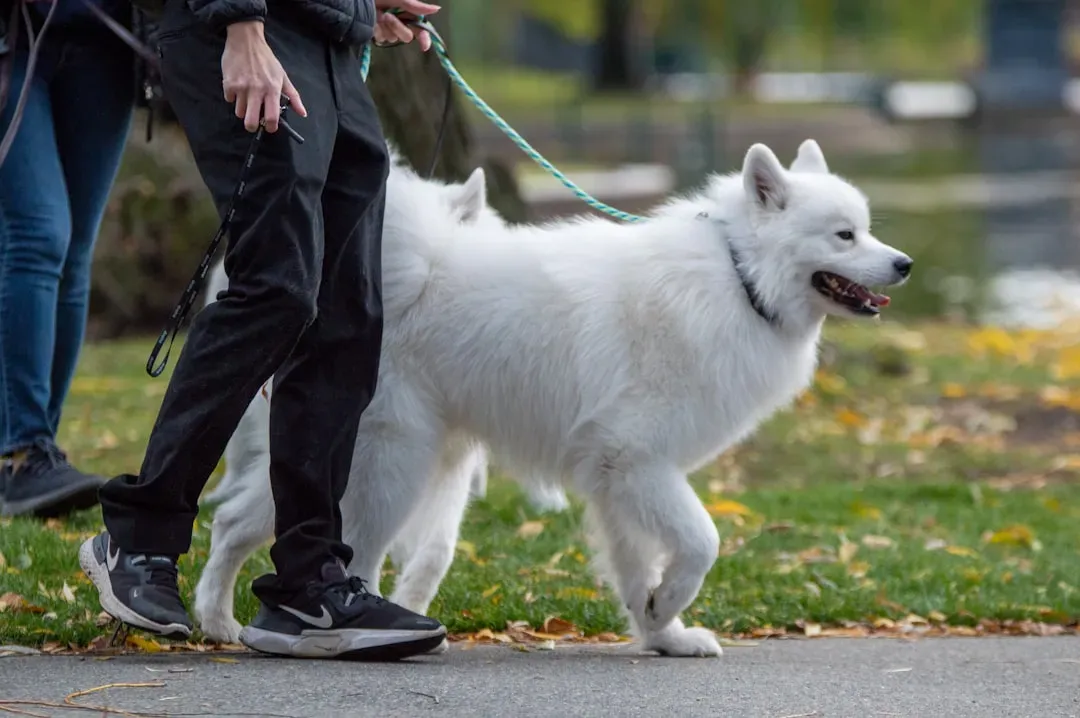
A dog doesn’t care that it’s cold outside or that you had a long meeting. When it’s walk time, it’s walk time, and that gentle persistence is quietly one of the greatest health gifts they give you. Dog owners engage in significantly more minutes per week of physical activity and walking, and were more likely to meet the recommended level of physical activity than non-owners, according to a study of over 5,000 adult dog owners.
Dog owners also benefit from the extra physical activity of daily walks. Research suggests that, on average, people who own dogs walk about 20 minutes more per day than those who don’t. Over weeks and months, that adds up to a meaningful shift in fitness. Staying active lowers cholesterol, improves quality of sleep, and increases endorphin production. All of these factors combined contribute to a lowered risk of heart disease, and physical activity is also linked to better mood and overall health.
4. They Push Back Against Loneliness and Depression
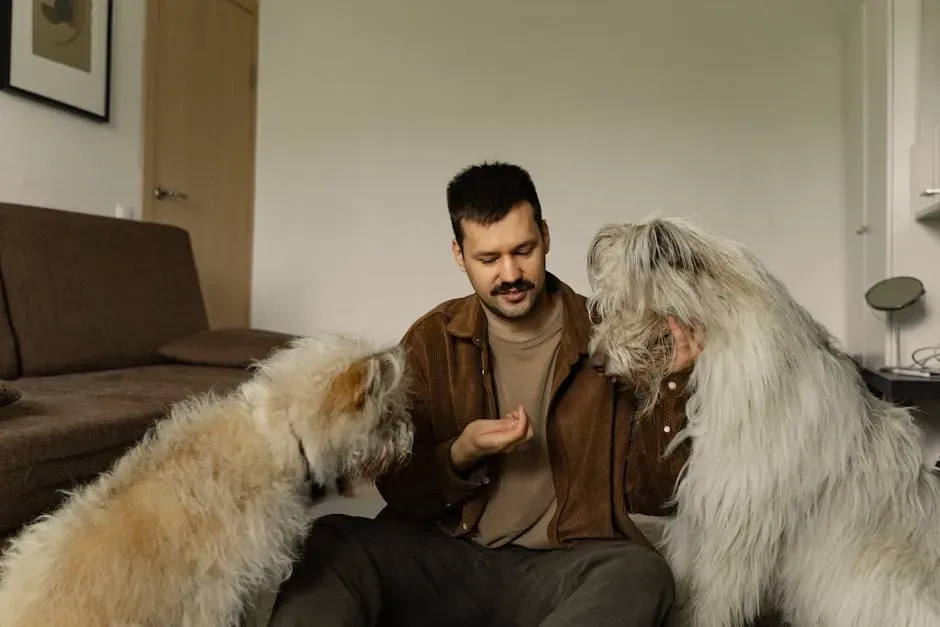
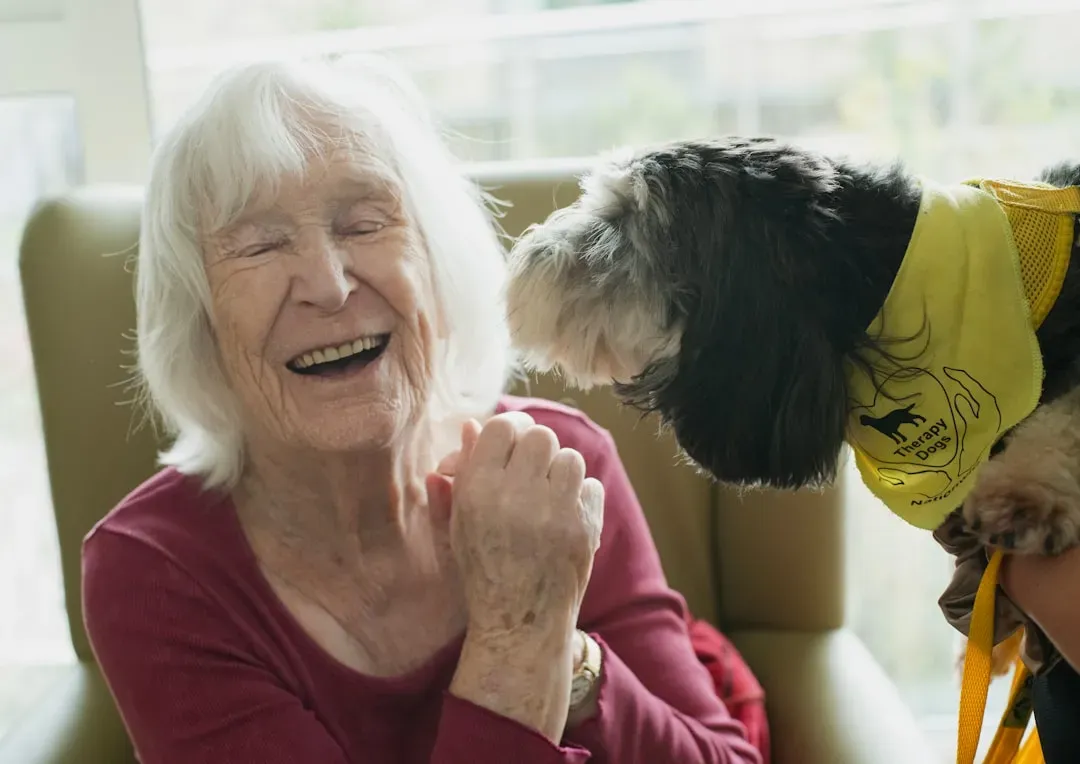
Loneliness is one of the more underestimated health risks of modern life, and dogs meet it head-on in a way that’s hard to replicate. University of Michigan research shows that dogs reduce loneliness and depression by fostering social interactions and a sense of purpose. Their presence is consistent, uncomplicated, and offered without condition, which matters enormously on the days when human connection feels hard to reach.
During social withdrawal and isolation, dogs provided important companionship, being readily available when people felt too unwell to socialize, thus preventing feelings of isolation and loneliness. Research published in Frontiers in Psychiatry reinforces this point from another angle. It was important to receive unconditional and non-judgmental company and affection from pets, without the pressure to verbally communicate, demonstrating the unique social and emotional benefits of pets for mental health compared to human companions.
5. Your Dog Gives You a Sense of Purpose Every Morning

There’s something grounding about being needed. A dog doesn’t care about your career status, your inbox, or what you accomplished last week – they need you to show up today, and that simple pull gets a lot of people out of bed when little else would. Taking care of a pet can provide a sense of responsibility and purpose. Whether it’s feeding them, taking them for walks, or just ensuring they’re happy and healthy, these tasks give you a reason to get up in the morning.
That consistent responsibility helps create a built-in rhythm to your day, which may serve as a stabilizing or centering force, especially when you’re feeling off, overwhelmed, or stressed. For those recovering from emotional setbacks, this effect is particularly meaningful. For children and adults alike, caring for a dog can provide structure, responsibility, and routine. Feeding, grooming, and exercising a dog are tasks that require attention and commitment, which can be beneficial for individuals recovering from emotional or mental struggles. These routines encourage positive behaviors, promote a sense of purpose, and provide a distraction from negative thoughts.
6. They Make You More Socially Connected

Dog owners know this one from experience. You walk out the front door with your dog and suddenly the neighborhood feels different. People smile, stop, ask what breed, share a story about their childhood dog. While taking your dog for a walk can help your physical health, it can also help with social connection. People who walk their dogs regularly are more likely to strike up a conversation with strangers, who may also have a dog or who may just want to pet yours.
Since dog owners often converse with other pet owners during walks or visits to the park, dogs promote social connections and reduce feelings of isolation. This effect extends beyond casual sidewalk chats. Owning a pet encourages social interaction, whether at the dog park, a pet-friendly café, or during veterinary visits. Social connections reduce feelings of isolation and contribute to better mental health. Dogs are, in the most literal sense, a reason to leave the house and connect.
7. They Help Protect Your Brain as You Age
One of the more fascinating findings from recent research is just how much dogs may be doing for your cognitive health over the long term. Owning a dog isn’t just fun; it might also help keep your brain sharp as you age, according to a study published in Scientific Reports. Researchers examined 18 years’ worth of data from 16,582 people aged 50 and older. The findings were specific and compelling.
Researchers found that people with dogs showed a slower decline in memory, including both immediate and delayed recall, compared with participants who didn’t own pets. While researchers are still working to understand exactly why this happens, the leading theories point toward a combination of daily physical activity, social engagement, and routine mental stimulation – all things a dog reliably brings into your life. A study reported on pet owners and slower memory decline, suggesting a protective effect against cognitive decline.
8. Dogs Are Tuned Into Your Emotions in a Remarkable Way

Anyone who has ever cried on their couch and had their dog quietly climb up and press against them knows this isn’t coincidence. Dogs are remarkable in their ability to pick up on our emotions. They have an incredible sense of empathy and can often detect when we’re feeling down, anxious, or unwell. Many dogs instinctively approach their owners when they sense distress, offering comfort by sitting close, licking, or simply staying by their side.
Dogs have a keen ability to sense the emotional state of their owners. Their loving personalities cause them to react in a way to try to make their humans feel better when they are sad or depressed. This emotional attunement runs both ways in the relationship. When humans interact with dogs, the feel-good hormone oxytocin increases in the person and the dog. The exchange is mutual, which may be part of why it feels so genuine.
9. They Build Positive Daily Routines That Stick

One of the quieter but more lasting contributions a dog makes to your life is structural. Feeding schedules, morning walks, evening playtime – your dog needs these things whether you feel motivated or not, and so they happen. Over time, that consistency shapes your whole day in ways that support your health. Daily feeding schedules, walks, and playtime help establish predictable patterns. These routines can support healthier sleep, regular activity, and better stress management, all of which are important for maintaining healthy blood pressure.
The responsibility of owning a pet can seem overwhelming, but it is a great way to add structure to your daily routine. Establishing healthy routines for a pet such as daily walks, healthy meals, and active playtime provides many pet parents with a sense of purpose and accomplishment. Think of it this way: your dog doesn’t negotiate on the walk. That’s actually a feature, not a flaw. Research found that dog owners more likely report regular physical activity patterns, a healthy diet, and ideal blood sugar levels compared to those who do not own dogs.
10. They Teach You to Be More Present

Dogs have no concept of tomorrow’s deadline or yesterday’s argument. They exist entirely in the now – nose in the breeze, fully absorbed in whatever is in front of them. Spending time with them has a way of pulling you into that same space. Dogs may encourage us to practice mindfulness, which has been associated with stress relief and emotional regulation. Think of how immersed a dog is by the smells in the yard, or the sheer joy of chasing a tennis ball.
Dogs can teach us about life. It’s called mindfulness – living in the moment and the place where you are. Dogs are champions at it. Watch a dog laying in the grass on a warm day, nose in the air, eyes on birds, butterflies, and bees. A dog knows how to relax and be totally in a place and a moment. It’s a mentally and emotionally healthy philosophy for anyone. In a world that constantly pulls your attention toward screens and stress, a dog is one of the few forces that consistently draws you back to the present.
Conclusion: The Everyday Gift You Might Be Underestimating
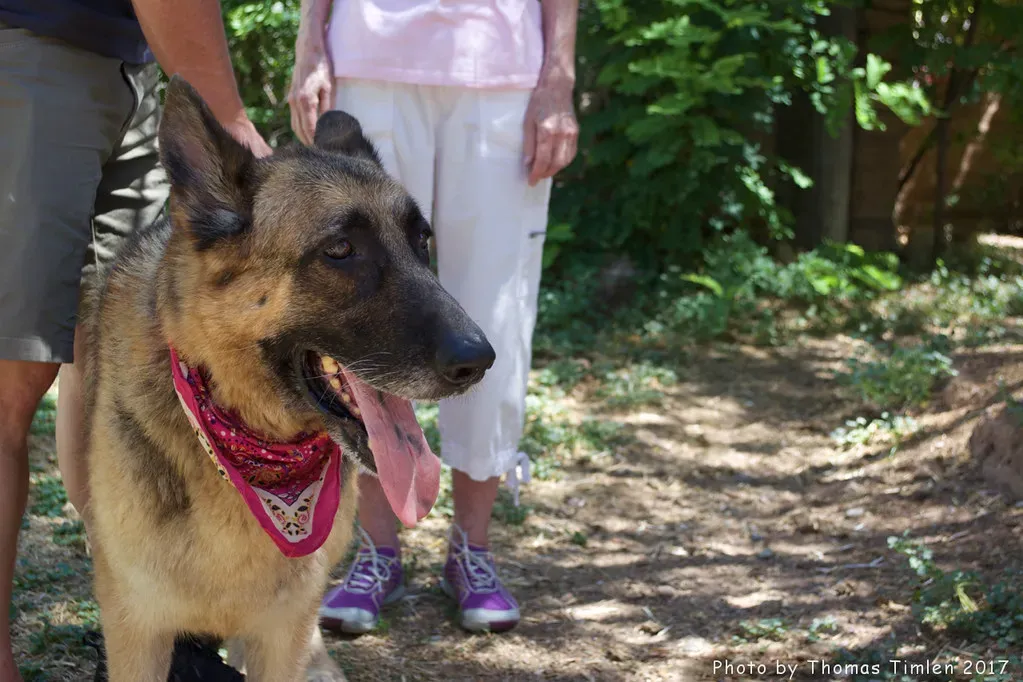
It’s easy to focus on the big moments with a dog – the first day you brought them home, a memorable hike, the holidays spent together. Yet the real depth of what they contribute to your life tends to be woven into the ordinary ones. The morning walk you didn’t feel like taking. The evening you needed quiet company. The moment their goofy enthusiasm cracked through a genuinely terrible day.
Dogs have a natural way of helping to reduce stress and anxiety, lift our spirits, provide a sense of meaning, purpose, and connection, and improve our physical health. The research confirms what dog owners have felt all along. People emphatically believe pets improve our quality of life, and that belief can affect health indirectly. Economists using a large British dataset concluded that pet owners valued what their pets brought to their lives at up to $90,000 a year in equivalent life satisfaction.
Your dog doesn’t know any of this, of course. They’re just happy you’re home. Maybe that’s the whole point.


