
Dogs and can make a genuinely wonderful pairing. The companionship, the daily routine, the warmth of a fur-covered presence on the couch, all of that is real. Studies have shown that who have pet dogs tend to be in a better mood overall and experience enhanced health and well-being benefits as a result of having the daily attention and unconditional love that pets offer. That’s the good news.
The harder truth is that choosing the right dog breed goes far beyond appearance. It’s about finding a companion that fits your lifestyle, energy, and living space, and with so many breeds to choose from, it’s normal for future pet owners to feel overwhelmed, since every breed carries its own history, temperament, and grooming needs. Some dogs that look perfectly manageable in photos can become genuinely exhausting to live with, and that mismatch can be tough on both the senior and the dog. Here are ten breeds that, for most older adults, tend to be a poor fit.
1. Border Collie: The Overachiever You Can’t Keep Up With
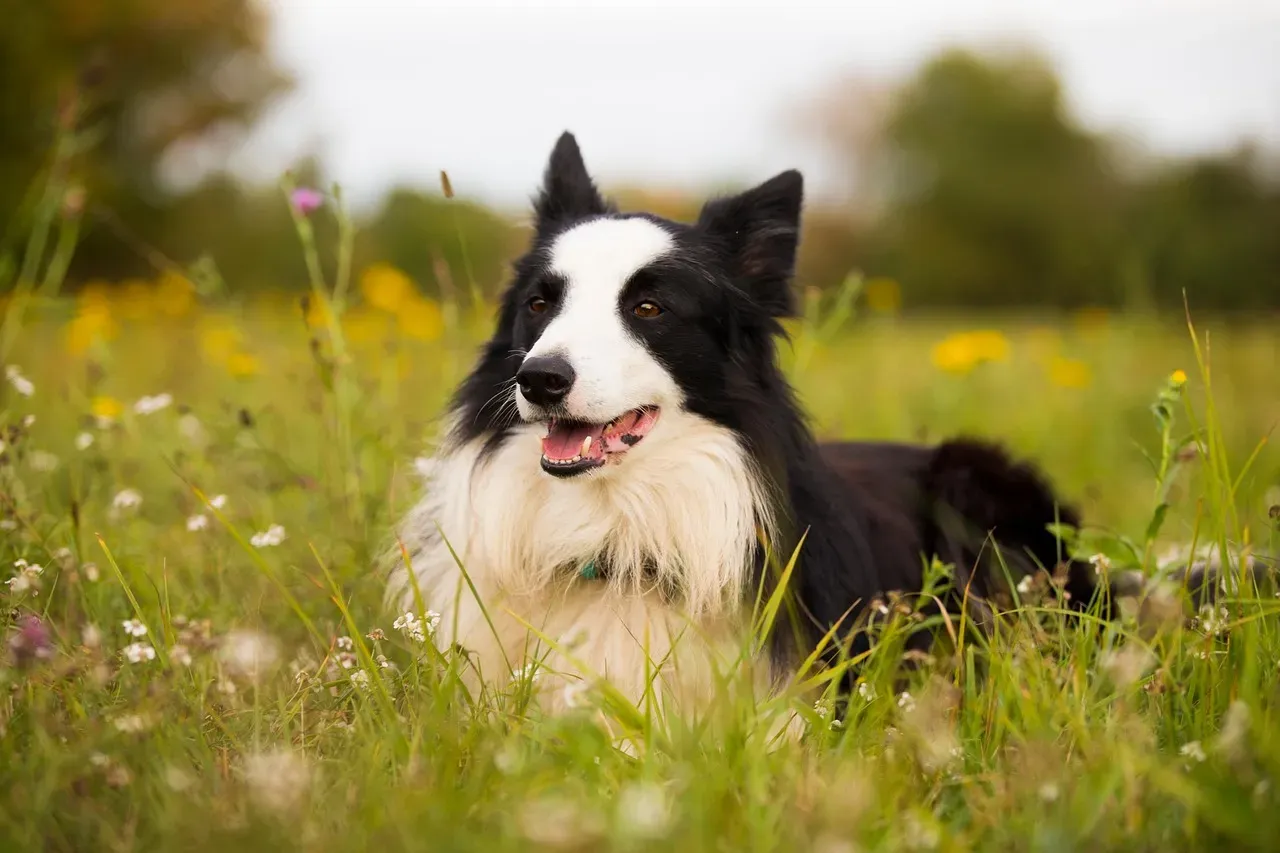
Border Collies are incredibly intelligent and loyal, but they are also one of the most high-energy dog breeds. These dogs need constant mental and physical stimulation to stay happy, which can be overwhelming . Think of it this way: owning a Border Collie is a bit like being assigned a brilliant, restless intern who never goes home.
Border Collies are highly intelligent and active dogs that require a lot of physical and mental stimulation. They need a minimum of two hours of exercise daily to keep them satisfied, and regular exercise, long walks, playtime, and mental challenges all help prevent boredom and destructive behaviors in this breed. For a senior managing joint pain or reduced stamina, meeting that daily quota is simply not realistic.
Border Collies have a herding instinct, which may lead them to try and herd other animals. This behavior can be challenging to manage, especially if the senior has other pets in the household. If you notice your Collie circling guests, nudging at ankles, or pacing restlessly by the door, those are clear behavioral signals that their needs aren’t being met.
2. Australian Shepherd: Beautiful, Brilliant, and Relentless
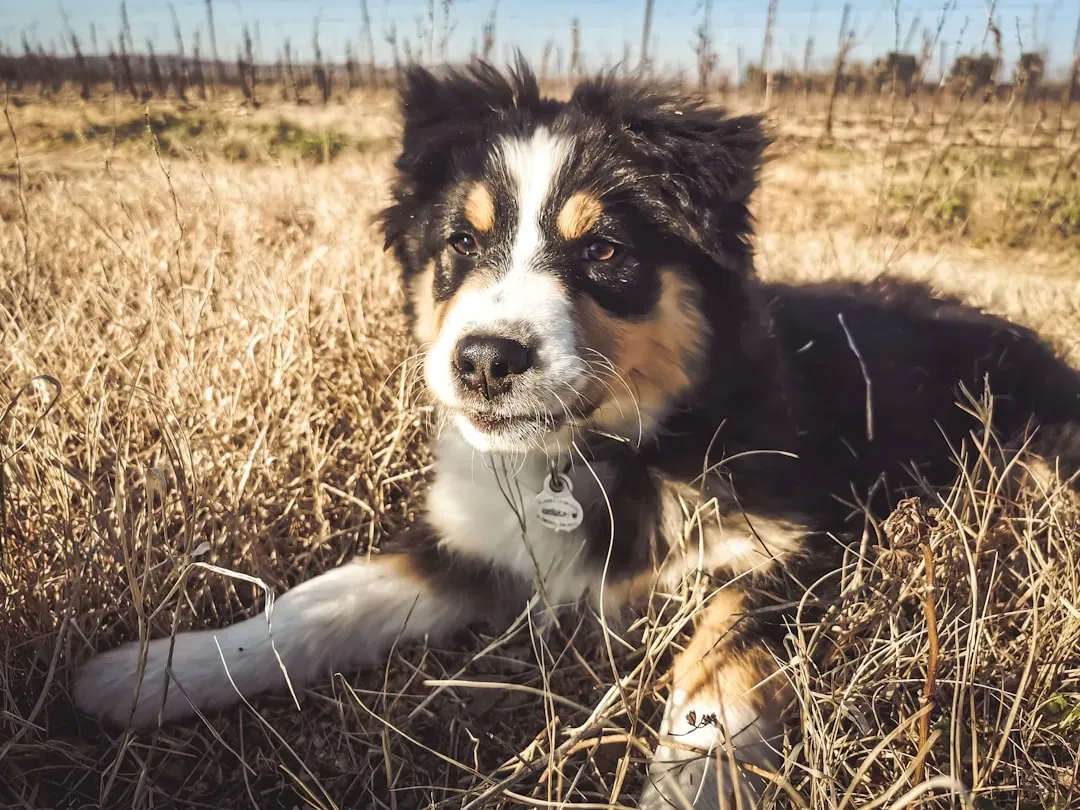
As a herding dog, Australian Shepherds are very active. They thrive on having routine and responsibility. That sounds appealing on the surface, but what it actually means is that without that structure firmly in place, things can unravel quickly in a quieter home.
Australian Shepherds are another high-energy breed that may not be the best fit . These dogs are known for their intelligence and work ethic, but they also require a lot of exercise and mental stimulation. Australian Shepherds need room to roam and plenty of opportunities for physical activity, making them more suited for active lifestyles. While they are affectionate and loyal, their high energy levels and need for constant stimulation can make it challenging to manage in smaller, quieter environments.
To avoid matting and loose hair, they should be brushed at least once a week. Unfortunately, their hair will shed and owners should be prepared for two periods throughout the year of heavy shedding. As a senior, this may affect respiratory health. That’s a double challenge: physical demands on the trail and allergy risks at home.
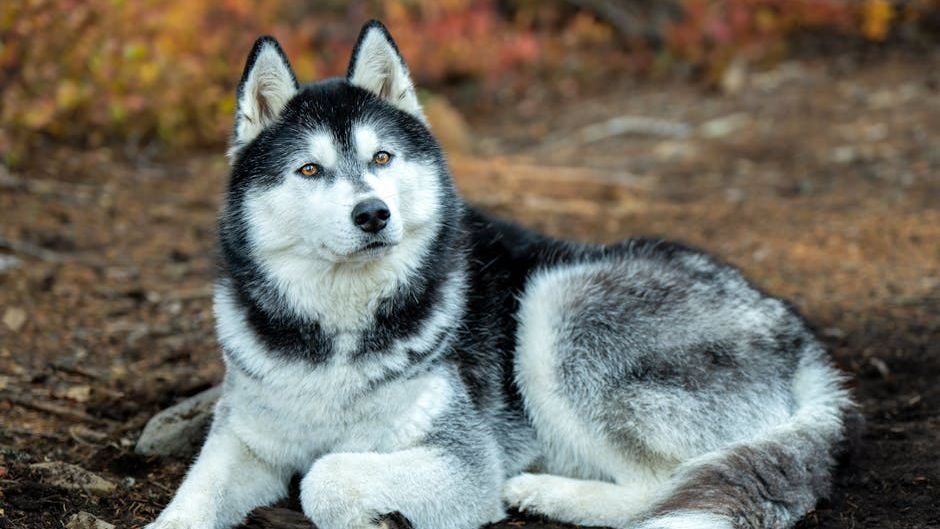
3. Siberian Husky: Stunning to Look At, Exhausting to Own
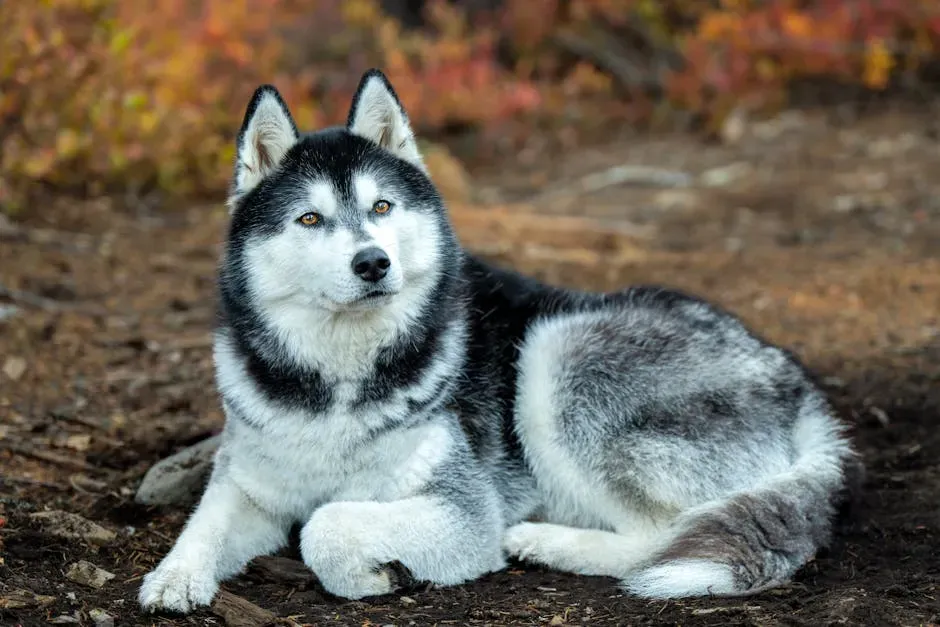
Siberian Huskies are beautiful, energetic dogs that are known for their endurance and love for the outdoors. However, their high energy levels and exercise requirements may overwhelm senior dog owners. They were literally bred to run across frozen tundra for hours. A short morning walk simply won’t cut it.
Huskies require extremely secure fencing since they can dig and jump out of almost anything. They need to be mannerly on a leash but are difficult to train. Huskies have a huge wanderlust potential, and they can and will get away from their owners to go explore. For a senior living alone, a dog that regularly escapes the yard creates a stressful and potentially dangerous situation.
Siberian Huskies are known for their beauty and friendly demeanor, however their high energy levels and need for extensive exercise can make them a challenging choice . Huskies require a lot of physical and mental stimulation to stay happy and healthy. They also have a thick double coat that requires regular grooming, which may be difficult with mobility issues.
4. Jack Russell Terrier: Tiny Dog, Enormous Demands
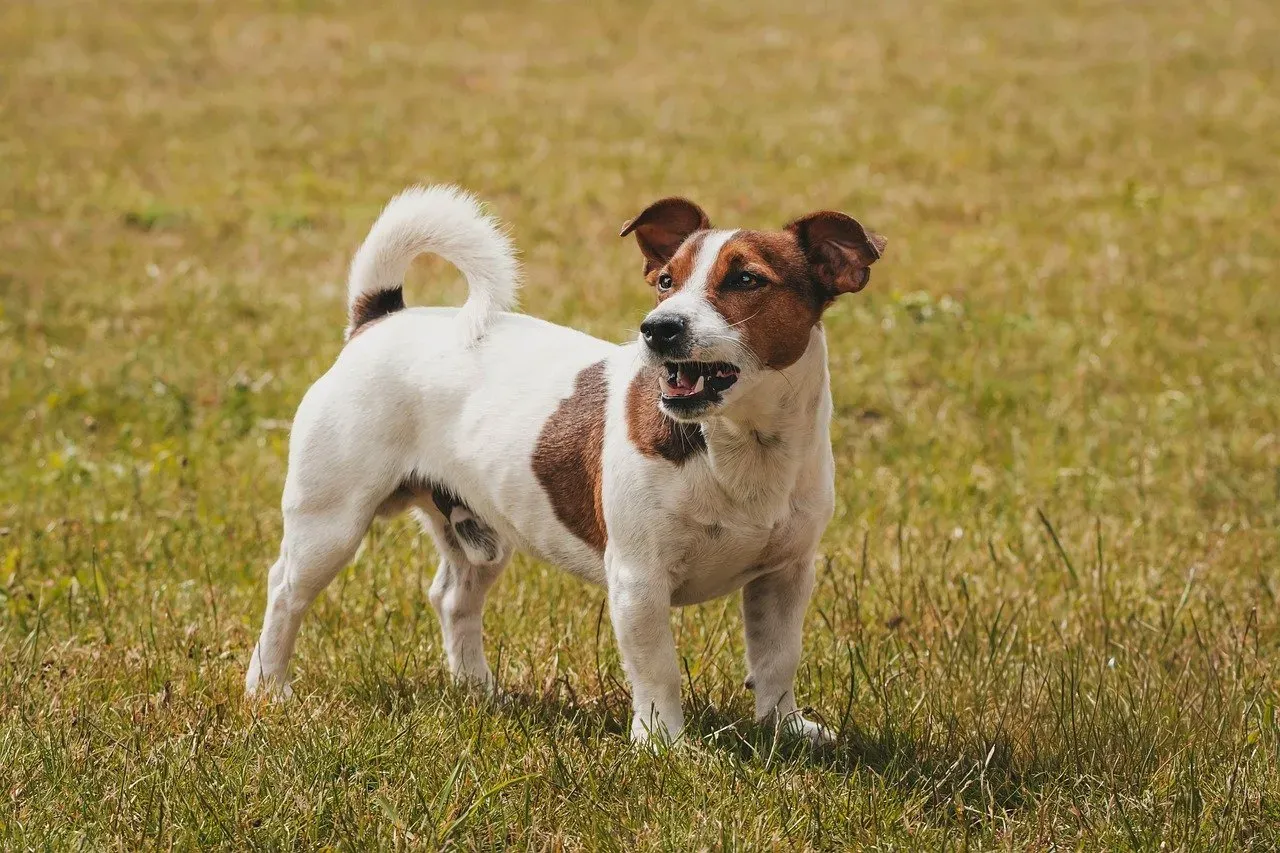
These dogs are small in stature but big when it comes to behavioral intensity, since Jack Russell Terriers are first and foremost hunting dogs at heart. They were selectively bred to find foxes, rabbits, and other quarry, so their job required a certain level of independence. All of this has led to these small dynamo dogs being blessed with high levels of energy, determination, and high-intensity behavior.
Jack Russell Terriers are small dogs with boundless energy. They require a substantial amount of physical exercise and mental stimulation to keep them satisfied. Without proper outlets for their energy, these dogs can become restless, bored, and may engage in destructive behaviors. Chewing furniture, digging up gardens, and barking incessantly at squirrels are all real possibilities when a Jack Russell isn’t sufficiently tired out.
They can be stubborn and difficult to train. Their hunting instincts may lead to chasing small animals, making them challenging to control on walks. A senior with any balance concern or reduced grip strength could easily be pulled off their feet.
5. Rottweiler: Powerful and Protective to a Fault
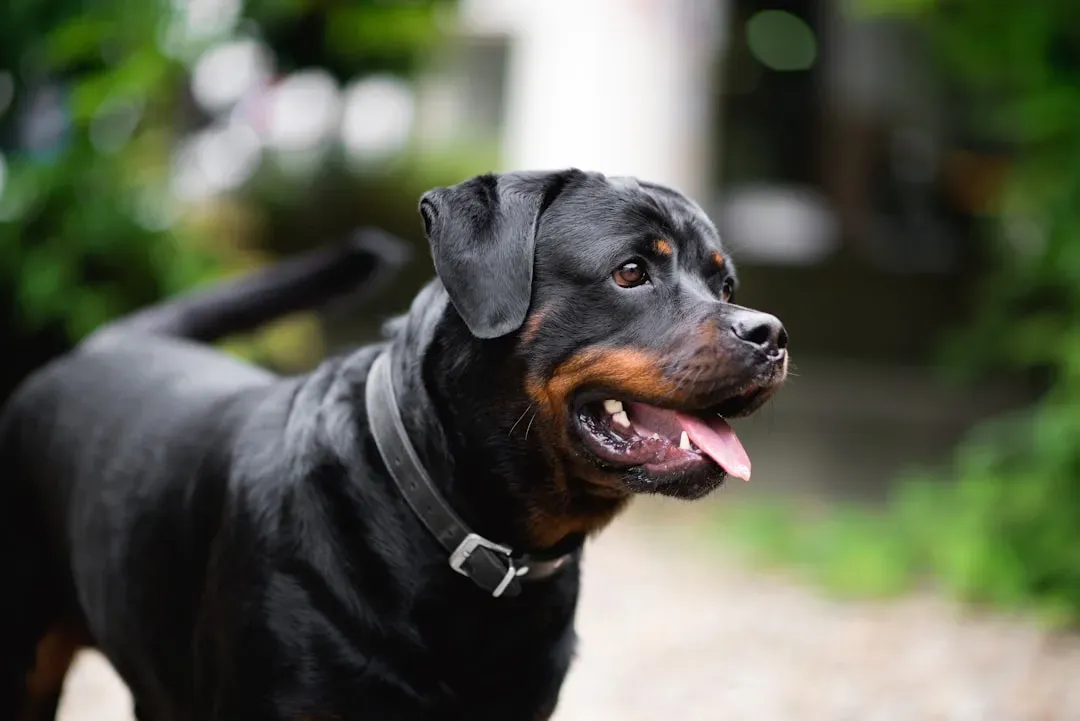
Rottweilers are strong, alert, and highly capable large dogs initially bred to herd and safeguard livestock. Their natural protective instincts and devotion make them ideal for owners familiar with confident, assertive breeds. That last part matters: this is a breed built for experienced handlers, not someone new to managing dominant personalities.
The Rottweiler needs a well-fenced yard, daily exercise in the form of long walks or runs, and mental stimulation. Their protective nature can make them wary of strangers, and health issues like hip dysplasia or heart problems need careful monitoring. Regular grooming and heavy shedding add to maintenance. Their size and strength make handling, walking, or grooming physically challenging .
Rottweilers are muscular and hardy, which can be hard to handle if you have any developing mobility issues. Since they can be a bit stubborn, they might be hard to train on the leash. If they are aggressive, which is semi-prevalent in the breed, they might be hard to call off. Prevention here is straightforward: choose a breed whose strength doesn’t exceed yours.
6. Dalmatian: High Energy With an Unpredictable Edge
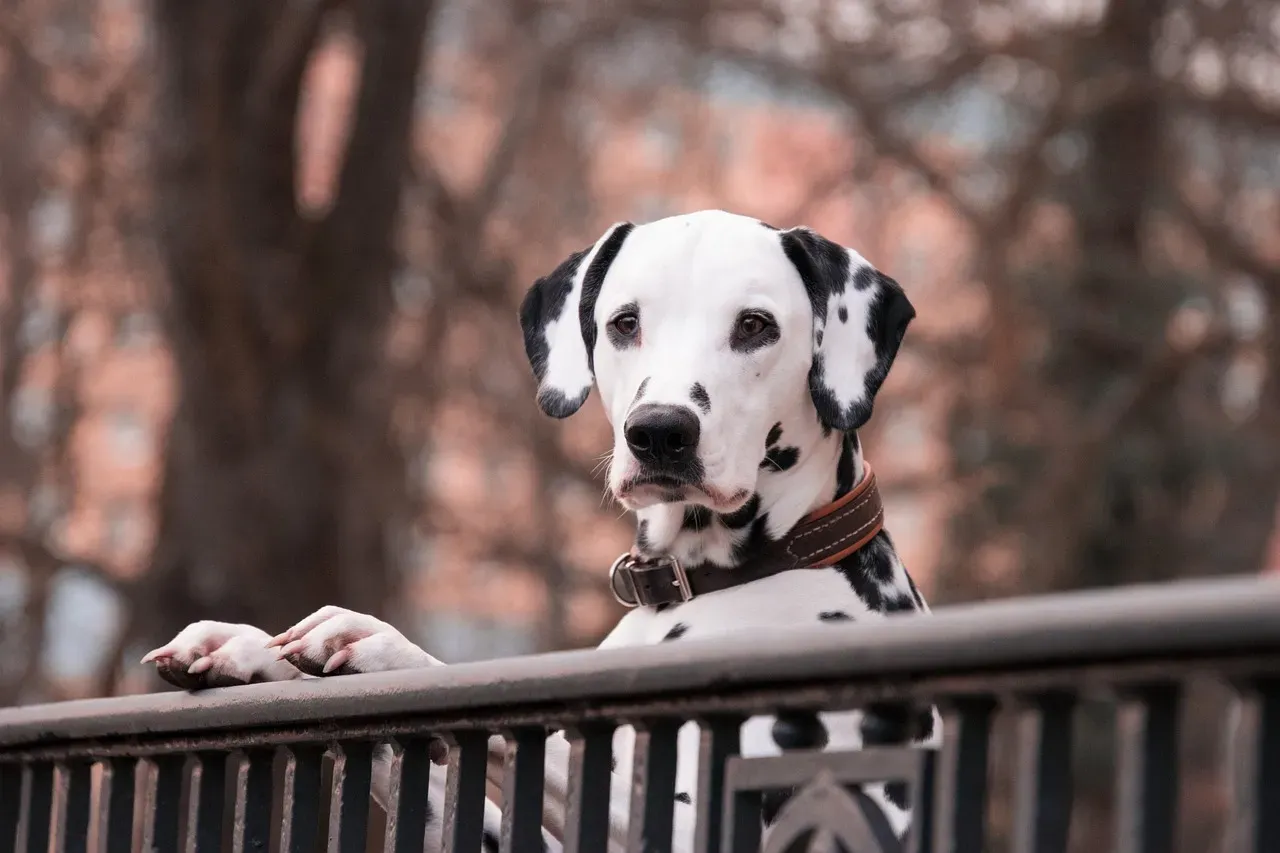
Dalmatians are charming dogs with a classically familiar coat pattern. Because of popular movies, you might think Dalmatians are loyal, laid-back, and amiable. While these traits can show through, that’s not the average consensus. Dalmatians are incredibly high energy, especially as pups. The movie version and the real-life version are very different animals.
Many are also at least partially deaf, which makes getting around the house a little complicated. Their lack of hearing might also cause aggression, which won’t be positive for many owners. If you have grandkids over to visit, this is also not a prime pick for children. Deafness in Dalmatians is a well-documented inherited condition, and a dog that can’t hear commands or warnings is harder to manage safely.
They are notoriously difficult to train and require a lot of outdoor exercise. Their stubborn temperament and high energy levels can be overwhelming for senior owners. They also shed heavily and need regular grooming. Between the training challenges and the grooming burden, this is a breed that tends to add stress rather than comfort to a senior’s life.
7. Akita: Independent, Guarded, and Hard to Read
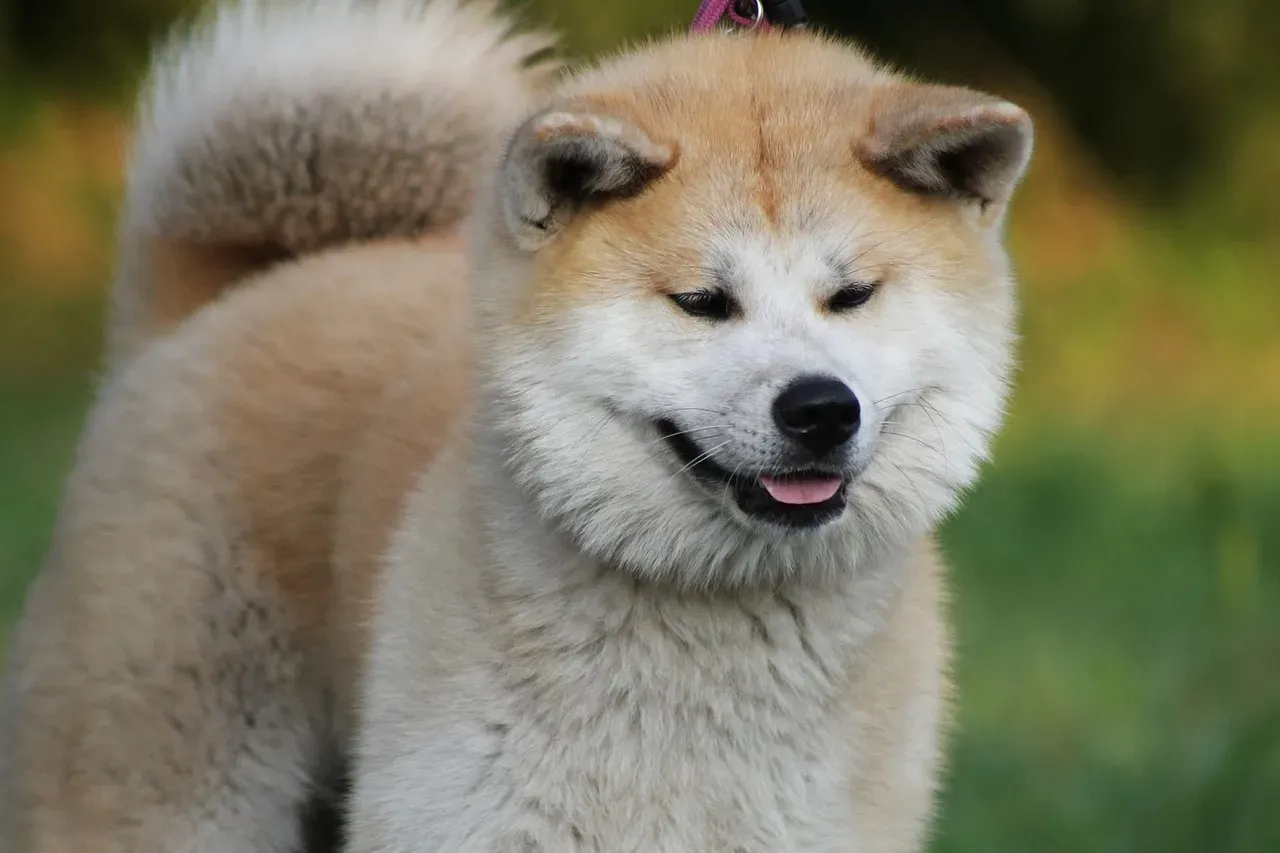
Akitas are large, powerful dogs originally bred in Japan for guarding and hunting. They have a strong, independent nature and are known for loyalty and protectiveness. Akitas require structured environments and consistent leadership, making them best suited for experienced dog owners. That kind of consistent leadership takes energy, confidence, and skill that can be difficult to maintain as physical capacity changes with age.
Their size and strength can be difficult for older adults to manage, especially during walks or if the dog becomes excited. Akitas are naturally wary of strangers and other animals, which can create stressful situations in a senior household. These Japanese dogs need early socialization and ongoing behavioral training, as their independent streak can lead to stubbornness or dominance behaviors. The combination of physical power and protective instincts can be overwhelming seeking a relaxed, low-maintenance companion.
8. Pomeranian: Small Package, Surprisingly High Demands
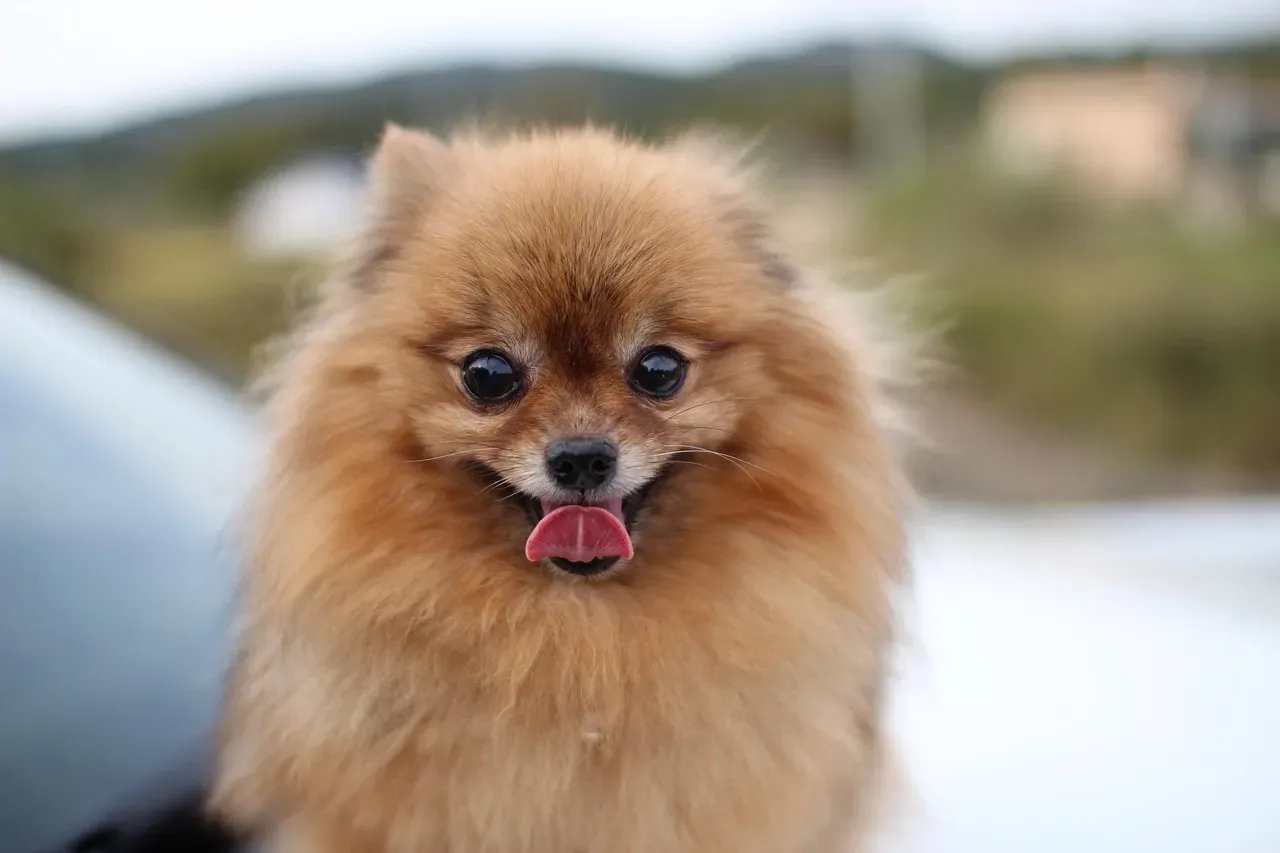
Many people assume that small automatically means easy. Surprisingly, small breeds like Pomeranians can be quite high-energy and demanding. They require a lot of attention and may not be well-suited looking for a more relaxed companion. Their fluffy, cloud-like appearance is genuinely misleading.
Pomeranians are lively and require constant attention. Their energetic and sometimes hyperactive nature means they need regular playtime and mental stimulation to avoid boredom and anxiety, which may be demanding for some seniors. Add to that a tendency toward excessive barking and an inclination to be yappy, combined with long coats that need frequent brushing and combing to prevent matting. That’s a significant grooming and noise commitment for a dog that fits in a handbag.
9. Pit Bull Terrier: Strength That Requires Experienced Hands

Pit Bull Terriers are muscular, energetic dogs originally bred for strength and tenacity. They are loyal, intelligent, and confident, often forming strong bonds with their families. Their agility and enthusiasm make them excellent for active owners who enjoy training and dog sports. That profile suits a very specific owner, and most seniors don’t fall into that category.
Pit Bulls require consistent exercise, behavioral training, and socialization to prevent aggressive behavior or excessive excitement. Their powerful build and playful energy can be difficult for senior citizens to manage safely. Without proper supervision, they may unintentionally knock over or overwhelm older adults. Additionally, their protective instincts make them more suitable for experienced pet owners rather than retirees seeking calm companionship.
They need a lot of activity and plenty of time to get out of the house and run, so a pit bull won’t do well cooped up in an apartment or assisted living community. An under-exercised Pit Bull is a stressed Pit Bull, and that stress tends to express itself in ways that are difficult to manage.
10. Alaskan Malamute: A Working Dog That Never Clocks Out
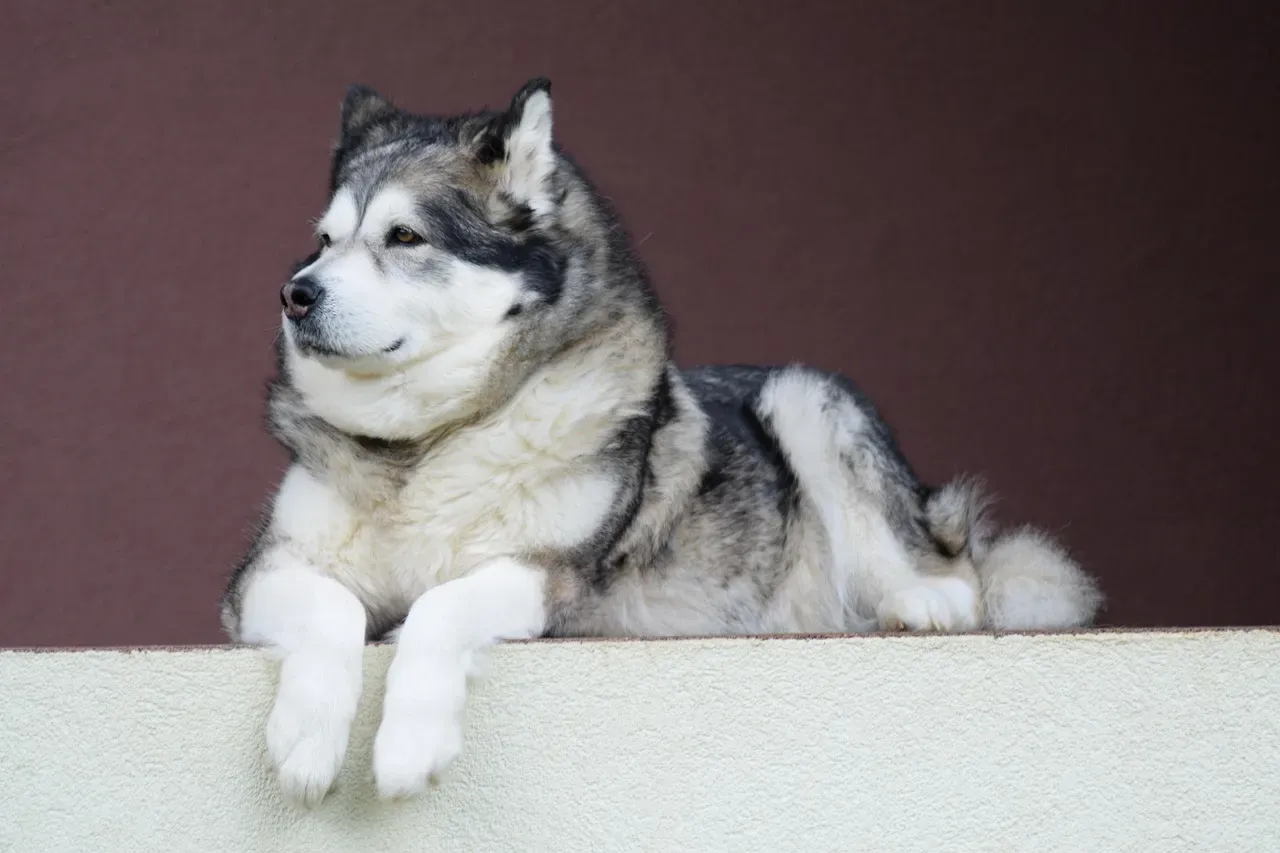
Alaskan Malamutes have boundless energy and thick double coats that require daily brushing. They shed heavily during seasonal changes and need extensive outdoor exercise. Their high prey drive and strength make them difficult to control on walks. This is a breed built for hauling heavy sleds across long distances, and that drive doesn’t disappear in a suburban backyard.
Unlike Huskies, Malamutes are even larger and heavier, sometimes reaching well over eighty pounds. Large and extra-large dogs are not a good choice , especially if they are experiencing any issues with balance. Large dogs can injure people who are in their prime, and owning a large breed requires specific skills and training. For retirees, large dogs can overrun their lives, make it dangerous to go for walks, and even knock them over accidentally.
The daily brushing requirement alone, especially during the twice-yearly coat blows when fur comes out in thick clumps, can be physically demanding. Their high energy and grooming needs can be too much for most seniors, and there are simply far gentler, more manageable companions available for those in their golden years.
A Final Word: It’s About the Right Match, Not the Wrong Dog
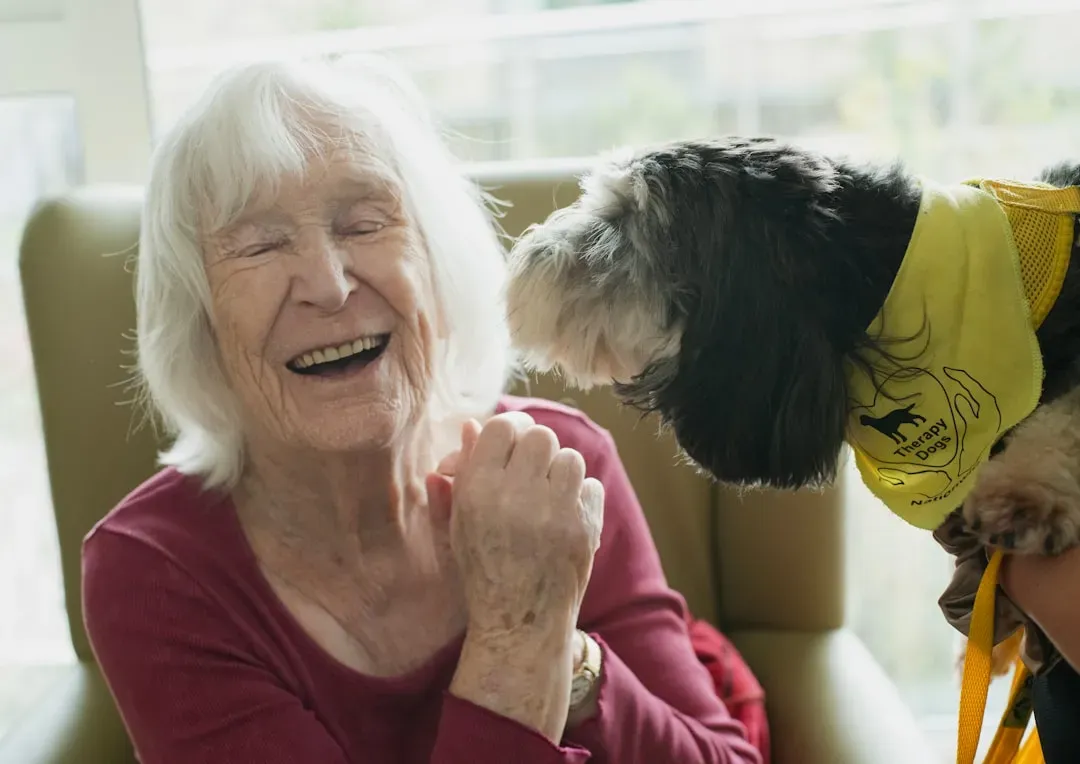
None of the breeds on this list are bad dogs. They’re just dogs with needs that tend to exceed what many seniors can comfortably and safely provide. This is important because it could significantly reduce the number of dogs surrendered to shelters each year, many of whom end up there simply because their needs didn’t fit their older owner’s lifestyle. That’s a painful outcome for everyone involved, especially the dog.
It’s important to note that not all dogs within a specific breed will exhibit the same health issues or behavior traits. Individual temperament and upbringing can greatly influence a dog’s behavior. Proper training, socialization, and regular exercise can help mitigate some of these challenges. If you already have one of these breeds and it’s working well, that’s wonderful. This guide is most useful before a decision is made, not after.
Adopting an adult or senior dog is often the most practical choice for older adults. A calm, already-trained adult dog from a rescue often turns out to be the most rewarding match of all. The goal isn’t to avoid dogs entirely. It’s to find the one that will truly settle in beside you, not drag you out the door.


