

Your heart races every time you walk into the vet clinic. Will there be another diagnosis today? Another expensive treatment? If you’re anything like most dog owners, you’ve probably spent sleepless nights worrying about your pup’s wellbeing. Here’s something that might surprise you, though: not all breeds face the same health challenges. Some dogs sail through life with hardly a sniffle, while others seem to battle one condition after another.
Let’s be real, knowing what you’re getting into matters. Choosing a breed isn’t just about those adorable puppy eyes or that fluffy coat. It’s about understanding what their genetics might bring and how you can help them thrive. So whether you’re considering adding a new furry friend to your family or you’re just curious about how your current companion stacks up, buckle up for an honest look at the healthiest dogs out there and the ones who need extra love and care.
Australian Cattle Dog: The Marathon Runner of the Dog World
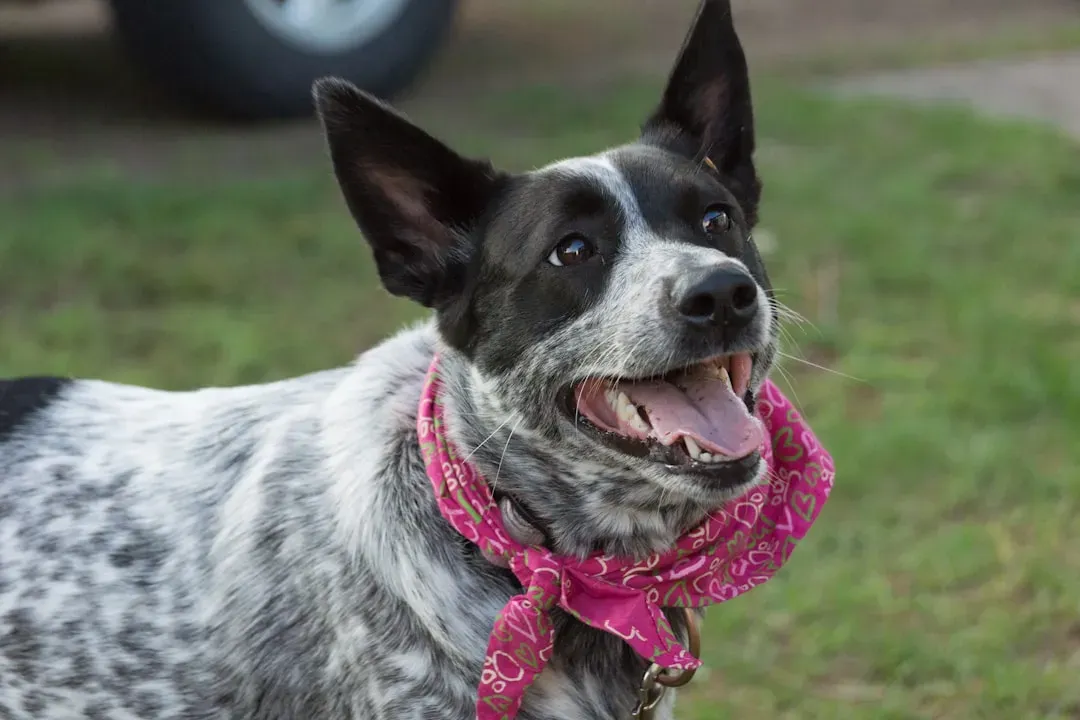
A relatively rare breed in Britain, an Australian Cattle Dog called Bluey made it into The Guinness Book of Records as the world’s oldest dog, reaching the amazing age of 29. Think about that for a moment. Nearly three decades of companionship. These active dogs live on average for 12 to 16 years, and they stay remarkably fit throughout most of that time.
The Australian Cattle Dog is built tough for herding cattle across harsh terrain, boasting exceptional stamina and soundness. They’re the kind of dog who’ll outlast you on a hike and still have energy left over. Their secret? Their genetic diversity remains relatively high thanks to less extreme selective breeding.
Basenji: The Fastidious Ancient Hunter
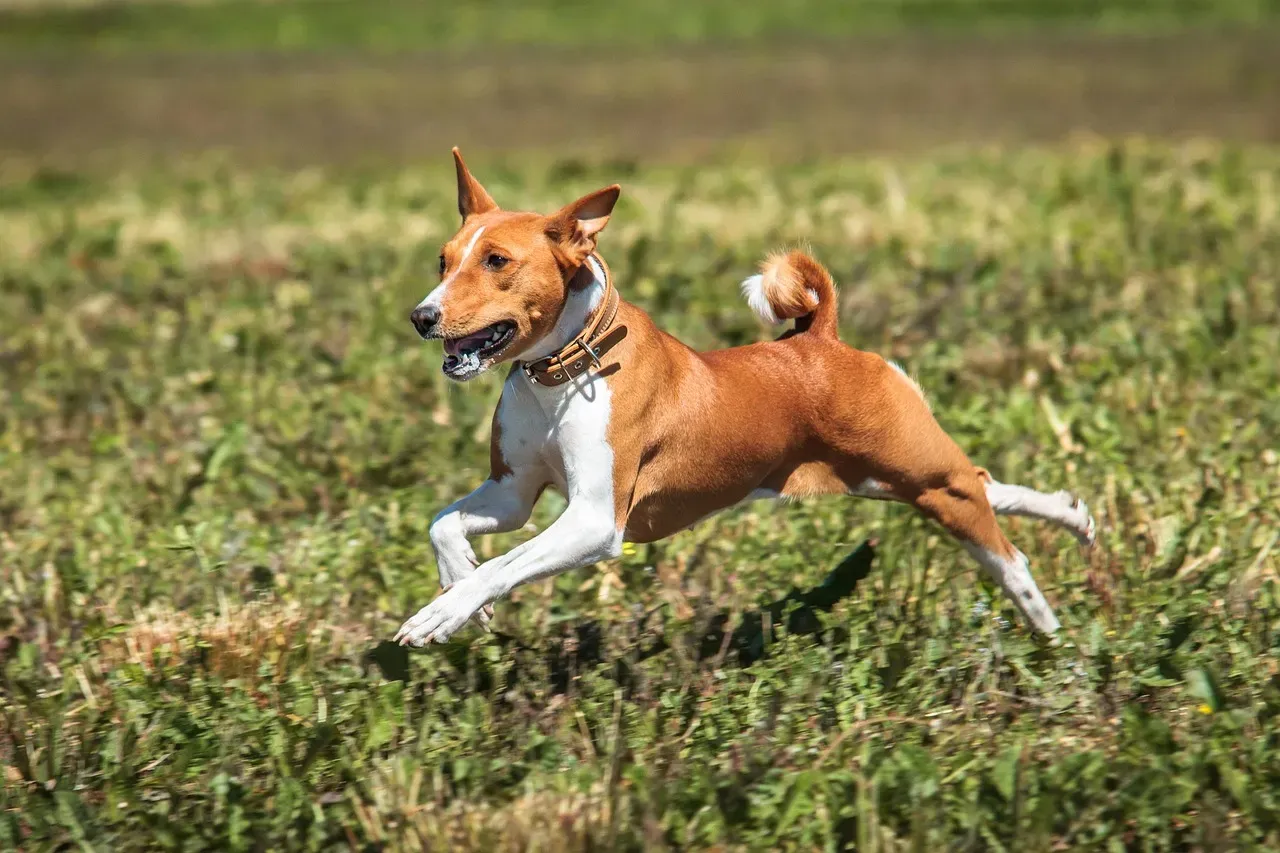
Their average lifespan ranges between 12 to 16 years, which is quite long for medium-sized dogs, and Basenjis rarely suffer from common canine ailments like hip dysplasia or allergies. Known as the barkless dog because of their unique yodel, these African natives have something else going for them too: they’re remarkably clean.
Basenjis lack a distinctive odor, or “dog smell”. While they can develop Fanconi syndrome, a rare kidney disorder, responsible breeders screen for this condition diligently. Their cat-like grooming habits and independent nature make them low-maintenance companions who rarely see the inside of a vet’s office for anything serious.
Border Collie: Brains and Brawn in One Package
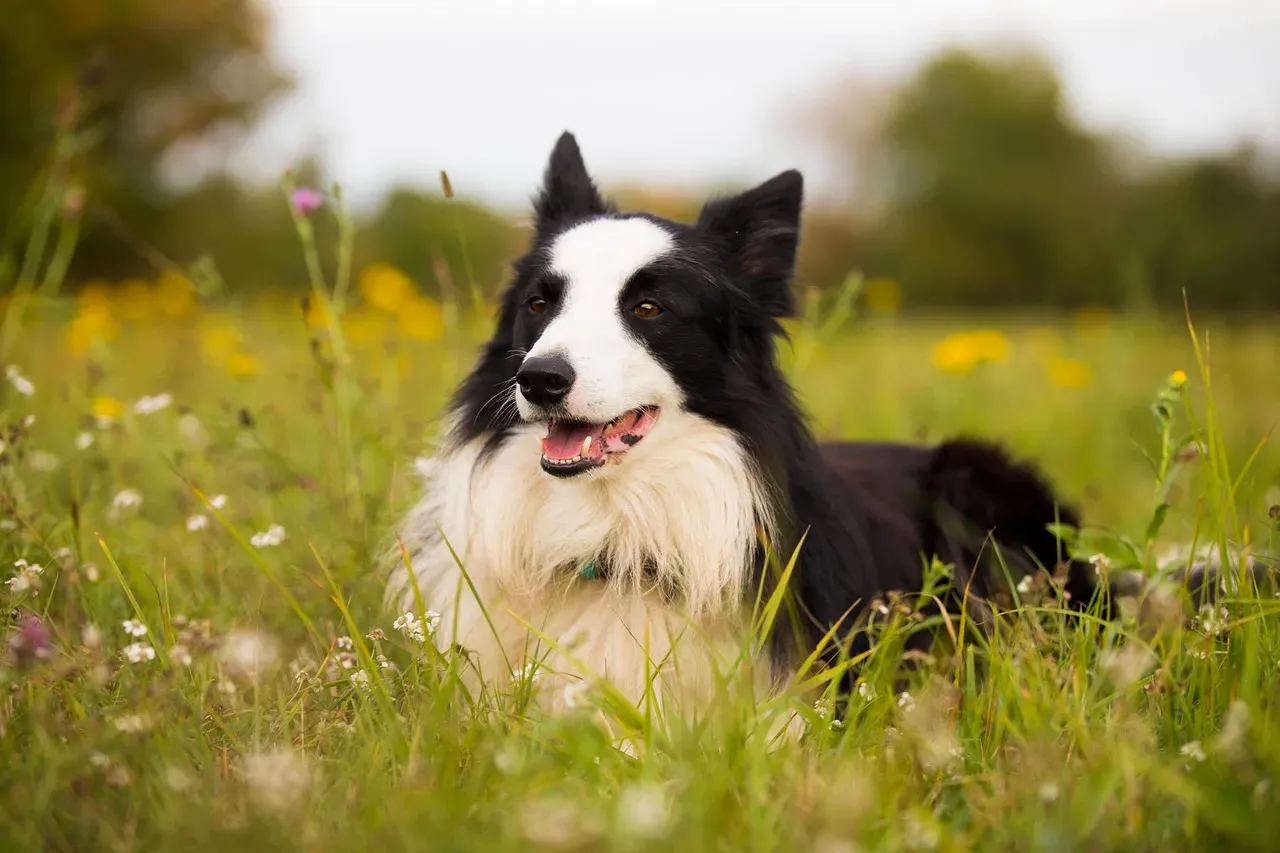
These dogs are absolute geniuses, honestly. Intelligent, agile, and energetic, Border Collies not only excel at tasks but also enjoy great health, with many living up to 17 years with proper exercise and a balanced diet. They’re the kind of dog who needs a job, whether that’s herding sheep or competing in agility trials.
Border Collies have high intelligence and energy with an average lifespan of around 12 to 15 years. Their work ethic isn’t just mental. These dogs stay physically robust because they were bred for function over fashion. Regular exercise keeps their joints strong and their minds sharp, which translates into fewer health complaints overall.
Beagle: The Sturdy Little Scent Hound

Beagles are scent hounds with healthy longevity around 13 to 15 years. Those droopy ears and soulful eyes hide a surprisingly robust constitution. Sure, they’ll eat anything not nailed down, which means you need to watch their weight. Obesity is their Achilles heel.
Their genetic lineage allows many to live 12 to 15 years with minimal problems aside from potential obesity. Keep them active, monitor their food intake, and you’ve got yourself a companion who’ll happily follow their nose through life with very few health hiccups. They’re friendly, resilient, and adaptable to various living situations.
Belgian Malinois: The Working Dog Powerhouse

Bred as herding dogs, the Belgian Malinois is a close cousin of the more popular German Shepherd, and like many working dog breeds they are naturally intelligent, very hardy and tend to stay healthy. These aren’t your average couch potatoes. They’re the dogs you see alongside police officers and military personnel.
Belgian Malinois are athletic working breeds with healthy lifespans around 14 years. Their intense drive and athleticism mean they need serious exercise, but in return, you get a dog built to last. Favored by military and police forces, the Belgian Malinois is highly trainable and known for strength and endurance, living healthy lives into their mid-teens with few inherited issues.
Chihuahua: Tiny Dog, Mighty Constitution

Don’t let their size fool you. Chihuahuas stand out as one of the healthiest dog breeds at just 5 to 6 pounds, and they can live for anywhere from 12 to 18 years. These little spitfires pack decades of personality into their pocket-sized frames.
Content to be carried around, snuggle on your lap, or bouncing around the house, they are loveable dogs that remain generally healthy and happy when cared for properly. Sure, they can be fragile physically due to their size, but genetically? They’re surprisingly sound. Their biggest health concerns usually stem from accidents rather than inherited conditions.
Greyhound: The Gentle Speed Demon

Greyhounds are sleek racers with few health issues and a lifespan of around 12 to 14 years. These dogs were bred for one thing: speed. Greyhounds have been bred primarily for speed rather than appearance extremes that cause health problems in some breeds.
What’s fascinating is that despite their athletic build, they’re actually couch potatoes at heart. A couple of good sprints and they’re ready to curl up for hours. Their lean build means less stress on joints, and their simple breeding history means fewer genetic complications. They’re proof that sometimes, keeping things straightforward works best.
Havanese: The Resilient Island Dog

Hailing from the capital city of the Caribbean island of Cuba, like many small dogs the Havanese has more chance of developing liver and kidney disease than their larger cousins, but otherwise these loving characters can be expected to remain healthy for most of their lives.
These little charmers adapt well to various living situations and maintain good health with proper care. They’re social butterflies who thrive on companionship, and their moderate exercise needs make them perfect for various lifestyles. Regular vet checkups help catch any potential issues early, but overall, they’re remarkably sturdy for their size.
Siberian Husky: The Endurance Machine
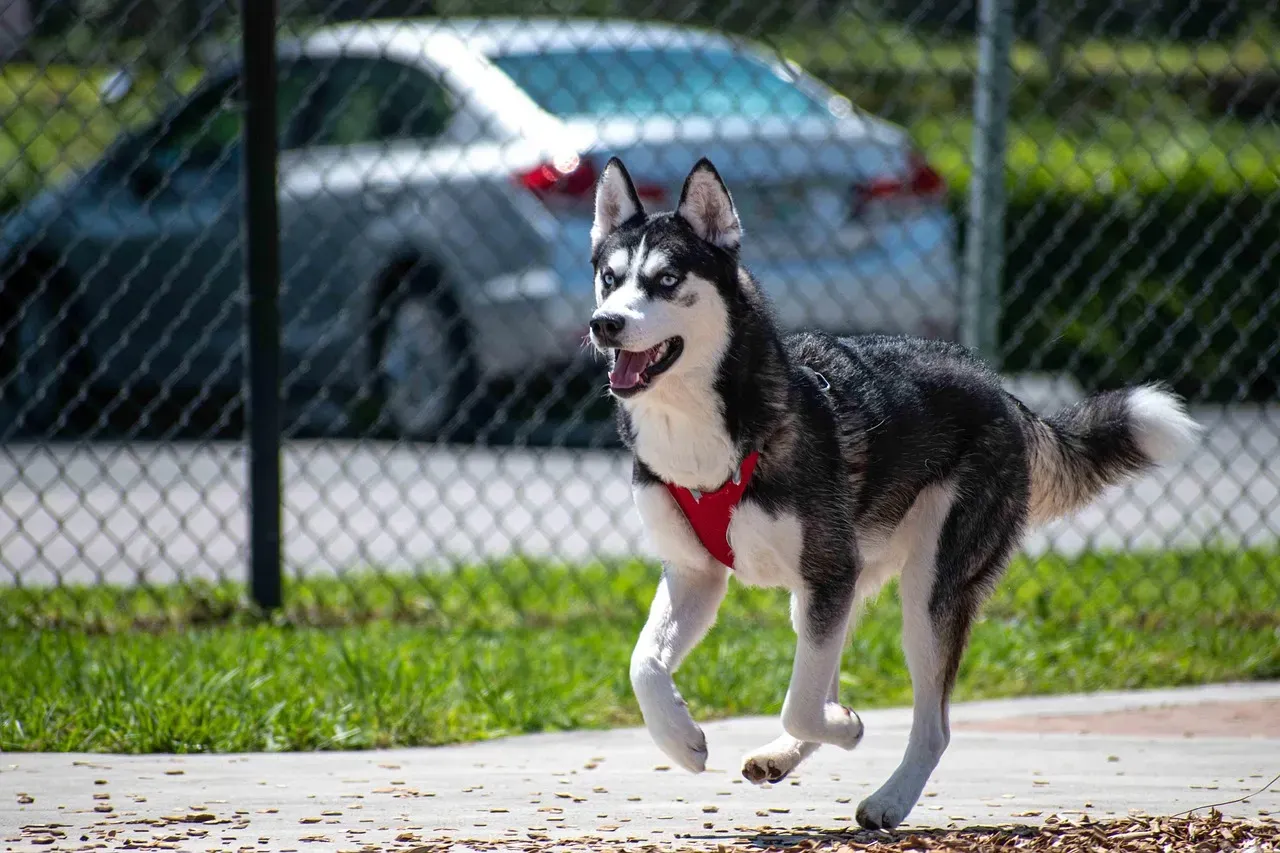
Siberian Huskies are endurance sled dogs with lifespans around 14 to 15 years. Built to run for miles in subzero temperatures, these dogs have constitutions as tough as their heritage suggests. Their thick double coats and athletic builds serve them well health-wise.
They do need substantial exercise to stay happy and healthy. An under-exercised Husky is a destructive Husky. But give them the activity they crave, and you’ll have a companion who stays robust well into their senior years. Their wolf-like appearance might seem intimidating, but their health profile is actually quite reassuring.
Shiba Inu: The Independent Survivor

This Japanese breed is fiercely independent and very healthy, with few hereditary illnesses and a typical lifespan of 12 to 16 years. These spirited dogs have a reputation for being stubborn, but that independent streak comes with some serious health benefits.
They’re fastidious groomers, much like cats, which keeps them clean and helps prevent skin issues. Their medium size means they avoid many of the orthopedic problems that plague larger breeds. The Shiba Inu is a sturdy, fastidious dog requiring a firm training hand. With proper socialization and care, they’re incredibly resilient companions.
Mixed Breeds: Nature’s Health Insurance
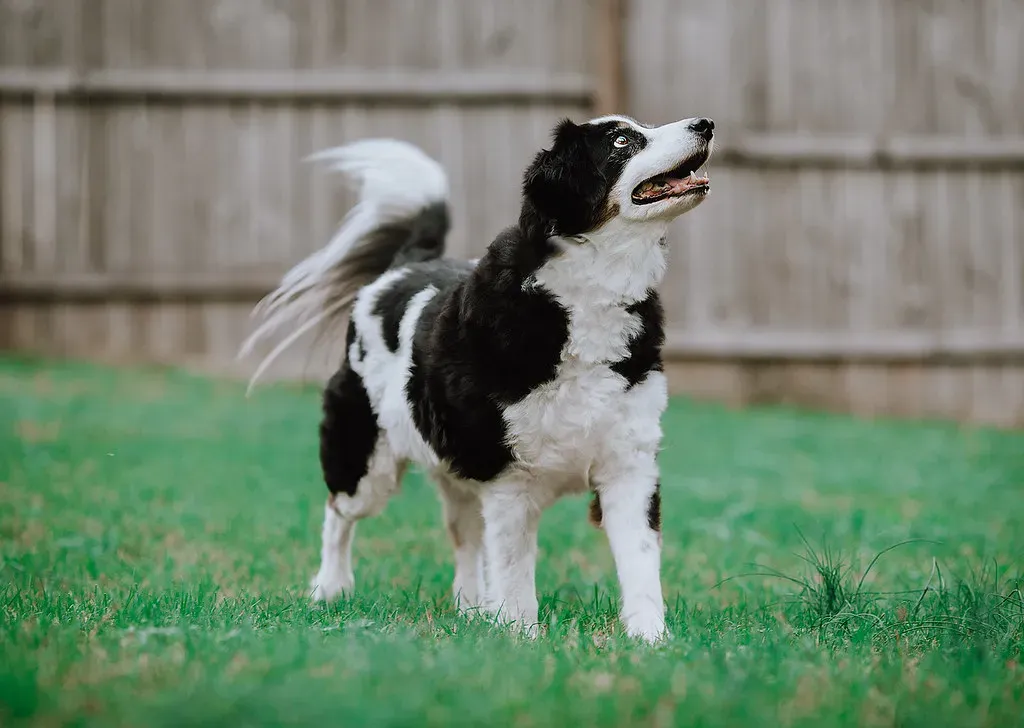
Here’s something breeders don’t always want to discuss. Mixed-breed dogs often embody the best of health thanks to a broader gene pool, and this diversity reduces the risk of inherited diseases, making mutts an excellent option for those seeking a low-maintenance pet.
Although it is commonly assumed that purebred dogs are more prone to inherited disorders than mixed-breed dogs, the data suggest that this distinction is not quite so categorical. Still, genetic diversity typically works in favor of mixed breeds. That rescue mutt might just be your healthiest option yet. They combine traits from multiple lineages, often canceling out genetic weaknesses.
Bulldog: The Breathing Struggle Is Real

Let’s talk honestly about Bulldogs. While charming and lovable, English Bulldogs are prone to various health issues due to their unique physical characteristics and genetics, including Brachycephalic Syndrome with their flat faces and short noses, leading to breathing difficulties, snoring, sleep apnea, and struggle to cool down in hot weather, making them susceptible to heatstroke.
To meet pedigree standards, breeding has resulted in many genetic health problems for Bulldogs, with the most common being respiratory due to Bulldogs being selectively bred to display shorter snouts. They also suffer from hip dysplasia, skin infections in their wrinkles, and eye problems. It’s hard to watch them struggle just to breathe on a warm day.
Cavalier King Charles Spaniel: The Heartbreaking Beauty

These dogs are absolutely precious, which makes their health issues even more devastating. Heart mitral valve disease may afflict over half of all Cavalier King Charles spaniels by the age of 5 years and nearly all Cavaliers by age 10 years, and it is CKCSs’ leading cause of death. Let that sink in. Most of these dogs will develop heart disease.
This disease occurs in Cavaliers roughly 20 times more often than in other breeds, with more than half of all Cavaliers developing MVD by age 5, and most show signs of the disease by age 10. Breed-wide, the average lifespan of a Cavalier is about 9 to 10 years. They also suffer from syringomyelia, a painful neurological condition, eye problems, and hip dysplasia. It’s a heartbreaking reality for such loving dogs.
German Shepherd: The Hip Dysplasia Poster Child
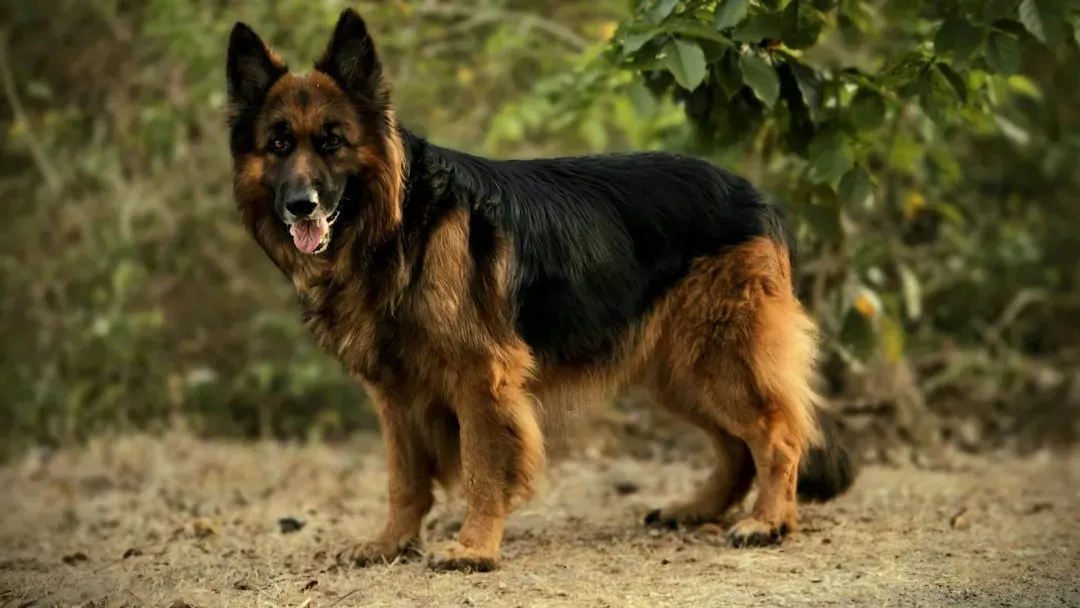
According to the Orthopedic Foundation for Animals, out of 131,943 German Shepherds evaluated for hip dysplasia, 20.6% were found to have the disease, making it the leading health problem in German Shepherds. That’s roughly one in five dogs struggling with painful joints.
Of 54,596 German Shepherds evaluated, 18.8% presented with elbow dysplasia, and degenerative myelopathy affects the spinal cord, resulting in progressive hind limb weakness and paralysis, usually between the ages of 8 and 14. They’re also prone to bloat, a life-threatening emergency. These loyal, intelligent dogs deserve better than the genetic hand they’ve been dealt through decades of questionable breeding practices.
Dachshund: When Backs Become Breaking Points

Those adorable long bodies come with a serious price. Due to their long backs and short legs, Corgis are prone to intervertebral disc disease, a spinal condition that can cause pain and mobility issues. The same applies to Dachshunds, who face similar structural challenges.
Their elongated spines make them incredibly vulnerable to back injuries. A simple jump off the couch can lead to devastating paralysis. They need ramps, careful handling, and constant vigilance. Weight management becomes absolutely critical because every extra pound puts more strain on that already compromised back. It’s a tough reality for such spirited little dogs.
Pug: The Cost of That Cute Face

Pugs, a breathing-impaired breed, are 54 times more likely to suffer from brachycephalic obstructive airway syndrome, a condition that greatly limits a dog’s ability to breathe, than other types of dogs. Fifty-four times. That statistic is staggering.
Obesity is the most frequent health concern for pugs in the US, with their love of food paired with low activity often leading to excess weight, worsening breathing difficulties, joint stress, and shortening their lifespan. Their bulging eyes are prone to injuries and ulcers. Their wrinkled faces trap moisture and bacteria. Every physical trait that makes them “cute” is actually a health liability. It’s a sobering truth that prospective Pug owners need to understand.
Choosing Health Over Heartache

So where does this leave us? Breed choice matters profoundly. The difference between a healthy Australian Cattle Dog who might live nearly three decades and a Cavalier King Charles Spaniel whose heart starts failing at five years old isn’t just genetics. It’s centuries of breeding decisions, some wise and some disastrous.
If you’re considering bringing a dog into your life, do your homework. Visit breeders who health test. Consider rescuing a mixed breed. Ask the hard questions about genetic conditions. Your wallet will thank you, but more importantly, you’ll spare yourself and your future companion years of suffering. Every dog deserves to run, play, and live without pain. Some breeds get that opportunity more than others, and it’s up to us to make informed, compassionate choices.
What would you choose: a breed known for resilience or one that tugs at your heartstrings despite the health challenges? There’s no wrong answer, but there is a responsible one. Tell us your thoughts in the comments below.


