
11 Dog Breeds That Can’t Handle Michigan Winters (And 5 That Love the Cold)
Michigan winters are not for the faint of heart. Winter weather in Michigan can sometimes begin as early as late October or early November and last through April. Winter, from late November to early March, is very cold. Snowfalls are frequent, and at times can be abundant. On average, roughly 45 inches of snow fall per year in Detroit alone. Head north toward the Upper Peninsula and those numbers climb even higher.
For dog owners, that brutal stretch of freezing temperatures isn’t just inconvenient. It can be genuinely dangerous. Some breeds aren’t equipped for cold weather because they have low body fat, a short coat, or experience breathing problems when the temperature is too low. For many dogs, exposure to cold weather can lead to discomfort, decreased activity levels, and even serious health risks such as frostbite and hypothermia. Knowing your dog’s limits is one of the most loving things you can do as an owner, whether they’re a bundled-up little Chihuahua or a snow-charging Husky who acts like January is a carnival.
Why Michigan’s Climate Is a Real Challenge for Certain Breeds
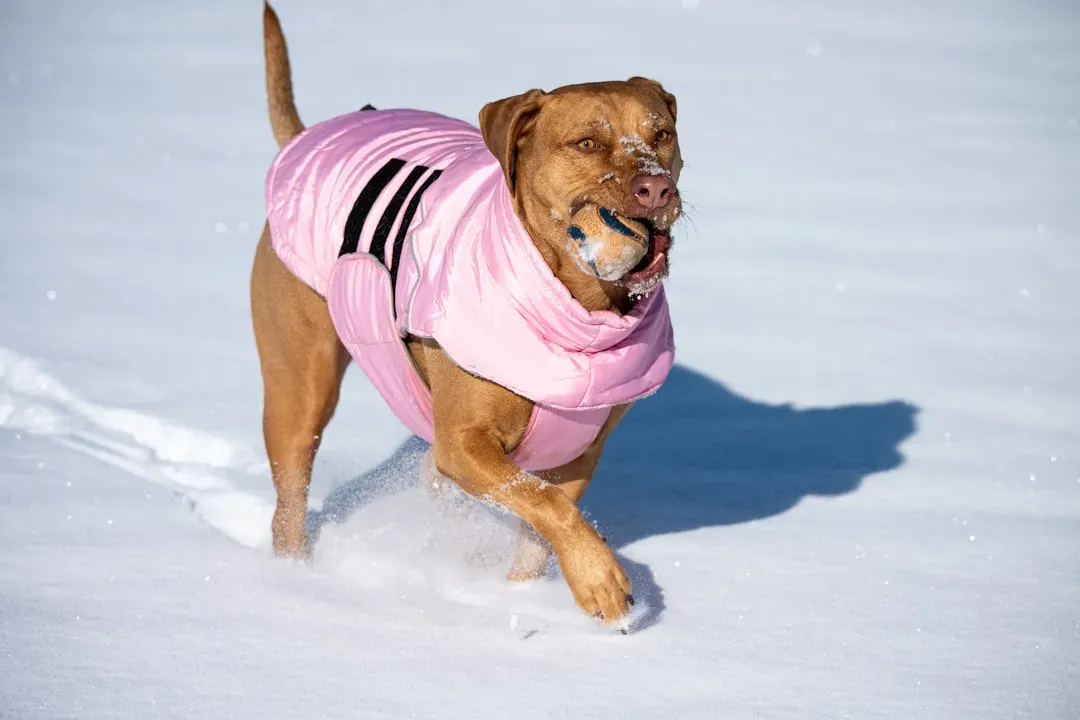
Michigan sits in the Great Lakes region, and that geography shapes everything about its winters. Average temperatures drop to about 27°F during winter months, and the humid air often feels colder than the thermometer suggests. Most winter nights have freezing temperatures in Detroit, and normally about 16 nights per year drop to 10°F or below.
Wind is one of the biggest contributors to frostbite, with some wind conditions making even mild conditions dangerous for pets. Strong winds can quickly strip away a dog’s body heat and make the effective temperature much colder than the actual air temperature. A windy day at 25°F can be far more dangerous than a calm day at 15°F.
Dogs with short and thin coats have a harder time regulating their body temperature and staying warm during cold weather. Look for a breed with a thick double coat if you’re in a cold climate. This means they have an underlayer of dense and soft fur, called the undercoat, as well as the tougher and longer outer layer of guard fur. That undercoat acts a lot like a down jacket, keeping them toasty warm by insulating their body, while the outer layer repels moisture to keep the undercoat dry.
1. Chihuahua
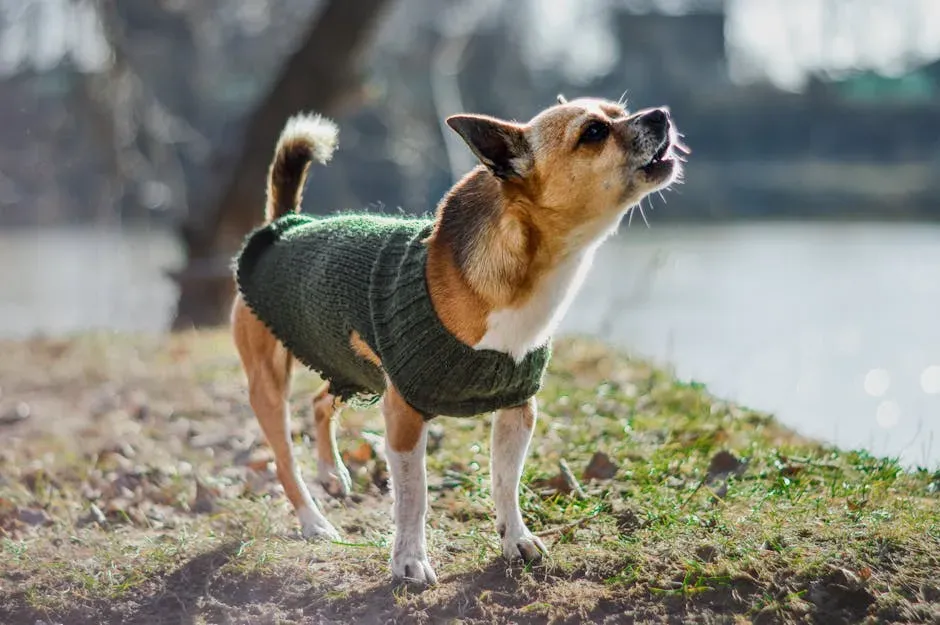
The itty bitty Chihuahua is one of the smallest dog breeds, weighing only 4 to 6 pounds. It’s no surprise that these dogs can’t handle cold weather. They often shiver when cold and might need to wear a cute dog sweater, even when they’re inside. A Michigan January morning, even in the southern part of the state, can be genuinely dangerous for a dog this small.
Smaller dogs lose body heat faster than larger dogs thanks to the ratio of their larger surface area to their volume. Small dog breeds are also closer to the ground, exposing their bellies and bodies to the cold surface or snow much more than longer-legged dogs. For a Chihuahua, even a quick potty break in a snowy yard needs to be timed carefully. Keep walks extremely short, invest in a well-fitted coat and booties, and watch for shivering, whimpering, or reluctance to step outside as clear cues to end outdoor time immediately.
2. French Bulldog
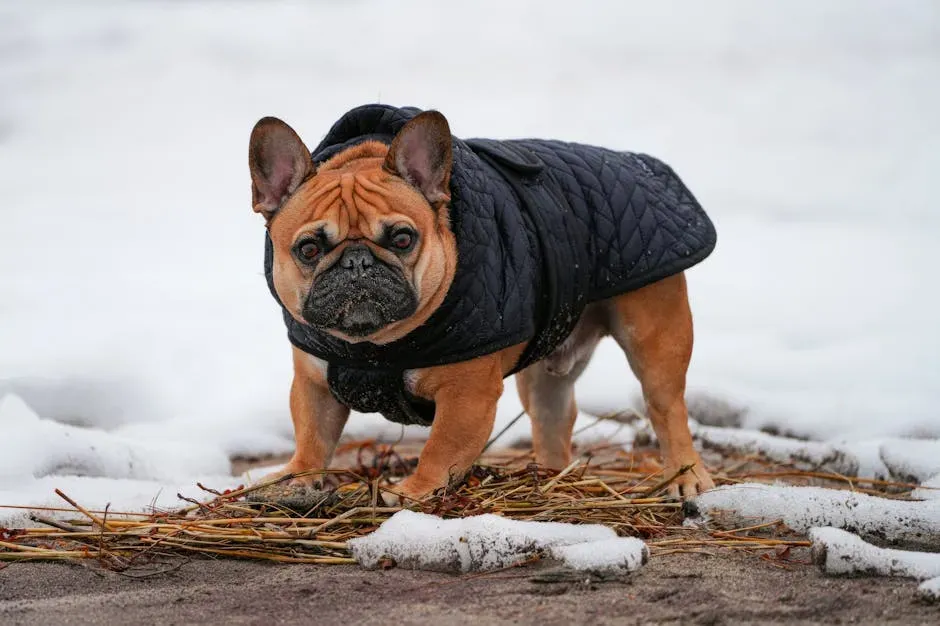
French Bulldogs are known for their compact size and short coat, which provides minimal insulation against the cold. They often have difficulty maintaining their body heat in chilly conditions. French Bulldogs have a harder time regulating their temperature during both extreme heat and cold. Their short coats offer minimal insulation, and their flat faces make cold air a challenge to breathe.
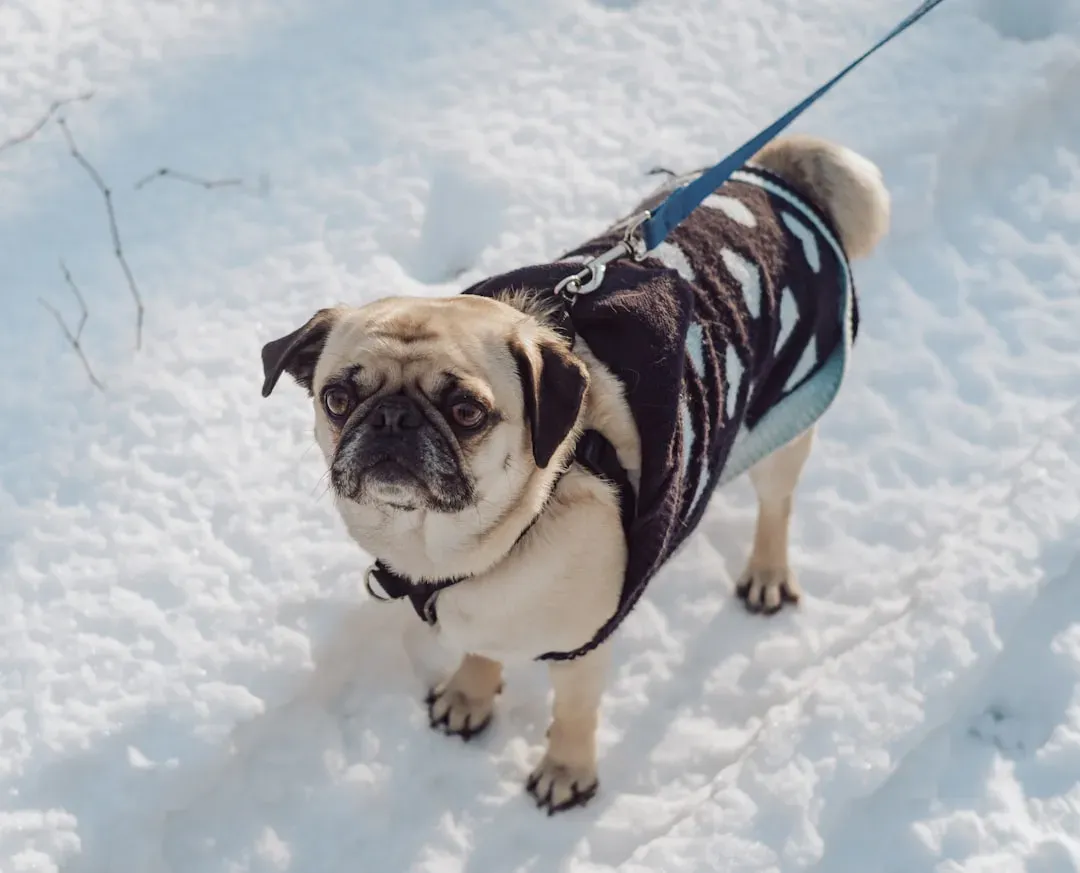
Breeds like the French Bulldog and Pug not only have short coats but also possess a brachycephalic structure, which can make breathing more difficult in cold weather. In Michigan’s icy air, that compressed airway works even harder just to pull in enough oxygen. Keep your Frenchie’s outdoor time brief, always outfit them in a warm, snug jacket, and watch for any labored breathing, which can signal real distress in freezing temperatures.
3. Pug
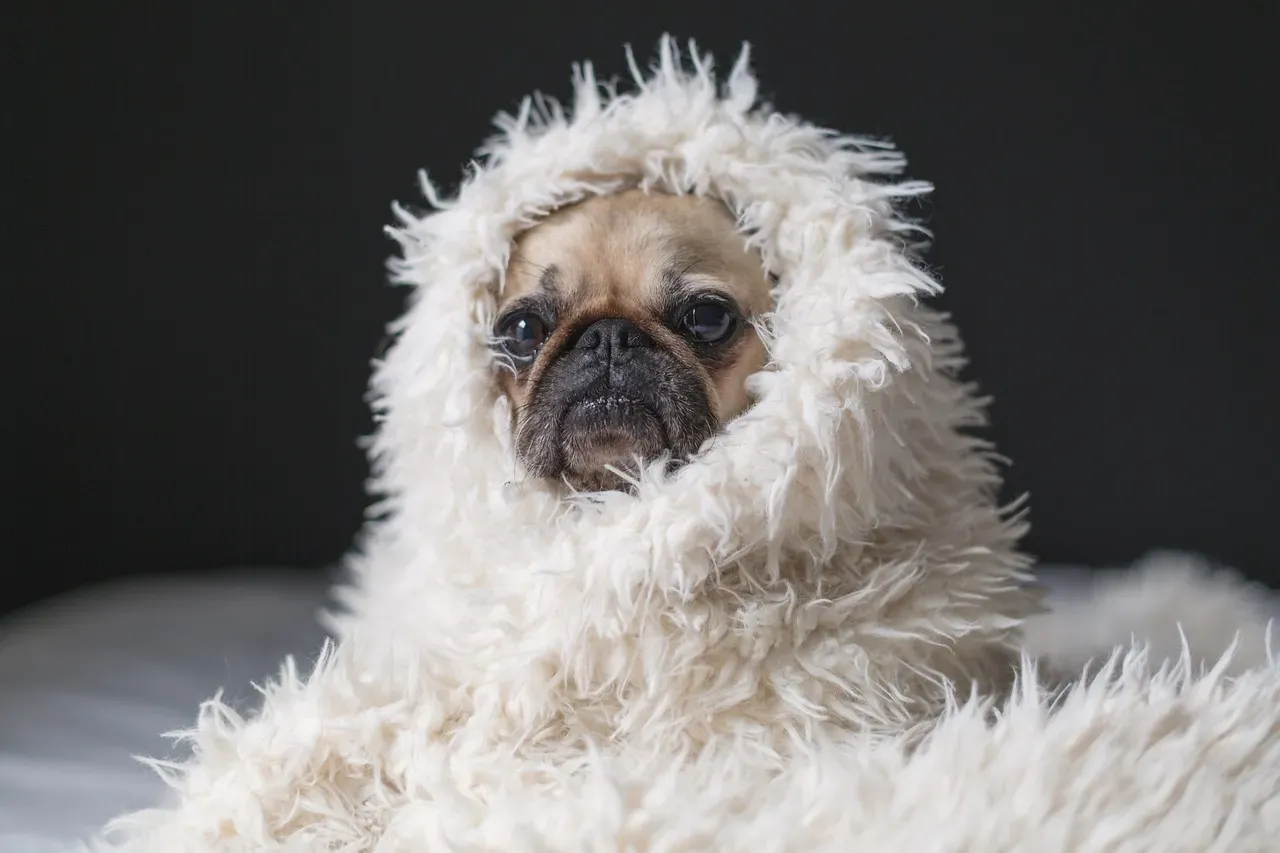
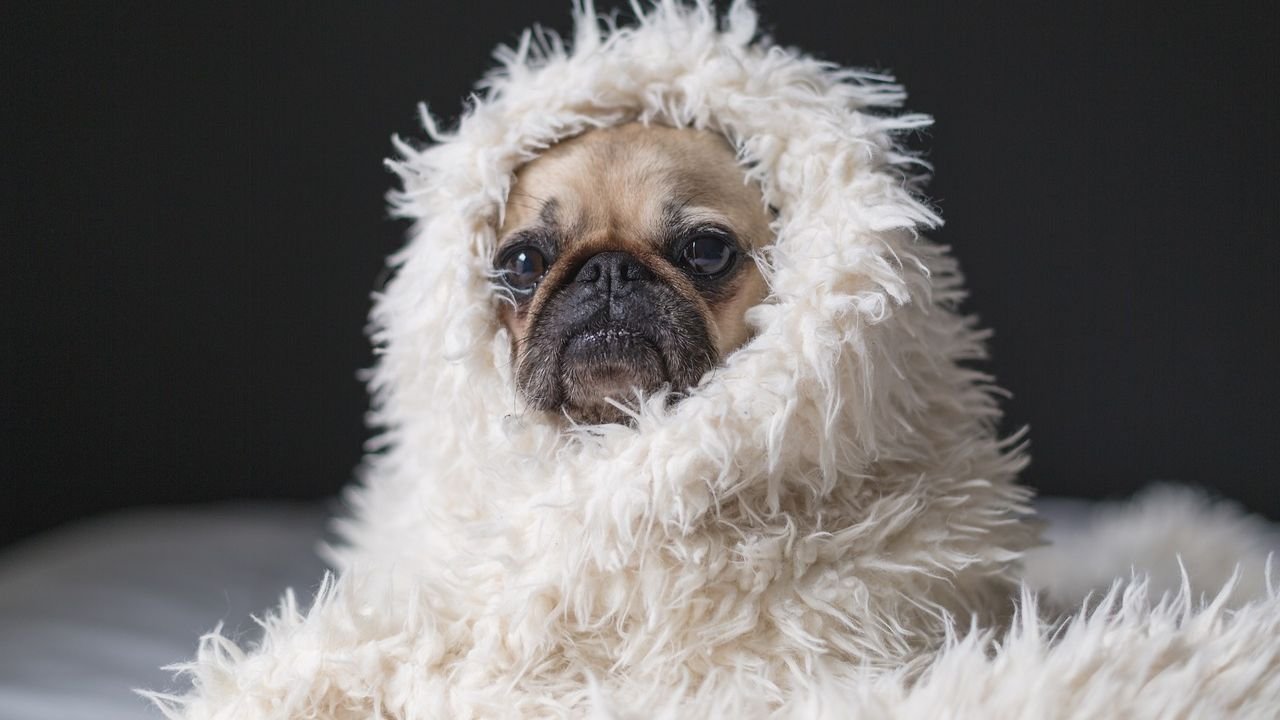
Pugs possess a short, smooth coat and a stocky physique. Due to their brachycephalic structure, they can struggle with breathing in colder air, further complicating their ability to enjoy winter outdoor activities. Long periods in freezing temperatures can lead to breathing discomfort and shivering. Pugs prefer staying inside where they can stay warm with blankets and indoor playtime rather than dealing with icy conditions.
Fortunately, Pugs are natural homebodies, so they don’t fight you much on staying inside. The challenge is keeping them active enough during Michigan’s long winters without the long outdoor sessions they’d normally have in milder months. Indoor enrichment games, short sniff walks, and puzzle feeders are practical ways to keep them mentally stimulated. Keep walks short in cold weather and use indoor games to keep your Pug active and healthy, instead of letting them turn into a couch potato.
4. Greyhound
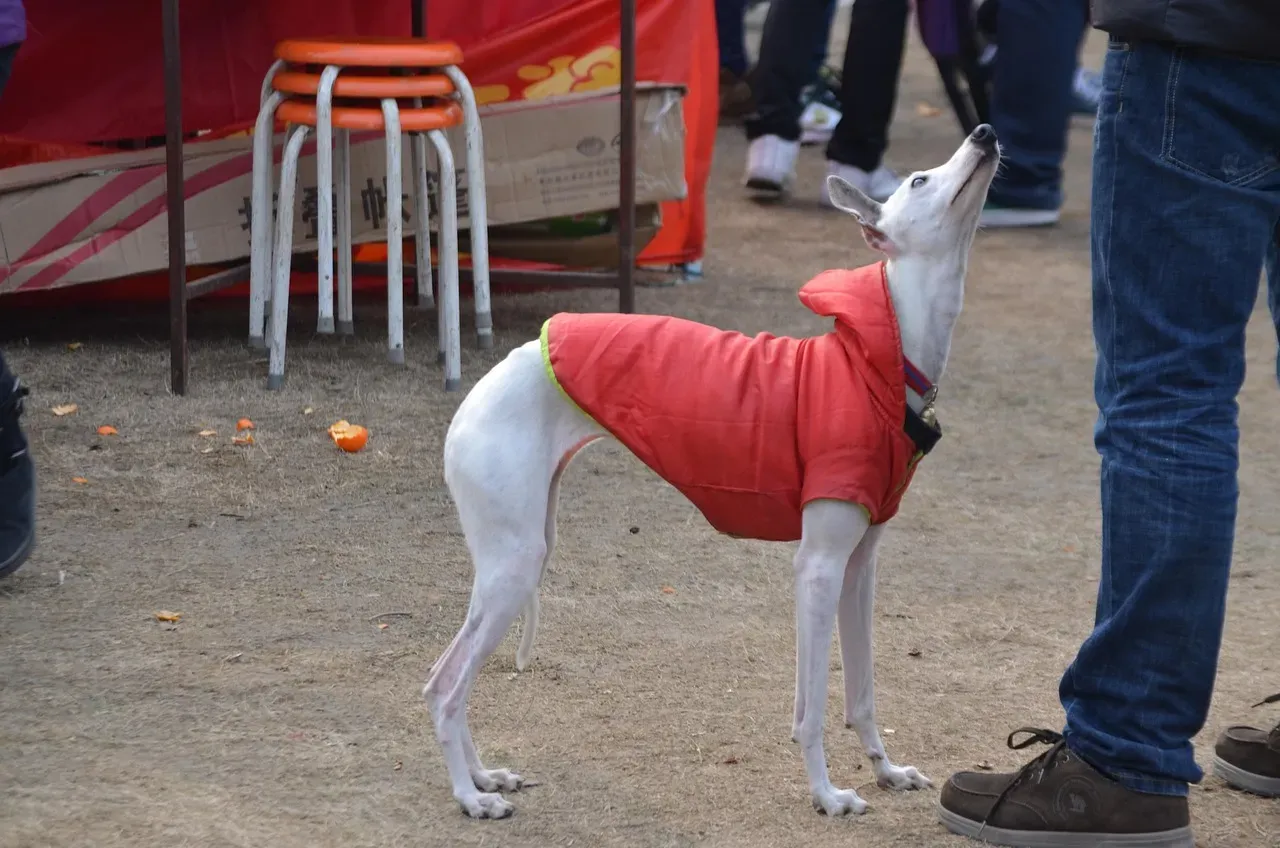
The Greyhound has a lean physique with very little body fat and a very thin coat that allows for rapid heat dissipation. While these features make these dogs track stars, they’re less suited for cold weather conditions. Keep outdoor exposure brief when temperatures are below freezing, and don’t be surprised if your Greyhound needs a layer of clothing to stay warm.
Greyhounds have very little body fat, thin skin, and a short coat, which means they are particularly sensitive to the cold. During winter, your Greyhound will need extra protection to stay warm. A snug jacket is essential every time they go outside, and their outdoor time should be kept to a minimum. If there’s snow, booties will protect their feet, and you should be especially cautious of frostbite on their tender skin and thin ears.
5. Italian Greyhound
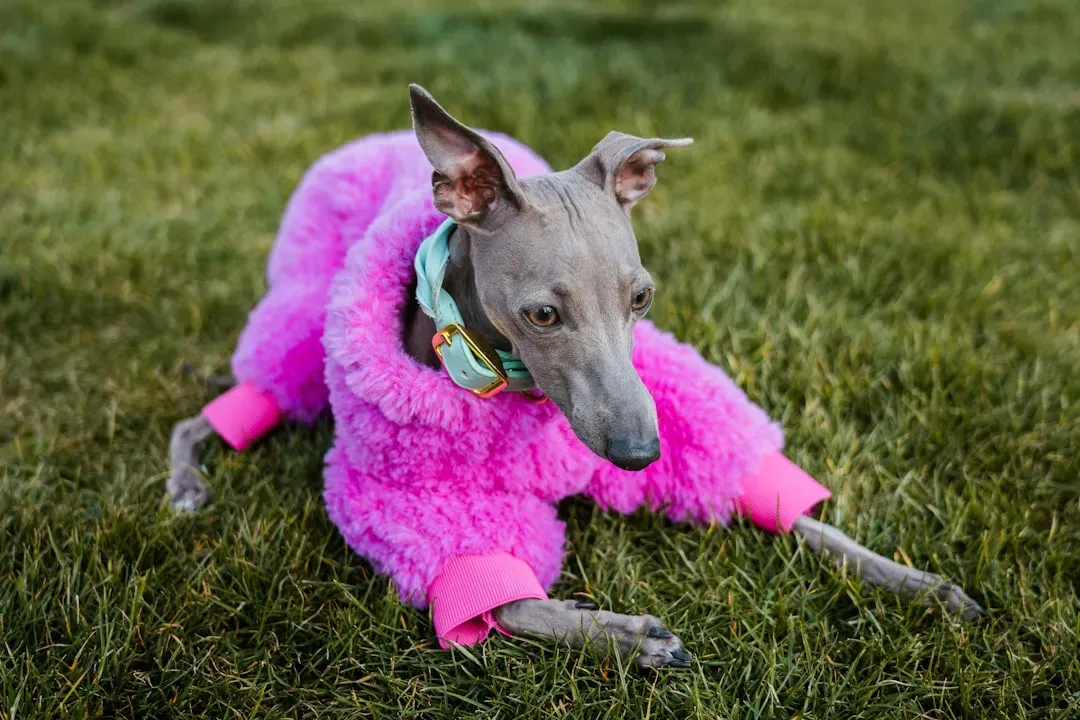
The Italian Greyhound looks like a petite version of the Greyhound, and the two breeds share many physical characteristics, including a slender body and a short, thin coat. Based on those factors, this toy breed doesn’t fare well in cold weather and must be protected from freezing temperatures outside and drafty conditions inside. Italian Greyhounds are known to be affectionate lap dogs, so don’t be surprised if they snuggle up to you even more when the weather turns chilly.
Italian Greyhounds are particularly sensitive to cold weather due to their low body fat and short coats. They struggle with even slightly damp or chilly conditions and require extra protection in cold climates. A snug dog jacket that covers their entire body, along with water-repellent boots, is essential to keep them warm. Watch for signs of discomfort, such as excessive shaking or cold ears, which indicate they might be too cold.
6. Dachshund

While Dachshunds are spirited and playful, their short legs and minimal body fat can make them vulnerable to cold weather. Their long bodies, combined with short fur, leave them at a greater risk for feeling chilly during winter months. Dachshunds have a bold attitude that can disguise how easily they get cold. Their short legs put them close to the ground where they feel the chill quickly, especially when snow is involved.
There’s a particular challenge with Dachshunds in Michigan winters: their belly practically drags through the snow. A fitted dog coat that extends to their underside offers the most protection. Their coats do not offer much warmth, so they rely on jackets and brief outdoor time during winter. Most Dachshunds prefer staying inside where they can remain warm and comfortable rather than braving freezing temperatures. Always dry them off thoroughly when they come inside, since wet fur on a dog with minimal insulation is a recipe for a dangerously cold core temperature.
7. Yorkshire Terrier
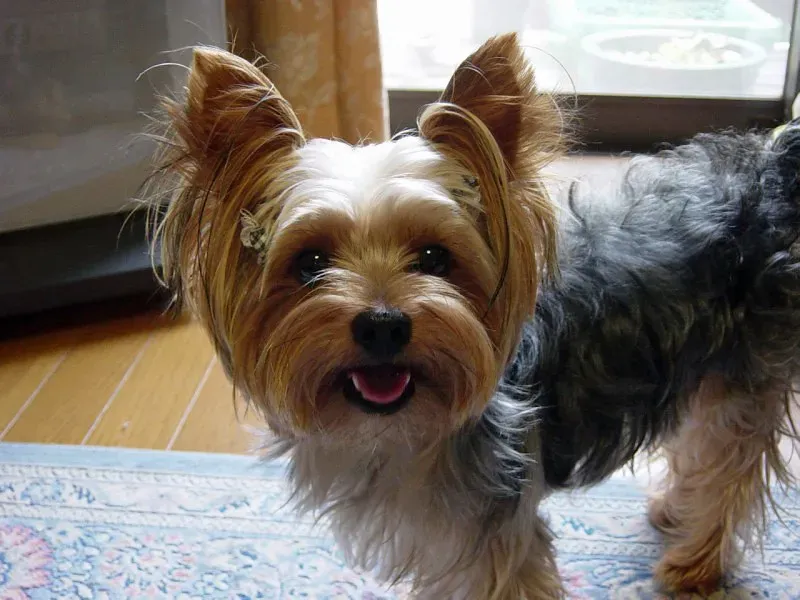
Yorkshire Terriers are small dogs with fine, long hair. While their coat may look fluffy, it does not offer adequate protection from harsh winter weather, making them particularly sensitive to cold temperatures. These families may already be aware that this breed struggles with the cold, as they only have a one-layer coat and a small frame. Like other pups, winter walks call for some extra protection.
A Yorkshire Terrier is a pint-sized companion that weighs less than 10 pounds but has a big personality. Their spirited and energetic nature makes these dogs naturally curious and up for adventure, but their small size means they shouldn’t be exposed to cold temperatures for very long, or they could be at risk for hypothermia. Because Yorkies are naturally curious and tenacious, they may push to stay outside longer than is safe. Keep a close eye on their body language and bring them inside the moment you notice tucked tails, shivering, or lifted paws.
8. Whippet
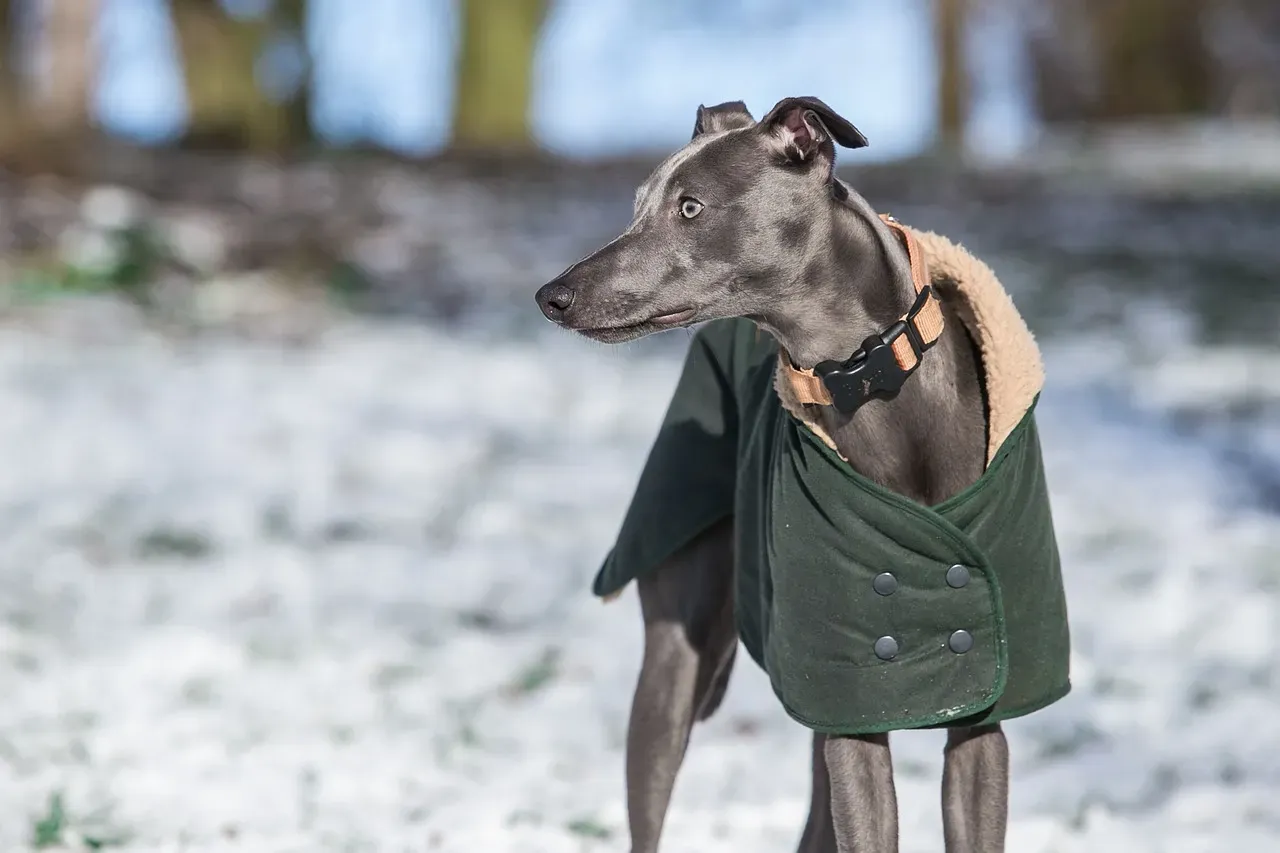
The Whippet shares many similarities with their Greyhound and Italian Greyhound relatives, so it’s no surprise that these dogs also dislike cold weather. These sleek sighthounds have a very thin coat and little body fat, making it easy for them to lose body heat when temperatures drop. The lanky Whippet is built for speed and is closely related to the Greyhound. The breed has a short coat, thin skin, and very little body fat, so there’s not much to insulate against cold weather. When the weather takes a turn, Whippets need protection from the elements, including warm clothing and perhaps even dog boots to protect their paw pads from ice.
Whippets share many of the same cold-weather challenges as Greyhounds. Their slender bodies and minimal coats allow heat to escape quickly, making winter outings uncomfortable for them. They enjoy short bursts of activity but need to be brought inside as soon as they show signs of getting chilled. Indoors, they often burrow into blankets to stay warm. If your Whippet starts tunneling under every blanket in the house, take that as the clear message it is.
9. Boxer
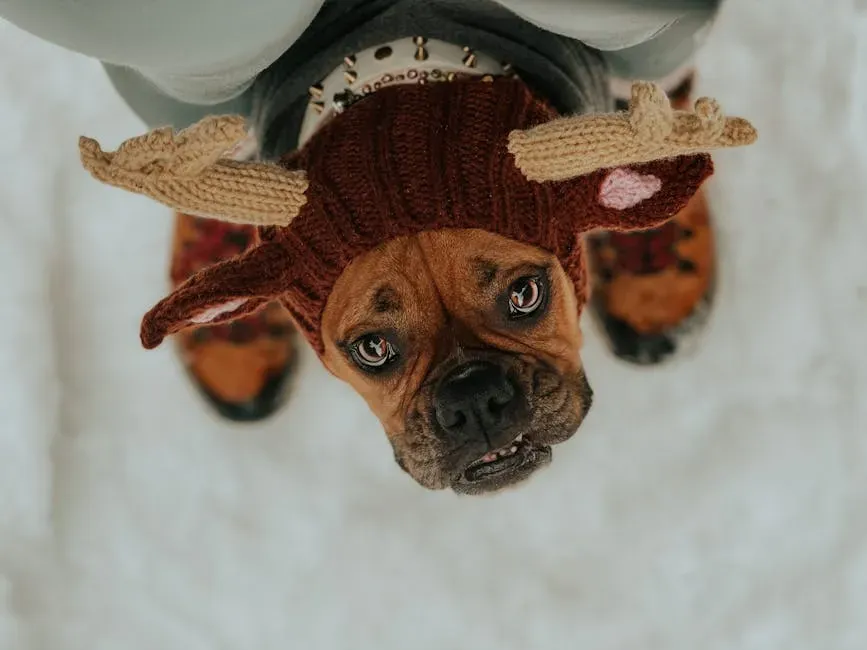
Boxers have short, smooth coats and muscular builds that offer little insulation. They feel the cold quickly and often shiver when temperatures drop. Long winter outings can be tough on them, and they rely on layers and limited outdoor time. This breed is happiest inside during winter where they can stay warm and avoid the discomfort of cold weather.
Their short coats don’t provide them much warmth or protection. Additionally, they’re a brachycephalic breed, which means they have shortened snouts with narrow nostrils and smaller airways. This type of dog is more apt to struggle in cold temperatures. A Boxer walking through a Michigan winter needs a properly fitted coat for every outdoor outing. Despite looking tough and athletic, these dogs feel the cold fast, and their flat face compounds the problem when breathing in frigid air. Shivering, hunching up, and paw lifting are all distress signals to take seriously.
10. Miniature Pinscher
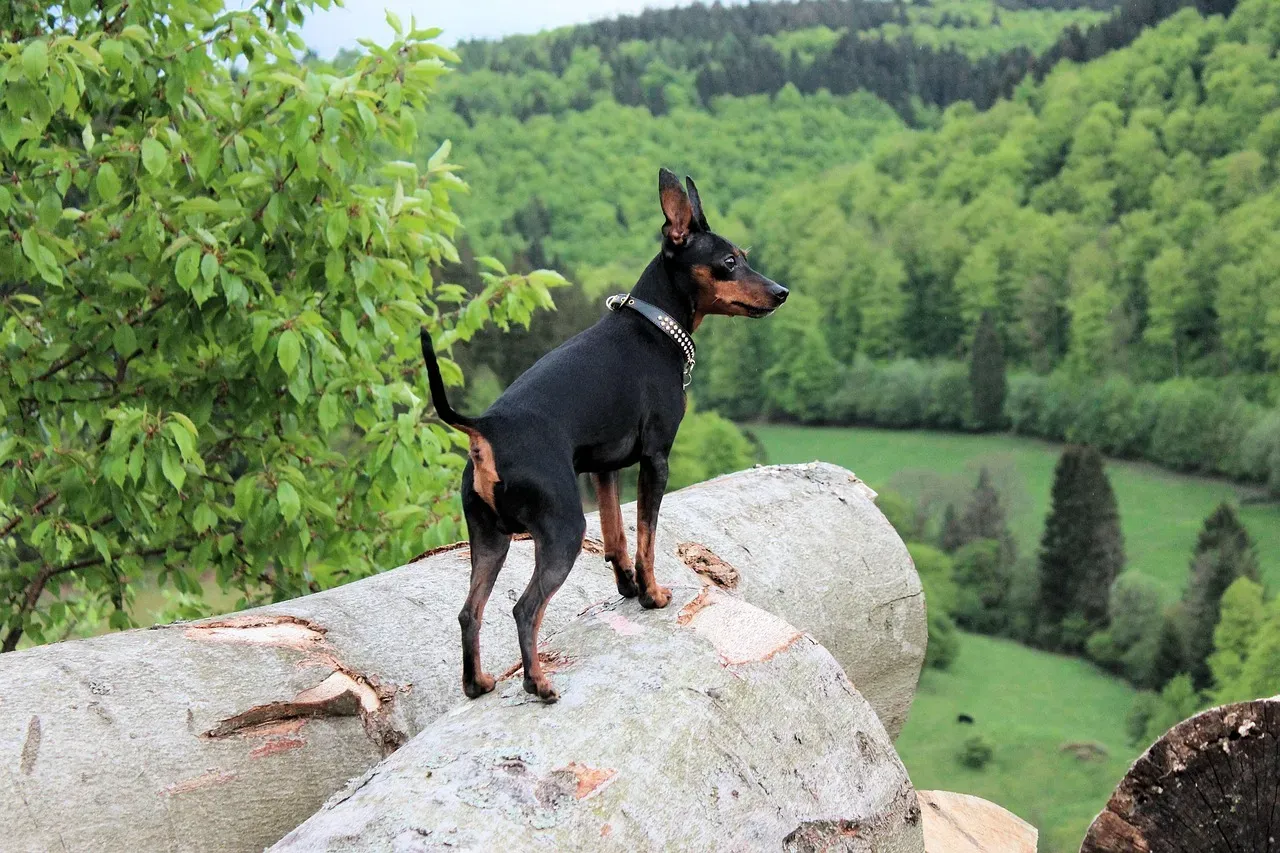
The small size and short coat of the Miniature Pinscher mean this breed can’t tolerate cold weather very well at all. Reaching no more than about 12 inches tall and 10 pounds in weight, these small dogs are prone to losing body heat rapidly, especially with just a smooth, thin coat of hair covering their body. When the weather turns cold, you’ll need to rely on interactive indoor activities to tire out a Min Pin’s body and mind.
Due to their thin coat and small body size, Miniature Pinschers are particularly sensitive to cold weather. They can easily become chilled in lower temperatures, and prolonged exposure to cold can pose health risks such as hypothermia. Owners need to be vigilant in providing adequate warmth for these dogs during winter. Providing a warm and comfortable indoor environment is essential for Miniature Pinschers in colder months. A cozy bed in a draft-free area and maintaining a stable indoor temperature can help them stay warm and comfortable during the winter.
11. Great Dane
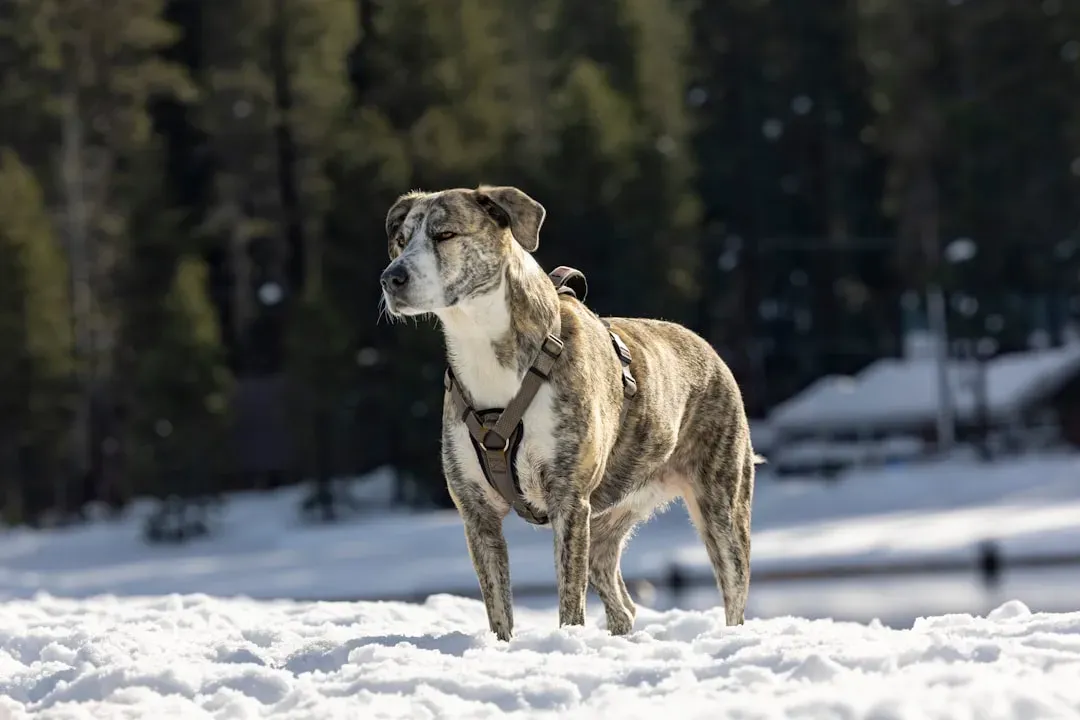
Despite their imposing size, Great Danes possess dangerously poor cold tolerance due to their short coats, lean muscle structure, and minimal insulating body fat. Below 32°F, hypothermia risk climbs exponentially, with most developing distress symptoms within twenty minutes of exposure. Cold weather can pose significant risks to Great Danes. Their large size doesn’t compensate for their short coat, which offers minimal protection against the cold. Prolonged exposure to low temperatures can lead to health issues like hypothermia and joint discomfort, especially in older dogs or those with pre-existing health conditions.
It’s an easy assumption to make: big dog, must handle the cold just fine. With Great Danes, that assumption is flat-out wrong. In colder climates, providing Great Danes with appropriate winter gear is essential. Insulated jackets or coats can offer the additional warmth their coats lack. Due to their size, it’s important to find gear that fits correctly and comfortably, allowing free movement while offering adequate protection from the cold. Watch for pale gums, extreme shivering, or unsteadiness, which are all warning signs that need immediate attention and warmth.
Now for the Good News: 5 Breeds That Genuinely Love Michigan Winters
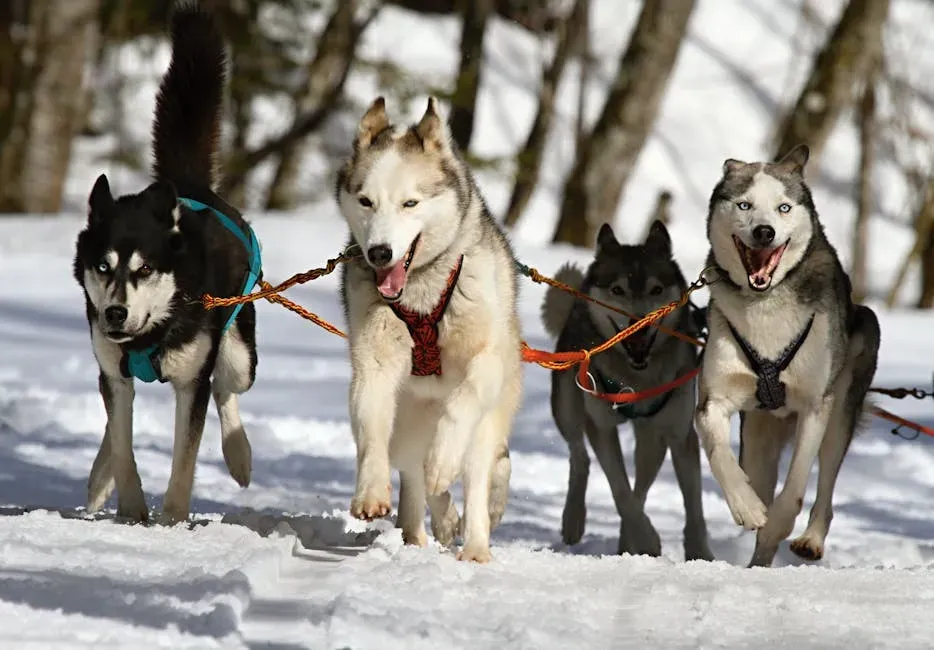
Breeds with thick, double coats, like Siberian Huskies and Alaskan Malamutes, are naturally equipped to handle harsh winter conditions. These dogs aren’t just tolerating the cold, they’re thriving in it. The undercoat acts a lot like a down jacket, keeping them toasty warm by insulating their body, while the outer layer repels moisture to keep the undercoat dry.
It’s worth noting that even cold-weather breeds have limits. Even though these winter dog breeds are built for cold weather, they can still suffer from frostbite or hypothermia if exposed for too long. Most will start to feel uncomfortable when temperatures drop below freezing, and for double-coated snow dog breeds, the risk increases once it falls below 20°F. Still, on a typical Michigan winter day, these five are right at home.
12. Siberian Husky
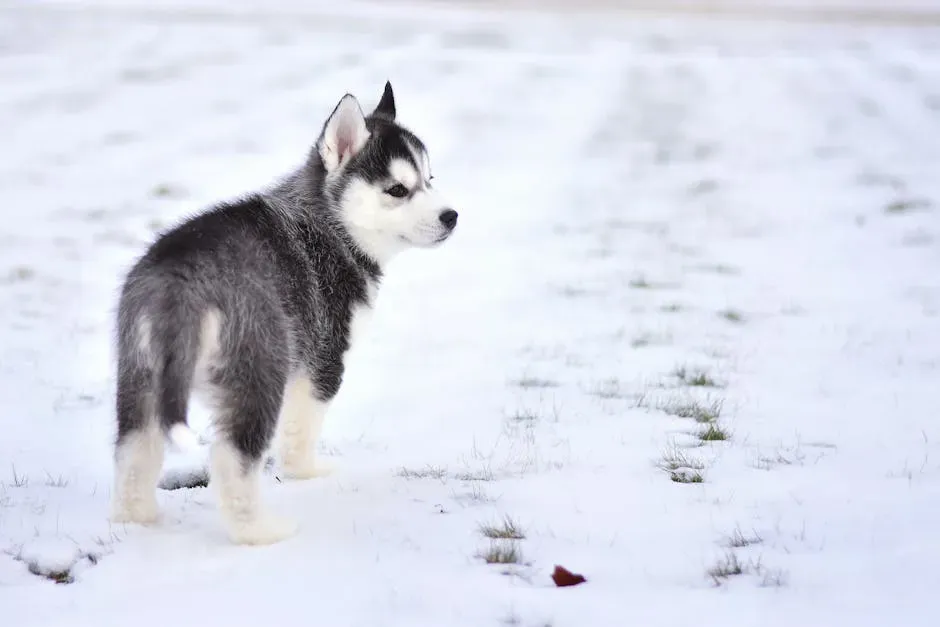
Siberian Huskies are what most people think of when they say snow dog breeds. Once bred by the Chukchi people in Siberia to pull sleds across frozen desolation, these dogs don’t just withstand cold, they prefer it. The Husky originated in the cold climate of Northeast Asia and was also bred to be a sled dog. They have a thicker coat than most other dog breeds, made up of a dense cashmere-like undercoat and a longer, coarse top coat.
These dogs need serious daily activity, or they’ll find their own entertainment, and you probably won’t like their choices. They’re also friendly, which makes them great family dogs. Michigan winters are genuinely their element. A brisk morning run through a snowy trail, a romp through a yard full of fresh powder, an afternoon agility course in the backyard, these are the moments your Husky lives for. Even without a sled, Siberian Huskies thrive on winter activities. Create a backyard agility course for them to navigate in the snow or bring them along on a brisk winter run.
13. Alaskan Malamute
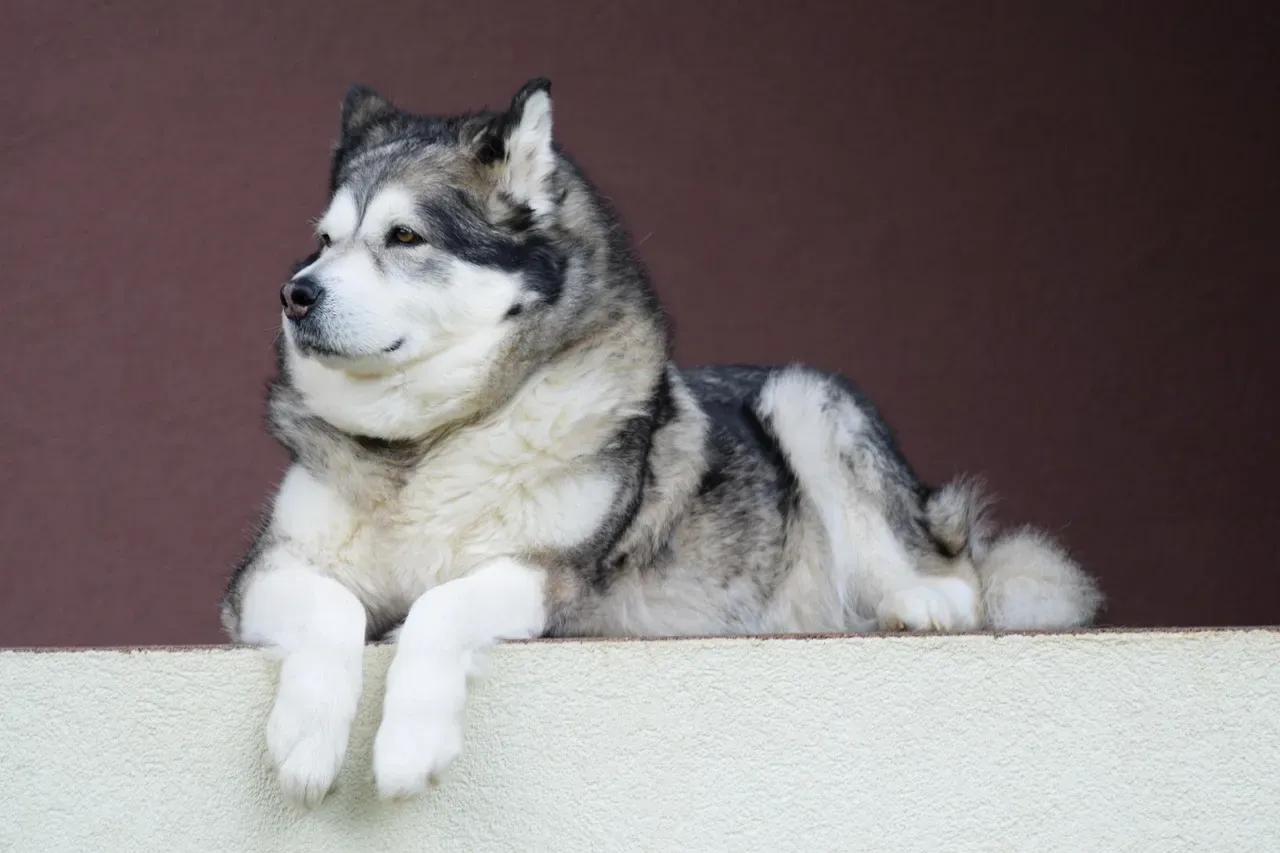
Don’t be fooled by this dog’s wolf-like appearance; Alaskan Malamutes are playful and happy pets. A cousin of the Husky, the Malamute once worked as a sled dog for Inuit tribes and played a big role during the Klondike Gold Rush by hauling sleds for miners. Their muscular build and thick double coat made them perfect for the job.
These dogs have Alaska right in their name so you know they love some snow. Malamutes are sturdy and strong enough to pull a sled, and their gorgeous heavy coats keep them warm and cozy while they’re doing it. Unlike the Husky, Malamutes tend to be more laid-back in temperament and can be a wonderful fit for active Michigan families who want a dog that matches their outdoor lifestyle. Keep their coat well-groomed and never shave it. Never shave a double-coated breed. Their coat works as insulation in both cold and hot weather.
14. Bernese Mountain Dog
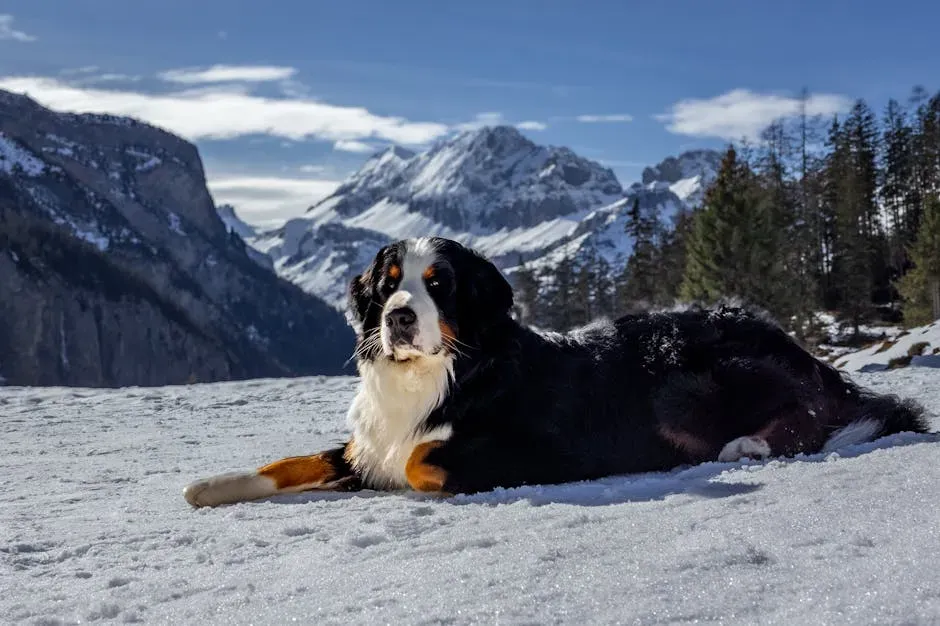
Originating in the Swiss Alps, the Bernese Mountain Dog worked alongside farmers to herd cattle, guard livestock, and haul dairy products through the hills and valleys of Bern. Generations of pulling carts and wagons in rugged, snowy terrain built their strength and resilience to make them a classic mountain dog breed. Well-muscled and sturdy, Bernese Mountain Dogs have a thick, tricolor coat that insulates their body from snow and wind.
Bernese Mountain Dogs thrive in cold weather thanks to their brawny stature and silky brown-and-white coat. They love the outdoors and are always down for a hike or camping trip. Berners are friendly, affectionate dogs who are great with children and become deeply attached to their pet parents. Their ideal home is one with plenty of outdoor space to roam and explore. For Michigan families who love winter hikes along state trails or snowy afternoons in the backyard, a Berner might be the perfect companion.
15. Saint Bernard
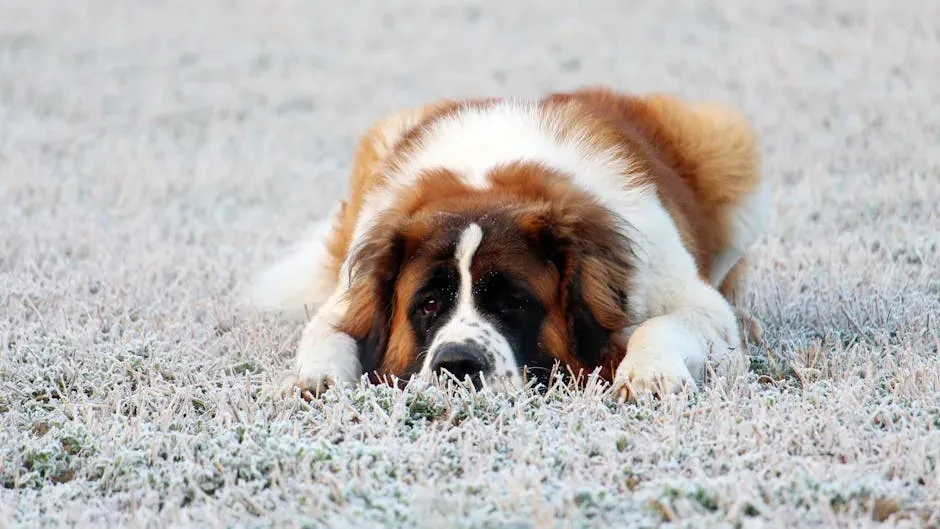
The Saint Bernard originated as a monastery dog in the mountains of Switzerland, serving as a companion and protector to monks. Their keen sense of smell and remarkable strength made them legendary snow search and rescue dogs, saving travelers stranded in the treacherous St. Bernard Pass between Italy and Switzerland. Massive and powerful, often weighing well over 100 pounds, Saint Bernards are gentle giants who enjoy winter weather.
Unlike some of the more energetic winter dogs, Saints are pretty chill indoors. They’re happy to lounge around but still enjoy winter walks. If you live in Michigan and want a dog that will peacefully coexist with your winter life, padding happily through the snow for a walk and then happily napping by the fire, few breeds match that combination like a Saint Bernard does. Just prepare for the drool and the grooming commitment.
16. Samoyed
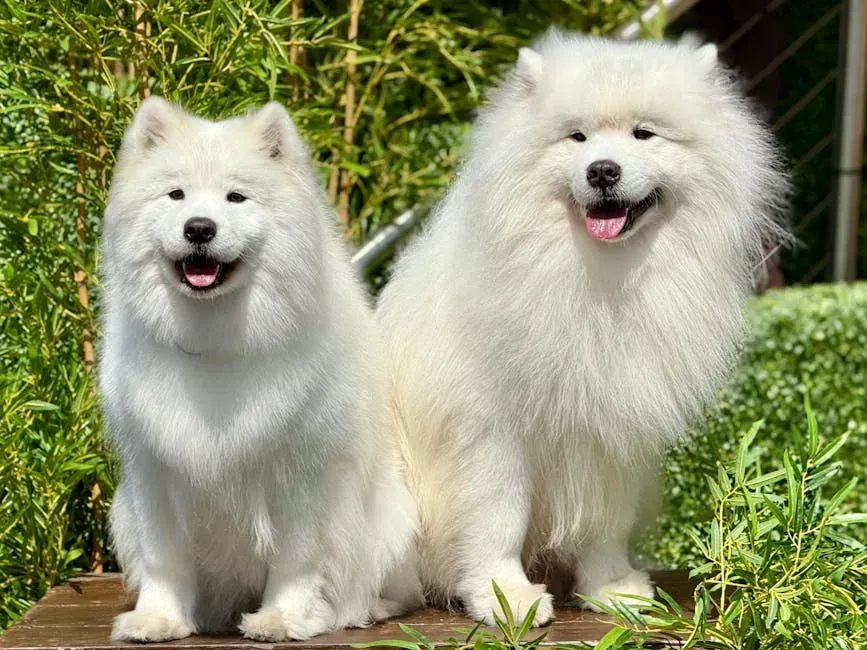
The Samoyed is an Arctic dog breed with an elegant white coat. These dogs were companions to the Samoyed people in Siberia for generations before coming to the U.S. in the early 20th century. Samoyeds are beloved for their friendly personality and face that’s shaped into a permanent smile. Like Huskies, they’re from Siberia, where they herded reindeer and pulled sleds. Their fluffy double coat has a soft underlayer that can measure nearly two inches thick and keeps body heat trapped close to the skin.
Samoyeds are the ultimate snow dog breed. Their fluffy white coat makes them look right at home next to a snowbank, and they’re named after the Samoyed people of Siberia. While they love the snow and being outside, Samoyeds are also happy to cuddle indoors. Historically, their warm coat kept both themselves and their humans warm through cold winter nights. A Samoyed romping through fresh Michigan snow is one of the more joyful sights in the dog world. They’re also known for being gentle with children and deeply social, making them a wonderful family dog in colder climates.
Key Warning Signs Your Dog Is Too Cold
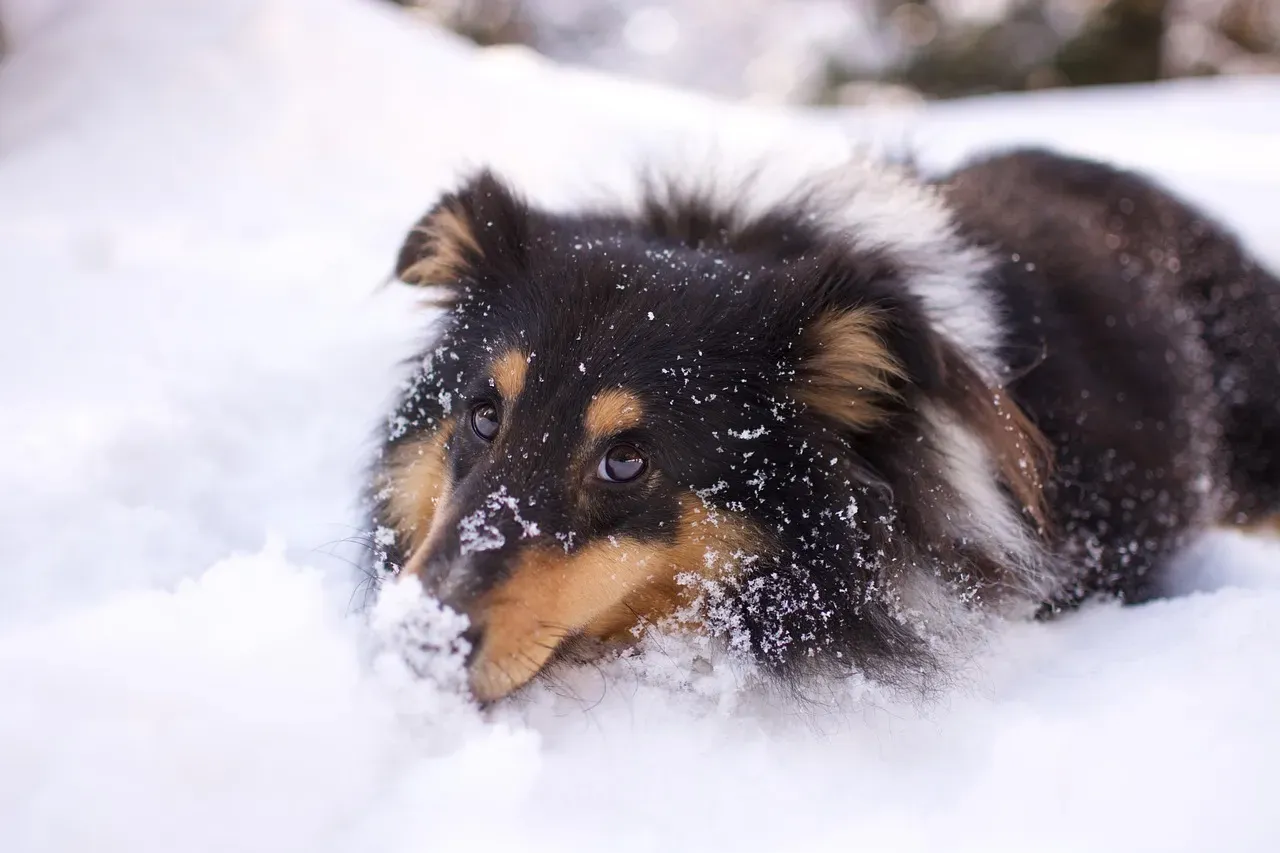
Signs of hypothermia in dogs include extreme shivering, slow shallow breathing, gums that may be pale or blue, and an unresponsive pet. Signs of frostbite may not be obvious at first and may not show for several days. Signs include a white, waxy, or pale appearance to extremities such as toes, nose, ears, and tail; skin that is cold and numb with loss of feeling; and sloughing or shedding of skin. Pets can easily get frostbite on their ears, tail, and paws.
If you notice your dog shivering, lifting their paws, or whining, bring them inside immediately to warm up. Warm your pet’s body slowly. Start with warming the body core first, not their extremities. Do not give your pet anything hot to drink. Instead, give them warm broth or warm food. Then call your vet. Hypothermia and frostbite are medical emergencies, not situations to manage with a blanket and a hope.
Winter Care Tips That Apply to Every Breed
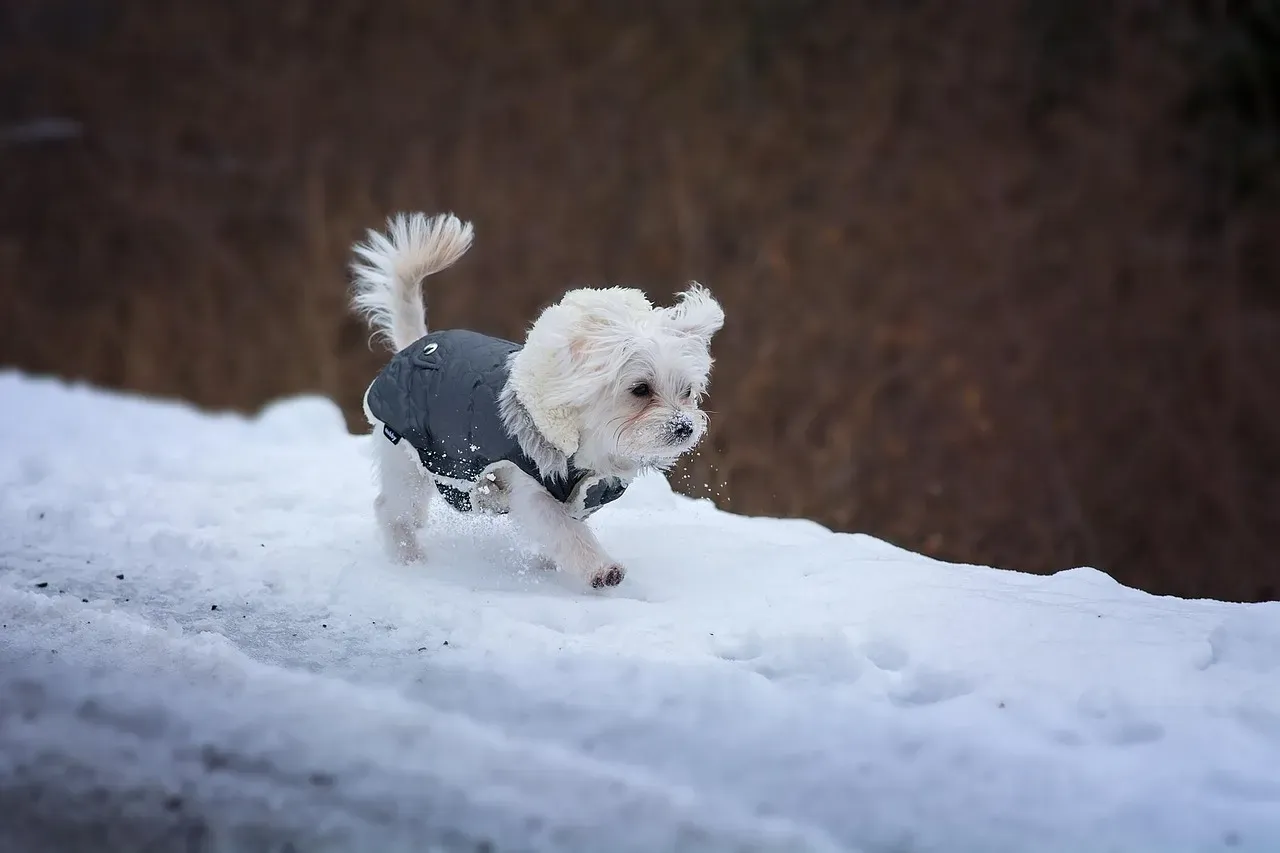
Shorter-coated dogs need a dog coat to protect them from the snow, wind, and cold temperatures. Check your pet’s paws upon their return to make sure that there is no ice buildup between the toes, or that salt or ice melt is not irritating the skin. Be aware that ingesting antifreeze can be fatal for a dog or cat. If you spill antifreeze, clean it up immediately.
At temperatures between 20°F and 32°F, use caution. Small breeds, puppies, and older dogs may struggle with the cold. Limit outdoor time and closely monitor your dog for signs of discomfort. From 10°F to 20°F, the risk increases significantly. Older dogs or those with pre-existing health conditions may also be more vulnerable to the cold. It’s important for dog owners to recognize these risk factors and take appropriate measures, such as limiting outdoor exposure during extreme weather and providing warm bedding.
Conclusion: Know Your Dog, Own Your Winter
Michigan winters demand respect, and that respect extends to every member of your household, including the ones with four legs. A Chihuahua shivering on an icy sidewalk and a Husky gleefully diving into a snowbank are both telling you something true about who they are. Your job is to listen.
The breeds in this guide aren’t arbitrary categories. They reflect real physiological differences in coat insulation, body fat, and even airway structure that determine how safely a dog can handle the cold. Even if your dog’s breed is one initially developed to work in cold temperatures, your dog’s individual experience will also influence their ability to tolerate cold temperatures. If your dog isn’t used to being outside in cold weather, cold weather exposure should be limited, supervised, and introduced gradually for any dog.
Caring for a cold-sensitive breed in Michigan isn’t a burden. It just means being a little more intentional. Gear up, stay observant, keep outdoor time proportionate to the temperature, and remember that your dog’s comfort and safety are always worth the extra two minutes it takes to put on their coat. That’s not overprotective. That’s just good dog ownership.