
Colorado is a place that quietly raises the bar for outdoor living. With over 300 days of sunshine, more than 50 fourteeners, and trails that stretch across alpine meadows, dense forests, and high desert plains, the state practically begs you to get outside. Most dog owners do exactly that, and they want their dogs right beside them. The only problem? Not every dog was built for this kind of life.
Colorado’s diverse landscapes, from the Rocky Mountains to expansive plains, make it a haven for outdoor enthusiasts and their canine companions. That’s the good news. The honest truth is that Colorado winters bite hard, the altitude is real, and the terrain can be punishing. Cold weather may feel crisp to humans, but it can be a serious hazard for certain dog breeds. Many dogs were bred for tropical climates or are physically ill-equipped to retain heat. Breeds with short coats, tiny bodies, or delicate frames can shiver, suffer frostbite, or even face hypothermia in chilly weather.
Whether you’re planning sunrise hikes, ski-season treks, or long summer backpacking trips, knowing your dog’s strengths and limits isn’t just helpful. It’s how you keep them safe, healthy, and genuinely happy.
1. Labrador Retriever: Colorado’s Most Dependable Trail Buddy
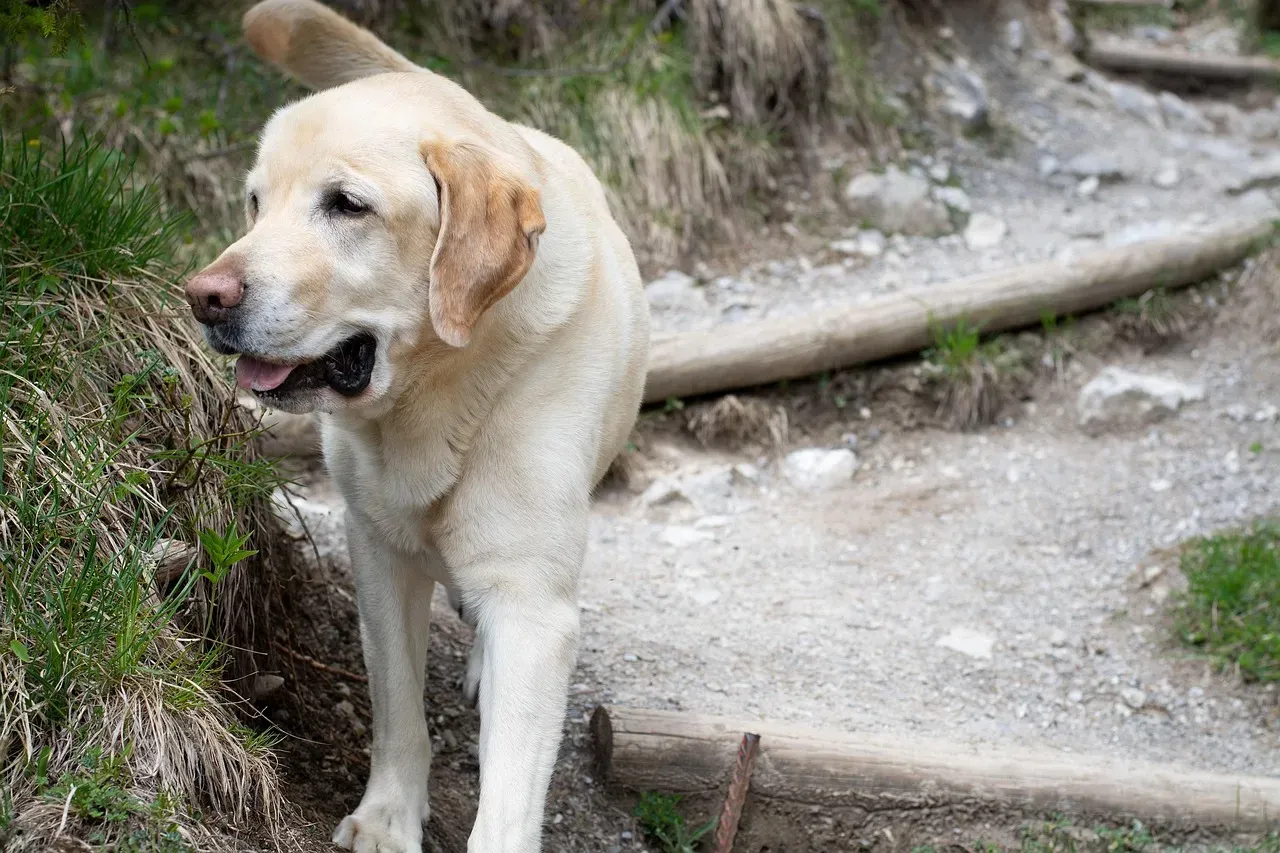
If there’s one breed you’ll find at practically every Colorado trailhead, it’s the Lab. Known for their boundless energy and love for the outdoors, Labrador Retrievers top the list of ideal Colorado companions. Labs are the quintessential family dogs, known for their loyalty, friendliness, and adaptability. They’ll charge across a snowy field with the same enthusiasm they bring to a summer swim in a mountain lake.
They’ll gladly join you on hikes, camping trips, or a game of fetch in the park. Their sturdy build and double coat make them well suited to Colorado’s changing climate. One practical tip for Lab owners: keep an eye on their paw pads during winter hikes. Salted trails and icy gravel can cause cracking and irritation, so rinsing their feet after every outdoor outing goes a long way.
2. Siberian Husky: Born for the Rockies
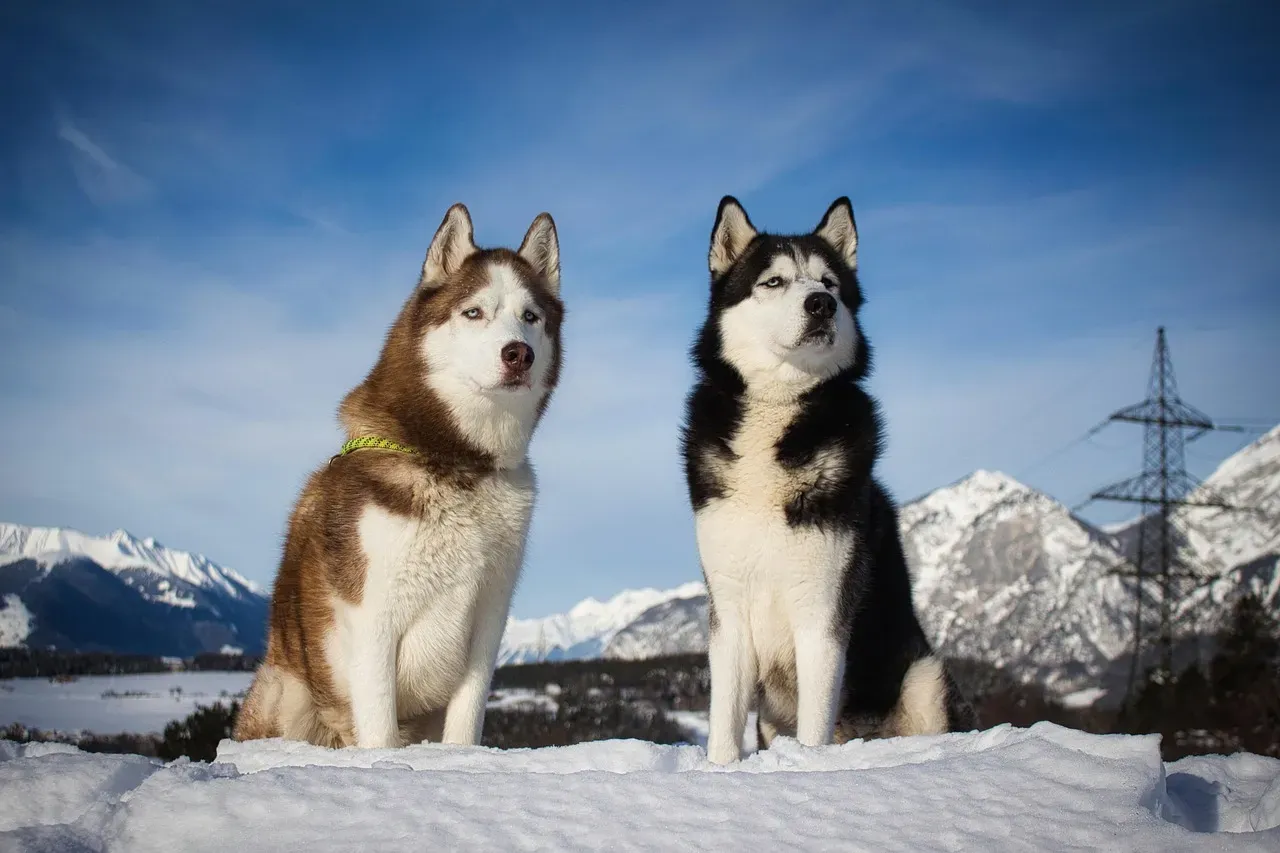
The Siberian Husky is built for endurance and driven by an adventurous spirit, making it a standout companion for cold-weather backcountry exploration. Originally developed by the Chukchi people of northeastern Asia, this hardy breed was bred to pull sleds across vast, frozen landscapes. That working heritage makes the Siberian Husky exceptionally well-suited for snowy trails and rugged terrains where stamina is essential.
Lean, agile, and surprisingly powerful for its size, the Husky thrives on constant movement and excels in long-distance activities. Its thick double coat acts as natural insulation, protecting it from harsh winds and freezing temperatures. One thing to watch: in warmer temperatures, a Husky may dig holes in your yard to lie in and cool themselves off. Colorado summers can surprise you with heat, so always carry extra water for your Husky on warm-weather outings.
3. Bernese Mountain Dog: Majestic, Steady, and Mountain-Made
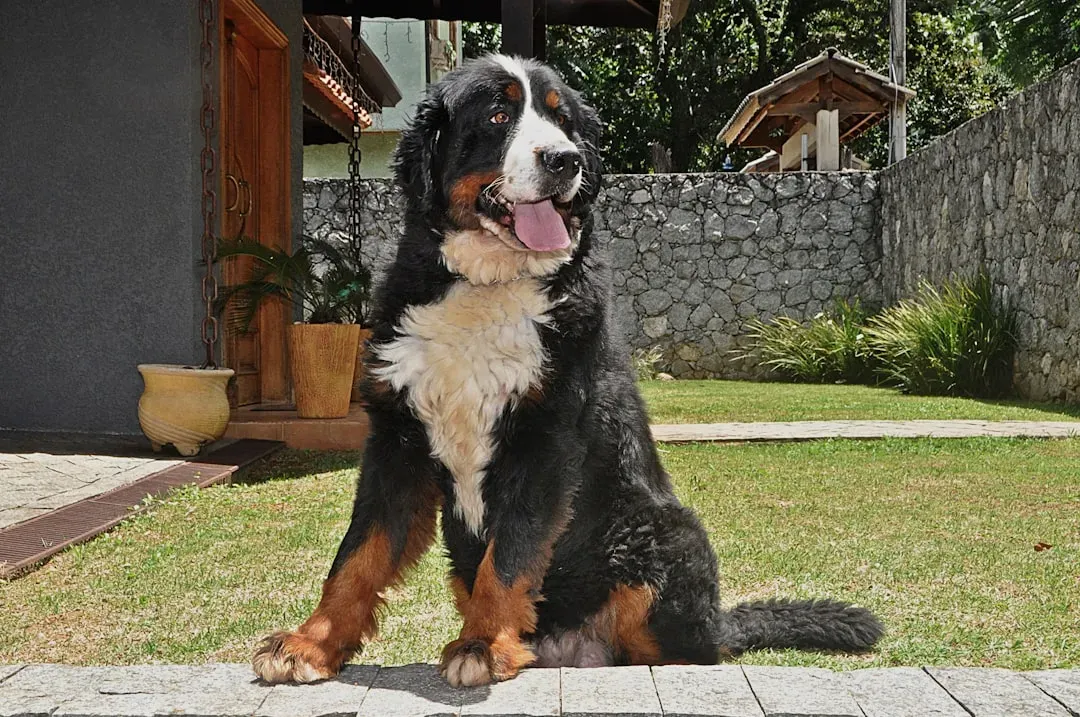
The Bernese Mountain Dog is a strong, dependable breed well-suited for outdoor adventures, especially in cooler climates. Originally bred for farm work in the Swiss Alps, this dog combines strength with a calm, steady nature, making it a reliable companion for hiking, camping, and even backpacking trips. With a sturdy build and impressive pulling power, Bernese Mountain Dogs are capable of carrying light loads or even pulling carts.
Their thick, heavy coat, while ideal for cold environments, makes them prone to overheating, so extra care is needed in warmer weather. Proper hydration, shade, and rest breaks are essential during outdoor excursions. Despite their love for the outdoors, they are deeply family-oriented and prefer to rest indoors with their owners. Plan hikes for early mornings in summer months and always watch for excessive panting, which is a key early sign of heat stress in this breed.
4. Australian Shepherd: The Energetic Mountain Partner
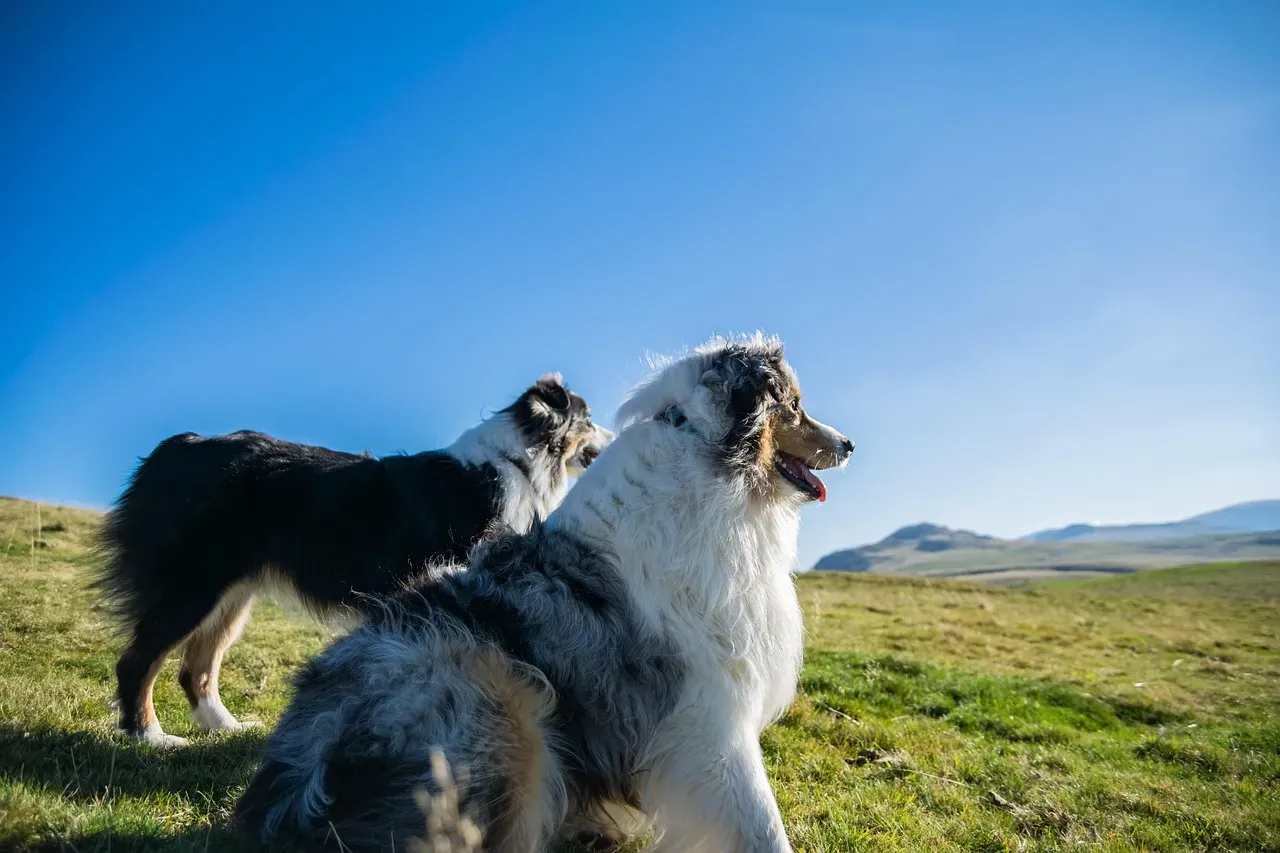
The Australian Shepherd, often known simply as the “Aussie,” is a high-energy breed that thrives in open, rural environments. Originally bred for herding livestock, Aussies are intelligent, easy to train, and excel in obedience. They’re suited for Colorado mountain life due to their robustness and adaptability.
Aussies don’t just tolerate Colorado’s wide open spaces, they actually need them. A bored Australian Shepherd is a destructive one, so the trails, the open fields, and the endless stimulation of mountain life are genuinely good for their mental health. Originally bred for herding livestock, Aussies are intelligent, easy to train, and excel in obedience. They’re suited for Colorado mountain life due to their robustness and adaptability. Whether it’s a long hike or a cozy evening by the fireside, they’ll be happy to be by your side.
5. Golden Retriever: The Joyful All-Season Companion
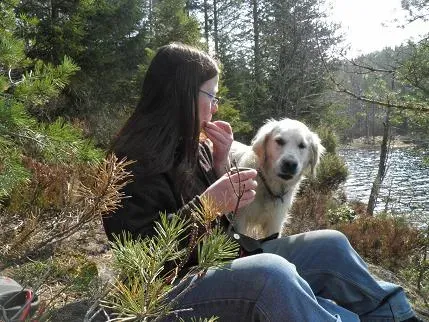
Similar to Labs, Golden Retrievers are friendly, intelligent, and versatile. They have a strong desire to please and are incredibly patient with kids. Their playful spirit makes them an ideal companion for family outings, whether it’s a day at the park or a weekend camping trip.
Golden Retrievers are the epitome of a family pet. They’re intelligent, easy to train, and famously good with children. Their love for outdoor activities and their adaptability to various living conditions make them perfect for Colorado families. Because Goldens are enthusiastic rather than selective about terrain, make sure to check their ears and coat for burrs and foxtail seeds after hikes through tall grasses, which are common along Colorado’s lower trail systems.
6. German Shorthaired Pointer: Built for Colorado’s Hunt Country
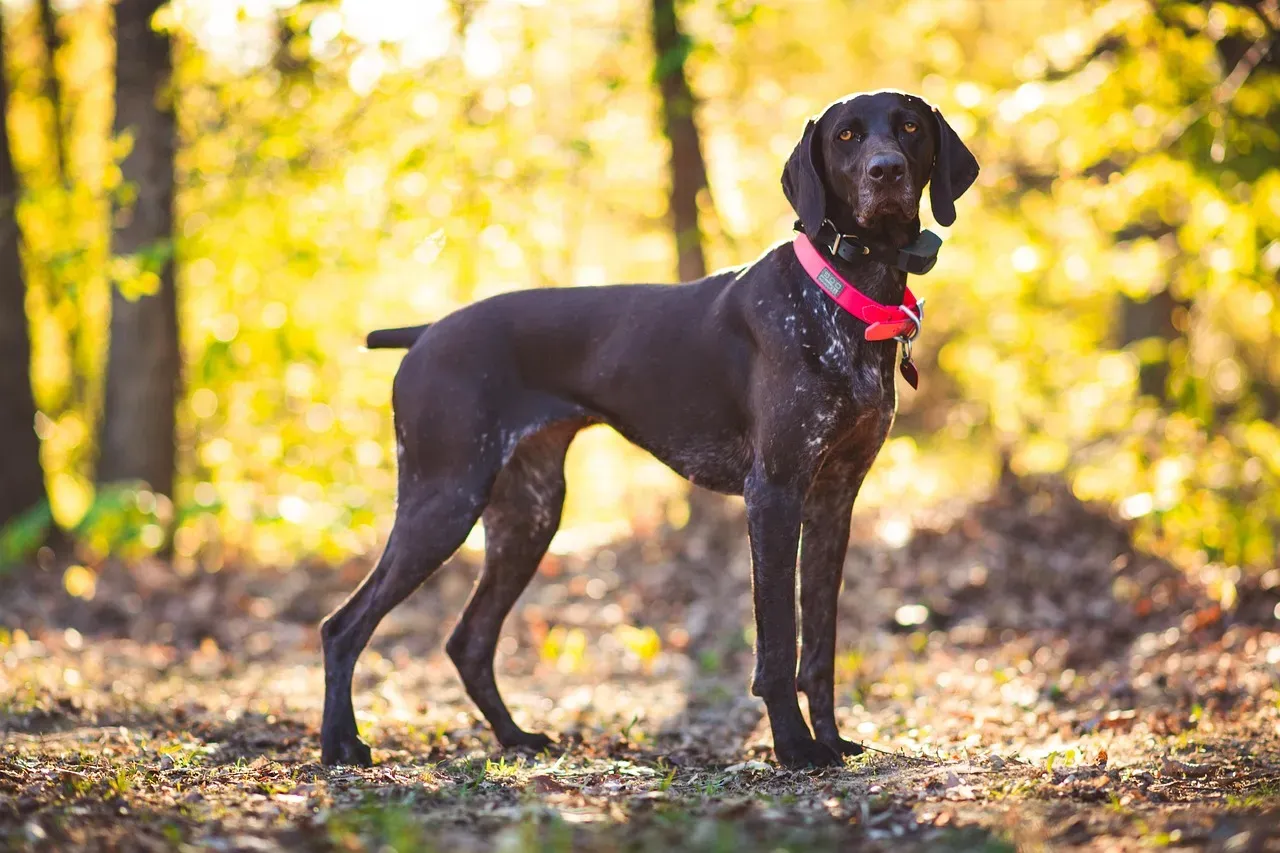
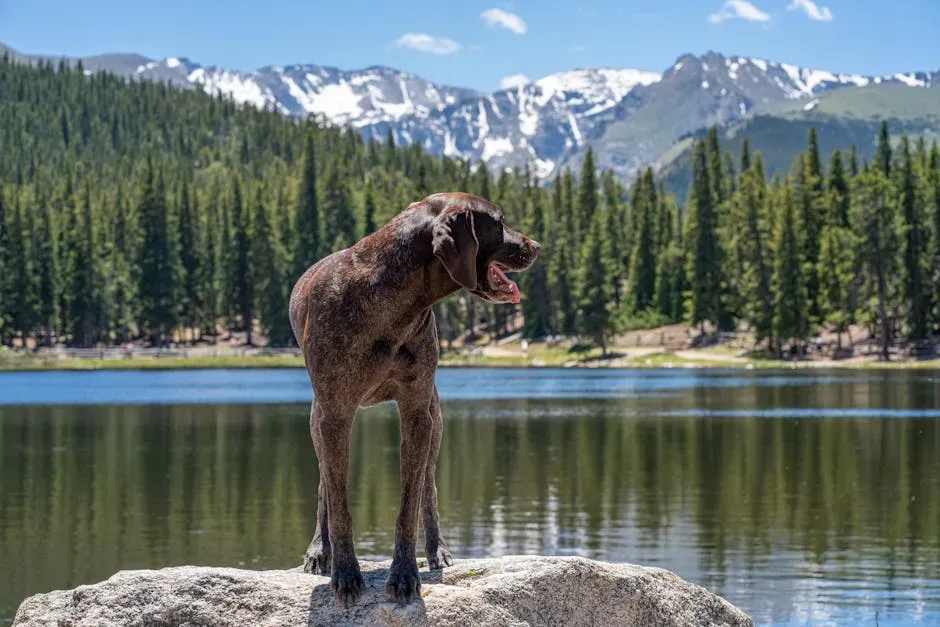
Breeds like the Labrador Retriever and German Shorthaired Pointer thrive in Colorado’s varied climate due to their adaptability and energy levels. The GSP, in particular, is something special in terms of raw outdoor athleticism. The German Shorthaired Pointer is a medium to large-sized dog that was originally bred for hunting. Known for its athleticism, stamina, and versatility, this breed is highly prized for its ability to excel in a variety of activities, including hunting, agility, and obedience trials. German Shorthaired Pointers are also known for their friendly and outgoing nature, making them excellent companions for active families.
A versatile breed, GSPs excel in hunting, tracking, and field trials. Their athleticism and adaptability suit Colorado’s varied terrain. Keep in mind that the GSP’s short coat doesn’t offer much protection against deep winter cold, so limit prolonged exposure on subzero days. Their endurance is remarkable, but they appreciate a warm indoor space to recover after hard physical days in the field.
7. Border Collie: The Thinking Dog of the High Country
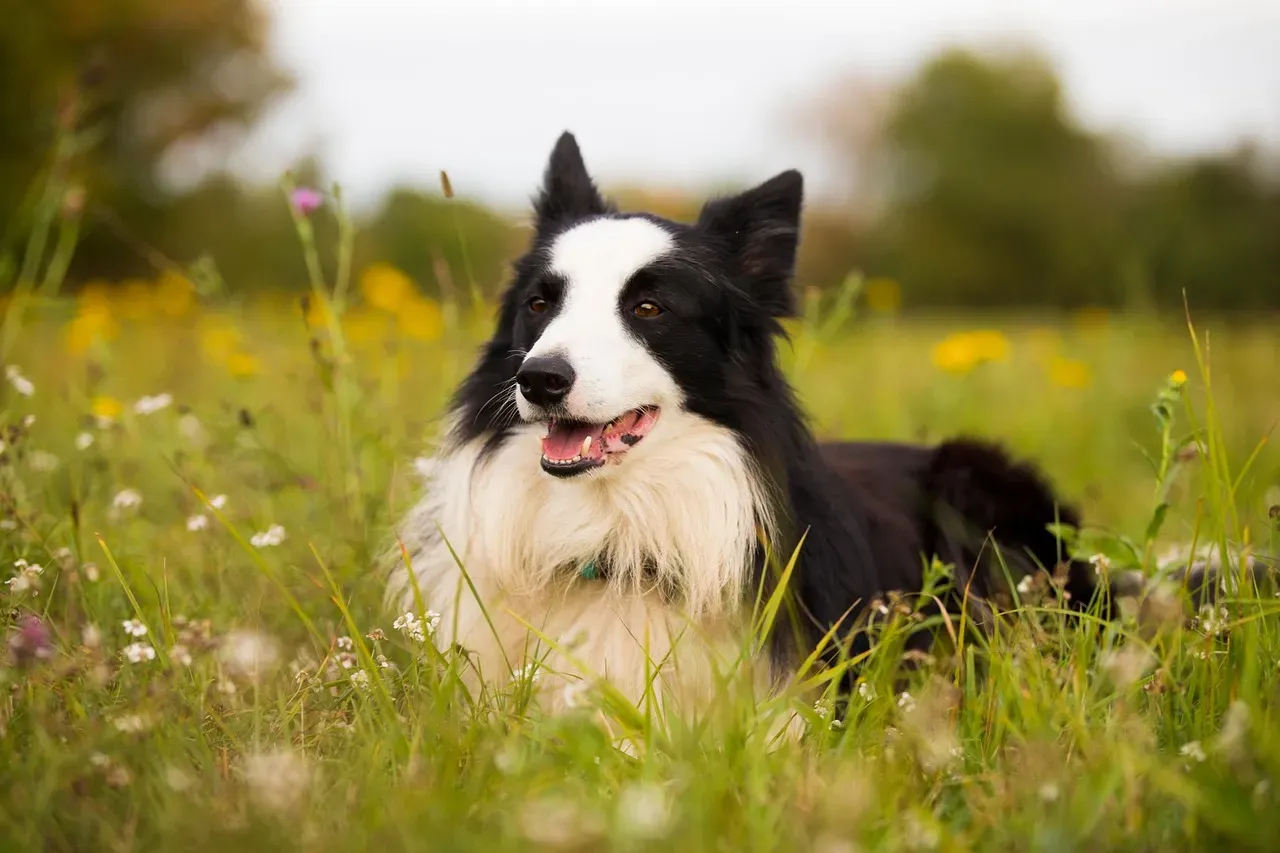
Border Collies are highly intelligent and energetic dogs known for their herding abilities. They thrive in active families who can provide them with plenty of exercise and mental challenges. With proper training, Border Collies can be fantastic companions for children who love to play.
Border Collies are renowned for their intense work ethic, high energy levels, and exceptional herding abilities. With a strong instinct to control and direct animal movements, they excel at their job. Today, Border Collies are highly regarded not only for their herding abilities but also as cherished family pets and competitors in a variety of dog sports. If you’re a trail runner or mountain biker, a Border Collie will likely outpace you on most days. Give them a job, a purpose, or at least a daily challenge, and they’ll reward you with unwavering loyalty.
8. Alaskan Malamute: Power and Endurance at Altitude
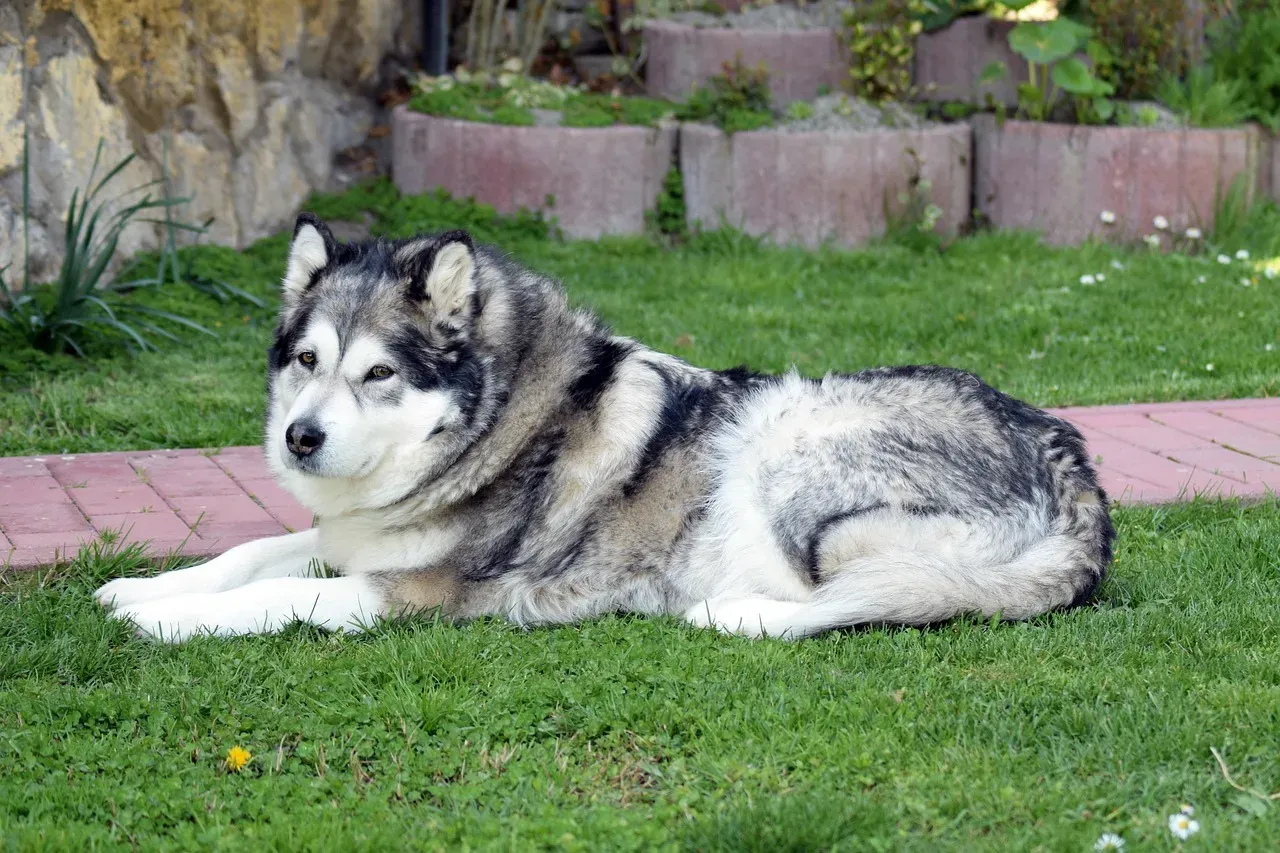
One of the oldest Arctic sled dogs, the Alaskan Malamute was bred to haul heavy loads across snowy terrain. With incredible strength, endurance, and a thick double coat, these dogs are perfectly suited for subzero adventures. Their affectionate nature also makes them wonderful companions for families who love the outdoors.
A descendant of Arctic wolves, the Alaskan Malamute can tolerate temperatures as low as -20 degrees Fahrenheit. Their thick and waterproof double coat makes them suitable for frozen environments where in the past they were part of expeditions to help settlers carry heavy freight sleds. One health note: Malamutes are prone to overheating in warm conditions, so Colorado’s sunny summer afternoons deserve caution. Schedule their longer outdoor activities for the cooler hours of the day year-round.
9. Great Pyrenees: The Gentle Guardian of the Mountains
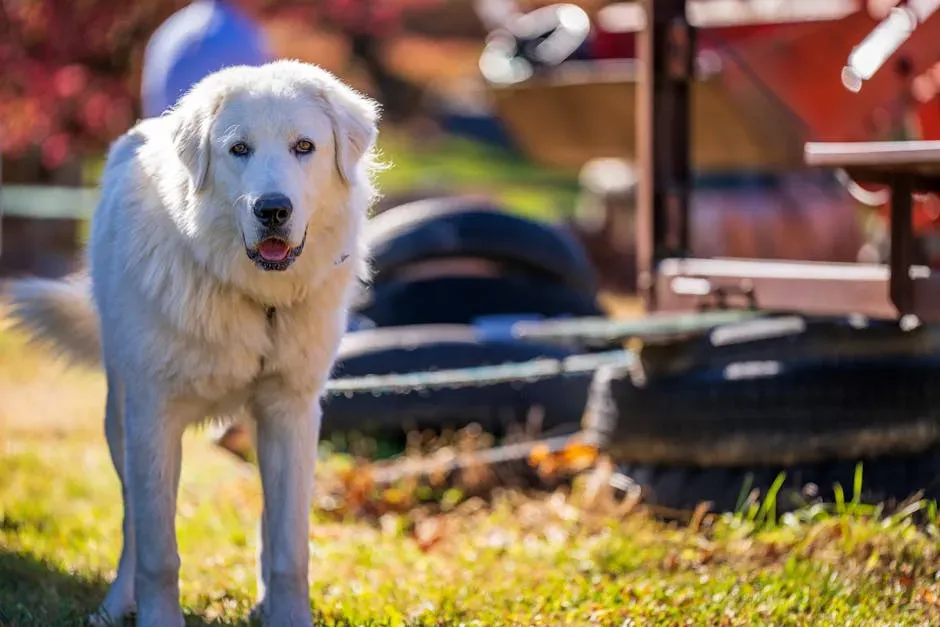
The Great Pyrenees is a majestic, powerful mountain breed built for endurance and protection in harsh, high-altitude environments. Originating in the Pyrenees Mountains between France and Spain, this large working dog was historically tasked with guarding livestock from wolves and other predators across snowy, rugged terrain.
Despite its imposing presence, the Great Pyrenees is known for a calm, steady temperament, often displaying a gentle, almost serene demeanor while on watch. However, when duty calls, it can move with surprising agility and speed to respond to threats. Its thick, weather-resistant double coat provides excellent insulation against extreme cold, making it ideally suited for mountain climates and winter adventures. If you’re living in the colder regions of Colorado, a Great Pyrenees might be the perfect companion. Bred to guard livestock in the Pyrenees Mountains, these dogs are gentle giants. They have a thick, weather-resistant coat that stands up to the chilly Colorado winters.
10. Beagle: Small Stature, Big Outdoor Appetite
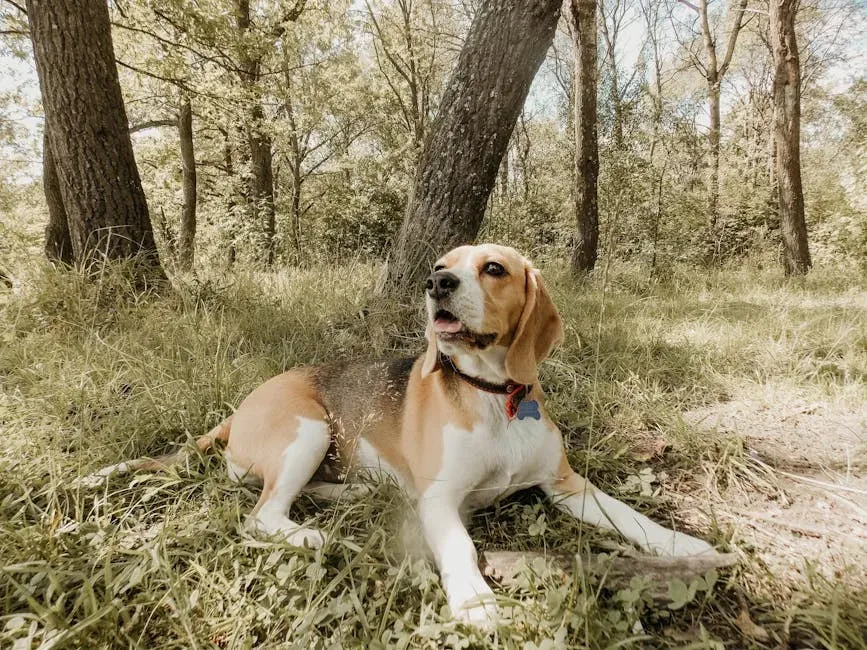
Beagles are small to medium-sized dogs with a playful and curious nature. They are friendly with children and have a gentle disposition. Beagles thrive in a family environment and enjoy participating in outdoor activities, thanks to their strong sense of smell and love for exploration.
Beagles are known for their gentle, friendly nature and love for kids. These small to medium-sized dogs are sturdy enough for outdoor play but adaptable to various living conditions. Their noses, however, are legendary. A Beagle on a scent trail in the woods can forget every recall command you’ve ever taught them, so always hike with a reliable leash or within a safely enclosed area. Their tenacity in the field is a feature, not a flaw, but it does demand attentive ownership.
11. German Shepherd: The Versatile Colorado Working Dog
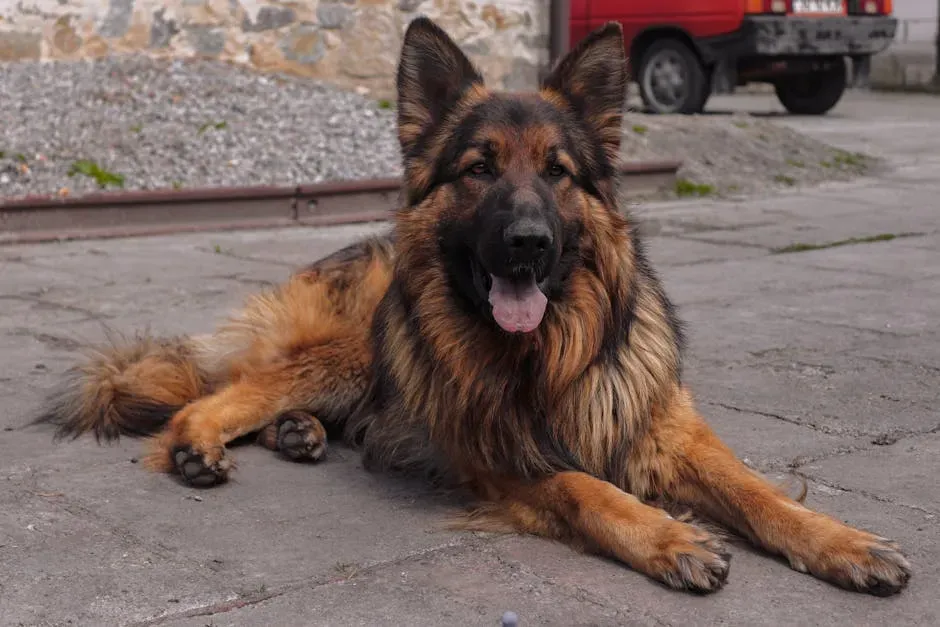
Known for their herding, guarding, and police work, German Shepherds are strong, agile, hard workers that have a lot of energy and learn quickly. This makes them a natural fit for Colorado’s active outdoor culture. They’re equally at home on a challenging summit trail and guarding the campsite at night.
This breed commonly suffers from hip dysplasia, which can likely be avoided by buying from a credible breeder. For current German Shepherd owners in Colorado, regular vet evaluations of joint health are especially important if your dog is logging serious mileage on rocky terrain. Keeping them at a healthy weight and incorporating joint-supporting nutrition into their diet are simple preventive steps that pay off long-term.
12. French Bulldog: Colorado’s Quintessential Indoor Companion
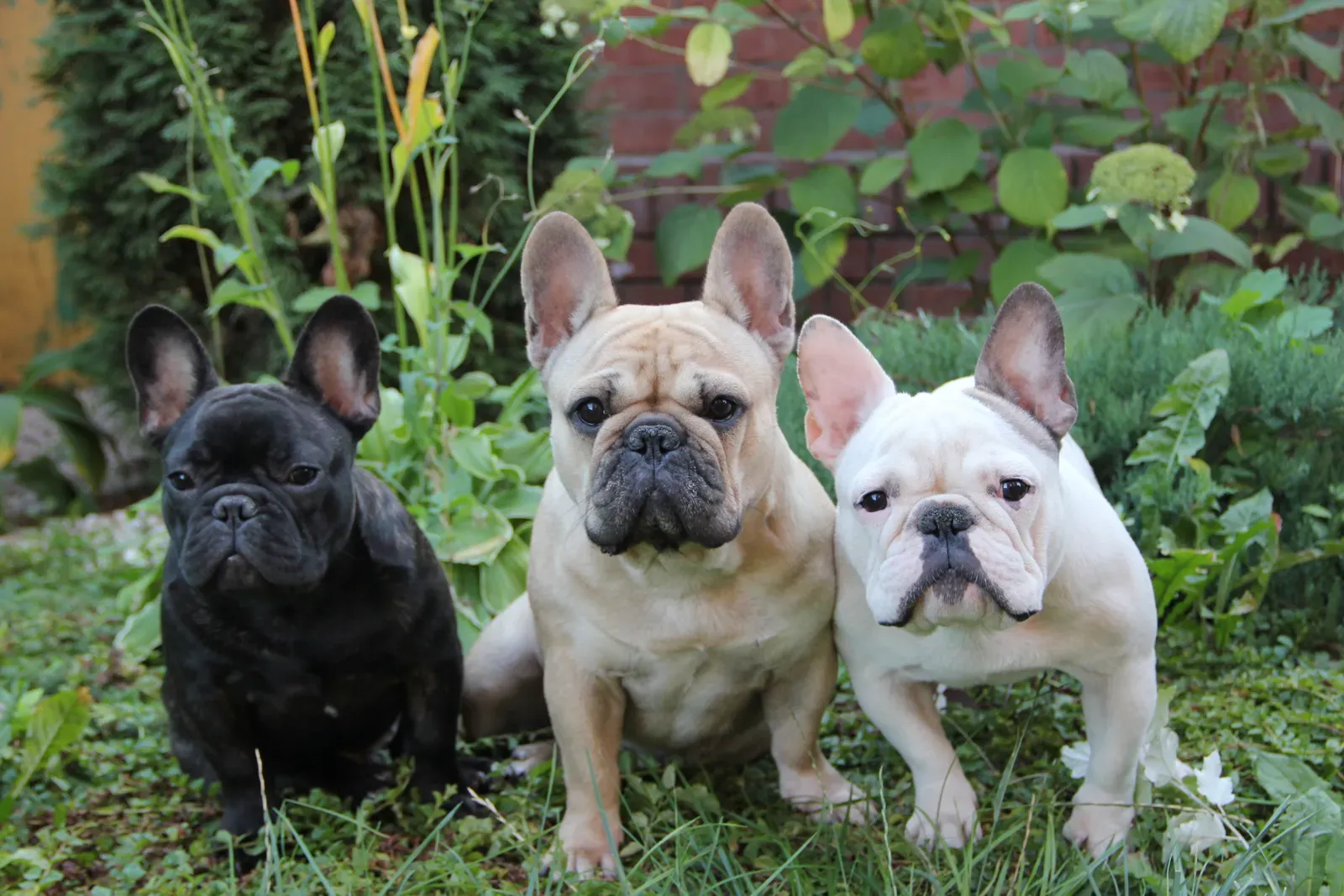
French Bulldogs, with their compact build and playful nature, are not suited for low temperatures. Originally bred in France as companion dogs, their friendly demeanor and adaptability made them popular urban pets. Their short noses and thin coats make them vulnerable to chilly weather, requiring pet parents to provide extra warmth.
French Bulldogs are among the breeds susceptible to Brachycephalic Obstructive Airway Syndrome. Cold air, especially when dry and windy, aggravates the airway. This may not resolve quickly, but can lead to serious distress. Cold air is often dry, and breathing it irritates airway linings, causing coughing, increased mucus, or even collapse. In Denver or Boulder, a Frenchie can thrive beautifully indoors with short outdoor breaks. On mountain trips, be extra cautious. Their idea of a perfect Colorado day involves a warm blanket and a window with a view.
13. Chihuahua: Big Personality, Real Cold Sensitivity

Dog breeds like the Chihuahua are not only small but also lack the insulating fur that helps other breeds thrive in colder climates. These dogs are especially prone to hypothermia, which can lead to serious health risks if not addressed promptly.
Due to extreme cold, this small breed can shake, shiver, and become inconsolable. Providing your Chihuahua with layers of clothing, blankets, booties, jackets, and warm bedding is essential if you live in an extremely cold climate. Colorado winters, even in lower-elevation cities, regularly drop below freezing. Chihuahua owners should watch for shivering, reluctance to move, and hunched posture as early signs that it’s time to head inside. Short, frequent outdoor bathroom breaks work far better than long winter walks for this breed.
14. Greyhound: The Indoors Athlete
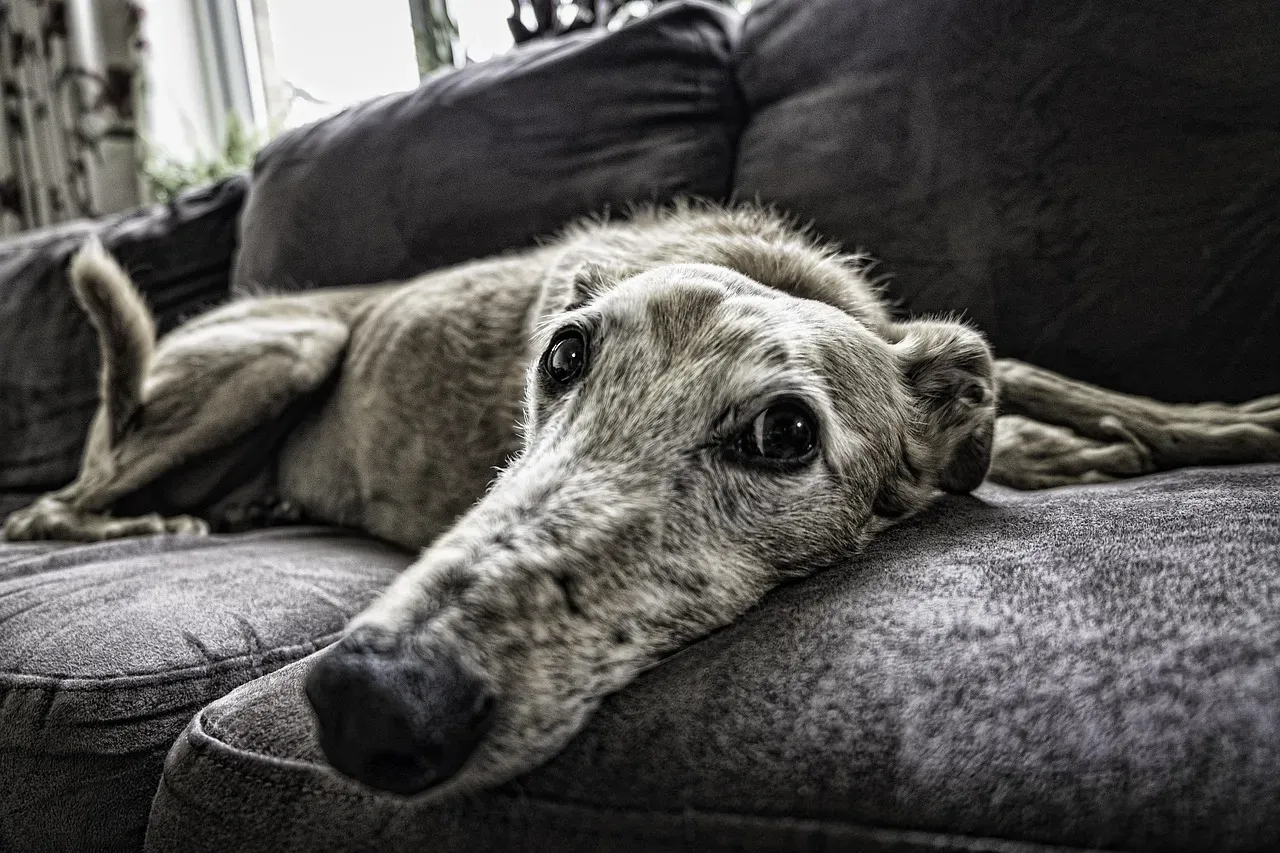
Greyhounds have lean bodies, practically no body fat, and a sparse, short coat that offers little insulation. Their skin is thin and feels chilly to the touch when it’s cold outside. Even brief exposure to brisk weather often causes them to shiver. They prefer indoor lounging with warm blankets or sweaters for short outdoor strolls.
Greyhounds, sleek and athletic, are known for their speed rather than their ability to tolerate cold weather. These ancient breeds have a storied history as hunting dogs. Their thin coats provided little insulation as they thrived in warmer regions. Their lean bodies make them more susceptible to low temperatures, requiring extra care during chilly weather. Colorado dog lovers often fall for Greyhounds without anticipating the cold challenge. They’re genuinely wonderful companions indoors, calm, affectionate, and surprisingly low-energy at home, but outdoor time in Colorado winters must be brief, layered, and closely supervised.
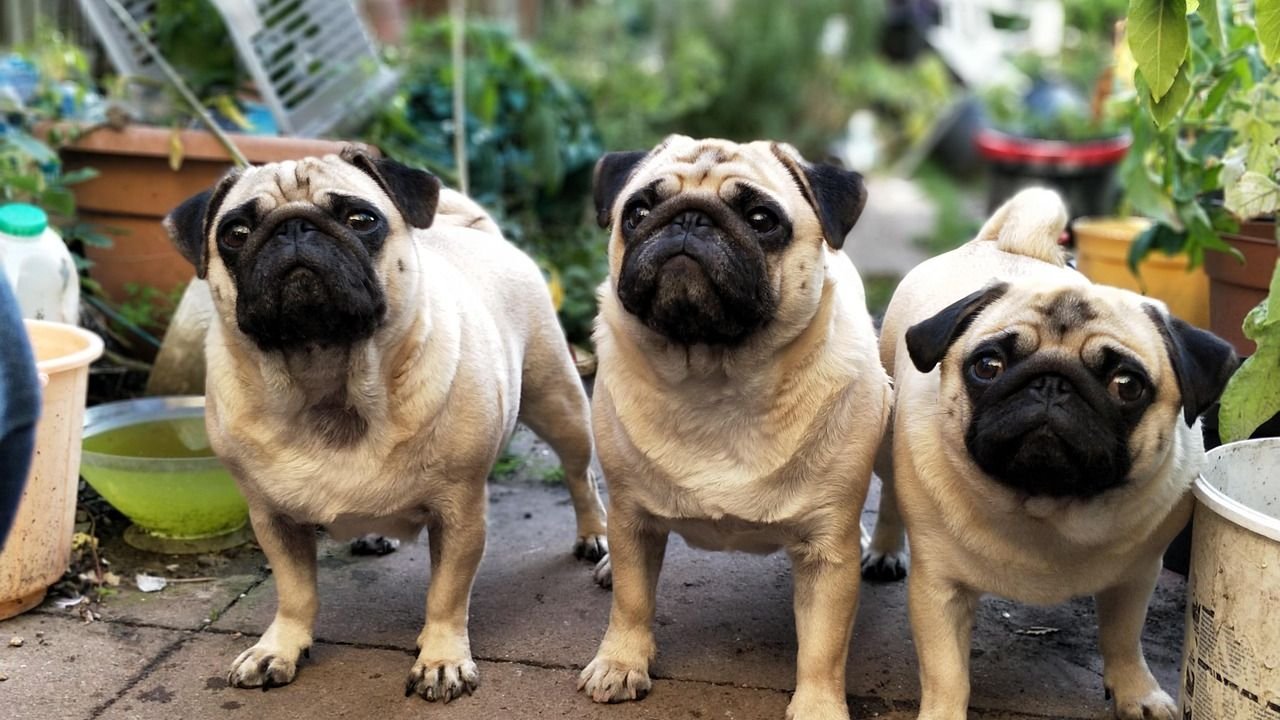
15. Pug: Breathing First, Hiking Never
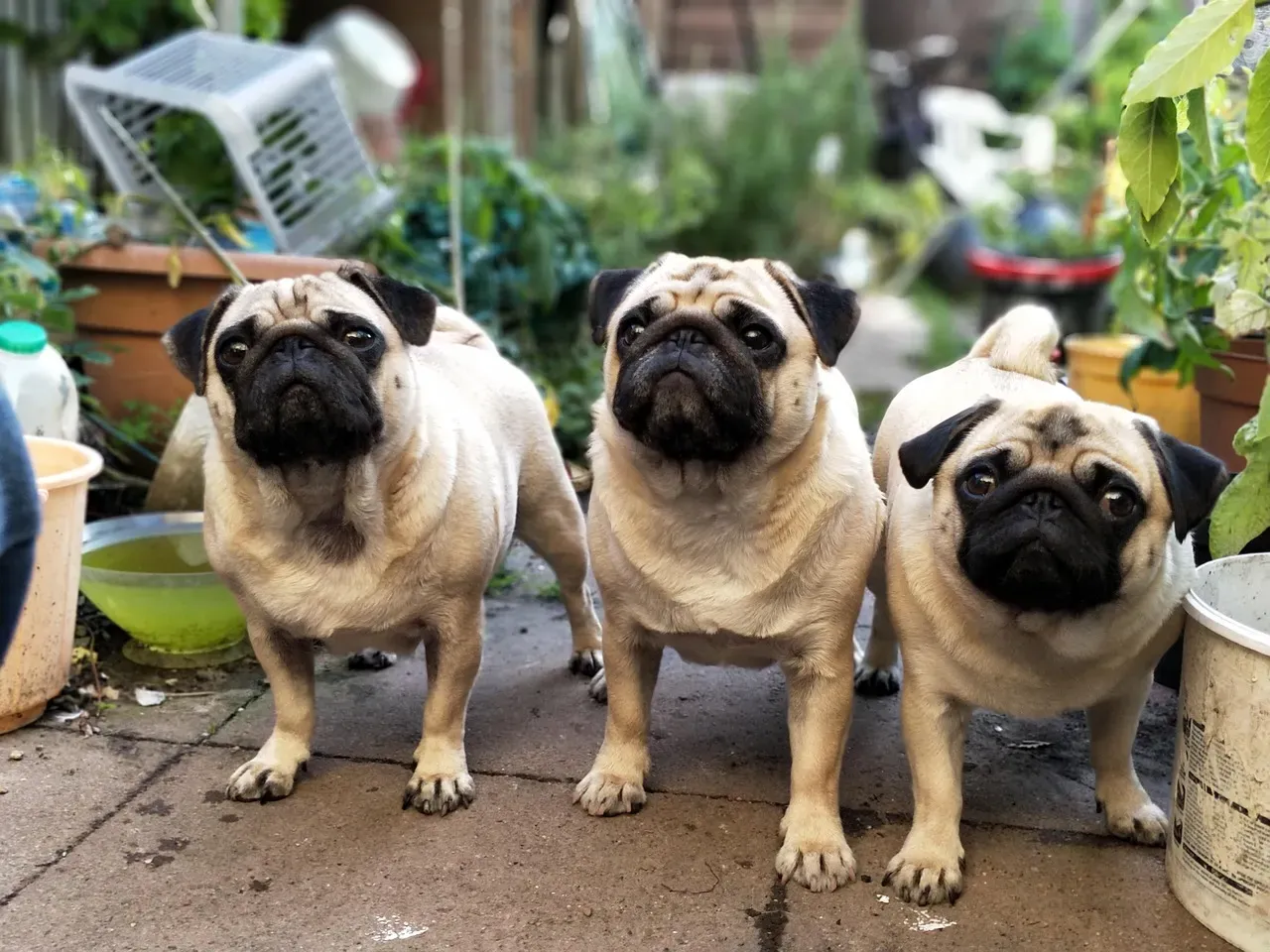
The Pug is a popular flat-faced dog breed, but that short muzzle makes the breed more susceptible to breathing issues and prone to overheating. Cold weather outings also need to be kept short, as Pugs have a short coat that doesn’t provide much protection against the cold.
Breeds like the French Bulldog and Pug not only have short coats but also possess a brachycephalic structure, which can make breathing more difficult in cold weather. These dogs may experience discomfort and stress when exposed to low temperatures, leading to potential health issues such as hypothermia. At Colorado’s higher elevations, where the air is thinner and drier, a Pug’s already-compromised airway can become a real concern. Altitude combined with cold is a double stressor for brachycephalic breeds. Keep them warm, keep them indoors, and shower them with the indoor attention they genuinely love.
16. Dachshund: The Low-Rider That Prefers the Couch
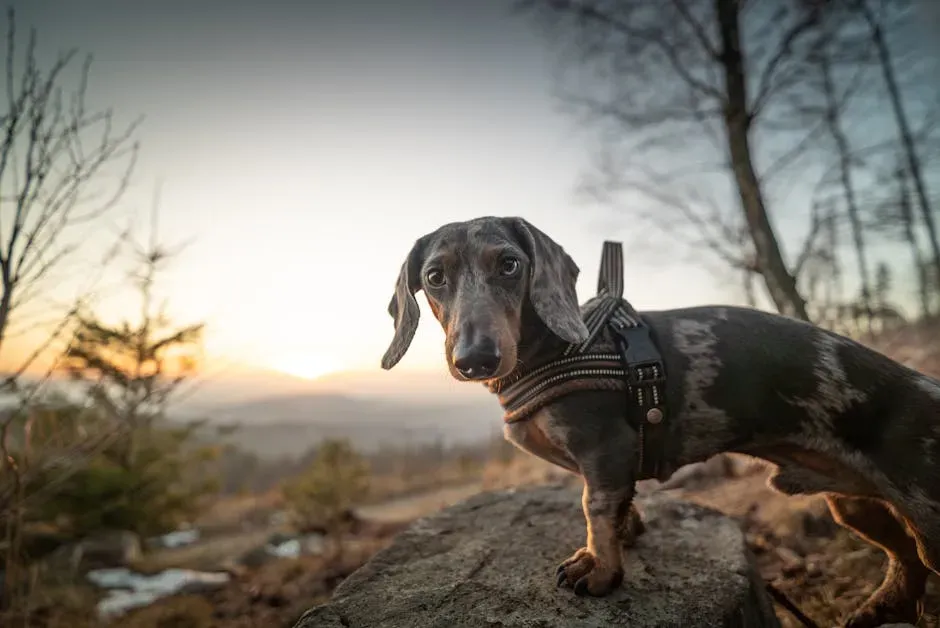
Dachshunds, with their long bodies and short legs, are charming companions but face challenges in colder temperatures. Originating in Germany, they were bred to hunt badgers, requiring bravery and stamina rather than cold resistance. Despite their energetic nature, these dogs struggle to enjoy outdoor activities in chilly weather. Their thin coats don’t shield them from icy winds, requiring extra care during winter.
Warm clothing and limited exposure to snow are essential. As Dachshunds cannot tolerate frigid temperatures, protecting their sensitive paws and keeping them indoors ensures they stay comfortable. There’s another consideration unique to Dachshunds in Colorado: their elongated spine is prone to intervertebral disc disease, and jumping off snow-covered rocks or scrambling over uneven terrain elevates that risk. If your Dachshund loves a short, flat winter walk, keep it gentle, keep it warm, and make sure they have dog boots to protect those low-riding bellies from the snow.
Conclusion: Knowing Your Dog Makes All the Difference
Colorado rewards people who pay attention. The same is true for dog owners. Choosing a breed that genuinely matches your lifestyle and the state’s climate isn’t about limiting your dog. It’s about setting them up to thrive. Known for offering outdoor activities throughout all four seasons, Colorado is the perfect place for dog owners to bring their pets along for adventures. Whether it’s hiking, biking, swimming, or camping, these types of activities are best suited for larger dog breeds which can withstand cooler temperatures and harsh terrain.
That said, every dog deserves care that matches who they actually are, not who we wish they were. Even if your dog’s breed is one initially developed to work in cold temperatures, your dog’s individual experience will also influence their ability to tolerate cold temperatures. If your dog isn’t used to being outside in cold weather, cold weather exposure should be limited, supervised, and introduced gradually for any dog.
The dog lounging by the fireplace while you review your trail maps is just as loved and just as Colorado as the one bounding up a fourteener. What matters most is that you know which one you have, and that you care for them accordingly. That knowledge, more than anything, is what makes a great dog owner.


