
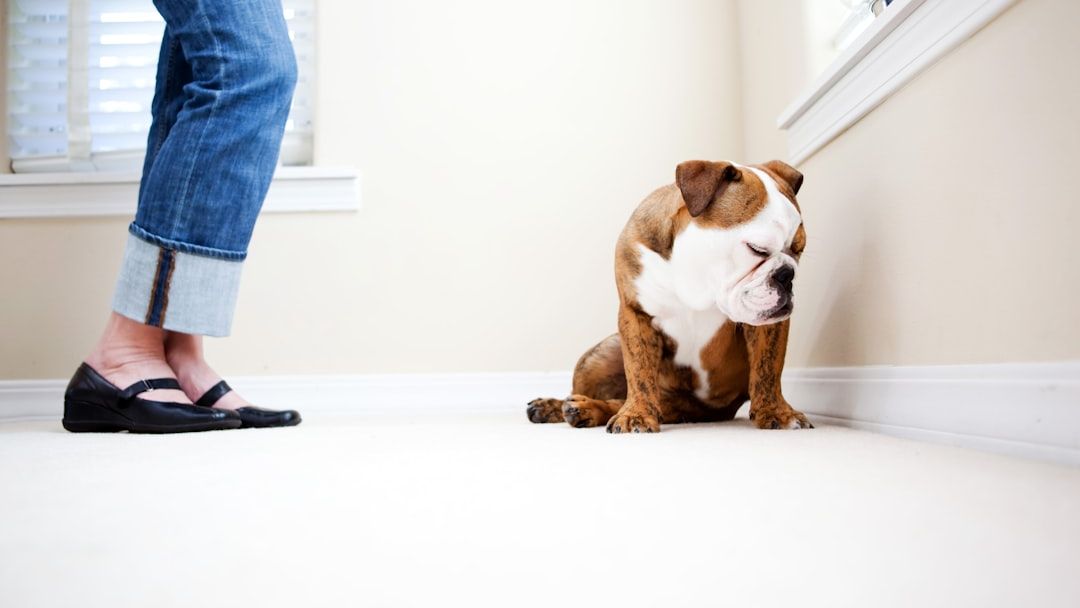
Waiting by the Door for Hours on End
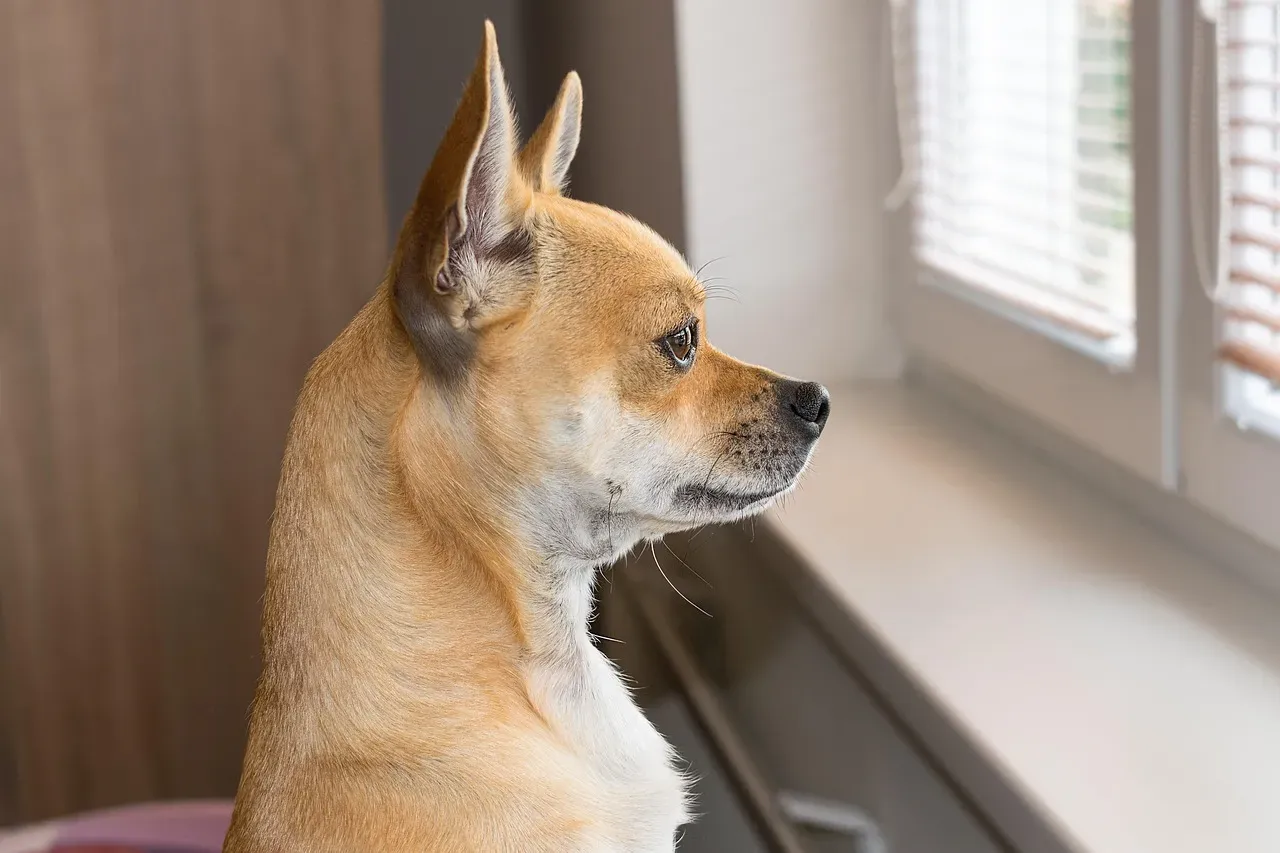
Many dogs plant themselves near the front door or the spot where their owner last left. They sit or lie there quietly, ears perked at every sound outside. This vigil can last through the night and into the next day.
They seem convinced that any moment could bring the familiar footsteps back. The posture stays alert yet weary, as if movement might miss the return. Over time the spot becomes worn from repeated settling.
Turning Away From Their Favorite Meals
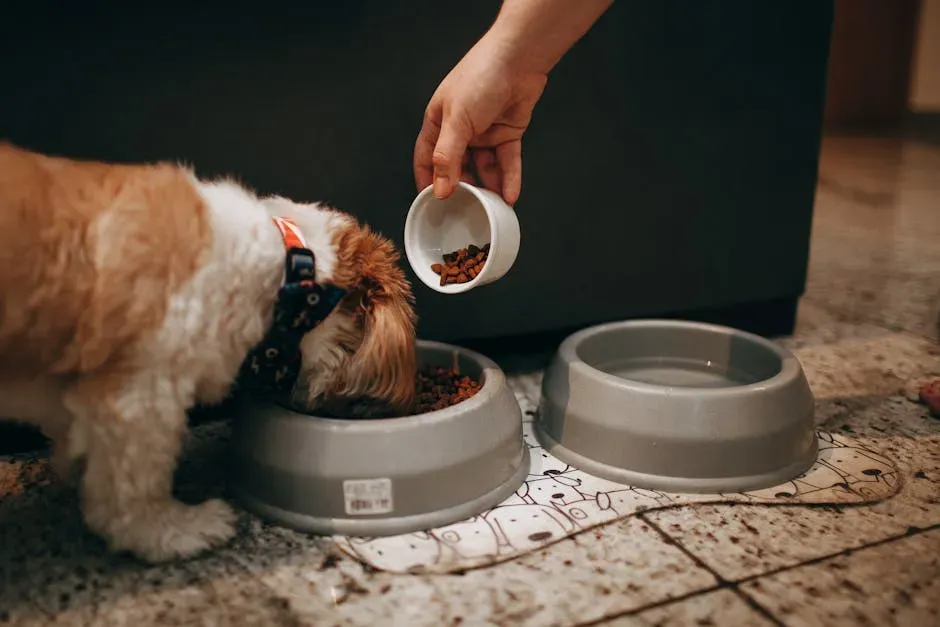
Food bowls sit untouched even when favorite treats appear. A dog that once raced to eat now sniffs and walks away. This shift happens quickly, often within the first twenty four hours.
Owners or caregivers notice the weight loss starting soon after. The lack of interest stems from stress rather than illness in most cases. Gentle encouragement rarely changes the pattern right away.
Pacing Through the House Without Rest
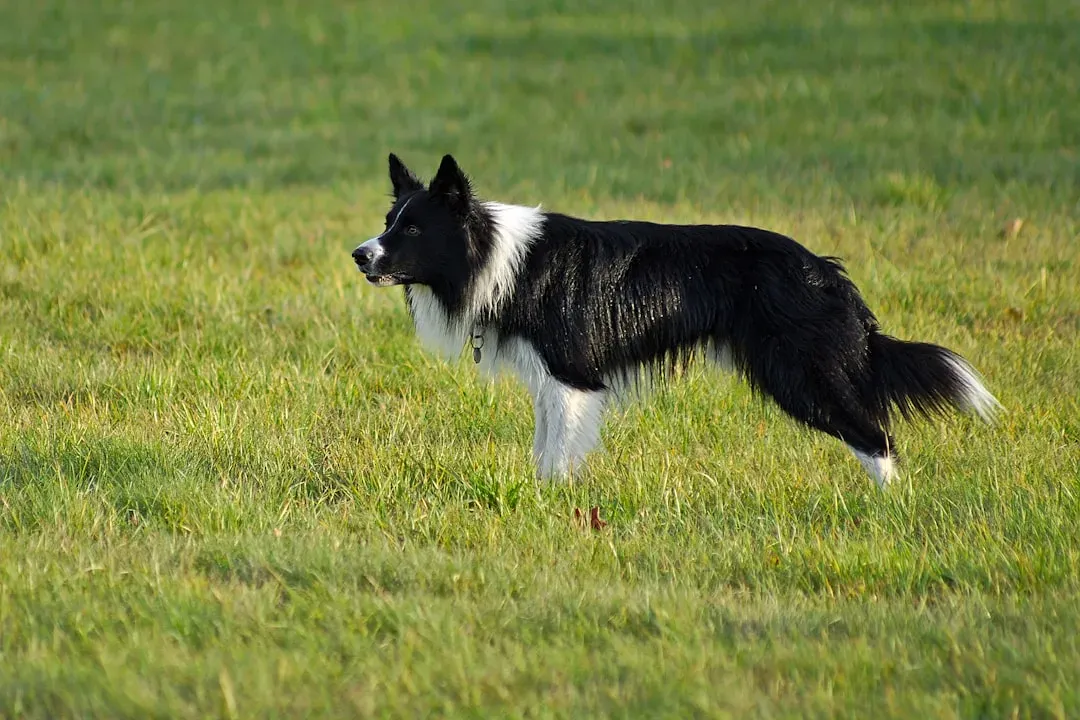
Restless movement replaces the usual naps and play. Dogs walk the same paths repeatedly, checking rooms one after another. The motion continues even when the house grows quiet.
They pause only briefly before starting again. This behavior drains energy and leaves them looking worn by evening. It reflects an ongoing search for the missing person.
Letting Out Soft Whines in the Quiet Hours
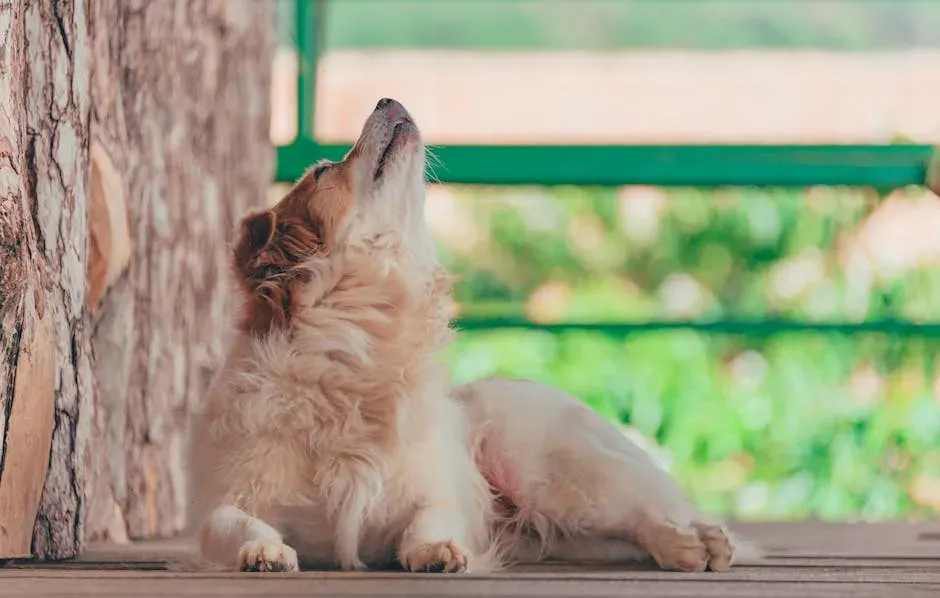
Low whimpers break the silence at odd times, especially after dark. The sound carries a plaintive note that differs from ordinary barking. It often comes when the dog is alone in a room.
Family members hear it more at night when distractions fade. The vocalization signals distress rather than a request for attention. It tends to ease only when someone sits nearby.
Chewing on Items That Carry the Owner’s Scent
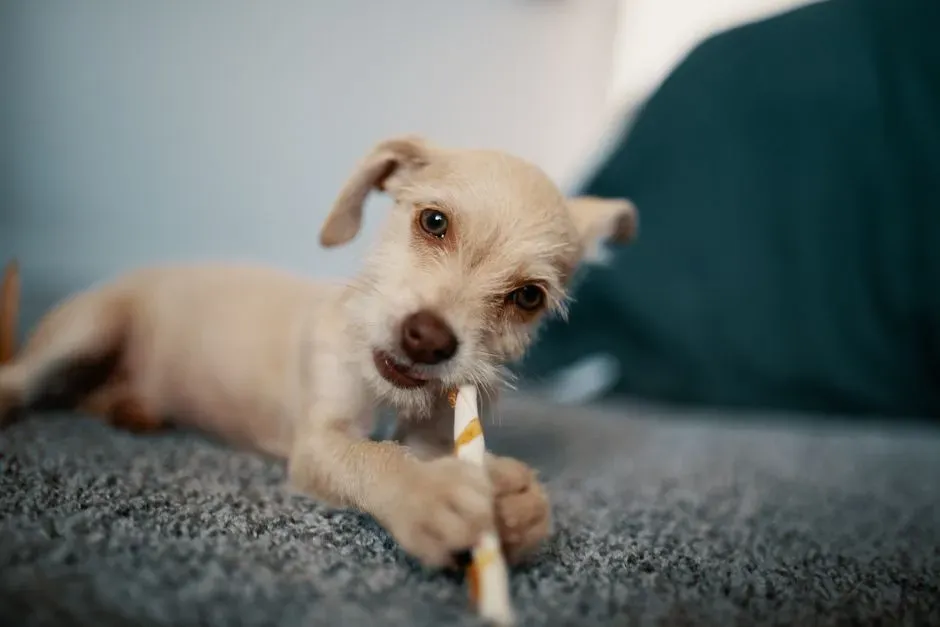
Shoes, blankets, or clothing left behind become targets for gentle chewing. The dog works slowly, almost as if preserving the smell. Damage stays limited compared with full separation anxiety episodes.
Yet the choice of objects points to a need for closeness. Caregivers find the items scattered near the dog’s bed. The habit offers temporary comfort amid the change.
Shadowing Other Family Members Constantly
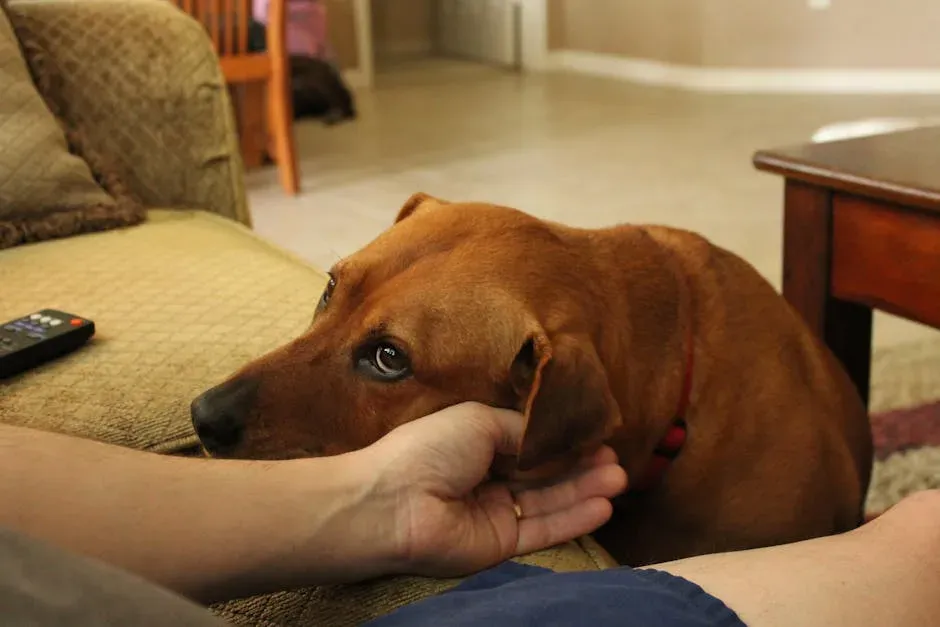
Dogs that once roamed freely now stick close to whoever remains at home. They follow from room to room, rarely letting the person out of sight. The attachment grows intense within a couple of days.
Even brief separations inside the house trigger quick returns. This clinginess provides reassurance while the main person stays away. It can feel overwhelming for those adjusting to the new role.
Sleeping Far More Than Their Normal Pattern
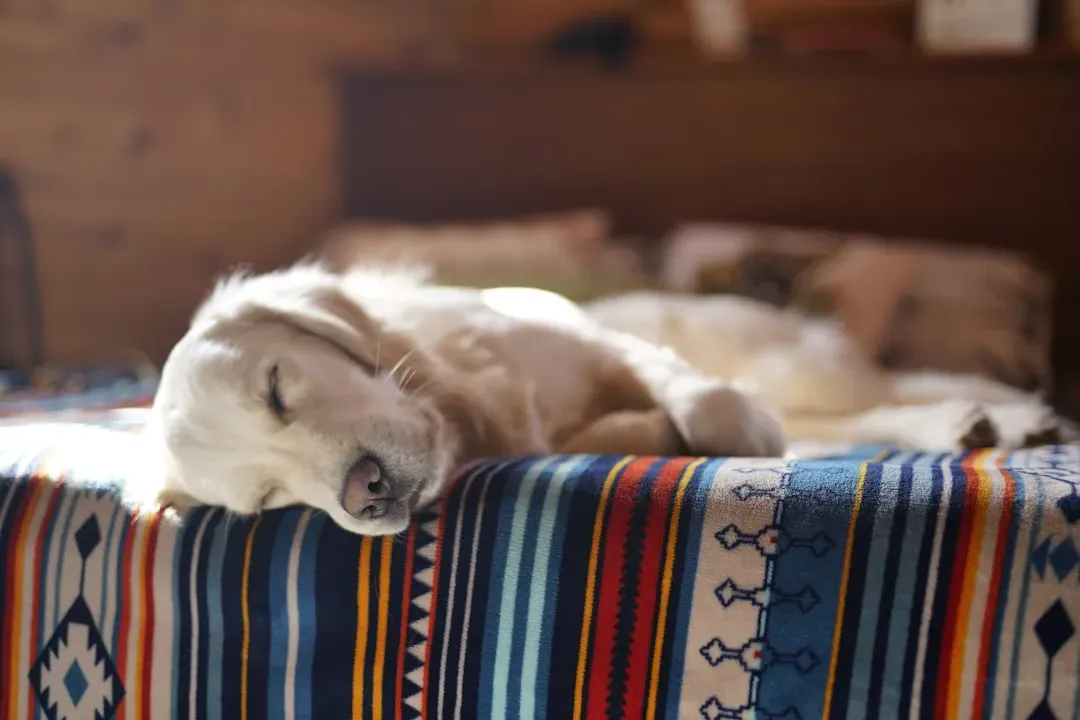
Extra hours of rest appear as energy drops. Dogs curl up in quiet corners and stay there longer than usual. The sleep looks heavy rather than relaxed.
They wake only when prompted or when household sounds change. This lethargy mirrors the emotional weight of the separation. Activity levels stay low until some routine returns.
Ignoring Toys and Games They Once Loved
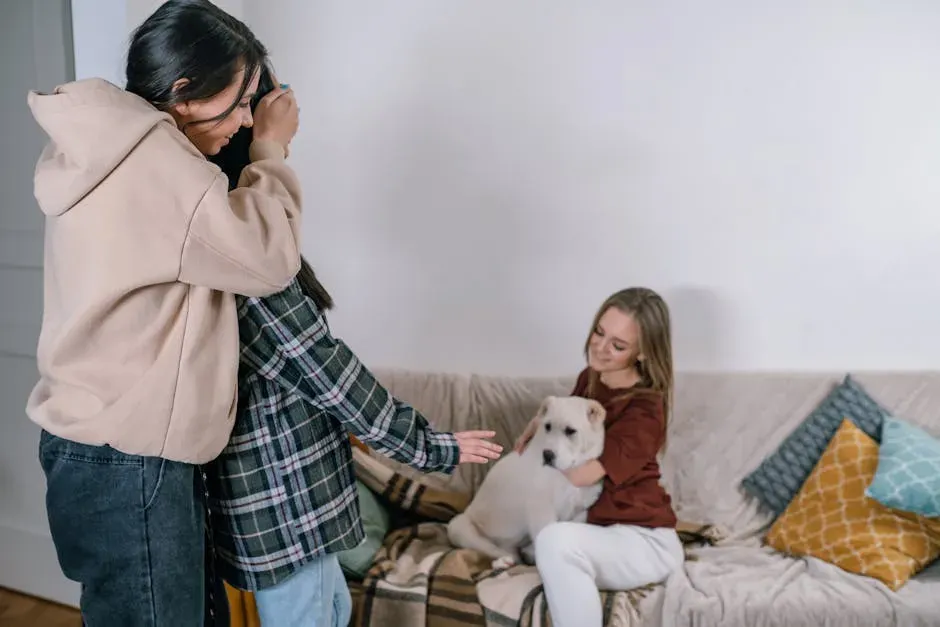
Balls, ropes, and squeaky toys lie untouched in their usual spots. A dog that chased every toss now shows no interest. The shift surprises caregivers who try to engage them.
Even favorite games fail to spark the old enthusiasm. The disinterest lasts several days in many cases. It signals a broader withdrawal from normal pleasures.
Pressing Against the Owner’s Clothes or Bedding

Dogs seek out shirts or blankets that hold the familiar scent. They lie on these items for long stretches, breathing in the smell. The behavior repeats whenever the items stay accessible.
Caregivers sometimes move the bedding closer to help. The contact brings visible calming within minutes. It serves as a bridge to the absent person.
Having Accidents Despite Being House Trained
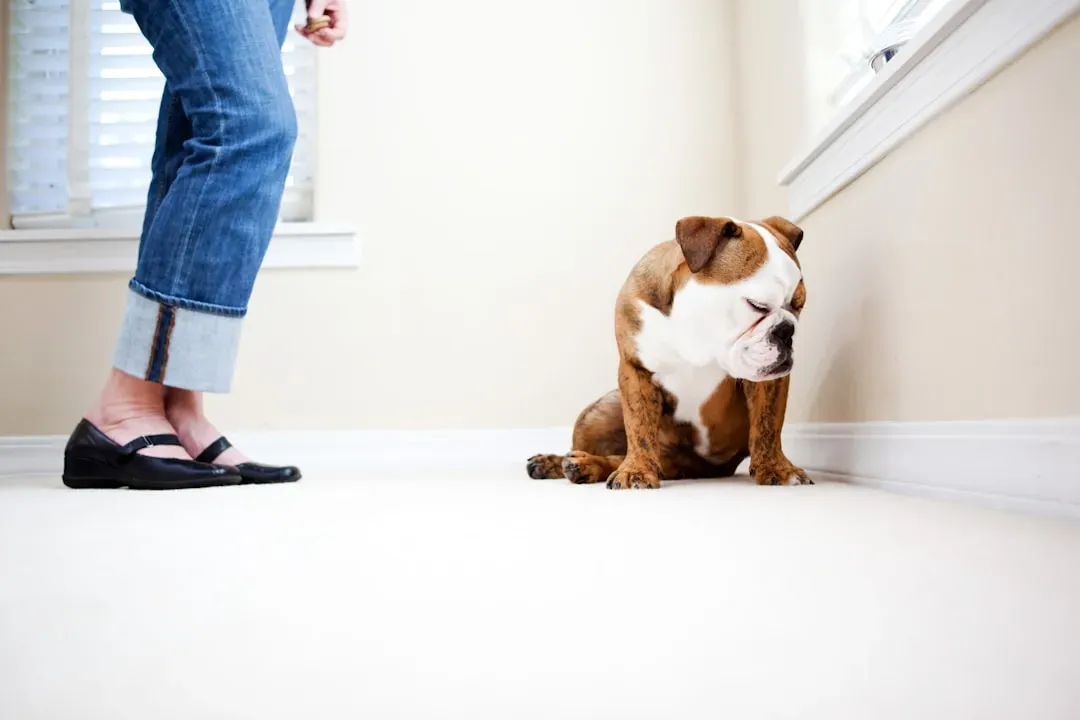
Small puddles or messes appear in unexpected places. The lapses occur even in dogs with years of reliable habits. Stress overrides the usual signals in the early days.
These incidents cluster near doors or the owner’s favorite chair. They ease once the dog settles into a new rhythm. The pattern highlights how deeply the change affects them.
Staring at Empty Spaces or Familiar Objects
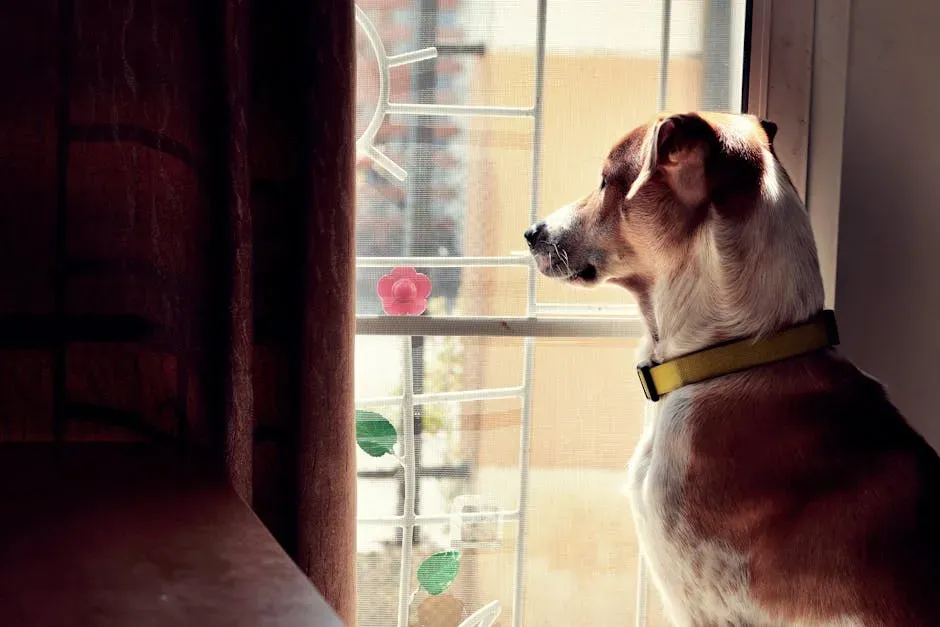
Eyes fix on the empty chair, the hospital bag, or the car keys. The gaze holds steady for minutes at a time. Nothing else in the room seems to draw attention.
This quiet watching repeats throughout the day. It looks like the dog is replaying the last moments together. The focus remains until something breaks the spell.
The bond between dogs and their people runs deeper than daily routines suggest. Watching these quiet signs of distress reminds us how much comfort and stability one presence provides. In the end, the most lasting lesson may be the value of planning ahead for those who cannot speak their needs.


