
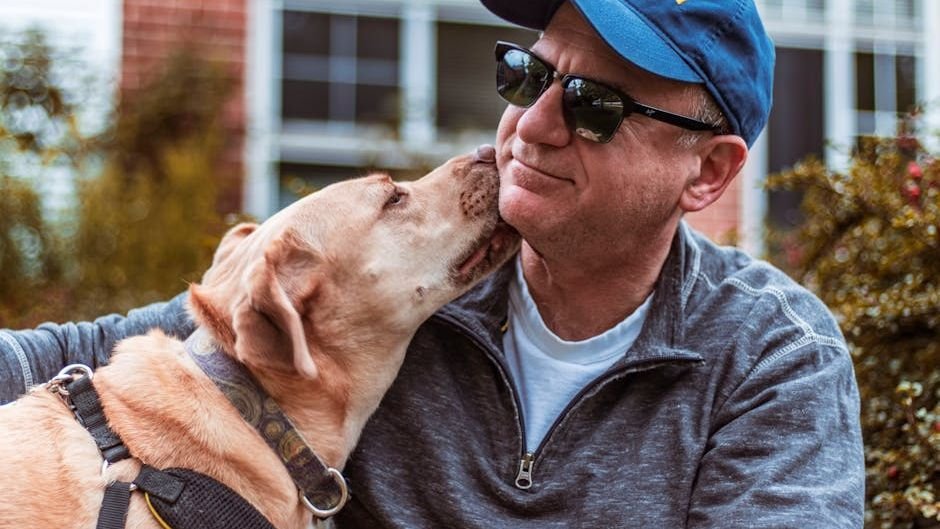
Picture the classic scene: a muscular, broad-chested dog who barks like thunder at the mail carrier, holds their head high on walks, and acts entirely unbothered by the world. Then you come home from a long day, and that same dog is pressed against your leg, letting out a long, slow sigh of pure contentment. Sound familiar?
The truth is, even the most stoic-looking dogs carry enormous emotional depth beneath the surface. Research tells us that dogs absolutely do have feelings, and while those emotions may differ from human experiences, what dogs feel is very real and can have a meaningful impact on their behavior and relationships with both other animals and humans. Knowing how to read your dog’s softer signals isn’t just heartwarming – it’s one of the most practical things you can do to deepen your bond and support their emotional well-being.
1. They Lean Their Full Weight Into You
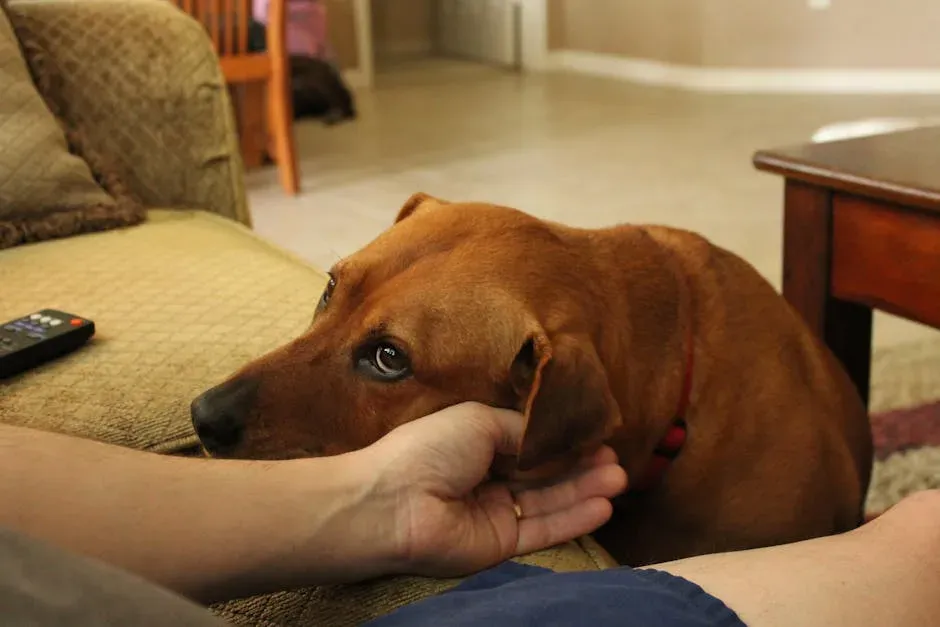
If your big, bold dog has a habit of casually pressing their side, shoulder, or entire body against your legs while you’re standing still, that’s not clumsiness. When your dog leans their weight into you, it’s not accidental. Dogs only do this with people they feel safe with – it’s a quiet way of saying, “I trust you.”
This kind of contact helps dogs feel grounded and calm. Your presence actually regulates their nervous system, even when you’re not actively petting them. So the next time your dog is glued to your side at a family gathering or while you’re waiting at the vet, understand that they’re not crowding you – they’re anchoring themselves to their safe person. Honor it by staying calm and letting them lean.
2. They Bring You Their Toys as Gifts

When your dog brings you a beloved toy, they’re sharing something valuable. This gesture means they want to interact and include you in their happiness. It’s a small act loaded with social significance – in canine terms, sharing a prized possession is a meaningful display of trust and connection.
When a dog brings you their treasured possessions, like their favourite toys, it’s a sign of love and trust. By sharing their prized items, dogs show that they want to play and interact with you. This behaviour indicates that they see you as a valued family member and want to share their joy with you – it’s a gesture of affection and an invitation to bond through play. Don’t ignore these little deliveries. Make a moment of it, even briefly, because your dog notices whether you receive their gift with warmth or indifference.
3. They Follow You From Room to Room
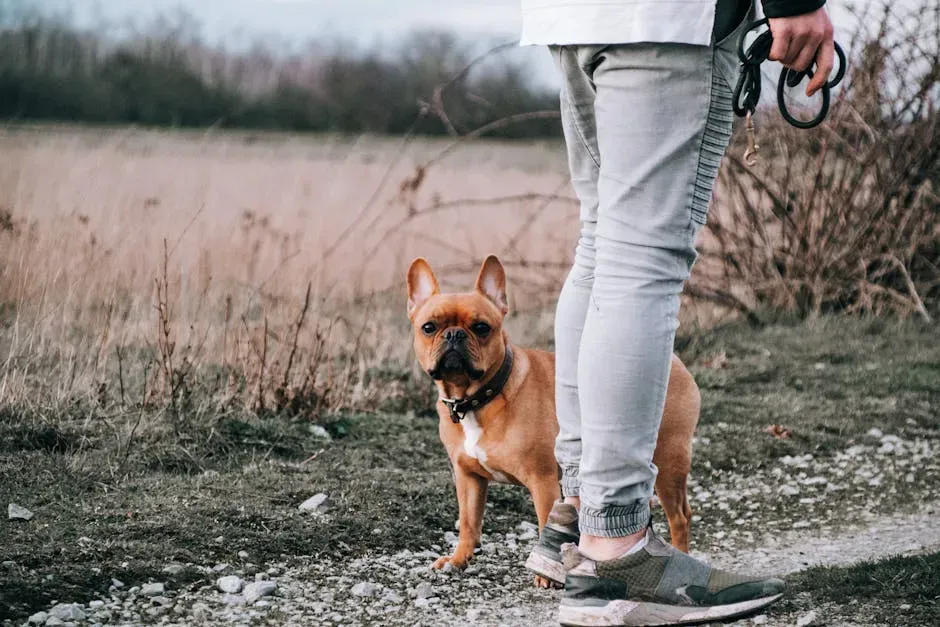
If your dog follows you from room to room or lies nearby while you’re doing something boring, that’s a big deal. Studies have found that dogs stick closer to their owners than to other people, which is a strong sign that they feel safe, bonded, and emotionally connected. They’re not looking for food, walks, or playtime – they just want to be close.
That said, there’s a spectrum worth understanding here. Sometimes, following behavior can stem from separation anxiety. Dogs with strong attachments may get anxious when you’re out of sight, and this condition requires extra attention – training and positive reinforcement can help manage their anxiety. A dog who follows calmly and settles when you sit is expressing affection. One who panics at every doorway may need a little extra support.
4. They Make Soft, Lingering Eye Contact With You
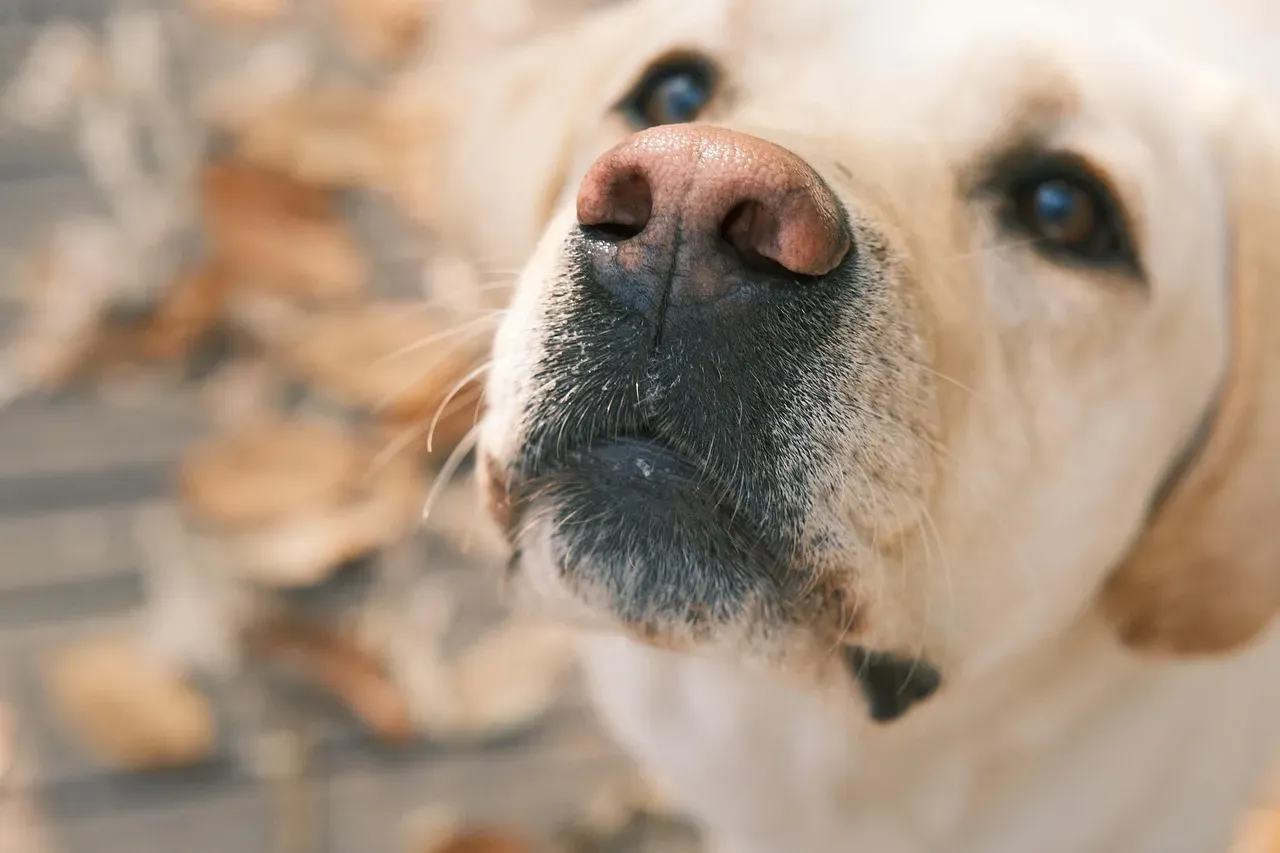
Research shows that when dogs and their owners lock eyes, both experience a spike in oxytocin, the “bonding hormone,” which shows trust and affection between the two. That slow, gentle gaze your tough-looking terrier gives you across the room isn’t a challenge – it’s the canine version of a heartfelt hug.
Soft eye contact shows engagement and affection, while looking away or offering “whale eye” – showing the whites of the eyes – typically indicates stress, fear, or an attempt to avoid confrontation. Learning the difference is valuable. If your dog is making eye contact with you, blinking, and maintaining a calm and relaxed demeanor, they are expressing love – but if they’re making eye contact without blinking and looking stressed or agitated, they’re uncomfortable and trying to communicate something else.
5. They Sigh Deeply When They Settle Near You

That long, slow exhale your dog lets out the moment they curl up next to you on the couch is one of the most underrated signs of emotional safety. It can be shocking, comical even, to hear your dog sighing like they’ve worked a 60-hour work week, but it’s truly a sign of love – they’re feeling safe, comfortable, and happy.
Context matters, of course. A sigh during rest is a sign of contentment, while repeated sighing paired with restlessness, panting, or pacing may signal something else entirely. Withdrawal, excessive barking, changes in appetite, or avoidance may be signs of emotional distress or even pain, so always read the full picture alongside that sigh. When everything else looks relaxed, though, let that sound sink in – your dog is completely at peace in your presence.
6. They Roll Over and Expose Their Belly
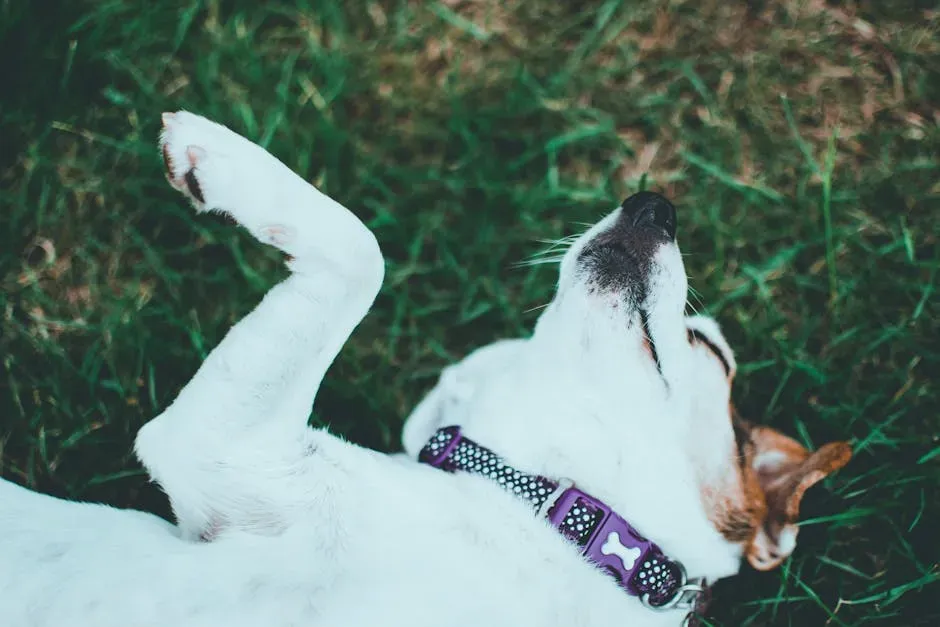
Nothing says trust more than your dog rolling onto their back and asking for a belly rub. Since a dog’s tummy is one of their most vulnerable parts, this act puts them in total submission – the ultimate signal of love and trust. For a dog who presents a bold or guarded face to the outside world, this kind of vulnerability with you is genuinely significant.
It’s worth knowing that the belly-up position doesn’t always mean the same thing. If the dog has been hanging out with you on the couch all day and rolls over to show their belly, they’re probably comfortable and looking for some extra affection in the form of belly rubs. But if they meet excited dogs at the park and show their belly, they’re probably trying to show the other dogs they aren’t a threat. Read the room, and when it’s clearly an invitation for affection from you, respond with warmth.
7. They Mirror Your Emotional State
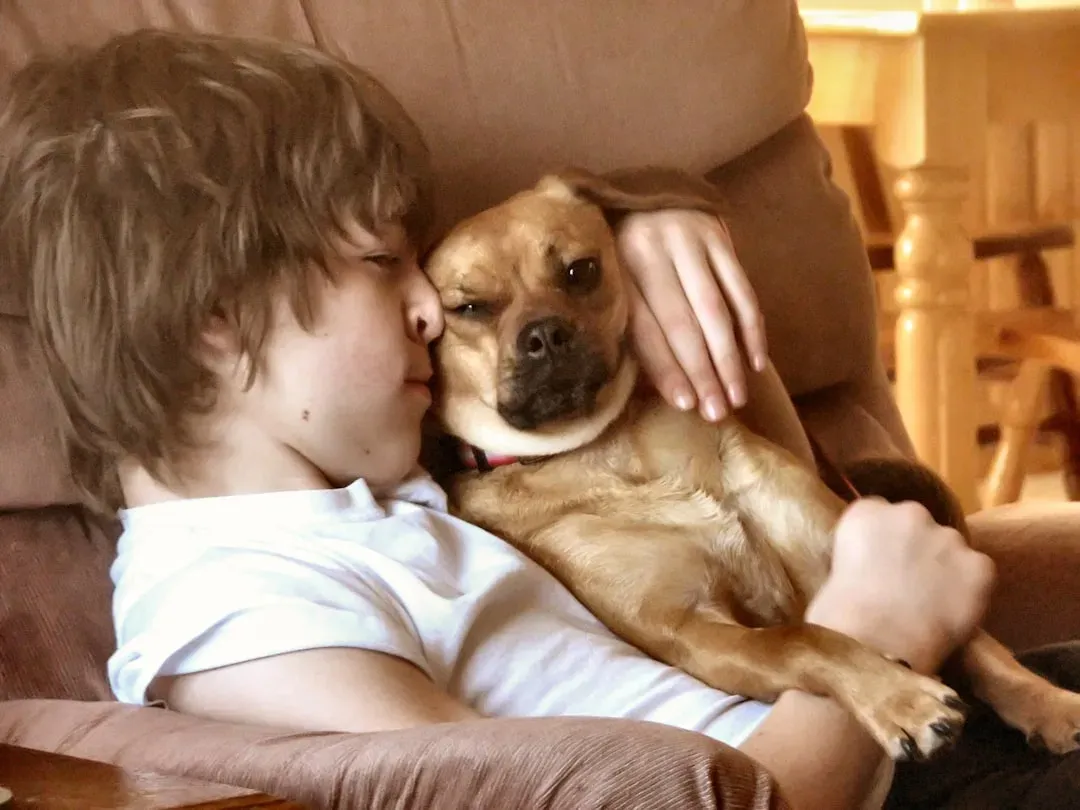
Researchers have examined how stress levels in dogs are influenced by the people they live with, speculating whether mirroring of emotional states over long time periods can arise between species – such as between a domesticated dog and their human. They determined stress levels over several months by measuring the concentration of cortisol in hair samples from both the dog and owner. The findings were striking.
The researchers found that the levels of long-term cortisol in the dog and its owner were synchronized, such that owners with high cortisol levels had dogs with high cortisol levels, while owners with low cortisol levels had dogs with low levels. This is one of the most powerful reminders that your emotional state genuinely matters to your dog’s health. Dogs are incredibly sensitive to human emotional states and energy levels – your anxiety, excitement, or tension directly affects their behavior and stress levels. Caring for yourself is, in a very real way, caring for them.
8. They Yawn as a Calming Signal

Most owners assume a yawn means their dog is tired or bored. Sometimes that’s true. Other times, it’s something far more nuanced. A stress yawn is a piece of dog body language known as a “calming signal” – calming signals are a set of subtle behaviors dogs use to de-escalate a situation, avoid conflict, and soothe their own anxiety.
When a dog yawns in a situation that isn’t related to waking up or going to sleep, they are often trying to release a bit of their own internal tension. It’s a self-soothing mechanism, like when we might take a deep breath or nervously fiddle with our hands. Softie dogs who hold it together on the outside are often sending these quiet little yawn-messages all the time. If your dog is stress yawning all the time, that may be a signal of a larger problem like separation anxiety – and frequent lip licking can be another related sign. In that case, it’s best to consult with a vet or professional trainer.
9. They Show Separation Distress When You Leave

Your tough, independent dog who lounges around all day unbothered suddenly turns into an anxious shadow the moment you pick up your keys. That emotional shift tells you everything. While most dogs are emotionally attached to their owners, anxious dogs exhibit more attachment behaviors than less anxious ones. Dogs with separation-related problems will often show signs of excessive attachment, following their owners around when they are home and when owners are preparing to leave the house.
Separation anxiety is a behavior in which dogs demonstrate excessive stress when separated from their owners – it’s like a panic attack in a person, with both short-term and long-term effects, and it’s quite common in dogs who are very attached. If your dog’s distress is mild, consistent routines and gradual desensitization often help enormously. For more severe cases, separation anxiety can be treated with systematic desensitization and, if necessary, medication – so don’t hesitate to speak with your veterinarian.
10. They Nuzzle, Lick, and Bury Their Head in You
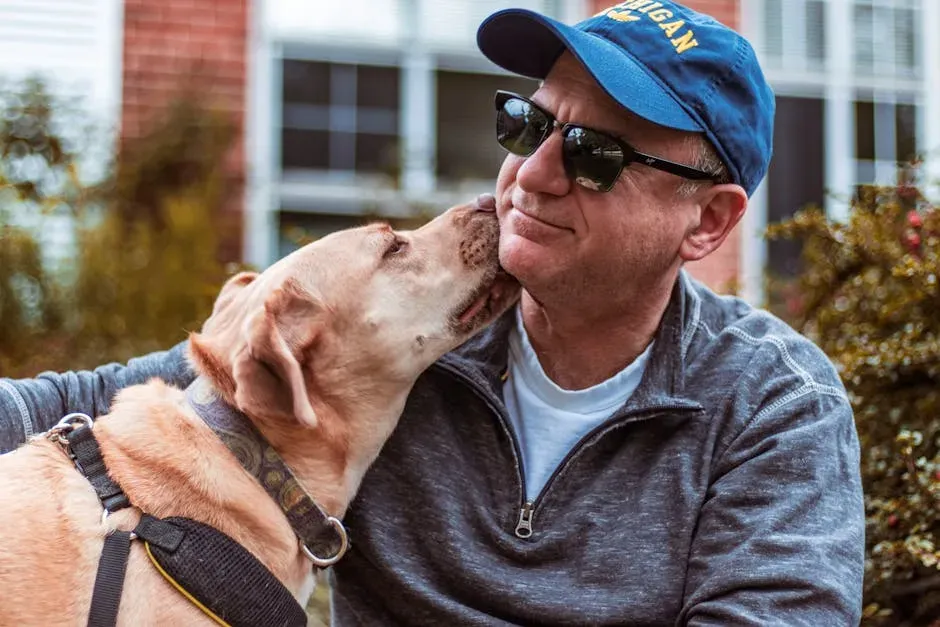
If you’ve ever wondered why your dog buries their head in you, it’s likely a sign of affection. Nuzzling is a way for canines to express love, though in some situations and depending on context, it can also signal anxiety. A dog who nudges their nose into your arm while you’re working or presses their forehead against your chest is speaking a very clear language of closeness.
Affectionate behaviors like licking someone’s hands or face, leaning against their owners, and cuddling with them are all signs of affection and a secure dog-human bond. Licking is a natural behavior in dogs that signifies affection and bonding – it can be traced back to their ancestors, who used licking to show submission and care. When your dog licks you, it could be their way of expressing love and attachment, and licking also releases endorphins in dogs, creating a sense of comfort and pleasure. Receive this tenderness graciously, even if it’s a little slobbery.
11. They Respond Deeply to Your Tone of Voice
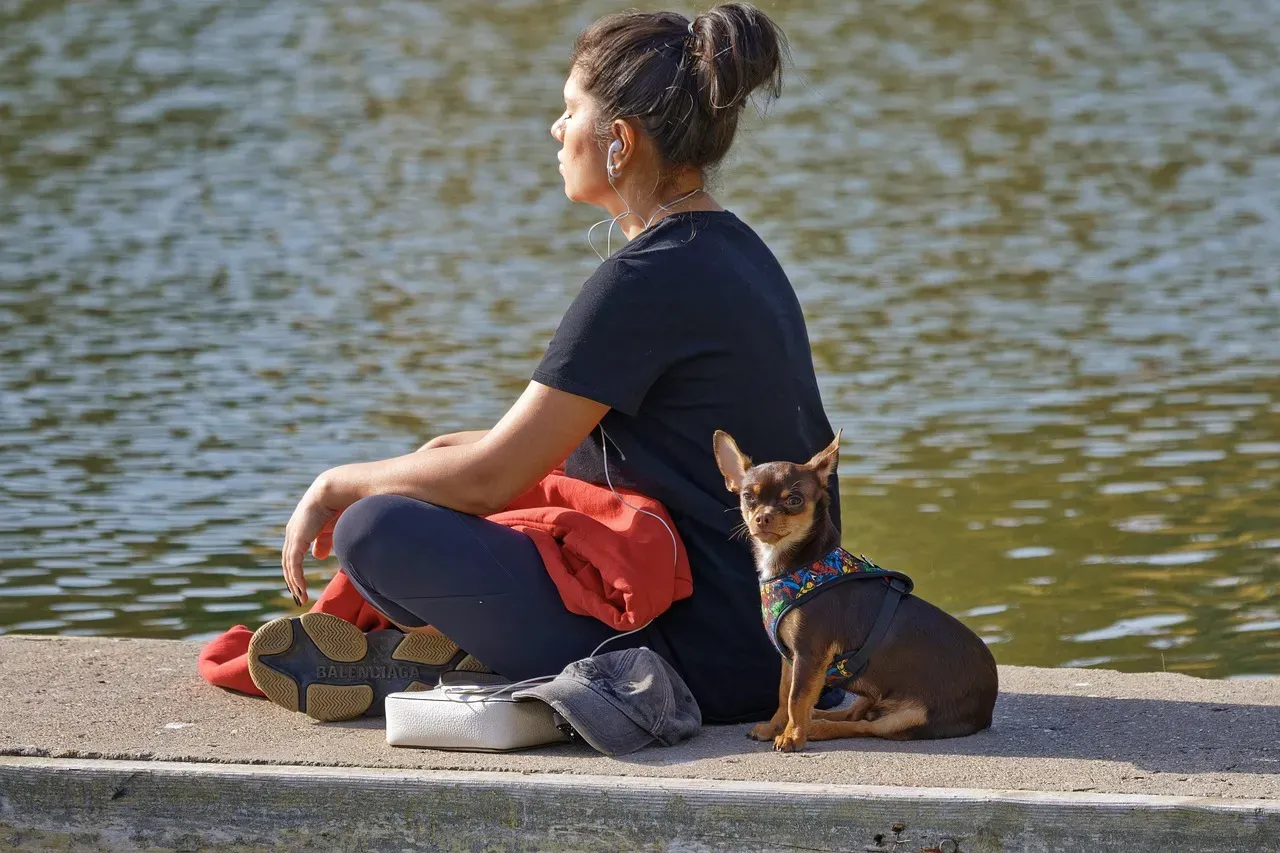
You don’t even have to say anything meaningful – just the tone of your voice can visibly change your dog’s entire body language. Dogs may not understand every word you say, but they absolutely recognize your voice. Research shows dogs can actually tell your voice apart from other familiar voices and will often look toward you when they hear it – and when their ears perk up, their tail starts wagging, or their face softens as soon as you speak, that’s emotional recognition. Your voice signals safety and familiarity.
Highly sensitive dogs are wired differently, with research indicating that their brains process sensory input more deeply. A harsh or frustrated tone – even one not directed at them – can visibly deflate a dog who otherwise looks completely tough. Harsh training methods can be especially damaging to a highly sensitive dog. They’re likely to shut down or become fearful if they’re punished, so sticking to gentle, reward-based training is essential. Your softest voice is often your most powerful tool.
Conclusion: The Softie Behind the Brave Face

Dogs who come across as stoic, bold, or independent are often the same ones silently leaning into you at the end of the day, watching the door when you leave, and melting the second you speak their name. That emotional depth isn’t a contradiction – it’s the whole point.
Sensitivity in dogs is something that’s not widely acknowledged or considered, even by many professionals, and it very much needs to be recognized. Much like drive, it’s a deeply ingrained part of the individual and cannot simply be “fixed” or “removed.” Your job isn’t to toughen them up or dismiss these signals – it’s to see them clearly.
The more fluent you become in reading your dog’s softer language, the more you realize that their emotional life is rich, consistent, and deeply tied to yours. Learning to understand your dog’s body language helps you build trust, prevent stress, and support their emotional well-being. Every sigh, lean, and lingering gaze is your dog quietly saying: you are their whole world. That’s worth paying attention to.


