
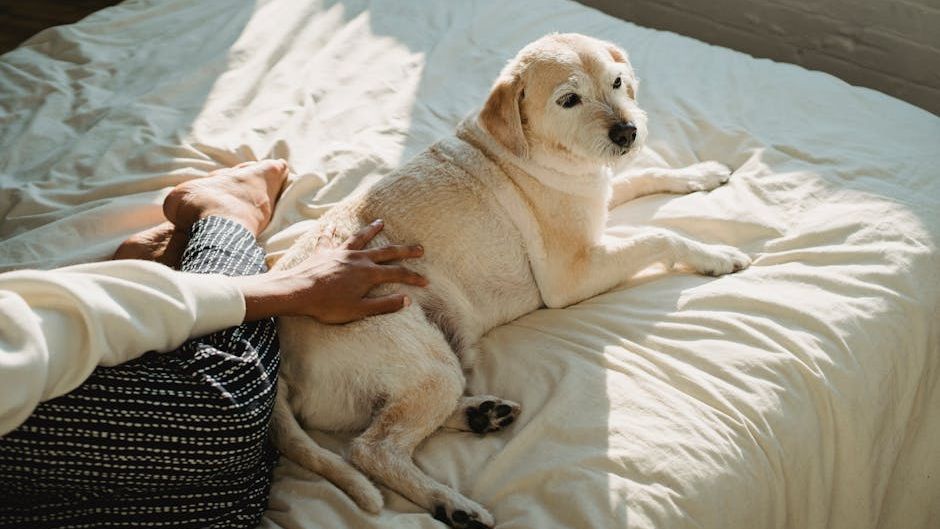
There’s a particular kind of quiet that settles over a house when a dog gets old. The frantic energy of puppyhood is long gone. The zoomies, the stolen socks, the nose pressed against the fence at every passing stranger – all of it fades, replaced by something slower and, if you’re paying attention, surprisingly beautiful.
Most owners dread the senior years. They scan for warning signs, second-guess every nap, and hover with a kind of heartbroken vigilance. What they don’t always realize is that some of what they’re watching – the stillness, the soft eyes, the preference for warmth and closeness – isn’t a sign that something is wrong. It’s a sign that something is, quietly, very right.
These are the 11 things senior dogs do that show they’ve arrived somewhere peaceful. Not every sign means the end is near. Some of these are simply the language of a dog who has lived a full life and made peace with the tempo of it. The harder question is whether we can do the same.
#1. They Sleep More – and Sleep Deeply
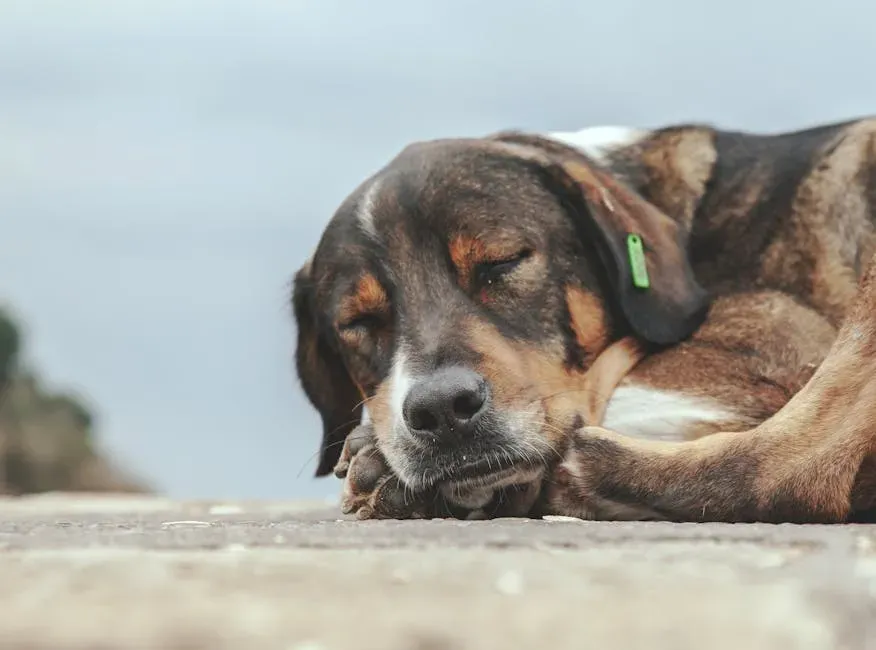
Senior dogs typically sleep anywhere from fourteen to twenty hours daily, significantly more than adult dogs. That’s not laziness or illness on its own. Increased sleep stems from natural aging processes, and sleep quality matters just as much as the quantity for senior dog wellness.
The real signal of peace isn’t just how long they sleep – it’s how they sleep. Restful sleep looks peaceful. Dogs breathe deeply and evenly, occasionally twitching during dreams. They settle quickly into comfortable positions and stay relatively still. When you watch an old dog sink into a genuinely deep, undisturbed sleep, that’s the body doing exactly what it’s supposed to do.
Being able to sleep well is absolutely essential for both physical and mental health. The body cannot heal without sleep, and sleep is often how a dog can temporarily escape from discomfort. So when your senior dog is sleeping long and sleeping well, it’s not a red flag. It’s one of the clearest signals of comfort available to them. The absence of restlessness is itself a kind of grace.
#2. They Stop Reacting to Things That Used to Set Them Off
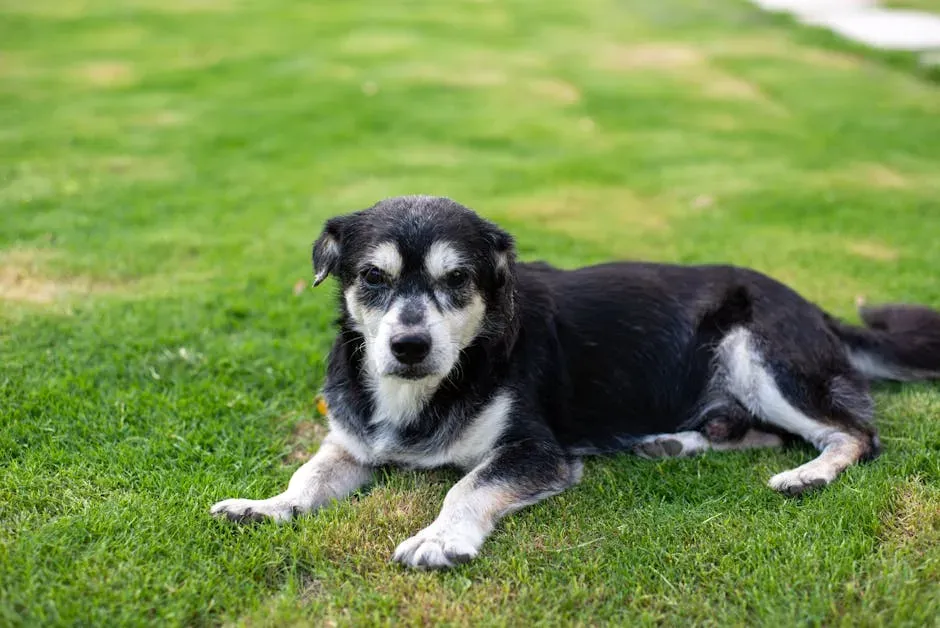
The doorbell doesn’t ignite a full sprint anymore. The cat wanders past and gets only a slow, half-lidded glance. Senior dogs often appear to simply stop caring about things that once triggered an instant reaction – and owners sometimes mistake this for depression or decline. Often, it’s neither.
Behavioral changes may be one of the first signs of aging you notice. Dogs may become more reluctant to engage in their old favorite activities if they’re struggling with pain or discomfort, but in general, seniors may prefer more relaxed activities and will likely spend more time resting and sleeping. A dog who has stopped barking at every shadow isn’t broken – they’ve simply recalibrated what deserves their energy.
There’s a certain dignity in that kind of selective attention. Old dogs develop a finely tuned sense of what actually matters to them: your presence, their favorite spot by the window, the smell of dinner. Everything else becomes background noise, and watching them let it go can be quietly instructive for the humans in the room.
#3. They Seek Out Their Favorite Person More Often
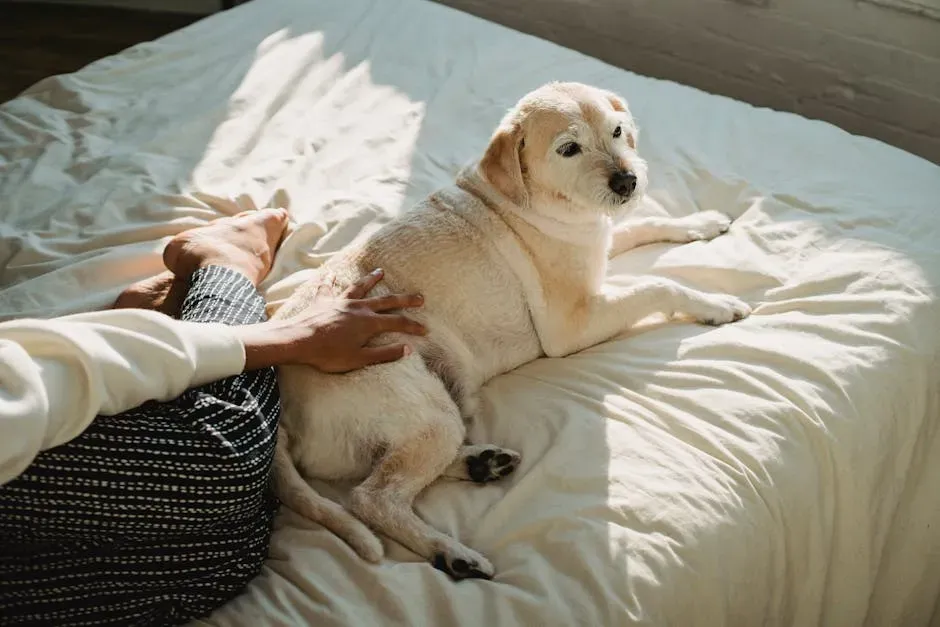
You might notice your senior dog following you from room to room, or leaning into your leg with more weight than before. Some senior dogs become more clingy or demanding, seeking constant attention and affection from their family members. Owners often panic when this happens, reading it as a sign of pain or anxiety. Sometimes it is. Often, though, it’s simply love becoming more deliberate.
Some dogs become more affectionate and seek constant proximity to their owners, as if seeking comfort and reassurance. There’s nothing wrong with that. Dogs are social animals who have spent years attaching themselves to their people, and as the world becomes quieter and smaller for them, those connections become the centerpiece of daily life. Your lap isn’t a hiding place – it’s the best place they know.
The difference worth watching for is the quality of that closeness. A dog who presses against you with a soft body, relaxed muscles, and a slow sigh is telling you they feel safe. That’s not distress. That’s a dog who has decided you are where the warmth is, and they’d like to stay.
#4. They Move Slowly – but with Purpose
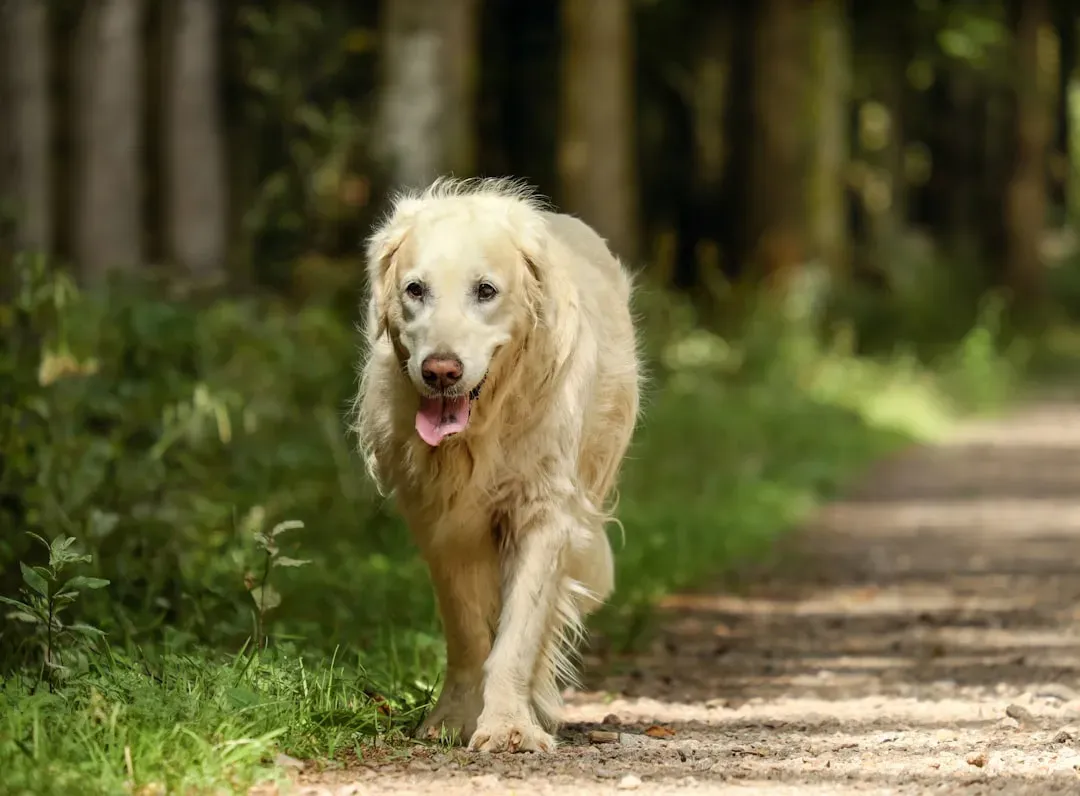
It’s normal for your dog to slow down a little as they age. They will typically have less stamina and won’t be able to exercise for as long as they did when they were younger. But slowing down is not the same as giving up. A senior dog who takes their time getting up, crossing the yard, or climbing to their favorite resting spot is often doing exactly what their body is asking of them – moving mindfully within their own limits.
Watch how they move, not just how fast. A dog at peace walks at a pace that suits them, pauses to smell things with genuine interest, and doesn’t appear agitated or distressed by the process of getting somewhere. Senior pets don’t always cry out when they’re uncomfortable. Instead, they communicate quietly through habits, routines, and moods. When those routines look unhurried rather than strained, that’s a good sign.
There’s something almost meditative about a senior dog on a slow walk. They stop to investigate a patch of grass for two full minutes. They lift their head into the breeze. They’ve stopped rushing, partly because they can’t, but partly because they never needed to. The world smells better when you take your time in it.
#5. They Choose Their Resting Spots with Great Care
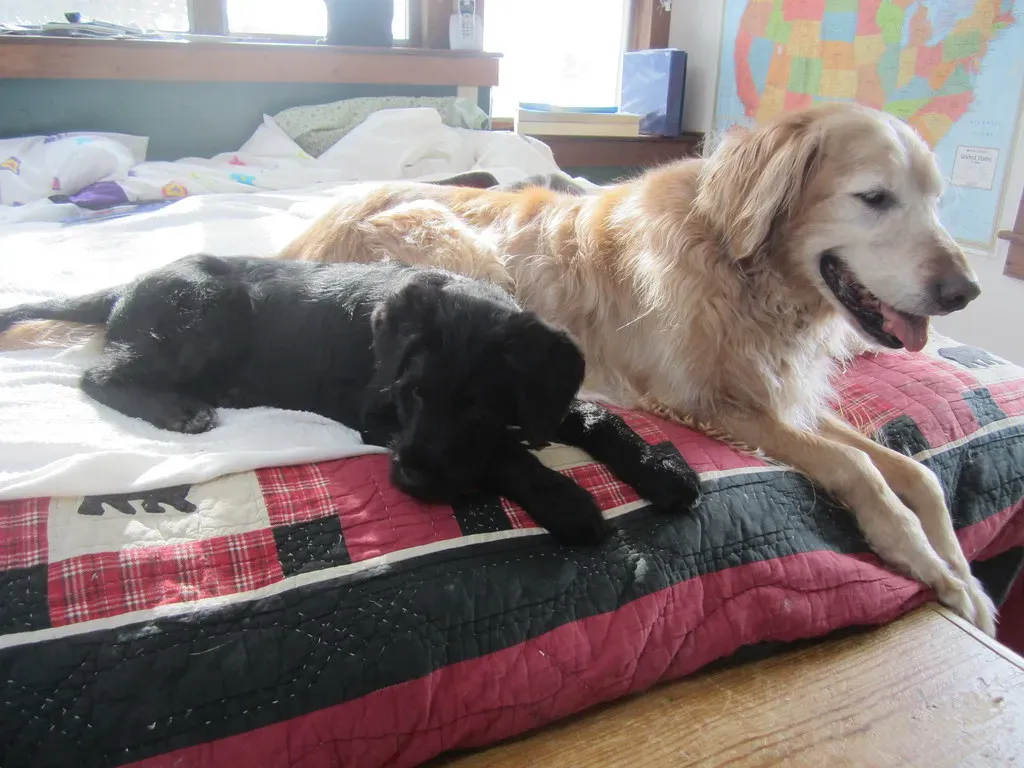
Senior dogs become remarkably particular about where they rest. The warm patch of floor where afternoon light spills in. The corner of the couch closest to the humans. The soft bed that carries familiar scents. Creating a safe, quiet environment and maintaining regular routines usually helps improve the situation greatly for senior dogs, and a dog who has found their perfect spots and returns to them reliably is one who feels genuinely settled in their home.
This isn’t aimless wandering or confusion. A dog who circles twice and then drops with a satisfied exhale has done the work of finding comfort. It’s not unusual for senior pets to sleep more deeply or to seek out quieter, undisturbed spots. That preference for calm, specific places is a sign of a dog who knows what feels good and goes to it without fuss.
Owners sometimes read this as withdrawal and worry. The distinction is important: a dog who picks a quiet corner but still engages with the family when approached, still eats with interest, and still reacts gently to touch is not retreating in distress. They’re curating their environment. They’ve become connoisseurs of comfort, which, in old age, is exactly the right thing to be.
#6. They Eat More Slowly and Savor the Experience
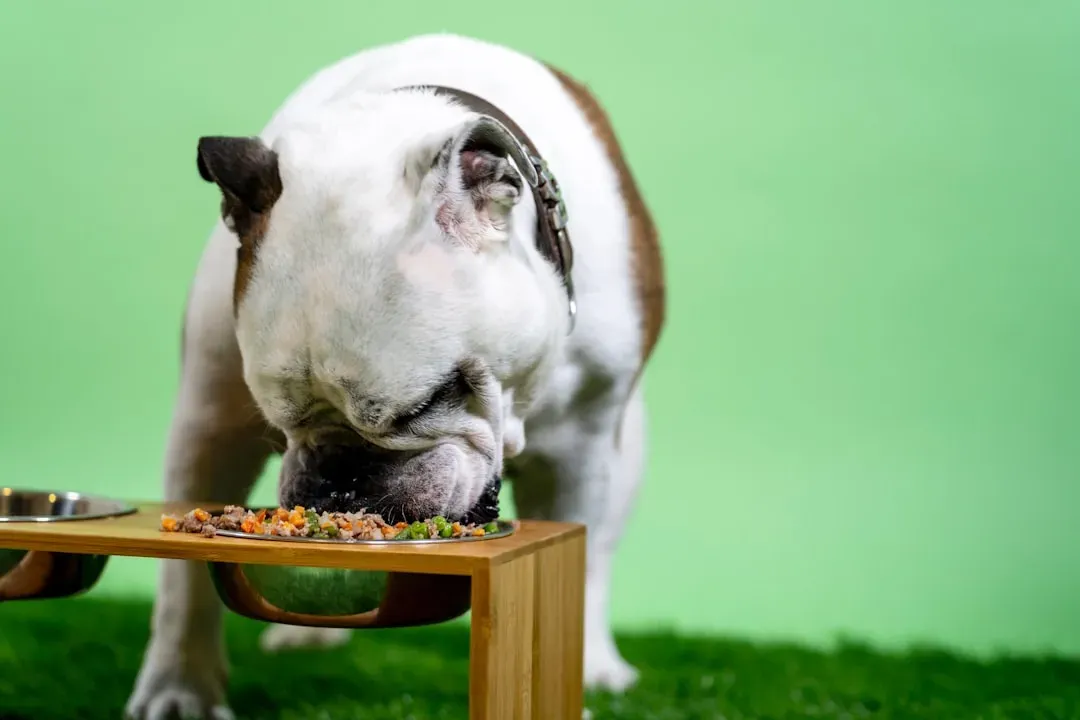
The frantic, competitive eating of a young dog gives way in old age to something more measured. Senior dogs often approach their bowl with what can only be described as deliberateness. They sniff. They take a bite. They pause. The urgency is gone, replaced by something that looks a lot like appreciation.
Looking at whether they eat well, move with ease, or still show joy is part of honestly checking on a senior dog’s well-being. A dog who still approaches food with genuine interest – even if more slowly – is telling you their quality of life still holds pleasure. Appetite is one of the clearest windows into a dog’s inner state, and gentle, interested eating is a good window to look through.
Of course, any significant change in appetite warrants a conversation with your vet. Small daily observations matter: is your pet eating more slowly, drinking more water, or sleeping in unusual places? Even subtle changes in appetite or thirst can signal metabolic or organ-related concerns. The point isn’t to ignore changes, but to recognize that a dog who still finds genuine pleasure in their meal is holding onto something good.
#7. They Let You Groom and Handle Them Without Protest
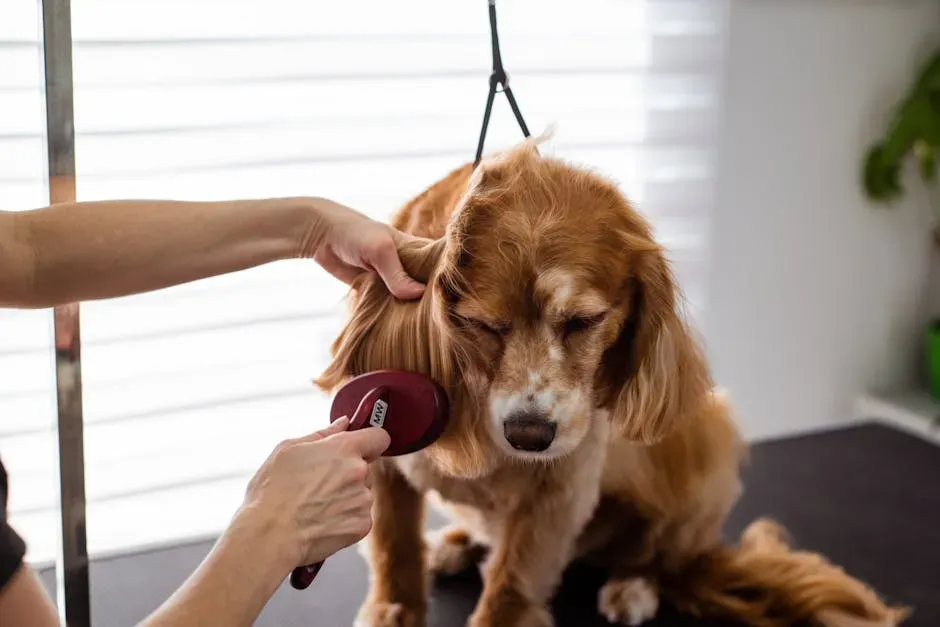
Younger dogs often squirm, spin away, and turn grooming into a negotiation. Senior dogs, particularly those who are at ease, tend to simply let it happen. They’ll stand or lie still while you brush them, clean their ears, or trim their nails – not because they’ve given up, but because they trust you completely and find the contact soothing rather than threatening.
Regular grooming sessions not only maintain your dog’s physical health but also offer a bonding experience. The act of brushing can release endorphins in your dog, promoting a relaxed state. A senior dog who leans into a brush stroke, closes their eyes during a gentle ear rub, or rests their head in your hands while you work is showing you something real: they’re comfortable, they’re not bracing for pain, and they feel safe in your hands.
This kind of physical trust is built over years. It’s the result of a thousand gentle interactions, a relationship that has deepened past words. When an old dog lets you care for them without tension in their body, that relaxation is its own kind of testimony to the bond between you. It takes a lifetime to earn that kind of stillness.
#8. They Dream Visibly and Often
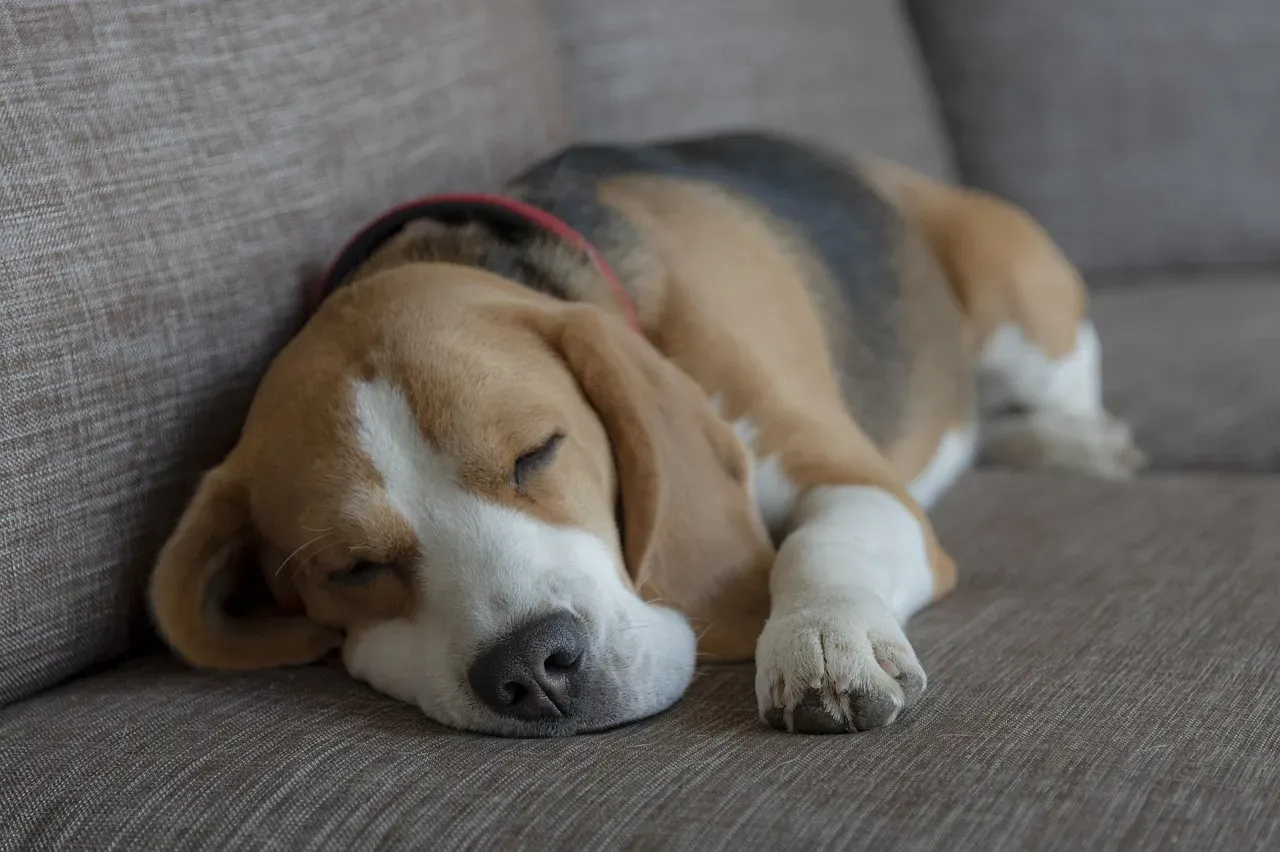
If you’ve ever watched an old dog sleep and noticed their paws twitching, their lips pulling back in a soft expression, a muffled bark escaping without waking them – you’ve watched a dog dreaming. Stages during NREM sleep may be associated with deep breathing, slower heart rate, and lower blood pressure, while during REM sleep you may see twitches, barks, and whines as the dog dreams.
Senior dogs who dream actively are dogs whose nervous systems are relaxed enough to reach deep sleep. Healthy breathing in dogs is steady, quiet, and relaxed, with the chest rising and falling smoothly without visible strain. When you see that paired with the small theatre of a dream – the running legs, the soft woofs – it means your dog is not just sleeping, they’re resting fully. Their body is calm enough to let their mind wander.
There’s something profoundly moving about it, if you let yourself see it that way. That dog is somewhere good in their head – chasing something, greeting someone, running a field they remember from younger years. Whatever it is, they look happy there. And they feel safe enough in your home to go to that place freely.
#9. They Still Greet You When You Come Home
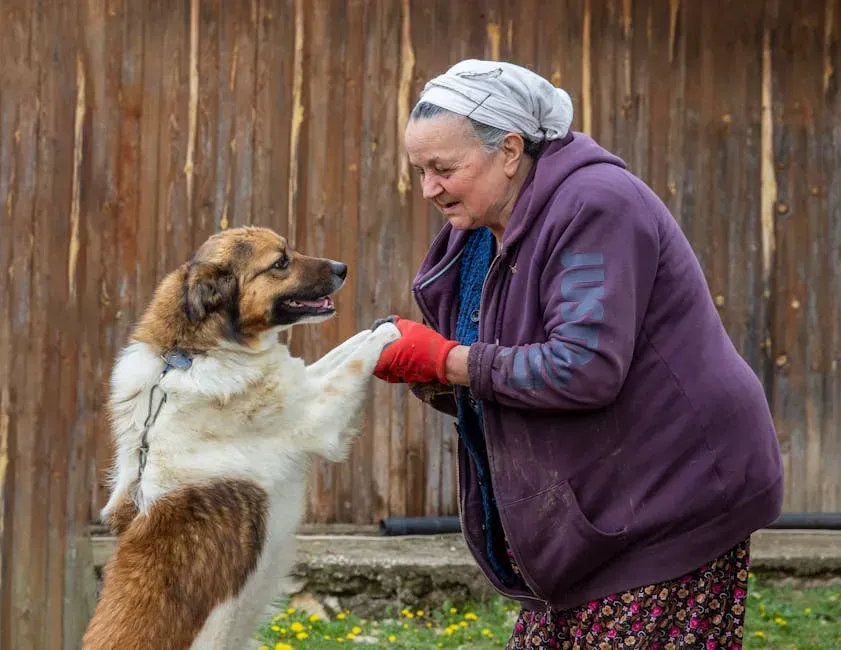
It might not be the full-body explosion of excitement from their younger years. The greeting may now be a slow rise from the bed, a tail wagging low and steady, a warm push of the nose against your hand. For a senior dog, the ability to rise from rest and welcome you at the door can mean everything. Don’t underestimate that greeting. It costs them more than it used to.
A senior dog who still makes the effort to get up and come to you when you arrive is one who finds your presence worth the effort. That’s not nothing. Happiness in a dog’s quality-of-life assessment comes down to whether your pet seems content most of the time and whether they show signs of enthusiasm and engagement. That small, slow tail wag counts. It counts a great deal.
The owners who notice this tend to be the ones who take a moment to sit down at their dog’s level and receive the greeting properly. Not rushing past, not distracted. Just being there for a minute. If you’ve ever done that with an old dog and felt their whole body relax into the contact, you already know what peace looks like. You were holding it.
#10. They Show Patience They Never Had Before
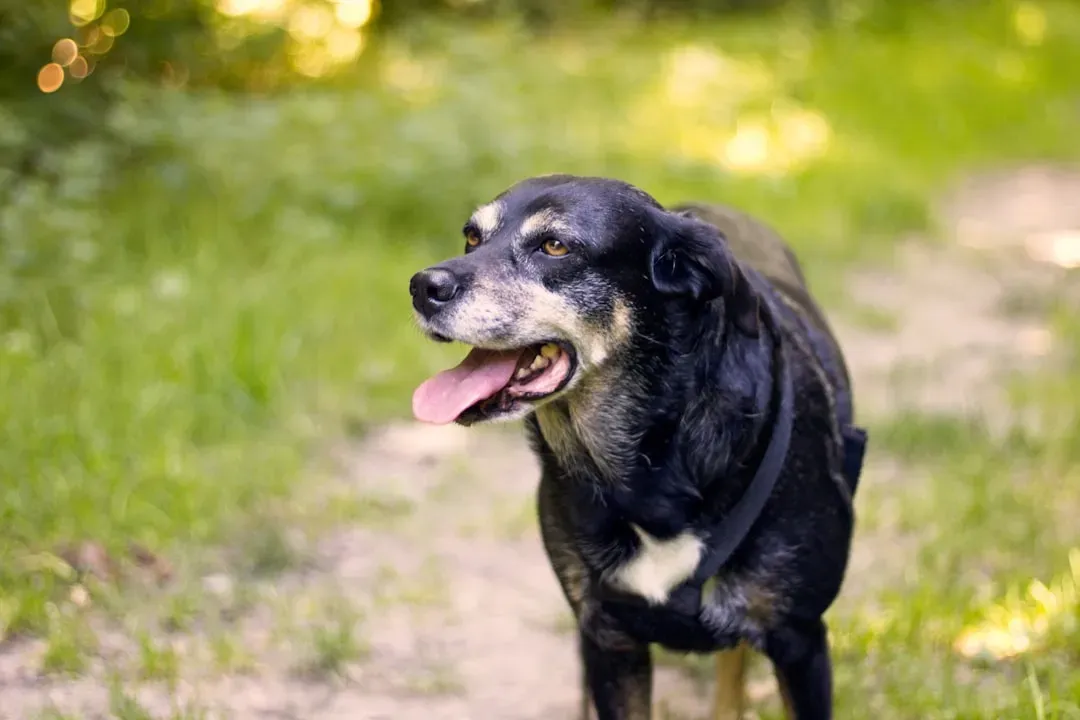
Young dogs push, paw, nudge, bark, and generally lobby hard for what they want. Senior dogs wait. They’ll sit by their empty bowl without making a scene. They’ll rest by the door until you’re ready for a walk. This patience isn’t resignation – it’s the kind of equanimity that comes from years of learning that the good things do come, and that the waiting is simply part of the day.
As dogs age, they often experience a decline in functioning. Their memory, their ability to learn, their awareness, and their senses of sight and hearing can all deteriorate. Aging can also change their social relationships. Yet many senior dogs, even as the world becomes less sharp around the edges, maintain a kind of equanimity that is genuinely striking. The urgency softens. They stop fighting the clock.
There’s a lesson in watching a patient old dog that most of us take a while to absorb. They’re not waiting for things to be different. They’re comfortable with things as they are. That stillness – that settled acceptance of the present moment – is something behaviorists call contentment, and it shows in the soft body, the unhurried breathing, the eyes that open and close without worry.
#11. They Look at You the Way They Always Have
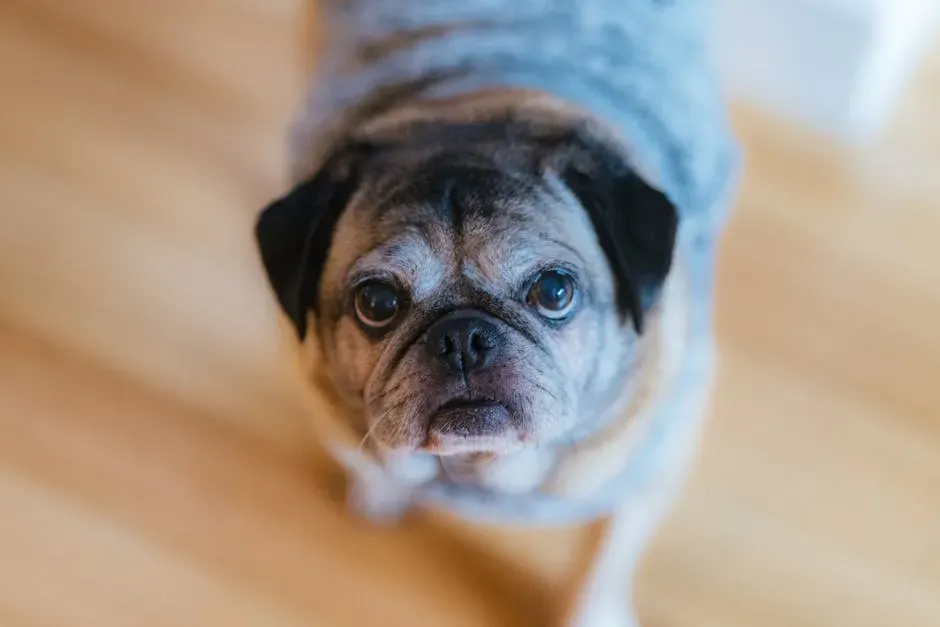
This is the one that breaks owners most quietly, and most beautifully. A senior dog who lifts their head from sleep when you enter the room. Who tracks you across the room with tired, warm eyes. Who holds your gaze for a moment longer than necessary – not asking for anything, just looking. As you spot these changes, you can create meaningful, peaceful final experiences filled with love and comfort rather than confusion and distress.
That look hasn’t changed since they were a puppy, even if everything else has. Spending quality time with your dog, offering them affection and reassurance, provides both you and your pet with a sense of peace and closure. A dog who still looks at you the same way – openly, without fear, without reservation – is a dog who is still rooted in the relationship. Still here. Still yours.
Being present, maintaining comfort, and honoring your pet’s final moments can help bring peace to both you and your beloved companion. That gaze is an invitation to do exactly that. Not to grieve prematurely, not to hover in dread, but to sit down next to them, put a hand on their warm side, and simply be there. That’s what they’re asking for. It’s also, almost certainly, what you need.
Conclusion: Their Peace Is a Gift – If You’re Willing to Receive It
Senior dogs don’t age the way we fear they will. They don’t spend their final years anxious or confused about what’s coming. Most of them simply become more present, more deliberate, and more connected to the people and places they love. The chaos of puppyhood burns away, and what’s left is something essential and clear.
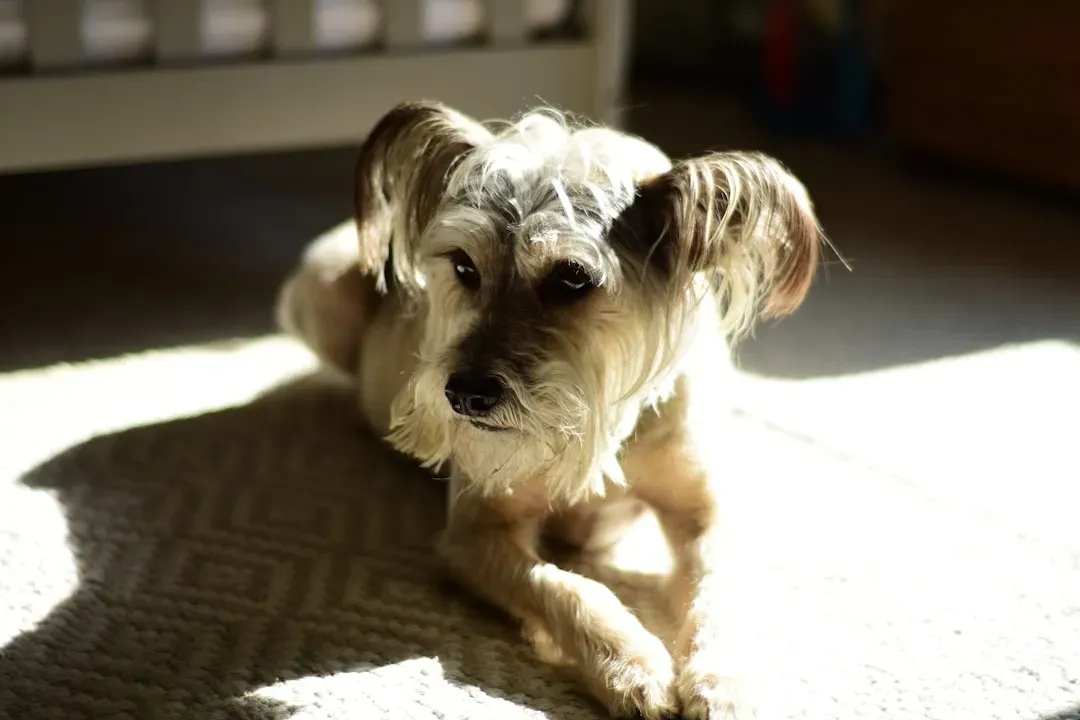
The hard truth is that the distress in this equation usually belongs to us. We’re the ones counting the days, reading every change for catastrophe, struggling to be in the room without already mourning. Our dogs, meanwhile, are lying in a patch of sunlight, dreaming, waiting for us to come home, watching us with that same steady look they’ve had for a decade.
They aren’t asking us to be ready. They’re just asking us to be present. In my opinion, that’s the most important thing a pet ever teaches a person – that love doesn’t require certainty about the future. It only requires showing up for right now. Your old dog has already figured that out. The question is whether you’ll let them show you how it’s done.


