

Their Mornings Start With Clear Purpose

Therapists note that a dog quickly establishes a morning rhythm centered on feeding and a first walk. This simple obligation pulls someone out of bed even on low energy days. The routine creates an early win that sets a steadier tone for the hours ahead.
Over weeks the pattern becomes automatic. People report feeling less adrift because their day now begins with a shared task rather than an empty stretch of time. The consistency supports better mood regulation without requiring dramatic effort.
Physical Activity Becomes Non Negotiable
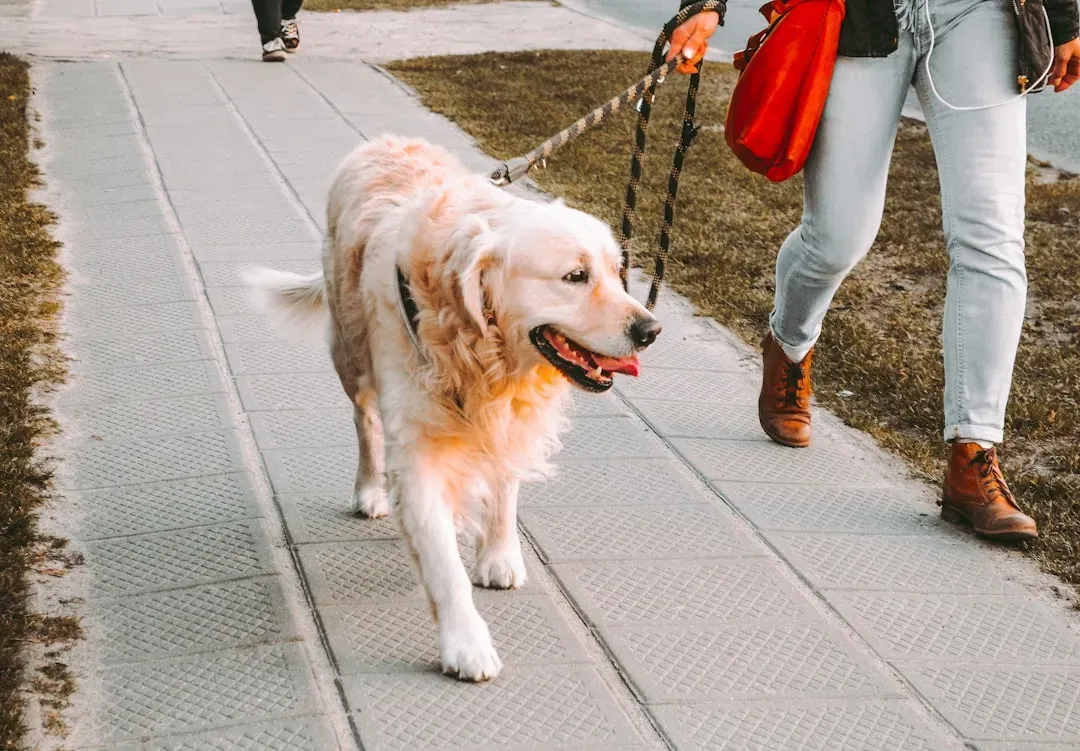
Daily walks turn into built in movement that many lonely individuals had struggled to maintain on their own. Therapists highlight how this gentle exercise releases endorphins and lowers stress hormones in measurable ways. The dog provides the external motivation that internal willpower sometimes lacks.
Longer term the increased steps add up to better sleep and steadier energy. People often discover they enjoy being outside more than they expected. The change feels natural rather than forced.
Social Encounters Happen Without Planning

Dog parks and neighborhood sidewalks create casual meetings with other owners. Therapists observe that these brief exchanges reduce the sense of invisibility that loneliness can create. Conversations start easily because the dogs give everyone something neutral to discuss.
Over time some of these interactions grow into regular greetings or even friendships. The dog acts as a social bridge rather than a replacement for human connection. The process unfolds gradually and feels low pressure.
Unconditional Affection Fills Emotional Gaps
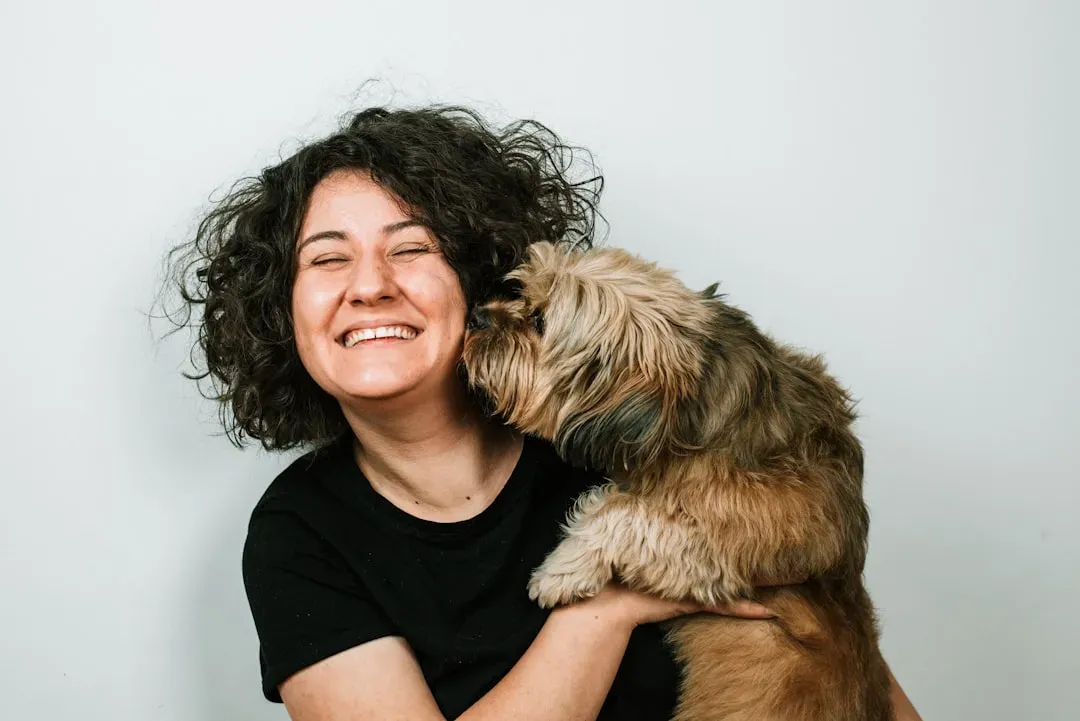
Coming home to enthusiastic greetings offers immediate warmth that counters isolation. Therapists describe this steady stream of positive regard as a buffer against self critical thoughts. The dog does not judge mood or productivity.
Petting and eye contact trigger oxytocin release that therapists link to calmer nervous systems. This biological response happens repeatedly throughout the day. The effect accumulates into a quieter baseline of contentment.
Responsibility Builds Gentle Self Worth
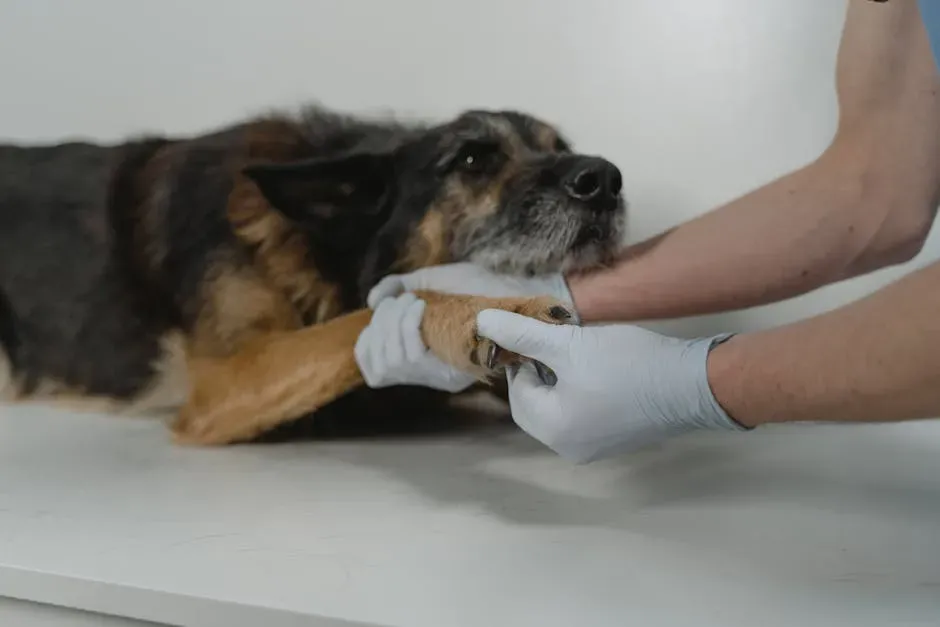
Caring for another living being reminds people they can still contribute meaningfully. Therapists see this as a quiet antidote to feelings of uselessness. Small successes like keeping the dog healthy reinforce capability.
The role feels manageable compared with larger life pressures. Many notice their self talk softens as they focus on meeting the dog needs. The shift supports broader confidence without direct effort on self esteem.
Anxiety Levels Often Ease Over Time

The presence of a calm animal in the home provides a living reminder that not every moment needs to be filled with worry. Therapists point to the grounding effect of a dog resting nearby during stressful periods. Breathing slows naturally in that shared stillness.
Walks outdoors further interrupt rumination cycles. The combination of movement and companionship interrupts anxious loops more effectively than either alone. Relief builds through repetition rather than sudden breakthroughs.
Sleep Patterns Tend to Stabilize

A dog that settles at bedtime encourages its owner to follow a similar rhythm. Therapists note that consistent evening routines reduce the scattered thoughts that keep lonely minds awake. The animal presence offers quiet company through the night.
Early morning needs also prevent excessive sleeping that can worsen low mood. The structure supports circadian balance without feeling like a strict regimen. Many report waking more refreshed after several weeks.
Feelings of Emptiness Become Less Constant
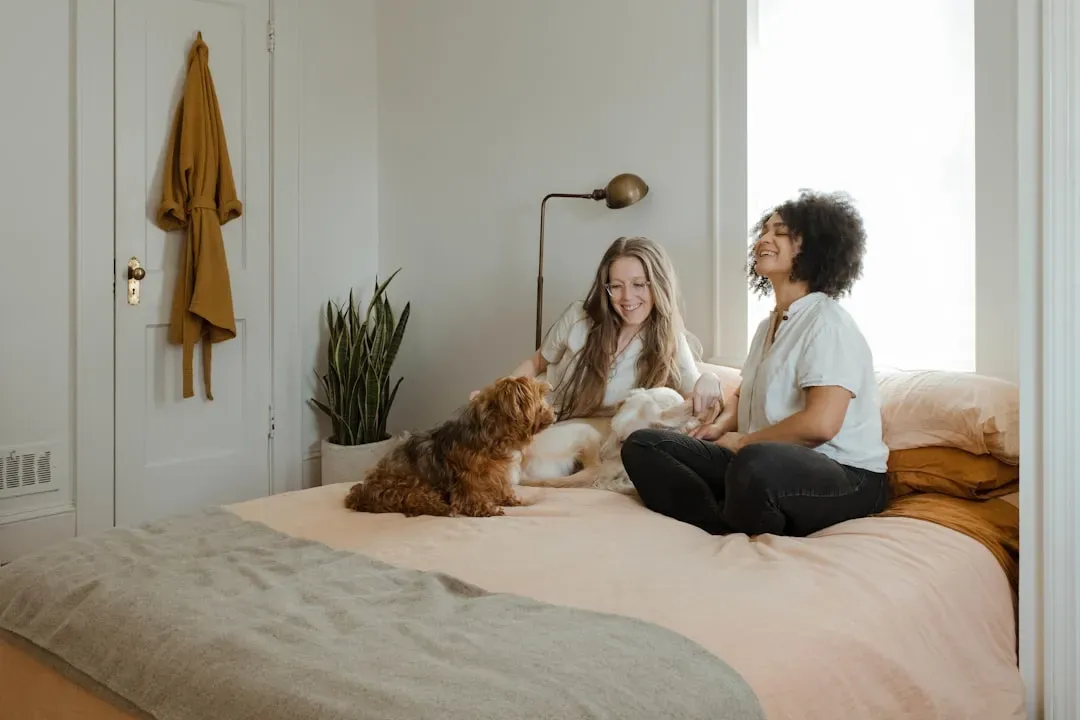
The home no longer echoes with complete silence once a dog moves in. Therapists describe how small sounds and movements create a lived in atmosphere that counters the void. The space feels occupied in a gentle way.
Even brief absences gain anticipation because someone waits at home. This anticipation replaces the flatness that can settle during long stretches alone. The emotional texture of the day grows richer.
Empathy and Patience Grow Through Practice
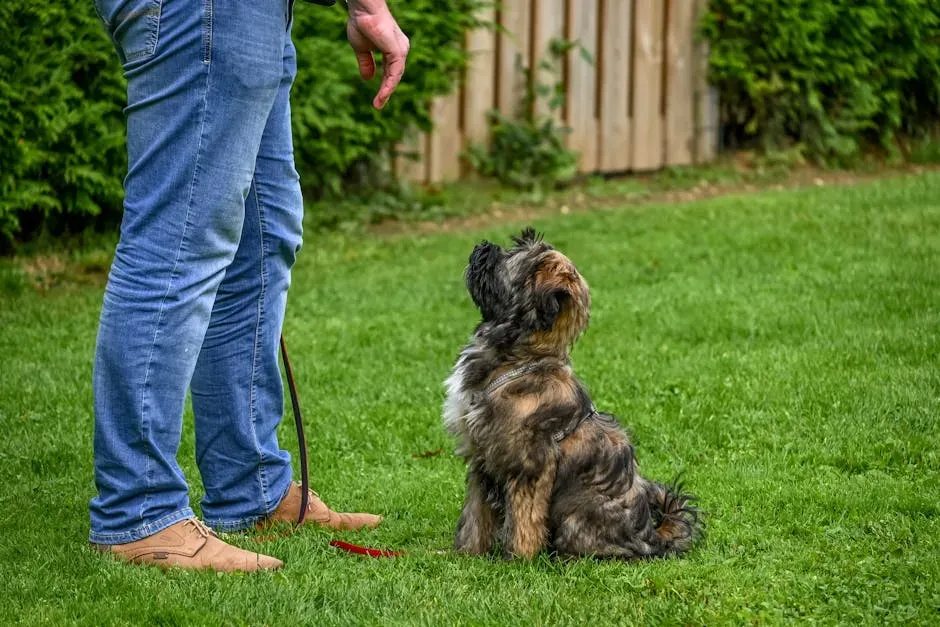
Learning to read a dog signals and respond to its needs exercises emotional attunement. Therapists connect this practice to improved relationships with people as well. The skills transfer without conscious effort.
Setbacks like training mishaps teach tolerance for imperfection. The process builds resilience that extends beyond the dog itself. Growth happens through daily repetition rather than formal lessons.
Long Term Outlook Shifts Toward Hope

Watching the dog thrive under consistent care offers visible proof that effort produces positive results. Therapists observe that this evidence counters the hopelessness that often accompanies prolonged loneliness. Future days feel more worth showing up for.
The bond itself becomes a source of quiet optimism. People begin to imagine other small steps they might take. The change stays grounded in the present rather than distant fantasies.
Overall Life Satisfaction Rises in Subtle Ways
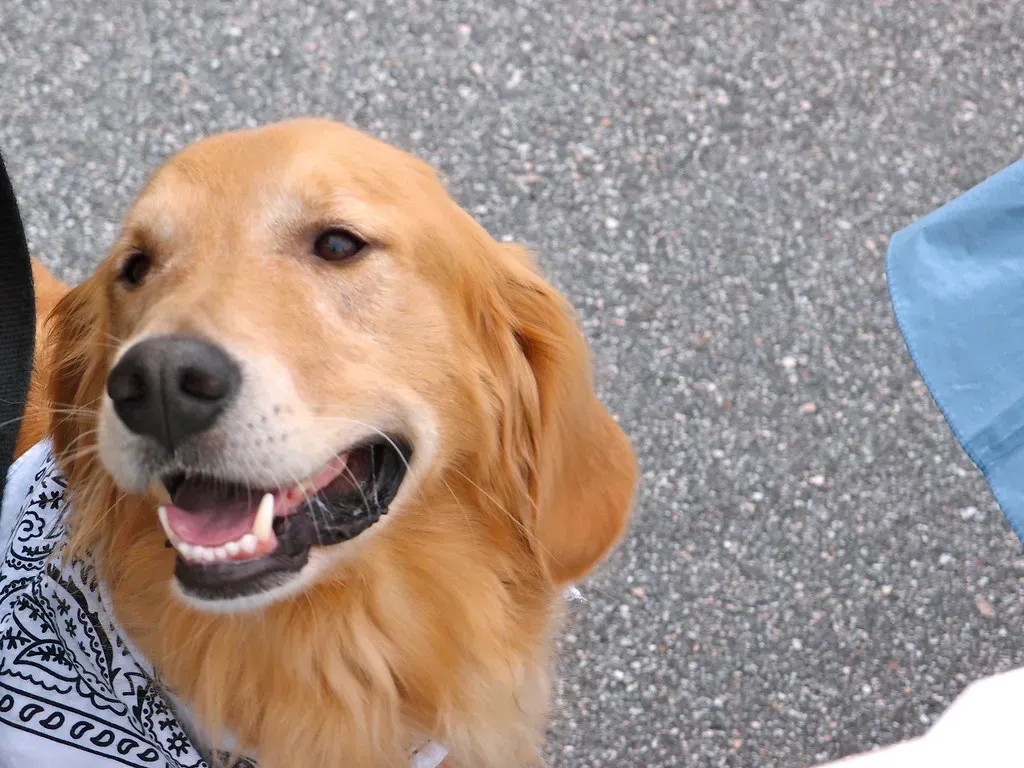
Therapists emphasize that the benefits rarely arrive as dramatic transformations. Instead they accumulate through countless ordinary moments of connection and responsibility. The dog becomes part of the background that makes everything else feel more manageable.
Many describe a quiet sense that their world has expanded without fanfare. The loneliness does not vanish entirely yet it occupies less space. The adjustment feels sustainable because it grows from real daily life rather than forced positivity.
Getting a dog rarely solves every layer of loneliness on its own. Still the steady presence and shared routines create conditions where other supports become easier to accept. For many the decision marks the start of a gentler chapter rather than an instant fix.


