
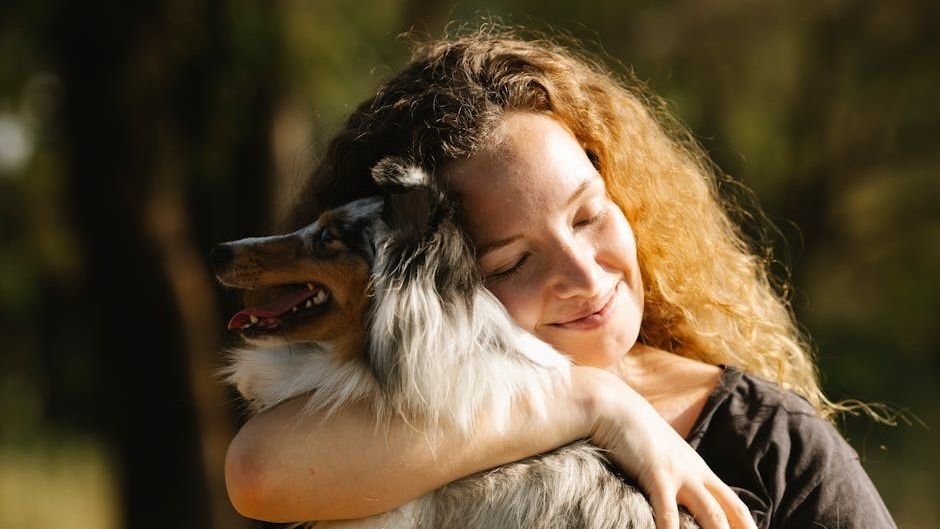
Your dog has never said “I love you” out loud. Yet somehow, you know. Maybe it’s the way they push their nose into your hand when you’ve had a rough day. Maybe it’s that slow, heavy sigh they let out the moment they curl up next to you on the couch. Dogs speak in a language that’s entirely their own, and once you learn to read it, every moment with your pup gets a little richer.
The tricky part is that not every tail wag or persistent lick means the same thing. Some behaviors that look adorable on the surface can actually be your dog quietly telling you they’re overwhelmed. Dogs don’t voice their feelings the way we might expect, so the signs of anxiety can be subtle and easily misinterpreted unless the full context is understood. This guide breaks down exactly what your dog is communicating, the loving signals worth celebrating, and the stress signals worth taking seriously.
The Soft Gaze: Eye Contact as an Act of Love

When your dog looks at you with relaxed, half-lidded eyes, that’s not just contentment. It’s connection. Soft eye contact is a special way dogs communicate with us, similar to how humans connect with each other, and softly locking eyes with your pup triggers an oxytocin release, strengthening your bond.
Researchers found that during domestication, dogs developed a facial muscle that enables them to raise the inner eyebrow intensely, likely from their motivation to establish eye contact with humans, especially when they need help solving a problem. That soft, searching gaze your dog gives you isn’t random. It’s evolutionary, shaped by thousands of years of living alongside people.
Worth noting: affectionate eye contact looks completely different from a hard, fixed stare, which can signal tension. Soft eyes mean love. Hard, unblinking eyes mean something else entirely. Context matters every time.
The Full-Body Tail Wag: Pure Happiness in Motion
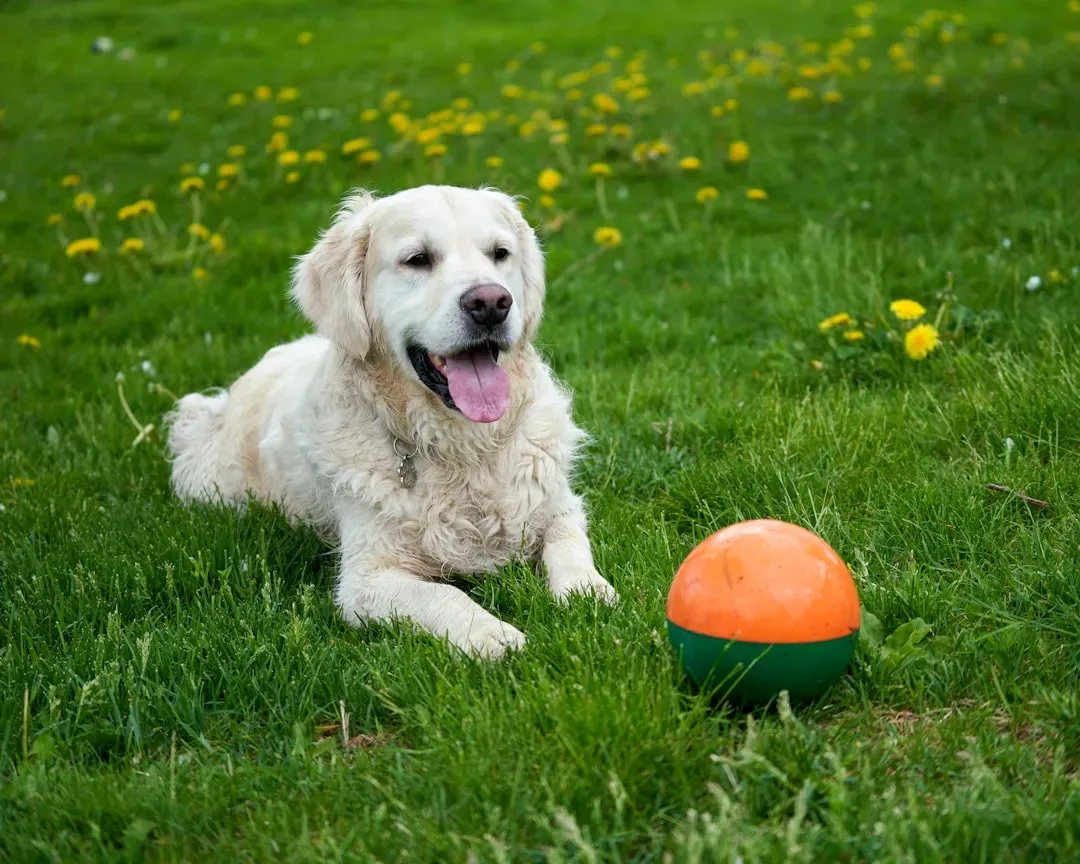
One of the most recognizable signs of a dog’s affection is the joyous wagging of their tail. A wagging tail serves as a communication tool, and the direction and speed of the wag conveys different emotions. A broad wag with the entire body involved often signifies excitement and happiness.
If your dog’s tail is relaxed, raised at about mid-height, moving in a circular motion, and causing a full body wag, that’s a sure sign your dog is happy. Some dogs even manage what can only be described as a full-body shimmy, where their hindquarters swing so enthusiastically the whole dog seems to wiggle. That’s not just a happy tail. That’s a happy soul.
Following You Everywhere: The Shadow That Loves You
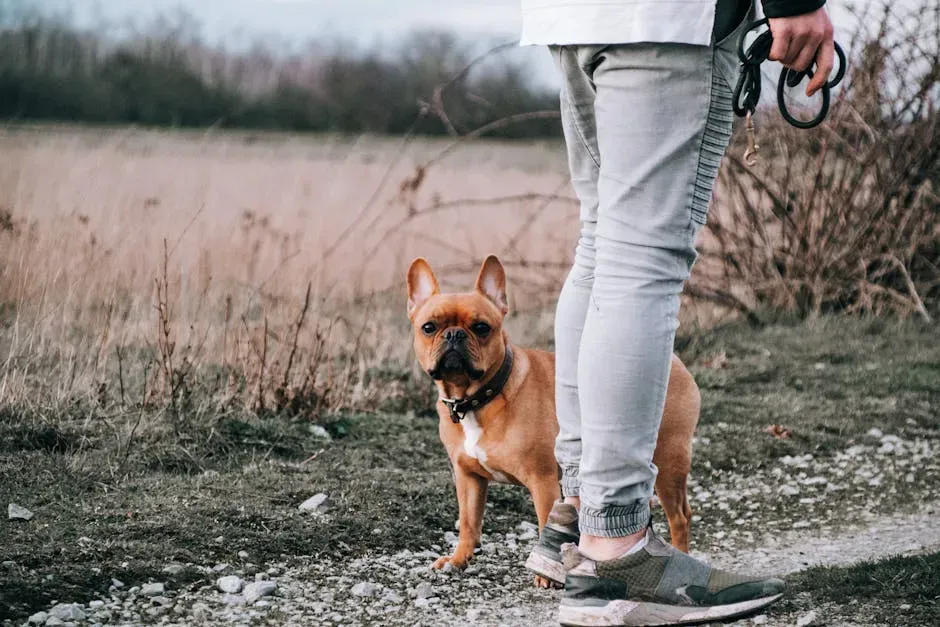
If your dog follows you everywhere, kitchen, bathroom, hallway, you name it, they’re saying “you’re my safe place.” Shadowing is a sign of trust and attachment, not clinginess. Many dogs simply feel happiest being wherever their person is.
Dogs that follow their humans from room to room often do so out of love and trust, not just food motivation. It’s a classic pack mentality behavior. There’s something genuinely touching about being someone’s favorite place. Your dog isn’t being needy. They’re being loyal, and those are very different things.
Licking You: More Than Just Kisses
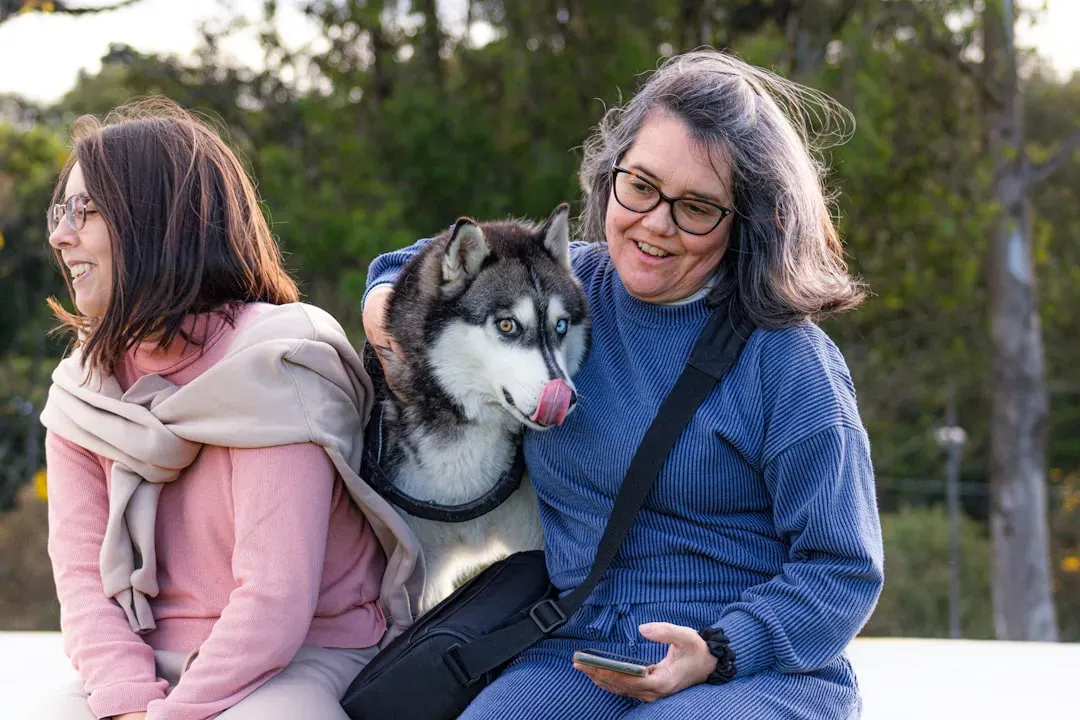
Licking is one of your dog’s earliest bonding behaviors. Puppies lick their mothers, and adult dogs lick each other for grooming, reassurance, or affection. When they lick you, they’re engaging in that same instinctive bonding practice.
This behavior is likely learned from the grooming and affection given to puppies by their mothers and has become a ritualized greeting for many dogs. Licking releases endorphins that make your dog feel relaxed, calm, and happy. So those enthusiastic face-washes after you come home are genuinely good for your dog, not just for you. It’s a two-way emotional exchange.
Leaning Against You: The Canine Hug

When dogs lean their full weight against you, it signifies complete trust. This means your dog sees you as a protector. Your dog may do this for comfort, but when they lean against you, it is the equivalent of a full-body hug.
Leaning against you when they are uncomfortable or fearful is also a way for your dog to tell you that you are their safe place. Pay attention to the context. A relaxed lean during a quiet evening is pure affection. A tense, pressing lean during a stressful situation (like a thunderstorm or a vet visit) is your dog asking for reassurance. Both deserve a gentle, steady response from you.
Bringing You Gifts: A Token of Trust
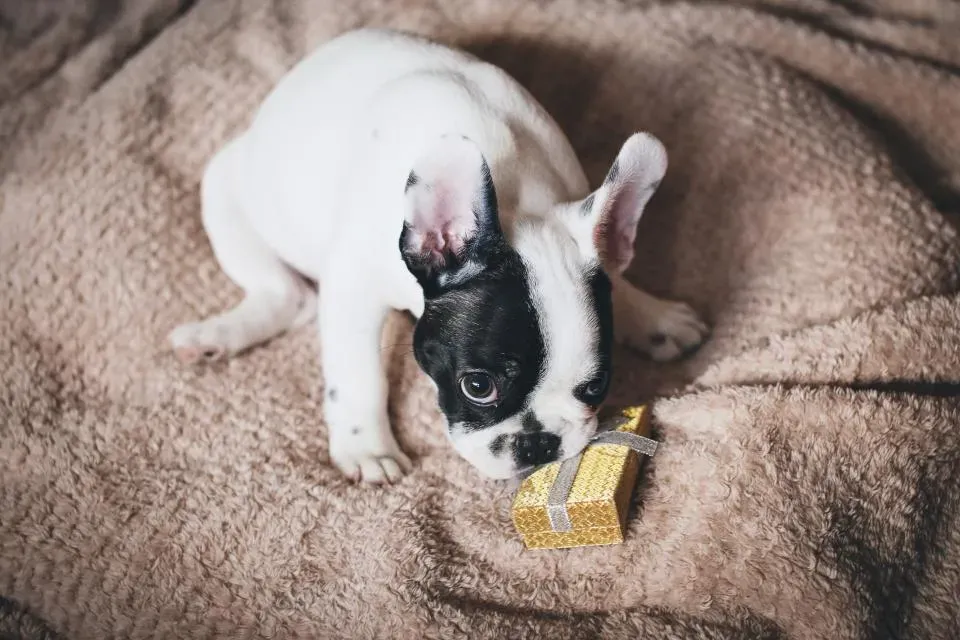
Dogs will often give gifts to the leaders of their pack to show affection, respect, and trust. They can be possessive of their belongings, so trusting you with their favorite toys could be their way of expressing their faith in you.
They could be bringing you gifts since they see you as the head of the household. Or, if the toy is broken, they might see you as an intelligent being capable of repairing it for them, a sign that they trust you with an important task. Plus, wanting to play is a sign of puppy love! Whether it’s a soggy tennis ball or a treasured squeaky lamb, accept the gift graciously. Your dog means every bit of it.
Sleeping Near You: Vulnerability as Affection
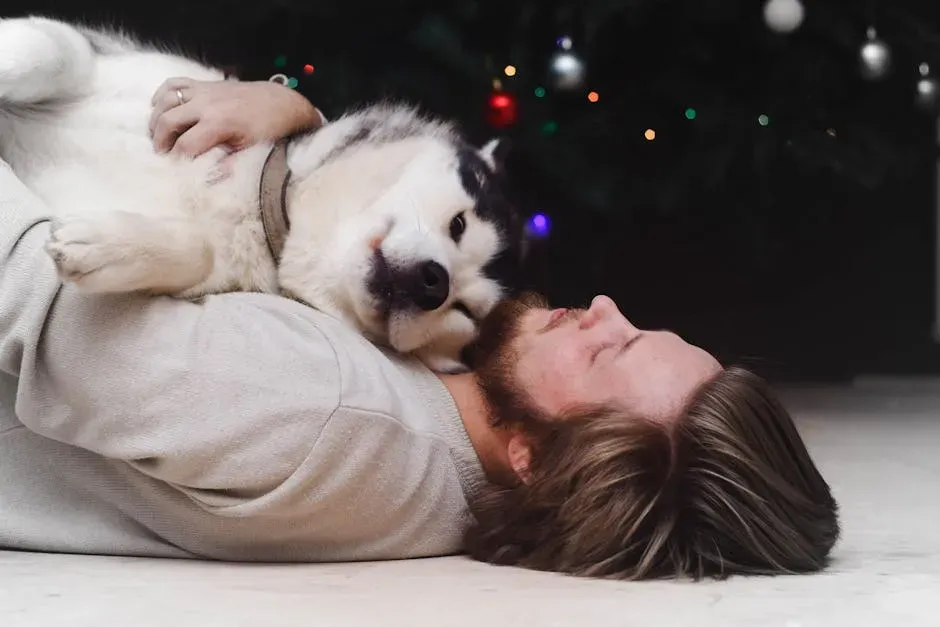
Sleeping together with their pack is a natural instinct for dogs and something they did as newborn puppies with their littermates. Your dog wanting to sleep next to you, either in your bed or in your room, is a sign of affection and closeness.
When your pup cuddles up beside you, they’re letting you know how safe they feel around you. Sleeping puts them in a vulnerable position, but sleeping next to you makes them feel loved. A dog that chooses your feet over their plush bed is making a deliberate, emotionally rich choice. That means something.
The Nose Nudge: A Gentle Hello
A nose nudge can mean “pet me,” “look at me,” or “I love you.” It’s one of the gentlest ways dogs initiate connection. You’re probably sitting at your desk, deep in thought, when a cool, damp nose appears under your hand. That’s your dog making a bid for closeness, quietly and politely.
Nose nudging can mean a few different things: “hey, pay attention to me,” “pet me,” or “I love you.” Any one of those is a sign that your dog wants to be near you and wants physical contact. It’s one of the more understated love languages in the canine world. Easy to miss, deeply meaningful once you recognize it.
The Play Bow: An Invitation Built on Joy
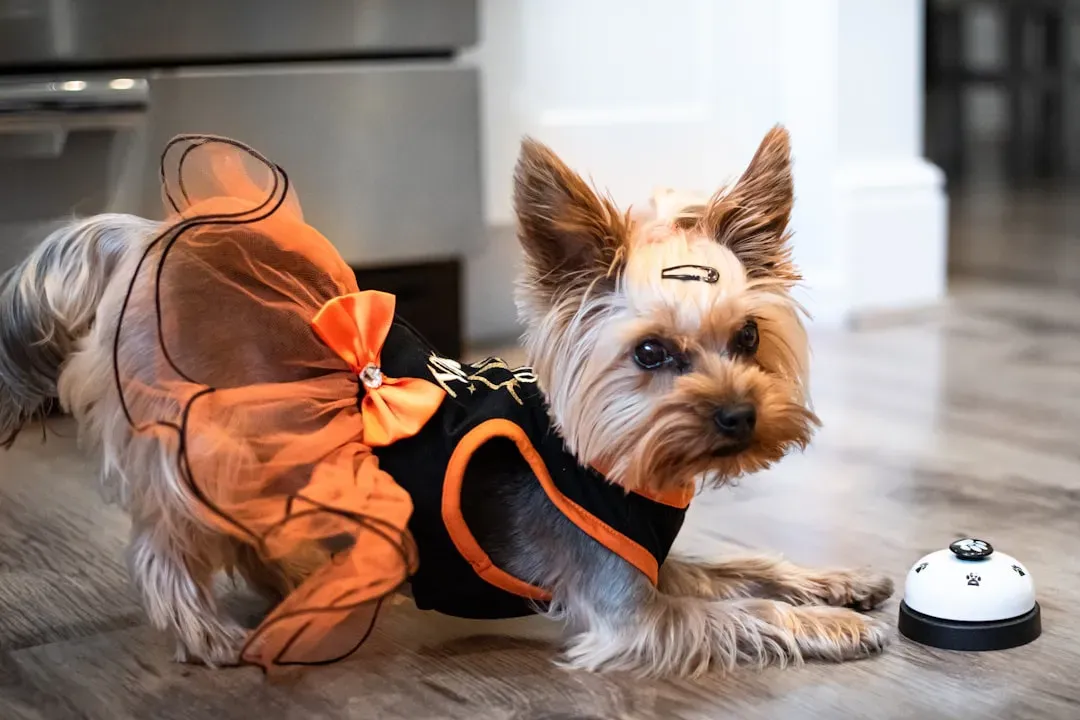
Dog play bowing is when the rear end of the dog is up while the front end is down. The play bow often means: “I want to play.” When your dog drops into that classic stretch pose in front of you, they’re not just looking for a game. They’re expressing comfort, trust, and happiness in your presence.
Some tell-tale signs for a happy dog include a big stretch, a hearty play-bow, a relaxed tail wag with a loose gait as they walk toward you, leaning or pressing against you, and soft eyes and ears. A play bow directed at you specifically is your dog choosing you as their favorite playmate. That’s a genuine compliment, no matter how many times it happens.
Stealing Your Clothes: The Scent Connection
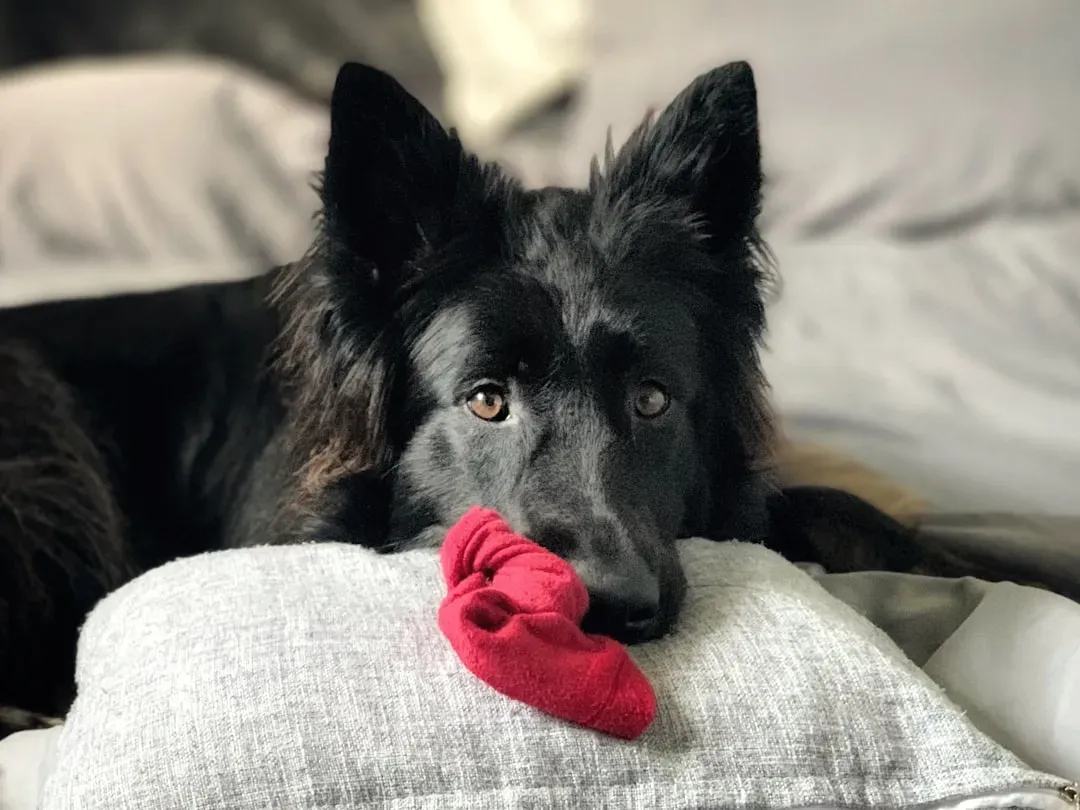
Dogs who are emotionally attached to their owners love their owners’ scents, and anything that has their smell on it. If your dog raids your shoe pile or laundry basket for items that smell like you, it may be because they love you and want to be reminded of you wherever they go.
If your dog raids your dirty laundry for your smelliest clothes, dirtiest shoes, and stinkiest socks, it shows that they missed you while you were away and can’t get enough of your unique smell. It’s okay to discourage this behavior for the sake of your shoes, but remember, they’re doing it out of love. Yes, even the worn gym sock. Especially the worn gym sock.
Emotional Mirroring: Your Dog Feels What You Feel
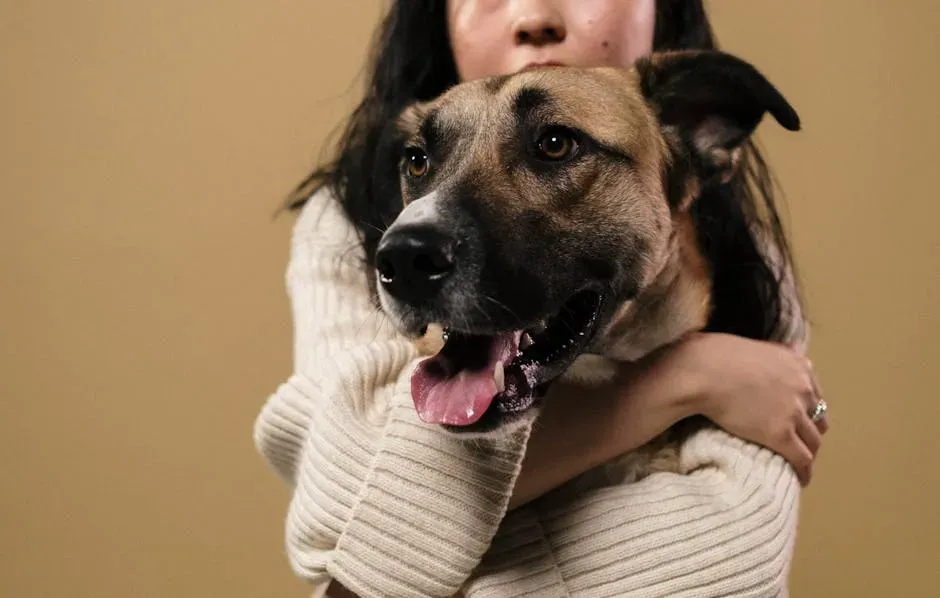
Dogs are expert emotional readers. If you’re sad, your dog may cuddle closer. If you’re excited, they’ll often reflect that joy. This emotional synchrony is one of the most profound expressions of love.
Researchers observed that dogs and their owners responded in similar ways to their interactions regarding oxytocin levels. Calm, anti-stress behaviors in the human caused a similar response in the dog. They concluded that owners and dogs could mutually sense the other’s emotional state based on an increased ability to read behavioral cues. Your dog isn’t just reacting to your mood. They’re genuinely tracking your emotional world, and responding with care.
The Contented Sigh: Happiness Made Audible
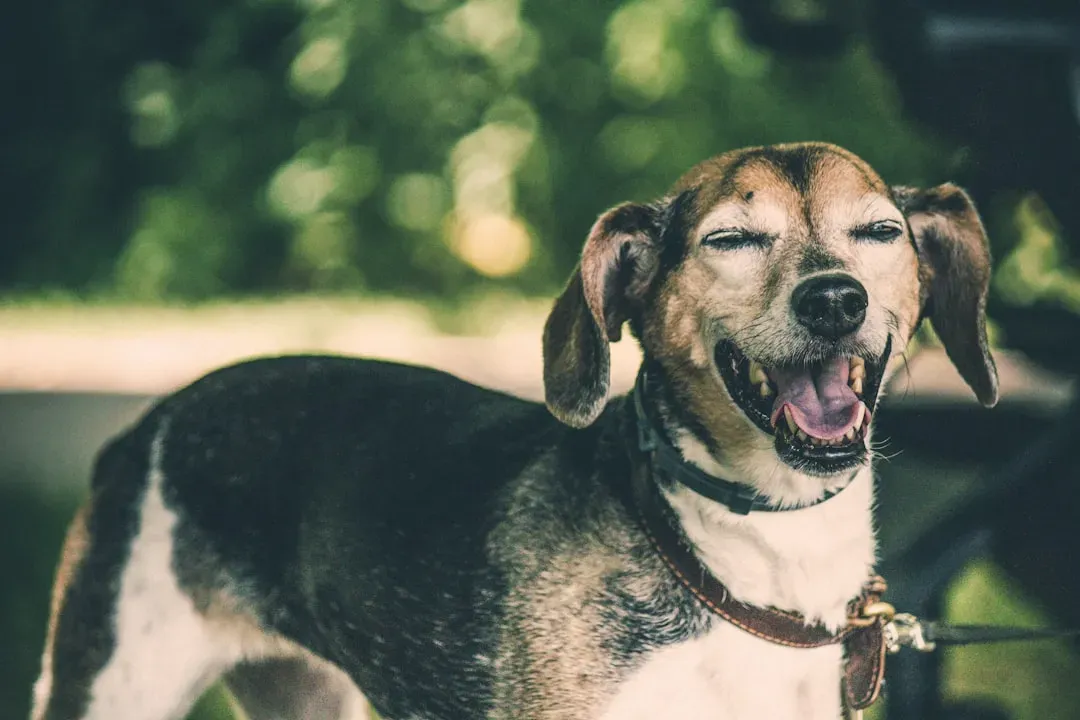
Has your dog ever let out a big sigh after getting really cozy next to you? Soft vocalizations, like sighs and groans, are signs of contentment in dogs. When you hear your furry buddy do that, it means they’re happy.
It’s one of those sounds that’s easy to overlook in the routine of daily life, but it’s worth pausing for. A long, slow exhale from a dog settling into your side is the canine equivalent of saying “this is exactly where I want to be.” Physical contact releases oxytocin, reinforcing the emotional bond, so paying attention to your dog’s preferences and providing affection in ways they enjoy goes a long way.
Stress Signal #1: Excessive Panting Without Heat or Exercise
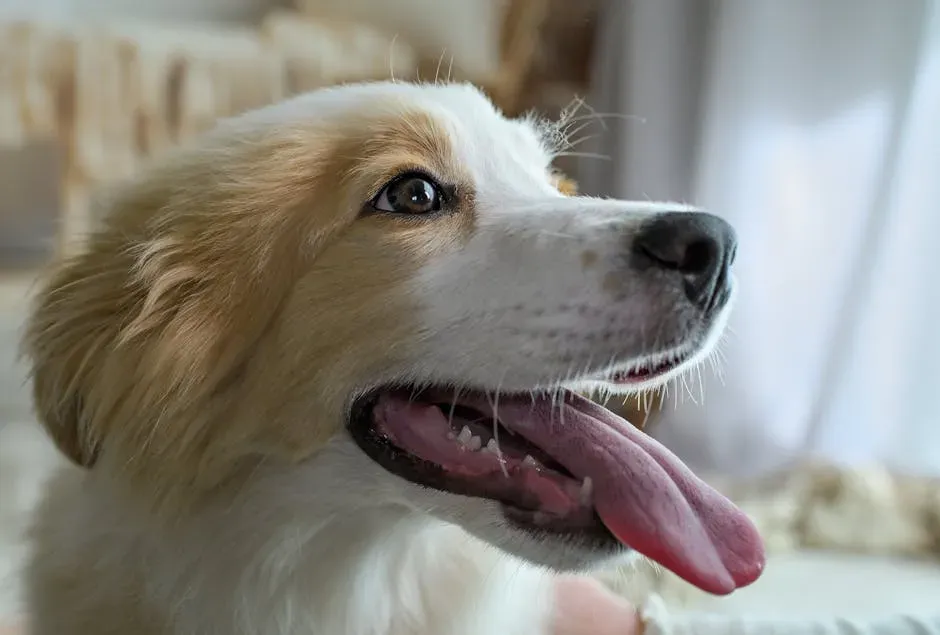
Panting is a normal way for dogs to cool down, especially after playing or in hot weather. When panting happens indoors, in cool temperatures, or during quiet activity, it can point to stress. Rapid, shallow panting is especially telling that something else is going on.
A dog panting can mean that the dog’s stress level is higher than usual, and the panting is often accompanied by other changes in behavior like whining or yawning more than usual. Excessive panting accompanied by extra-wide or panicked-looking eyes is a great indicator of canine stress. If your dog is panting in a quiet room on a cool afternoon, take that seriously. They’re telling you something important.
Stress Signal #2: Whale Eye and Body Avoidance
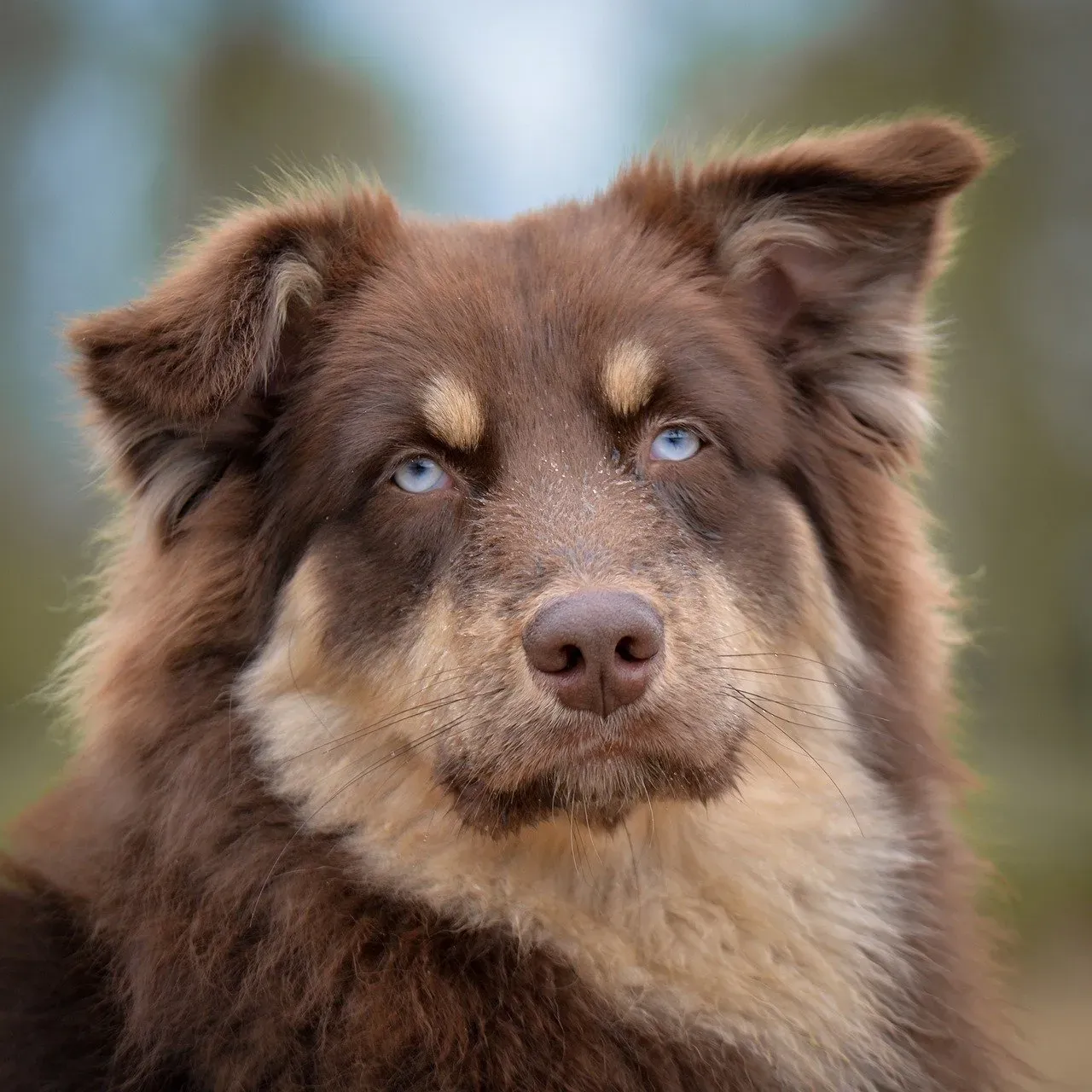
When a dog turns their head but keeps their eyes fixed on something, you’ll see the whites of their eyes. This “whale eye” often means they feel unsure. Dogs may try to disengage from a stressful situation by turning their head or body away. A lowered posture, crouching, or trying to make themselves appear small can also be a sign of fear or uncertainty.
This body language, also called “whale eyes,” is a dog’s way of trying to remove herself from the situation, while also trying to keep an eye out for any potential signs of danger. Her nose will stay pointed forward, but her eyes will move sideways so she can monitor the situation. This is a sure sign that your dog is experiencing anxiety. If you see this, give your dog space immediately. Don’t crowd them or force interaction.
Stress Signal #3: A Tucked Tail and Rigid Posture
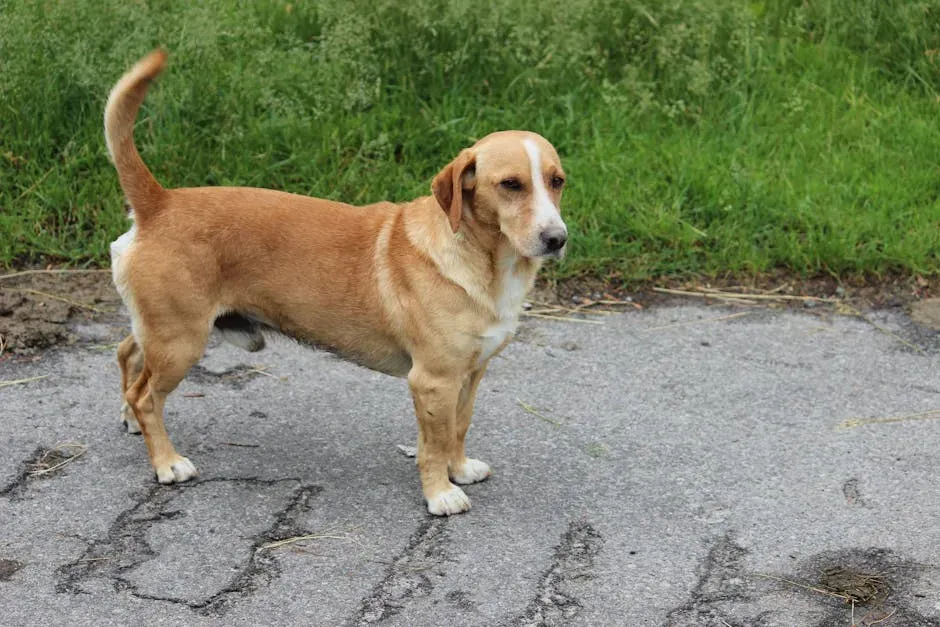
The all-too-familiar tail tucked between the legs signifies that you are dealing with a stressed-out dog. The tail can tell a lot of tales. Uneasy pups might also curl tightly into a fetal position or crouch low to the ground.
A dog’s tail tucked between their legs can mean the dog is afraid or uncomfortable. Look for whether the dog’s ears are pressed back against their head, which is also a sign of discomfort. These two signals together create a clear picture of a dog in distress. The response, in most cases, is simple: remove them from whatever is causing the stress, and give them a calm, quiet place to recover.
Stress Signal #4: Excessive Lip Licking and Yawning Out of Context
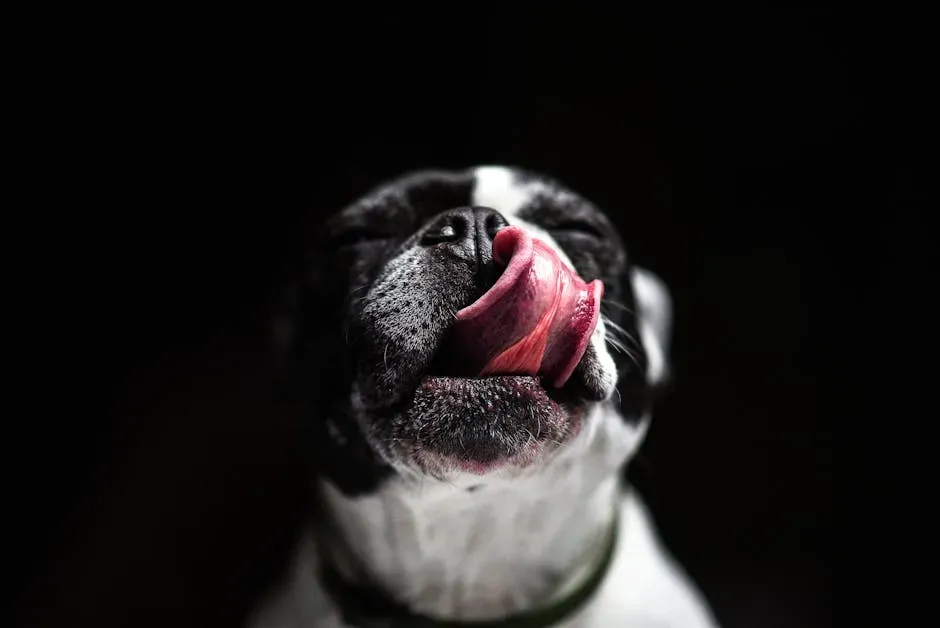
Dogs naturally lick their lips or noses when eating or drinking, but if your dog is repeatedly licking when no food or water is around, it may be a “calming signal,” a way to self-soothe during a stressful moment. A single yawn is just tiredness. Repeated yawning paired with lip licking while something unfamiliar is happening nearby? That’s your dog telling you they’re uncomfortable.
Stress signs to look for include whale eye, tucked ears or tail, raised hackles, lip-licking, yawning, and panting. Your dog might also avoid eye contact or look away. If you notice signs that your dog is stressed, first remove them from the stressor and find a quiet place to regroup. That simple act of advocacy often makes all the difference to a dog who just needs to feel safe again.
Conclusion: Learning to Listen with New Eyes
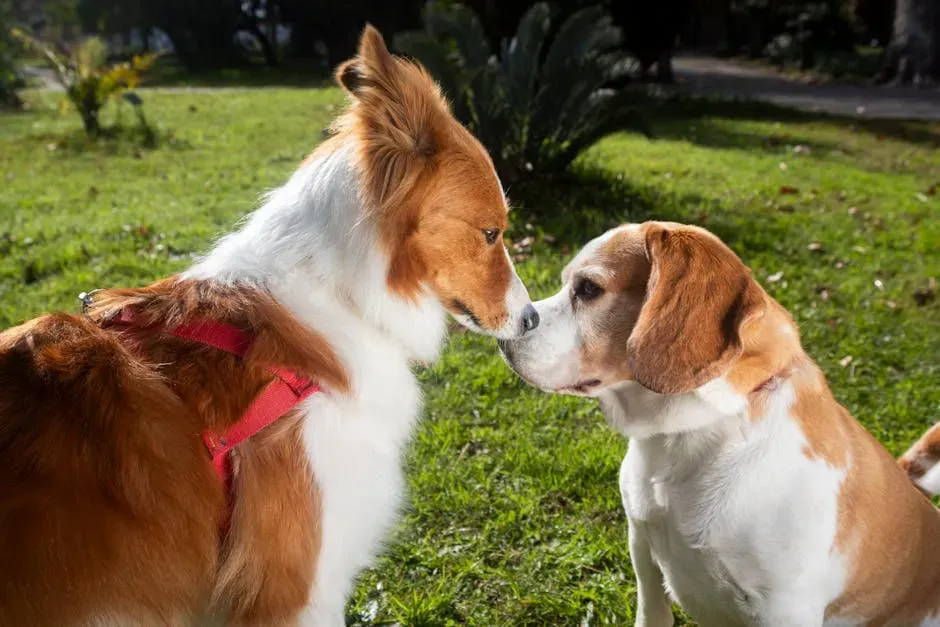
Your dog is communicating with you constantly. Every lean, every sigh, every nudge of a cold nose is part of a rich, continuous conversation. The 12 loving behaviors here aren’t just sweet moments to enjoy in passing. They’re your dog’s way of telling you that you are their world, their safe place, and their favorite person.
The four stress signals are just as important. It is crucial that we are aware of our dogs’ communication methods, and any signs of stress. Identifying, respecting, and responding to our dogs’ body language is paramount in understanding what sources of stress may be present, and generally understanding our dogs’ likes, dislikes, preferences, and fears.
The better you understand your dog’s language, the stronger and more trusting your bond becomes. That’s not a small thing. For a dog, being truly understood by the person they love most is everything. Return the favor every chance you get.


