

Most dog lovers know the quiet, bittersweet truth: we almost always outlive our dogs. One of the terrible truths of dog ownership is that we are likely to outlive our adored pet, with the average dog living just 10 to 13 years. But here’s what surprises many people: some breeds genuinely defy that average, routinely reaching their mid-to-late teens in good health, alert, playful, and still demanding their evening walk.
The dogs with the longest lifespan tend to be smaller or toy dog breeds, but lifestyle factors like nutrition, exercise, and regular vet visits also make a big difference in how many happy years you’ll share with your pup. Whether you’re choosing your first dog, already have one of these breeds at home, or are simply curious about what drives canine longevity, knowing which dogs tend to age the most gracefully is genuinely useful. These 12 breeds are worth knowing well.
1. Chihuahua: The Tiny Dog With Giant Staying Power

Don’t let the small body fool you. Of all small dog breeds, Chihuahuas have the longest lifespan, with life expectancy reaching 15 to 20 years of age. The Chihuahua’s secret to a long life is rooted in their size. Most of these dogs weigh less than six pounds, which means there’s a lot less wear and tear on their joints than in a larger, heavier dog. Chihuahuas also have a lower risk of genetic diseases than other breeds, and their playful, alert nature helps keep them mentally sharp, which can also play a role in a dog’s lifespan.
That said, staying healthy into old age isn’t automatic. Congestive heart failure is the leading cause of death in older Chihuahuas, so make sure to keep your senior pup up to date on their wellness visits to the vet. Dental disease is also a real concern in this breed, since a small mouth means crowded teeth. Regular brushing, annual dental checks, and keeping their weight lean are three of the simplest things you can do to help your Chihuahua thrive for decades.
2. Australian Cattle Dog: The Record Holder
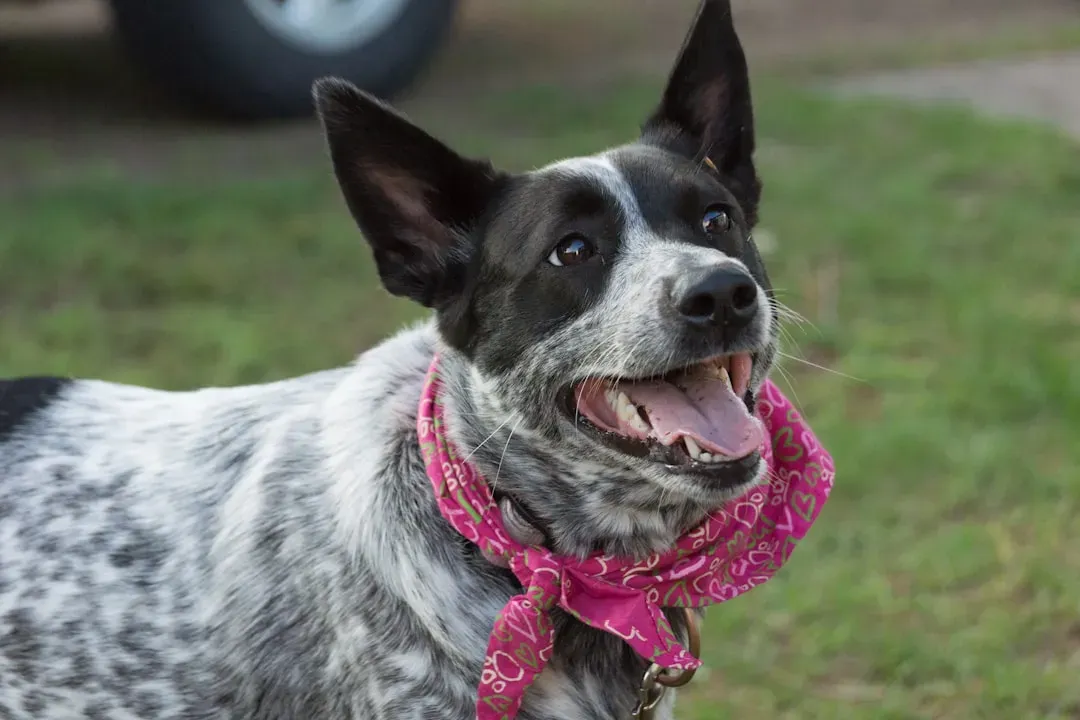
While small dogs tend to live the longest, the Australian Cattle Dog is a medium-sized breed who can live well into their teenage years. They’re also one of the healthiest dog breeds. The record is remarkable: the oldest dog on record is an Australian Cattle Dog named Bluey, who lived 29 years and 5 months. While most won’t reach that milestone, this breed consistently outperforms expectations for a dog of its size.
As a medium-size breed, Australian Cattle Dogs boast an impressive lifespan. These smart and high-energy pups love being outdoors and having a job to do, whether that’s herding on a ranch or running an agility course. They are a hardy breed, but can develop progressive retinal atrophy and hip dysplasia as they age. Keep them physically active, mentally engaged, and schedule regular eye and joint screenings, especially once they pass the ten-year mark.
3. Toy Poodle: Intelligence Paired With Longevity

Toy Poodles are the smallest of the three Poodle sizes and therefore the dogs with the longest lifespan. Though small, Toy Poodles have a big personality and an even bigger brain, and they are so smart that basic training and complicated tricks can be taught relatively easily. As the smallest of the three Poodle sizes, Toy Poodles weigh between four and six pounds and can live up to 18 years. Few breeds combine that kind of intelligence with that kind of lifespan.
Poodles enjoy a good, long life because they are also one of the healthiest dog breeds, meaning they have lower genetic disease risks than others. Despite their extra-long lifespan, Toy Poodles can experience common small-dog health issues like eye issues, dental disease, Legg-Calvé-Perthes disease, and luxating patellas. Annual vet visits with attention to their eyes and joints will keep most Toy Poodles thriving well into their teens.
4. Jack Russell Terrier: Built to Last

The average lifespan for a Jack Russell is between 13 to 16 years. Jack Russell Terriers are among the healthiest and longest-living dog breeds. For dog owners interested in owning a Jack Russell, they are one of the healthiest breeds. Jack Russells have a lower risk for hereditary or genetic illnesses. These compact, fearless little dogs were originally bred in England for fox hunting, and that working-dog heritage seems to have gifted them with a remarkably robust constitution.
Despite their small size, these lively terriers are incredibly clever, full of energy, and love to be affectionate. They are the perfect companion for people who lead active lives and can provide their Jack Russell with tons of stimulation and fun activities to engage in. One thing to watch: obesity can be a significant health problem in Jack Russell Terriers, as it is a serious disease that may cause or worsen joint problems, metabolic and digestive disorders, back pain, and heart disease. Keep them lean, keep them moving, and they’ll reward you with years of lively companionship.
5. Chinaese Crested: Delicate in Appearance, Durable in Health

The Chinese Crested is one of the most popular Chinese dog breeds and one of the longest-living, with a lifespan of up to 18 years. This healthy breed is lively and loves to run around, but at the end of the day, it will be cuddled up to you for unwavering affection. Their unusual look, either fully hairless or covered in a silky “powderpuff” coat, makes them one of the most distinctive dogs on this list.
Both varieties can live well into their teenage years with regular vet exams, a healthy diet, and regular exercise. If you have a hairless Chinese Crested, make sure you protect them from sunburns, either with clothing or dog-safe sunscreen. They may be prone to eye conditions, patellar luxation, and idiopathic epilepsy. With attentive care and good sun protection in warm months, this breed consistently reaches its senior years in good shape.
6. Papillon: The Butterfly-Eared Long-Liver
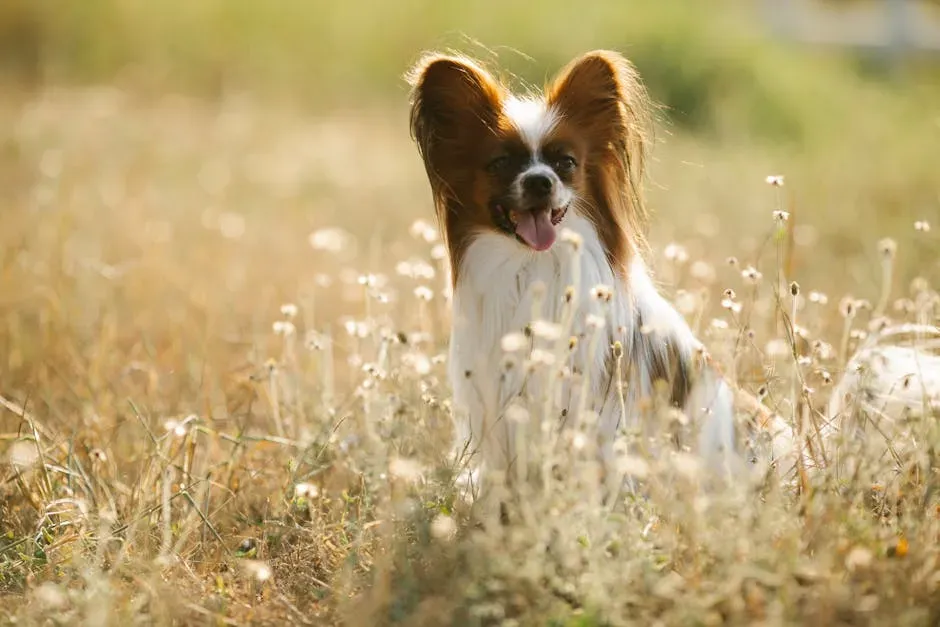
Starting off with the longest-living small dog breeds is the Papillon, a charming little dog named for their butterfly-shaped ears. They tend to live anywhere between 15 to 17 years and are highly intelligent, trainable dogs that do excellently with families. Papillons are affectionate and an extremely loyal breed to their families, and they are extremely intelligent. Feel free to teach them tricks because they will easily pick up on them.
Papillons are small dogs with a long lifespan and big ears with gorgeous feathering. Despite their delicate appearance, they’re athletic and excel in dog sports like agility. These friendly dogs love being around people, and they need lots of mental stimulation to stay happy and healthy. If your Papillon seems restless or starts getting into mischief, that’s usually a signal they need more engagement, not more freedom. A puzzle toy or a quick training session often does the trick.
7. Dachshund: Long Body, Long Life

Affectionately called a wiener dog, the Dachshund was named the sixth most popular dog breed in 2024 by the American Kennel Club. These pups can live up to age 16, with the oldest one on record reportedly making it until age 25. Often called wiener dogs because of their short legs and long back, Dachshunds are spunky little dogs with big personalities. As they age, protecting their neck and back becomes extremely important.
Keep your dog at a healthy weight, use a harness instead of a neck collar, and offer ramps and pet stairs so they can avoid jumping; this can help support their long-term mobility. Intervertebral disc disease is the primary health concern for Dachshunds, and it can often be managed effectively with the right precautions. Avoiding stairs, discouraging high jumping, and keeping their weight in check are the three pillars of Dachshund back care.
8. Yorkshire Terrier: Pocket-Sized and Surprisingly Hardy

Yorkshire Terriers have an average lifespan of 13 to 16 years. Yorkshire Terriers are a small dog breed that tends to live quite long. Despite their small size, Yorkies are packed with a ton of energy and love nothing more than to run and play with their parents. Their silky coats and compact frames give them a refined look, but make no mistake: there’s a tough-natured working terrier inside every Yorkie.
The Yorkshire Terrier is a dog with a long lifespan and a long coat to match. Their hair needs daily care to stay free of matting and tangles, or you can keep it trimmed short to make brushing easier. Yorkies are surprisingly brave and curious for a dog that easily fits inside of most purses. They can develop patellar luxation, tracheal collapse, and liver shunts. Watching for early signs of respiratory changes and scheduling regular vet checkups can go a long way in keeping these spirited dogs healthy for many years.
9. Shiba Inu: Ancient Breed, Impressive Longevity
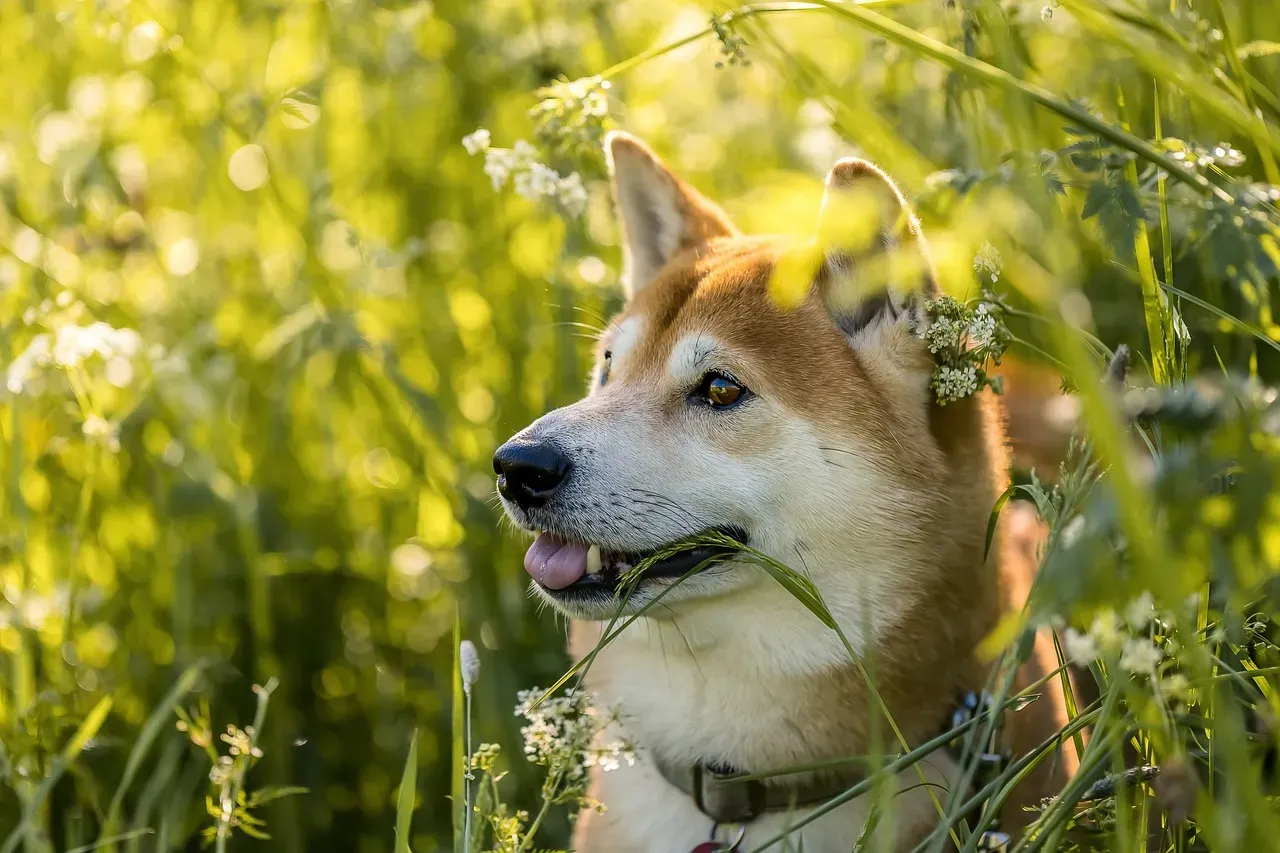
Shiba Inus boast an impressive average life expectancy of 13 to 16 years, surpassing many other dog breeds in longevity. This robust lifespan is attributed to the breed’s generally good health and resilience. A comprehensive study of cemetery data in Japan revealed that Shiba Inus had the highest life expectancy among all breeds examined, with an average of 15.5 years. Their ancient heritage seems to have preserved something durable about their biology.
Thanks to their ancient heritage, Shiba Inus are hardy, adaptable, and less susceptible to genetic diseases thanks to a long history of natural breeding. While they’re alert, loyal, and confident, they also have a strong prey-hunting instinct that can make them tough to train and disposed to escape attempts. While Shiba Inus are generally healthy, they are prone to several genetic health issues, including patellar luxation, where the kneecap becomes displaced, and eye problems such as glaucoma, progressive retinal atrophy, and cataracts. Annual eye and joint screenings are wise, starting from middle age.
10. Miniature Schnauzer: Wiry, Wise, and Long-Lived

Miniature Schnauzers have an average lifespan of 12 to 15 years. Just 12 to 14 inches tall, Miniature Schnauzers are sturdy, muscular dogs that typically live 12 to 14 years. Because the breed tends to live long and love kids, it’s a great pick for family pets. Their distinctive eyebrows and beard make them one of the most recognizable small breeds around, and their personalities match their look: alert, expressive, and very much convinced they’re in charge.
Miniature Schnauzers will need help sticking to a healthy weight to avoid obesity and diabetes mellitus. They can also develop skin conditions such as Schnauzer comedo syndrome and pancreatitis. These dogs can be prone to pancreatitis caused by high levels of fat in their blood, so they may need a special diet. A low-fat diet is genuinely important for this breed, not just a nice-to-have. If your Schnauzer is eating high-fat table scraps, that’s worth reconsidering sooner rather than later.
11. Shih Tzu: The Royal Companion That Keeps Going

Almost unknown in the Western world until the 20th century, Shih Tzus were favorites of royalty in China’s Ming Dynasty. These hardy little charmers usually live 11 to 14 years. They don’t have many health problems other than skin irritations. Shih Tzus were bred to be companions, so they make excellent lapdogs and are happy to live a pampered lifestyle. However, they still need to keep their paws moving so they stay at a healthy weight and don’t become bored.
One thing Shih Tzu owners need to stay on top of is eye health. Their large, prominent eyes are beautiful but also vulnerable to dust, debris, and corneal scratches. Regular eye checks, keeping the hair around their eyes trimmed, and watching for redness or discharge are simple habits that protect their vision. Shih Tzus are happy to live a pampered lifestyle. However, they still need to keep their paws moving so they stay at a healthy weight and don’t become bored. Short, regular walks are all they need.
12. Beagle: The Nose That Leads a Long Life

Excitable, affectionate, and very cuddly, Beagles are another medium-sized long-living dog breed that tend to live around 12 to 15 years. Beagles are curious, smart, and guaranteed to keep you entertained. This lovable, vocal breed lives about 12 to 14 years. With their great sense of smell, they love to eat, so be careful not to overfeed your Beagle. That last point matters more than many owners realize.
Because of their floppy ears, Beagles are more prone to ear infections. Regular ear cleaning and routine vet checkups are key to keeping them comfortable and healthy. When you take them out for an adventure, these hounds need to stay on a leash or within a fenced-in yard because their high prey drive means they might dart off after a neighborhood squirrel. Managing their weight and protecting their ears are the two most impactful health habits for Beagle owners.
The Real Secret Behind Canine Longevity

A dog’s lifespan is impacted by breed, size, genetics, and the care they receive. Research shows that maintaining your dog at an ideal weight can add 1.8 to 2.5 years to your dog’s life. Good dental care can prevent a 3 to 5 year reduction in lifespan. Spaying or neutering adds 1 to 3 years to life expectancy on average. These aren’t small numbers. When you add them together, the choices you make every year genuinely shape how long your dog lives.
Mental stimulation is just as important as physical exercise. Toys, puzzle feeders, training sessions, and social interactions can help keep your dog’s mind sharp. Annual dental cleanings conducted by a veterinarian reduced the risk of death by almost 20 percent, according to research on canine lifespan factors. That single habit, easy to overlook, turns out to be one of the most powerful preventive tools we have.
Conclusion
Every dog on this list carries real potential for a long, healthy life. None of that potential is automatic. The breeds themselves offer a head start, but what you do with that starting advantage is what truly matters. Regular vet visits, a lean body weight, clean teeth, daily movement, and meaningful mental enrichment: these are the habits that close the gap between a good lifespan and a great one.
Knowing your dog’s breed, its particular strengths, and its known vulnerabilities puts you in a much better position to catch problems early and prevent others entirely. The most loving thing you can do for your dog isn’t simply giving them affection. It’s paying close attention, year after year, and showing up as an informed advocate for their health. With good preventive veterinary care and lots of love, any dog can live a long and happy life. That’s worth holding onto.


