
#1. Cavalier King Charles Spaniel

There’s something almost uncanny about the way a Cavalier looks at you. They seem to have an intuitive sense of their owner’s mood and will happily provide comfort during quiet moments, making them exceptional companions for seniors who might experience loneliness or want consistent emotional support. It’s not just warmth – it’s attentiveness, the kind that reminds you someone is always there.
Warm-hearted and affectionate, Cavaliers thrive on closeness and are happiest curled beside someone they love. Their calm temperament, playful spirit, and soulful round eyes make them easy to adore, and whether it’s a short walk, a quiet game, or simply sharing the couch, they are always eager to be part of the moment. For an older adult navigating loss, that eagerness to simply be present is worth more than any trick a dog could learn.
#2. Shih Tzu
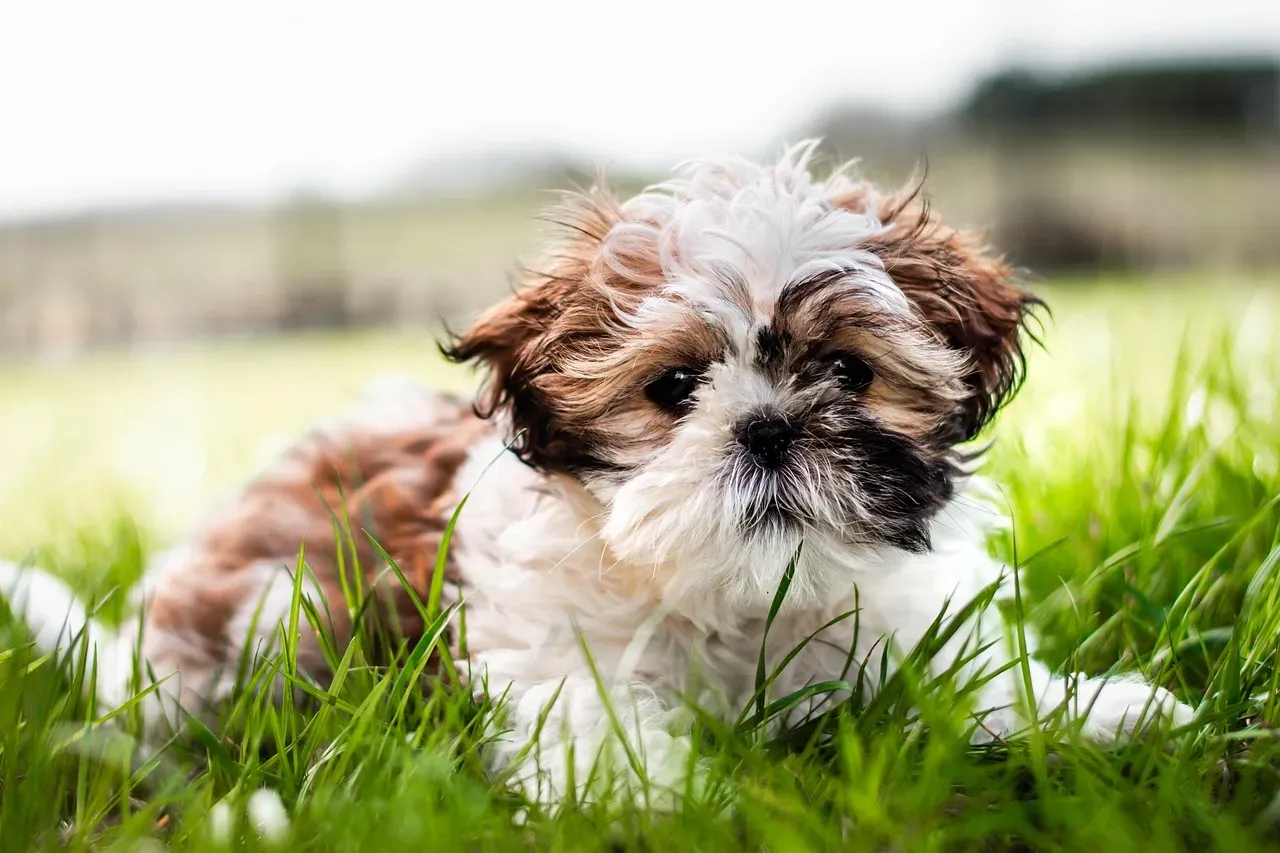
Shih Tzus were bred to be companions, and it shows in their peaceful, people-focused nature. Short play sessions and leisurely walks suit them well, and you get a round-eyed charmer who curls nearby as you relax, then perks up politely when it’s time to move. They are, in many ways, the definition of a dog that exists purely to keep you company.
Their flowing coat, gentle demeanor, and lovable appearance make them especially appealing for those seeking a calm, cuddly presence at home, and they are moderately active and content with short walks or gentle indoor play – ideal for seniors with lower mobility. Weighing between nine and sixteen pounds, they’re also easy to handle, lift, and manage without strain.
#3. Golden Retriever
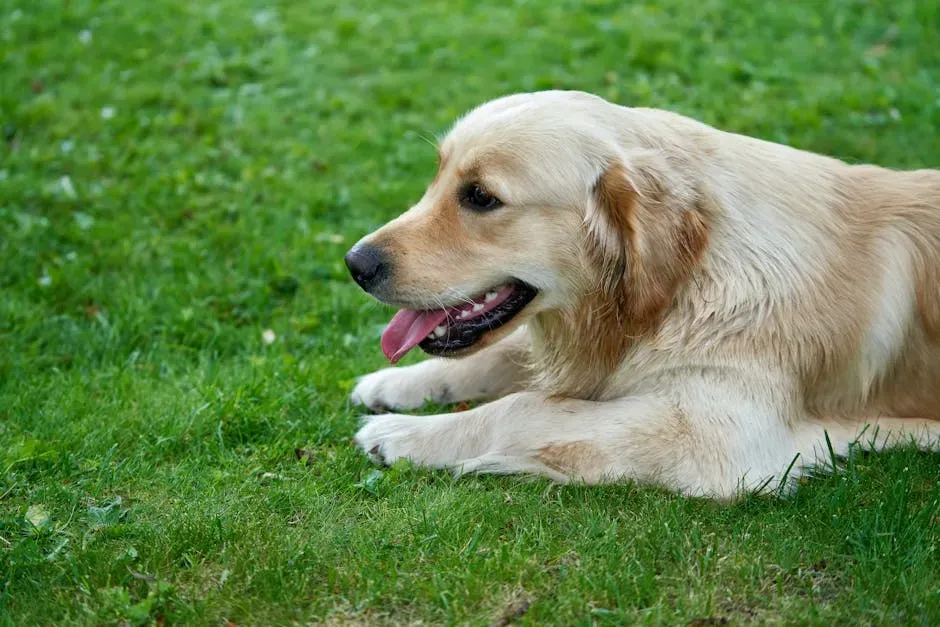
Golden Retrievers have earned their reputation honestly. Known for their steady temperaments and loyalty, Goldens thrive on companionship, and while they do best with space and regular walks, they reward their owners with endless affection. That reliability – knowing your dog will meet you at the door with the same enthusiasm every single day – does something profound for a grieving heart.
For those who enjoy a bit more activity, Golden Retrievers are classic favorites, ideal for older adults when their energy levels match the dog’s age and the owner’s routine. Adopting a calmer, older Golden specifically can offer all the warmth of the breed without the tornado energy of a puppy. The bond they form runs deep and tends to be lifelong.
#4. Poodle (Toy or Miniature)
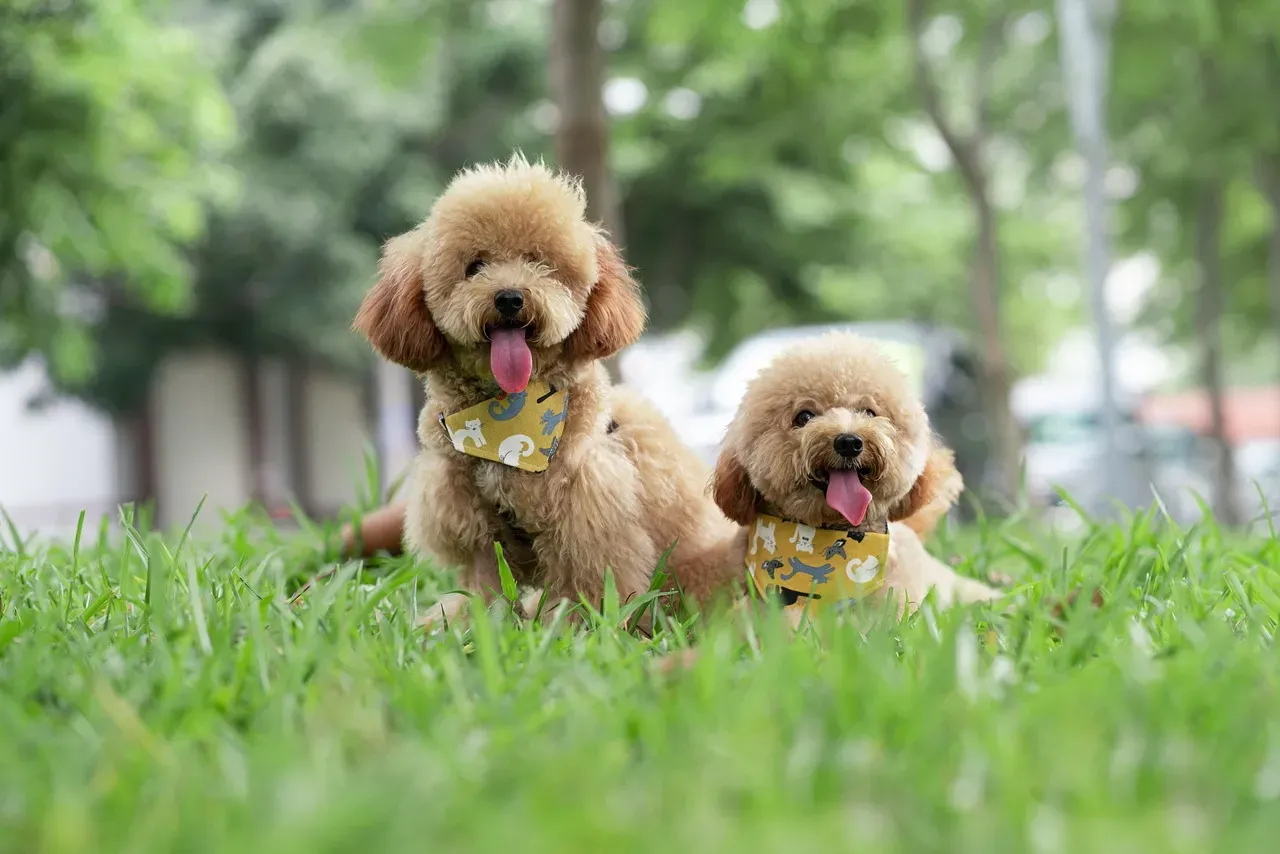
Poodles are very smart and easily trained. They form a strong bond with their owner and love to be in a family setting, and they’re very gentle and sweet animals that don’t need a lot of exercise beyond a daily walk. That combination of intelligence and gentleness makes them particularly comforting to live with – they read the room well.
Poodles are not only elegant but also incredibly intelligent, available in toy, miniature, and standard sizes, and they adapt well to different living spaces. Their hypoallergenic coat makes them a great choice for allergy-prone seniors. The toy and miniature varieties in particular are perfectly sized for apartment living, and their non-shedding coats mean less cleaning and fewer allergen concerns – a practical relief for older adults living alone.
#5. Bichon Frise
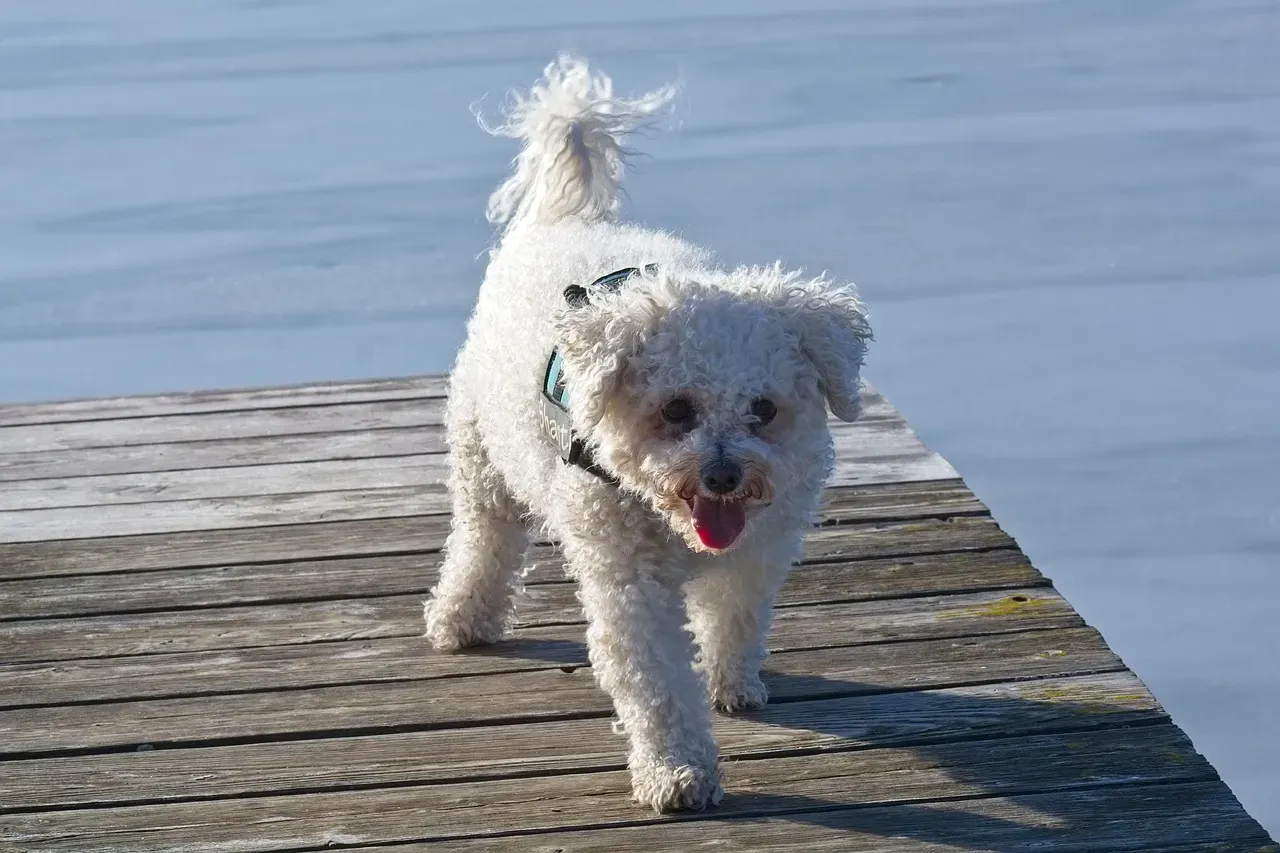
What truly sets Bichon Frises apart is their incredibly people-oriented nature. They are not just pets – they are emotional companions who thrive on human interaction. Their cheerful disposition means they are always ready to provide comfort, bring a smile to your face, or engage in gentle play, and they have an intuitive ability to sense their owner’s mood and provide emotional support.
Bichons carry a kind of persistent cheerfulness that’s hard to stay sad around. Curly-coated and joyful, Bichons are upbeat entertainers who bring lightness into the home. They’re also hypoallergenic, which removes one more barrier for older adults who might have sensitivities. Their small size and adaptable temperament make them equally at home in a cottage or a one-bedroom apartment.
#6. Maltese
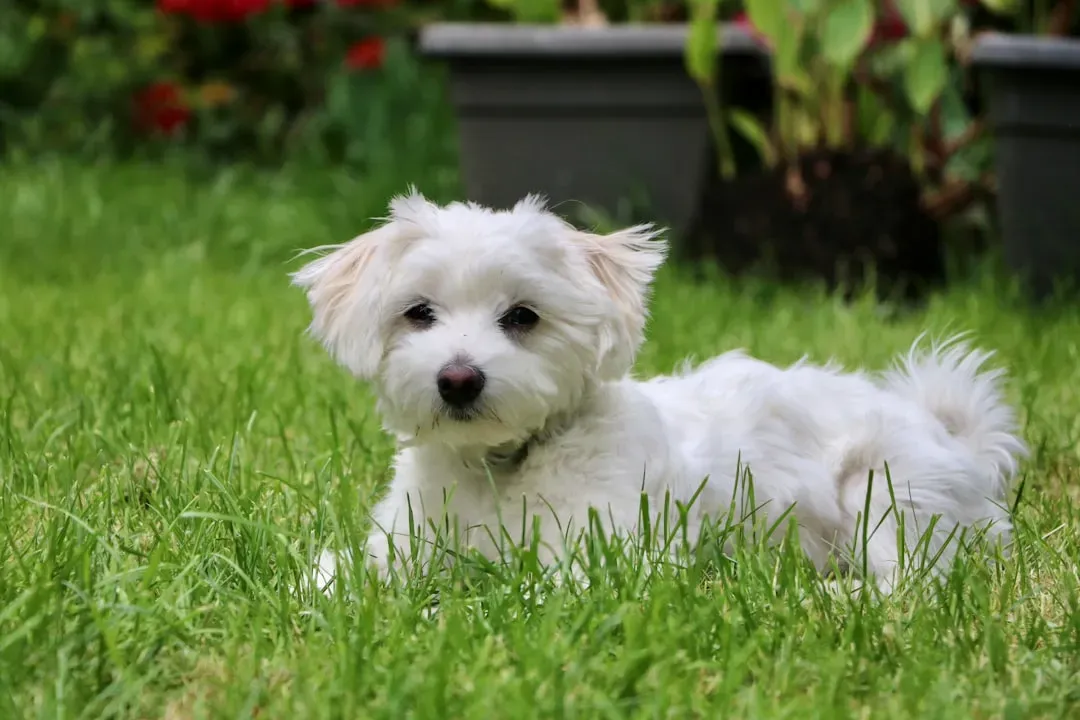
Tiny, elegant, and devoted, the Maltese shines in quiet homes that value routine. Their exercise needs are modest, with gentle walks and brief play keeping spirits bright, and you get a lap-loving partner that notices your mood and settles contentedly while you focus on life. That sensitivity to human emotion is what separates Maltese dogs from simply being small and cute.
The Maltese has a gigantic amount of good cheer and devoted companionship despite its small size. A quintessential lap dog, this precious bundle of fluff is incredibly smart, easily trainable, and eager to learn new tricks without a lot of fuss – and as long as you’re near, they’re overjoyed. For someone living alone who needs a steady, loving presence through long days, that contentment with simply being close is genuinely healing.
#7. Labrador Retriever
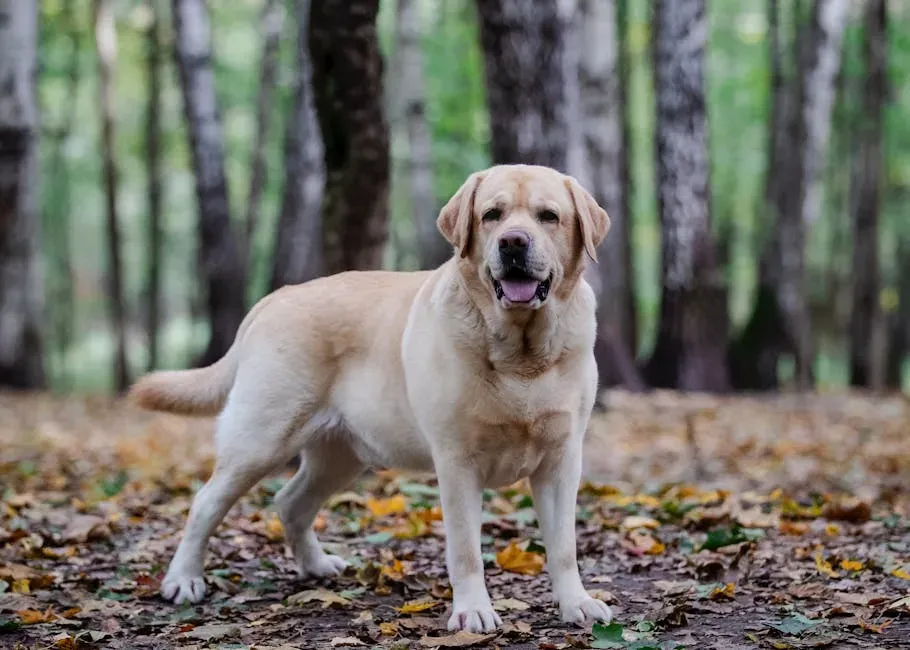
Labs are famously social, but what doesn’t get mentioned enough is how deeply attuned they are to human emotion. Labrador Retrievers are friendly, social dogs who love activity and attention, and for owners who enjoy being outdoors, they make excellent partners. That outdoor motivation is quietly beneficial – it gently nudges older adults into fresh air and movement on days when grief might otherwise win.
Owning a dog is related to physical activity and has been shown to support health in all individuals, and research shows that dog walkers had lower body mass and made fewer visits to healthcare professionals compared to older adults who don’t own pets. A middle-aged or older Lab specifically can match well with a senior’s more measured pace – still warm and enthusiastic, but less likely to knock anyone off their feet.
#8. Pomeranian
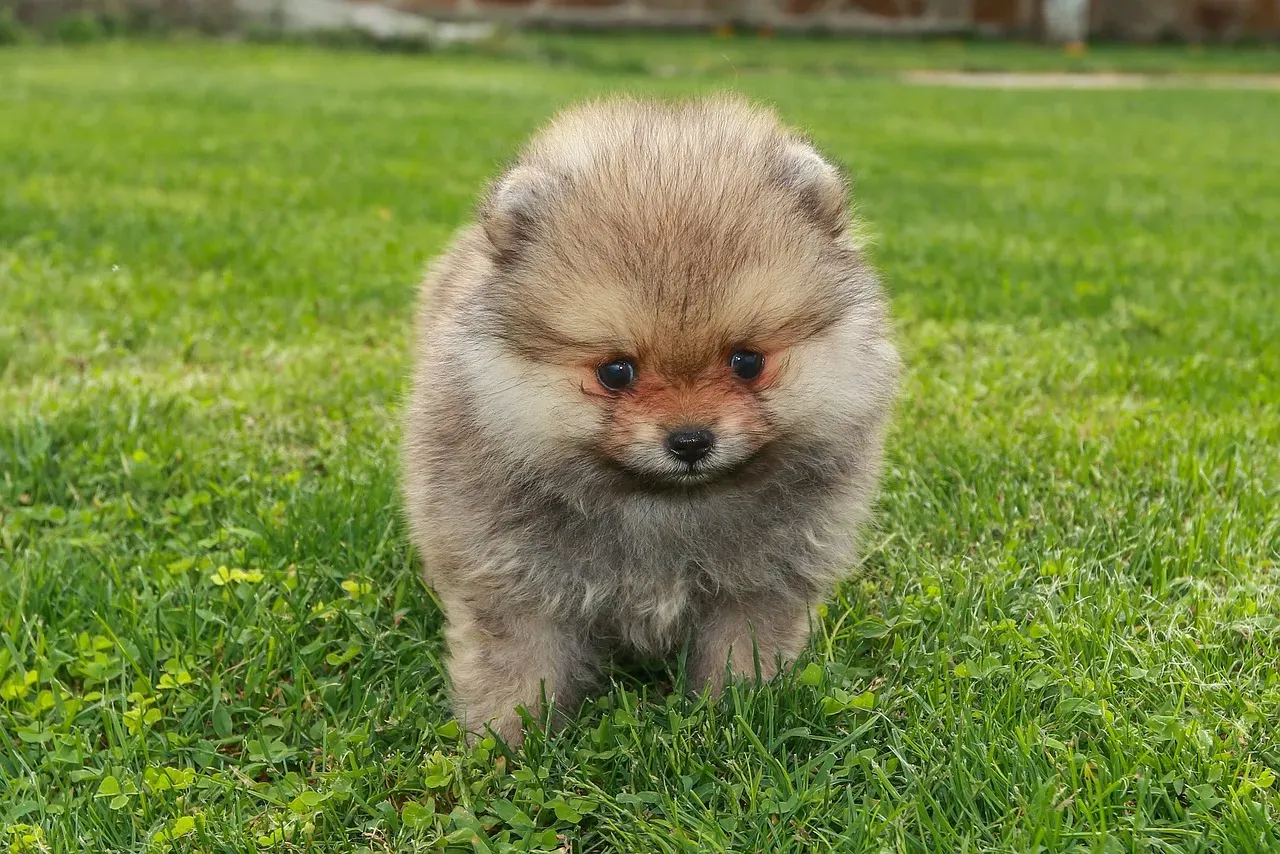
Don’t let the size fool you. Pomeranians, typically weighing between three and seven pounds, are ideal for seniors in apartments or with limited space, and they are affectionate, lovable lap dogs that provide excellent companionship for the elderly. What they lack in size, they more than compensate for in personality – they are lively, alert, and remarkably aware of their person.
Studies from UCI Health show that pet ownership slows cognitive decline in solitary seniors, and Pomeranians in particular encourage light activity to reduce isolation. They are surprisingly active and intelligent for their size, thriving on brief play sessions and short daily walks, and they enjoy mental challenges, making trick training a rewarding activity. Learning tricks together creates a sense of shared purpose – something both dog and owner can genuinely look forward to.
#9. Havanese
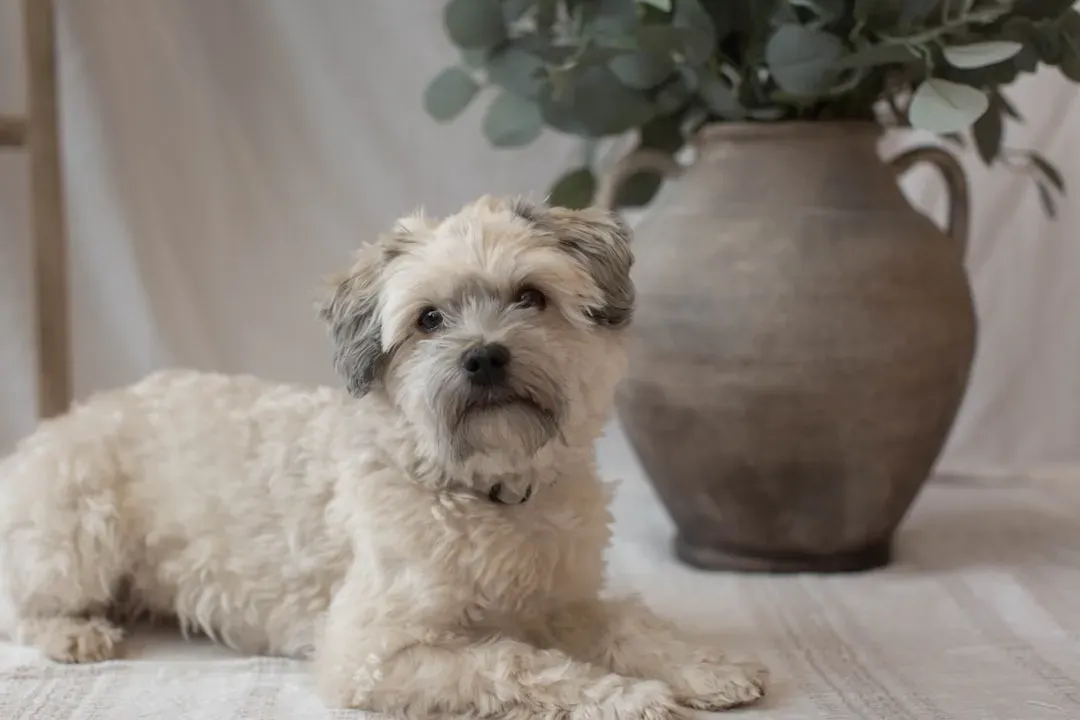
The Havanese is a small yet sturdy dog with a cheerful spirit and a heart full of affection. Slightly longer than it is tall, this charming breed is known for its soft double coat of long, silky hair, which comes in a wide range of colours. With gentle almond-shaped eyes and a lively, springy step, the Havanese carries itself with playful elegance.
Havanese dogs make great companions for seniors who live alone, and they can live in apartment and house settings without needing a yard, though they do need to get outdoors for exercise and play daily. That daily nudge toward the outdoors matters more than it seems – it creates structure, encourages gentle movement, and provides brief but meaningful social opportunities with neighbors and other dog owners.
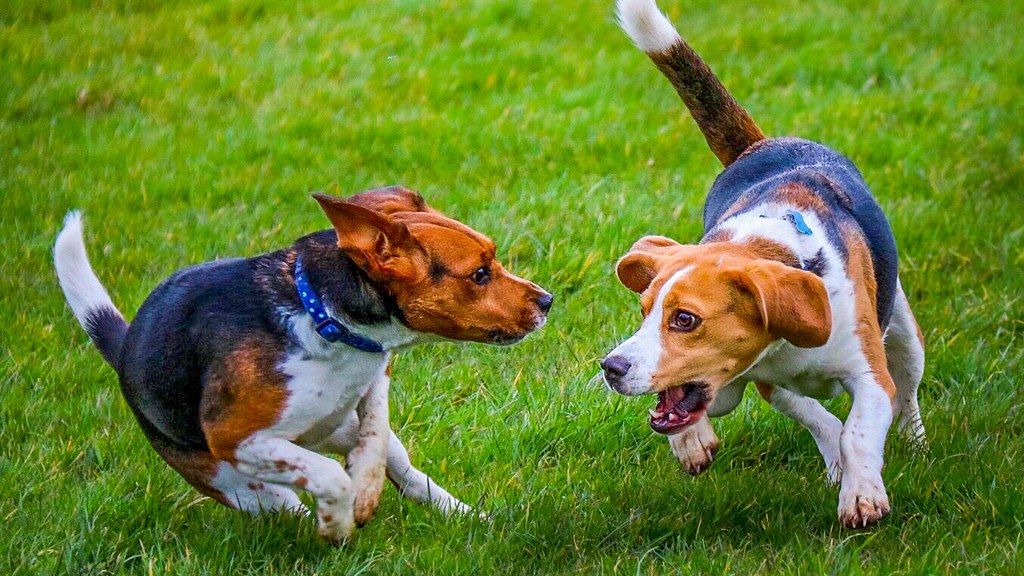
#10. Beagle
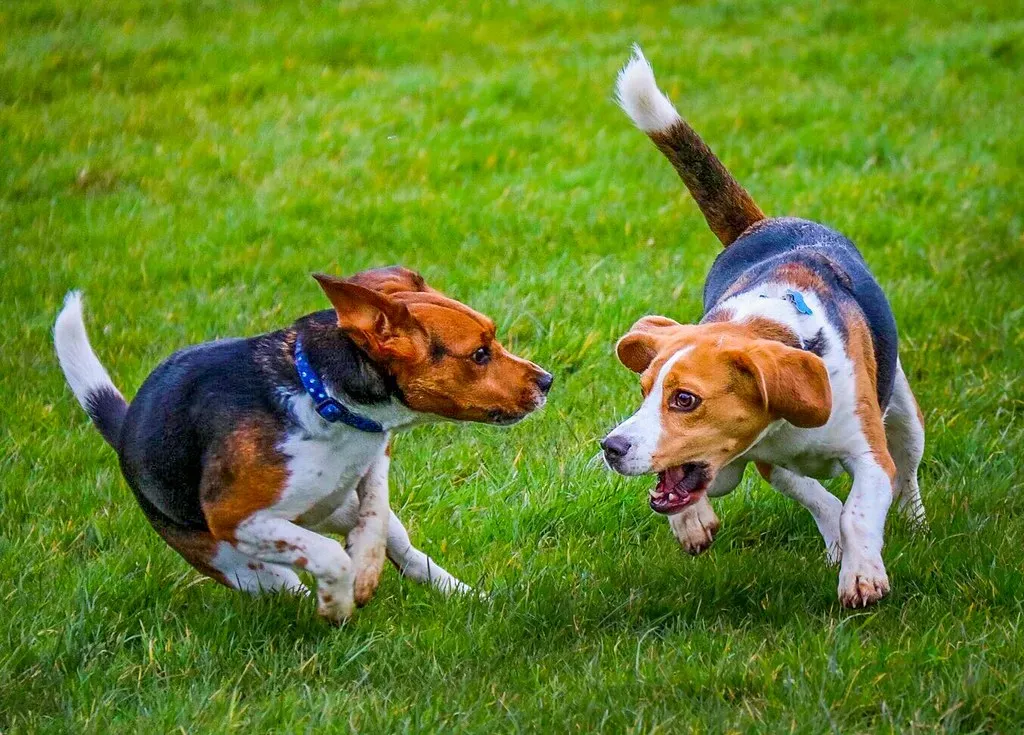
The Beagle is one of the best dog breeds for seniors. These dogs are affectionate and loyal, providing good companionship to older adults. Their short coat makes them low-maintenance, and their moderate size makes them suitable for various living situations, including apartments or homes with limited space. They’re also genuinely curious animals, which has a pleasant side effect of making walks more interesting for both parties.
Dogs often serve as conversation starters, making it easier for seniors to connect with others in their community, and visiting dog parks, attending obedience classes, or simply walking around the neighborhood can lead to new friendships and social opportunities. A Beagle’s friendly, approachable face tends to invite those conversations naturally. For an older adult who has withdrawn socially after a loss, that gentle social re-entry can matter enormously.
#11. Cocker Spaniel
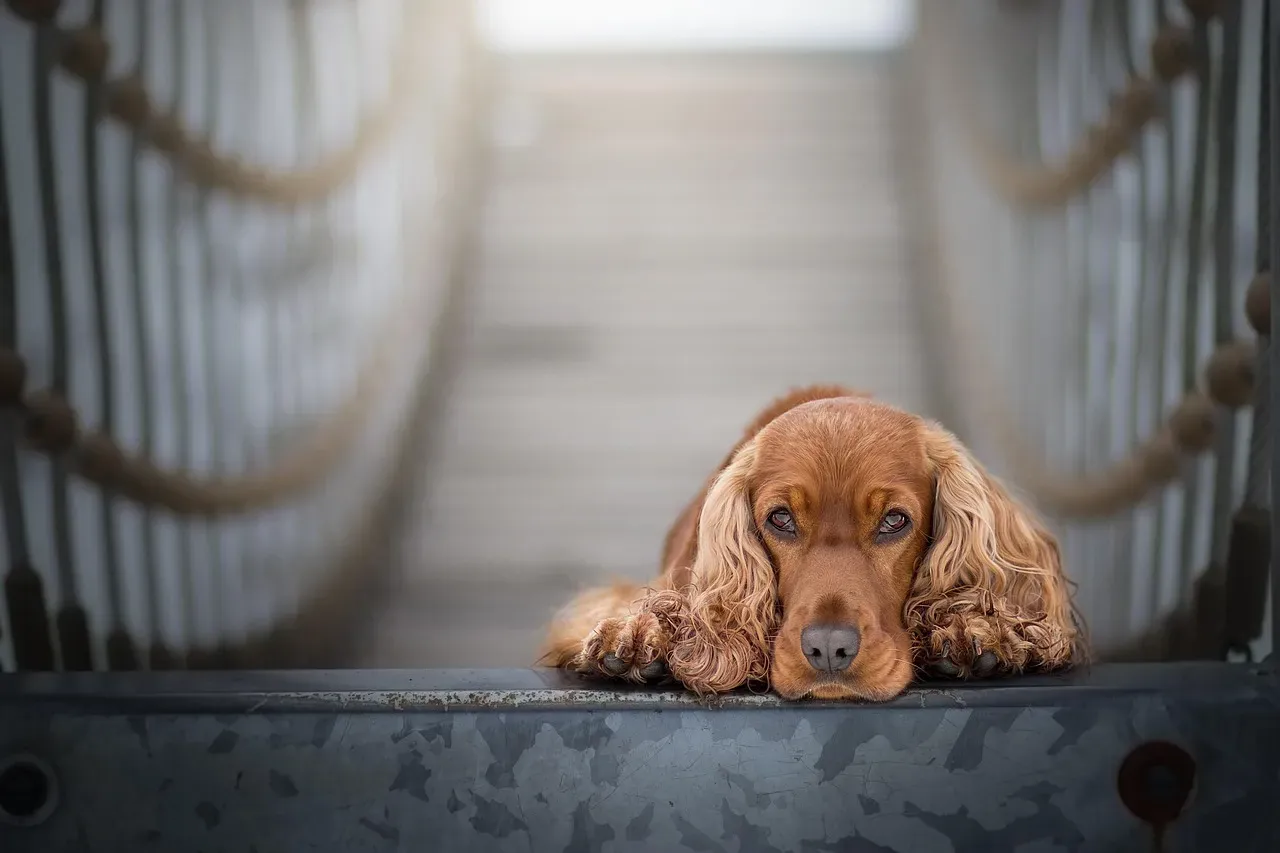
Sunny and affectionate, the English Cocker Spaniel balances joyful play with notable off-switch skills. Expect enthusiastic fetch outside, then a happy curl-up indoors while you decompress. You get a biddable partner who loves praise, reads moods well, and returns to calm quickly. That emotional flexibility – animated when you need distraction, quiet when you need peace – is genuinely remarkable in a dog.
The Cocker Spaniel is a strong choice for seniors because of its easy-care low-to-moderate shedding rate and its suitability for various living arrangements, including apartments, thanks to its moderate size and relatively quiet demeanor. They’re also deeply bonded animals – once a Cocker chooses you, that loyalty rarely wavers. Grief can make people feel forgotten; this breed has a way of making sure you never do.
#12. Whippet
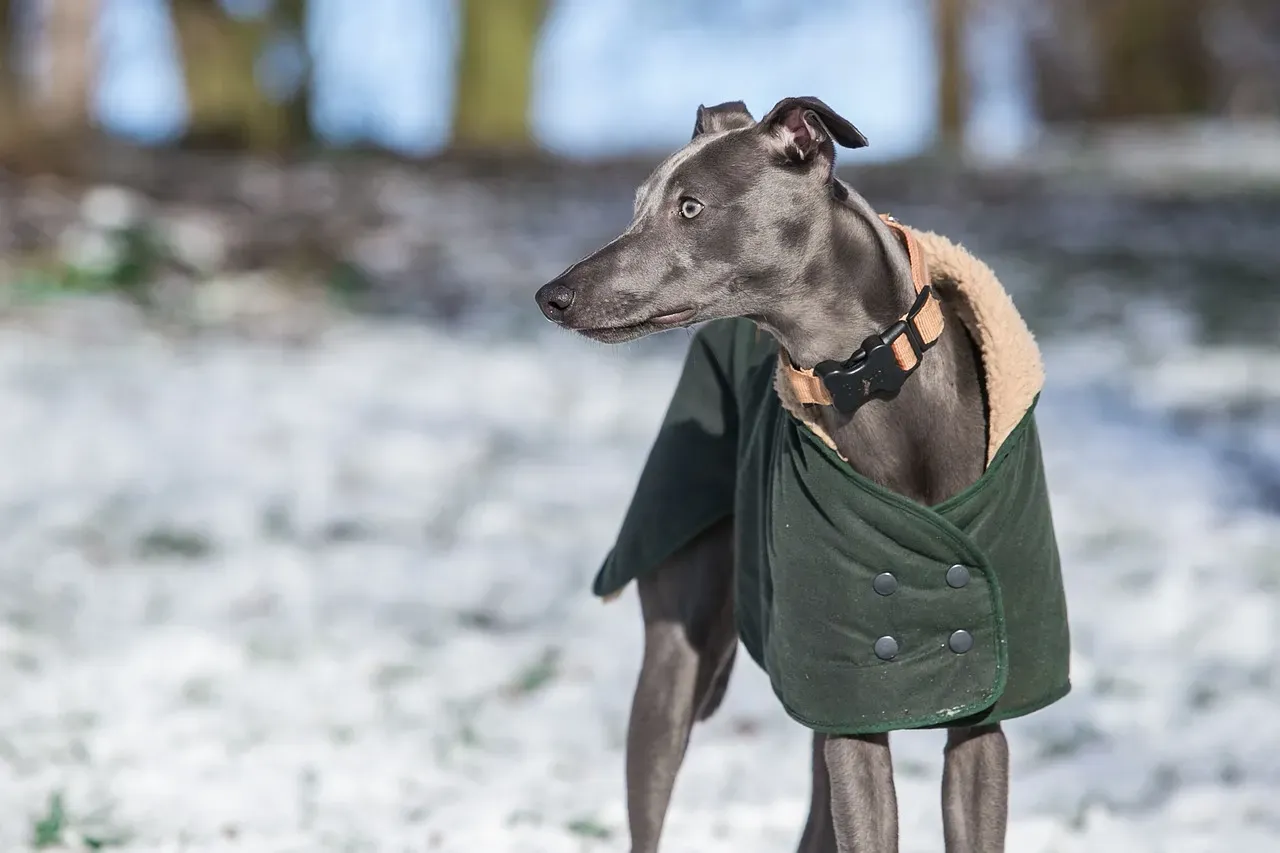
The Whippet is perhaps the most underrated choice on this list, and that’s a real shame. Surprisingly calm indoors, Whippets shine when they get the chance to stretch their legs outdoors. They’re a wonderful choice for those who enjoy walking trails and a more active routine but still want a dog who’s mellow at home. That contrast – energetic outside, serene inside – suits many older adults beautifully.
The Whippet is a couch comet: fast outdoors and blissfully relaxed inside. If you want elegance, speed, and a peaceful housemate who naps like a pro, the Whippet pairs minimal upkeep with maximum companionship. Their short, smooth coat requires almost no grooming, their gentle temperament makes them easy to live with, and their quiet affection – leaning against you on the sofa, following you room to room – is the kind of steady presence that makes a quiet house feel inhabited again.
A Final Word
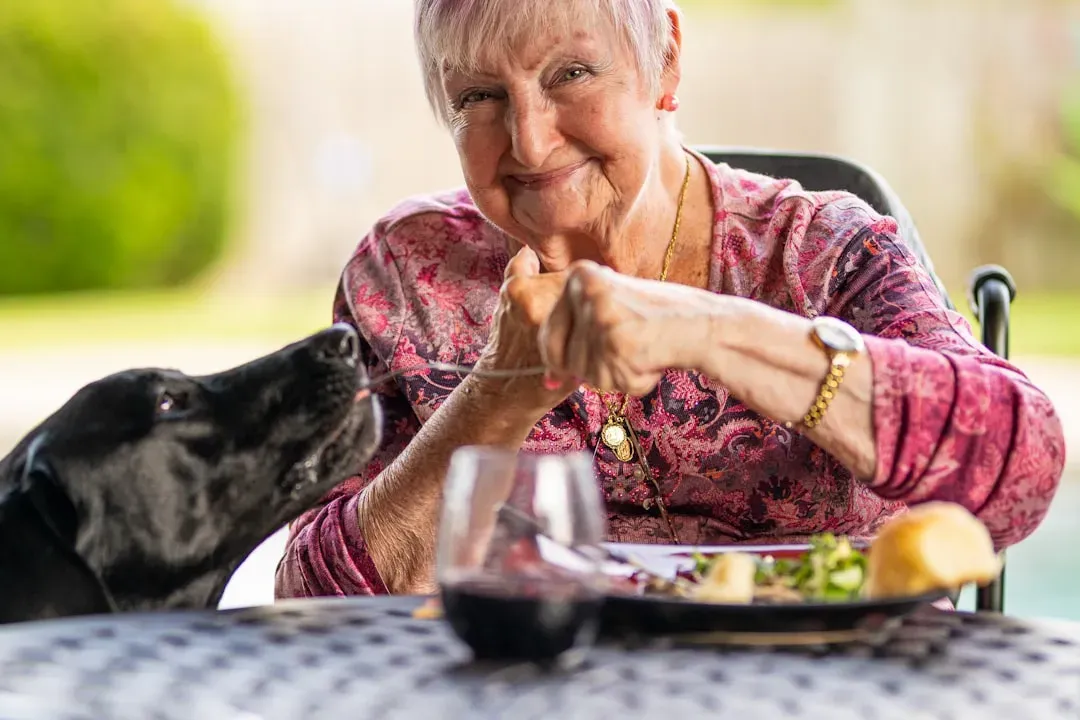
The research supporting dogs as companions for older adults is real and growing. In a study of adults sixty years or older, pet owners were significantly less likely to consider themselves lonely than non-pet owners, and dog ownership has also been shown to reduce stress levels and blood pressure, and lower the risk of death due to heart disease. These aren’t trivial benefits – for someone navigating grief or deep isolation, they’re genuinely life-altering.
Caring for a dog provides a sense of purpose and responsibility. Feeding, grooming, and exercising a dog creates a daily routine that can help seniors maintain a structured lifestyle and feel needed. That sense of being needed is often the first casualty of loss – and perhaps the most important thing a dog quietly restores.
There is no shortcut through grief. No breed of dog erases it. But there is something undeniably true about what happens when a warm, living creature chooses to stay close to you through the hard days – asking very little and offering, in return, the particular comfort of never once making you feel alone. For older adults facing that silence, that might just be the most important thing in the world.


