
12 Gentle Dog Breeds Perfect for First-Time Senior Owners
Bringing a dog home for the first time is a genuinely exciting decision at any age. For seniors doing it for the first time, though, the stakes feel a little more personal. It’s not just about finding a friendly face. It’s about finding a companion that fits your pace, your space, and the particular kind of quiet joy that tends to define this chapter of life.
Dogs keep us company when we’re at home and help us connect with others when we go out. In fact, research on adults aged 60 and older has found that pet owners were notably less likely to report feeling lonely than those without pets. That’s a meaningful statistic. Dog ownership has also been linked to reduced stress levels, lower blood pressure, and a healthier daily routine that includes regular exercise.
The key is choosing the right match. Not every breed suits a first-time owner, and not every calm dog is the right kind of calm. The twelve breeds below stand out for their gentle temperaments, manageable care needs, and the warmth they bring to quieter, more settled lives.
1. Cavalier King Charles Spaniel
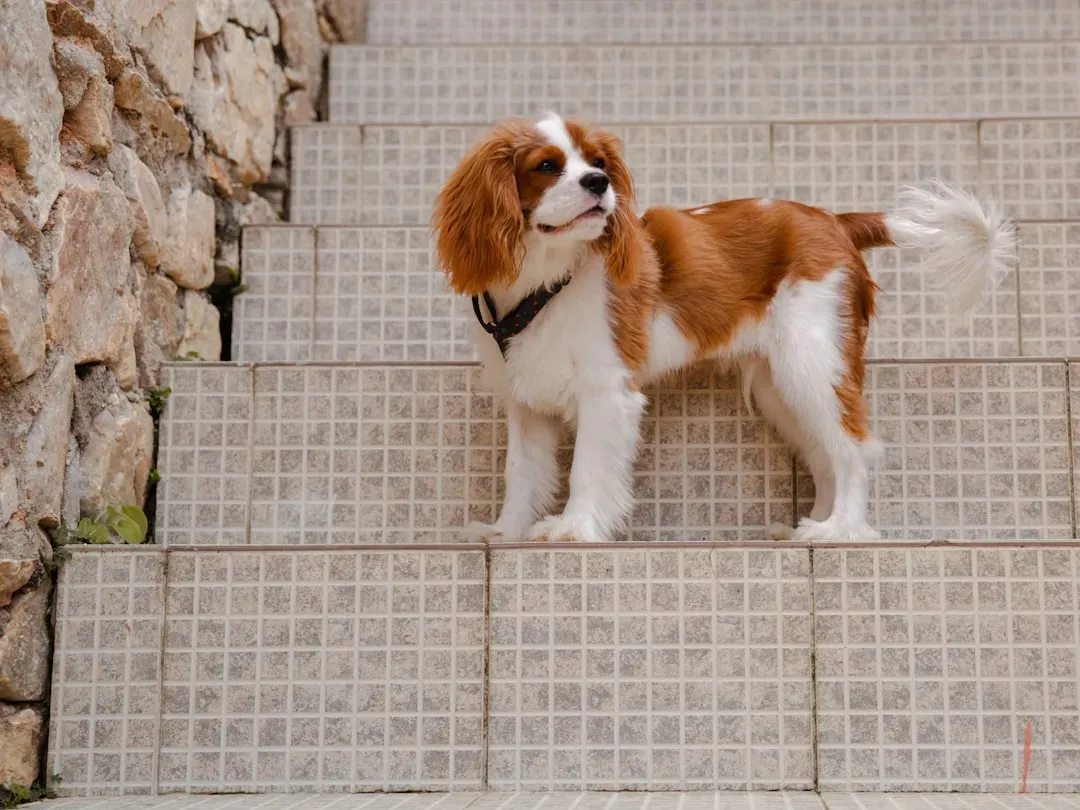
The Cavalier King Charles Spaniel consistently ranks among the best dogs for seniors due to their gentle, loving nature, and adaptable personality. These small, elegant dogs typically weigh between 13 and 18 pounds, making them perfectly suitable for most seniors. Their calm demeanor and friendly disposition make them excellent for those seeking a peaceful, affectionate pet.
Cavaliers are particularly well suited for apartment living and adapt beautifully to their owner’s energy level. They’re happy with moderate walks but equally content spending quiet time indoors. Their eager-to-please personality also makes them easier to train, which is especially welcome for someone new to dog ownership.
2. Shih Tzu
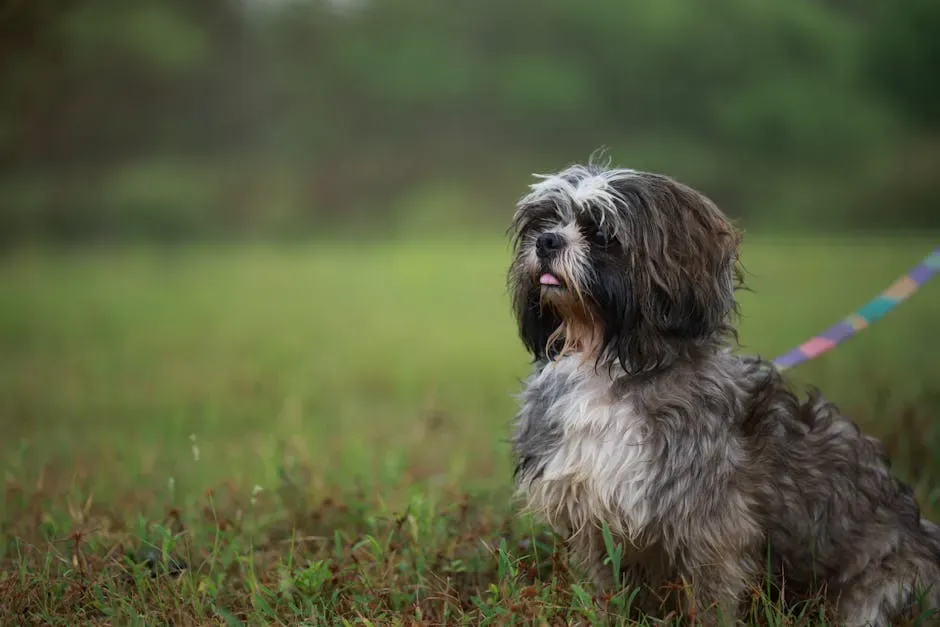
Shih Tzus are a loving choice for older adults who want a calm, low-energy companion. These small dogs enjoy short walks, gentle play, and plenty of lap time, and they’re very well suited to apartment living or a quiet home. They thrive on social interaction, forming a special bond with their owners, and are happiest when they’re part of your daily rhythm.
Just about a 30-minute walk and some indoor play is enough exercise for a Shih Tzu. Their long, double coat gives them a gorgeous, flowing look, but it also means they need regular grooming. Brushing several times a week helps prevent mats, and many owners choose a “puppy cut” to make coat care easier.
3. Maltese
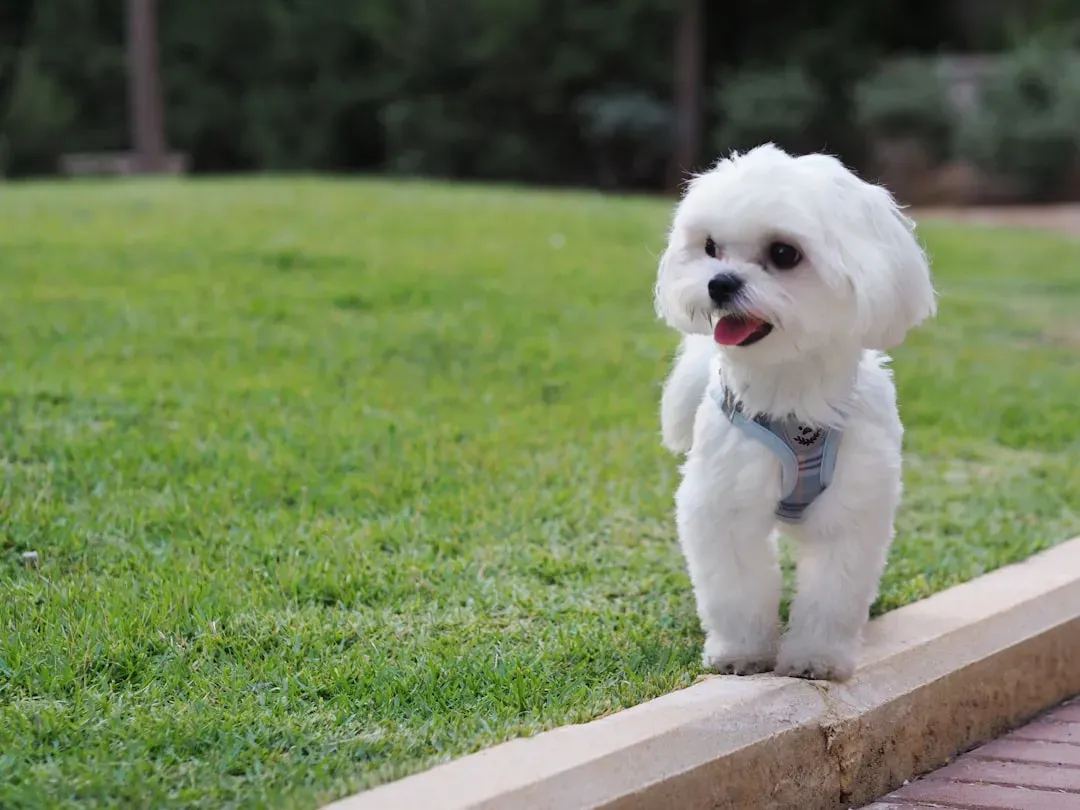
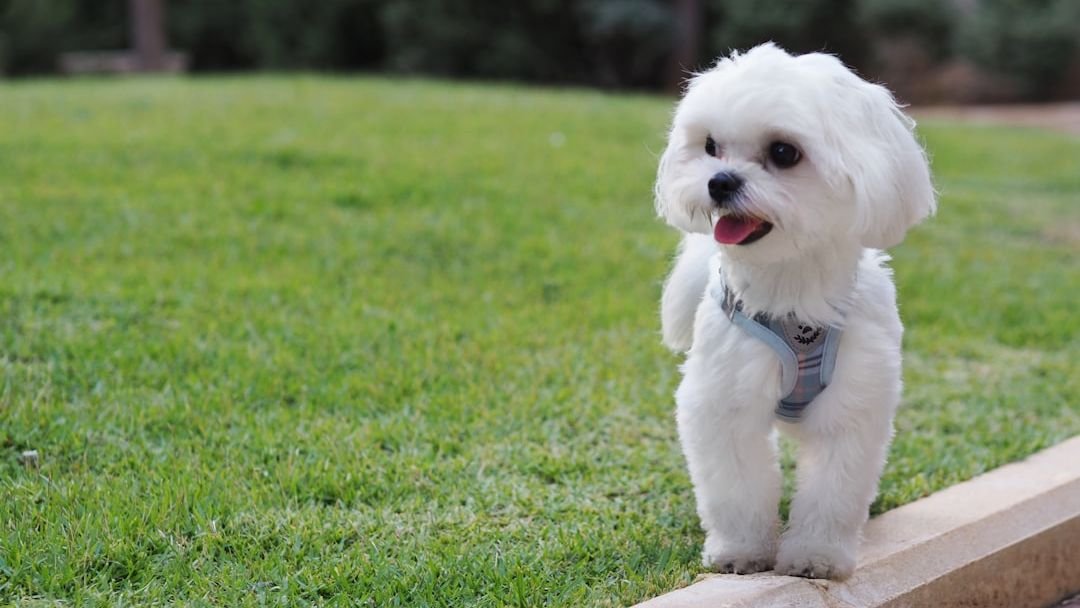
The Maltese is a sweet, gentle dog that is deeply devoted to its owner. Its small size makes it easy to manage, and it can thrive in smaller living spaces. Maltese dogs have a calm demeanor, which makes them excellent companions. They enjoy short walks but are also content spending quiet time at home.
Lively but gentle, the smart Maltese enjoys playtime and is more than happy to entertain its owner. The breed is often used as a therapy dog and is notably attentive to the emotions of its pet parent. Their lifespan of 12 to 15 years means a Maltese can be a faithful companion for many years.
4. Bichon Frise
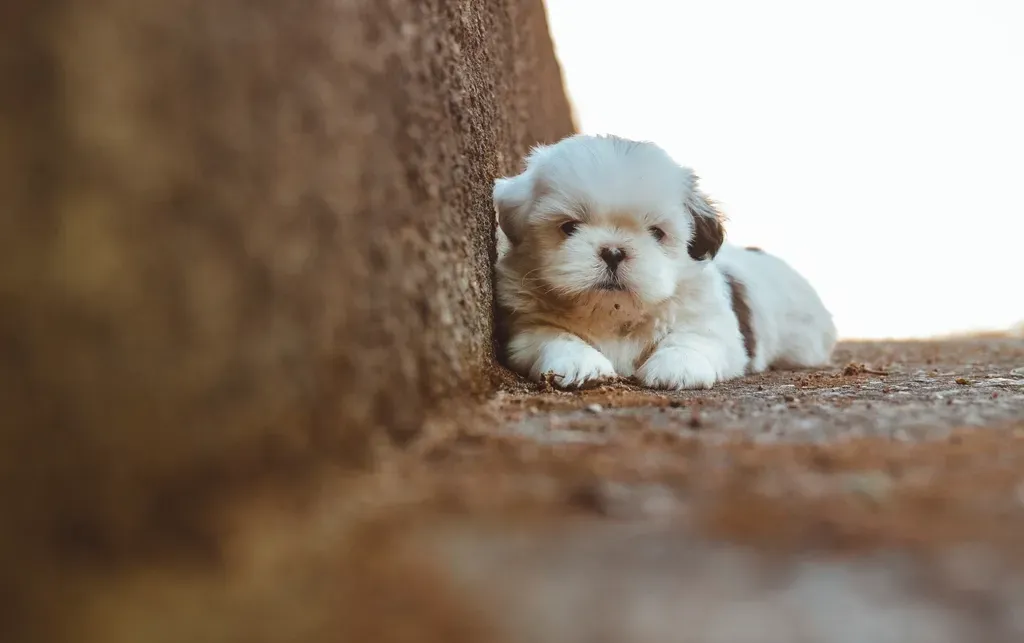
These white, powder-puff dogs are known for their sweet and friendly nature and are perfect for seniors seeking easy companionship. They’re not difficult to potty train and don’t shed much, which is why they’re considered one of the best dogs for older people.
Bichons are gentle and playful and they get along well with other pets and children, so there’s no need to put them in another room when the grandkids visit. At an average of 7 to 12 pounds, they are also very portable. The Bichon Frise is also hypoallergenic, which makes them an excellent choice for seniors with allergies.
5. Pug
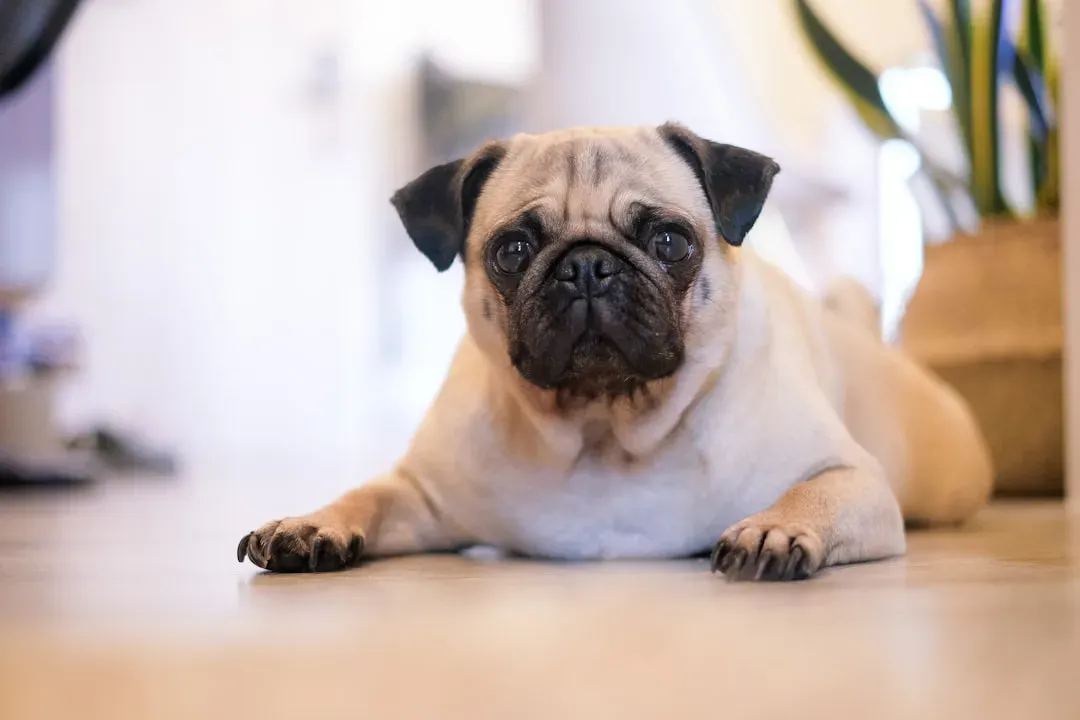
The Pug loves attention and happily entertains with its clownish behavior, making everyday life feel a little brighter without demanding too much activity. While they enjoy short daily walks, they are equally content lounging on a cozy chair or curling up beside their favorite person.
Centuries ago, the emperors of China loved their Pugs. These short-haired, muscular dogs weighing 14 to 18 pounds were bred to be companions with even temperaments. Pugs tend to shed a lot, but are easily trained, playful with children, loving with their owners, and charming with strangers. It’s worth noting that, like other flat-faced breeds, Pugs can have some breathing sensitivity in hot weather.
6. French Bulldog
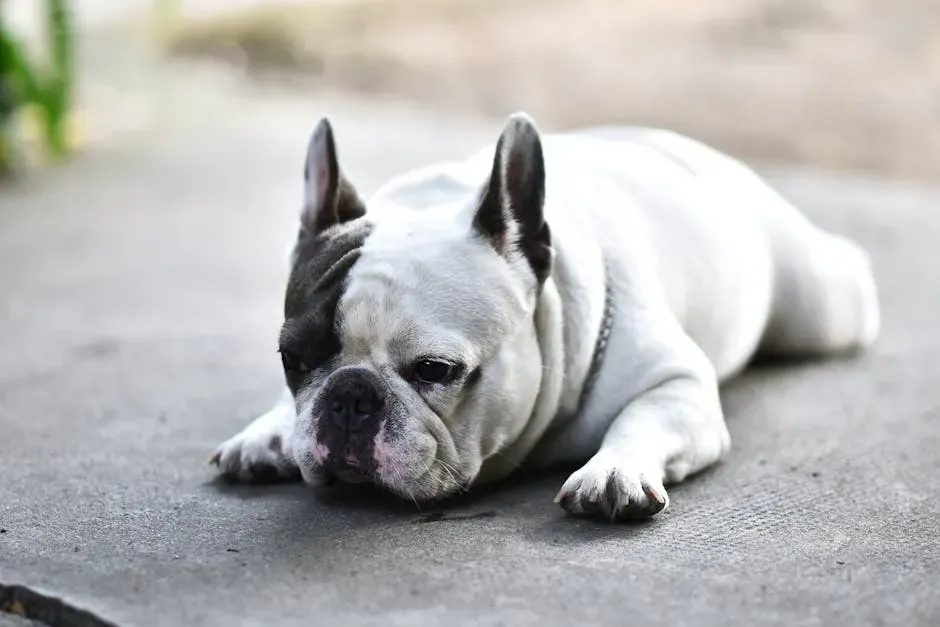
For older adults seeking a low-energy, low-maintenance dog, the French Bulldog is a perfect fit. These dogs are loyal and friendly, with a calm temperament that suits apartment living or smaller homes. French Bulldogs do not require extensive exercise and have minimal grooming needs, making them an easy breed to care for.
If you want a dog that’s going to play and love everyone they meet, the French Bulldog fits the bill. They’re trainable and less likely to bark than other breeds. They have a medium energy level, so while they’ll enjoy a walk during the day, they can also rest and relax comfortably with you.
7. Poodle (Toy or Miniature)
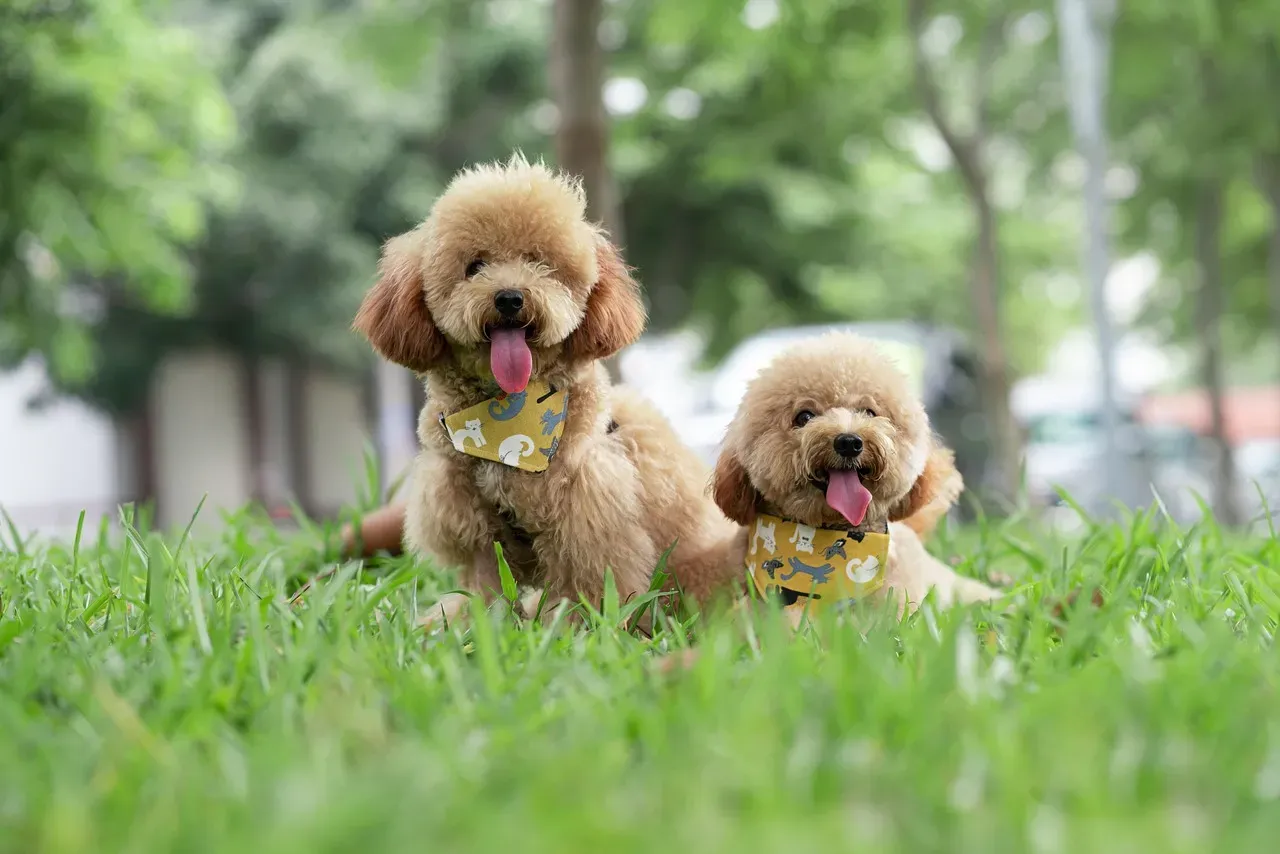
Poodles are an excellent option for older adults with allergies. Both the miniature and toy varieties are hypoallergenic, meaning they are less likely to trigger allergic reactions. Poodles are not only elegant but also incredibly intelligent. Available in toy, miniature, and standard sizes, they adapt well to different living spaces.
Miniature Schnauzers and Poodles share a similar appeal for first-time owners. They are loyal, intelligent, and easy to train, with moderate exercise needs and a sturdy yet manageable size for senior owners. The toy and miniature Poodle’s combination of intelligence and low-shedding coat makes it one of the most practical and rewarding choices available.
8. Havanese
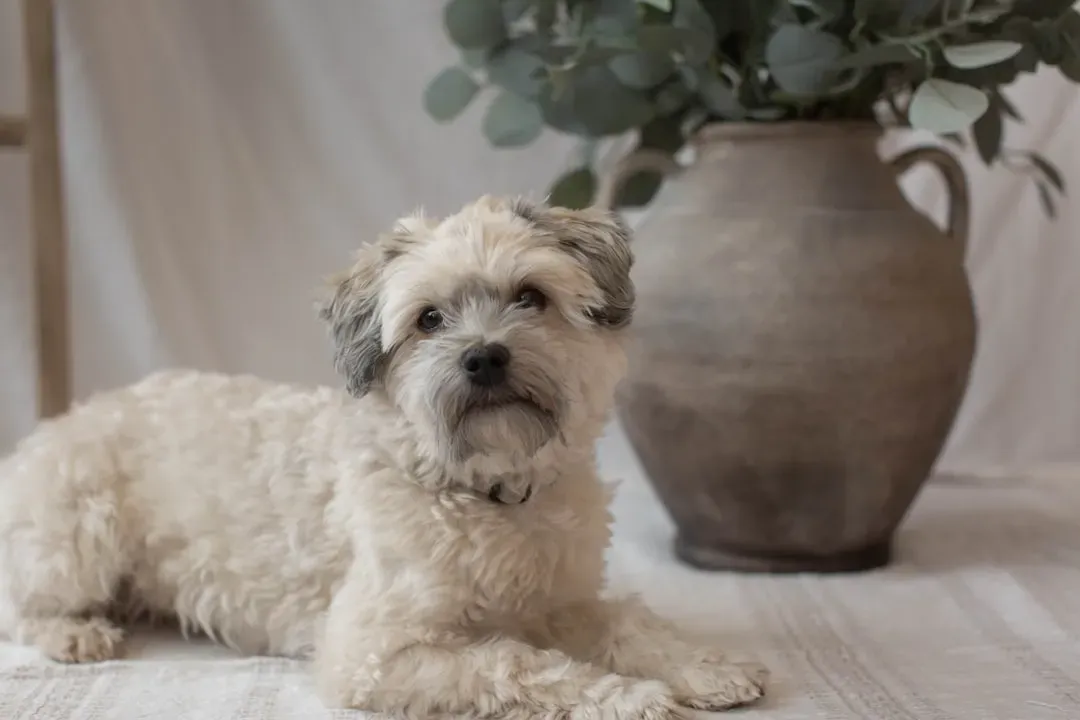
The only breed native to Cuba, the Havanese is a cheerful, quiet little dog described as happy, loving, intelligent, social, and accommodating. They’re content to stay inside and snuggle with their humans and will play patiently with children. Havanese don’t require much exercise but are happy to take occasional short walks.
Havanese weigh between 7 and 13 pounds and are easy to train. They adore spending as much time as possible with their family, making them a great match for retired seniors. Havanese are very affectionate, have low energy levels, and don’t shed much. For a first-time owner who simply wants a joyful presence in the home, they deliver that in abundance.
9. Greyhound (Adult)
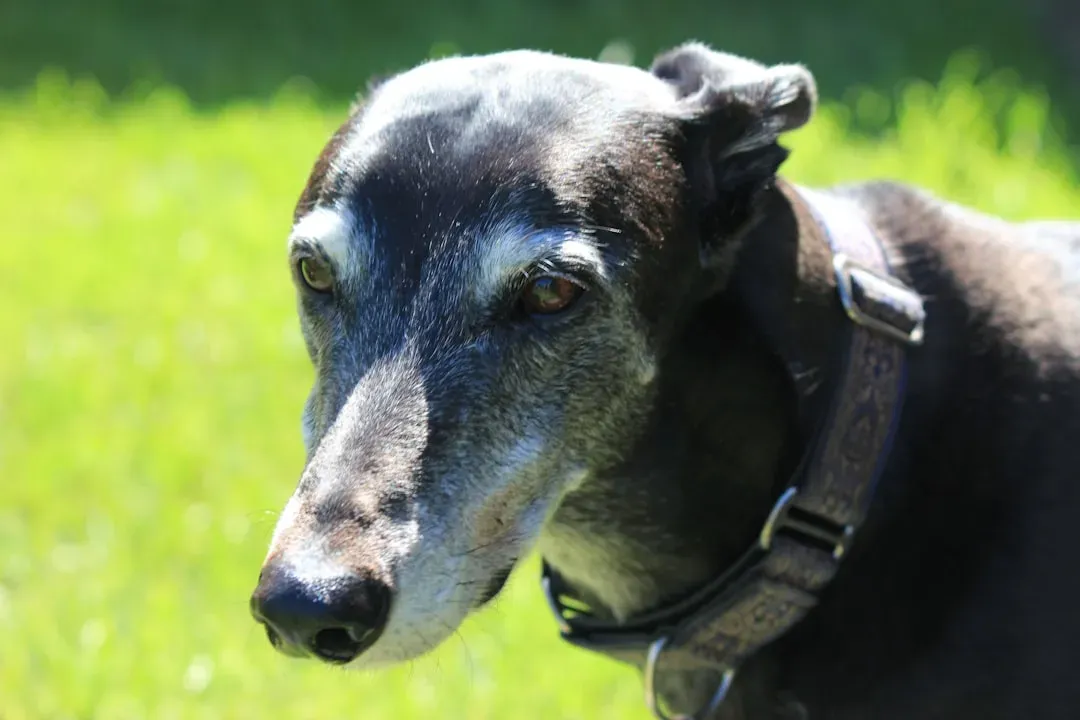
Surprisingly, Greyhounds are among the most low-maintenance large breeds. Known as “couch potatoes,” they enjoy lounging indoors but appreciate a daily walk. The Greyhound is a gentle, quiet, and compassionate pet. This breed is independent and can be rather reserved around company, which is actually part of its appeal.
The adult Greyhound is another breed that works well for first-time owners. Adult greyhounds have surprisingly low energy. They do appreciate some daily exercise, but are otherwise happy couch potatoes. They are quiet and gentle companions. Greyhounds come with the added benefit of minimal grooming needs due to their short coat, which is an appreciated attribute for many seniors.
10. Coton de Tulear
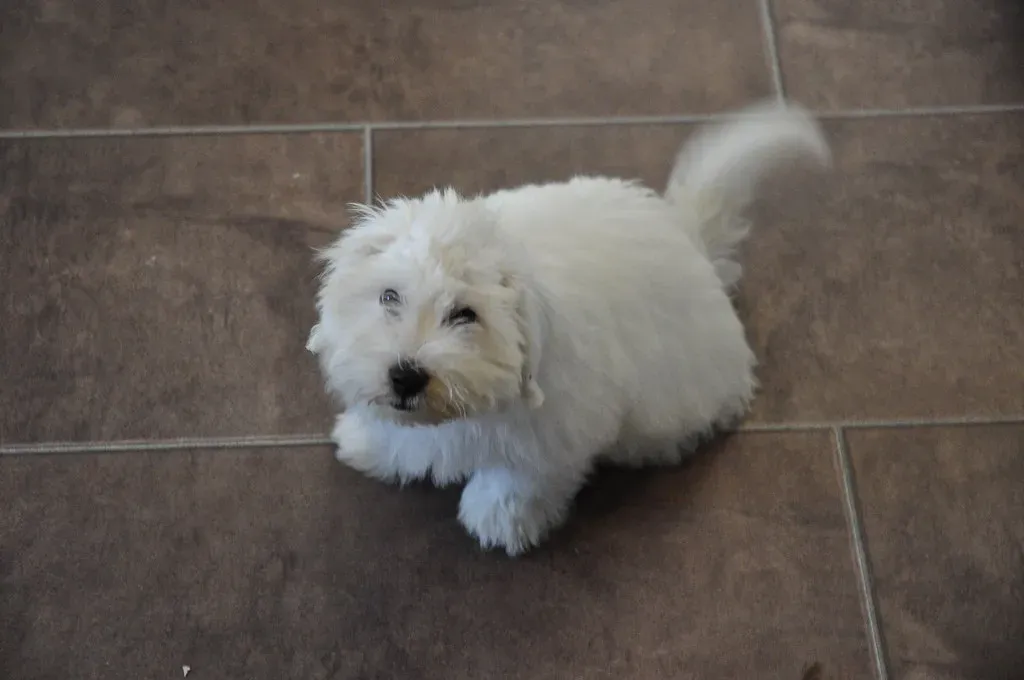
Originally from Madagascar, the Coton de Tulear, with its long, white, cottony coat, doesn’t shed much. This hardy breed will enjoy all types of weather but is an indoor dog that thrives on human companionship. Cotons can live 15 to 19 years, are easy to train, and get along with everyone including other dogs. They’re good travelers and require moderate exercise, enjoying daily walks.
The Coton de Tulear doesn’t always get the recognition it deserves, but for a first-time senior owner, it’s a genuinely strong match. Its long lifespan means a real, lasting bond. Its calm adaptability means it fits into most homes with minimal fuss. Few breeds combine longevity, gentleness, and easy trainability quite as naturally.
11. Japanese Chin
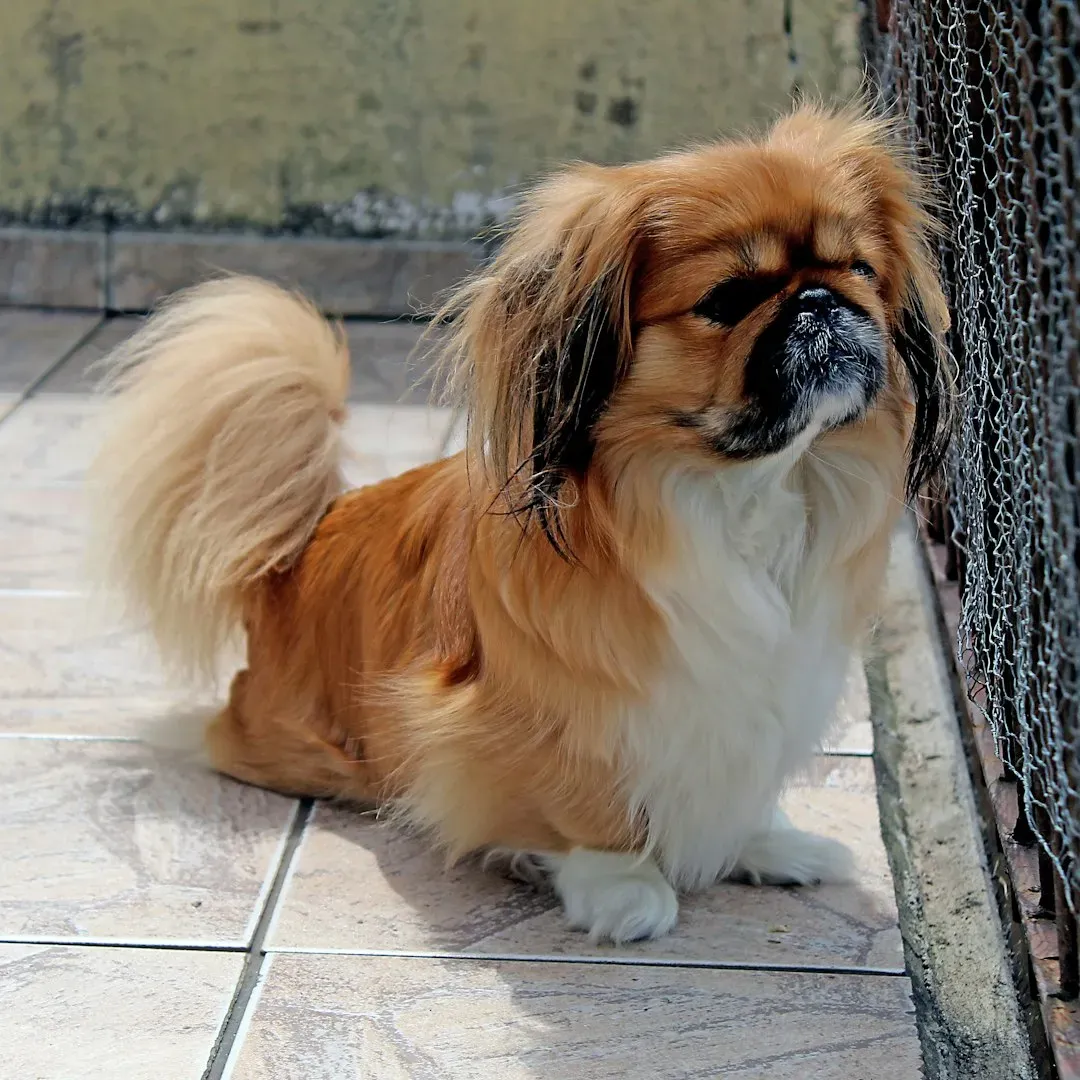
The Japanese Chin is a lovely companion for older adults who want a small dog with a calm temperament. These dogs are gentle, quiet, and well-suited to indoor living. They don’t demand long or strenuous walks, just a few short strolls each day. Their moderate exercise needs make them ideal for people who prefer a relaxed routine.
Beyond their graceful looks, Japanese Chins are incredibly affectionate. They bond deeply with their owners and enjoy being close, whether it’s snuggling during reading time or watching the world go by from a window. Because they’re alert yet not overly excitable, they’re one of the best breeds for seniors wanting a peaceful yet loving companion.
12. Miniature Schnauzer
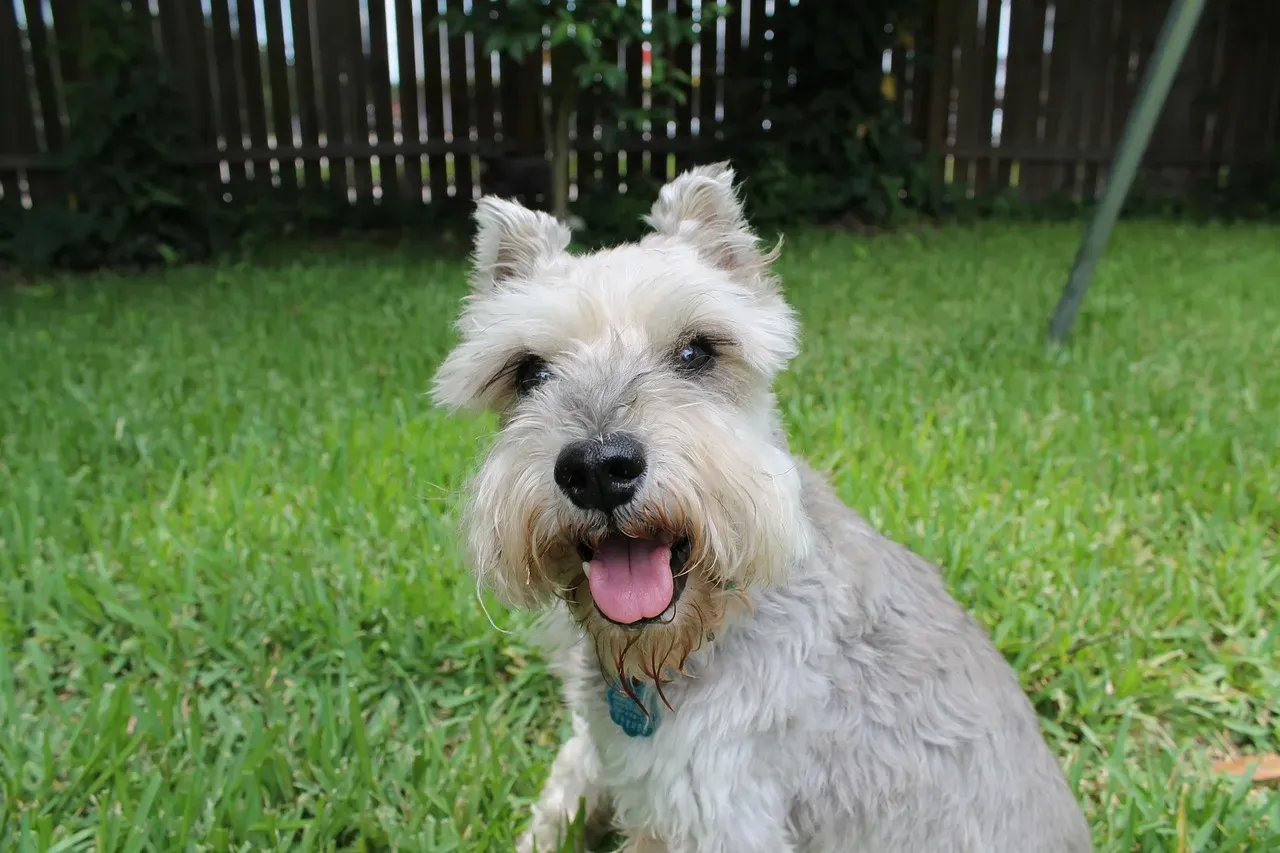
Miniature Schnauzers both play hard and relax hard. They need a moderate amount of daily exercise but are also good at simply lounging around while their owners watch TV or make dinner. Even-tempered and affectionate, they are intelligent and enjoyable companions for seniors.
What makes the Miniature Schnauzer particularly appealing for first-time owners is how straightforwardly they communicate affection. Frequently described as “dignified,” these dogs with their wiry gray coats love to be at their owners’ sides, whether you’re raking the lawn or changing your sheets. They are alert without being anxious, and loyal without being clingy. That balance is rarer than it sounds.
A Few Things Worth Knowing Before You Choose
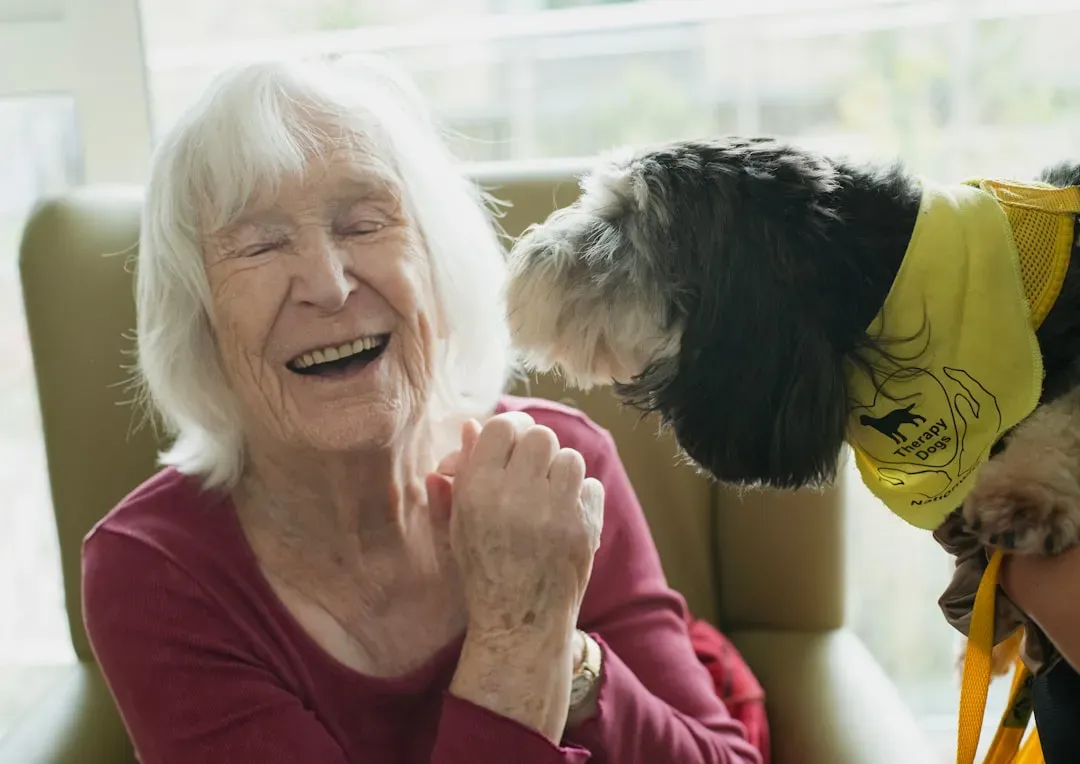
When considering dog ownership, older adults should look into adopting an adult dog rather than a puppy. Puppies require a lot of energy, training, and patience, which may not be ideal for all seniors. Adult dogs are often calmer and already trained, making them easier to manage.
Seniors should consider several factors when selecting a dog to ensure compatibility with their daily routine, physical capabilities, and living situation. Choosing the right dog means looking beyond appearance and focusing on a breed’s temperament, energy level, and health needs.
Rescue organizations can help match seniors with dogs that have the right temperament, size, and energy levels. Many rescue dogs seem to understand they’ve been given a second chance and form incredibly strong bonds with their new families. That connection, built on patience and trust, is often the most rewarding kind.
Conclusion
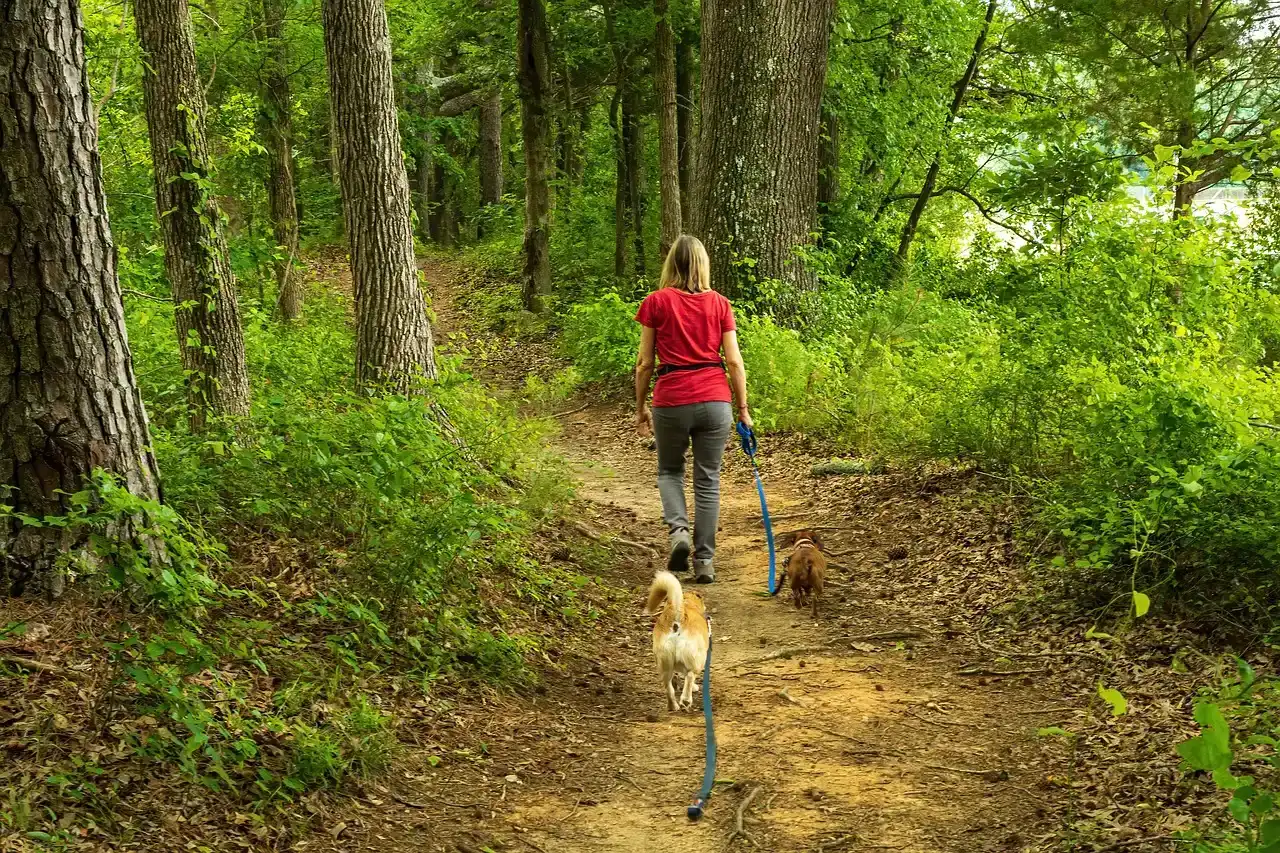
There’s no single perfect breed for every senior first-time owner. What matters most is the match: a dog whose temperament, energy, and care needs align honestly with the life you’re actually living. Whether that’s a snuggly Cavalier King Charles Spaniel in a quiet apartment or a dignified Greyhound sharing the couch on a slow afternoon, the right companion is out there.
Dog ownership in later life carries its own particular kind of richness. Dogs are drawn to calm, gentle, and consistent people. Seniors often provide affection, patience, and predictable routines, which dogs naturally respond to with trust and love. In that sense, the relationship tends to be remarkably mutual.
The best thing a first-time senior owner can do is take their time, be honest about their lifestyle, and trust that the right dog will feel less like a responsibility and more like a natural part of home.