
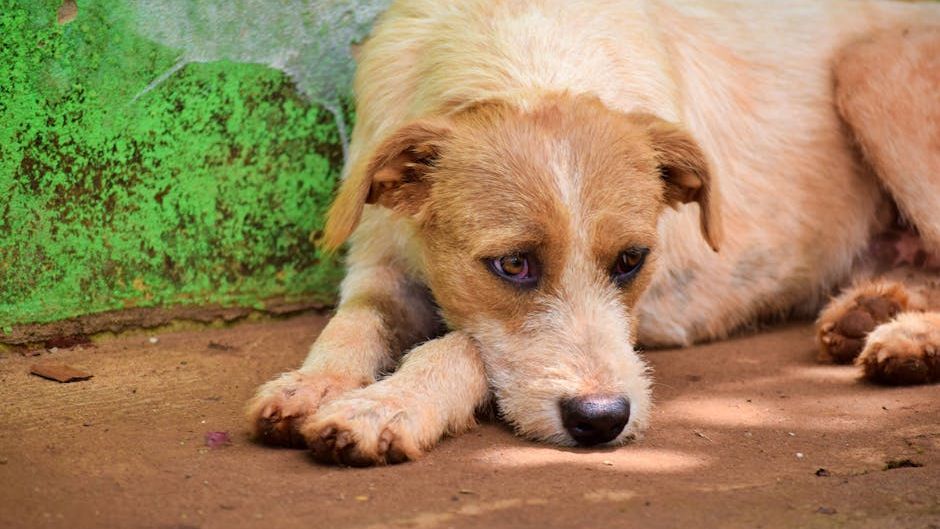
Every year, millions of dogs are left behind. Some are driven to a side of the road and watched through a rearview mirror as their world disappears. Others are quietly handed to a shelter, their leash dropped into a stranger’s hand. What happens next, emotionally, to those dogs is something science has spent years trying to understand, and the findings are genuinely difficult to sit with.
Studies have confirmed that dogs share with us feelings of pain, sorrow, and even depression. Science considers dogs the most socially connected species to humans, and what researchers find when they look closely is a brain structure similar to ours, fully capable of feeling a wide range of emotions. These aren’t just cute comparisons. They’re the foundation of something far more serious. When we abandon a dog, we’re not simply inconveniencing an animal. We’re breaking something deep.
#1: A Crushing Wave of Confusion

Most abandoned dogs are left behind suddenly with no explanation. One day their family is there, and the next they are gone. This is incredibly confusing for dogs. They have no framework to make sense of the disappearance. There was no argument, no warning, no goodbye they could comprehend.
Dogs are deeply social animals that form powerful emotional bonds with their human families. They thrive on routine and familiarity. When that is suddenly removed, they experience acute stress and confusion rather than a conceptual sense of betrayal. The loss hits them at the most fundamental level: their entire world, structured around the people they loved, has simply vanished.
#2: Deep, Lingering Grief

Dogs form strong social bonds and attachments with their human families. When suddenly separated from their people, dogs experience grief and mourn the loss similarly to how humans grieve the loss of a loved one. This isn’t a passing bad mood. It’s a genuine mourning process that can settle in for weeks or even months.
When a dog is put out of a car and left on the side of the road, it goes through various stages of grief, wondering if their owner is coming back. What follows are feelings of despair and detachment as the dog that once had a home tries to understand. This sad state of mind can easily be compared to the loss of a loved one, when similar emotions are felt. The grief is real, and it’s often written all over a dog’s posture, appetite, and eyes.
#3: Overwhelming Separation Anxiety
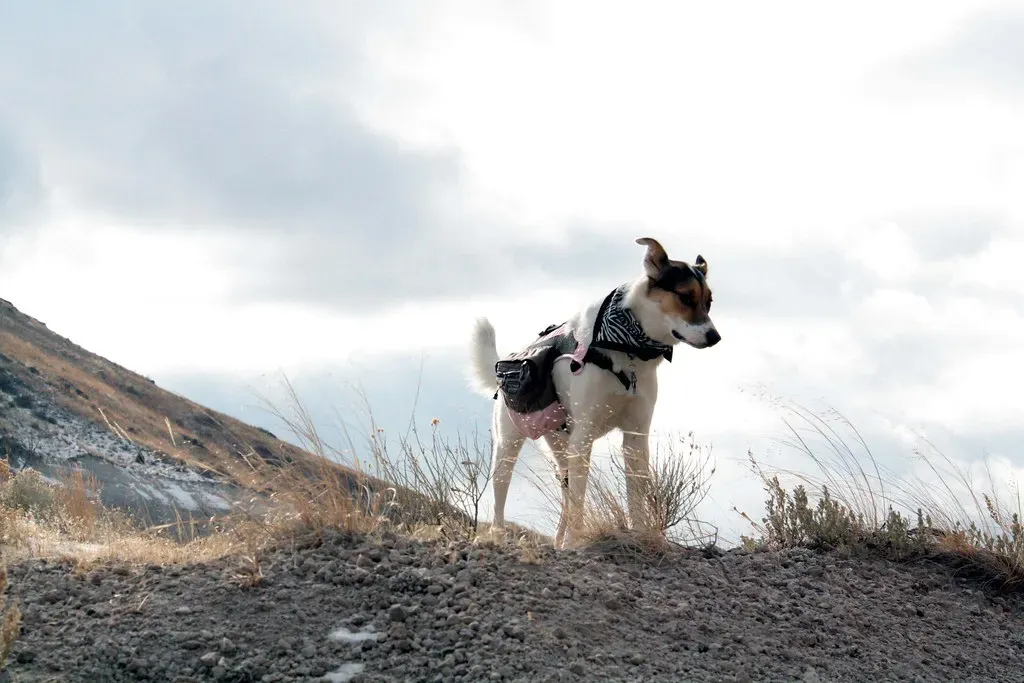
Separation anxiety is triggered when dogs become upset because of separation from their guardians, the people they’re attached to. Escape attempts by dogs with separation anxiety are often extreme and can result in self-injury and household destruction, especially around exit points like windows and doors. For a dog already abandoned once, the fear of being left alone again runs much deeper than ordinary nervousness.
Because far more dogs who have been adopted from shelters have this behavior problem than those kept by a single family since puppyhood, it is believed that loss of an important person or group of people in a dog’s life can lead to separation anxiety. Dogs that were rehomed or abandoned in the past may be more susceptible to this condition, and it can follow them into their next home, showing up every time someone reaches for a coat or a set of keys.
#4: Profound Sadness and Depression

Canine companions can experience depression in the form of the blues, sadness, and grief. Distressing events or major life changes can cause a dog’s nerves to go haywire or trigger feelings of sadness or anxiousness. Other triggering incidents may include the loss of a dog’s owner or companion animal. The parallels between canine depression and human depression are not accidental. The underlying neurology is more similar than most people realize.
Signs and symptoms of dog depression are similar to those people experience. You may notice a loss of interest in the things they typically enjoyed, a change in eating and sleeping habits, and low energy or activity levels. Depression can also present as signs of aggression, including howling or whining. A dog that once ran circles at mealtime may simply stare at its bowl. A dog that loved fetch may not even lift its head at the sound of a ball bouncing.
#5: Chronic Stress Embedded in Their Bodies

Scientists writing for the journal Scientific Reports in 2019 found that long-term stress levels were “synchronized” between dogs and their owners, at least when it came to cortisol levels in dogs’ hair follicles and those in humans. That’s how tightly a dog bonds with the people in its life. Their stress chemistry mirrors ours. When the bond snaps, that regulation collapses.
Dogs that are relinquished to a shelter are exposed to several stressors, such as a novel and unpredictable environment and noise, and they are often placed in a socially isolated environment, which contributes to an increase in the dog’s stress level. Rehomed dogs or dogs that have lived in shelters for any period can suffer from acute and long-term stress, which can be measured both behaviorally and physiologically. This isn’t just emotional. Chronic stress leaves a biological mark.
#6: Shattered Trust in Human Beings

Dogs don’t experience complex emotions exactly like humans. They do, however, feel secure and connected to their family. When abandoned, that security is suddenly broken and their trust and loyalty shattered. Trust, for a dog, is not a concept. It’s built walk by walk, meal by meal, through every quiet evening on the couch. Abandonment destroys that accumulation in a single moment.
The hurt of abandonment can cause lasting trauma. Rebuilding trust with a previously abandoned dog requires time, consistency, and patience. Deep bonds can gradually form through dedicated commitment to the dog. Even in the most loving new home, the scars from that broken trust don’t simply evaporate. They fade slowly, with enormous effort from the people willing to try.
#7: Terror in an Unfamiliar Environment
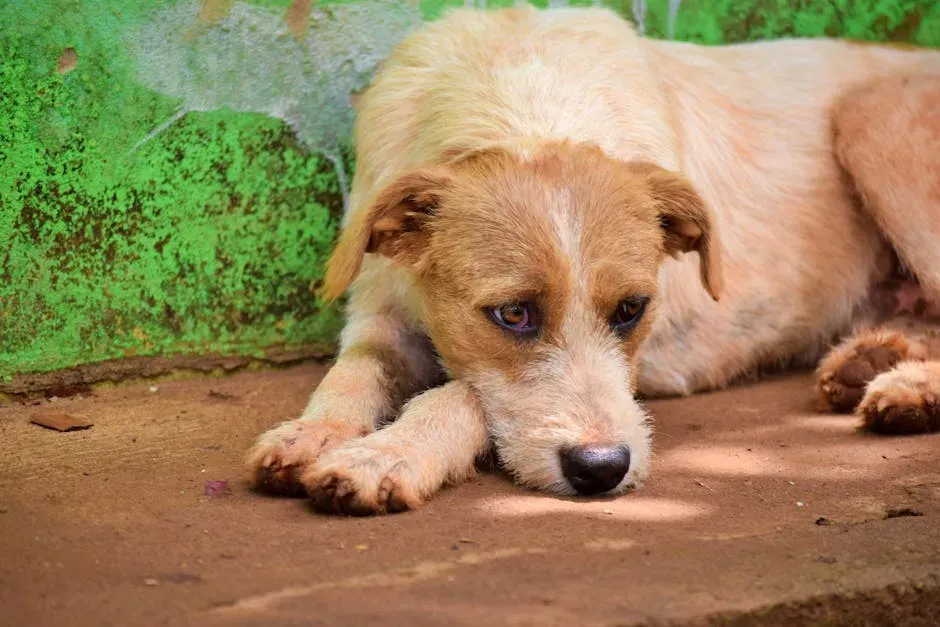
Abandoned pets are very different from feral animals. While feral animals are born and raised without human care, abandoned pets have lived with people and relied on them for food, shelter, and safety. When left to fend for themselves, they are often confused, frightened, and unequipped to survive on their own. Unlike feral animals, they lack the skills to find reliable food, protect themselves from danger, or cope with extreme weather.
The unknown of what happened to their family and what will happen to them next is terrifying. Shelters are overwhelming environments for any dog, but especially so for abandoned dogs already under severe stress. Even after being adopted into a new home, abandoned dogs often struggle with anxiety and fear as they continue to experience the emotional trauma. The world has simply become unsafe, and everything unfamiliar feels like a potential threat.
#8: Loss of Appetite and Physical Decline

A pet that has known human companionship will feel deep confusion, distress, and fear when suddenly left alone. Studies show animals exhibit grief-like responses including withdrawal, loss of appetite, disrupted sleep, and depression-like behaviour. These aren’t minor inconveniences. When a dog stops eating and sleeping properly, the physical consequences come fast.
An anxious dog can freeze or shut down, and the whole process can lead to depression. The dog doesn’t want to eat, doesn’t want to move, doesn’t want to do much of anything. It doesn’t want to engage and, consequently, removes itself from social interaction. At its worst, this kind of withdrawal can become a serious welfare crisis. The body and the mind feed each other in these dogs, and when the emotional state collapses, the physical condition follows.
#9: Impaired Cognitive Function and Memory

Behaviors such as lip-licking, paw-lifting, yawning, and body shaking are commonly used as stress indicators, but stress can also affect cognitive abilities such as impaired memory performance, attention, and problem-solving skills. This is a side of abandonment that rarely gets discussed. The emotional trauma doesn’t just change how a dog feels. It changes how a dog thinks.
Research has indicated that shelter dogs had the shortest eye-contact duration in both an eye-contact test and an unsolvable problem task. A dog’s ability to focus, learn, and engage is directly connected to its emotional safety. When that safety is stripped away, everything from following commands to solving simple tasks becomes harder. The dog isn’t being stubborn. It’s overwhelmed.
#10: A Desperate, Unrelenting Need to Wait

Dogs have the same hormone, oxytocin, that stimulates feelings of love, but with the mental capabilities of a two-and-a-half-year-old child. This could explain why dogs lie on the graves of lost guardians, as a child this age has limited awareness about the finality of death. Put plainly, an abandoned dog may simply not understand that their owner isn’t coming back. They wait. Sometimes for a very long time.
When a dog is put out of a car and left on the side of the road, it goes through various stages of grief, wondering if their owner is coming back. What follows are feelings of despair and detachment as the dog that once had a home tries to understand. That waiting period, lived out on a street corner or in a shelter kennel, is one of the most quietly devastating things an animal can experience. Loyalty with no recipient.
#11: Lasting Trauma That Follows Them Forward

Scientists agree that dogs feel love for their human companions; when dogs are abandoned, they are left with a psychological trauma that can never fully heal. That’s not a dramatic claim from an animal advocacy group. That’s the consensus from behavioral science. The experience of abandonment leaves a permanent imprint on how a dog perceives the world and the people in it.
Abandonment and bond disruption represent a strongly traumatic experience for a dog as they imply a radical change in the dog’s environmental and social conditions. For some dogs, the negative feelings and confusion can last weeks or months. Others may struggle with the emotional impact for years. Much depends on the dog’s resilience and the care they receive after abandonment. Every dog carries their history with them. Some carry it quietly. Others can’t stop carrying it at all.
#12: A Fragile, Tentative Hope for Something Better
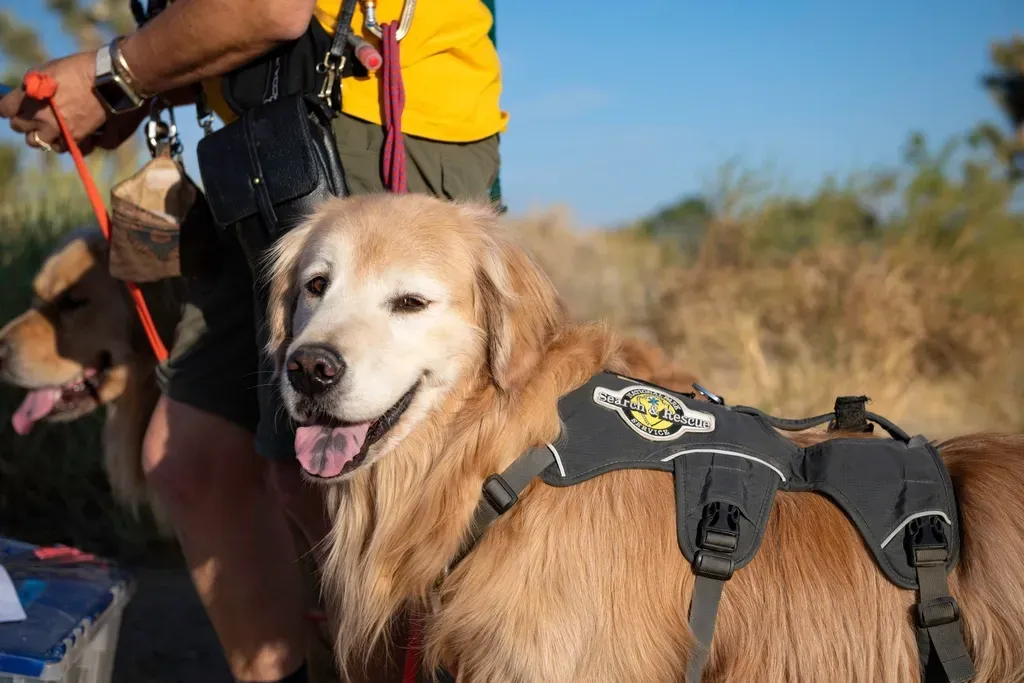
With time, patience, training, and unconditional love, an abandoned dog can once again feel safe, comfortable, and bonded with a new family. The old painful memories may always linger, but new happy memories can help override their past hurt and trauma. There’s a reason rescue dogs are so fiercely devoted. They’ve known the alternative.
Research has found that owners of rehomed dogs reported a higher emotional closeness to their dogs than owners of control dogs. Despite the observed short-term effects during the rehoming procedure, rehomed dogs can adapt to their new life and develop a strong relationship with their owner. The capacity to love again, after everything, is perhaps the most extraordinary thing about these animals. They don’t give up on people, even when people gave up on them.
Final Thoughts: What We Owe Them
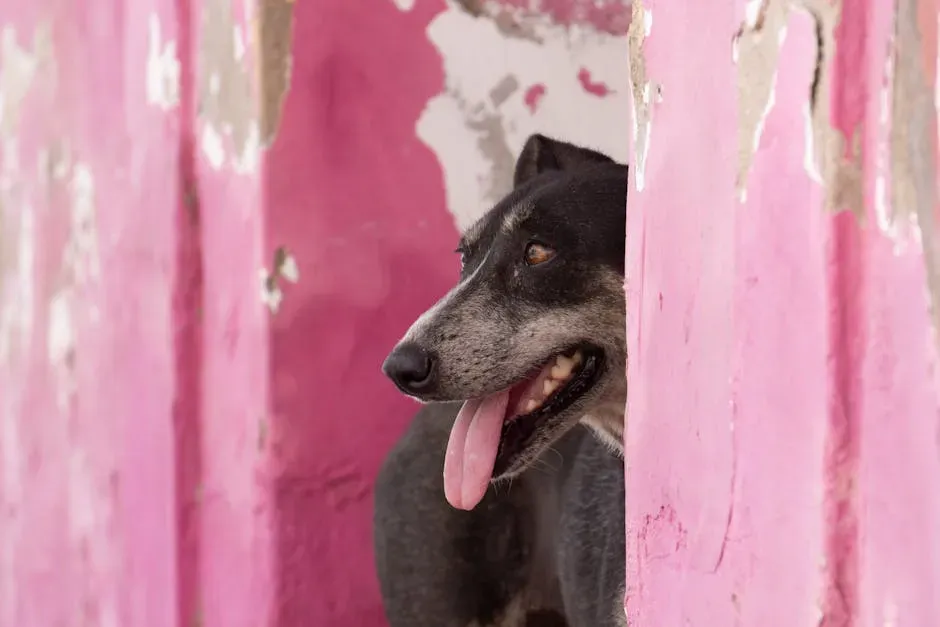
The list above isn’t meant to induce guilt for its own sake. It’s meant to make the invisible visible. When a dog is abandoned, there’s no dramatic scene that most people ever witness. There’s just a dog, somewhere, trying to make sense of a world that no longer makes sense.
The scientific community agrees that dogs mirror the stress level of their owners, which makes abandonment all the more devastating for these animals. They are built for connection. Wired for it. Abandonment doesn’t just remove their home. It removes the entire foundation of how they understand their existence.
If there’s one thing the science consistently shows, it’s that dogs are resilient, but they shouldn’t have to be. They deserve better than the endurance test abandonment forces them into. The least we can do is look honestly at what they feel, because they have no voice to tell us themselves. That quiet, waiting, hopeful loyalty they offer? It deserves to be honored, not discarded on a roadside.


