
12 Reads a Dog Makes on a Room Before Anybody in It Has Spoken
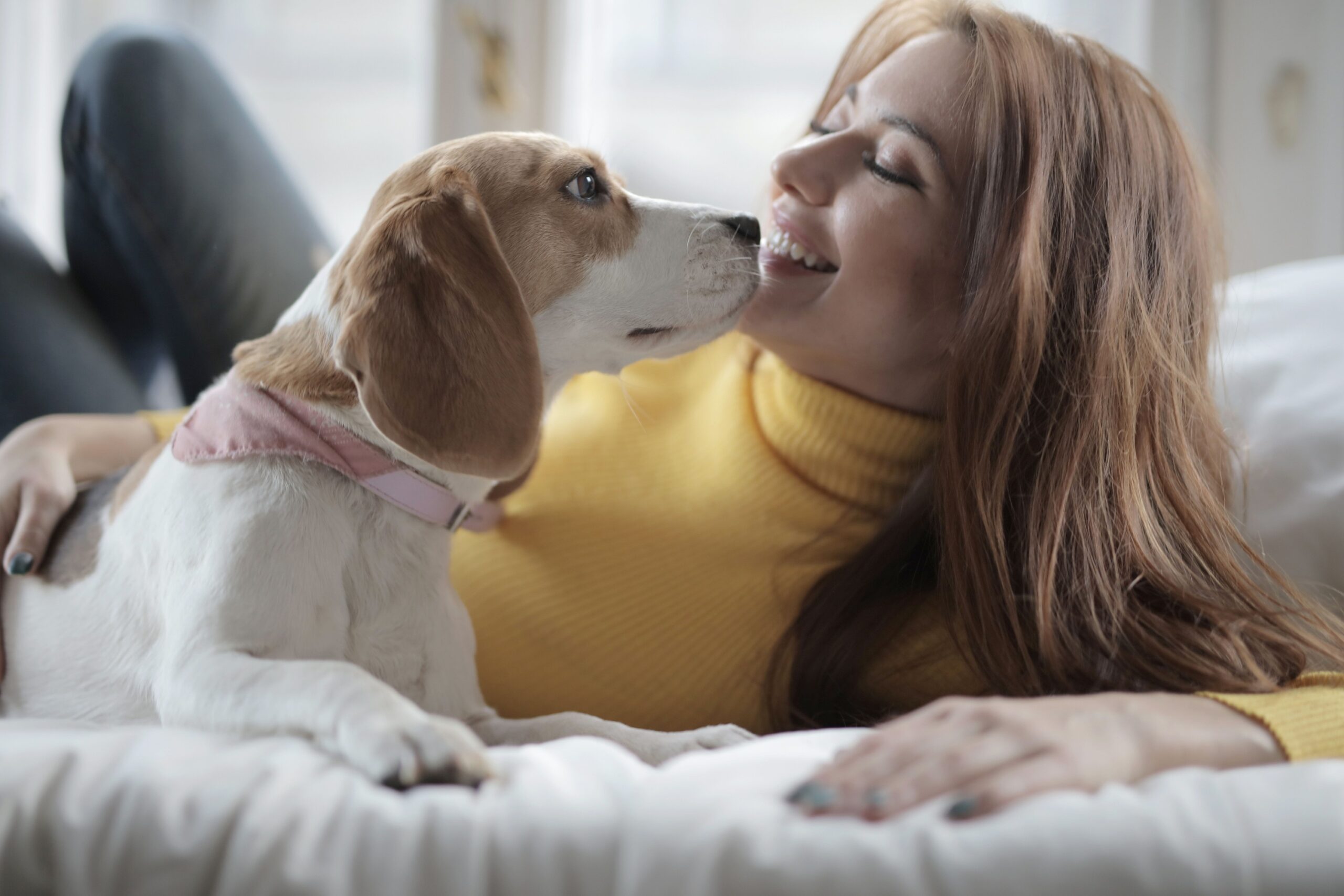
Your dog walks into a room and everyone assumes it’s just vibes – a tail wag, a sniff, maybe a slow lap before flopping by the couch. But dog behaviorists call it something else: reconnaissance. In the ten seconds before you say a single word, your dog has already scanned the exits, sized up who’s really steering the room, and clocked exactly which version of you just walked through that door.
That’s not a cute quirk. It’s a full diagnostic, and most of us miss every second of it. Here are the 12 silent reads your dog runs before anyone opens their mouth – and once you see them, you’ll never watch your dog “just walk in” the same way again.
#1 – “Is This Space Safe… Or Do I Need an Escape Route?”
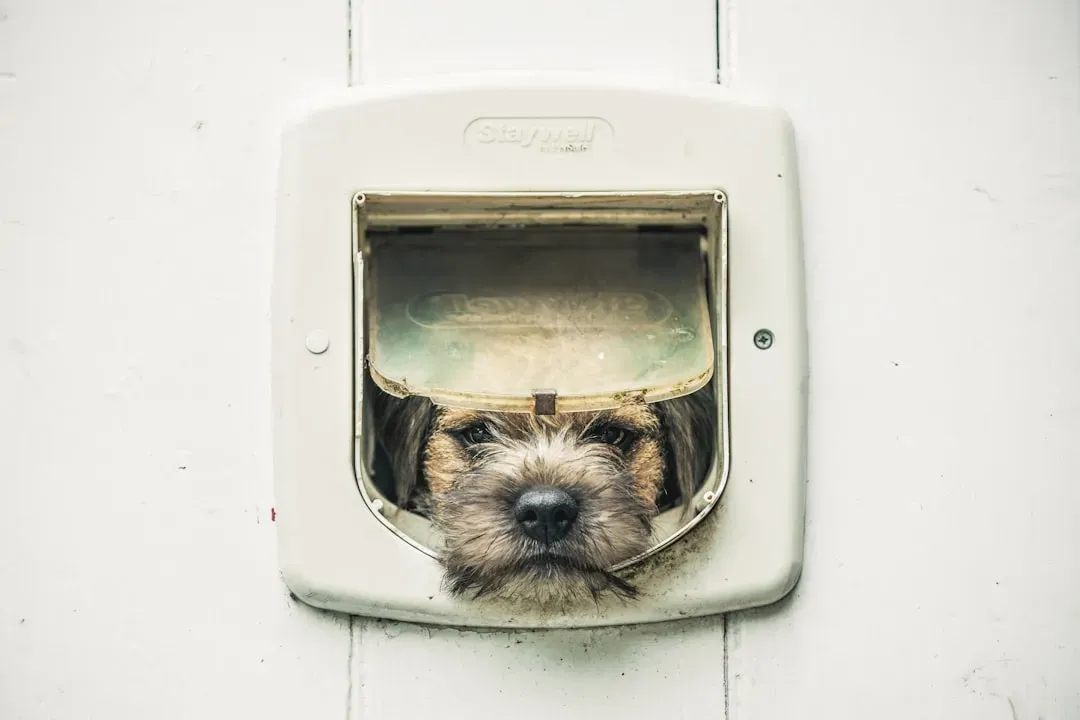
The first thing most dogs do isn’t say hi – it’s locate the exits. That casual glance at the doorway, the quick trot around the coffee table, the pause by the hallway? That’s a safety audit. In the wild, a dog that doesn’t know how to leave quickly doesn’t live long, and that survival script doesn’t switch off just because you have throw pillows and Wi-Fi.
Watch how your dog enters an unfamiliar living room. Many will skim the perimeter instead of walking straight to the center, and check door gaps, stairs, and archways before greeting anyone. A confident dog does a loose, easy lap, like someone clocking the fire exits at a concert without panicking. A more sensitive dog hugs walls and keeps one eye on the door. Before a single word is spoken, your dog has already answered the only question that matters to them: if this goes sideways, can I get out?
At a Glance
- Confident dogs often complete a loose, full loop of an unfamiliar room within the first 10-15 seconds.
- Nervous dogs tend to hug the walls, keeping their body angled toward the nearest doorway the entire time.
- Dogs typically see somewhere around 250 to 270 degrees around them, compared to roughly 180 degrees for people – a built-in wide-angle scan for exits and threats.
- A tucked tail paired with a lowered head usually means the room hasn’t been cleared as “safe” yet in your dog’s mind.
#2 – “Who’s Actually in Charge Here?”
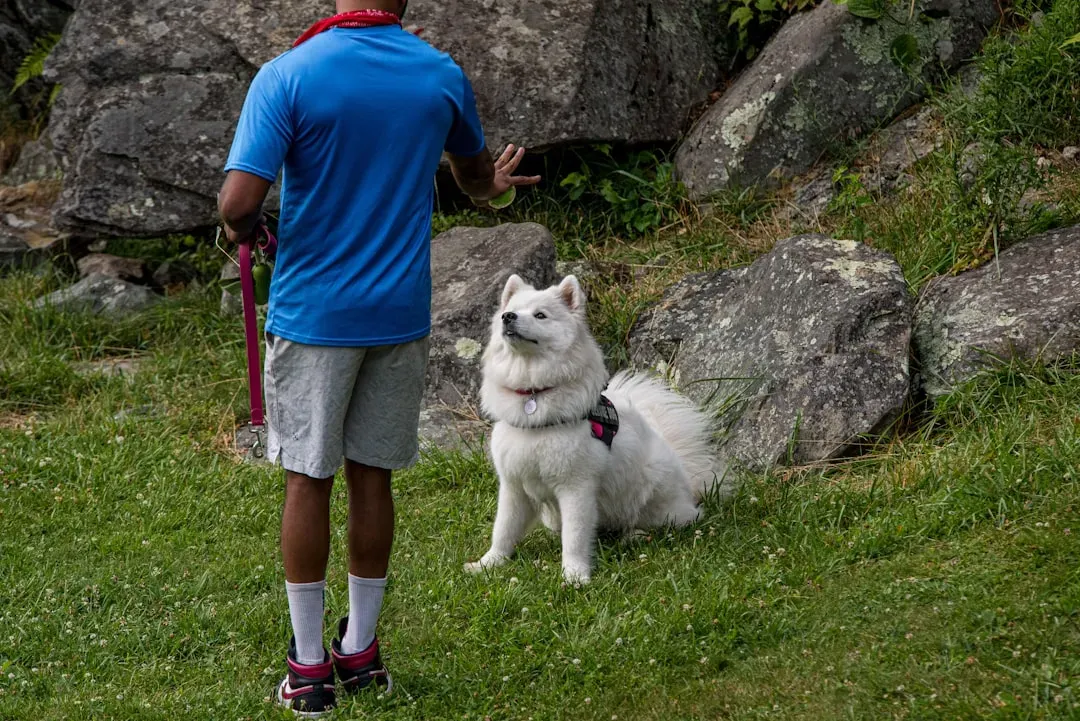
Long before anyone opens their mouth, most dogs are quietly sorting the room into leaders, followers, and wild cards. It’s not about dominance myths – it’s about predictability. Dogs gravitate toward whoever feels most stable and least chaotic, not whoever is loudest.
A slouch on the couch, a stiff jaw, the way someone plants their feet – your dog reads that like a résumé. You’ll see dogs walk right past the person squealing their name and park themselves near the calm, upright human who hasn’t made eye contact yet. That’s not rudeness, it’s strategy. Trainers quietly note that dogs often default to whoever gives the clearest, most consistent signals, which is exactly why some dogs “only listen to the quiet one.” It isn’t magic. It’s structure, decided before a syllable is spoken.
#3 – “Who’s Tense, Who’s Hiding It, and Who Might Explode?”
Here’s where it gets uncomfortable: your dog is better at spotting tension than most adults in therapy. Before a word is said, they’re scanning tight shoulders, shallow breathing, and frozen smiles. Dogs pick up on rising stress hormones and muscle tension faster than we consciously can, and they react to a room’s mood long before anyone admits something is wrong.
Put a dog in a room where two people just argued and fell silent, and you’ll see it. Many pace, shake off, yawn more, or hover by a doorway instead of the middle of the room. Sensitive dogs become “hall monitors,” wedging themselves between people who look neutral but feel stiff and glaring inside. Meanwhile, the loud, bouncy uncle on the couch might actually feel safer to them than the quiet person with the locked jaw. This is why some dogs “act out” minutes before an argument blows up – they clocked the simmering tension long before it broke the surface.
#4 – “What Story Do the Smells Tell?”

Before eyes, before ears, there’s nose. Dogs step into a room and walk straight into an invisible biography – sweat, perfume, cleaning products, leftover food, trace adrenaline, all hitting at once. Your dog separates those layers the way you’d separate instruments in a song, and forms an opinion before anyone speaks.
You’ll see the deep inhale near a coat pile, the slow sniff along the baseboards, the pause where another pet usually lies. To a dog, the couch smells like who usually sits there, the floor smells like how long ago someone was upset, and the doorframe smells like how often strangers come and go. Science is still cautious about whether dogs literally smell emotions, but there’s solid evidence they react to shifts in human body odor tied to stress and happiness. So that lingering smell of stress sweat from an hour ago? Your dog may still be responding to it, even while everyone in the room looks perfectly calm.
#5 – “Where Are the Invisible Traffic Lanes and Traps?”
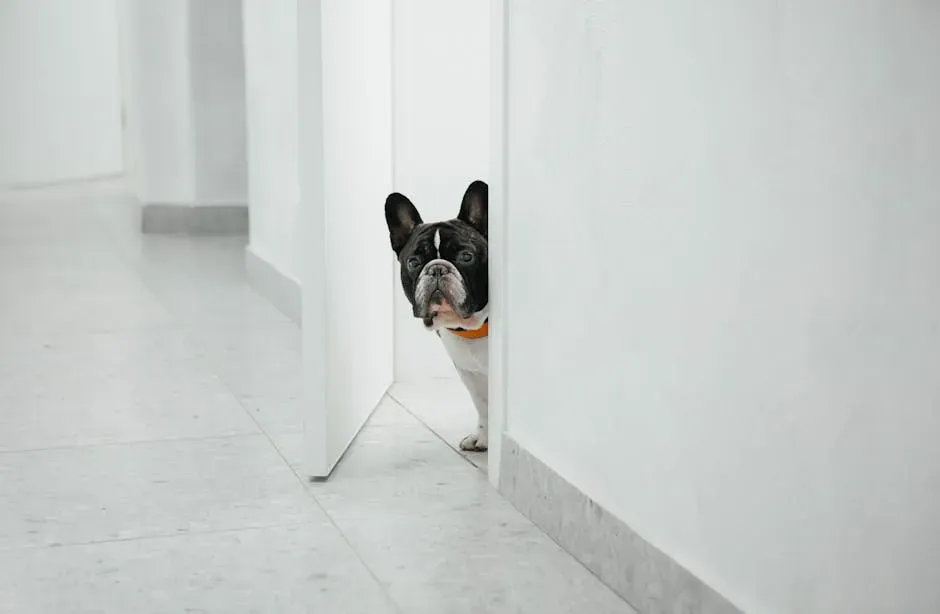
Most humans only notice furniture. Dogs notice paths. Before anyone talks, your dog is mapping how bodies will move through the space, calculating where they can pass without getting cornered or stepped on, and where the choke points are – doorways, narrow hallways, the gap between the coffee table and the couch.
Notice how many dogs refuse to lie in the middle of a busy living room, even on the softest rug spot. Instead they curl against a wall, tuck under a side table, or settle just off the main path with their back to furniture and face toward the openings. That’s not comfort-seeking, it’s tactics – a full view of who’s coming, plus a clean exit. Dogs who’ve been grabbed or crowded in tight spaces get especially strategic about this, avoiding thresholds altogether or crossing them fast. Long before hello, your dog has already sorted the room into easy flow and potential trap.
#6 – “Who’s New, Who’s Familiar, and Who’s ‘Off’ Today?”
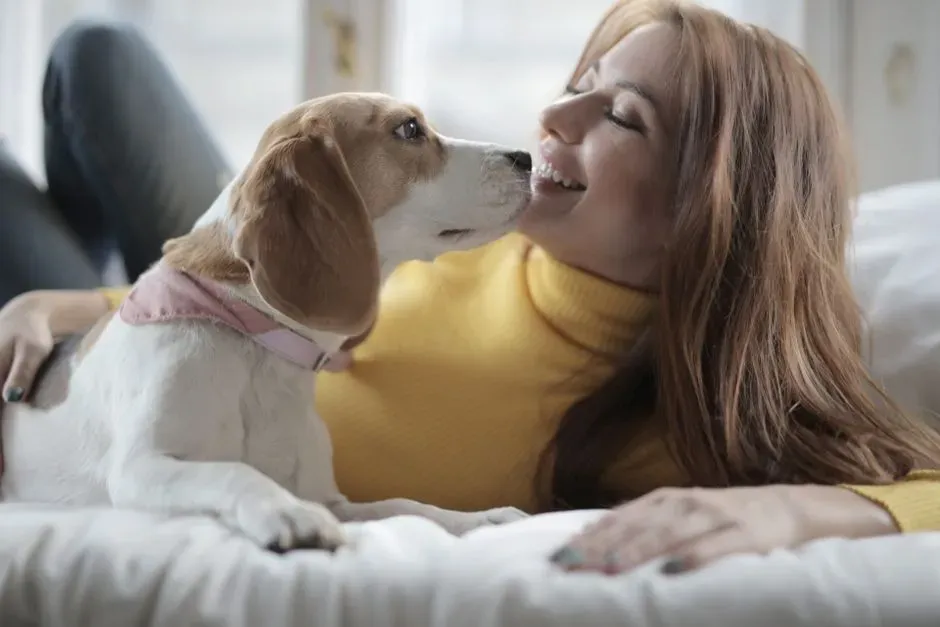
Even in total silence, your dog is running facial recognition and vibe-matching. They know who belongs, who’s a stranger, and – this is the part people resist – who’s familiar but not quite themselves today. Dogs notice when your posture, gait, or scent shifts even slightly from the norm, and they clock it before you ever say “I’m fine.”
Watch how your dog greets regular guests. Some get an instant happy sprint; others get a slower approach with extra sniffing, even though your dog clearly knows them. That hesitation is a data check – comparing today’s version of that person against the one stored in memory. This is why some dogs get clingy with a sick or grieving person before any diagnosis is spoken aloud, and why others quietly avoid someone whose energy keeps spiking unpredictably. It sounds mystical. It’s actually just pattern recognition, and you are the pattern.
#7 – “Is This a Play Zone, a Rest Zone, or a Trouble Zone?”
Without a word spoken, dogs tag every room with a purpose. Is this where fun happens, where naps happen, or where drama tends to live? Dogs form strong context associations, and the room itself becomes a cue – meaning the exact same people can feel completely different depending on which space they’re standing in.
A dog can be silly and loose in the backyard, then walk into the dining room, lower their head, and tread carefully, simply because that’s where they got scolded once before. Owners often assume “he just hates this room,” when really the dog has linked that space with a predictable emotional pattern – yelling, tension, or boredom. Before any words are spoken today, your dog has already decided which version of themselves this particular room usually asks them to be.
Quick Compare
- Play Zone: loose body, bouncy steps, quick sniff-and-move energy toward toys or open floor.
- Rest Zone: slower entrance, a circle or two before lying down, a long settling exhale.
- Trouble Zone: lowered head, careful stepping, hovering near the doorway instead of walking all the way in.
#8 – “Where Are the Rules… and Where Are the Loopholes?”
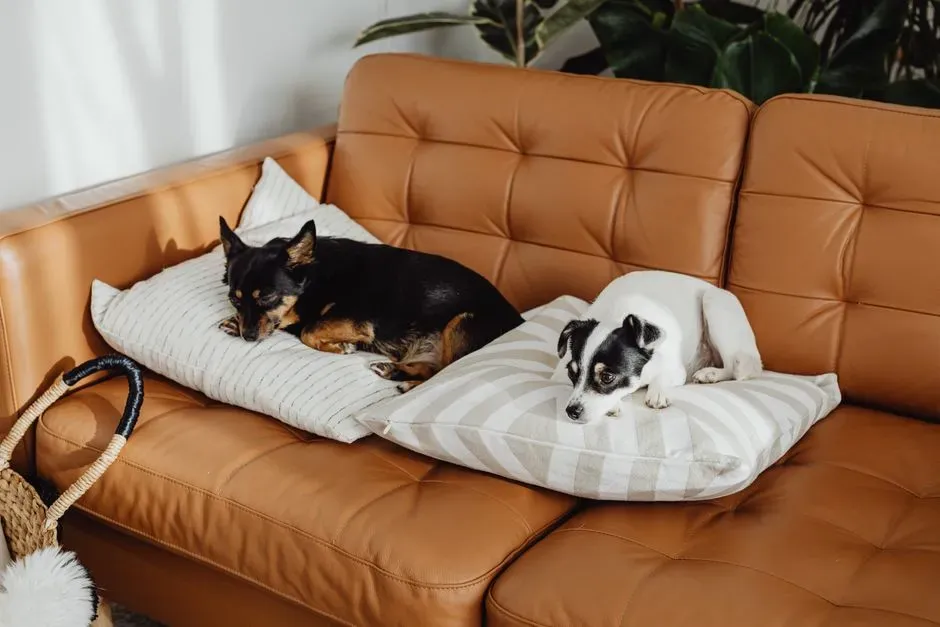
Humans talk about rules. Dogs study enforcement. In the quiet before anyone speaks, your dog is remembering exactly where they’ve gotten away with things and where the lines get drawn fast – the couch they’re “not allowed on” but everyone lets slide at night, the kitchen they always get shooed out of at dinnertime.
You’ll see dogs test these invisible maps, planting just their front paws over a line or hovering their nose an inch from the coffee table without daring to grab. Different rooms carry different moral codes in a dog’s mind: Grandma’s house is the land of dropped snacks and zero enforcement, the home office is a no-nonsense zone where you’re ignored on sight. The dog adjusts instantly, before a syllable is spoken, because the walls themselves carry a history of consequences. They’re not confused between rooms – they’re pragmatic.
#9 – “What’s the Emotional Center of Gravity in Here?”
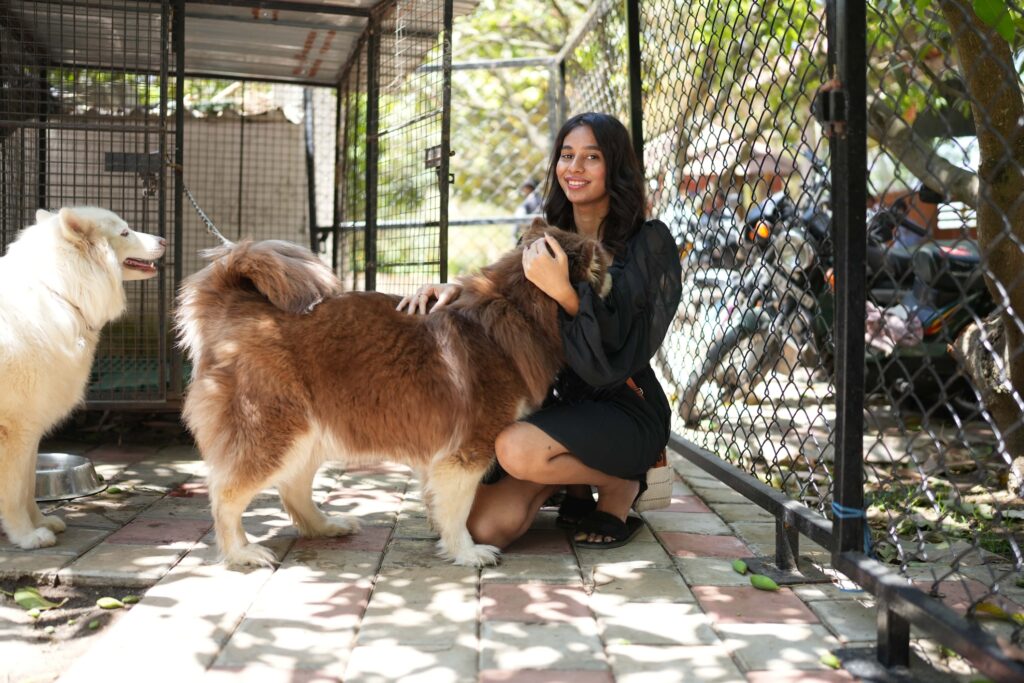
Every room has a person or a spot that everything else seems to orbit, and your dog feels it instantly. Dogs are drawn to whoever most strongly shapes a room’s mood, even if that person is barely moving – sometimes the loud storyteller, sometimes the quiet one scrolling their phone in the corner.
Watch where your dog settles when a group goes quiet. Anxious dogs tend to plant themselves under one specific person’s legs, usually their primary caregiver. More independent dogs pick a spot with the broadest view of everyone, like the corner opposite the couch – a vantage point on the room’s emotional weather, not just a comfy patch of floor. This is also why some dogs get up and relocate the second someone new walks in without saying a word: the center of gravity just shifted, and the dog wants a new angle on it.
#10 – “How Much Do I Need to Manage You Right Now?”
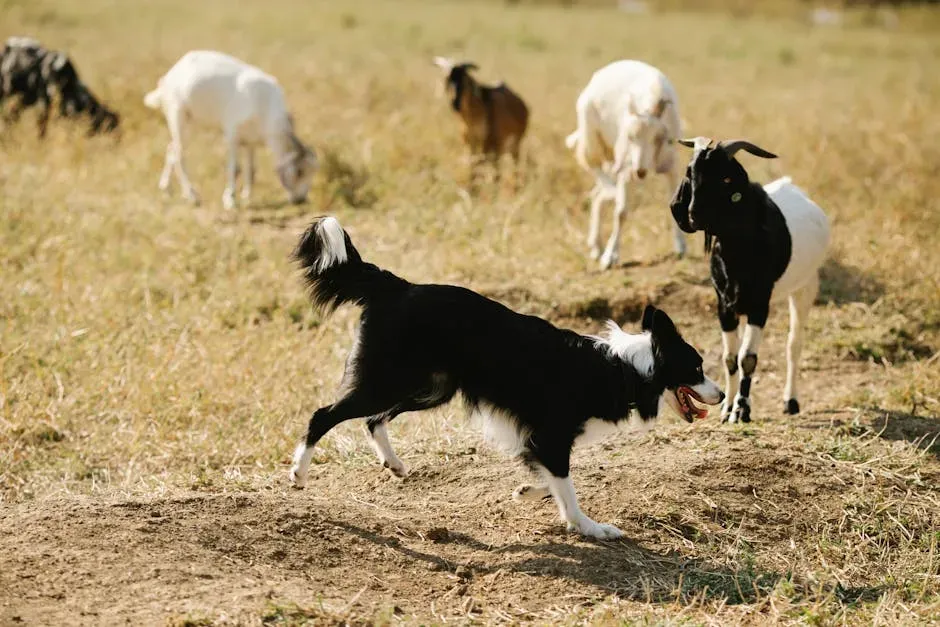
Here’s the part dog people love to deny: a lot of dogs see themselves as emotional managers. Before anyone has spoken, they’re already deciding how much babysitting this room needs. Are the kids amped up? Is one adult shut down? Is there a guest who moves unpredictably? Your dog’s job description shifts on the fly, and nobody hired them for it.
Look for the patrol patterns – more pacing when kids are wild, a full flop when it’s just calm adults, planting themselves between a guest and the kitchen when things feel intense. Herding breeds, guardian types, and sensitive mixes especially treat any room with raised stakes as something to supervise. People sometimes call it jealousy when a dog wedges between two people hugging, but from the dog’s side, they’re intervening in a high-energy exchange they don’t fully understand. That judgment call happens before a single word hits the air.
#11 – “What’s Mine, What’s Off-Limits, and What’s Up for Grabs?”
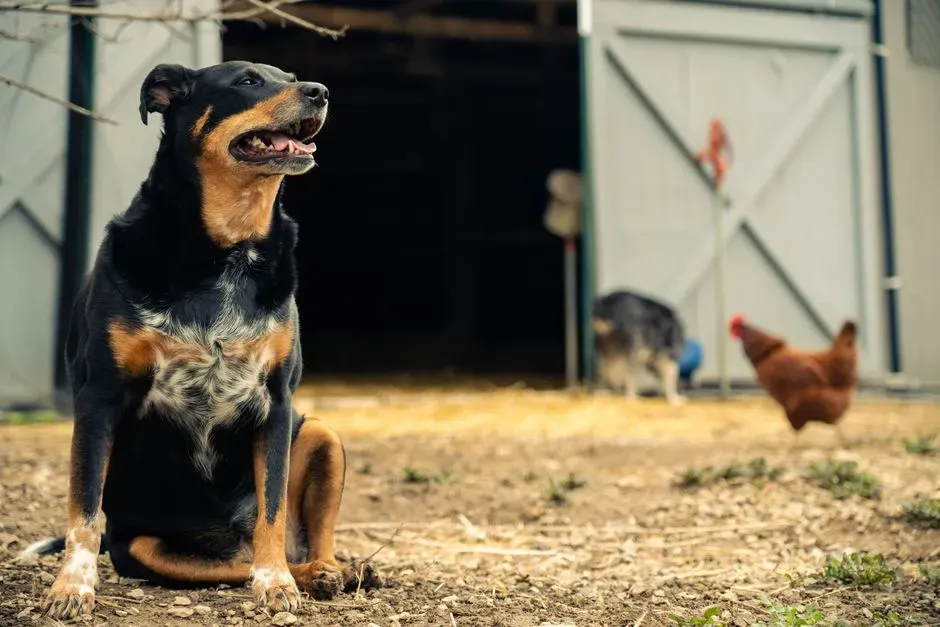
Even in silence, your dog is inventorying resources – food, toys, beds, human touch, even attention – and sorting each one into mine, shared, off-limits, or suddenly up for grabs. This isn’t greed. It’s survival math, because who controls what in this specific room changes how safe a dog feels standing in it.
Watch what happens with a guest’s bag on the floor, a kid’s snack on a low table, a favorite toy wedged under a chair. Secure dogs barely glance and move on; dogs with a history of scarcity or conflict hover, side-eye, or quietly place themselves between the resource and everyone else. If multiple dogs share the room, you’ll see even more silent recalculation – who backs off a bed, who takes the corner, who yields at the water bowl. This is where a lot of preventable bites start: humans ignore the early resource-guarding read because “no one said anything,” while the dog has been negotiating the room’s entire layout in silence.
Fast Facts
- The CDC estimates roughly 4.5 million dog bites happen in the U.S. every year.
- About 77% of biting dogs belong to the victim’s own family or a friend – not a stranger’s dog.
- Around 80% of dog bites happen inside private homes, not out on the street.
- Most of those bites trace back to a resource, space, or attention conflict the dog telegraphed silently well before it escalated.
#12 – “What Version of You Am I Getting Today?”
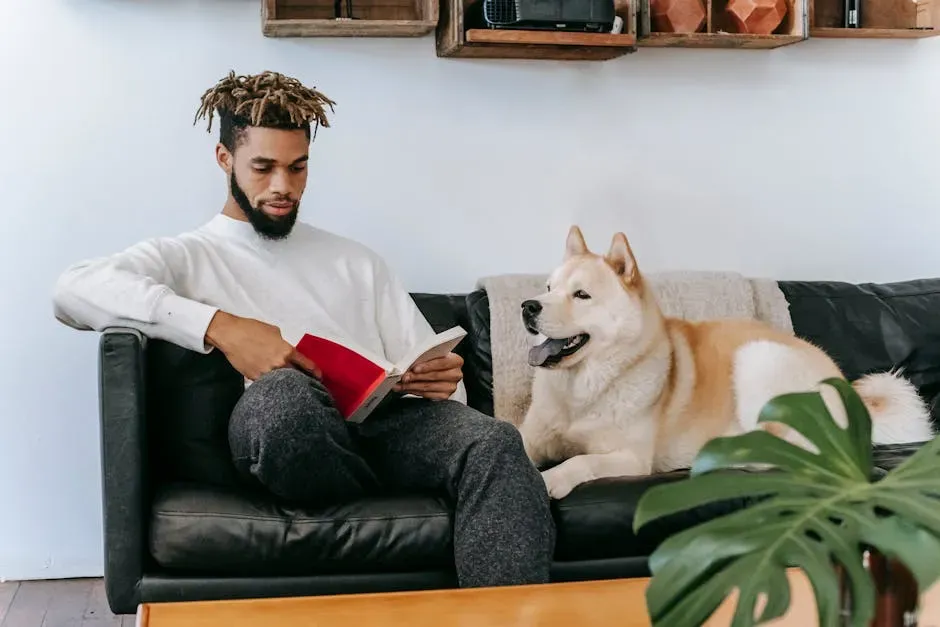
Here’s the most uncomfortable read of all: before anyone speaks, your dog is asking, are you the soft you, the distracted you, the angry you, or the numb you today? They don’t need words. They’ve been watching your patterns for years – the way you set your bag down, the speed of your walk, the slump in your shoulders is the only hello they need.
If you come in heavy-footed with your jaw tight and your eyes flat, some dogs will preemptively dial their own energy down and quietly move out of your way. Others rush in with exaggerated play bows and wiggling, trying to physically pull you back up. Neither reaction is random – it’s the product of thousands of micro-interactions that taught them which version of you needs comfort and which needs space. It’s why some dogs seem to avoid a grieving person at first; they’re not rejecting you, they’re unsure how to interface with an emotional profile they haven’t seen before. Before anyone in the room has spoken, your dog has already made their call on how to be with you today – and they’ll usually be more honest about your mood than you are.
The Bottom Line
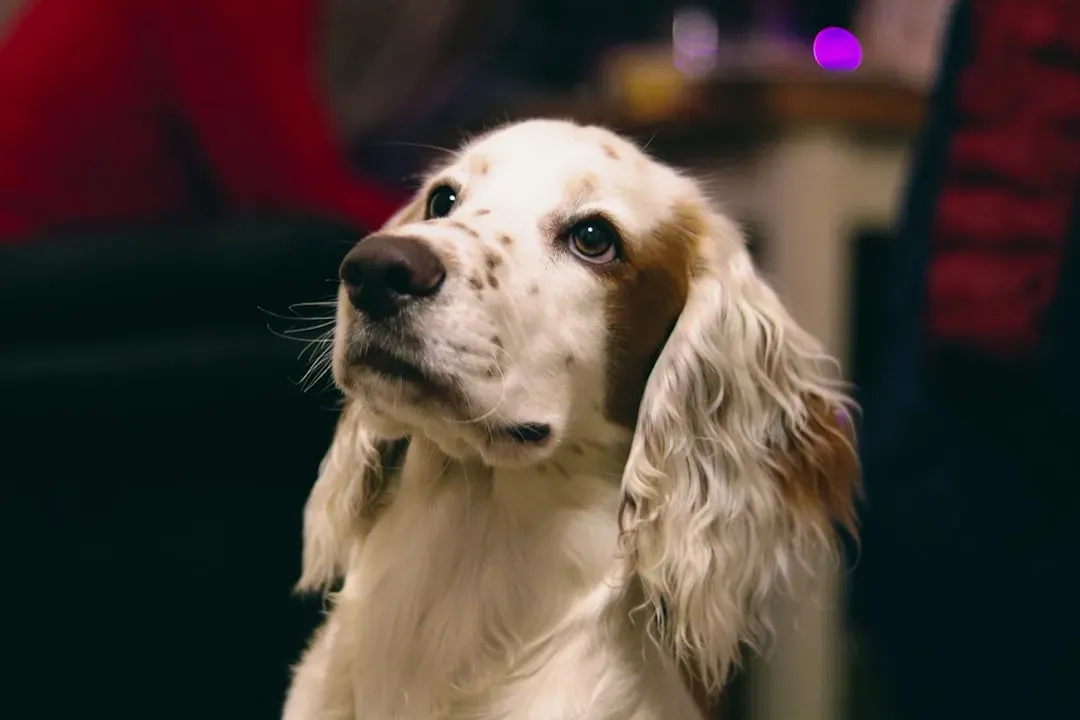
Dogs don’t just walk into a room. They run a full, silent investigation – exits, power dynamics, tension, scent stories, traffic lanes, emotional centers, and your own personal update – before a single word is spoken.
The most uncomfortable part isn’t the science. It’s how many owners still wave this off as “quirky behavior” instead of what it actually is: their dog doing fast, sophisticated social math that most humans never bothered to learn. If anything, it’s people who are socially clumsy compared to the average dog, not the other way around.
Your dog is listening to the room you actually live in, not the one you pretend you’re in. That makes a lot of people uncomfortable, which is exactly why it’s worth paying attention to. So be honest: when your dog steps into a room with you, what are they really reading – your words, or the stuff you hope no one notices?