
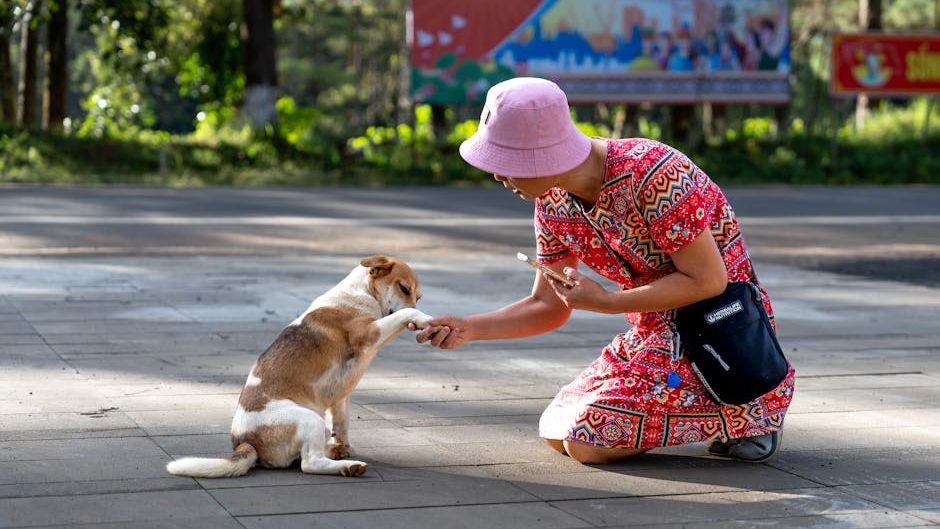
You walk through your front door after an ordinary day, and before you’ve even set down your bag, there’s that familiar blur of fur, the wagging that seems to involve the dog’s entire body, and the soft whine that sounds less like a greeting and more like relief. For a moment, it stops you. You think: does this dog actually love me, or is this just what dogs do?
The truth is more interesting than either answer. Psychologists believe that the relationship between human and canine is a bidirectional attachment bond, which resembles that of the typical human caretaker-infant relationship and shows all the usual hallmarks of a typical bond. Dogs aren’t just happy to see anyone who feeds them. They form deep, lasting preferences. They have a person. And there’s a very real chance that person is you.
Dogs possess what researchers term “hypersociability,” an enhanced ability to form social bonds that extends beyond their own species, developed through thousands of years of selective breeding and evolution alongside humans, which allows them to read human emotions, respond to social cues, and adapt their behavior to human needs. The signs they show us are not random. They’re deliberate, nuanced, and backed by science. Here are twelve of the clearest ones.
They Greet You Like You’ve Been Gone for a Year
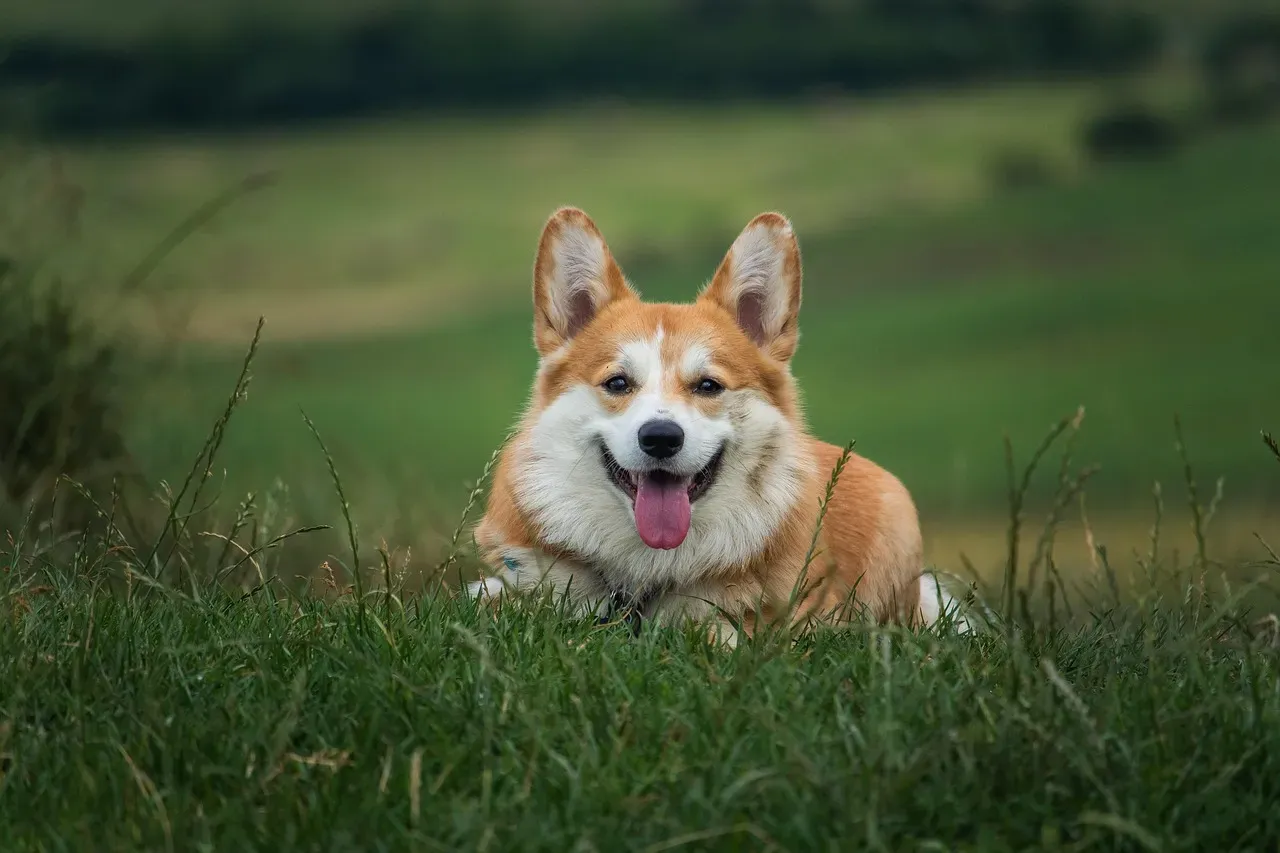
Most dog owners know the homecoming routine. The wiggle, the sprint to the door, the happy sounds. What’s worth paying attention to is the intensity of it, specifically whether your dog reserves that full-body celebration for you. If your dog beams with happiness when you come home or enter the room, it’s a sure sign they’re enchanted by you. Dogs display “extra excitement during greetings, like tail wagging, joyful vocalizing, and an overall heightened level of enthusiasm when that person walks into the room.”
A dog that loves you will show it when you walk back through the door, even if you were gone just briefly, and “this could show up as a little wiggle from nose to tail, circling of your legs or giving a little squeak or grunt reserved only for their favorite human.” Take notice if this reaction is distinctly different when other family members arrive home. That contrast is the real signal. It tells you exactly where you sit in your dog’s world.
They Follow You From Room to Room
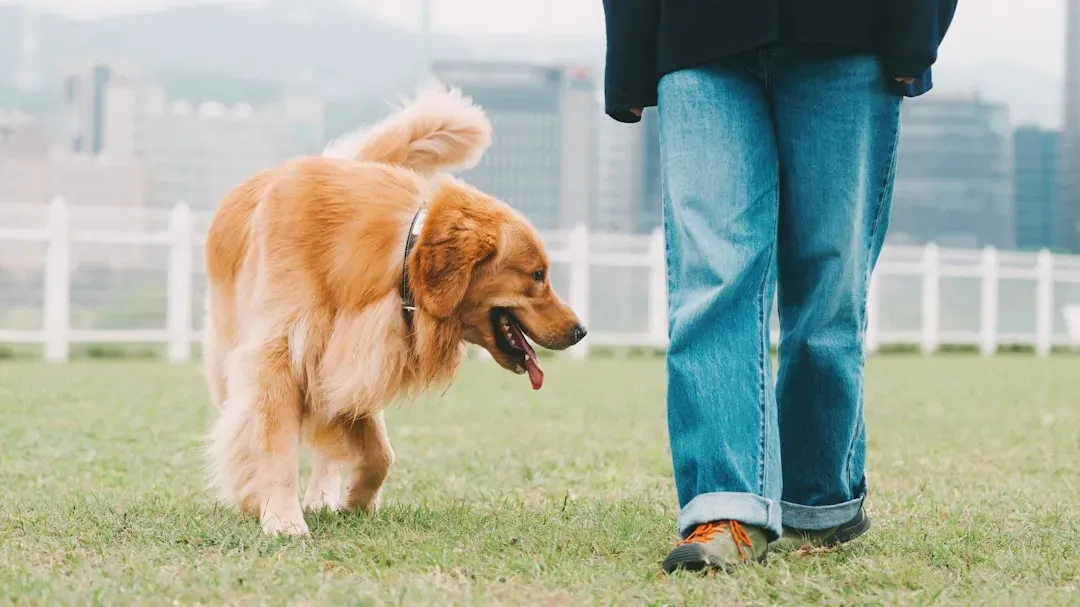
When your dog follows you from room to room, it shows they prefer your company over anything else. It’s their way of saying, “I want to be where you are,” and this strong bond indicates they feel safer and happier in your presence. Some people find this funny, others find it slightly inconvenient when they can’t visit the bathroom alone. Either way, it matters.
It’s important to keep in mind that being a “velcro dog” who enjoys your companionship is different from a dog with separation anxiety. Whereas velcro behavior has positive characteristics, such as licking and playing, separation anxiety has negative characteristics such as potty accidents and depression. If your dog trails you because they genuinely want to be near you and settles happily once you stop moving, that’s pure bonding behavior. It means they’ve chosen you as their anchor.
They Make Prolonged Soft Eye Contact With You
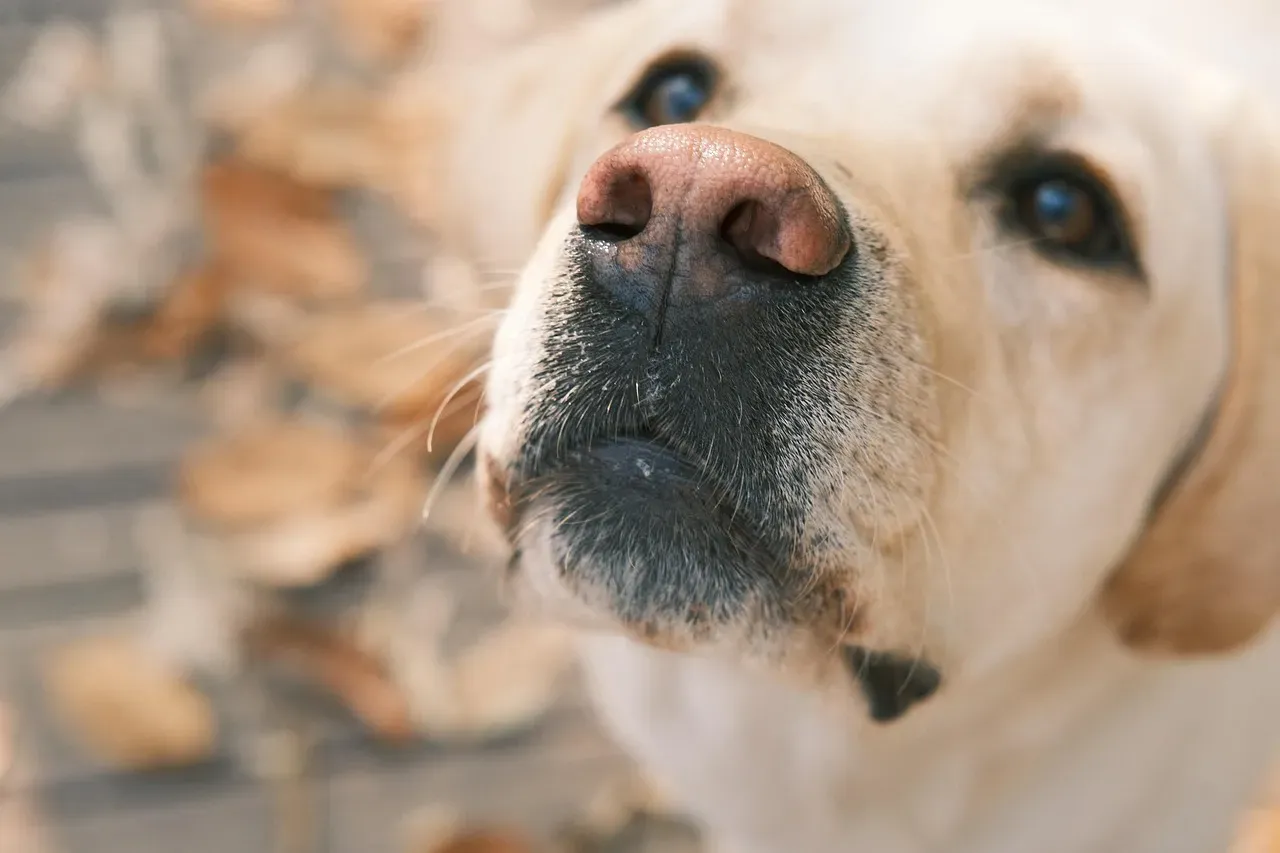
If your dog holds your gaze for several seconds in a relaxed way, it’s a strong sign of trust and attachment. And that’s because of oxytocin, the hormone well-studied in humans as linked to emotional closeness, and its presence is also a key indicator of bonding in your relationship with your dog. This is not the hard stare of a dog demanding a treat. It’s something softer, quieter.
Research found that mutual gazing increased oxytocin levels, while wolves, who rarely engage in eye contact with their human handlers, seem resistant to this effect. That distinction matters. Dogs evolved this specific ability to gaze at us as part of their bond with humans. Research has shown that mutual eye contact between dogs and their owners triggers the release of oxytocin, often called the “bonding hormone,” in both species, promoting feelings of attachment and trust, similar to the bond between parents and children. When your dog looks at you that way, chemistry is literally happening.
They Bring You Their Favorite Toy
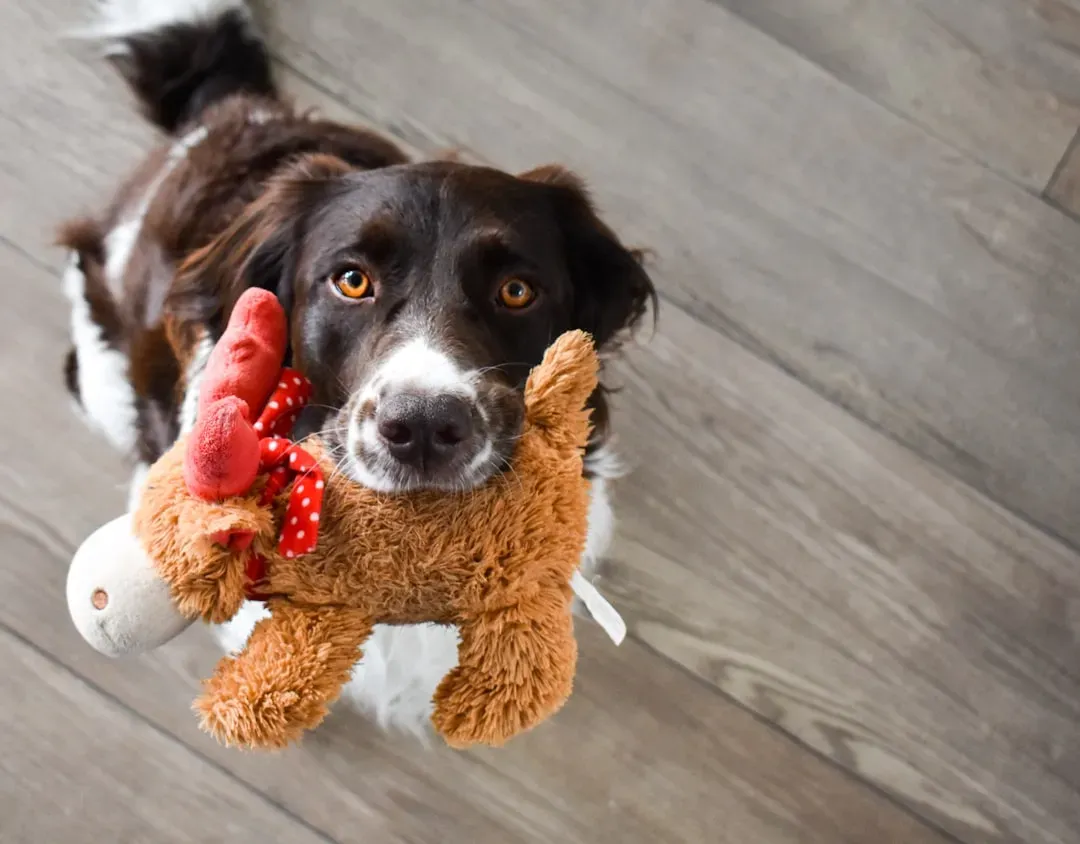
Dogs often bring their favorite toys to their favorite people. This action is a gesture of trust and love. Sharing their prized possessions signifies their willingness to share joy with you, as they associate these toys with positive experiences, and when they bring you a toy, it’s a heartfelt gesture of companionship. This isn’t the same as a dog dropping a ball to initiate a game, though that matters too.
Dogs don’t share their prized possessions with just anyone. Offering their toy to you reflects your importance to them. It’s their way of saying they value your company and want to share their joy. Think about what it means when a dog presents you with the one thing they treasure most. It’s an act of emotional generosity. They’re not trying to trade. They’re trying to include you in something that makes them happy.
They Seek You Out When Something Scares Them
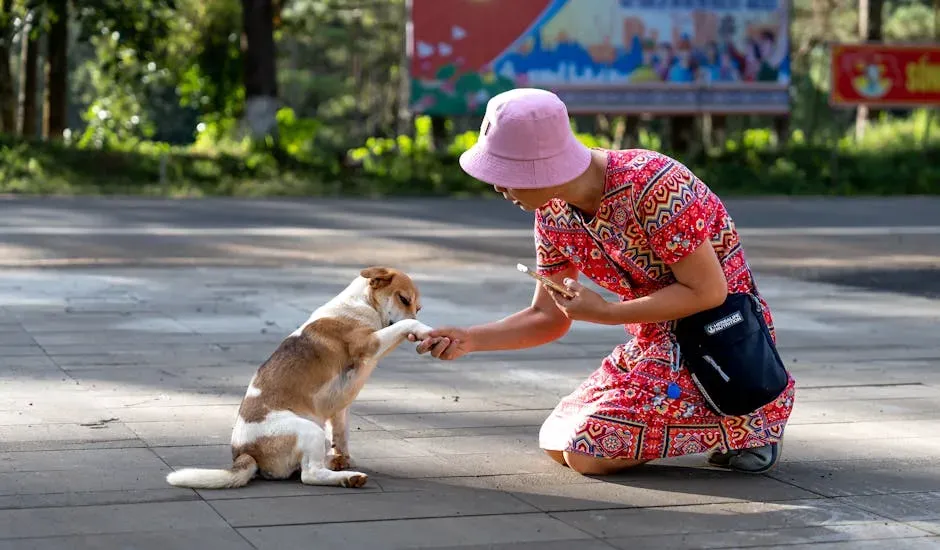
When dogs are unsure or overwhelmed, they go to the person who feels safest to seek reassurance. If your dog nudges your hand after hearing a strange noise or comes close when stressed, it shows they see you as their secure base. This is one of the most meaningful behavioral signs on this entire list, and it often goes unnoticed because it happens quickly.
One key behavior in the dog-human attachment bond is proximity seeking, where the animal will seek out the attachment figure as a means of coping with stress, and the presence of a human can also attenuate the effect of a stressful event, constituting the so-called safe haven effect of attachment theory. Thunderstorm, unfamiliar visitor, a strange sound outside: watch where your dog goes first. If your dog encounters something new or potentially scary, they will seek you out for reassurance and look to you for guidance and comfort. That tells you everything about how much they trust you.
They Check In With You During Off-Leash Time
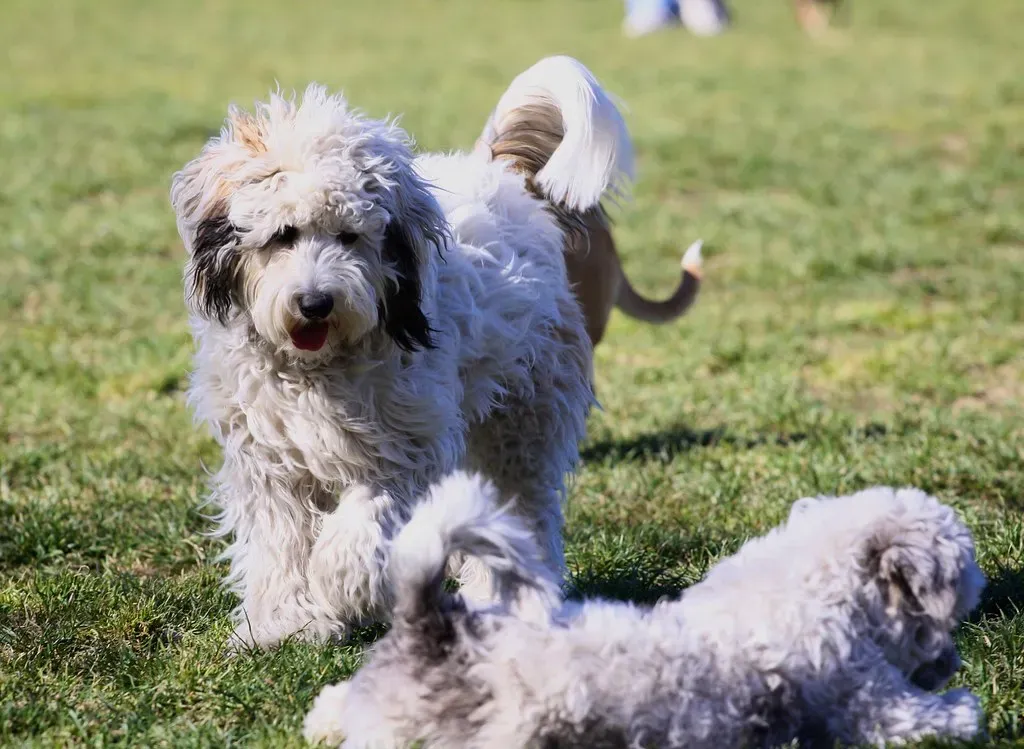
Give a dog a wide open field and watch what they do. They explore, they sniff, they wander. But a dog who will keep looping back. They glance your way, trot toward you briefly, then take off again. It looks casual. It isn’t. The “safe haven effect” describes when the canine more freely explores novel objects in the caretaker’s presence. You are the reference point that makes freedom feel safe.
A dog that naturally stays close even when off-leash sees you as their safe haven and primary pack leader. You’ll notice this most clearly if you compare your dog’s behavior around you versus other people they know. Around their person, their energy is freer. They range farther because they know exactly where home base is. That invisible tether between you and your dog is one of the purest expressions of canine trust.
They Lean Against You or Place a Paw on You
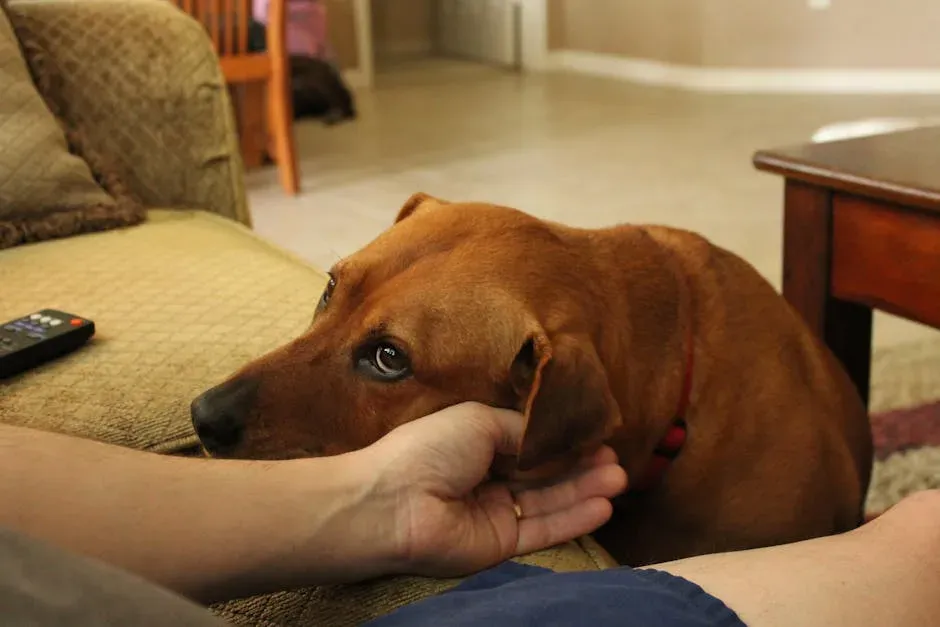
A dog that has imprinted on you will often want to be near you at all times, and may follow you from room to room and seek physical contact, such as leaning against you or placing a paw on your lap. The lean, in particular, is something many dog owners underestimate. It isn’t a dog demanding attention. It’s a dog making contact for comfort’s own sake.
Snuggling up to you or showing you vulnerable positions, such as laying on their backs so you can pet the belly, shows trust and comfort, and these signs of love can often be reserved for the favorite human of the house. Physical closeness is how dogs say things they have no words for. When your dog presses their weight into you or rests their chin on your knee, they’re not asking for anything. They’re just content to be touching you. That’s the whole message.
They Try to Comfort You When You’re Upset
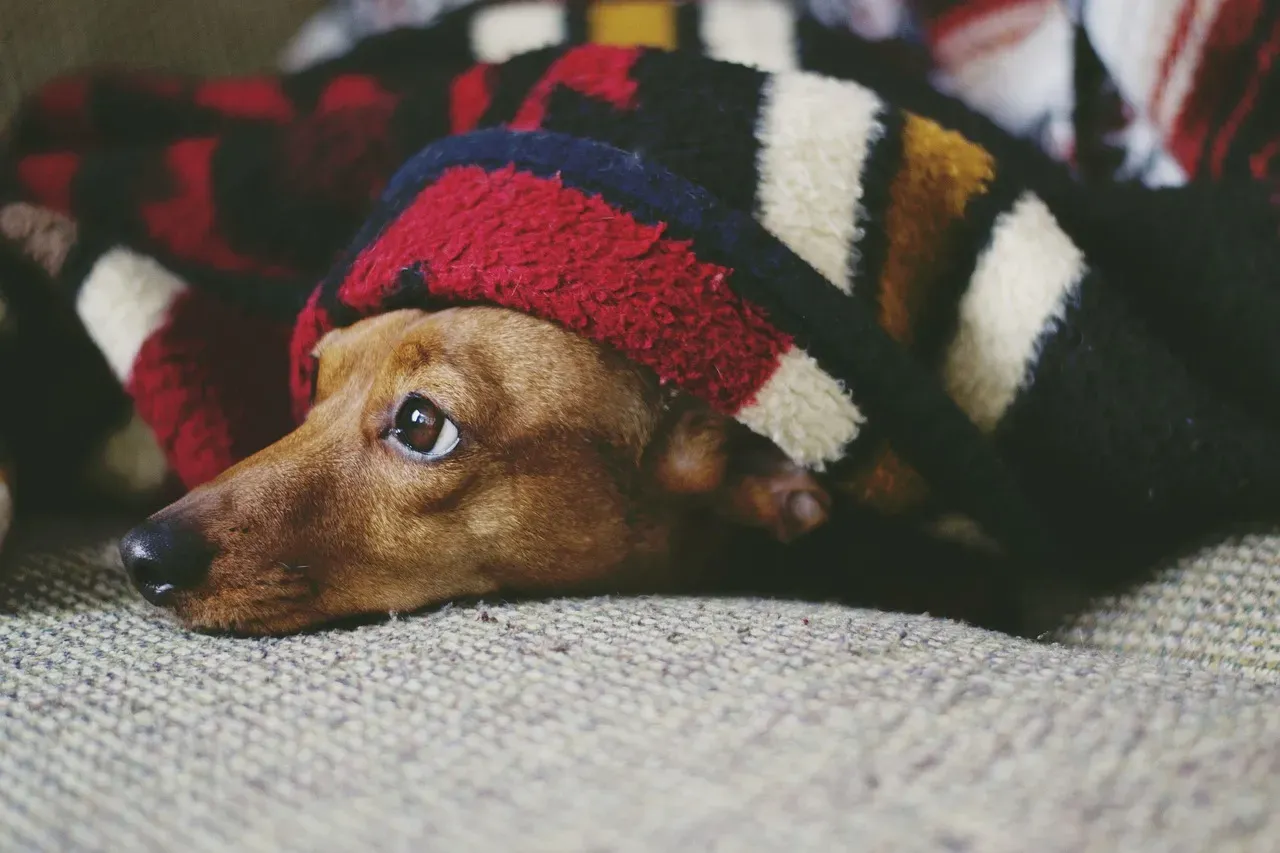
Dogs with strong emotional attachments will be very in tune with their pet parent’s emotions. They can pick up on feelings of anxiety or sadness and will try to provide comfort by nuzzling or licking your face. If you’ve ever cried and found your dog suddenly in your lap, seemingly out of nowhere, you know exactly what this looks like in practice. It’s not coincidence.
Dogs can read human emotions, respond to social cues, and adapt their behavior to human needs. They demonstrate emotional maturity similar to human toddlers and can distinguish human facial expressions, responding appropriately to different emotional states. This emotional intelligence allows dogs to provide comfort and companionship that feels genuinely responsive and caring. A dog who consistently shows up for you during low moments has developed a real emotional attunement to you specifically. That level of sensitivity is reserved for the people who matter most to them.
They Sleep Near You or Choose to Rest in Your Space
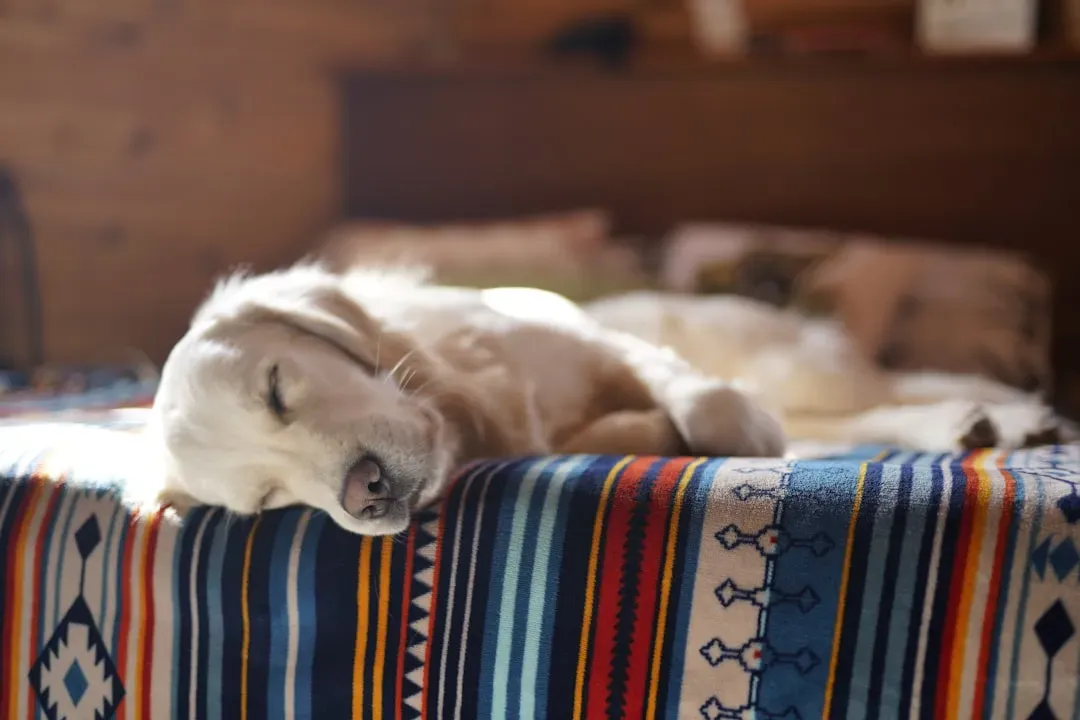
If your dog chooses to sleep with you or next to your bed, this means they see you as a trusted member of their pack. Sleep is a vulnerable state for any animal. A dog that willingly rests close to you, whether on the bed, curled at your feet, or just within arm’s reach, is making a quiet statement about how safe you make them feel.
Sleeping close to you, whether on the bed, couch, or curled nearby, is a vulnerable act that shows deep trust, because your dog feels safe with you when most defenseless during sleep. You can reinforce this bond by keeping a consistent bedtime routine and making sure your dog always has a comfortable, close sleeping spot. While sleeping with your dog can strengthen the bond, quality playtime, training sessions, walks, and cuddle time all contribute to a strong human-animal bond. It doesn’t have to be the bed. It just has to be near you.
They Mirror Your Yawns
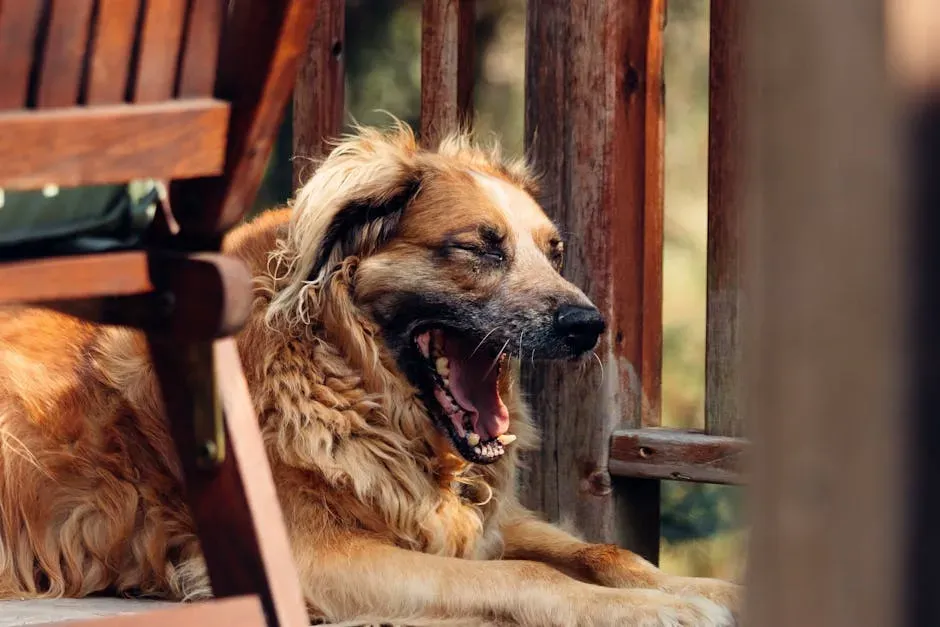
This one surprises a lot of people. A body of research shows that dogs are more likely to yawn when their owners do. It’s a phenomenon called contagious yawning, and you’ve probably even done it yourself. But here’s what makes it meaningful in the context of bonding: the response is stronger with people they know and trust.
Research from the University of Tokyo found that dogs were more likely to yawn after seeing their owners yawn, versus after watching a stranger yawn. This suggests that dogs are emotionally attuned to the people they’re bonded with, and may even experience a form of empathy. It’s a subtle sign, the kind you’d miss if you weren’t paying attention. But the next time you yawn and your dog follows suit a moment later, know that something real is happening between you. Catching your yawn doesn’t mean your dog is tired. It’s a subtle sign your dog loves you and, on some level, shares your emotional state.
They Listen and Respond to Your Voice Specifically
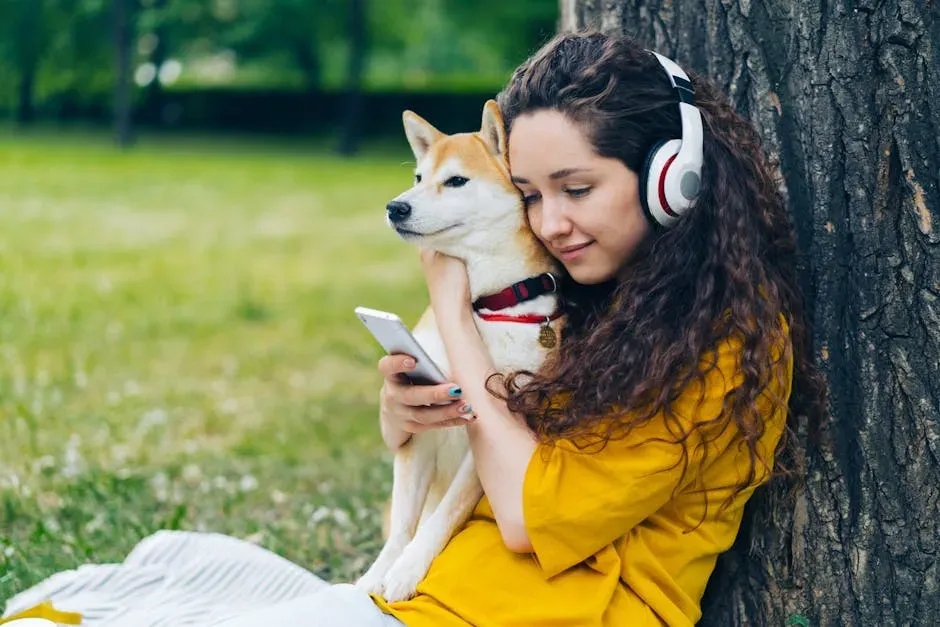
Dogs will perk up or respond when they hear your voice, due to your strong bond, indicating that they recognize and associate it with positive experiences. You might notice your dog’s ears shift, their head tilts, or they get to their feet the moment they hear you calling, even from another room, even in the middle of a nap. With strangers or less familiar people, that same response simply doesn’t happen.
Dogs are instinctual, and the person who trains them positively will often get the most attention from the dog. Proper training builds not only a strong bond, but respect for the human. Consistent, kind communication deepens this effect over time. Talking to your dog daily, using their name with warmth, and narrating your routines aloud might feel a little silly. It isn’t. It builds the kind of familiarity that makes your voice feel like home to your dog.
They Show Relaxed, Loose Body Language Specifically Around You
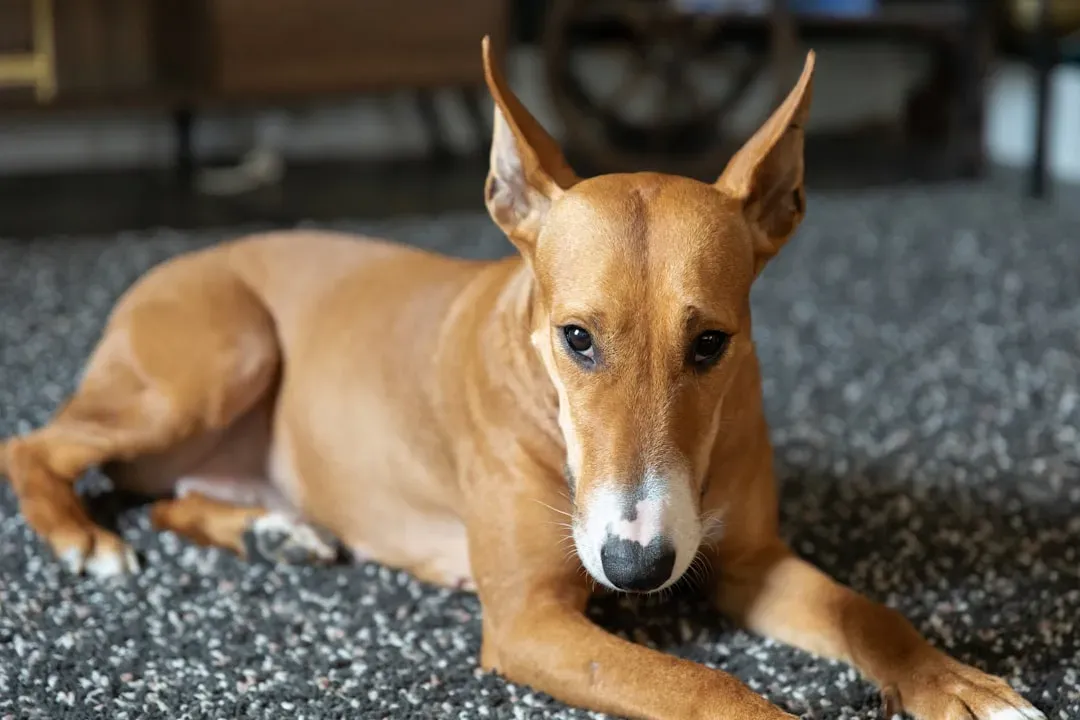
Your dog’s calm and happy body language is a clear indicator of their trust and comfort. When they’re relaxed, their body shows it. You’ll notice a gently wagging tail and soft, relaxed ears. This might seem obvious, but many dog owners don’t realize how carefully to look. A dog can appear fine around lots of people while still being noticeably more settled, more themselves, in the presence of their one person.
Dogs that have imprinted on you tend to be more relaxed and comfortable when you’re around, which can be observed in their body language, which will be loose and not tense. Watch your dog’s face and posture the next time you enter a room after they’ve been with others. Soft eyes, a loose jaw, a gentle wag, and an easy exhale tell you everything. Dogs often choose a favorite person who matches their own energy level and personality, so that visible calm around you may also reflect something deeper: you feel like a match to them.
Conclusion: You Earned This
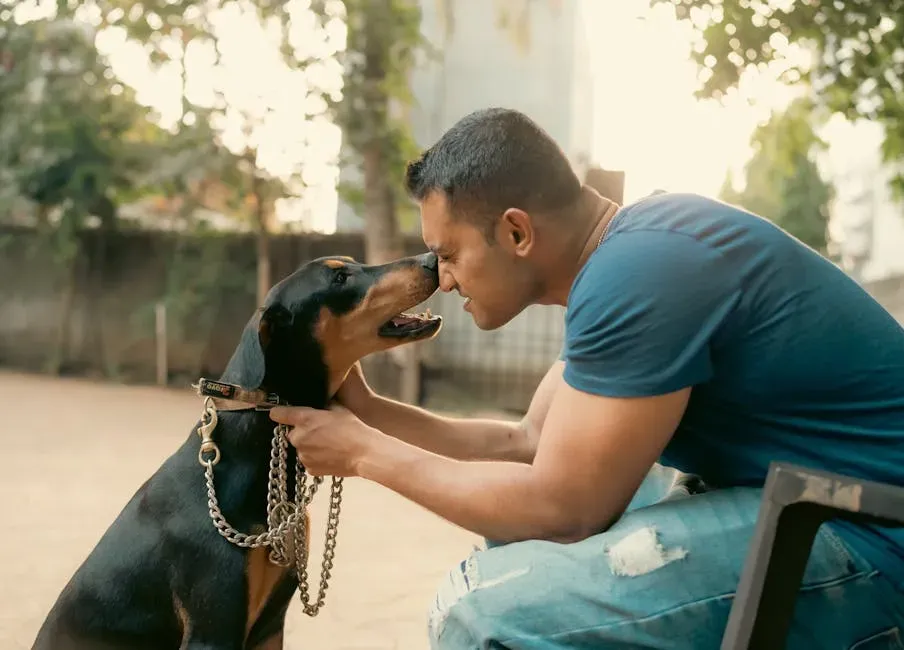
Reading through these signs, you may find yourself nodding, or maybe realizing that some of them are stronger between your dog and someone else in your household. That’s genuinely okay. Experts agree that dogs can have healthy, strong bonds with multiple humans in the house, and this is most common. Dogs’ attitude is very much “love the one you’re with,” and they are often equally happy with any human they are familiar with.
What matters most is that these bonds are built, not inherited. Bonds are fluid, and dogs often attach most strongly to the people who reliably meet their day-to-day needs. You can work on strengthening the relationship by participating in daily care including feeding, walking, and grooming, engaging in fun reward-based training, and being predictable and kind, since calm consistent interaction builds trust quickly.
Your dog doesn’t hand out this kind of devotion lightly. When dogs and humans engage in mutual gazing, both species release oxytocin, the same hormone involved in human mother-infant bonding, creating a powerful attachment system that mirrors the caretaker-infant relationship dynamic. Every walk you took, every calm evening on the couch, every time you showed up for your dog when they were scared, all of it has been quietly adding up. The signs in this article aren’t random dog behavior. They’re the accumulated evidence of a relationship your dog has decided, on their own terms, is worth everything.


